Matox News

Truth Over Trends, always!

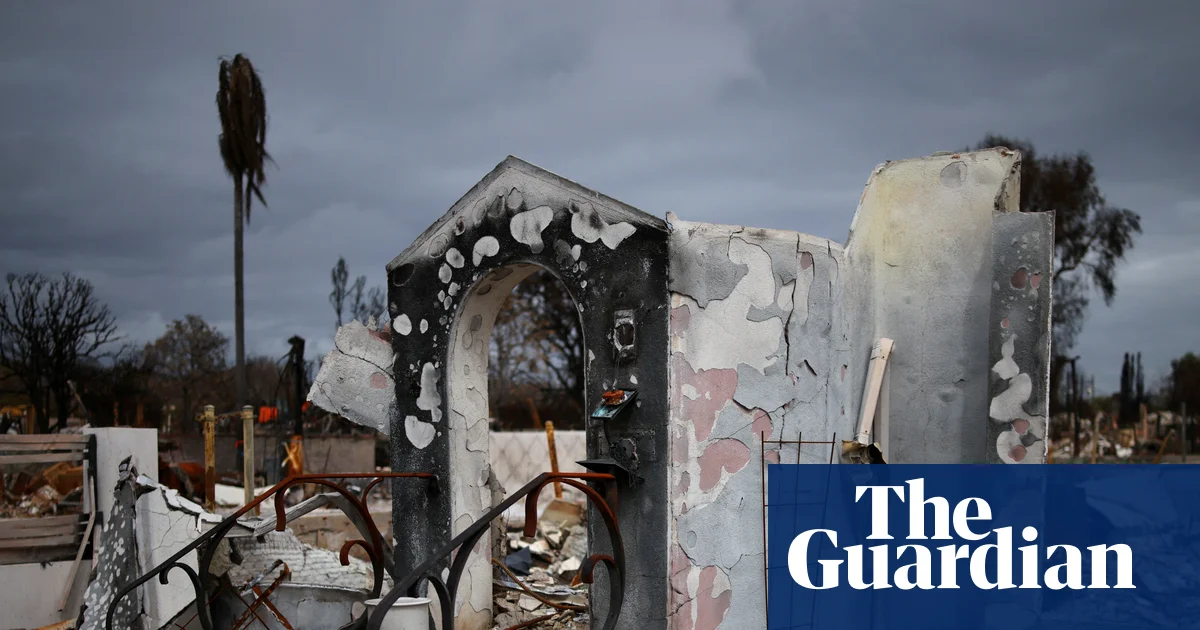
Man accused in Palisades wildfire charges pleads not guilty in LA court

The recent Palisades fire in California has reignited not only concerns about environmental management but also about the larger geopolitical and societal implications of local crises. The fire, which tragically claimed twelve lives and razed over 6,800 structures, underscores the unpredictable and destructive power of human and natural elements intertwined in the modern world. As authorities work to address the immediate aftermath, international observers and analysts are increasingly recognizing that such disasters have ripple effects beyond regional boundaries, influencing policies, economic stability, and even global security considerations.

Legal proceedings against Jonathan Rinderknecht highlight the complexities surrounding individual responsibility amidst larger environmental and civil crises. Charged with federal arson affecting interstate commerce, Rinderknecht’s case draws attention to how digital behavior—such as his interactions with AI and geolocation data—can be scrutinized as potential indicators of intent or involvement. Historians like Dr. Linda Carter have warned that the proliferation of AI-generated content and digital footprints complicate traditional notions of guilt and innocence, especially in emergencies driven by human actions. These developments reveal a new frontier in criminal investigation, where technological intricacies shape judicial outcomes, but also threaten to infringe on civil liberties, raising questions about the limits of surveillance in safeguarding communities.

The incident also offers a lens through which to view the broader geopolitical impact of climate-related crises. As climate change continues to intensify, fires like Palisades serve as stark reminders of how environmental catastrophes can destabilize societies, strain resources, and draw international attention. Experts from organizations such as the United Nations have warned that unchecked environmental disruptions could lead to increased migration, economic hardship, and regional conflicts, especially in areas ill-prepared for such events. The destruction of California’s landscapes epitomizes the fragile balance between economic growth and environmental resilience, and the need for international cooperation in developing sustainable policies.

Meanwhile, the timing of legal and environmental responses underscores a critical debate on sovereignty and responsibility. The response to local fires, driven by national policies and emergency protocols, often influences how nations perceive threats to their stability. U.S. authorities, under growing scrutiny, must demonstrate their capacity to protect citizens without overreach. At the same time, the international community watches as nations like Russia and China contend with their own climate-related disasters, seeking to project power amidst a shifting global landscape. As historian Dr. James Parker notes, “These crises aren’t isolated; they reflect a broader struggle for influence, resilience, and control across the world’s geopolitical stage.”

As the trial of Rinderknecht approaches, with proceedings set for December 16, the outcome will likely influence future approaches to both criminal justice and disaster management. His case may become a precedent for integrating AI analysis into legal processes and determining accountability in an increasingly digital world. But as history continues to unfold, the true scope of these localized tragedies extends beyond courtrooms and firefighting efforts—prompting a fundamental reckoning with how humanity navigates a planet under siege from its own innovations and neglect.

In the end, the story of Palisades is a chapter in a much larger narrative—one of peril, resilience, and the relentless pursuit of stability amid chaos. As nations grapple with their responsibilities and citizens confront the realities of environmental and technological change, the weight of history presses upon us all. The future remains uncertain, teetering on the edge of now and the ever-approaching echo of coming storms—both natural and human-made—challenging every society to stand firm or be swept away by the storm of its own making.


Caerphilly Byelection: Labour, Plaid, and Reform UK clash as key Welsh vote hits the finish line

Caerphilly Byelection Sparks Critical Shifts in Welsh and UK Politics

The Caerphilly byelection, recently concluded with a voter turnout exceeding 50.43%, has captured the world’s attention as a potentially defining moment in Welsh politics. Historically, voter engagement in such devolved elections has been modest, with prior turnouts seldom crossing the 50% threshold, making this election a significant anomaly. Experts note that this heralds an era where direct democratic participation in Wales might be on the rise, thereby intensifying the stakes for political factions vying for influence.

At its core, the outcome of this byelection is seen as a barometer for the larger geopolitical impact on UK politics. The possible loss of the Caerphilly seat by Labour, the longstanding dominant force in Welsh governance since 1999, would not merely be a local concern. It signifies a broader disenchantment with the party’s performance both at Westminster and Cardiff, which has opened space for insurgent parties like Reform UK and Plaid Cymru to challenge the status quo. As analysts warn, if Reform manages to replicate its recent gains, it could destabilize the traditional political landscape, pushing the UK closer to a new, more fractured political era.

Fierce Campaigns Echo Broader Ideological Battles

The election, called due to the death of Hefin Wyn David, underscores the mounting ideological struggle within Wales—between those advocating for continued devolution and independence, and reformers promising constitutional overhaul. Nigel Farage and his Reform UK team invested heavily, pledging to “throw everything” into the contest, notably capitalizing on voter dissatisfaction with established parties. Meanwhile, Plaid Cymru seeks to solidify its claim as the primary nationalist voice, emphasizing their focus on a future independent Wales and presenting themselves as the alternative to what they depict as Labour’s waning influence.

Additionally, the battle witnessed energetic grassroots activism, with Lindsay Whittle of Plaid describing the campaign as “really energetic,” further indicating that the fight over Welsh sovereignty and societal direction is far from settled. Several internationals, including political historians, see this contest as a potential bellwether for the upcoming full Senedd elections, where the real redefinition of Welsh autonomy could crystallize. This contest, therefore, is not merely a local election but a proxy for future societal shifts, impacting the British Isles’ political architecture.

Societal Underpinnings and Future Forecasts

Despite the fierce political rhetoric, some fear that polarization and societal division lie beneath the surface of these electoral battles. The reports of intimidation tactics—such as attacks on Reform UK candidates’ properties—and controversies over campaign rhetoric indicate a volatile atmosphere. Yet, this tumult reflects a deeper undercurrent: a society grappling with change, identity, and the future of its governance. As Sharon Walker, an international political analyst, suggests, the political shift in Caerphilly could serve as a touchstone influencing debates across the UK on national identity, sovereignty, and social cohesion.

The story of this election remains unwritten as vote counting continues and the nation watches with bated breath. If the results favor Plaid Cymru or Reform UK, the landscape of Welsh and UK policy-making may be forever altered, ushering in an unprecedented chapter where allegiance and ideology are re-scribed anew. In this unfolding saga, history is not merely being watched—it’s actively being made, and the world must brace for the seismic implications that are yet to come.

Rising Star Shines Bright: Young Talent Dominates Last Night’s Championship Game!

NBA’s Financial Landscape Shifts – A Game Changer for the League

On Thursday, the NBA faced a significant financial reckoning that could reshape the league as we know it. The sheer volume of cash flooding the sports industry has reached heights that demand attention and careful navigation, echoing sentiments voiced by many analysts and former players. This development sheds light on the financial pressures faced by teams and the implications for fans and players alike.

While star players like LeBron James and Stephen Curry continue to command multi-million dollar deals, the ripple effect of financial growth means increased expectations for performance. As highlighted by NBA commentator Mark Jackson, “The stakes are higher than ever; when you put that much money into the game, the pressure is on to deliver.” This dramatic financial evolution speaks to a broader issue: just how sustained investment can influence the dynamics of team management and player contracts.

Several key teams, including the Brooklyn Nets and Los Angeles Lakers, are at the forefront of these changes, leveraging their financial muscle to attract top talent. Meanwhile, smaller markets struggle to compete, creating a divide that could alter the league’s competitive landscape. The disparity was evident during recent negotiations, as franchises jockeyed for position in a rapidly changing economic environment. Notably, coaches like Eric Spoelstra of the Miami Heat recognize the need for adaptive strategies in light of financial realities, emphasizing, “It’s not just about money; it’s about building a cohesive unit.”

  • Key Moment: Financial negotiations summoning former champions and franchises alike.
  • Player Stats: Major players seeing contract increases as cash flow rises.
  • Takeaway: Competitive balance may be evolving, requiring teams to rethink recruitment and retention strategies.

As these financial realities continue to unfold, one thing remains clear: sports serve as a unifying force in society, transcending mere numbers on a ledger. Whether one supports a powerhouse like the Golden State Warriors or roots for a team with less financial backing, the passion for the game unites fans and players alike. The NBA’s journey is far from over, and as it navigates these uncharted waters, one can only hope the essence of competition remains intact, highlighting resilience through unity on and off the court.

Source link

Breaking: Worry over H5 bird flu hitting elephant seals on remote Australian island

In a week marked by unprecedented scientific observations and intense geopolitical debates, the international community finds itself at a critical inflection point. Australian scientists have recently detected signs consistent with H5 avian influenza—commonly known as bird flu—in elephant seals on Heard Island, located more than 4,000 kilometers southwest of Perth. While officials from the Department of Agriculture, Fisheries and Forestry clarify that a definitive detection has yet to be confirmed, this finding underscores the persistent threat of zoonotic diseases crossing species and boundaries, especially in isolated regions. Of particular concern is the fact that Australia remains the only continent without the highly contagious H5 strain, a fact that both scientists and strategists highlight as a potential weakness in regional biosecurity.

Experts warn that such wildlife cases, while seemingly isolated, heighten the urgency for international cooperation in surveillance and preparedness. The detection on Heard Island, a sub-Antarctic enclave, signals that viruses may be quietly circulating in the most remote corners of the planet—yet the potential for spread to mainland populations still triggers alarm. The World Health Organization and regional bodies are closely monitoring developments, emphasizing that the potential spillover of H5 into human populations could alter the global landscape dramatically. Historian and analyst Dr. Samuel Rothenberg notes that “the interconnectedness of ecosystems and nations today amplifies the impact of such biological threats,” warning that in an age of rapid travel and climate change, what begins in isolated wildlife could soon become a global crisis.

Simultaneously, while health officials grapple with preventing a pandemic, political leaders face escalating challenges on the domestic front—particularly concerning law and order, where recent cases have shaken public confidence. In New South Wales, authorities are resuming their investigation into the decades-old cold case of Colleen Walker-Craig, a 16-year-old Indigenous girl last seen in 1990. The renewed effort to locate her remains, involving water searches along the Nambucca River, is emblematic of a broader societal struggle to address unresolved atrocities and ensure justice. As detectives reopen old wounds, the political implications resonate across the Pacific, fueling calls for reform and transparency. Analysts suggest that this is a testament not only to the persistence of local issues but also to the broader importance of justice in shaping national identity and sovereignty.

Adding to the complexity, the Australian government is considering large-scale reforms—lifting caps on major events at the historic Royal Randwick Racecourse and easing restrictions on concerts in Sydney—aimed at revitalizing the economy and boosting city vibrancy. However, critics from the opposition argue that such measures could be overshadowed by internal crises, including a surge of unfair dismissal claims that threaten to overwhelm the nation’s tribunal system. Opponents contend that these legal backlogs, which have increased by 27% over the past five years, symbolize deeper systemic issues—exposing an economy struggling under burdens of red tape and regulatory duplication. Opponent and Shadow Minister Andrew Bragg warns that these legislative changes, while well-intentioned, threaten to make it even more difficult for local businesses to thrive, thus impacting Australia’s geopolitical standing as a competitive hub in the Indo-Pacific region.

As the tide of crises and opportunities continue to unfold, from virus detection to justice and economic reform, history remains an unforgiving judge. The decisions taken in these critical moments will echo through generations, shaping the destiny of nations in an era defined by transnational challenges and resilience. The world watches with bated breath, knowing that history’s next chapter is still being written—its ink penned by policymakers, scientists, and societies daring to face the turbulent future with resolve or despair.

Trump’s pardon boosts Binance founder Zhao’s future prospects

Crypto Pardon by President Trump: A Turning Point in Global Finance and Geopolitics

The recent pardon of Changpeng Zhao (“CZ”), founder of Binance, by President Donald Trump, has sent shockwaves through the international financial community, highlighting a deliberate pivot in the US’s stance towards cryptocurrency regulation and geopolitics. This move, following Zhao’s four-month prison sentence for violating US money laundering laws, signals a departure from previous strict enforcement under the Biden administration. The pardon, which effectively lifts restrictions on Zhao’s capacity to run financial ventures, appears to be intertwined with broader political and economic strategies, especially considering Beijing’s rising influence in the digital currency sphere.

Since the indictment, Binance had been under intense scrutiny by US authorities, accused of enabling users to bypass sanctions and facilitate illicit activities — accusations that they ultimately admitted to, paying a hefty $4.3 billion settlement. The legal actions were portrayed by critics as part of a wider effort to tighten regulation over the crypto industry, which many analysts argue is a key instrument of geopolitical power. Historically, US officials like former Treasury Secretary Janet Yellen have warned of the dangers posed by cryptocurrencies—highlighting concerns over terrorism, child exploitation, and cybercrime. However, the Trump-era pardon, and subsequent political narratives, suggest a shift toward fostering innovation and integrating crypto into the mainstream economy, possibly as a way to counter China’s rapid technological advancements in digital currencies.

International Responses and Strategic Implications

The controversy surrounding Zhao’s pardon underscores a growing battle for control over the future of global monetary systems. White House officials have framed the pardon as an exercise of constitutional authority, dismissing critics who allege personal financial motives. Meanwhile, analysts note that the Trump administration’s previous steps—such as loosening regulations and considering a national crypto reserve—indicate an intent to leverage digital assets as a tool for economic sovereignty, countering what they perceive as the disruptive influence of China’s central-bank digital currency ambitions.

In this shifting geopolitical landscape, international organizations and foreign governments are watching closely. For instance, European and Asian regulators are increasingly cautious, balancing innovation with fears of financial crime and systemic risk. Historians and geopolitical strategists warn that such pardons may be the early signs of a new era where digital currencies are weaponized—either as tools of economic innovation or as instruments of political influence. How nations respond in this digital battleground will determine the shaping of the international monetary order for decades to come.

Conclusion: The Unfolding History of Power and Technology

As Binance reaffirms its position as the world’s leading crypto platform, and Zhao’s personal story becomes a symbol of the new strategic terrain, the weight of history remains heavy. The decisions made today—whether by Western democracies to regulate or to embrace crypto, or by authoritarian regimes to co-opt digital currency—will carve the future. This is not merely about currencies but about who holds the power in the new digital age. The next chapter of this unfolding saga promises to be a defining moment—a testament to how intertwined modern geopolitics has become with the relentless march of technological innovation. The choices made now will resonate through history, shaping societies and sovereignties for generations to come, long after the headlines fade and currencies shift into the depths of the digital wild west.

Video surfaces of suspected thieves fleeing—Could justice be on the horizon?

High-Profile Louvre Heist Sparks Global Outcry and Strategic Overhaul

In a startling incident that has sent shockwaves through the international community, Paris-based authorities are grappling with the aftermath of a brazen theft at the Louvre, one of the world’s most iconic cultural institutions. Video footage publicly emerging shows two suspects making their daring escape on a mechanical ladder in broad daylight, shortly after they infiltrated the museum and stole an estimated €88 million worth of France’s crown jewels. This event underscores not only a glaring security failure but also signals an urgent need for global institutions to reassess their protective measures amidst rising threats to cultural heritage.

Security Failures and Strategic Shortcomings in Cultural Preservation

According to Laurence des Cars, the director of the Louvre, the incident exposed critical vulnerabilities, notably the insufficiency of surveillance infrastructure. She admitted that the museum had only one CCTV camera monitoring the gallery where the jewels were displayed—a lapse that facilitated the thieves’ quick and unchallenged operation. The fact that the thieves managed their escape within less than eight minutes after the breach illustrates just how vulnerable such institutions remain in an era marked by increasing organized crime. Parisian prosecutors have confirmed that police have collected up to 150 DNA samples and fingerprints, yet the perpetrators remain at large, highlighting the difficulty in preventing sophisticated break-ins.

The stolen items included historically priceless artifacts—a necklace and earrings gifted by Napoleon Bonaparte to his second wife, Marie-Louise. Significantly, amidst the chaos, a 19th-century diamond-studded crown belonging to Empress Eugenie was dropped during the ransacking and, despite being recovered, was heavily damaged—likely crushed as thieves pried it from its case. This act not only represents a cultural loss but also exemplifies a reckless disregard for history and heritage. Such events compel international organizations to reevaluate their security protocols, especially when targeted assets are intertwined with national identity.

Global Implications and the Threat to Cultural Institutions

The Louvre theft underscores a broader trend affecting cultural institutions worldwide—an increase in well-coordinated, high-stakes burglaries driven by the lucrative black market for priceless artifacts. Analysts warn that such incidents threaten international heritage and create destabilizing narratives that can fuel political instability. Experts from organizations like INTERPOL have voiced concerns about the rise of organized crime syndicates specializing in art theft, which exploit gaps in security to pillage cultural icons. On a geopolitical level, this not only erodes shared history but also impairs soft power, as nations must scramble to protect their cultural legacy from becoming commodities for illegal trades.

In response, France announced plans to double CCTV coverage at the Louvre and surrounding sites, acknowledging that previous security measures were inadequate. Yet, this incident raises a stark question: how many other cultural treasures worldwide are vulnerable due to similar logistical gaps? As historians and security analysts debate the profound turning points in antiquities preservation, this event leaves a haunting question in the air—will global authorities prioritize meaningful security reforms before more artworks vanish into the shadows of illicit markets?

As history continues to unfold amid this dark chapter, the weight of this act reverberates far beyond Paris’ borders. The theft is not merely a loss of gold and jewels—it’s a challenge to the sovereignty and cultural identity of a nation, now etched into the ongoing struggle for safeguarding humanity’s collective memory. The story remains unwritten, and the world watches as the remnants of this audacious heist threaten to threaten the very fabric of civilization’s shared history.

Fallout 4 Gets a Fresh Edition to Gear Up for the New TV Show

Gaming Milestone Meets Technological Disruption: Bethesda Celebrates Fallout 4’s Decade with Anniversary Edition

In a move that underscores the enduring impact of classic titles amid rapid technological shifts, Bethesda has announced the release of the Fallout 4 Anniversary Edition, coinciding with the game’s 10th anniversary. Scheduled for launch on November 10th across PC, PS4, PS5, Xbox One, and Xbox Series X/S, this edition exemplifies innovation in content delivery and reinforces the game’s relevance in an era dominated by continuous platform evolution and digital engagement. Offering the base game alongside six official expansions, over 150 creations from the Creation Club, and a dedicated hub for mods, Bethesda is reinforcing the game’s position as a business case study in longevity and community-driven content.

This strategic refresh arrives precisely one month before the debut of the second season of Prime Video’s Fallout series, creating an integrated entertainment ecosystem that blurs the lines between traditional gaming and streaming media. Such an approach exemplifies how legacy franchises can leverage technological disruption—through cross-media synergy—to amplify user engagement and extend brand dominance. The timing also hints at a broader industry trend: immersive content experiences are becoming pivotal to capturing consumer attention in a competitive multimedia landscape. Industry analysts point to this as a clear example of how existing properties can leverage technological advancements—such as enhanced mod ecosystems and multi-platform availability—to reinvigorate aging franchises and unlock new revenue streams.

In a notable move reflecting accelerated hardware innovation, Bethesda has announced that the Fallout 4 Anniversary Edition will arrive on the upcoming Nintendo Switch 2 next year. This aligns with a broader industry shift, where companies like Nintendo and Sony are pushing boundaries with next-generation consoles that promise more integrated, high-performance gaming. Industry insiders suggest that this generation will fundamentally disrupt how games are developed and consumed—with enhanced processing power facilitating richer graphics, more complex worlds, and innovative mod support.

  • Next-gen consoles will facilitate larger, more dynamic multiplayer experiences.
  • Game developers will have access to unprecedented hardware capabilities for innovation in game design.
  • Distribution models will increasingly emphasize digital content, making physical limitations less relevant.

Furthermore, the impending Switch 2’s third-party releases marks an industry-wide shift toward platform agnostic gaming, where high-quality titles are expected to run seamlessly across device ecosystems. Such disruptions hold profound implications for game publishers, hardware manufacturers, and content creators, requiring them to adopt more agile strategies to stay competitive.

Looking ahead, the intersection of legacy IP revitalization, technological innovation, and hardware advancements signals a transformative era for interactive entertainment. Disruption is no longer optional but essential, prompting industry leaders and startups alike to accelerate innovation pipelines. The opportunity for entrepreneurs and investors is clear: those willing to embrace emerging tech—such as cloud gaming, AR/VR, and AI-driven content creation—will shape the future landscape of entertainment. As Bethesda’s anniversary celebration exemplifies, combining nostalgia with cutting-edge technology isn’t just a marketing tactic; it’s a blueprint for future business model evolution—a call for the industry to respond swiftly and boldly to the relentless pace of change. The future belongs to those who innovate now, ensuring that gaming remains not just relevant but revolutionary.

Inside the NBA gambling scandal: What you need to know about the rigged poker arrests

US Authorities Crack Down on NBA-Linked Organized Crime and Match-Fixing

The recent massive crackdown by U.S. federal authorities has sent shockwaves through both the sports world and the underworld of organized crime. The arrests, which include NBA stars and coaching icons, underscore a disturbing resurgence of organized criminal influence within professional sports — a phenomenon that elites and analysts had believed to be largely eradicated since the peak of mafia domination in the 20th century. This analysis highlights the growing geopolitical impact of illegal gambling networks entwining with societal institutions, revealing a deeply troubling trend that threatens the integrity of both national and international sporting agencies.

Authorities have detailed a sweeping investigation, dubbed “operation nothing but bet,” uncovering a sophisticated scheme involving insider information manipulation and multi-million dollar betting frauds. Among those indicted are renowned figures like Portland Trail Blazers coach Chauncey Billups and Miami Heat star Terry Rozier. The scandal extends beyond individual athletes to encompass four of the notorious ‘Five Families’—long-standing mafia syndicates that have historically wielded power in New York. The FBI described the scheme as “mind-boggling,” with criminals employing cutting-edge technology like off-the-shelf shuffling machines, eye-reading contact lenses, and even X-ray tables to rig illegal poker games. Here, the cumulative damage involves millions in stolen funds and a dangerous infiltration of the societal fabric.

From a geopolitical and societal perspective, these revelations trigger a new wave of concern about how entrenched criminal operations continue to compromise the rule of law and the integrity of global sporting competitions. International organizations such as INTERPOL and FATF have long warned about the proliferation of crypto-based laundering and sports corruption, and these latest developments underscore the urgent need for fortified international cooperation. The involvement of organized crime syndicates like the Bonanno, Gambino, and Genovese families illustrates how persistent mafia influence remains, even as law enforcement has scored major victories in the past. The return of such underworld networks to high-profile arenas signals a broader crisis for societal trust, representing a direct challenge to the cultural respectability and economic stability associated with global sports industries.

As sports leagues and government agencies brace for further repercussions, the question remains: how deep does this corruption go, and what are the implications for the future? Noted historians and crime analysts warn that this is more than just a series of isolated scandals; it is an indicator of a potential paradigm shift where organized crime progressively infiltrates legitimate institutions. The NBA’s response—placing the implicated players and coaches on immediate leave—reflects a reactive stance, but critics argue that only comprehensive reforms and international cooperation can truly restore integrity. As Europe and other regions watch closely, the unfolding story highlights one enduring truth: in the theatre of power, money, and influence, the line between legality and corruption has always been fragile. With each indictment, history’s pages turn, leaving future generations to ponder whether justice truly prevails or if, in the shadows, the old empire of crime still rules. The night is darkening, and the echoes of lawlessness are louder than ever — the question is whether the dawn of real accountability is still to come.

Teens laud Droitwich project for turning around school attendance struggles

Society at a Crossroads: The Growing Crisis of School Attendance and Its Broader Social Implications

Over the past several years, the disruption caused by the Covid-19 pandemic has cast a long shadow over the fabric of our society, illuminating and exacerbating existing social issues. Among the most troubling of these is the alarming rise in pupil absenteeism, which directly impacts families, community cohesion, and the future of our educational institutions. Recent data reveals that since the 2018-19 academic year, the number of students missing more than a tenth of their school days has nearly doubled, soaring from approximately 771,863 to over 1.48 million in 2023-24. Experts, sociologists, and educators express grave concerns that this trend could undermine the foundation of societal stability, as education is intrinsically linked to upward mobility and social cohesion.

Within this context, individual stories such as that of Tamsin and Amber serve as poignant reflections of a broader educational emergency. Tamsin, from Droitwich, Worcestershire, experienced her attendance plummet to just 52% after the pandemic lockdowns, due to her struggles with anxiety and panic attacks that worsened with social exposure. Her case exemplifies a larger demographic shift—children and adolescents facing mental health challenges that schools are ill-equipped to handle without targeted support systems. Amber, similarly, grappled with the transition back to traditional schooling, having been educated in smaller, less intimidating classes during lockdowns. Her mother, Becki, notes how the school’s innovative program called “The Link,” a flexible learning approach, profoundly changed her daughter’s trajectory, encouraging her to regain confidence and pursue her GCSEs. These stories underscore how educational institutions must adapt their approaches to meet diverse mental health needs, reinforcing the moral imperative to prioritize student well-being alongside academic achievement.

Schools developing programs such as the Link demonstrate the resilience and ingenuity necessary to address this crisis. Developed at Droitwich Spa High School, this initiative enlists specialist teachers to teach as few as seven students for two hours daily, emphasizing personalized attention and flexible learning environments—such as optional uniforms and sensory gardens. Such approaches acknowledge the social and emotional toll of the pandemic on vulnerable learners and aim to reintegrate students through tailored support. Co-head teacher Gemma Lloyd Davies emphasizes that these efforts are crucial, noting that previously, some students could only attend a single day per week, but now, many are accessing education every day. The success stories—from Tamsin’s college ambitions to Amber’s aspiration to become a teacher—highlight firsthand the transformative effect of targeted, compassionate intervention. Here, educational leaders are not merely imparting knowledge but are actively rebuilding trust and confidence within fragmented communities, embodying a moral commitment to all children’s futures.

However, the societal challenge extends beyond individual schools. The Department for Education reports a concerted effort to curb persistent absenteeism, claiming that 140,000 fewer pupils are now classified as persistently absent. Still, the need for broader, systemic reforms remains pressing. Addressing the root causes—mental health crises, social disconnection, and the erosion of traditional community bonds—necessitates a societal shift that prioritizes early intervention, mental health support, and community engagement. As social commentators and historians observe, this era demands a moral reckoning: will we allow a generation to slip into social and educational marginalization, or will we harness innovation and compassion to forge a society resilient to crises? For many families, the hope is that society collectively recognizes this challenge—and chooses the path of renewal, ensuring that no child is left behind, not by neglect, but by conscious, moral resolve.

Ultimately, society’s greatest strength lies in its capacity for renewal. As families like Becki’s and community institutions rally around their children, there remains a spark of hope—an enduring belief that even amidst society’s greatest trials, the human spirit can adapt, uplift, and transform. The journey ahead is undeniably complex, but within it lies the potential for a society that values every child’s promise and acknowledges that the future of our communities depends on the compassion and ingenuity we bring today.

Grace Wales Bonner: British Style Maverick Who’s Driving Sambas to Stardom, Now Leading Hermès Menswear

Fashion’s New Trailblazer: Grace Wales Bonner and the Shift Toward Cultural Authenticity

The fashion world, ever-changing and driven by leading designers, is witnessing a transformative moment with the rising prominence of Grace Wales Bonner. Named to succeed the legendary Véronique Nichanian at the storied French fashion house, Wales Bonner’s appointment signals more than just a career milestone — it marks a societal shift rooted in authentic cultural expression. Set to debut her first collection in January 2027, her appointment demonstrates how the rebellious spirit of youth, coupled with a keen sense of identity and history, is redefining luxury fashion from within. Influenced by her Jamaican roots, her upbringing in south-east London, and her deep academic engagement with art and history, Wales Bonner’s work embodies a new wave of fashion that emphasizes cultural legacy and identity politics, resonating with younger generations eager to see their histories honored and echoed on the runway.

The cultural impact of Wales Bonner’s ascendancy extends beyond high fashion, permeating mainstream consumer culture and shaping trends that savvy brands and influencers can’t ignore. Her collaborations with brands like Adidas Originals have reinvigorated classic sneakers such as the Samba and Superstar, transforming them from mere athletic wear into symbols of cultural hybridity and self-expression. These shoes, once associated solely with sports or streetwear, now serve as canvases for storytelling, showcasing her approach of blending traditional craftsmanship with contemporary, even rebellious, aesthetics. The sneakers have been adopted by icons from Rihanna to politicians like Rishi Sunak, illustrating how her designs are influencing a broad demographic spectrum and fueling a trend that goes far beyond the runway. Coupled with her knack for reimagining styles from silver foil to animal print, Wales Bonner reinforces a sense that fashion is a dynamic language—one that speaks loudly about identity, resistance, and social commentary.

Leading analysts and influencers recognize her role as more than just a designer; she is a socio-cultural pioneer who manages to weave stories of history into her work. Kenya Hunt, editor-in-chief of Elle UK, recently described her appointment as “long overdue,” emphasizing how her attention to craft and intelligence has consistently illuminated the fashion landscape. Her approach—akin to a jazz musician improvising with familiar instruments—addresses the duality of tradition and modernity that characterizes the next generation of consumers. Her references—ranging from the iconic African leader Haile Selassie and the carnival of Notting Hill to art icons like Jean-Michel Basquiat—highlight her broader cultural focus that makes her designs relevant and resonant. As fashion becomes increasingly intertwined with issues of race, identity, and social justice, Wales Bonner’s work exemplifies how the industry can serve as a conduit for cultural dialogue.

Yet the real question looming on the horizon is whether her success signals a temporary shift or marks a broader revolution in how fashion intersects with society. Is what we’re witnessing merely an aesthetic renaissance, or does it signify a seismic change in societal values? With her trajectory—dominating runway shows, collaborating with cultural icons, and earning accolades like the LVMH Prize and CFDA awards—it’s clear that Wales Bonner embodies a powerful movement: an ongoing call for fashion to reflect, celebrate, and critique social identities. As her influence expands and new talent emerges inspired by her ethos, the next big question becomes: how will this cultural shift reshape the industry’s future, and what role will fashion play in shaping societal narratives in the years to come?

Social Media Auto Publish Powered By : XYZScripts.com