Matox News

Truth Over Trends, always!

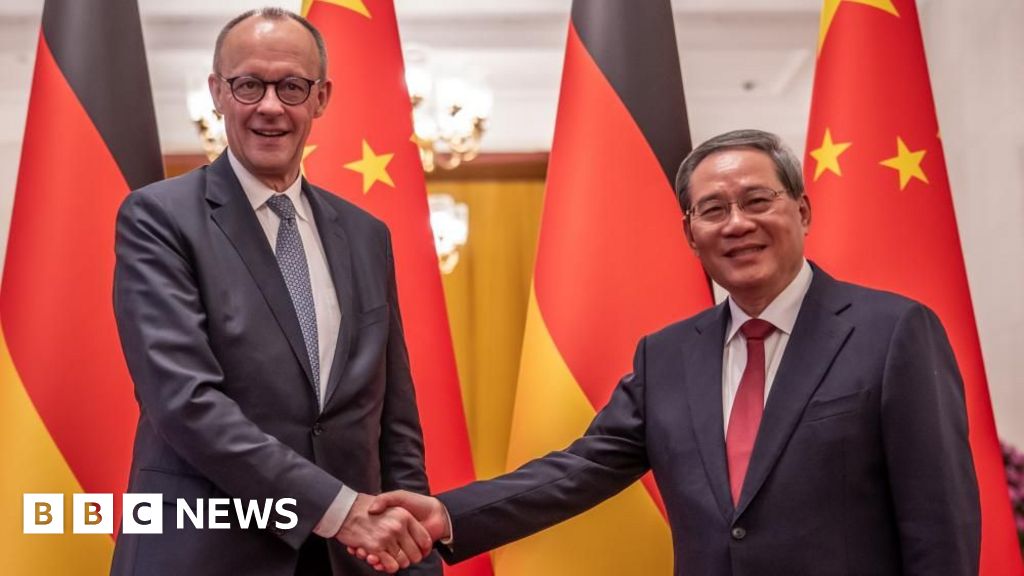
German Chancellor warns of growing trade gap with China on first Beijing visit

In a significant development amid shifting international trade dynamics, German business groups have issued a pointed appeal to Friedrich Merz, demanding a clear and decisive stance towards China’s economic practices. This move underscores growing concerns within Europe about the strategic risks posed by China’s expanding influence in global markets and the need for coherent policies to safeguard national interests. As tensions over trade competition, export controls, and technological sovereignty escalate, the call from industry leaders signals a potential turning point in Europe’s approach to balancing economic relations with China.

Under Germany’s increasingly complex geopolitical landscape, business sectors are warning that ambiguous or lenient policies could underminet the competitive edge of European firms, particularly in key sectors such as technology, manufacturing, and telecommunications. Analysts suggest that the European Union’s future approach may be pivotal in shaping global power dynamics. The pressure on Merz, the leader of the opposition, reflects broader debates within Germany—Europe’s economic powerhouse—about how to maintain a strategic and independent stance amidst rising U.S.-China tensions. Moreover, this call aligns with European efforts to reinforce export controls, safeguard technology, and counteract economic coercion, which many see as essential in preventing China’s market dominance from eroding Europe’s technological sovereignty.

Historically, decisions on trade and diplomacy have an enduring impact on national security, societal stability, and international rankings. The stance taken by Germany’s politische and business elites will likely influence the broader European Union’s foreign policy direction. Recent reports from international organizations, including the World Trade Organization, suggest that such moves could provoke retaliatory measures from Beijing, adding risk to European export-dependent economies. Meanwhile, U.S. policymakers, keen on coalition-building with European allies, are watching these developments with a mix of interest and apprehension, recognizing that the collective stance will shape how the Western bloc resists China’s strategic ambitions.

As critics warn of the potential for economic decoupling and diplomatic rupture, the words of historians and analysts carry increasing weight. Many caution that reckoning with China’s rise involves more than tariffs and export controls; it requires a deliberate, principled strategy that considers the societal and geopolitical repercussions for generations to come. The decisions made today could determine whether Europe remains a unified, resilient power or whether it succumbs to fragmentation and dependency. With Merkel’s legacy fading and a new chapter in global diplomacy emerging, the weight of history presses upon leaders to act decisively. In this unfolding saga of power, influence, and sovereignty, the future hangs in the balance—a testament to the enduring importance of strategic foresight in a rapidly changing world.

OpenClaw Founder Urges AI Innovators to Embrace Playfulness and Take Their Time to Improve

AI Innovation Disrupts Tech Landscape: Insights from Industry Pioneer

In an era marked by rapid technological evolution, personal AI agents are redefining the boundaries of digital interaction and productivity. Peter Steinberger, renowned as the creator of the viral AI project OpenClaw, and now associated with OpenAI, emphasizes the importance of experimentation and playful exploration in advancing AI capabilities. His insights underscore a trending shift within the industry — innovation is no longer a linear process but a dynamic journey fueled by curiosity and iterative learning.

Steinberger’s experience illustrates the disruptive potential of personalized AI solutions, especially when harnessed for real-world applications. During a recent trip to Marrakesh, he highlighted how AI-powered tools enhanced his convenience, bypassing traditional limitations, such as unreliable internet connectivity, through platforms like WhatsApp. The ease of finding restaurants, managing communications, and accessing information exemplifies how AI integration can create seamless user experiences. Market analysts, including Gartner, forecast that such context-aware AI agents are poised to become essential for redefining user engagement and establishing new revenue streams for tech giants and startups alike.

Critically, Steinberger advocates for an approach to AI development rooted in innovation through playful experimentation. He compares mastering AI prompt engineering to learning to play guitar — skill-based, requiring patience and practice. His warning against superficial “vibe-coding” reflects a broader industry concern: meaningful disruption demands genuine skill, not shortcuts. As companies like Microsoft and Google race to integrate these AI breakthroughs into cloud computing, productivity tools, and enterprise solutions, the foundational skillset becomes a competitive advantage. Industry veterans and emerging developers must embrace this shift, investing in learning curves that, while steep, promise immense strategic value.

Looking forward, the trajectory points to a fundamental transformation of the tech industry. As Steinberger advises, innovation flourishes when fueled by playful experimentation and relentless curiosity. For the youth of tomorrow, those willing to take risks and build boldly are positioned to lead the disruption. With market leaders pushing substantial investments into AI research and startups racing to commercialize new features, the tempo of technological advancement accelerates — and those who adapt quickest will shape the digital future. The cost of inaction could be losing ground in a landscape where disruption is the new normal. The imperative for today’s developers, entrepreneurs, and industry giants: harness this momentum now, or be left behind in the wake of relentless innovation.

Louvre Director Resigns Amidst Major Art Heist Scandal

In an era defined by rapid geopolitical shifts and rising global tensions, the appointment of Leribault as the new leader of a prominent cultural institution signals more than just a managerial change. His primary mission to strengthen the safety and security of the museum’s collections, staff, and visitors exemplifies a broader move by France to reaffirm its commitment to cultural preservation amid mounting international uncertainties. As the cultural sector becomes increasingly entangled in political narratives, the emphasis on safeguarding heritage assets underscores a strategic effort to project soft power and maintain societal cohesion.

Many analysts argue that cultural institutions serve as critical battlegrounds in the ongoing contest for global influence. Historians like Dr. Catherine Lefevre suggest that “the safeguarding of national treasures is now intertwined with geopolitical resilience,” especially as nations face external pressures from emerging powers and covert interests seeking to manipulate cultural symbols for ideological ends. The mention of Leribault’s focus on “restoring a climate of trust” hints at past vulnerabilities — whether through recent security breaches or ideological conflicts that threaten the integrity of such institutions. Meanwhile, international organizations, including UNESCO, have voiced concerns about cultural heritage as a target in conflicts, emphasizing that “the preservation of history is crucial for fostering international understanding.”

This new leadership change also reflects a strategic shift in international cultural diplomacy. Countries are increasingly recognizing the geopolitical value embedded in well-maintained institutions. The focus on transformations necessary for the museum highlights a vision of modernization aimed at resilience — a move that resonates with global trends toward digital integration and security enhancement. Such efforts serve as a tangible signal that fragile cultural infrastructure must be fortified to withstand not only ideological assaults but also physical threats. As the world witnesses a rising tide of social upheaval, war, and unrest, the role of cultural institutions as bastions of national identity and resilience becomes ever more vital.

Ultimately, this appointment is more than a routine administrative update. It is a reflection of how nations, especially those with a profound historical footprint like France, view their cultural heritage as crucial in shaping national identity and asserting geopolitical position. Historians warn that neglecting these institutions can lead to irreversible loss, forever altering a nation’s narrative. As we watch this new chapter unfold, it underscores a key truth: in the ongoing struggle for global influence, heritage is more than just history — it is a battleground where the resolve of nations is tested, and the future of cultural sovereignty hangs in delicate balance. In the fluid, often dangerous currents of international diplomacy, the fight to preserve our shared history remains an unyielding testament to resilience — yet, the game has only just begun.

Are England’s SEND reforms the fix our youth need? Share your thoughts.

Reforming SEND Provision in England: What It Means for Families and Society

Recently, the government announced its long-delayed plans to overhaul special educational needs and disabilities (SEND) provision across England. While policymakers tout these reforms as a step toward creating a more inclusive and equitable system, families, educators, and community leaders are raising concerns about the depth of change and how it will practically impact those most affected. The move arrives at a critical juncture when societal debates around social cohesion, educational equality, and economic sustainability are at the forefront of national discourse.

At the core of the controversy lies a recognition that families of children with SEND often face a complex web of challenges. In many cases, these parents relay stories of long waiting times, inadequate support, and bureaucratic inefficiencies that hinder their children’s potential. According to social commentators and education experts, such persistent systemic failures perpetuate a cycle where disadvantaged children face compounded barriers in education, limiting their future opportunities. The recent reforms promise increased funding, but critics argue that without targeted, accountable implementation, these efforts could fall short, merely repainting the existing framework rather than transforming it.

Beyond individual families, the reforms have profound implications for communities and local institutions. Schools and local authorities, often overstretched and underfunded, are now tasked with the challenge of delivering a more inclusive environment amid economic austerity. Social historian Dr. Emily Carter notes that such societal shifts echo historically when economic austerity intersected with social policy, often widening inequalities rather than narrowing them. The question remains whether community resilience and local leadership can navigate these turbulent waters to forge enduring solutions. The hope is that, through local innovation and family engagement, schools can become hubs of support rather than sites of exclusion.

The Broader Social Impacts and the Path Forward

The reforms also touch on a broader societal challenge: how nations foster social cohesion in increasingly diverse populations. As demographic shifts and cultural transformations redefine community identities, the need for inclusive strategies that respect cultural differences and uphold human dignity becomes more urgent. Prominent sociologists like Prof. Samuel Johnson underscore that a society’s strength correlates with its ability to integrate all citizens, especially the most vulnerable, into the social fabric. Failure to do so risks marginalization, social fragmentation, and intergenerational inequality.

  • Address systemic delays and bureaucratic inefficiencies that hinder timely access to support.
  • Invest in training teachers and support staff to foster understanding and responsiveness to diverse needs.
  • Empower families through participatory decision-making processes that respect their insights and lived experiences.
  • Build resilient local communities by encouraging cross-sector collaboration among schools, health services, and social agencies.

As society grapples with these pressing challenges, the lingering question remains: how do we preserve the moral fabric of our communities when faced with the realities of inequality and social change? Perhaps, it is only through embracing innovative, community-centered solutions that society can transform barriers into bridges. In this ongoing effort, the hope persists that future generations will inherit a system capable of nurturing every child’s potential — a society where, amid the uncertainties, the light of compassion and justice continues to shine brightly.

UK plans to suspend refugee family reunions face High Court challenge

The recent decision by the Home Office to suspend the right of refugees to reunite with their families in the United Kingdom has ignited a wave of controversy and legal challenges, signaling a concerning shift in the UK’s approach to humanitarian responsibilities. Safe Passage International, a prominent charity dedicated to assisting unaccompanied children and refugees, has secured permission to challenge this decision in the high court, asserting that the suspension breaches the UK government’s obligations to safeguard the welfare of vulnerable populations.

Historical analysts and international organizations have long recognized the UK’s role as a sanctuary for those fleeing war and persecution. However, recent policies are casting doubt on whether the nation’s commitments align with its moral reputation. The legal challenge alleges that the suspension not only neglects the welfare of children but also contravenes the Equality Act by ignoring the impacts on women, children, and disabled refugees. This legal confrontation underscores a broader debate: how should nations balance sovereignty, security, and humanitarian duty? Consequently, the UK’s decision could set a disturbing precedent, eroding its moral authority on the international stage.

Amid mounting domestic pressure and political upheaval, Home Secretary Shabana Mahmood is orchestrating further restrictions on asylum seekers, seeking to tighten the borders at a time when many see the UK’s refugee policies as increasingly inhospitable. This comes in the wake of criticisms from figures such as Yvette Cooper, who had previously suspended the family reunion pathway in September. The move, intended to last until “spring 2026”, includes plans for new income thresholds and English-language requirements—measures that critics argue are designed to make refugee resettlement virtually impossible, especially given current bans on asylum seekers working in the UK.

  • The suspension of refugee family reunification led to an increase in families being forcibly separated, adding trauma to already vulnerable populations suffering from war and human rights abuses.
  • Through official data, it is revealed that more than half of the 20,876 refugee visas issued between October 2024 and September 2025 were to children or women—victims most at risk under the new restrictions.
  • Activists warn that these policies could further incentivize dangerous smuggling routes, exacerbating the risks faced by migrants desperate to reach loved ones in the UK.

From a geopolitical standpoint, the UK’s policies reflect a broader international trend of tightening borders amidst rising populism and security concerns. Historians like Eric Hobsbawm have warned that such shifts threaten to turn nations inward, risking a retreat from global responsibility and solidarity. Meanwhile, the European Union, which once championed refugee rights through relatively lenient quotas and shared responsibilities, now faces its own internal struggles over migration policies. The UK’s approach may influence a domino effect, encouraging other nations to follow suit, leading to a fragmented international landscape where humanitarian values are sidelined for political expediency.

As the legal proceedings unfold and the UK government defends its policies, the world watches with mounting concern. The decisions taken today will shape the legacy of a nation that once symbolized hope for the oppressed. Will the UK uphold its moral duty to protect vulnerable refugees, or will it embody a new chapter of insularity and detachment from human rights? As history continues to write itself, one truth remains clear: the fate of these vulnerable souls hangs in the delicate balance of political will and international conscience. Ultimately, the unfolding drama serves as a stark reminder that in the global narrative, the true measure of a society is how it treats its most vulnerable in times of crisis—an enduring testament yet to be written, with the weight of the future resting heavily upon the actions taken today.

Fact-Check: Viral COVID-19 cure claim rated Mostly False

Unveiling the Truth Behind Trump’s State of the Union Claims: A Critical Analysis

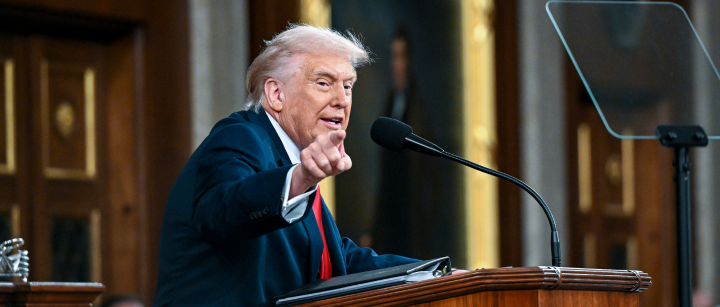
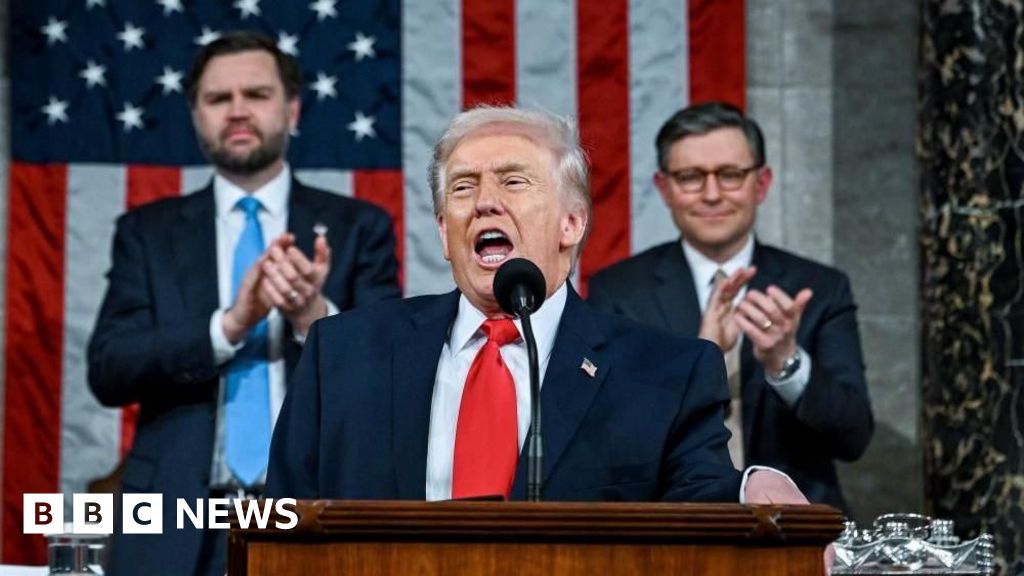
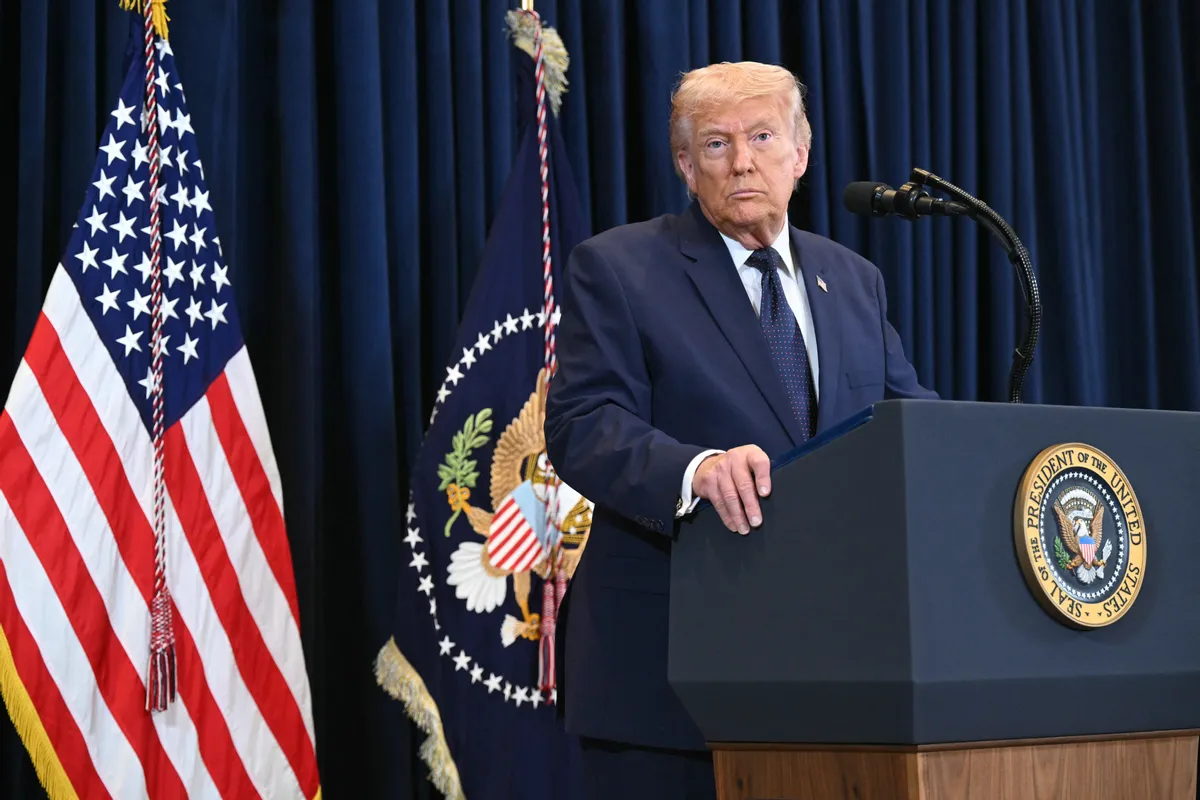
In his recent State of the Union address, former President Donald Trump proclaimed that “our nation is back, bigger, better, richer and stronger than ever before,” suggesting a triumphant resurgence of America’s economy, security, and global standing. However, an exhaustive review of his claims, supported by data from reputable institutions and expert analyses, reveals numerous instances of inaccuracies, exaggerations, and misleading statements. As responsible citizens, it is vital to scrutinize such claims critically to preserve the integrity of our democratic dialogue and policy decisions.

Economic Claims: Inherited Conditions and Current Performance

Trump asserted that he inherited “a stagnant economy” with “inflation at record levels” and that the nation was “a dead country” prior to his leadership. This is false. Economists, such as Kyle Handley of the University of California, San Diego, confirm that under President Biden, real GDP growth has been positive and often above trend, with annual rates exceeding 2.5% in recent years, even amid challenges like the COVID-19 recovery. Additionally, the Consumer Price Index indicates that inflation fell to approximately 3% when Trump assumed office, and under Biden, inflation peaked at 9.1% but has since declined to about 2.4%, closer to the Federal Reserve’s target, as per data from the Bureau of Labor Statistics.

Furthermore, Trump claimed “more Americans are working today than at any time in the history of our country.” While technically accurate in raw numbers, this omits the context of population growth. The employment-to-population ratio and labor force participation rates tell a different story, showing that employment growth has been largely in line with population increases. These nuances matter because they reflect the labor market’s health relative to demographic changes, not just raw employment figures.

Foreign Policy and Security: Overstatements and Misrepresentations

Trump’s boast that he “ended eight wars” misleads. Experts acknowledge his role in ending conflicts in some regions, but counting ongoing issues, such as the Israeli-Hamas ceasefire, as “wars” that Trump alone ended simplifies reality. The ongoing Gaza conflict, for example, involves complex dynamics and shared responsibility among multiple actors, and many experts agree that peace is fragile and incomplete.

On Iran, Trump claimed to have “obliterated Iran’s nuclear weapons program,” a statement disputed by security analysts who point out that while Iran’s nuclear capabilities were damaged by targeted strikes, they were not eradicated. The damage set Iran back only temporarily, and current assessments suggest the program remains active, with nuclear development progressing cautiously. Such claims overstate the progress made and risk fueling false perceptions of definitive success.

Domestic Policy: Promises and Realities

Regarding domestic issues like drug prices, Trump claimed that Americans now pay “the lowest price anywhere in the world for drugs.” This claim is misleading. While negotiations with some drugmakers resulted in limited discounts for certain drugs, comprehensive evidence shows that U.S. drug prices remain high relative to other countries. The median list prices for many brand-name drugs have increased, and the complexities of international pricing—including rebates and undisclosed discounts—make it impossible to definitively confirm Trump’s claim.

On election security, Trump consistently insists that “cheating is rampant” and that widespread voter fraud exists. This is unsupported by evidence. Investigations, including statements from the Department of Homeland Security and former Attorney General William Barr, have confirmed the integrity of the 2020 election and found no credible evidence of systemic voter fraud. Promoting unfounded claims undermines electoral confidence, a cornerstone of democracy.

Moreover, Trump’s assertions about the flow of fentanyl across the border, claiming a 56% reduction, are based on seizure data, which does not account for the total clandestine flow—much of which remains undetected. Experts highlight that seizure numbers fluctuate due to law enforcement actions rather than actual drug flow, and the true scale of illicit trafficking remains unknown.

Conclusion: The Prime Responsibility of Truth in Democracy

Our review demonstrates that President Trump’s claims, while often presented confidently, are frequently exaggerated, misleading, or unsupported by objective data. Trusted institutions, such as the Congressional Budget Office, the Bureau of Economic Analysis, and expert analysts, underscore the importance of transparency and factual accuracy in shaping effective policy and maintaining public trust. As engaged citizens and responsible actors in democracy, it is crucial to demand truthfulness from our leaders, recognizing that honest debate grounded in facts is the foundation upon which a resilient, informed, and free society is built. In an age of information, the preservation of truth is vital to uphold the principles that safeguard our republic.

Next-Gen Stars Shine: Young Athletes Break Records at National Championships

Shakhtar Donetsk Calls for FIFA Action Amidst War Devastation

The ongoing conflict in Ukraine has not only affected lives but also the rich tapestry of sports. Shakhtar Donetsk’s chief executive, Sergei Palkin, has publicly urged FIFA President Gianni Infantino to visit Ukraine and witness the devastation firsthand. In a stirring call to action, Palkin pointed to the critical need for global sports leaders to recognize the challenges faced by athletes and communities during this turbulent period.

Palkin highlighted that the situation in Ukraine goes far beyond the battlefield. He stated, “Football is a powerful tool for unification, and it’s crucial that our leaders stand in solidarity with those suffering.” The message resonates not just with fans of Shakhtar, but with sports enthusiasts around the globe who understand the vital role that sports can play in peace and recovery. In a sport notorious for its drama, the reality faced by many local athletes illustrates a profound narrative of struggle and resilience.

Game-Changing Moments: A Call for Action

  • Palkin’s appeal highlights the ongoing hardship faced by professional teams and their communities.
  • Athletes, including many from Shakhtar Donetsk, have had to navigate the disruptions caused by conflict.
  • The global sports community has the potential to leverage their platforms for advocacy and support.

While Shakhtar Donetsk continues to compete and show tenacity on the field, the call to action from its leadership serves as a poignant reminder of the ripple effects of war. Commentators believe that a visit from Infantino could amplify the message of peace and solidarity that sports have the unique ability to convey. Should FIFA take this step, it could illuminate a pathway for bringing together fans, players, and communities in a collective effort to support Ukraine.

As sporting events rally people from diverse backgrounds, they become a beacon of hope in challenging times. The voices of athletes and leaders resonate deeply, reminding us all that while the scoreboard may reflect competition, the true essence of sports lies in fostering unity, resilience, and understanding among humanity. The world watches, and the potential for healing through sports may very well be one of the greatest victories in the face of adversity.

Source link

Trump’s Showbiz State of the Union Signals No Real Shift Ahead

In recent weeks, the United States has been wrestling with a complex internal political landscape, centered around a contentious national address delivered from the White House. While the president reiterated familiar themes—emphasizing economic statistics, domestic policies, and national security concerns—the message has yet to resonate convincingly with the broader public. This political event, although seemingly confined within the borders of America, bears significant geopolitical repercussions, especially as global stakeholders analyze the implications of leadership narratives fueling or undermining international stability.

From an international perspective, the lack of public consensus on such critical domestic messages hints at the growing divide in America’s societal fabric—a divide that does not exist in isolation. Analysts from institutions such as the Council on Foreign Relations underscore how internal political turbulence within prominent nations like the U.S. can weaken international trust and influence. As China and Russia continue to shape a multipolar world, the domestic instability exemplified by unresolved partisan divides undermines America’s ability to project power and uphold its international commitments.

Historically, public perception and internal cohesion serve as bedrocks of global influence. When U.S. leaders appeal to a broad audience—aiming for tens of millions during national broadcasts—they are not only addressing domestic concerns but also signaling to allies and adversaries the current state of leadership stability. Experts warn that persistent narratives of discontent and political inertia risk emboldening rival powers, which are actively seeking to fill perceived vacuums of influence. Meanwhile, international organizations such as NATO and the United Nations are increasingly cognizant of how internal political turbulence in leading nations can, in turn, destabilize regional and global security architectures.

In the backdrop of these internal debates, the geo-economic landscape continues to shift. Nations such as India and Brazil are demonstrating resilience and strategic independence, leveraging moments of perceived American weakness. The European Union grapples with its own internal divisions but remains keenly aware that the stability of dominant global powers like the U.S. is integral to its own geopolitical posture. As such, the ongoing internal struggles and their international ramifications are echoing in diplomatic corridors worldwide, highlighting the delicate balance between national sovereignty and transnational stability.

Ultimately, history reveals that the fates of mighty nations are entwined through a tapestry of decisions, conflicts, and moments of introspection. As America faces a pivotal crossroads—balancing authentic political engagement with the weighty expectations of global leadership—future events remain unpredictable yet inevitable. The currents of history continue to sweep forward, carrying the world into uncharted realms where the outcome of internal political delays could define the course of international affairs for generations. The question remains: in the unfolding mosaic of geopolitics, whose vision of the future will prevail, and at what cost to civilization’s collective hopes? Only time will tell, but the echoes of current choices will undoubtedly resonate for decades—an enduring reminder that history’s pen remains inexorably poised to inscribe the next chapter.

Get Ready for the Nothing Phone 4a in Pink: Exclusive Photos and Video Reveal the Trendy Release

The Anticipated Reveal of the Nothing Phone 4a: A Shift Towards Understated Style

In a social media age dominated by flashy gadgets and high-profile leaks, Nothing has managed to craft a buzz that’s refreshingly understated—yet undeniably influential. With the official launch date for the Nothing Phone 4a set for March 5, previews have already stirred curiosity, and the latest reveal of a subtle, pinkish hue is capturing attention across youth-centric tech circles. Unlike traditional phones that often rely on loud colors and ostentatious branding, this device embodies a quieter form of expressive style—one that resonates with a generation seeking authenticity and depth.

A New Shade of Minimalism: The Significance of Color Subtlety

What makes the pink motif so intriguing isn’t just its hue but what it symbolizes: a shift in societal behavior. Lucy Birley, Colour Material Finish Design Lead at Nothing, explains that the color is “desaturated red,” which, when combined with transparent resin, creates a fascinating depth—something that’s more than just surface level. This approach celebrates minimalism with a twist, emphasizing liveliness and personality through subtle design choices. It’s a move away from the stereotypical “bright and loud” aesthetics and toward a more contemplative, almost rebellious, form of self-expression. In an era where social media feeds are coral and neon saturated, the Nothing approach offers an alternative—less about shouting, more about *speaking softly* and showcasing sophistication beneath simplicity.

The Cultural Impact of the Nothing Brand

Founded on the principle of reimagining “boring tech,” Nothing has become more than a brand; it’s a social statement. Influencers and tech watchers like Marques Brownlee have highlighted its unique design language, which leans into transparency and minimalism, aligning seamlessly with a youth demographic increasingly skeptical of flashy consumerism. What’s remarkable here is how the brand taps into broader societal shifts: a desire for authenticity, a rejection of excess, and a craving for products that reflect individual identity without shouting for attention.

From sociologists like Dr. Sarah Johnson, who study digital identity, to trend analysts charting the rise of “quiet luxury,” it’s clear that the Nothing Phone 4a encapsulates a cultural shift. This device isn’t merely a piece of technology but a lifestyle statement that champions restrained style while still making a bold social impact. It invites users to consider: In a world dominated by noise, is the future of fashion and technology already leaning toward this minimalist rebellion?

What’s Next? The Big Question About the Future of Subtle Trends

As Nothing prepares for its full reveal, one question looms large: are we witnessing the dawn of a broader cultural movement towards understated elegance? The upcoming launch might redefine what is considered “trendy” in tech and fashion—where less is truly more. With younger consumers increasingly valuing meaningful design over ostentatious displays, this trend could ripple across industries, from clothing to digital spaces. If the Nothing Phone 4a succeeds in cementing its style as more than just a gimmick, it might just inspire a generation eager to embrace authenticity in every aspect of their lives. The real question is: how much influence can a subtle change have when it speaks so loudly about the future of social taste?

Katherine Short, descendant of Hollywood legend Martin Short, passes away at 42–A loss for American television and culture

In recent weeks, the solemn news of Katherine Short’s passing has cast a poignant shadow over the world of culture and society. At just 42, Katherine—daughter of the illustrious actor and comedian Martin Short—embodied a life marked by quiet resilience and compassionate service. Her journey—rooted in the sanctity of tradition and the pursuit of genuine human connection—serves as a reminder that culture is more than fleeting entertainment; it is the sacred vessel of our collective identity. Her dedication to social work and mental health advocacy underscores the vital role that individuals rooted in cultural and moral values play in weaving the moral fabric of society.

While Katherine maintained a modest profile, her work exemplified a reverence for human dignity, echoing the wisdom of thinkers like G.K. Chesterton, who championed the importance of moral imagination and the reaffirmation of age-old virtues in a society increasingly consumed by superficiality. Katherine earned her degrees in psychology and social work, yet her true legacy resides in her efforts to foster empathy and understanding—values that seem ever more vital in a modern age beset by alienation. Her involvement with organizations like Bring Change 2 Mind reveals an unwavering belief that society flourishes only when rooted in genuine community and the acknowledgment of shared struggles—a truth that resonates with the classical thought that culture stems from a collective memory which guides societal morality.

Her story also brings into focus a broader cultural question: how do we confront our vulnerabilities before they become tragedies? The loss of Katherine to an apparent act of self-harm highlights the urgent need for society to nurture mental health not merely as a clinical concern but as a moral and cultural imperative. As T.S. Eliot suggested, culture is a kind of continuous purification—an ongoing effort to elevate our collective consciousness. We are reminded that beneath the glitter of Hollywood’s bright lights lies a fragile human reality—an echo of the perennial tension between individual suffering and societal understanding. The importance of recognizing and preserving this moral dimension in our collective life was well articulated by thinkers like Alexis de Tocqueville, who warned that democracy—while promising equality—demands the cultivation of civic virtue and shared values. Katherine’s life, though short, was a testament to such virtues: empathy, service, and hope.

As the cultural currents continue to shift, it is vital to remember that culture is both memory and prophecy; it is the mosaic of our past that guides us towards future generations. In honoring Katherine Short’s legacy, we acknowledge that true culture—deeply rooted in tradition and moral purpose—is the foundation upon which societies not only survive but flourish. Let us see her life not merely as an endpoint but as a call to preserve the moral imagination that breathes life into our collective story, and to remain ever vigilant in our commitment to uphold the timeless virtues that shape the human spirit—virtues that, like poetry, transcend mere words and become the very essence of what it means to be truly human.

Social Media Auto Publish Powered By : XYZScripts.com