Matox News

Truth Over Trends, always!

Reddit Fights Back Against Australia’s Under-16s Social Media Ban

Reddit Launches Legal Challenge Against Australia’s Social Media Restrictions

Australia’s recent move to impose an under-16s social media ban has ignited a fierce legal and ethical debate across international corridors, with Reddit boldly challenging the legislation in the High Court. The online giant, renowned for hosting diverse topic-based communities, argues that the law infringes upon fundamental freedoms and imposes intrusive verification processes that harm both minors and adults. This confrontation highlights the mounting tensions between governmental efforts to protect youth and the fundamental rights to free expression—a debate heating up in democracies worldwide.

Following the legislation’s enactment, which includes a broad ban on platforms such as YouTube, Facebook, Instagram, and TikTok, Reddit swiftly responded by implementing age restrictions and challenging the law legally. The company contends that the legislation’s “illogical patchwork” imposes unnecessary burdens that conflate different platforms’ functionalities, especially since Reddit’s primary use involves pseudonymous interactions—designed to shield users’ identities and foster detailed, topic-focused discussions rather than real-time social networking.

Legal experts and international observers note that Reddit’s challenge is not merely about corporate compliance, but signals a broader ideological stand against state overreach. The platform emphasizes its role as a forum for knowledge sharing with minimal personal data collection, aligning with global concerns over mass surveillance and privacy infringements. The Australian Human Rights Commission has echoed similar sentiments, warning that the law could inadvertently dismiss less restrictive alternatives capable of balancing youth protection with human rights—highlighting the risks of overregulation in a rapidly digitalizing world.

Global Implications: A Clash of Rights and Progressive Control

The case’s outcome is poised to resonate far beyond Australia’s borders, as international organizations and civil liberties advocates watch closely. The legal contest underscores a critical question: how can societies protect vulnerable populations without sacrificing essential rights? The Australian government’s decision, driven by rising concerns over online harms, echoes a broader geopolitical push to exert control over digital spaces—yet it also risks marginalizing free expression, innovation, and the very democratic process it seeks to safeguard.

Historian and geopolitical analyst Dr. Ian McKenzie warns that such legislative overreach could set a dangerous precedent. “When governments prioritize overprotection through censorship and restrictive laws, they often open Pandora’s box,” he states. “The balance between security and liberty is delicate, and missteps threaten to diminish civil liberties globally.” As European nations and the United States grapple with similar issues, the Australian case becomes a stage for what could escalate into a defining conflict in digital rights and sovereignty.

Shaping Tomorrow—The Weight of History

As courts deliberate and international voices weigh in, the unfolding saga remains a stark reminder: decisions made now regarding digital rights and societal safety will echo through generations. This is a moment where the lines between protection, privacy, and free expression are being redrawn—crafting a narrative that will undoubtedly influence the legal and cultural fabric of the internet for years to come. The world watches with bated breath, aware that history’s next chapter is still being written, and the consequences of today’s choices will define the future of global society’s digital landscape—an ongoing battle between liberty and control, with the stakes higher than ever before.

Australia News Live: Butler Faces Off Over Health Funding as Silvagni Premieres in Court

In a world marked by escalating geopolitical tensions and internal crises, Australia finds itself navigating a complex landscape that reflects broader international trends. From domestic legal controversies to regional environmental threats, the nation’s current trajectory illustrates how decisions at the government level can ripple through society with profound consequences. At the heart of these unfolding stories lies a template of the interconnectedness of global and domestic issues, revealing that the fabric of international stability is woven as much from internal disputes as from geopolitical confrontations.

Recently, the conviction of Tom Silvagni, the son of AFL legend Stephen Silvagni, for two counts of rape has ignited intense public debate. Initially shielded by suppression orders Protecting his identity, the lifting of these restrictions underscores a Â*shift toward transparency*Â in managing high-profile criminal cases. However, the repercussions extend beyond personal culpability, illustrating how the public exposure of individuals involved in sensitive crimes influences societal trust and legal accountability. Historians and legal analysts warn that such cases sit at a turning point, reflecting a societal preference for openness, yet risking mental health deterioration among those implicated. Moreover, this domestic incident echoes the broader global discourse on transparency and justice, highlighting how national narratives can mirror worldwide struggles for accountability.

Simultaneously, the ongoing health funding standoff between the federal government and state leaders exemplifies a uncertain path toward a united policy framework. Minister Mark Butler has expressed hope that an additional $20 billion in hospital funding will facilitate an agreement before the holiday season. Yet, the implications extend beyond mere budget negotiations. As advocates for aged care and public health warn that shortages and staffing crises threaten societal well-being, this debate exemplifies how internal policies directly impact public safety and social cohesion. International health organizations, including the World Health Organization, caution that such divergences in policy and funding exacerbate disparities and threaten social stability, especially during periods of crisis. As history has demonstrated, unresolved domestic disputes tend to enflame regional tensions and open gateways for larger geopolitical struggles, making this current standoff not just a local affair but a beacon of larger systemic challenges.

Meanwhile, environmental concerns, notably the predicted marine heatwave conditions threatening the Great Barrier Reef, underscore the urgent need for international cooperation. As climate change continues to accelerate, Australia’s oceans have recorded their warmest 12 months, leading to recurring mass bleaching events. Analysts warn that the ongoing environmental degradation not only endangers one of the world’s most iconic natural wonders but also jeopardizes the economic and cultural fabric of regional societies that depend on tourism and marine biodiversity. Such ecological crises have the potential to destabilize regional power balances, inviting diplomatic tensions over environmental responsibility and climate policy. The response from the global community remains cautious, with some nations adopting a wait-and-see attitude, others pushing for stringent international measures—**yet the planet’s health hangs precariously in this unresolved tension**.

As history continues to unfurl amid the storm, these stories serve as a stark reminder that the weight of national crises is intertwined with the fate of global stability. From domestic legal upheavals to regional environmental threats, each decision, each crisis, emphasizes that our struggles are never isolated but part of a larger, unfolding narrative. The choices made today—whether in courtrooms, legislatures, or environmental summits—are the pages on which the forthcoming chapters of history are written. Only time will reveal if these fissures foster resilience or fracture the ties that hold the fabric of our shared future.

Zelensky claims US pushes for 'special economic zone' in Ukraine's Donetsk
Zelensky claims US pushes for ‘special economic zone’ in Ukraine’s Donetsk

Amidst the ongoing turmoil in Ukraine, recent diplomatic efforts reveal the complex web of geopolitical maneuvering aimed at de-escalating the conflict. Ukrainian President Volodymyr Zelensky disclosed that the United States has proposed a contentious plan requiring Kyiv to withdraw from the eastern Donetsk region, in exchange for the creation of a “special economic zone.” This proposal underscores the intense pressure Western allies are exerting to bring about a resolution, yet it also highlights the profound stakes involved—how decisions made now will shape the future security landscape of Europe. Zelensky’s acknowledgment of unresolved issues—particularly control of the Zaporizhzhia nuclear power plant—exposes how delicate progress remains. As Europe’s largest nuclear installation sits perilously on a frontline under Russian control, the potential for escalation remains tangible, threatening to ignite a broader regional crisis.

Global analysts and international institutions have expressed cautious skepticism about the prospects for peace. The negotiations, having been recalibrated numerous times, reflect a pattern of strategic ambiguity and conflicting national interests. Ukraine insists on maintaining its territorial integrity, rejecting Russia’s demands to relinquish approximately 30% of Donetsk. Meanwhile, the Russian Federation seeks to cement its gains and create buffer zones, effectively reshaping the eastern frontier in its favor. Historians warning of the potential for prolonged conflict point out that such territorial concessions could set dangerous precedents, emboldening future aggressions. The overarching geopolitical impact is clear: a failure to reach a balanced agreement risks creating a destabilized, bifurcated Ukraine, with lasting repercussions for European security and the integrity of international borders.

Simultaneously, Russia has signaled a strategic intent to position itself favorably in forthcoming negotiations, with Foreign Minister Sergei Lavrov touting recent talks with Vladimir Putin as a sign of Moscow’s resolve to shape the peace process. Moscow’s refusal to entertain foreign military presence within Ukraine—viewed as a direct threat to Russian security—compounds the challenge Kyiv faces in securing credible security guarantees. The U.S. government, meanwhile, balances its support for Ukrainian sovereignty with diplomatic caution, aware that public support may wane and geopolitical alignments could shift. Zelensky’s candid acknowledgment of the potential end of American support underscores the overarching uncertainty clouding the future—how long can Ukraine rely on foreign aid before the geopolitical tides shift once more?

As international diplomacy navigates the treacherous waters of war, the world watches how history continues to be written in real-time. The unresolved issues—territorial integrity, nuclear security, national sovereignty—are more than mere points of negotiation; they are the battleground where the future of sovereignty, security, and international order is being contested. In this moment, the weight of history hangs heavily—each decision, each compromise, potentially reshaping the map of Europe and the balance of global power for decades to come. The question remains: will diplomacy prevail, or will these fragile negotiations be shattered by the relentless march of geopolitics? The story is still unfolding, and the stakes could not be higher.

Half a million flee as deadly Cambodia-Thailand border clashes escalate—urgent need for stability

The ThailandCambodia border dispute has spiraled into deadly conflict once again, with the fiercest clashes since a brief ceasefire in July. Over 500,000 civilians have been displaced, seeking refuge in evacuation centers amid ongoing hostilities that have claimed at least 20 lives and injured nearly 200 people. This escalation, confirmed by Cambodia’s defense ministry, involves the use of heavy weaponry, including airstrikes and artillery, with each side accusing the other of provocations and violations of international agreements. The region, long plagued by unresolved territorial disputes, now faces the prospect of a wider crisis that alarmed analysts and international observers alike.

Despite efforts by US President Donald Trump and regional organizations, such as ASEAN, which brokered a ceasefire just six weeks ago, hostilities persist. The thick fog of mistrust hangs heavily over the fragile peace process, especially after Thailand suspended the ceasefire last month following accusations that Cambodia had laid a landmine, an allegation denied by Phnom Penh. Political upheaval in Thailand further complicates diplomatic efforts; Prime Minister Anutin Charnvirakul announced on social media that he is “returning power to the people,” with a reported plan to dissolve Parliament and call for snap elections. Analysts warn that this move may be aimed at bolstering nationalist sentiments, possibly hardening Thailand’s stance on the border confrontations, thus making diplomatic resolution more elusive.

While international voices, including Pope Leo XIV, lament the humanitarian toll, regional and global powers remain cautious. According to historians and security analysts, the renewed clashes reflect a deeper layer of regional instability and the failure of longstanding diplomatic efforts. The collapse of the ceasefire and the resurgence of violence showcase how fragile peace remains in Southeast Asia’s geopolitical landscape. For developing nations embroiled in border disputes, such conflicts threaten not only territorial integrity but also societal cohesion, economic stability, and regional security. The international community’s role is crucial, but many have begun to question whether external mediation can truly succeed when entrenched nationalistic narratives and internal political unrest dominate the narrative.

As civilians endure the brutality of artillery exchanges and their communities are torn apart, history observes a pivotal chapter unfolding in real time. This conflict symbolizes how stubborn territorial disputes continue to shape the geopolitical sphere, with consequences reaching beyond Southeast Asia. The outcome remains uncertain, with the specter of wider regional escalation looming. As the world watches with alarm, the people of Thailand and Cambodia are caught in the crossfire of a struggle not only for land but for sovereignty and identity—an ongoing story where the threads of diplomacy, nationalism, and history are intertwined in a dangerous weave, destined to leave an indelible mark on the pages of history.

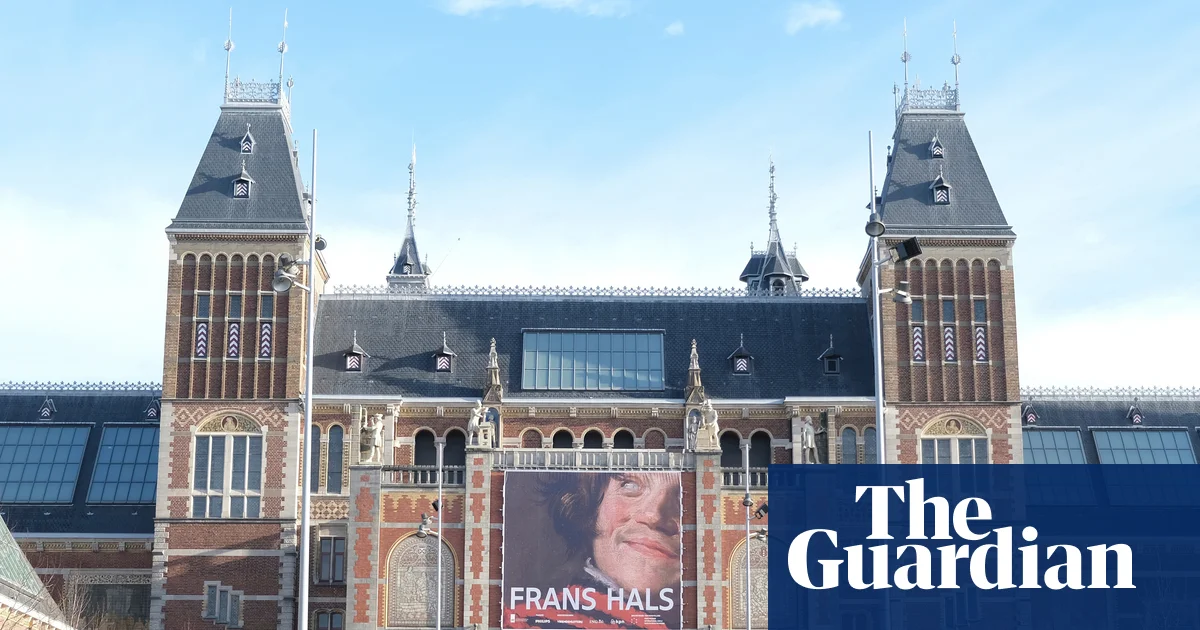
Rijksmuseum Expands South: New Eindhoven Outpost Sparks Cultural Pride

In a move that signifies Europe’s ongoing efforts to balance cultural enrichment with regional development, the Rijksmuseum of the Netherlands has announced plans to establish an outpost in Eindhoven. This decision exemplifies a broader global trend among world-renowned institutions seeking to decentralize cultural access, but it also carries significant geopolitical implications. The planned 3,500-square-meter centre, slated for construction over the next six to eight years, aims to foster local pride while easing the pressure of *overtourism* on Amsterdam’s historic city center, a concern voiced by residents and urban planners alike.

The choice of Eindhoven is as strategic as it is symbolic. Known as a technological hub with deep roots in Philips and semiconductor manufacturing through ASML, the city sits at the nexus of scientific innovation and cultural resurgence. This nexus reflects Europe’s broader geopolitical narrative: an ambition to fortify regional identities and economic resilience against turbulent external pressures, such as migration, global trade disruptions, and shifting alliances. The involvement of the Dutch government and private sector underscores a shared vision for cultural diplomacy that aligns economic vitality with societal stability, especially amidst an era marked by institutional flux.

Looking outward, the expansion of premier museums like the Rijksmuseum and the Louvre reflects a concerted effort by European nations to project soft power globally. The Louvre’s branching into France’s northern territories and the Middle East exemplifies this trend, aimed at fostering international tourism, cultural influence, and economic diplomacy. Analysts argue that such moves are deliberate, serving as tools to reinforce European unity and influence—a strategy increasingly vital amid the rising geopolitical assertiveness of emerging powers. The Global Cultural Institute for International Affairs (GCIIA) and renowned historians suggest that these developments symbolize Europe’s desire to remain relevant in a multipolar world where cultural prestige intersects with strategic interests.

As always, the future remains uncertain. The decisions taken today by European institutions and local governments will inevitably shape the social fabric and geopolitical landscape of tomorrow. The opening of cultural outposts in Eindhoven, and elsewhere, is more than a display of artistic ambition; it is a reflection of Europe’s tentative yet resilient stance amidst a rapidly shifting global arena. The story of these expansions is still writing itself, their impact reaching far beyond the walls of galleries or museums. They serve as stark reminders that in the theater of international power, culture remains a vital battlefield—an arena where nations seek to preserve influence, foster unity, and influence the course of history’s unfolding narrative with every brick laid and gallery opened.

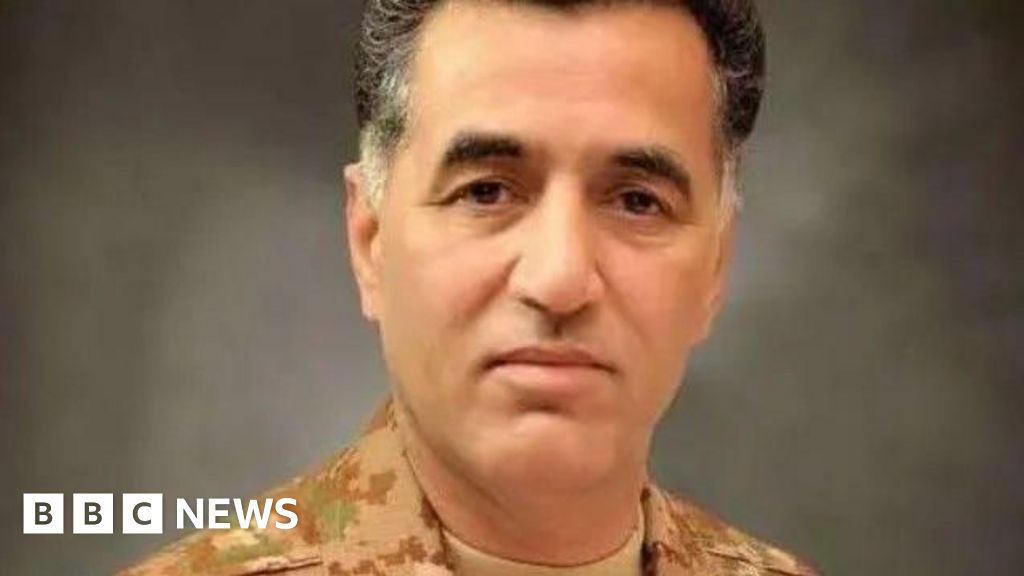
Pakistan’s military locks up ex-spy chief Faiz Hameed for 14 years ahead of critical elections

Pakistan continues to find itself at a critical juncture in its complex political landscape, as recent developments signal both internal struggles and broader implications for regional stability. The sentencing of Faiz Hameed, the former head of the Inter-Services Intelligence (ISI), to 14 years in prison marks a historic moment—the first time in Pakistan’s history that an ISI chief has been court martialled. This unprecedented move speaks volumes about the shifting balance of power within Pakistan’s military and civilian spheres, and serves as a stark reminder of the persistent turbulence in the nation’s governance.

The charges against Hameed—including violation of state secrets and interference in political processes—underscore the tense intersection between Pakistan’s military elite and its political leadership. Hameed, a key figure during Imran Khan’s tenure as prime minister, was known for his staunch support of the ousted leader. The military’s move to prosecute and imprison its former intelligence chief not only intensifies the ongoing politicization of Pakistan’s military institutions but also sends a clear message to those in power: accountability is gaining ground, even against the military’s upper echelons. Historians and security analysts see the case as a *possible sign of internal reforms or factional struggles within Pakistan’s powerful military establishment*, which has historically operated with significant autonomy from civilian authority.

Official reports from the Pakistan Army, citing the Pakistan Army Act, reveal that the court martial proceedings lasted *over a year* and were conducted behind closed doors—symptomatic of the secretive nature that often cloaks military interventions. The charges levied include misuse of powers, involvement in political agitation, and harm to citizens, especially regarding alleged protests related to Khan’s arrest on 9 May 2023. The verdict, although denied public transparency, indicates an intention to curb political interference within the military’s ranks, a move that could shift the longstanding tradition of military dominance in the nation’s politics and mark a pivot toward demonstrating accountability and strengthening civil-military boundaries.

Internationally, this development draws sharp attention from observers and institutions. Global organizations, such as the United Nations and regional security partners, watch closely as Pakistan’s internal dynamics may influence regional stability, especially given ongoing tensions in neighboring India, Afghanistan, and beyond. Analysts warn that any weakening of military influence could have unpredictable consequences, either paving the way toward greater democratic reform or triggering internal unrest. As Pakistan’s future remains uncertain, the court’s decision to sentence a figure of such influence signals an internal shift, but also suggests an escalating battle for dominance between civil authority and military power.

What remains clear is that history continues to unfold rapidly for a nation caught in the throes of reform, resistance, and the relentless pursuit of power. The story of Faiz Hameed is not just about one man—it’s a chapter in a larger narrative of a nation striving to redefine itself. As the dust settles and courts proceed, the weight of Pakistan’s history presses on, leaving the world to ponder whether this moment signifies the dawn of transparency or the prelude to further chaos. Decisions taken today will echo in the corridors of history, shaping the future of a nation whose destiny remains intricately woven into the fabric of regional and global security.

Thailand detains owners who fled—justice catches up with them

India-Thailand Diplomatic Movements After Goa Nightclub Tragedy

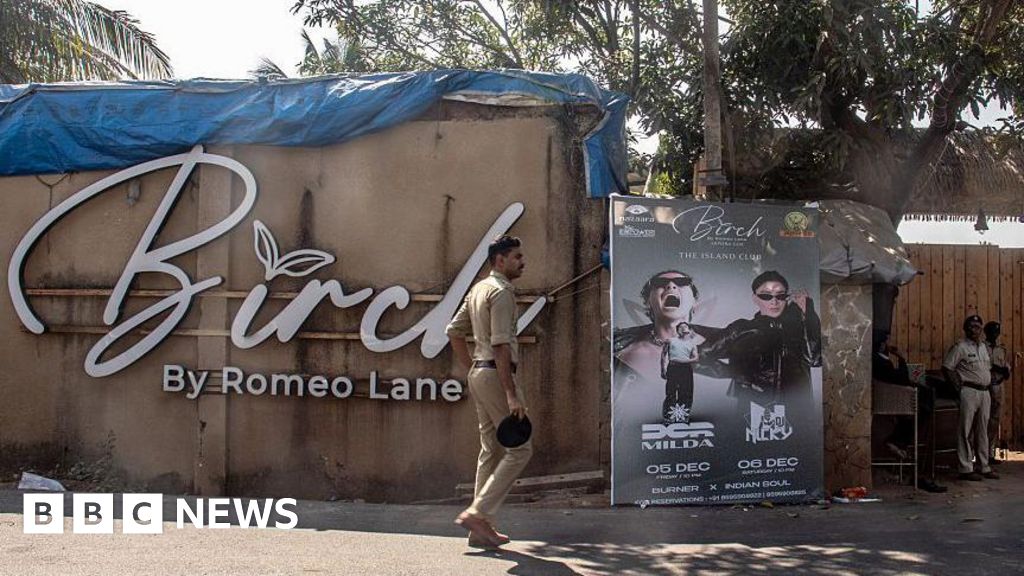
The recent fire at a nightclub in Goa, India, which claimed the lives of 25 individuals, has triggered a significant diplomatic and legal response that underscores the interconnectedness of
geopolitical considerations in the modern era. The incident, believed to have been caused by fireworks ignited inside the club, not only exposes lapses in safety regulation but also acts as a catalyst for international law enforcement cooperation. Two brothers, Gaurav and Saurabh Luthra, owners of the Birch By Romeo Lane nightclub, fled the scene—initially escaping to Thailand—prompting immediate action from Indian authorities and drawing international attention to their flight and potential evasion of justice.

The decision of the Indian government to revoke the brothers’ passports and to involve Interpol exemplifies the growing posture of nations asserting legal authority beyond borders in the pursuit of accountability. India’s ambassador to Thailand, Nagesh Singh, confirmed the detention of the Luthra brothers in Phuket, demonstrating how the alliances of transnational law enforcement are increasingly vital in tackling crimes that extend beyond national jurisdictions. Analysts suggest that this stark image of fugitives fleeing justice highlights the shifting landscape of international cooperation, as India seeks to assert its sovereignty in a broader geopolitical context where safety, accountability, and sovereignty are reaffirmed as national priorities.

For India, this incident serves as a stark reminder of the importance of robust national regulatory frameworks, particularly in regions heavily reliant on tourism—such as Goa, a former Portuguese colony known for its beaches and vibrant nightlife. The Goa government’s swift move to arrest six individuals involved and pledge more arrests reflects a determined effort to restore public confidence and demonstrate sovereignty strength. Conversely, the brothers’ statement claiming they “never intended to evade” the law and their willingness to cooperate signals a potential shift in legal dynamics, though critics warn this should not diminish the need for strict accountability. As international organizations and historians continue to analyze the incident, the case underscores how local tragedies have become flashpoints for broader geopolitical narratives and how decisions made today will influence the perception of judiciary authority and sovereignty in the years ahead.

This tragedy, in its veneer of criminal negligence and international flight, reveals the complex dance of global diplomacy and law enforcement. The case vividly illustrates that in an era of rapid travel and interconnected markets, even a single night of chaos in Goa can ripple across borders, prompting international agencies to act decisively. The impending return of the Luthra brothers to face justice symbolizes more than just a criminal case; it embodies the ongoing geopolitical battle for sovereignty, accountability, and societal trust in a world where every crisis can become a chapter in the larger story of emerging global order. As history continues to unfold, these events underscore the perennial lesson that justice—or the absence of it—resonates at the core of national identity and the international framework that seeks to uphold it.

Oracle shares drop as earnings raise AI bubble doubts among young investors

Oracle’s Earnings and the Shifting Dynamics of Global Tech Power

In the wake of recent disappointing quarterly figures, Oracle, a titan in the cloud computing industry, saw its shares plummet over 10% in after-hours trading. The company’s revenue for the quarter ended in November stood at $16.1 billion, edging just below analyst expectations of $16.2 billion. Despite this marginal shortfall, Oracle’s overall revenue growth of 14%—bolstered by a 68% spike in its AI division—underscores the relentless expansion and strategic pivoting of America’s tech giants amid a tumultuous market.

What elevates Oracle’s recent developments from mere financial metrics is its strategic alliance with OpenAI, the outfit behind ChatGPT. In September, Oracle inked a deal to furnish $300 billion in computing power over five years, positioning itself as a crucial infrastructure provider in the AI race. This move has catapulted Larry Ellison into the spotlight, briefly making him the world’s richest man. International analysts have lauded this partnership as a major step in the global AI race, signaling America’s intent to maintain supremacy in this critical technological frontier. However, Ellison’s call for “chip neutrality”—buying AI chips from any manufacturer—has raised eyebrows regarding the underlying sector competition, especially with dominant players like Nvidia.

Risks, Rewards, and the Geopolitical Chessboard

Behind the veneer of growth lies a complex web of financial strategies and geostrategic maneuvers. Critics on Wall Street warn that Oracle’s substantial debt from bond sales—an unprecedented $18 billion—raises concerns over sustainability and overexposure to a volatile AI sector. As international organizations and analysts like Jacob Bourne voice caution, some experts see this as a reflection of the broader American tech sector’s pursuit of dominance at all costs. The narrative echoes tensions in U.S.-China relations, where global AI and tech leadership now serve as proxies for geopolitical influence, echoing classic competition over technological superpower status. Inner circles in Washington, as well as international think tanks, increasingly perceive these tech battlegrounds as pivotal to future global power alignments.

Meanwhile, Oracle’s political and economic initiatives include notable investments by the Ellison family, outspoken supporters of Donald Trump. Their acquisitions of Hollywood assets like Paramount and active bids for Warner Brothers Discovery reflect an intertwining of technological, financial, and geopolitical interests that stretch far beyond the data centers themselves. As historian and geopolitical analyst John Mearsheimer warns, such concentrated financial power and strategic investments bolster legacy industries while challenging the global cultural order, especially in an era where information warfare and media influence have become critical weapons of statecraft.

Implications for the Future and a Wary World

The unfolding chapters of Oracle’s ambitions and the broader AI arms race are a stark reminder that technology is now intrinsically linked to geopolitical stability or chaos. The decisions made today—whether purchasing chips from Nvidia or distributing AI infrastructure—are shaping the contours of future conflicts and alliances. International observers, from the United Nations to regional economies in Europe and Asia, watch with bated breath as these titanic shifts ripple through the fabric of global society. What remains uncertain is whether these technological pursuits will serve the cause of human progress or become catalysts for a new era of unchecked dominance and confrontation.

As history continues to unfold in this epoch of rapid innovation and rising strategic tensions, the world stands on the brink of a new chapter. The intricate dance of corporate power, political influence, and technological innovation holds the potential to forge a new global order—and just as easily, to unravel the fragile fabric of peace. In these moments, the destiny of nations is written not just in the boardrooms or server farms but in the choices of leaders who shape the future—an era where every decision echoes across decades, leaving a legacy that future generations will scrutinize and debate. The unease lingers: what new wars of influence, technological or otherwise, are already quietly taking shape in the shadows of this digital revolution?

Over 30 killed as military airstrike targets hospital—urgent questions remain

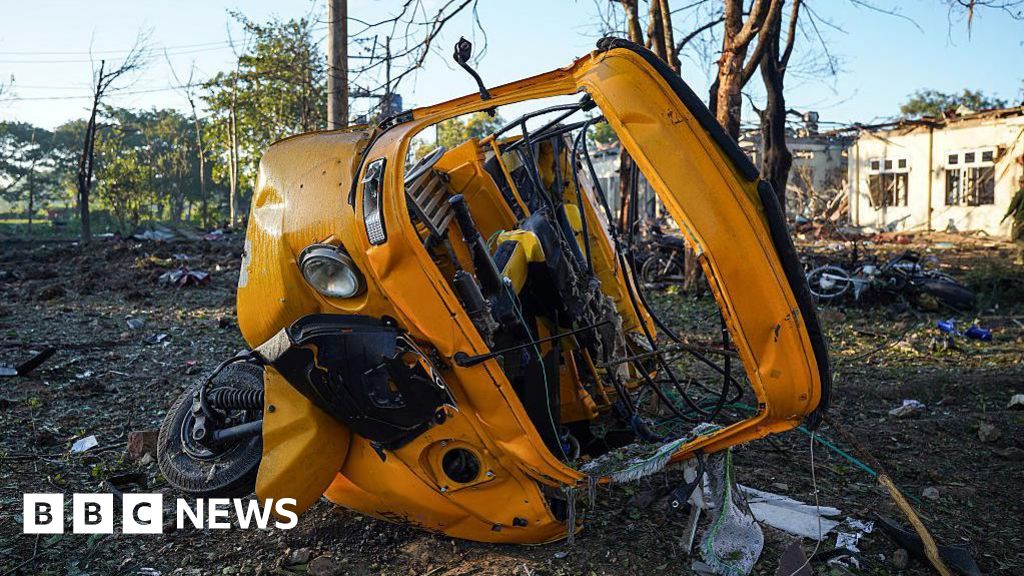
In a troubling escalation of Myanmar’s ongoing civil conflict, deadly air strikes have once again shattered the fragile veneer of stability in the country. Reports confirm that at least 34 civilians, including patients at a hospital in Mrauk-U, were killed when the military regime launched an indiscriminate attack—shocking the international community and underscoring the brutal realities of this protracted conflict. These strikes are emblematic of the regime’s aggressive pushback against ethnic militias, notably the Arakan Army, which has fiercely resisted the military’s attempt to reassert control over contested regions in Rakhine state. With the country’s first election since the February 2021 coup looming on December 28, the military’s escalation points to a deeper struggle over sovereignty, legitimacy, and control.

This episode in Myanmar’s tumultuous political landscape demonstrates the profound geopolitical impact of external influence. The military’s recent procurement of advanced technology and weaponry from Russia and China has significantly shifted the battlefield dynamics, enabling rapid territorial gains through relentless airstrikes and heavy bombardments. These developments have alarmed analysts and international entities like the United Nations, with UN human rights chief Tom Andrews describing the upcoming elections as a “sham,” designed to legitimize a fundamentally illegitimate regime. The military’s tactics of targeting civilian infrastructure, including hospitals and religious sites, serve to defy international condemnation and deepen the humanitarian crisis. As civil liberties deteriorate—a crackdown that has already led to tens of thousands of arrests—the regime’s actions threaten to plunge Myanmar into a new era of violence and despair.

Meanwhile, opposition groups, ethnic militias, and political dissidents have vowed to boycott the elections in protest against what they see as a rigged process designed to entrench military power. Incidents such as the arrest of a candidate from a central Myanmar region and the detention of activists reveal a government intent on silencing dissent. These measures reflect a broader pattern of repression that has become a defining feature of Myanmar’s internal struggles, with rights groups warning that the military regime is consolidating authority through sheer force. The international community’s inability to intervene decisively has left a power vacuum, allowing the junta to conduct its brutal campaign under a cloak of legitimacy—an uneasy, dangerous compromise that may only embolden the regime.

As the world watches Myanmar’s tragedy unfold, history warns us of the peril that comes with turning a blind eye to tyranny. With each bomb dropped and every soldier deployed, the nation drifts further from peace and into the abyss of chaos. The decisions made in the coming weeks will shape Myanmar’s future—either as a sovereign nation fighting for survival or as a fractured state shackled beneath the heel of militarism. In this moment of profound upheaval, the weight of history presses down on every stakeholder, and the story of Myanmar hangs delicately in the balance—its destiny still uncertain, its struggles echoing across borders as a stark reminder of the cost of unchecked power.

Mary, Queen of Scots’ Last Letter to Be Exhibited After Nearly a Decade in Scotland

Historical Reconsideration: Mary, Queen of Scots’ Last Letter on Display in Scotland

In a remarkable event that transcends centuries, the National Library of Scotland has announced that the last letter of Mary, Queen of Scots, penned mere hours before her execution in 1587, will be showcased at the Perth Museum. This rare exhibition, which opens on 23 January 2024 and continues into April 2026, offers a visceral connection to a pivotal period in Scottish and European history. Mary’s final words, written in French, constitute a rare surviving artifact of a turbulent reign marked by intrigue, rebellion, and international diplomacy — archetypes of the age of monarchs. For scholars and the public alike, this display signifies an extraordinary opportunity to witness an integral shard of history, reminding us of the enduring influence of monarchy and the fragile fabric of sovereignty.

This event gains geopolitical significance beyond its historical value. As Scottland asserts its cultural identity through such exhibitions, it also serves to highlight the broader narrative of British history and its intertwined European history. The letter, kept under tight conservation by the National Library of Scotland, has rarely left its vaults, underscoring the importance placed on preservation amidst the age of digital and rapid consumption. The upcoming display coincides with ongoing efforts to emphasize Scotland’s unique legacy, especially as debates about independence and regional sovereignty continue. Analyzing this moment, international historians note that cultural heritage serves as a vital anchor in asserting national identity for parts of the UK, in a continent increasingly defined by regionalism and resurgence of localized histories.

In addition to Mary’s letter, the exhibition will feature a range of documents from the National Library, including early manuscripts from poets and playwrights such as Robert Burns and Liz Lochhead. These artifacts, situated within the historic context of Mary’s life—including her imprisonment, abdication, and dramatic escape from Lochleven Castle—emphasize how cultural renaissance and national memory are often interconnected. Alison Stevenson, the library’s director of collections, describes this event as a “once-in-a-generation opportunity”, highlighting that this is a moment for collective cultural reflection. The exhibition’s location at Perth, a city central to Mary’s life, transforms her story from distant history into a living, national narrative that stirs patriotic sentiment and historical consciousness alike.

Such events invoke broader geopolitical themes. As Scotland shapes its narrative within the UK, the display acts as a potent symbol of regional identity asserting itself amidst global shifts. The Scottish government recognizes the importance of heritage in fostering national pride—especially as debates over independence and sovereignty persist. The cultural secretary, Angus Robertson, stresses the lasting value of these artifacts as “a priceless record,” emphasizing that their preservation and public display matter profoundly in an era where history is often commodified or politicized. The drama of Mary’s story, with its themes of power, betrayal, and tragedy, resonates well beyond just Scottish borders, reminding the world that history is not static but a battlefield of identity and influence. International institutions such as UNESCO continue to advocate preserving such educational treasures, acknowledging their power to shape perceptions of sovereignty and cultural legacy.

The unveiling of Mary, Queen of Scots’ last letter transcends simple historical curiosity; it is a saga of resilience, tragedy, and national pride woven into the fabric of geopolitics and cultural identity. As her poignant final words are revealed, one cannot help but sense that the story of her life, and the lessons embedded within, are still unfolding—an ongoing narrative that may very well influence the course of regional and global history for generations to come. In the shadows of history’s corridors, the weight of her final notes whispers with an enduring significance, echoing through time as a silent testament to the enduring power of memory and the unending pursuit of sovereignty.

Social Media Auto Publish Powered By : XYZScripts.com