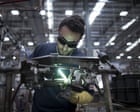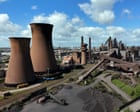
The United Kingdom is facing a significant economic headwind, with new projections indicating a loss of 163,000 jobs in 2026. This stark forecast, primarily attributed to the economic fallout from the escalating Iran war, highlights the profound global impact of geopolitical instability on domestic prosperity. Rising energy costs and subsequent inflationary pressures are set to challenge economic stability across the nation.
The Looming Job Market Contraction
According to the latest regional outlook from the Item Club, a leading economic forecasting group, the UK job market is set for a substantial contraction. The predicted 163,000 job losses underscore the vulnerability of the British economy to external shocks, particularly those affecting crucial global supply chains and commodity prices. This downturn is not uniform, with the report specifically warning that lower-income regions, such as South Wales and the Humber, will be disproportionately affected by the economic reverberations from the Middle East conflict.
Businesses in these areas, often operating on tighter margins, are less equipped to absorb the increased operational costs stemming from elevated energy prices. The ripple effect could see local economies struggle, impacting livelihoods and community stability.
Global Inflationary Pressures and Energy Shock
The Iran war has sent shockwaves through the global energy markets, manifesting in a sharp increase in crude oil prices. This surge is a primary driver of the inflationary pressures now being observed worldwide. For instance, China’s producer price inflation (PPI) has jumped to a 45-month high of 2.8% in April, a significant rise from 0.5% in March, according to data from the National Bureau of Statistics (NBS).
Key indicators of this global energy shock include:
- A 17.4% year-on-year surge in the energy subcategory for transportation.
- Month-on-month increases of 11.5% and 10% in gasoline prices, despite some government efforts to mitigate the full impact of crude oil hikes.
- Oil prices jumping by 4% on recent news, reflecting heightened tensions and supply concerns.
These rising costs inevitably translate into higher prices for goods and services, squeezing consumer spending power and increasing operational expenses for businesses, ultimately contributing to the slowdown in economic activity.
“The economic woes caused by the Iran war are expected to cost the British economy jobs this year, with lower income regions hit hardest by the economic shock from the Middle East.”
Protecting Households and Businesses
As the conflict shows no immediate signs of abating, policymakers face a critical challenge in mitigating the domestic economic fallout. Strategies to support vulnerable households and businesses, particularly in the regions most at risk, will be essential. This includes considering measures to alleviate the burden of rising energy costs and fostering an environment conducive to job retention and economic resilience.
Matox News will continue to monitor these developments closely, providing factual updates on how global events impact the economic stability of the United Kingdom. Protecting the foundations of our free market and supporting the prosperity of British families remains paramount during these uncertain times.