Matox News

Truth Over Trends, always!

Every 80 Seconds: UK Young People Face Rising Cancer Crisis

UK Society Confronts Rising Cancer Treatment Challenges and Broader Social Impacts

The steady rise in cancer diagnoses across the United Kingdom reflects deeper societal shifts that threaten the fabric of families and communities. According to recent reports, one person receives a cancer diagnosis every 80 seconds, a staggering statistic that highlights how carcinogenic lifestyle factors such as obesity continue to influence public health. Instances of cancer have increased from 610 to 620 per 100,000 people in the span of a decade, underscoring the widening gap between societal health crises and our institutions’ responses. While progress in survival rates has been notable—more individuals are living longer post-diagnosis—the pressure on NHS services hampers the ability to sustain this positive trend, threatening to reverse gains made over decades.

Social and Institutional Strains Amplify Human and Family Hardships

  • The NHS, a pillar of public healthcare, faces unprecedented demand, with cancer waiting times deteriorating to record lows. This results in delayed diagnoses and treatments, which exponentially impacts families—parents, children, and elderly dependents—caught in the uncertainty and fear of illness.
  • More than 107,000 patients in the UK waited over 62 days for treatment in 2025, emphasizing how institutional fragility can translate into personal tragedy. These delays not only affect patients’ physical wellbeing but also create profound emotional and financial trauma within families, who often bear the burden of caregiving and additional expenses.
  • In emergency care settings, over 13,000 patients endured more than three days in A&E waiting for admission or discharge—an occurrence that compromises family stability and community trust in healthcare systems. As Mumtaz Patel, president of the Royal College of Physicians, poignantly noted, some patients prefer death at home rather than face such institutional neglect.

Policy Responses and the Need for Societal Commitment

The UK government’s recent national cancer plan signals a recognition of these mounting challenges. However, declaring ambitious goals is not sufficient; tangible funding, staffing, and infrastructural support must follow to truly transform care delivery. Social commentators highlight that the ongoing resource deficit risks halting progress in early detection and treatment, which are critical in reducing mortality and alleviating the emotional toll on families.

Towards innovative solutions, Cancer Research UK advocates for widespread implementation of screening programs—especially for cancers like lung cancer—and the accelerated adoption of advanced diagnostic tests. While government commitments aim to address these issues, regional disparities remain stark; northern parts of the UK are particularly underserved, with calls for national investment resonating across social sectors. As a sociologist might observe, these disparities threaten to deepen societal divisions, impairing community resilience and social cohesion.

Reflecting on Society’s Path Forward

Society’s social fabric is stretched by these health crises, revealing vulnerabilities rooted in demographic shifts and the systemic neglect of preventive care. Yet, amidst these daunting challenges, hope persists. The promise of policy and societal will to bolster healthcare and address emerging social inequalities remains a testament to human resilience. Society faces a moral imperative: to nurture not only the health of its individuals but the strength of its families and communities. It beckons a future where hope is not born from promises alone but woven into a collective effort to redefine society’s capacity for care, compassion, and resilience—ultimately, a society ready to transform adversity into purpose.

Youth demand clear stance on school smartphone ban amidst societal debate

In recent years, English schools have grappled with a growing debate over the presence of mobile phones within the classroom. A new regulation aims to restrict or outright ban the use of these devices during school hours, citing concerns over distraction, academic performance, and the overall well-being of students. While proponents argue that limiting phone access can foster better engagement and social interactions, critics contend that such measures might inadvertently harm families’ ability to communicate and underscore broader issues around digital dependency and social cohesion.

From a societal perspective, the shift toward banning mobile phones in schools reflects a larger cultural transformation. As sociologists William Ellery and Sharon Block have observed, the digitization of everyday life has reshaped communal bonds and youth identity. The rise of social media platforms has made digital connectivity not just a convenience but a vital part of social life, especially for younger generations. When schools restrict this connection, they may inadvertently impose a societal stressor, forcing families and communities to re-evaluate how they navigate generational divides in technological familiarity.

This policy also raises pertinent questions regarding social equity. Schools serving diverse communities have reported concerns about the uneven impact of such bans. For instance, families from low-income backgrounds or those reliant on mobile devices for emergency communication worry that these regulations could deepen existing disparities. Research from social commentaries like those of sociologist Dr. Lisa Neville emphasizes that policies which dismiss the social realities of marginalized groups risk alienating vulnerable families and eroding trust in educational institutions. The challenge lies in balancing the need to create conducive learning environments with respect for families’ essential roles in societal cohesion.

Furthermore, implementing a mobile phone ban touches upon broader questions of personal responsibility and moral development. Critics suggest that instead of blanket bans, schools should foster digital literacy programs that teach responsible use of technology. Education theorist Dr. Robert Evans advocates that **empowering students with skills to manage their digital lives** can produce healthier social interactions and reduce harmful behaviors like cyberbullying and screen addiction. These strategies align with the understanding that technology, when harnessed responsibly, has the potential to revolutionize education and community engagement, rather than undermine it. As families and educators work together, the hope is to cultivate a generation that navigates the digital age with moral clarity and social responsibility.

Ultimately, the debate over mobile phones in schools embodies society’s ongoing struggle with technological change and cultural adaptation. As we stand at this crossroads, there remains a profound need for policies that respect the complexity of social bonds, the importance of family communication, and the educational mission to prepare responsible, connected citizens. Society’s challenge is to forge a path that embraces the potential of technology while safeguarding the human touch that binds communities together. The future, therefore, hinges not solely on regulation but on a moral revolution—an awakening to prioritize values over devices. Amid the turbulence of change, there persists a quiet hope that society can reconstruct a future where families, communities, and institutions grow stronger through shared understanding and resilience, illuminating a path rooted in humanity’s enduring capacity for renewal.

Karex Warns Iran Conflict Could Push Condoms’ Cost Up 30%, Impacting Youth’s Family Planning

In an era of unprecedented social challenges, the stability of essential supplies such as contraceptives has become a vital indicator of societal resilience. Malaysia’s Karex Bhd, the world’s leading producer of condoms, exemplifies how geopolitical conflicts and global supply chain disruptions ripple through communities, impacting families, education, and public health. As international tensions, notably the Iran war, continue to strain energy and commodity flows from the Middle East, companies like Karex face rising costs and shrinking inventories—issues that ultimately threaten the accessibility of vital health resources across the globe.

Social commentators and sociologists highlight that the disruption in the availability of contraceptives brings into sharp focus the intersection of public health, family planning, and cultural stability. The recent surge in demand—approximately 30% this year—coupled with prolonged shipping delays, has led to a significant decline in stockpiles, especially in developing nations where access to healthcare commodities is often already fragile. With shipments to regions like Europe and the United States taking nearly double the usual time—up to two months—families and educational institutions are experiencing tangible impacts on sexual health education and family planning initiatives. Such shortages threaten to reverse hard-won progress in reproductive health, as delays and shortages can foster unintended pregnancies, increase the spread of sexually transmitted infections, and undermine social stability.

The economic implications are not confined to health alone. As Karex’s CEO, Goh Miah Kiat, describes, cost increases linked to raw materials such as synthetic rubber and nitrile—a direct consequence of the conflict—are inevitably transferred to consumers. This dynamic exemplifies how global geopolitical crises translate into local social issues: increased prices can restrict access, placing additional burden on families and marginalizing those with limited resources. Historically, sociologists like Loïc Wacquant have argued that such disruptions disproportionately impact vulnerable populations, who bear the brunt of supply shortages and rising costs, thereby widening existing inequalities within communities and impeding equitable health outcomes.

  • Despite current supplies being adequate for the immediate future, the long-term outlook remains uncertain if supply chain bottlenecks persist.
  • The decline in international aid, such as reduced foreign aid contributions, exacerbates the crisis by limiting resource flow to countries most in need of reproductive health supplies.
  • Global logistics issues threaten to destabilize longstanding social efforts aimed at promoting sexual health and responsible family planning.

Addressing these challenges requires comprehensive community engagement, strategic resource management, and renewed emphasis on local production capacities. Societies must recognize that protecting access to essential health products is not merely a matter of economics but a moral imperative that sustains the fabric of families and the integrity of educational efforts. As social commentators underscore, society’s well-being depends on safeguarding these fundamental rights, especially during turbulent times. In this climate of upheaval, it is imperative to reflect on whether societal resilience can be built not only through technological innovation but through a collective moral commitment to prioritize health equity and uphold the dignity of every individual. In a world fraught with conflict and disruption, hope lies in our capacity to adapt, to unite, and to envision a society where every family and community can thrive amid adversity—transforming current crises into catalysts for enduring social renewal.

Government plans to ban phones in English schools to protect students and improve learning environment

Social Policies in Education: Balancing Innovation and Tradition

Recently, the House of Lords approved significant amendments to ongoing educational legislation, reflecting a broader societal debate on the balance between progressive reforms and traditional educational values. At the heart of this discussion is the recognition of diverse needs among students and the importance of accommodating individual circumstances. The proposal, championed by shadow education minister Baroness Barran, suggests providing exemptions for certain student groups—including sixth form students, students in boarding schools, and those who rely on phones for medical reasons. While ostensibly a step toward inclusivity, the move raises critical questions about the social fabric of educational communities, and its potential ripple effects on families and local institutions.

This legislative development demonstrates how policymakers are grappling with the complex intersection of social needs and educational standards. Allowing exemptions can be viewed as a recognition that not all students are the same and that a rigid approach may inadvertently marginalize vulnerable groups. For example, children with medical conditions that necessitate phone use face a moral dilemma: should technological adaptation be seen as a barrier or a bridge? Sociologists like Charles Murray argue that society’s success depends on flexible structures that empower families rather than impose blanket rules that may alienate or stigmatize certain demographics. Yet, critics contend that too many exemptions could undermine the uniformity necessary for social cohesion within schools, risking a fragmentation of shared values that hold communities together.

On a broader societal level, these debates mirror larger cultural tensions over tradition versus progress. Parents are often caught in a crossfire—struggling to uphold the moral fabric of their families while navigating an increasingly technologized world. For many, the family remains the primary unit of moral development and social stability; yet, legislation that accommodates individual needs could also be misconstrued as diluting the collective responsibility schools once held. Historical voices, including sociologists like Peter Berger, warn that societal cohesion is fragile and must be actively maintained, especially as younger generations redefine notions of discipline, privacy, and mutual respect within educational spaces.

Furthermore, this development underscores the urgent need to address broader issues such as educational equity, digital divide, and family engagement. Challenges persist for families living in socio-economically disadvantaged areas where access to technological resources remains limited. In such contexts, legislation that recognizes individual medical needs is vital, yet it must be balanced with strategies to ensure that schools serve as equitable environments—places fostering shared purpose rather than division. Urban sociologists have long observed that community cohesion hinges on equitable access and the shared cultural norms that frame public education. Any policy shift, therefore, must be accompanied by initiatives aimed at strengthening these norms across diverse social landscapes.

As society continues to evolve, the question remains: can we forge a path that respects individual differences while fostering a unified community? The challenge lies in maintaining the moral and social backbone of education amidst rapid technological and demographic change. As communities grapple with these issues, the hope endures that through conscious dialogue and purpose-driven policies, society can build a future where families, institutions, and the youth they nurture work symbiotically toward a shared destiny—one rooted in resilience, moral clarity, and respect for human dignity. Society’s true transformation may well depend on our collective resolve to nurture this hope amidst complexity, ensuring that no child is left behind in the pursuit of progress.

Peter Mandelson’s Appointment as UK Ambassador to US: A Key Step in Strengthening Transatlantic Ties

Recent revelations about the complex and controversial appointment of Peter Mandelson as the UK ambassador to the United States have shed light on the deep-rooted issues facing our governance system—and how these issues ripple outward into families, education, and communities. The saga, meticulously mapped out through parliamentary statements and investigative journalism, underscores the persistent tensions between political decision-making and bureaucratic oversight, raising questions about trust and transparency in our civil institutions. It also illustrates a broader societal challenge: how social issues at the highest levels influence the fabric of everyday life, especially for the youth and vulnerable communities.

The narrative begins with the apparent bypassing of established security vetting protocols—an issue that touches on the moral responsibilities of civil servants and elected officials alike. The case reveals that, despite clear recommendations from the UK Security Vetting Authority (UKSV) that Mandelson should not receive security clearance, the Foreign Office overruled this advice, granting approval under opaque circumstances. This decision, concealed from Prime Minister Starmer until much later, exemplifies how *cultural shifts within bureaucracies* can weaken accountability, creating a disconnect between civil service integrity and political expediency. The fallout resonates beyond the corridors of power; families depending on the stability of diplomatic relations, educators observing the erosion of trust in government, and communities questioning the integrity of leadership are all affected.

Sociologist Dr. Elizabeth Martin emphasizes that such instances of opaque decision-making undermine societal cohesion. When young people see their leaders manipulating transparency for political gains, they may develop cynicism toward democratic institutions. Moreover, the demographic shifts and cultural tensions, fostered or exacerbated by these scandals, threaten the social fabric. As history scholar Dr. James H. Connolly points out, “A society that cannot trust its civil servants and policymakers risks fragmenting along lines of disillusionment and disengagement.” Therefore, the social issues stemming from this political controversy extend into the educational sphere, where the next generation learns values of responsibility, integrity, and civic duty, or the absence of them.

  • The failure to follow established security protocols jeopardizes national security and trust, particularly affecting families concerned about safety and stability.
  • The opaque appointment process fosters social tensions by fueling perceptions of corruption or favoritism, especially among marginalized communities.
  • There’s a pressing need for reforms that promote transparency, accountability, and respect for institutional integrity, which are essential in restoring public confidence.

At its core, this political episode underscores an urgent societal imperative: ensuring that our institutions serve the people responsibly. For families, the question is whether society can cultivate leaders who value transparency and uphold moral standards. For educators and youth, the challenge lies in fostering a culture that demands accountability and reminds society of its ethical foundations. As the journey of Mandelson’s appointment reveals, even the highest echelons of power are not immune to failings that impact society at large. Yet, amidst these shadows of distrust, society holds the possibility of renewal—through vigilant civic engagement, structural reforms, and a collective commitment to moral clarity.

In a world fraught with political turbulence, the hope remains that society can evolve toward a future where trust is not merely restored but fortified by unwavering integrity. Like a verdant garden needing diligent tending, the roots of unity and resilience in our communities depend on the collective effort to confront these challenges with moral courage and a steadfast dedication to justice. Only then can society truly become a sanctuary for the values it aspires to uphold, nurturing generations yet to come in a society where transparency reigns and moral integrity guides every step.

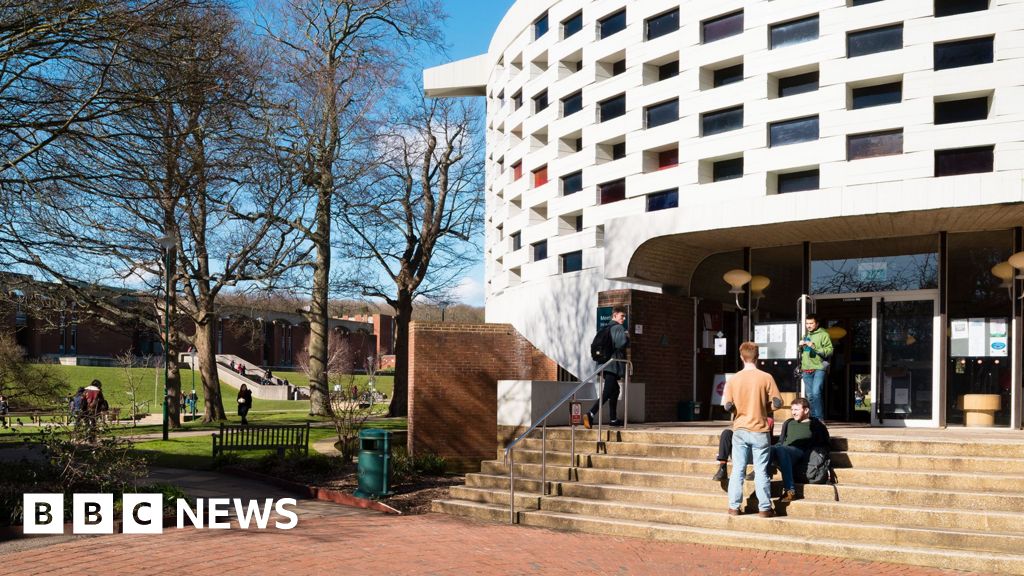
New university free speech watchdog launches this year, empowering students to speak up

In an era defined by rapid cultural shifts and demographic diversification, institutions of higher learning find themselves at the crossroads of upholding free expression and ensuring social cohesion. Professor Malcolm Press, Vice Chancellor of Manchester Metropolitan University, recently emphasized this delicate balance, stating that “protecting free speech while preventing harassment, hate speech, and radicalisation are complex tasks involving finely balanced decisions.” His words highlight a broader societal challenge: how do we foster open dialogue without compromising the safety and dignity of vulnerable communities?

Social issues surrounding free speech and cultural representation profoundly influence families, education, and local communities. As sociologists like Charles Taylor and Kenan Malik have argued, the clash between individual rights and collective social responsibility is not merely legal or political but deeply rooted in cultural identities and moral values. Communities composed of diverse ethnicities and beliefs often grapple with tensions when societal norms shift toward inclusivity. This socio-cultural evolution, while enriching, also tests social cohesion, especially when conflicting narratives threaten to fracture the social fabric.

Amid these tensions, educational institutions are tasked with more than just imparting knowledge; they serve as battlegrounds for moral and cultural debates. Schools and universities are increasingly called upon to navigate issues of free speech, safe spaces, and the prevention of radicalisation. Critics argue that excessive regulation may stifle genuine discourse, while others see unchecked speech as a catalyst for harassment and division. How society strikes a balance directly impacts not only the academic environment but also the families raising children in these complex social landscapes. When young minds witness community debates over free expression, they are also learning how society resolves its disagreements—shaping future attitudes toward coexistence and civic responsibility.

Facing these multifaceted challenges, social commentators emphasize the need for robust dialogue grounded in shared values to foster understanding across differences. This approach, advocated by thinkers such as Jonathan Haidt, promotes the idea that respectful engagement” is essential in an era where demographic shifts can sometimes intensify social tensions. Ultimately, the goal is to nurture resilient families and cohesive communities, capable of dialogue even amid disagreement. Yet, the path forward isn’t without obstacles; safeguarding free speech requires vigilance against those who exploit openness to spread hate or radical ideas. Policymakers and community leaders bear a moral responsibility to create frameworks that uphold both liberty and security.

As society confronts these enduring issues, it becomes clear that the very fabric of our future depends on our collective will to uphold principles of freedom, responsibility, and mutual respect. Society’s strength lies not only in legislation but in the moral courage of individuals and communities willing to listen and learn. In this ongoing struggle for balance, hope persists—a hope that through dedicated effort and unwavering commitment, we can forge a society where families flourish, education enlightens, and communities unite despite their inevitable differences. The true challenge is to remember that beneath every societal debate lies the profound human aspiration for dignity, understanding, and a shared future worthy of our highest ideals.

Teen Girls' Self-Identity: Surprising Truths Revealed
Teen Girls’ Self-Identity: Surprising Truths Revealed

In recent years, the decline of youth clubs and community spaces has become a stark reflection of broader societal shifts impacting families, education, and community cohesion. Among the many community institutions affected, netball clubs and dance companies stand out as vital hubs where young girls could express themselves freely, develop leadership skills, and foster social bonds beyond the classroom. These “third spaces”, as sociologists like Ray Oldenburg might describe, serve as essential buffers against the isolating effects of modern life but have been decimated before and during the pandemic. The result is a generation with fewer safe, constructive outlets for physicality, creativity, and emotional expression.

During recent interviews conducted in various communities, a recurring theme emerged: young girls observed a noticeable reduction in opportunities to gather in spaces where they could simply be loud, active, and unencumbered by the scrutiny of external judgment. These spaces provided an environment free from the pressures of social media critics or the judgmental eyes of boys, allowing adolescents to explore their identities without fear of stigma. The loss of such spaces is tangible in their emotional well-being and social development, creating ripples that threaten traditional familial and community bonds, and altering the fabric of our society.

  • Reduced availability of community spaces hampers social skills development and sense of belonging
  • Fewer opportunities for physical activity and creative expression impact youth’s mental health
  • The decline is linked to budget cuts, urbanization, and shifting cultural priorities

Renowned social commentators and historians, such as Dr. Jane Jacobs and cultural critic Christopher Lasch, have long argued that spaces fostering community, physical activity, and cultural participation are essential to a resilient society. Their disappearance raises moral and ethical concerns about the future of societal cohesion and the cultivation of a healthy, engaged youth. As families grapple with the loss of communal anchors, and as schools face increased challenges in providing holistic education, the void left behind threatens to deepen social divides and diminish shared cultural values.

Proposed solutions emphasize the restoration and expansion of community-based programs, with an emphasis on making these spaces accessible and inclusive. Initiatives that integrate physical activity, artistic expression, and community building under the auspices of local governments and private partnerships have shown promise. Such strategies are aimed at working against the tide of social fragmentation and rekindling a sense of shared purpose among youth. Ultimately, the challenge is to reimagine these spaces not just as places for recreation, but as vital institutions that nurture societal values, family stability, and individual development.

As society stands at this crossroads, the question remains: will we recognize the importance of these third spaces and commit to their revival? In doing so, we confront not only the obstacles of funding and urban planning but also the deeper cultural shifts that have deprioritized community engagement. The hope persists—woven into the memories of childhood and the collective desire for a society that fosters resilience through connection. *Because in reclaiming these spaces, society reclaims a part of itself—its soul—and offers its future generations a foundation of hope amid the turbulence.*

Balancing Act: A Mom’s Dedication to Teaching and Family

Balancing Act: Teachers and Parental Pressures in Society

In an era marked by rapid social transformation, many teachers find themselves caught in a relentless tug-of-war between their professional responsibilities and their roles as parents. This ongoing challenge is emblematic of a broader societal shift that places increasing demands on the individual, often blurring the boundaries between work and family life. According to sociologists such as Arlie Hochschild, the concept of emotional labor—in which individuals manage their feelings to meet societal expectations—is now pervasive among educators who strive to serve the needs of their students while managing familial obligations. The consequence is a growing sense of burnout that threatens not only personal well-being but also the stability of families and communities.

Many teachers report that the pressure to be present both at school and at home can lead to a crisis of identity. Schools increasingly demand extended hours, extracurricular involvement, and adaptation to new technological tools—all outcomes of the push for competitive excellence in education. Meanwhile, societal expectations for parents to be consistently engaged in their children’s development have intensified, leaving educators facing a complex web of demands. This phenomenon impacts families by weakening the bonds of shared responsibility, often placing the burden on individual parents or teachers alone. Social commentators note that such pressures exacerbate inequalities, especially in communities where access to support resources is limited, leading to a widening chasm between those able to navigate these challenges and those who fall behind.

The ripple effects extend further into the fabric of community life. As teachers grapple with exhaustion, their capacity to foster supportive environments diminishes. Schools become battlegrounds where societal disputes over value systems—education standards, student discipline, and resource allocation—are intensified by the personal struggles faced by educators. Behind closed doors, families are affected as well: parental disengagement or overextension can diminish the moral foundation that sustains children’s development. The moral fabric of communities, therefore, is at risk of fraying when social institutions fail to support those responsible for shaping future generations.

Addressing these intertwined challenges requires a multifaceted approach grounded in community solidarity. Policymakers must recognize that social issues are inherently interconnected, influencing education, family life, and social cohesion. Initiatives such as providing accessible mental health support for teachers, expanding family-friendly policies, and fostering community-based programs can serve as vital steps forward. As social theorist Jonathan S. Goff argued, sustainable societal progress depends not just on structural reforms but also on restoring dignity and balance to the lives of those who serve as the backbone of society. It is in creating environments where teachers can thrive both professionally and personally that communities lay the groundwork for a more resilient future.

As society stands at this crossroads, a sobering question emerges: could the harmony between work and family, between societal expectations and human needs, be restored? The answer may lie in recognizing that societal strength is rooted in its most foundational units—families and communities—and that nurturing these requires moral clarity and compassionate support. The hope remains that by acknowledging and addressing the social challenges faced by teachers today, the path toward a more cohesive, resilient society can be forged—one where the promise of future generations is not sacrificed on the altar of relentless progress, but celebrated as the true measure of societal success.

Monday’s Mandelson clash might seal Starmer’s fate—will it make or break him? | John Crace

Society in Crisis: The Impact of Political Hypocrisy on Families and Communities

In a world increasingly defined by demographic shifts and cultural tensions, the dissonance between political rhetoric and reality remains a profound societal challenge. Recent political scandals, exemplified by the controversy surrounding No 10’s handling of security vetting and the ensuing accusations of incompetence, reveal a troubling disconnect that directly affects families, education, and community cohesion. When leaders mislead or are perceived as incapable, these issues ripple outward, undermining the very fabric of society.

The social fabric that binds communities relies heavily on trust in institutions and leaders. When that trust erodes, families are left grappling with uncertainty about the stability of their society. Sociologists such as Robert Putnam have long argued that social capital—the networks and trust that hold communities together—is fragile and easily damaged by political deception and social stratification. The recent revelation that senior officials like Peter Mandelson had failed security vetting, yet remained in positions of influence, underscores how cultural shifts toward complacency and opacity threaten societal coherence. Children and youths, observing these failures, may develop cynicism about civic engagement and the integrity of their leaders, a trend that risks fostering disengagement among future generations.

Furthermore, educational institutions are often the first to bear the brunt of political instability. When crises unfold at the highest levels of government, educational content and pedagogical priorities can become overshadowed by national crises, undermining the quality and focus of youth development. Social commentators highlight that young people are particularly sensitive to issues of ethical integrity and moral clarity. If teachers and parents perceive a leadership class that appears disjointed or corrupt, this can diminish students’ moral and ethical grounding, lowering societal resilience in the long run. Amidst these disturbances, families may feel disempowered, their aspirations for a stable and honest society challenged by the very people entrusted to uphold those virtues.

To counteract these detrimental trends, policies must emphasize rebuilding trust in institutions and promoting greater transparency and accountability.

  • Enhancing civil servant oversight to prevent secrecy and cover-ups.
  • Implementing civic education programs that reinforce the importance of integrity and civic responsibility among youth.
  • Supporting community organizations that foster dialogue and resilience amidst socio-political upheaval.

These steps recognize that community actions and education are vital to healing the social wounds inflicted by political scandal and incompetence. Historians like Arthur Schlesinger have argued that societies must reflect on their moral commitments and rebuild trust through collective effort and virtue, especially when faced with social tensions and demographic transformations.

As society stands at this crossroads, the question remains: can communities and families find the resilience to persevere through the chaos and betrayal? The challenges ahead are formidable, yet within them lies the potential for renewal—for a society that values truth, integrity, and the moral courage to rectify its course. The path forward demands collective determination, rooted in the hope that through renewed social bonds and steadfast commitment, a brighter future can emerge from the shadows of political failure. Society’s greatest strength has always been its people — resilient, hopeful, and ready for a renaissance rooted in justice and moral clarity. The true test, then, lies in whether we, as a society, can rise united and reclaim the virtues that underpin a just community.

Is Canada losing its appeal for Indian students? The dream destination may be shifting.

Indian Students Reassess Canada as Educational Opportunities Face New Challenges

In recent months, Indian students aspiring to study in Canada are confronting a complex array of social and economic barriers that threaten to reshape the landscape of international education. Tighter immigration regulations, surging financial costs, and increased visa uncertainties are prompting a significant reconsideration of plans to pursue higher education abroad. These developments are not only impacting the individual trajectories of students but are also reverberating through families, communities, and educational institutions, raising questions about the future of international student mobility and its broader societal implications.

The Canadian government’s recent policy shifts have introduced stricter visa requirements aimed at ensuring national security and economic stability. This tightening of border controls is part of a broader trend seen across many Western nations, often justified as measures to regulate migration and foster national interests. However, for Indian families relying on educational opportunities as a pathway to social mobility, these restrictions create tangible fears. Many parents see education in Canada as a key to economic advancement and global integration, and the increased hurdles compromise their children’s ambitions. Sociologists emphasize that such policy changes underscore a shifting narrative in international education—less a mutual exchange and more a contest for national control, which fuels social tensions and alienation.

The financial landscape further complicates this scenario. As tuition fees continue to climb, students and their families are grappling with unprecedented costs that threaten equitable access. The economic strain disproportionately impacts working-class and middle-income families, which historically have relied on international education as a stepping stone toward stable employment and societal integration. This escalating expense, combined with fragile visa prospects, risks creating a social divide in access to higher education, fostering resentment and societal fragmentation. Social commentators warn that such stratification could weaken the very fabric of multicultural Canadian society, which has long thrived on the diversity and inclusion brought by international students.

Moreover, these logistical and economic hurdles have direct repercussions on educational institutions and local communities. Universities face diminished enrollments, affecting their revenue streams and potentially leading to decreased funding for community programs. Local economic ecosystems that depend on student spending—such as housing, retail, and service sectors—are experiencing downturns, which deepen the socio-economic divides. Historians and social critics argue that these shifts threaten to erode the multicultural harmony once celebrated as a cornerstone of Canadian identity. As Dr. Susan McGregor, a social historian, notes, “When the pathways that tie diverse communities together become obstructed, society risks fracturing along demographic fault lines.”

Amidst these challenges, voices of resilience and adaptation emerge, advocating for policies that balance national sovereignty with openness to talent and diversity. Scholars suggest fostering a more inclusive and flexible immigration framework that recognizes the vital role of international students in societal progress. They emphasize that restoring trust and access in the educational pipeline is not only a matter of economic strategy but also a moral imperative—ensuring families can dream of futures built on opportunity, not fear. As society stands at this crossroads, the hope persists that through thoughtful reform and community engagement, the societal tapestry can be reinforced rather than torn apart.
In the silent promise of tomorrow, families, educators, and policymakers alike must ponder the true essence of society: a collective commitment to bridging divides, nurturing potential, and shaping a future where the shared pursuit of knowledge brings us closer—despite the obstacles that threaten to keep us apart.

Social Media Auto Publish Powered By : XYZScripts.com