Matox News

Truth Over Trends, always!

Charting the Course: Safeguarding the GOP's Future Amid Internal Strife
Charting the Course: Safeguarding the GOP’s Future Amid Internal Strife

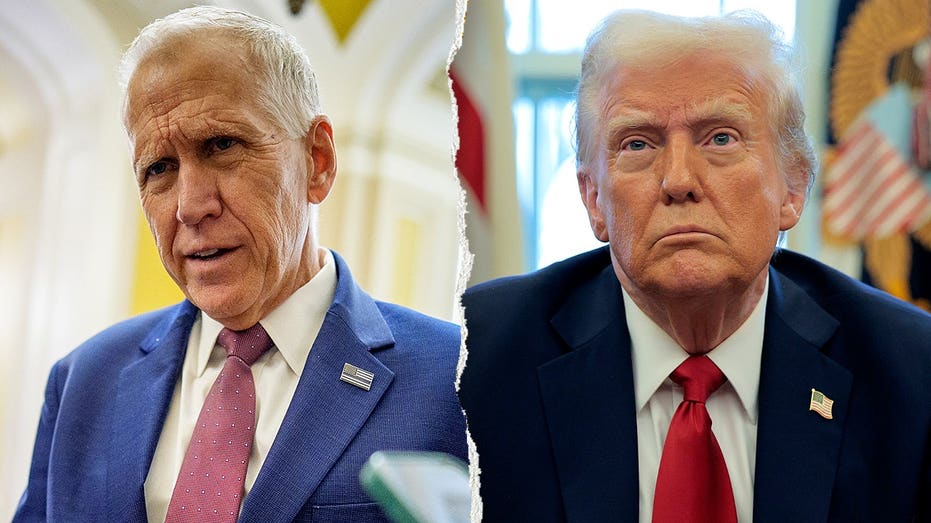
The Republican Party finds itself at a critical juncture, navigating complex political currents and internal disagreements. A recent report from Fox News Digital highlighted a candid warning from retiring Senator Thom Tillis, who expressed serious concerns that certain actions could severely undermine the GOP’s future and its electoral prospects in the upcoming November elections. His remarks underscore a growing sentiment within conservative circles: the need for strategic unity and a clear focus on core principles to ensure the party’s strength and relevance.

A Veteran’s Candid Critique

Senator Tillis, a Republican from North Carolina, has not shied away from voicing his criticisms of the Trump administration, particularly concerning decisions he believes are detrimental to the party. His latest comments, asserting that specific actions are “killing our chances” for Republicans to retain control of the Senate, are a potent reminder of the internal tensions that occasionally surface. Tillis’s frankness, especially as a senator not seeking re-election, offers a perspective unburdened by immediate electoral pressures, allowing for a more direct assessment of the party’s challenges.

The senator’s criticisms extend beyond mere personality clashes, touching upon policy decisions that raise eyebrows among fiscal conservatives and institutionalists alike. He has pointed to several initiatives, attributing them to key administration advisors, that he views as counterproductive:

  • A substantial “anti-weaponization” fund, raising questions about governmental overreach and fiscal prudence.
  • Proposals for 50-year mortgages and a bipartisan Senate housing package, potentially distorting free markets and increasing long-term liabilities.
  • The push to acquire private companies with taxpayer dollars, a direct challenge to free-market principles.
  • Concerns about the firings of top generals and a perceived lack of accountability for foreign adversaries, impacting national security and institutional stability.

These points highlight a divergence from established conservative tenets, suggesting that some policy directions risk alienating key segments of the Republican base and independent voters.

Beyond Personality: Stakes for the GOP

While political feuds often capture headlines, the underlying stakes for the Republican Party are far more significant. Tillis’s warning transcends personal animosity; it’s a call for introspection regarding the party’s strategic direction. For the GOP’s future, electoral success hinges not just on voter turnout but on presenting a coherent vision that resonates with the American public. A party perceived as fractured, or one that deviates from its foundational conservative principles, risks losing trust and momentum.

The conservative movement thrives on ideas of individual liberty, limited government, fiscal responsibility, and a strong national defense. When internal disputes overshadow these core tenets, or when policy proposals appear to contradict them, the party’s message becomes muddled. Electors seek clarity, consistency, and a reliable commitment to the values they believe in.

“The path to a strong Republican Party lies in disciplined adherence to conservative principles, not in divisive rhetoric or policy detours.”

Upholding Conservative Principles for the Future

Securing the GOP’s future demands a renewed commitment to its bedrock principles. This means fostering an environment where robust debate can occur without devolving into destructive infighting. It means prioritizing policies that promote economic growth through free markets, uphold the rule of law, strengthen our institutions, and protect the traditional family unit. It also requires a leadership that can unify diverse factions under a common conservative banner, demonstrating a steady hand and a clear vision for the nation.

The Republican Party has historically been the standard-bearer for order, responsibility, and opportunity. To maintain this vital role, it must demonstrate a pragmatic approach to governance, avoiding populist impulses that undermine long-term stability or economic health. The wisdom of experienced voices like Senator Tillis, even when critical, should be heeded as the party seeks to strengthen its foundations and prepare for the challenges ahead.

The path forward for the Republican Party is one of principled engagement and strategic foresight. By focusing on substantive policy and fostering genuine unity, the GOP can not only overcome its current internal challenges but also solidify its position as a leading force for positive change in America.

Opinion: The DC Safety Surge – A Blueprint for Restoring Order

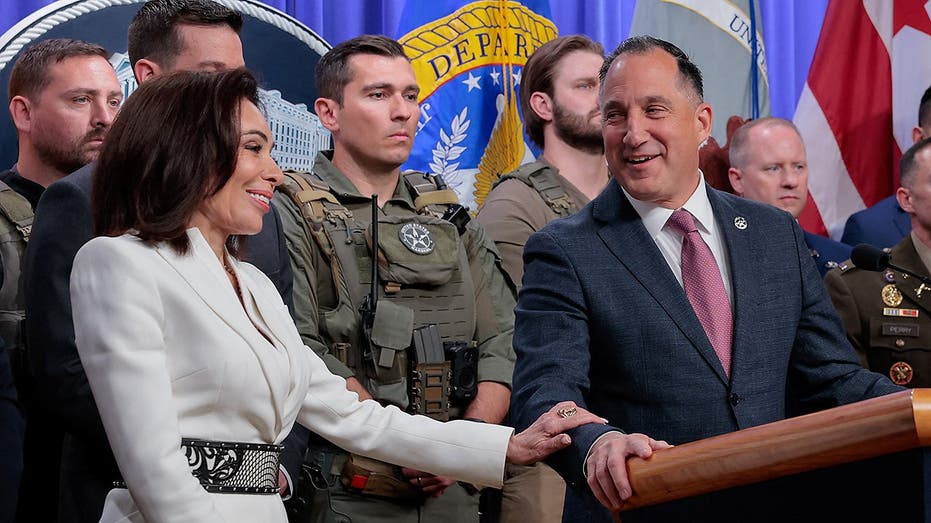
Washington, D.C., the symbolic heart of American democracy, is embarking on a pivotal mission to reclaim its streets and ensure public safety. With the nation’s 250th Independence Day celebrations on the horizon, the Trump administration has launched a robust ‘summer surge’ of federal law enforcement. This decisive action, spearheaded by the D.C. Safe and Beautiful Task Force, aims to transform the capital into the safest city in America, addressing persistent challenges to civic order and community well-being.

Reclaiming the Capital’s Streets

The initiative’s early successes are compelling, demonstrating the efficacy of a determined approach to law enforcement. Since its inception last year, the joint law enforcement operation has yielded significant results:

  • Nearly 13,000 arrests have been made.
  • Over 1,400 illegal firearms have been seized.
  • 32 murder suspects have been apprehended.
  • 23 missing children have been safely recovered.

These aggressive enforcement efforts have demonstrably impacted the city’s crime landscape, with overall crime plummeting by 26%. Homicides have seen a nearly 50% reduction, and carjackings, a particularly insidious threat to urban residents, are down by 60%. Such figures, as reported by News Desk, underscore the positive impact of this focused federal push.

Accountability for All: The Parental Imperative

A core focus of the ‘DC Safety Surge’ is confronting the disruptive “teen takeovers” that have plagued neighborhoods and impacted local businesses. U.S. Attorney Jeanine Pirro has openly criticized the D.C. Council for its perceived inaction, declaring a zero-tolerance policy that extends accountability to parents. Federal prosecutors will now charge parents under a D.C. statute for contributing to the delinquency of a minor. This means parents who drop off their children, neglect supervision, or permit truancy leading to participation in chaos could face fines, mandatory classes, and even jail time.

This policy shift reflects a fundamental conservative principle: individual and parental responsibility. When local authorities hesitate to address juvenile delinquency, the burden often falls on law-abiding citizens and strained public services. Holding parents accountable sends a clear message that societal order begins within the family unit and that neglect carries consequences.

“Law-abiding taxpayers should no longer have to pay for parental neglect.”

A Model for Urban Renewal?

The federal intervention in Washington, D.C., offers a powerful counter-narrative to the trend of escalating urban crime seen in many American cities. It demonstrates that a strategic, well-resourced law enforcement effort, coupled with a commitment to holding all parties accountable, can yield swift and significant improvements in public safety. This ‘DC Safety Surge’ represents more than just a temporary crackdown; it is an effort to restore the fundamental expectation of order and security that every citizen deserves. It is a reminder that strong institutions, backed by decisive action, are essential for a thriving society.

As the nation prepares to celebrate its quarter-millennium, ensuring the capital is safe and beautiful is not merely a logistical task but a moral imperative. The proactive measures taken by federal authorities in Washington D.C. serve as a testament to the idea that with resolve and a focus on core principles of law and order, even the most entrenched challenges to public safety can be overcome. This commitment to restoring peace and order in the nation’s capital sets a commendable standard for urban governance.

California’s Diaper Giveaway: A Costly Band-Aid Amid Budget Pressures

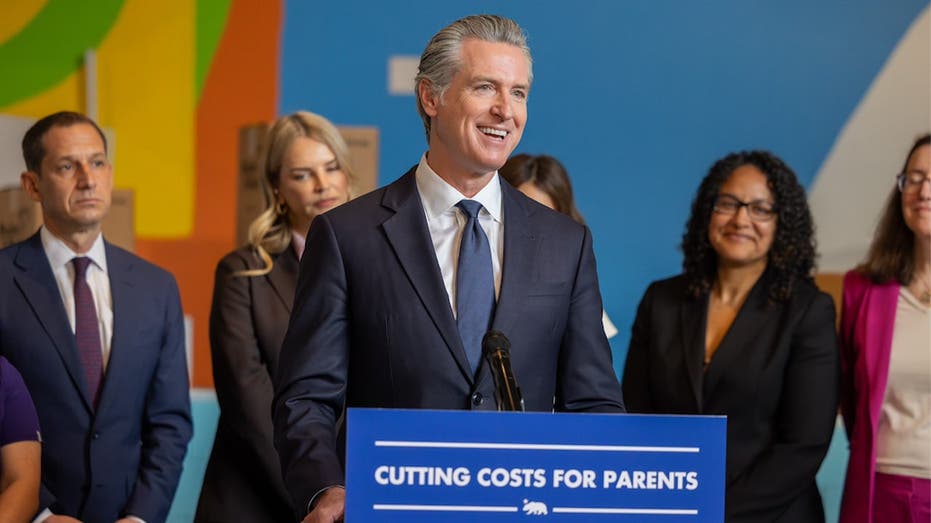
California Governor Gavin Newsom recently unveiled the “Golden State Start” initiative, promising 400 free diapers for every newborn in the state. This program, set to launch this summer, aims to assist families with the high costs of child-rearing. While the intention to support parents is commendable, the initiative raises important questions about fiscal prudence and policy priorities amid California’s ongoing budget challenges.

Understanding the Golden State Start Program

The program partners with the nonprofit Baby2Baby to distribute diapers at hospitals upon discharge. Initially, it will focus on about 65 to 75 hospitals serving primarily low-income patients, covering roughly 25% of births statewide. This targeted rollout reflects an effort to prioritize vulnerable families.

California allocated $7.4 million last year for the program, and the governor proposes an additional $12.5 million for its expansion. These substantial sums come at a time when the state faces tightening fiscal conditions.

Balancing Compassion with Fiscal Responsibility

Supporting families is a worthy goal. However, the question remains: is distributing free diapers the most effective use of taxpayer dollars? Critics argue that such giveaways risk expanding government spending without addressing deeper economic issues affecting affordability.

California’s budget woes require measured solutions that foster long-term economic growth and reduce dependency on state handouts. Programs like universal preschool and free school meals already stretch resources. Layering additional costly initiatives may exacerbate fiscal pressures.

The Need for Sustainable Family Policies

Instead of one-off giveaways, policymakers should focus on creating a stable environment for families to thrive. This includes:

  • Encouraging economic opportunity through job creation and business-friendly policies
  • Supporting affordable housing and healthcare reforms
  • Promoting personal responsibility and community-based assistance

Such measures offer a more sustainable path to addressing affordability challenges than expanding entitlement-style programs.

Conclusion: Careful Policy, Not Costly Promises

While Governor Newsom’s diaper giveaway signals an awareness of family needs, it exemplifies a growing trend of costly, populist proposals that strain California’s budget. As reported by Fox News Digital, the program’s price tag warrants scrutiny amid fiscal tightening. Conservatives advocate for prudent spending and policies that empower families rather than fostering dependency. California’s future depends on careful stewardship, not short-term fixes.

Empowering Youth: The Case for Personal Freedom in Modern Society

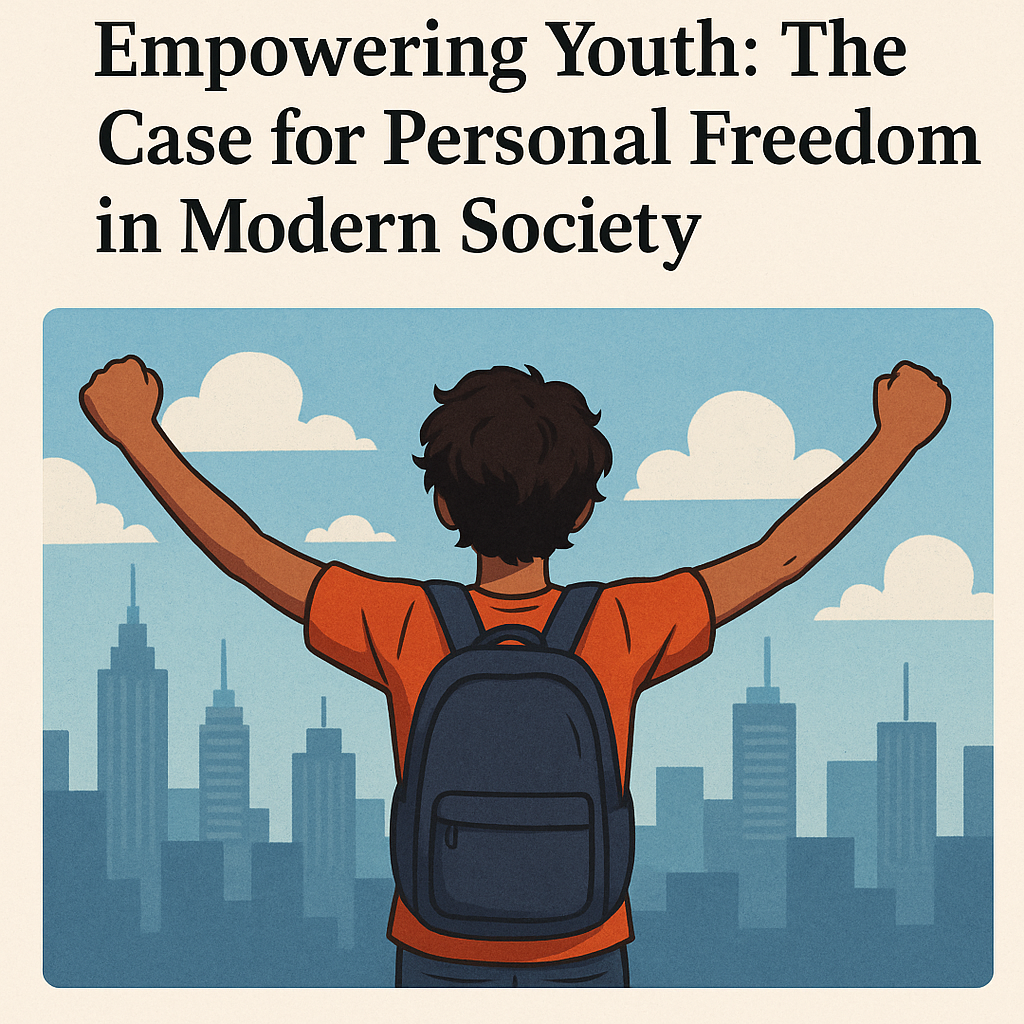
In modern society, the debate surrounding personal freedom often centers on balancing individual rights with societal order. Yet, for the youth—our future architects—a fundamental consideration must be the empowerment through personal liberty. Advocates argue that fostering a culture where young people can explore their identities, make autonomous choices, and engage responsibly with society is crucial for cultivating innovative thinkers and resilient citizens. This perspective aligns with the insights of Friedrich Hayek, who emphasized that economic and personal freedoms are essential for societal progress. Restrictive paradigms risk stifling the entrepreneurial spirit and critical thinking essential to a thriving democracy and economy.

Furthermore, critics of excessive regulation contend that personal freedom nurtures self-reliance and personal accountability among youth. When young individuals are given space to navigate their ambitions—whether through entrepreneurial ventures, creative pursuits, or political activism—they develop a sense of ownership over their choices. This autonomy is not without its challenges, but history demonstrates that societies which prioritize individual liberty often outperform those burdened by overreach. As James Madison famously noted, “The future belongs to those who learn more skills and combine them in creative ways.” Empowering youth with the freedom to experiment and learn from failure fosters resilience and a mindset treasured by economic analysts like Milton Friedman.

However, the importance of personal freedom must be balanced with societal responsibility—an aspect often overlooked by critics who equate liberty with reckless behavior. Responsible freedom involves educating youth about the consequences of their decisions and fostering a culture of respect, hard work, and integrity. Policies aimed at empowering young people should thus promote self-determination alongside civic responsibility. The challenge for modern policymakers is designing frameworks that safeguard individual rights while cultivating ethical maturity. This nuanced approach aligns with the ideas of Alexis de Tocqueville, who observed that liberty and responsibility are intertwined threads in the fabric of democratic societies.

Ultimately, the pursuit of personal freedom in youth is an investment in the boundless potential of human ingenuity. As society stands at the crossroads of technological innovation and cultural evolution, the true measure of progress will be how well we nurture the spirit of independence in our young generations. They are the architects of a future where Liberty is not merely a word etched in history but a living, breathing endeavor shaping new horizons. The path forward calls for a profound understanding: that in empowering youth, society is forging a mighty vessel—capable of navigating turbulent waters, guided by the luminous compass of individual liberty. The question remains: will we harness this power with wisdom or let it be drowned in the tides of overreach? In the grand theater of history, it is the spirited pursuit of freedom that lights the way for generations yet unborn, promising a future where human potential is unleashed in its most magnificent form—an eternal testament to the indomitable human spirit.”

Defending Dialogue: The Vital Role of Free Speech in a Free Society

In an era marked by digital interconnectedness and rapid information exchange, the fundamental importance of free speech in maintaining a vibrant, healthy society cannot be overstated. Critics often posit that unchecked dialogue can foster divisiveness or misinformation, but history and empirical evidence suggest otherwise. John Stuart Mill, in his seminal work On Liberty, argued that the free exchange of ideas is essential not only for discovering truth but for preventing tyranny of the majority. When societies impose undue restrictions on speech, they risk silencing dissent, which can stifle innovation, suppress minority views, and erode the very foundations of democracy. The challenge lies in safeguarding open discourse without allowing harmful content to proliferate, a balancing act that underscores the importance of free and fair dialogue.

Supporters of free speech emphasize that censorship often backfires by driving controversial ideas underground, where they become more difficult to address openly. Economists like Friedrich Hayek have pointed out that free markets of ideas require safeguarding to foster societal progress. Moreover, the digital age has amplified the reach of individual voices, allowing youth-led movements and marginalized communities to challenge entrenched narratives effectively. Nevertheless, critics argue that platforms must moderate content to prevent harm; yet, overreach risks transforming these spaces into echo chambers. Protecting free speech entails constructing boundaries that deter abuse without curtailing authentic debate, a nuanced pursuit that defies simple solutions but remains central to societal resilience.

From a historical perspective, societies that champion liberty of expression tend to experience greater innovation and social cohesion. When citizens are empowered to voice dissent, governmental abuses are held accountable, and policies are scrutinized more effectively. Analysts suggest thatn an environment of robust debate fosters a culture of critical thinking—vital for adapting to complex challenges like technological change or global crises. Limiting speech, on the other hand, can cultivate a climate of conformity, where fear suppresses dissent and free inquiry diminishes. As thinkers like Alexis de Tocqueville observed, “Democratic societies flourish when the individual feels free to speak and think for themselves, even if their views are unpopular.”

Yet, amid the noise and chaos of our digital age, it is essential to remember that free speech is more than a right; it is a moral obligation. It demands responsibility—both from those who exercise it and from societies that protect it. If the future of free societies depends on anything, it is on their ability to defend this sacred space where ideas collide, challenge, and evolve. The weight of this responsibility is immense, for within the marrow of free speech lies the future of human progress itself—an enduring testament to our collective resilience and boundless aspiration, echoing through time as an unbreakable chorus that calls us to remain vigilant and unwavering in the pursuit of truth and liberty.

Culture’s Role in Shaping Our National Identity

At the core of a nation’s identity lies its culture — an intricate tapestry woven from history, traditions, language, and shared values. Critics often argue that in an increasingly globalized world, the preservation of cultural distinctiveness becomes a challenge, yet it remains the most powerful force shaping national character. Alexis de Tocqueville famously observed that culture provides the moral fabric that binds individuals to their collective destinies. Today, as nations face pressures from economic and cultural homogenization, it becomes essential to recognize how deeply rooted cultural narratives foster a sense of belonging and reinforce the social cohesion needed for a resilient nation.

Many contemporary analysts suggest that the identity crises faced by modern nations can be traced back to the erosion or neglect of cultural foundations. When policies prioritize economic growth over cultural preservation, societies risk losing their distinctiveness, leading to a dilution of their shared values. This concern has been passionately articulated by thinkers like Samuel P. Huntington, who argued that cultural identities are vital in shaping political stability and social harmony. A nation’s cultural narratives serve as a bridge connecting past, present, and future — fostering a collective memory that guides societal norms and expectations. When these narratives are deliberately marginalized, communities may experience fragmentation, weakening the social fabric that has historically held them together.

Furthermore, educational systems and media serve as battlegrounds for cultural transmission, playing a pivotal role in either strengthening or undermining national identity. Critics note that in many democracies, there is a tendency to soft-pedal the importance of shared cultural values to appease a globalized mindset that champions diversity at the expense of unity. However, as Roger Scruton emphasized, a vibrant national culture is essential for fostering patriotism and civic pride — qualities that underpin societal resilience in times of crisis. It is through the celebration of heritage, language, and traditions that young generations cultivate a deep-seated respect and understanding for their roots, ensuring that the spirit of the nation endures amid tides of change.

Ultimately, the weight of culture in shaping our national future resonates as an almost poetic truth: that in the silent depths of shared stories and customs lies the blueprint for survival and renewal. As history’s currents threaten to drown distinct identities in a sea of sameness, it falls upon each generation to carry the torch of cultural memory. For only then can a nation remain more than just a geopolitical entity — it becomes a living, breathing vessel of collective hope, resilience, and destiny. The future waits patiently in the shadows of history, whispering that a nation’s true strength is not merely in borders or armies, but in the enduring legacy of its cultural soul, beckoning us towards a horizon where identity is not lost but reborn anew in the flames of tradition and innovation alike.

Reviving Responsibility: The Key to a Thriving Society

In an era often characterized by the erosion of shared values and a growing sense of societal disconnection, the revival of personal responsibility emerges as a fundamental remedy for fostering a thriving society. Critics argue that the decline of individual accountability has catalyzed a cascade of social issues—from economic stagnation to political polarization. Recognized economists like Thomas Sowell have long emphasized that “personal responsibility is the cornerstone of individual freedom and societal prosperity.” This underscores the idea that, without a collective acknowledgment of personal duties—be it in civic engagement, economic participation, or community support—any societal advancement remains illusory. Restoring this concept is about more than moral rectitude; it’s about re-establishing a framework where individuals recognize their role as stakeholders in the societal fabric.

Supporters of responsibility-based policies point to empirical evidence illustrating that societies which foster civic virtue tend to outperform in terms of economic growth and social cohesion.

  • Increased personal responsibility correlates with lower crime rates and enhanced community safety.
  • Educational outcomes improve when students, parents, and teachers share accountability for student achievement.
  • Economic productivity is amplified when individuals take ownership of their careers and financial futures.

Analysts suggest that these benefits are rooted in a foundational principle: trust and self-discipline act as the bedrock of a resilient society. When citizens embrace responsibility as a core value, they become active participants in their destiny rather than passive recipients of state aid or societal neglect. Such a shift, critics argue, also combats the growing dependency culture, which critics say stifles innovation and individual potential.

Moreover, a societal emphasis on responsibility rejuvenates the principles of free enterprise and limited government. According to many classical liberals and fiscal conservatives, expanding personal accountability reduces the burden on public welfare systems and fosters a culture of self-reliance. Authors like Friedrich Hayek have articulated that individual freedom flourishes when people are entrusted with the consequences of their choices, fostering innovation and resilience. As history and recent economic analyses reveal, societies where citizens are encouraged to take ownership of their actions tend to foster broader opportunities and a more dynamic civil life. It is a truth echoed in the modern discourse: responsibility is less about blame and more about empowering individuals to shape their destinies, and by extension, their society’s future.

Yet, the path to such renewal is fraught with challenges. It demands a cultural shift—a movement away from entitlement and towards engagement, accountability, and moral clarity. As history’s torchbearers suggest, fostering a sense of collective responsibility requires more than policy—it calls for a moral awakening rooted in shared virtues. The future of society hinges on whether the younger generations will embrace responsibility not as a burden, but as a badge of honor—a vital thread woven into the fabric of resilience. And so, as dawn breaks over the horizon, it is perhaps only through the rediscovery of responsibility—this ancient yet ever-relevant virtue—that society can forge an enduring legacy, illuminating the path toward a future where collective strength and individual virtue grow hand in hand, illuminating the dark with the light of renewed purpose and unwavering resolve. The question remains: will we answer the call to responsibility, or watch as our societal tapestry unravels into shadows, lost amid the fleeting illusions of dependency?

Reclaiming Responsibility: A Moderate Path Forward for America

As America faces an era marked by swift technological change, mounting economic challenges, and cultural polarization, the question of who bears responsibility for shaping the nation’s future becomes more urgent than ever. Critics argue that the prevailing political discourse often devolves into blame-shifting and partisan rhetoric, hampering meaningful progress. Yet, there is a growing movement calling for a moderate path forward—one rooted in pragmatic responsibility and shared accountability. This approach recognizes that America’s strengths lie not in abandoning tradition or dismissing innovation, but in harmonizing these elements to forge a resilient, cohesive society capable of confronting tomorrow’s uncertainties.

Proponents of this moderate outlook emphasize that restoring responsibility begins with acknowledging the interconnected nature of economic, social, and political spheres. For example, analysts suggest that embracing a balanced view of free enterprise and prudent regulation can foster sustainable growth without sacrificing individual freedoms. Economists like Nobel laureate Edmund Phelps have argued that responsible capitalism—which includes fair labor practices, environmental stewardship, and corporate accountability—serves as the backbone of a thriving nation. Critics also highlight the importance of civic responsibility, urging the younger generation to actively participate in democratic processes and community building, thereby reinforcing the social fabric that binds citizens together in shared purpose.

However, cultivating a culture of responsibility requires more than just policy prescriptions; it demands a cultural shift grounded in respect, accountability, and a recognition of common interests. This entails rethinking narratives that foster division and instead promoting figures who model moderation and integrity. As historian David McCullough once noted, the strength of America has historically stemmed from its ability to galvanize diverse groups around common goals, rather than succumb to factionalism. By focusing on practical solutions rooted in fact and shared values, Americans can navigate the tumult of modern politics with integrity and purpose, acknowledging that progress often arises from difficult compromises and collective effort.

Peering into the horizon, the challenge for the nation is to forge a path that isn’t swayed by extremes, yet remains dynamic enough to adapt and thrive. The weight of responsibility does not rest solely on the shoulders of leaders, but upon all who call this land home—each citizen, educator, entrepreneur, and policymaker. As this great experiment of democracy marches forward, one must ponder whether America will rise as a beacon of collective responsibility or stumble into the shadows of neglect and disunity. The choice lies in embracing a moderate, balanced, and steadfast approach—one that recognizes responsibility as an enduring pillar of hope, a guiding star amid the storm, and the very essence of what turns a nation’s destiny from fleeting dust into an enduring legacy. Forever, the soul of this country beckons us to act, to restore, and to elevate a shared responsibility—lest the annals of history record our silence as the moment when the mighty lost their way, and the promise of liberty faded into the dusk.”

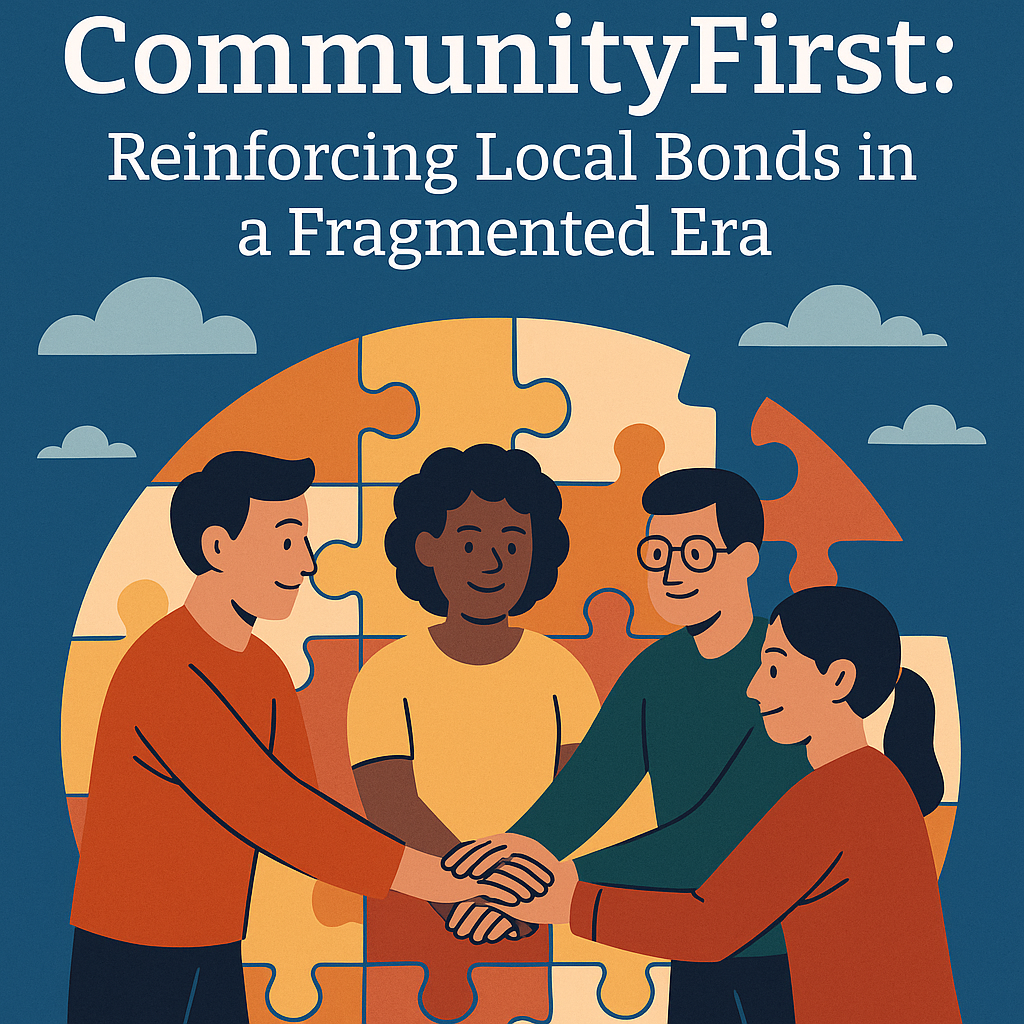
CommunityFirst: Reinforcing Local Bonds in a Fragmented Era

In an age characterized by rapid technological advancement and global interconnectedness, the fragility of local communities has become increasingly apparent. Critics argue that the relentless march of urbanization, combined with the erosion of traditional social bonds, has led to a diminished sense of belonging and shared purpose. However, initiatives like CommunityFirst demonstrate a resilient spirit rooted in the fundamental principle that strengthening local bonds is not only desirable but essential for safeguarding societal cohesion. By fostering grassroots engagement, CommunityFirst aims to create a ripple effect—reinvigorating neighborhoods and empowering citizens to take charge of their collective future within the fabric of their hometowns.

Supporters of this approach highlight that strengthening local bonds leads to tangible benefits, from increased safety to enhanced social capital. Economist Edward Glaeser emphasizes that vibrant communities thrive on the “density of social ties,” which catalyzes economic resilience and innovation. CommunityFirst initiatives promote local entrepreneurship, volunteerism, and civic participation—all grounded in the idea that local action fosters a sense of ownership and pride among residents. When residents feel invested in their neighborhoods, they become less susceptible to the alienation and fragmentation that often fuel social discord and even radicalization among youth.

  • By encouraging local leadership and participation, CommunityFirst addresses the root causes of rural decline and urban alienation.
  • Fostering intergenerational dialogue ensures the transmission of traditions and shared values essential for societal continuity.
  • Supporting local economies through community-driven projects reduces dependence on distant, impersonal corporate structures.

As historians like Charles Murray have pointed out, the preservation of social capital at the community level is the bedrock of a resilient society. Critics argue that federal policies often subordinate local needs to distant bureaucracies, thereby weakening these vital bonds. In contrast, CommunityFirst champions a bottom-up approach, emphasizing that empowering local leaders and cultivating a sense of shared destiny can revitalize the social fabric. In this vision, the community is not just a collection of houses but a living organism—teeming with shared stories, collective efforts, and enduring trust—capable of withstanding the upheavals imposed by external forces.

The future of CommunityFirst, and similar movements, depends on their ability to inspire the youth—those who will inherit both the challenges and opportunities ahead. As we stand at this pivotal moment, it is vital to remember that local communities hold the key to a resilient society. They are the silent sentinels guarding our cultural integrity and social cohesion, holding within them the power to shape an era that harmonizes tradition with progress. The question remains: can we forge a collective consciousness robust enough to withstand the erosion of bonds and anchor a future where every neighborhood, however small, becomes a fortress of unity? As memories merge with aspirations, the future whispers: in the depth of our local roots lies the strength to redefine the destiny of an entire civilization—one community at a time, standing resilient against the winds of fragmentation, until the dawn of a new, united chapter.”

FreedomWithOrder: The Foundation of a Resilient Society

Throughout history, the delicate balance between freedom and order has served as the cornerstone for resilient societies. Critics often misunderstand this dynamic as a trade-off where increased security mandates the sacrifice of liberty. However, seasoned analysts and philosophers such as Alexis de Tocqueville and Friedrich Hayek emphasize that true societal strength emerges when freedom is harmoniously woven with a framework of order—one that upholds justice, personal responsibility, and social stability. In our modern era, this principle remains vital as nations grapple with the chaos of unchecked activism, digital misinformation, and economic volatility, all threatening to unravel the fabric of societal cohesion.

Order provides the scaffolding upon which freedom can flourish. Without clear laws, predictable institutions, and accountability, personal liberties become vulnerable to arbitrary abuse and chaos. As Hayek argued in The Road to Serfdom, excessive controls and central planning inadvertently pave the way for tyranny, strangling individual initiative and innovation. Furthermore, economic stability—a pillar of societal resilience—relies on robust regulatory systems that prevent market excesses and protect consumers. Yet, critics warn that overreach risks stifling entrepreneurship. Balancing this involves fostering a legal environment that safeguards rights while encouraging competition: a mission crucial for youthful societies seeking vitality and adaptability.

In this context, the challenge is cultivating a societal ethos where freedom does not devolve into chaos but is anchored deeply in shared responsibility. This requires fostering civic virtues such as respect for law, discipline, and community engagement. When societies neglect these virtues, they risk devolving into fragmentation, where individual pursuits overshadow collective wellbeing. James Madison famously asserted that “liberty is to faction what air is to fire”—a vital but potentially destructive element unless carefully contained within a framework of ordered liberty. Educating youth on the importance of self-restraint within a free society becomes critical, emphasizing that true freedom entails both liberty and responsibility.

As we peer into the future, the resilience of society may well depend on its capacity to uphold this nexus of freedom fused with order. Societies that embrace this duality act as fortresses against external threats and internal strife, safeguarding the pursuit of progress without sacrificing moral and legal foundations. History suggests that societies which prioritize lawful governance and individual rights can weather intellectual, social, and economic storms with perseverance and grace. The enduring legacy of this balance lies in its promise: to forge not merely a surviving society but one that thrives, diverse yet united, free yet resilient—an unbreakable mosaic crafted by the unwavering harmony of liberty and order.

Social Media Auto Publish Powered By : XYZScripts.com