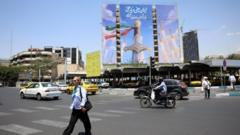
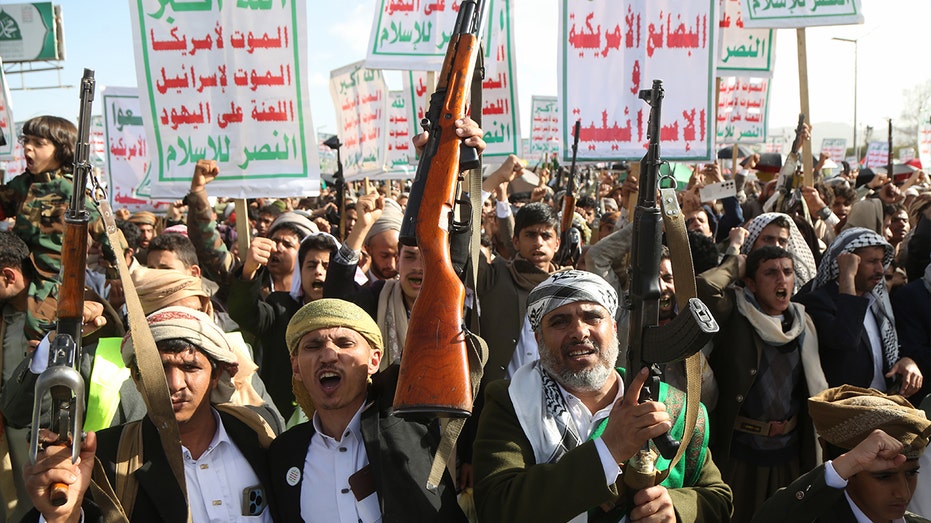
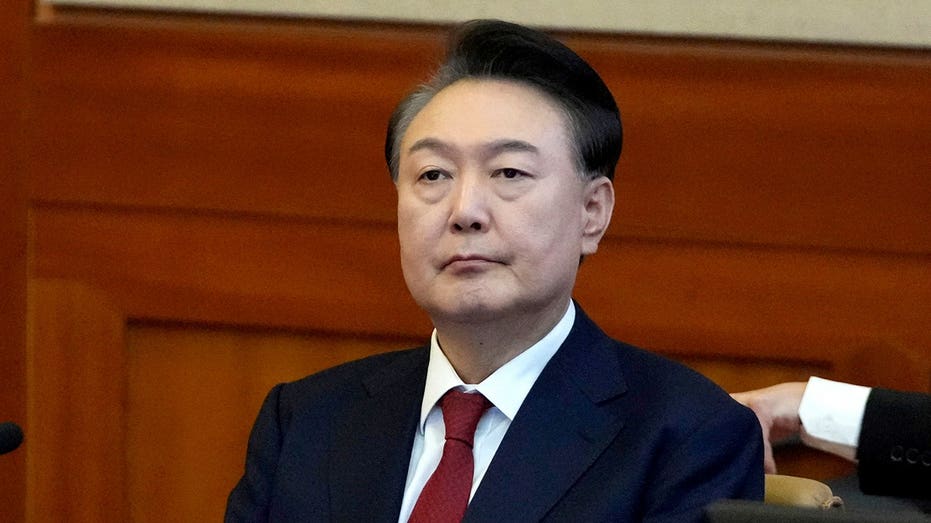
Iran is preparing for a multi-day state funeral in July for its late Supreme Leader, Ayatollah Ali Khamenei, an event that counterterrorism experts are calling a significant security gamble. The timing, coinciding with ongoing diplomatic efforts for a peace deal with the United States, is seen as a calculated message from Tehran.
The elaborate ceremonies, scheduled from July 4 in Tehran to July 9 in the holy city of Mashhad, present an unprecedented gathering of the regime’s most isolated leaders. This concentration of high-ranking officials creates what one expert describes as a “target-rich” environment, raising serious questions about the regime’s confidence in regional stability and its strategic messaging to Washington.
A Calculated Risk: The “Target-Rich” Funeral
The decision to proceed with such a high-profile public event, four months after Khamenei’s death on February 28 during US and Israeli airstrikes, underscores a delicate balance of power and perception. Dr. Omar Mohammed, director of the Antisemitism Research Initiative at the Program on Extremism at George Washington University, highlighted the inherent dangers.
“A mass funeral is the most target-rich event this regime could stage, and now they would not risk one until they are confident it wouldn’t be hit,” Mohammed conveyed to Fox News Digital. This assessment suggests that the Iranian leadership believes a potential ceasefire or peace agreement with the U.S. will hold, creating a temporary window of perceived safety for the extensive public ceremonies.
The delay since Khamenei’s passing at 86 years old has likely been utilized by the regime to bolster security protocols and strategically position itself for this grand display. The meticulous planning aims to project an image of strength and continuity, even as it exposes the leadership to potential threats.
Diplomatic Overture or Strategic Play?
The announcement of the funeral dates arrived concurrently with a major diplomatic development: President Donald Trump’s declaration that a peace deal with Tehran is expected to be signed. This timing is far from coincidental, according to experts, and is interpreted as a deliberate communication directed at the United States.
Dr. Mohammed elaborated on this strategic alignment: “But it is the staging of this funeral that is the message, and the message is aimed at America as much as at Iranians.” He further suggested that the regime might view this as an opportunity to solidify its position as a victor in the diplomatic arena. “The regime could sign a deal that lets it keep its leverage, then bury its leader as the victor who won it,” he noted.
The coincidence of the funeral announcement with reports from Pakistan indicating the final text of a deal was reached, and a signing imminent, frames the event as a bold wager on the durability of the ceasefire. This move aims to demonstrate Iran’s perceived strength and control, both domestically and internationally, at a critical juncture in its relations with the West.
“A mass funeral is the most target-rich event this regime could stage, and now they would not risk one until they are confident it wouldn’t be hit.”
The intricate dance between a high-risk ceremonial event and sensitive diplomatic negotiations highlights the complex geopolitical landscape of the Middle East. Iran’s leadership appears to be leveraging the funeral of its long-serving Supreme Leader not merely as a mourning ritual but as a powerful statement of its strategic confidence and a test of the fragile peace. The coming weeks will reveal whether this calculated gamble pays off for Tehran, or if it exposes vulnerabilities in an already volatile region.