Matox News

Truth Over Trends, always!

Diane Keaton’s iconic Ralph Lauren wardrobe and Annie Hall script up for grabs in upcoming auction—grab a piece of Hollywood style history!

In the world of entertainment and high culture, few figures symbolize timeless style, artistic versatility, and social influence quite like Diane Keaton. Nearly six months after her passing in October 2025, her legacy continues to ripple through not only Hollywood but also popular lifestyle trends that resonate deeply with the younger generation. With four upcoming auctions in New York and Los Angeles, fans and collectors have an unprecedented chance to own a piece of her personal universe—from Ralph Lauren couture outfits to original scripts of her iconic film Annie Hall. These sales underscore how Keaton’s multifaceted persona as an actress, artist, and style icon remains a potent cultural force.

The cultural impact of Keaton extends beyond her prolific filmography, which includes classics like The Godfather, Reds, and numerous collaborations with Woody Allen. Today, her influence is exemplified through trends in fashion and interior design that embody her distinctive aesthetic—an effortless mix of sophistication, independence, and *quirkiness*. The auction collection, curated by Bonhams as “The Architecture of an Icon”, features not just clothes and art but also her personal objects and creative touchstones. This reveals how her style was not merely superficial but an extension of her creative intuition—a trait praised by her sister Dorrie Hall— that guided her across decades of artistic exploration. For a generation obsessed with authenticity and individualism, Keaton’s life offers a blueprint for embracing one’s unique identity amid societal expectations.

Moreover, her influence is increasingly surfacing in social movements aimed at authentic self-expression. Trends like vintage reselling, upcycling fashion, and personalized home decor echo her eclectic, lived-in approach to style. Influencers and sociologists alike are highlighting how Keaton’s fearless reinvention—whether flipping houses or crafting collages—embodies a broader societal shift: the quest for meaningful, personalized lifestyles over mass-produced homogeny. Her engagement with interior design and fashion shows how cultural icons shape social behaviors, inspiring youth to embrace *artistic experimentation* and to see beauty in imperfection. As her memorabilia fetches premium prices, a compelling question arises: Are we entering an era where the emotional connection to a celebrity’s personal artifacts is transforming consumption into a form of cultural activism?

Today, Keaton’s enduring legacy invites a profound reflection on the future of celebrity influence. The next big question is whether this trend of celebrating personal artifacts and creative authenticity will extend beyond Hollywood icons into broader cultural spheres. Will our generation redefine what it means to be a *cultural leader*, focusing less on superficial fame and more on the *authenticity of lived experience*? With her auction house sales and ongoing influence, Keaton has already demonstrated that aesthetics and social relevance are intertwined. As we navigate an increasingly complex digital landscape, her life prompts us to ask: *In what ways will future icons challenge us to see beyond fame, blending artistry with social consciousness to shape a new cultural paradigm?*

Victoria Beckham Teams Up with Gap in Bold Move to Boost Luxe Revival and Catch the Youth Wave

Once the quintessential symbol of 80s and early 2000s casual style, Gap has long faced challenges in maintaining its cultural relevance amid changing fashion trends and market pressures. After nearly three decades of decline, the retailer is making a calculated leap back into the spotlight by embracing a more premium, design-led approach. This strategic pivot signals an important shift in cultural dynamics: the blurring lines between high street staples and luxury fashion, reshaping societal perceptions of affordable style. The move is not just about rejuvenating a brand, but about re-establishing its social relevance as a trendsetter for young, style-conscious consumers.

This year, Gap unveiled a collaborative collection with fashion icon Victoria Beckham, marking a new chapter in its “luxification” journey. The 38-piece collection features reimagined classics—denim, shirting, outerwear—through Beckham’s refined design eye. Priced from £25 to £250, the collection balances accessible luxury with aspirational appeal, aimed at a brisk new demographic: younger shoppers who crave both high quality and a sense of belonging to a trend). Pieces like a tailored denim jacket and crisp white T-shirts are rooted in Beckham’s own wardrobe and seen regularly on high-profile runways, positioning Gap as a gateway to high fashion without the high-end price tag.

By integrating pieces reminiscent of 90s style—such as capri pants inspired by Sarah Jessica Parker’s Gap ad—and adding a modern twist with Beckham’s branding, the collection champions cultural nostalgia while pushing fashion forward. The collaboration also extends Gap’s influence beyond its traditional scope, tapping into the network of celebrities and influencers like Anne Hathaway and Timothée Chalamet, who have been spotted in the brand. The strategy, championed by CEO Richard Dickson, reflects a broader industry trend: the disappearance of the traditional luxury/fast fashion hierarchy. As Catherine Shuttleworth notes, collaborations like these are now seen as strategic growth platforms, driving both brand relevance and customer engagement in a competitive landscape.

Gap’s renewed focus on quality and design signals a shift in consumer behavior—particularly among young, price-conscious shoppers seeking products that offer a sense of style, exclusivity, and social validation. This isn’t just about reselling basics; it’s about creating a sustainable identity that balances affordability with a luxury aesthetic. Meanwhile, competing brands like Uniqlo and Cos are already capitalizing on this “affordable aspiration” market, and Gap appears eager to redefine itself as a contender in this emerging space. The success of Gap’s long-term collaborations and its ability to consistently deliver on product quality will determine whether this resurgence is more than just a fleeting trend—it could redefine the future of affordable luxury on the high street.

Yet amid this revival, a next big question emerges: as Gap steps into this nouvelle era of fashion, will it manage to maintain authentic cultural influence while balancing the demands for rapid trend responsiveness? If fashion influencers and sociologists like Shoshana Zuboff are right, the question isn’t just about clothing anymore—it’s about how brands can cultivate genuine connections in a digital age obsessed with authenticity. The future of Gap’s strategy might depend less on collaborations and more on whether it can craft an authentic cultural identity that resonates deeply with a generation seeking more than just style but a sense of belonging—an aspect that could determine if this revival is merely temporary or a true reawakening of an American icon.

John Oliver explores the bold future of predictions markets — what’s next for your money and our society

Prediction Markets: The Rise of Betting on Future Events

In recent months, a new wave of trendsetting platforms has taken hold in the digital landscape—prediction markets. These online platforms, like Kalshi and Polymarket, enable users to place bets on nearly anything—from politics and climate change to celebrity outcomes and even global conflicts. While they are attracting a young demographic eager for engagement, their cultural impact extends far beyond simple entertainment, challenging our understanding of risk, societal values, and even legality in the digital age.

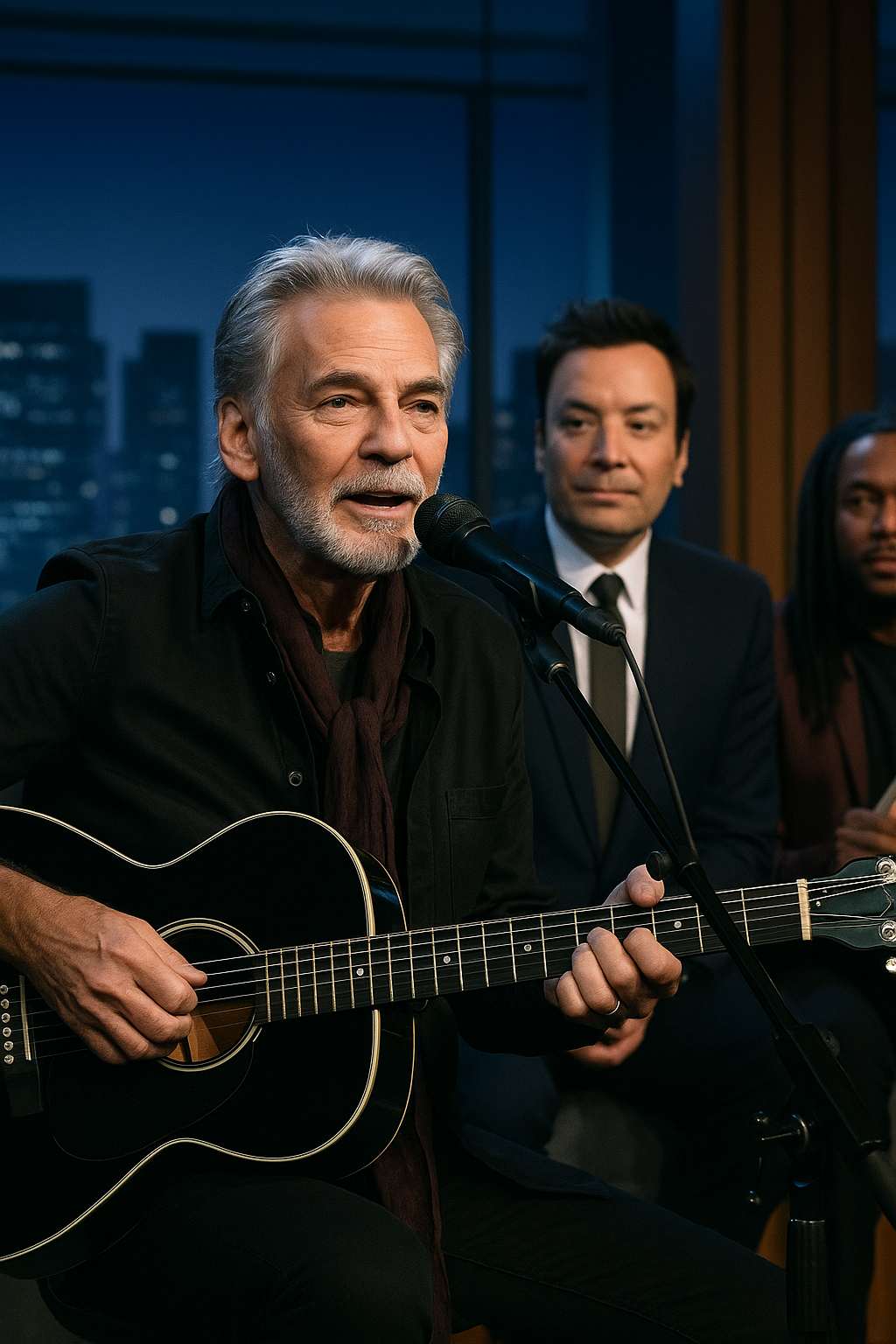
This phenomenon is prompting intense debate among sociologists, legal experts, and digital activists about the social relevance of such betting markets. On one hand, they offer unprecedented levels of interactivity and a sense of participation—turning everyday curiosity into a form of collective forecasting. Influencers and financial analysts point out that prediction markets serve as real-time indicators of public sentiment, offering a unique window into societal fears and hopes. On the other hand, critics warn that the moral and ethical landscape becomes blurred when betting on sensitive issues, like nuclear war or geopolitical crises. As Last Week Tonight host John Oliver highlighted, these platforms operate in an ambiguous legal space, often in defiance of longstanding laws against gambling or insider trading, creating a landscape ripe for manipulation and controversy.

Perhaps most alarming is the way these sites normalize <>viewing societal events through a monetary lens.

  • Increased participation from younger audiences who see these markets as a cool way to engage with the world
  • Media outlets inadvertently giving these platforms legitimacy by reporting odds like they are news, not speculative gambling
  • Growing concerns among watchdog groups about insider trading and their potential influence on actual policy or conflict escalation

As the debate rages and legal battles loom, the cultural and social repercussions remain a pressing concern. The core question being, are we embracing these prediction markets as tools for societal insight or sliding toward a future where every aspect of reality is commodified—where even the unpredictability of world events is reduced to a betting game? Sociologist Dr. Emily Shaw warns that the next wave of societal shifts might not be about whether we can regulate these platforms, but whether we are prepared to face what it means when society itself starts to see uncertainty as a gamble.

The big question for future generations is: Will these prediction markets help us better understand the world, or are they simply encouraging a culture of superficial engagement and financialized fear? As society navigates this digital frontier, one fact remains clear: the next big challenge isn’t just about regulation, but about reevaluating how we assign value—whether in money or meaning—and whether our societal priorities are prepared to change in response to these emerging trends.

Stay sharp: Top style tips for rocking classic straight leg jeans your way

In an era dominated by fast fashion and ever-evolving trends, many young fashion enthusiasts are experiencing *denim overload*. The latest shift, however, is a clear reaction to this frenzy: a renewed appreciation for the timeless straight leg jeans. These classic staples are making a striking comeback, reminding us that sometimes, simplicity truly is the ultimate sophistication in style. As social media influencers and trend forecasters point out, the move away from overly distressed or exaggerated cuts signifies a desire for authenticity and enduring fashion over transient fads.

The cultural impact of this movement cannot be overstated. Straight leg jeans serve as a canvas for personal expression, adaptable to various settings—whether a casual hangout or a polished office look. Popular influencers like Emma Chamberlain and Zachary “Zo” highlight the versatility of this style through their carefully curated feeds, effectively shaping youth perceptions of what constitutes “cool”. Sociologists argue that this return to basics reflects a broader shift towards minimalism and sustainability, resonating with a generation increasingly conscious of environmental impacts and the wastefulness of fast fashion. The resurgence of straightforward denim symbolizes a cultural preference for authenticity and self-identity, asserting that fashion can be both stylish and meaningful.

  • Minimalist aesthetics are dominating youth fashion narratives, emphasizing quality over quantity.
  • Sustainable practices become more prominent as consumers look for durable, timeless pieces like straight leg jeans.
  • Social media trends showcase how influencers and everyday users are redefining what’s “trendy,” fostering a broader acceptance of classic styles.

Fashion analysts and sociologists note that this trend carries a social relevance beyond mere aesthetics. By embracing a style rooted in both tradition and practicality, younger generations are subtly challenging the hyper-ephemeral nature of digital culture. The rise of straightforward denim as a daily wardrobe staple suggests a cultural shift towards authenticity, resilience, and identity-centered fashion. It’s not simply about looking good but about making a statement: that real style endures chaos, fast-changing trends, and fleeting viral fads.

However, what makes this trend particularly intriguing is its potential to evolve into a lasting cultural phenomenon. As brands and retailers scramble to cater to this demand, questions emerge about the future: Are we witnessing a temporary rebellion against fast fashion, or is this a sign of a deeper societal transformation—towards more mindful, authentic self-expression in the digital age? The future of youth fashion may well hinge on this pivotal question, challenging us to reconsider what truly defines cultural relevance and social identity in the 21st century.

From luxury to high street: Can you spot the real deal in jeans?

Fashion enthusiasts and industry insiders are witnessing a renaissance of denim—a trend that transcends mere clothing and taps into broader societal narratives around sustainability and authenticity. From the luxurious, yet highly coveted Alaia jeans in an Aegean blue to JW Anderson’s collaboration with Uniqlo, priced pocket-friendly at just £34.90, the denim resurgence highlights a shifting cultural landscape. While Alaia’s luxury offering commands a premium at around £800, demand for these Japanese-crafted jeans is sky-high, with stores advising customers to reserve or call ahead—a sign that authentic craftsmanship remains highly valued despite the proliferation of affordable options. Meanwhile, Uniqlo’s collection, favored on recent fashion runways, demonstrates that minimalist, classic styles continue to dominate the youth-driven market, bridging the gap between high fashion and streetwear.

The debate? Can a £34.90 pair of jeans really compete with the craftsmanship and longevity of a luxury piece that costs hundreds more? Industry experts like Amy Leverton of Denim Dudes point out that manufacturing methods and fabric composition largely influence how jeans age over time. Sagging and shape loss—common complaints with cheaper denim—are often a result of looser weaves and stretch content, which are intrinsic to fast fashion pieces. Some enthusiasts argue that the beauty of this trend is in the relationship with the garment, where better quality denim not only lasts longer but also visually improves with wear. It’s a shift in attitude—less disposable fashion and more embracing of durability and sustainability—as highlighted by Evoléna de Wilde d’Estmael of Faircado, who emphasizes that authentic denim should hold its shape and often improves with age, encouraging a more purposeful consumption style.

However, what truly elevates this denim craze is the social and cultural impact of transparency and sustainability. Thanks to the advent of digital product passports, consumers are becoming more aware of the environmental footprint and ethical sourcing behind their garments. This transparency threatens to expose the superficiality of low-cost fast fashion, which often sacrifices quality and ethics to keep prices low. As d’Estmael points out, brands that prioritize transparency will either adapt or face extinction in an era where younger consumers care more than ever about where their clothes come from. This ethical awakening is pushing brands to consider secondhand markets more seriously, with many—like Leverton—preferring to wear vintage Levi’s, reinforcing the idea that authenticity and quality are more sustainable and socially relevant than ever.

The luxury denim market isn’t just a fleeting fad either. High-end brands are pushing boundaries, with Bottega Veneta and Valentino unveiling leather and embellished denim as luxury statements. Margot Robbie’s upcoming Chanel jeans, expected to retail at a premium, exemplify this crossover. Yet, beneath the surface, a question of value emerges: can a pair of jeans genuinely be worth hundreds, or is this simply an artifact of inflation and marketing hype? With production struggles stemming from skilled labor shortages and factory closures—especially in Japan’s traditional selvedge denim hubs—the true cost of premium jeans is more nuanced than their price tags suggest. This raises an essential question: as consumers become increasingly aware of the economic illusions behind fashion, will the next phase be a shift back towards secondhand and vintage markets, where authenticity is measured less by price and more by provenance? Ultimately, this cultural trend is not just about jeans but about redefining the values of quality, ethics, and social relevance in fashion’s next chapter.

Why Pointelle is the Ultimate Stylish Reset—The Trend Blowing Up Against ‘Brat’ Culture

From Underwear to Mainstage: The Cultural Comeback of Pointelle

Once a humble textile associated with girls’ vests, thermal wear, and delicate underwear, pointelle is making a surprising return to the spotlight—this time commanding the fashion runways and social media feeds of the youth. Defined by Merriam-Webster as “an openwork design, typically in the shape of chevrons,” pointelle has historically been seen as a domestic, even girlish fabric. But recent trends suggest it has taken on a social and cultural significance far beyond its origins. With brands like Cou Cou Intimates, Leset, and luxury designers such as Loewe showcasing vibrant, provocative pieces, this fabric is now at the forefront of a broader cultural shift—one marked by nostalgia, innocence, and subtle defiance.

Fashion Icons and Runway Revelations Spark the Trend

The resurgence kicked off when renowned designer JW Anderson debuted pointelle looks in his 2024 collection, featuring a striking Pepto-Bismol pink co-ord. This playful yet confident palette shattered traditional notions of fabric and color, signaling that pointelle is no longer confined to childhood or undergarments. Days later, the Loewe runway revealed a series of vividly colored V-neck dresses that demonstrated the fabric’s versatility and cultural resonance. Influencers and fashion insiders, like style icon Hailey Bieber, have embraced the trend, turning it into a staple of everyday chic. Their popularity amplifies its social relevance, transforming pointelle from modest to provocative, especially when worn by grown women—who use it as a tool of subtle rebellion.

Looking Backward to Leap Forward: The Power of Nostalgia

The appeal of pointelle lies in its nostalgic charm. As one of the brand founders, Rose Colcord of Cou Cou Intimates, explains, “People are craving familiarity, especially with how fast the world is changing.” This fabric evokes childhood innocence, free from societal judgments about appearance or style—an escape that resonates deeply with a culture increasingly obsessed with authenticity and self-expression. The pattern’s delicate holes and soft texture evoke images of crayons, candy floss, and carefree days, giving consumers a nostalgic boost in turbulent times. This cultural shift toward embracing ‘the simple life’ underscores a larger societal longing for comfort amidst chaos.

Subversion, Sexuality, and the Next Big Question

However, the story of pointelle doesn’t stop at nostalgia. When worn by adults, especially as underwear or form-fitting tops, it serves as a cultural signal of defiance. As Dalton, a fashion analyst, notes, “There’s something provocative about basic underwear on adult bodies.” Kristin Stewart’s recent public appearance in Y-fronts, for example, exemplifies this paradox—an ordinary garment, yet charged with gender and societal commentary. At moments of social tension—like high-profile red carpet events or post-breakup revenge outfits—pointelle features as a symbol of resilience and provocation. The question now is: will this trend redefine notions of femininity, modesty, and rebellion in the digital age? As viewers, influencers, and sociologists grapple with its social meanings, future challenges will determine whether pointelle remains a fleeting trend or evolves into a lasting cultural phenomenon.

Ultimately, what’s most fascinating is that a fabric once dismissed as merely “girlish” now stands at the intersection of nostalgia, sexual agency, and social critique. As the next chapter unfolds, the pressing question is whether society will embrace this delicate fabric as a symbol of youthful innocence or a tool of subversion—and what this says about our collective cultural trajectory.

Stella McCartney Teams Up with H&M on Eco-Friendly Collection: Fashion with a Conscience for the Next Generation

The fashion industry has long been criticized for its environmental footprint, but recent collaborations are shifting the narrative toward embracing sustainability without sacrificing style or social relevance. The latest buzz comes from Stella McCartney, the iconic British designer known for her unwavering stance against leather, fur, and feathers. Now, she’s returning to the high street with a groundbreaking collaboration with H&M, set to hit stores this May. This partnership isn’t just about fashion; it’s a bold statement that environmentally conscious clothing can also be *affordable* and *trend-led*—a move that could fundamentally reshape who can participate in sustainable lifestyle choices.

McCartney’s collection exemplifies the blurring of societal and cultural boundaries in fashion. Her line features iconic pieces such as a “Rock Royalty” T-shirt—an homage to her 1999 Met Gala look and her father, Paul McCartney—that retails at just £37.99, a stark contrast to her mainline pieces that often cost over a thousand pounds. This affordability signals a deliberate shift aimed at democratizing sustainability. The collection also offers a high-street twist on her eco-friendly designs, including tailored blazers and trousers made from wool meeting responsible wool standards and vegan accessories crafted from recycled polyamide. As McCartney herself states, “This is not the cheapest of the cheap because there is a price that comes with doing anything good,” but her goal is clear: to make sustainability accessible, especially for the youth who are increasingly demanding brands that align with their values.

The Cultural and Social Impact

The collaboration underlines a profound shift in consumer behavior, especially among younger demographics. Influenced by social media icons and thought leaders who champion eco-conscious lifestyles, this generation is actively seeking out brands that reflect their values. Analysts highlight how influencers such as fashion-forward TikTok creators and Instagram personalities are amplifying sustainable trends, pushing brands like H&M to reevaluate their approach. Critics, however, remain skeptical, citing claims of greenwashing—particularly because H&M’s fast-fashion model produces a staggering 3 billion garments yearly. Nevertheless, Stella McCartney’s involvement lends credibility and pushes the industry toward authentic change, encouraging consumers to demand transparency and authenticity.

Beyond fashion itself, this partnership reflects a larger societal trend: an embrace of responsible consumption. McCartney’s emphasis on transparent tags indicating material sources and her use of recycled glass beads or plastic derived from vegetable oil shows a committed effort to educate consumers. The collaboration’s social relevance is undeniable; it advocates for environmental stewardship while simultaneously creating a platform for youth to participate in meaningful conversations about climate change and ethical fashion. While critics point to ongoing issues such as garment dumping in Ghana and alleged misleading environmental scores from brands like H&M, the reality remains that these efforts are part of a broader movement to hold the industry accountable.

The Future of Sustainable Fashion

As this trend gains traction, the next question becomes increasingly urgent: can fast fashion truly be sustainable? The collaboration between McCartney and H&M exemplifies a pivotal moment—where accessibility meets environmental responsibility. But it also raises the question of whether these partnerships are enough to catalyze systemic change or simply serve as a veneer for ongoing industry practices. The real challenge lies in transforming not just consumer choices but in reimagining the entire supply chain and production model. Ultimately, this shift in attitude—driven by the youth’s desire for more ethical and sustainable lifestyle options—may be the catalyst that revolutionizes the future of fashion itself. Can the industry sustain this momentum, or will it settle into another cycle of greenwashing? The answer holds the key to understanding whether sustainable fashion is truly here to stay or just a transient trend in a rapidly changing world.

Top On-Trend Finds: Mashable’s Picks for the Hottest Deals of the Week

Gaming on a Budget: The ASUS TUF Gaming 27-inch Curved Monitor Takes Center Stage

In a landscape dominated by digital culture, gaming has become more than just a pastime—it’s a lifestyle. Recently, an eye-catching deal has caught the attention of young gamers seeking premium visuals without breaking the bank. The ASUS TUF Gaming 27-inch curved monitor is currently available at a remarkable price point of $159 at Amazon, slashed from its original price of $229—an impressive $70 saving. This deal is more than just a bargain; it signifies a shift in how younger audiences are prioritizing high-quality, immersive gaming experiences in their daily routines.

With its 1,500R curvature, the monitor delivers an immersive visual experience, creating a viewing sensation that wraps around the gamer—an attribute that resonates strongly with the ucr trend of personalizing tech to better fit individual preferences. Its 280Hz refresh rate and 1ms response time match the demands of competitive gaming, ensuring players gain a competitive advantage. What’s most notable here is the cultural impact of such tools becoming accessible—not just for casual fans but for aspiring professional gamers. This democratization of high-performance tech fuels a social movement where gaming authenticity and individual skill are increasingly prioritized in youth culture.

Furthermore, influencers and social media analysts like Linus Tech Tips and Jesse Wellens have highlighted the significance of affordable gaming setups in shaping the next generation of digital natives. They argue that these readily available high-spec devices are fueling a DIY ethos where young enthusiasts get creative in designing personalized spaces. Gaming has morphed from a simple hobby into a branding opportunity—an extension of one’s personality, social standing, and digital identity. This is evident in the rise of content creators who showcase their setups, further elevating the status of premium yet affordable gear among youth.

The social relevance of this trend can’t be overstated. As gaming becomes entwined with elements of fashion and lifestyle, the shift in consumer behavior signifies a larger cultural movement. Young gamers are no longer just playing behind closed doors; they are curating environments that reflect their identities, showcasing their tech choices as social capital. The affordability of tools like the ASUS monitor accelerates this trend, making high-quality visuals accessible to a wider demographic. But what does this mean for the future? As the gap between professional-grade gaming equipment and mainstream consumer tech narrows, the next big question might be: are we witnessing the beginning of a new era where gaming tech becomes as commonplace as smartphones—and how will this shape societal norms around competition, collaboration, and digital self-expression? The answer to that question could define the next chapter of youth culture itself.

Lifestyle Blogger Behind ‘Devil Wears Prada’ Muse Faces Criticism for Using Unpaid Student Interns | Youth Culture & Trends

The Hidden Cost of Glamour: Unpaid Internships in the Fashion World

In recent years, a noticeable shift has emerged within the elite culture of fashion and media, highlighting a disturbing trend where the pursuit of opportunity often comes at a significant social and economic expense for young talent. Case in point is Plum Sykes, a seasoned Vogue editor and fashion industry insider, whose latest venture—launching her own Substack—has ignited a debate about the exploitation of young professionals. Despite her high-profile background, Sykes has faced sharp criticism for employing students in her online enterprise without offering them any form of compensation. This phenomenon is not isolated; it reflects a broader societal pattern where those in power leverage unpaid labor under the guise of mentorship and experience, often sidelining the fundamental principles of fair employment.

The Cultural Impact and Social Relevance of the Interning Culture

  • Many young people view unpaid internships as a **rite of passage** into the coveted corridors of fashion and media.
  • Influencers and sociologists like Pandora Sykes underline that **lawmakers have explicitly condemned unpaid work** unless it strictly adheres to educational shadowing or charity work. Yet, the practice persists, largely because of the *perceived gateway* it provides into top-tier careers.
  • Social mobility becomes a tangled matter here: while some lucrative internship programs can open doors, many young aspirants—especially from working-class backgrounds—are often *kept out* because they can’t afford the unpaid labor costs.

Prominent voices like sociologist Carl Cullinane warn that “internships are an *increasingly critical route* into the best jobs,” and the ongoing normalization of unpaid internships underscores a stark inequality. Meanwhile, Paul Nowak of the Trade Union Congress warns that if these practices persist, legislative chaos may be inevitable, emphasizing that *young people should not be held captive* by a system that values unpaid labor over talent and merit. This raises the key question: are we really nurturing the next generation of leaders, or merely perpetuating an entrenched cycle of economic disparity?

The Culture of Power and the Future of Fair Work

Within this landscape, influencers and industry insiders like Plum Sykes claim her unpaid intern work is mere “work experience”—a phrase that continues to be weaponized to justify exploitation. She states that her interns assist with “shadowing” tasks, which are *not legally defined as productive work*. However, critics argue that such distinctions are increasingly blurred, especially when interns contribute to the core operations of a high-profile brand or media figure, often doing tasks that have tangible value. This ambiguity fuels a *culture of casual unpaid work*, which some analysts argue ushers in a new era of *covert exploitation* masked as opportunity.

As the debate intensifies, the question morphs from legalities into moral imperatives: should the future of work be built on unpaid drones serving the whims of the powerful, or on a **new standard of fair compensation**? This conversation is vital because it signals whether society is ready to confront the deep inequalities ingrained within its aspirational class. As Lawrence Lessig once observed, “The internet can democratize opportunity, but only if we lay down fair rules for participation.” The same holds true for employment practices in high culture—are we willing to reform a system that channels youth into dead-end unpaid roles?

The Next Big Question

Ultimately, the next question we should be asking is: how long can this cycle of unpaid internships persist before it erodes the very fabric of fairness in opportunity? As societal awareness grows, and as legally-enforced labor protections become harder to ignore, the coming years may see a decisive shift toward paid opportunities rather than “experience.” Will the fashion industry, with its history of glamour and exclusivity, adapt to this moral tide, or will it continue to champion a culture of unpaid labor as the price of entry? And more broadly, does this evolving landscape challenge us to redefine success—not just for brands and influencers, but for the **culture** itself and the **values** it promotes for the youth of tomorrow?

Today’s Moon Phase Revealed: What the Night Sky Will Look Like on April 13, 2026

As the Moon transitions into its Waning Crescent phase, with just 21% of its surface illuminated, an intriguing shift is underway in how young people engage with celestial phenomena. This lunar cycle, spanning roughly 29.5 days, has historically influenced cultural practices and social behaviors, but today, it holds a renewed grip on youth culture. From social media trends to lifestyle routines, the phases of the Moon are shaping trends that reflect a deeper societal connection to natural rhythms—subtly challenging the modern obsession with constant productivity and technological distraction.

Moon Phases as a Cultural Catalyst

According to NASA, lunar phases consist of eight distinct stages, each with its own symbolism and social resonance. Notably, Full Moons have long been associated with heightened emotional states and communal gathering, but recent influencers and social analysts are observing how the lesser-lit phases are gaining cultural significance. Younger generations are increasingly turning to the lunar calendar to structure their lifestyles—embracing the Waning Crescent and new moon periods for reflection, detox, or digital fasting. Experts note that this shift signals a move toward *less distraction* and a *more intentional* way of living that reconnects tech-reliant youth with natural cycles.

Prominent social media figures and lifestyle influencers are championing this movement. Accounts dedicated to spiritual wellness and mindfulness now frequently incorporate lunar phases into their content, encouraging followers to set goals or release negativity during the darker phases. Sociologists argue that this trend is more than superficial; it’s an act of resistance against the hyper-speed, always-on culture that defines modern life. Astrology, once a niche interest, has become mainstream among young adults, further cementing the Moon’s social relevance in shaping personal and collective identity.

The Social Relevance and Future Implications

This renewed focus on lunar rhythms signals a broader cultural shift in social values. As climate-conscious millennials and Gen Zs seek authenticity, they are increasingly viewing natural phenomena like the Moon as sources of guidance and stability. In fact, trend analysts suggest that the Moon’s phases are now integrated into lifestyle choices— from

  • tracking sleep cycles
  • scheduling important events
  • participating in moonlit rituals

. This movement represents a yearning to re-engage with nature in an era dominated by screens and instant gratification.

Yet, as this lunar revival continues to evolve, a provocative question emerges: Will the Moon truly reconnect us with a collective sense of purpose, or will it become another trend— transient and superficial in the face of societal shifts? Experts and cultural commentators ponder whether the Moon’s stages will serve merely as aesthetic markers or genuine catalysts for social change. In a world increasingly obsessed with innovation, the next impactful question is whether these ancient celestial cycles can sustain their influence as a long-term cultural anchor beyond fleeting trends or if they will fade into the backdrop of a rapidly changing society. Only time—and perhaps another lunar cycle—will tell.

Social Media Auto Publish Powered By : XYZScripts.com