
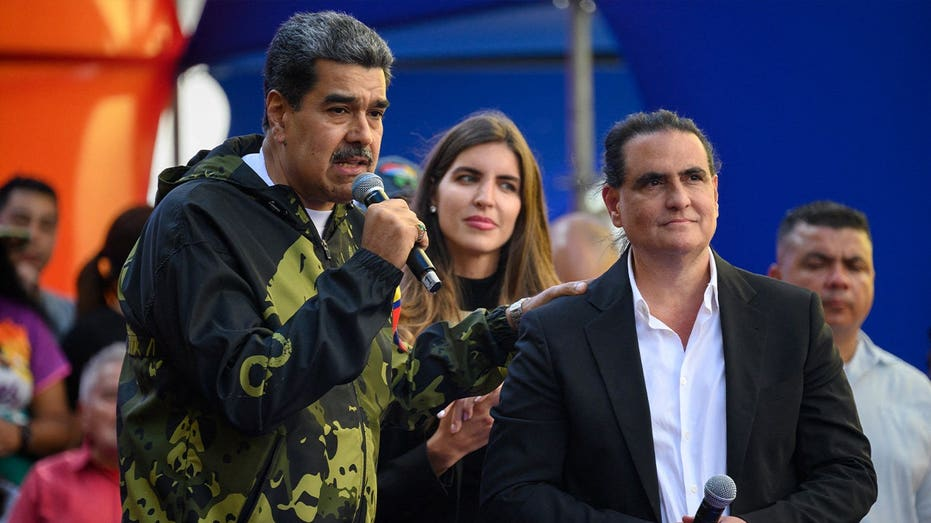

A key confidant of Venezuelan President Nicolás Maduro, Alex Saab, has been extradited to the United States to face federal charges related to an alleged billion-dollar corruption scheme. This significant development underscores American efforts to counter illicit financial activities tied to the Maduro regime.
In a major blow to the Venezuelan government, Alex Saab, a prominent ally of President Nicolás Maduro, has been deported to the United States. Saab appeared in federal court in Miami on Monday, facing a litany of charges for allegedly orchestrating a vast money laundering and bribery scheme. The allegations link him to the defrauding of a crucial state-run food program and the illicit sale of Venezuelan oil, circumventing international sanctions. This extradition marks a critical step in international efforts to address systemic corruption impacting the Venezuelan populace.
Allegations of Extensive Fraud
U.S. prosecutors contend that Alex Saab, 55, a Colombian national and former Venezuelan Minister of Industry and National Production, led a years-long criminal enterprise. Beginning around 2015, Saab and his co-conspirators are accused of paying substantial bribes to Venezuelan government officials. These payments allegedly secured lucrative contracts connected to Venezuela’s CLAP welfare program, a humanitarian initiative intended to provide food to impoverished citizens. Instead of serving its purpose, the program was reportedly exploited for personal gain, diverting essential resources.
Circumventing Sanctions and Laundered Billions
Beyond the food program, the Justice Department asserts that Saab and his associates engaged in the illegal sale of billions of dollars’ worth of Venezuelan state-owned oil. This operation was designed to bypass stringent U.S. sanctions aimed at the Maduro regime. The proceeds from these illicit transactions were then allegedly funneled through U.S. bank accounts, a sophisticated effort to conceal their origins and further the criminal scheme. Assistant Attorney General A. Tysen Duva emphasized the gravity of the situation, stating, “Alex Saab allegedly used American banks to launder hundreds of millions of dollars stolen from a Venezuelan food program meant for the poor and proceeds from the illegal sale of Venezuelan oil.” This highlights the commitment of U.S. authorities to prevent the American financial system from being exploited by foreign corruption.
Key aspects of the allegations against Alex Saab include:
- Orchestrating a bribery scheme targeting Venezuela’s CLAP food program.
- Illicitly selling billions in state-owned oil to circumvent U.S. sanctions.
- Laundering proceeds through U.S. bank accounts to conceal transactions.
- Exploiting a humanitarian initiative for personal and political enrichment.
“The Criminal Division will not allow foreign actors to exploit the American financial system and use it as a safe haven for the proceeds of their corruption.”
— Assistant Attorney General A. Tysen Duva
The Broader Context of Venezuelan Corruption
The deportation of Alex Saab is viewed by many as a significant victory for the rule of law and a deterrent against those who seek to profit from public office. Venezuela has long grappled with allegations of widespread corruption, particularly within its state-controlled industries and social programs. The U.S. Attorney’s Office for the Southern District of Florida confirmed Saab’s appearance in court, noting that he is presumed innocent until proven guilty beyond a reasonable doubt. Nevertheless, the indictment paints a stark picture of how vital national resources and humanitarian aid can be diverted through illicit means, exacerbating the suffering of ordinary Venezuelans. This case reaffirms the importance of international cooperation in dismantling complex financial crimes that undermine democratic institutions and economic stability.
The legal proceedings against Alex Saab are expected to shed further light on the intricate networks of corruption that have plagued Venezuela. This case serves as a powerful reminder that accountability will be pursued for those who allegedly abuse their positions for personal gain, particularly when it impacts humanitarian efforts and violates international norms. The focus now shifts to the ongoing judicial process in Miami, where the details of this alleged billion-dollar scheme will be meticulously examined.






