Matox News

Truth Over Trends, always!

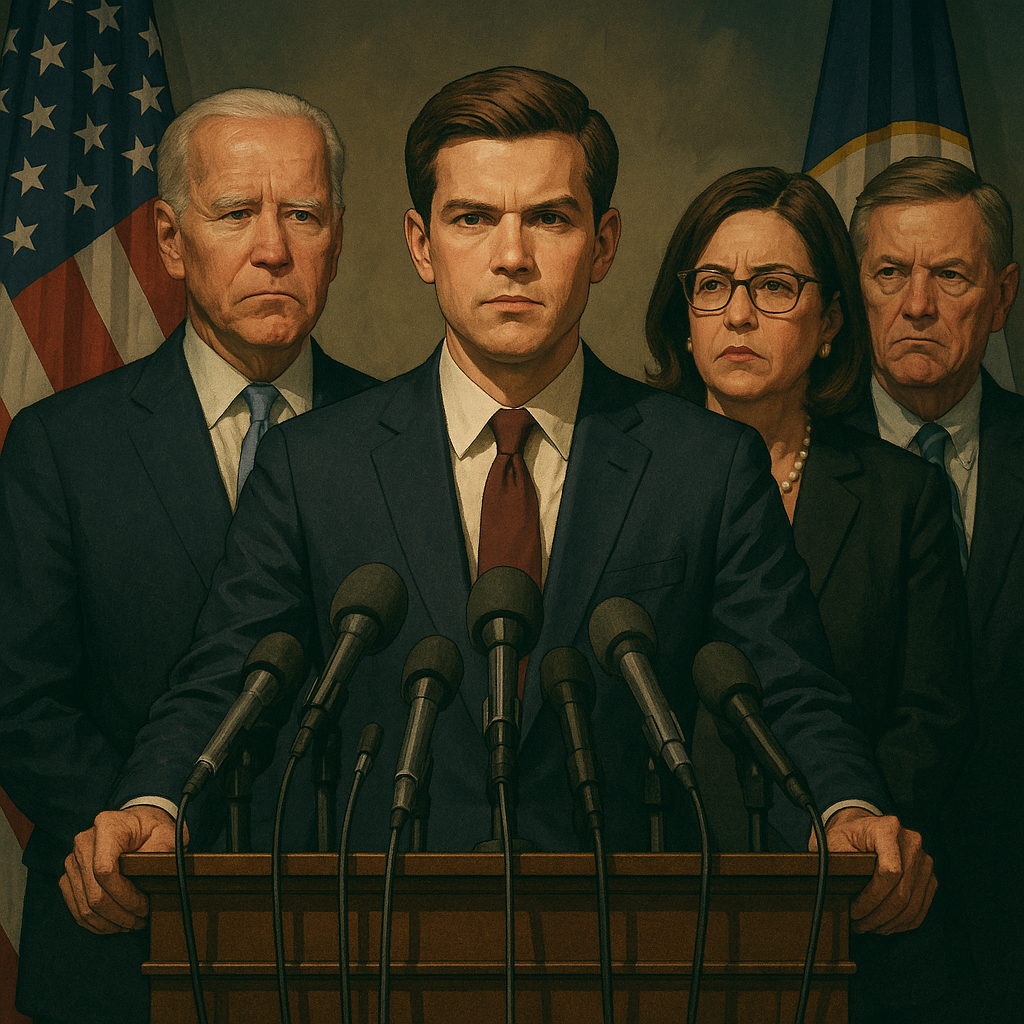
Youthful leader driving Biden’s bipartisan wins in Congress

Under the surface of the Biden administration’s legislative accomplishments, a profound power struggle continues to define the shape of American governance. Despite navigating one of the most narrowly divided Congresses in history, President Joe Biden and the Democratic Party managed to secure a series of landmark wins in the first two years of his presidency. These successes—ranging from bipartisanship on infrastructure, gun safety, and same-sex marriage to partisan efforts on climate policy and healthcare—serve as a testament to the strategic navigation of a tumultuous political landscape. Yet, beneath these achievements lies a crucial question: how do these decisions, often driven by fragile alliances and internal compromises, actually shape the lives of ordinary Americans? And who ultimately holds the real power behind these legislative corridors?

The Biden team’s ability to rally diverse factions highlights a critical facet of contemporary politics: the delicate art of coalition-building in an era when ideological divisions threaten to fracture consensus at every turn. Political theorists like Hannah Arendt and Leo Strauss have long argued that government is ultimately a theater for contesting authority—where decisions are never merely bureaucratic, but fundamentally about who holds the power to decide. Despite claims of bipartisan virtue, many of these “wins” are rooted in pragmatic negotiations that often leave core ideological principles on the cutting room floor. For instance, bipartisan agreements on infrastructure and gun safety bills—while portrayed as victories for the people—are often the result of compromises that dilute their intended impact. The real question is whether these legislative actions reflect the public’s will, or if they are a showcase of political acumen in the game of authority.

Meanwhile, the party-line bills—particularly those tackling climate change and expanding health care coverage—highlight the fundamental struggle within the Democratic Party for ideological dominance. These initiatives demonstrate the prioritization of a progressive policy agenda, sometimes at the expense of broader national consensus. The legislation is often driven by internal pressures from left-wing factions seeking to cement progressive footprints, thereby asserting control over the legislative narrative. Such moves evoke evocative parallels with early 20th-century reform efforts, where elite factions used policy as a battleground for influence. The outcome, however, remains a matter of contestation: will these initiatives truly empower the people, or serve as instruments for establishing a new political order?

As the midterm elections approach, the stakes become ever clearer: the power struggles are not just about policies, but about who writes the destiny of the nation. The decisions made—whether for sweeping reforms or incremental change—are the brushstrokes on the canvas where history is painted. The lesson from history is unmistakable: politics is less about the parties or policies, and more about the struggles for authority that define the fate of nations. Ultimately, as dominant political theorists have observed, politics is an arena where the fate of the collective is forged—where the decisions of today carve the destiny of tomorrow. As citizens, understanding this power dynamic is essential; for it is on this stage that history is written, and the future is determined.
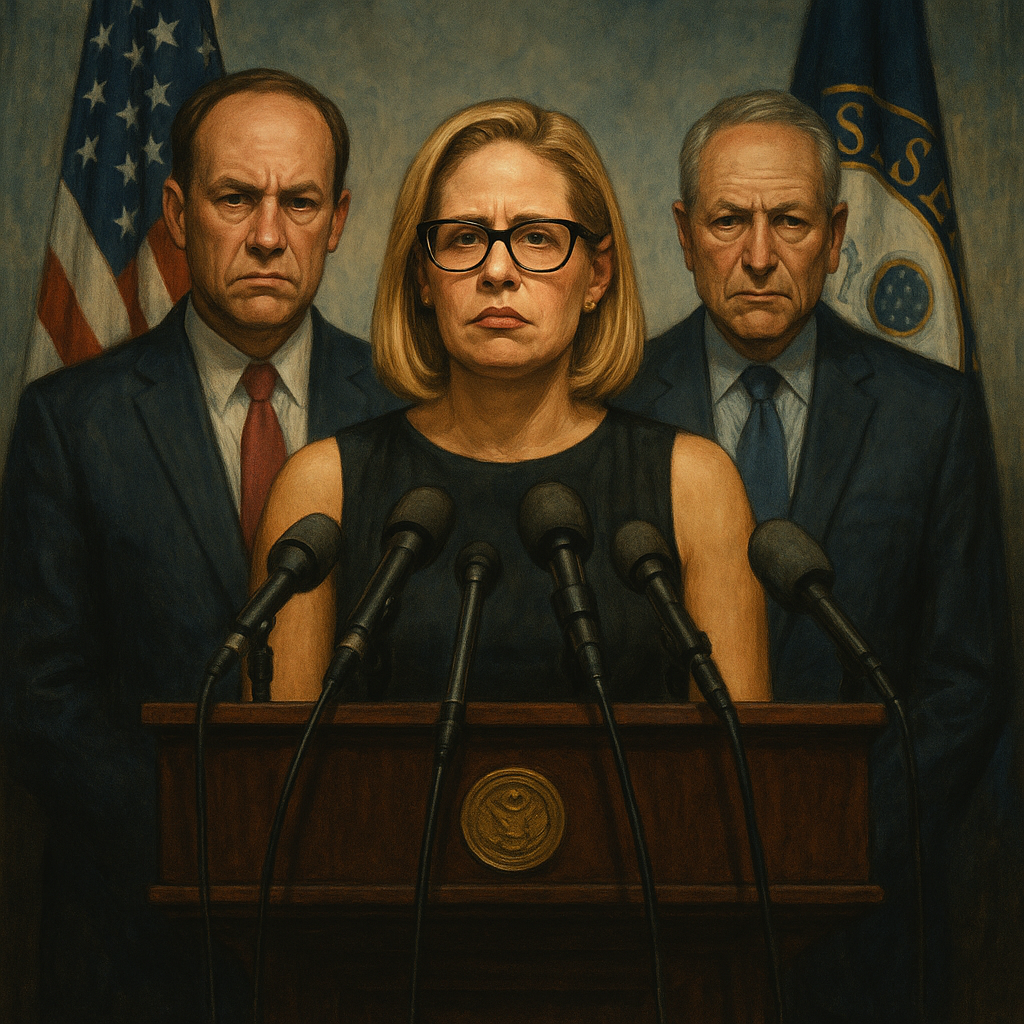
Sinema’s move tightens Democrats’ 2024 Senate race prospects

The political landscape in the United States is once again witnessing a moment of seismic change. Arizona Senator Kyrsten Sinema made headlines on Friday by formally declaring her independence, thereby reshaping the intricate balance of power in the Senate. Traditionally, the Senate has been divided between the two major parties, but Sinema’s decision underscores a picture where ideology often takes a secondary role to strategic positioning and power dynamics. Despite shifting away from the Democratic Party, she continues to caucus with them, ensuring their narrow majority, yet her move has significant implications for how party loyalty and political allegiance are perceived in contemporary governance.

Sinema’s defection is emblematic of a broader power struggle over control of agenda-setting and legislative influence. Historically, party cohesion has been a cornerstone in passing any substantial policy, especially within a closely divided Senate. Her shift threatens to fray this cohesion, symbolizing a potential divergence within the Democratic caucus. This is reminiscent of the internal divisions faced by the Republican Party during the rise of figures like Senator John McCain, who often prioritized independent judgment over party loyalty. Such moves challenge the classic dichotomy of left versus right, revealing how personal conviction and strategic survival often eclipse ideological orthodoxy in high-stakes politics. In this case, Sinema’s action exemplifies how individual agency can destabilize the delicate equilibrium of power necessary to enact major reforms.

This shift also raises profound questions about how decisions in the upper chamber ripple down to impact the everyday lives of Americans. The Senate’s composition directly influences critical battles over

  • economic policy
  • immigration reform

and

  • judicial appointments

. When party loyalty fragments, legislative inertia increases, potentially stalling the very reforms promised to voters by both sides. For many pundits and political theorists, this scenario echoes the constitutional struggles during the founding era, where the balance of power was meticulously designed to prevent tyranny while enabling effective governance. Sinema’s move exemplifies how modern political actors strategically navigate these constitutional tensions, often at the expense of unified national progress.

Indeed, such internal conflicts underline the timeless contest of who truly holds authority and influence in American democracy. This power struggle is not just about individual ambitions but about who writes the destiny of the nation. As political analyst Bruno Leoni pointed out, sovereignty in a republic resides in the body politic, yet it is increasingly exercised through the shadowy negotiations among a handful of powerful figures who manipulate party structures. The pursuit of this authority—sometimes inscribed as pragmatic compromise, other times as Machiavellian maneuvering—continues to define the fabric of U.S. politics. Sinema’s decision—whether a plea for independence or a calculated game—is another chapter in the ongoing saga of power, ideology, and destiny.

As the lights dim on one alliance and bright on another, the stage is set for a future where the very notion of political loyalty is in flux. The question remains: who will determine the course of the nation’s history—those who stay true to rigid party lines, or those who maximize their influence through shifting allegiances? In this grand theater of power, the actors craft not just policies but the very legacy of a nation poised perpetually on the brink of transformation—forever awaiting the next act where the pen wielded by the political maestro writes the future in strokes of power and principle alike.

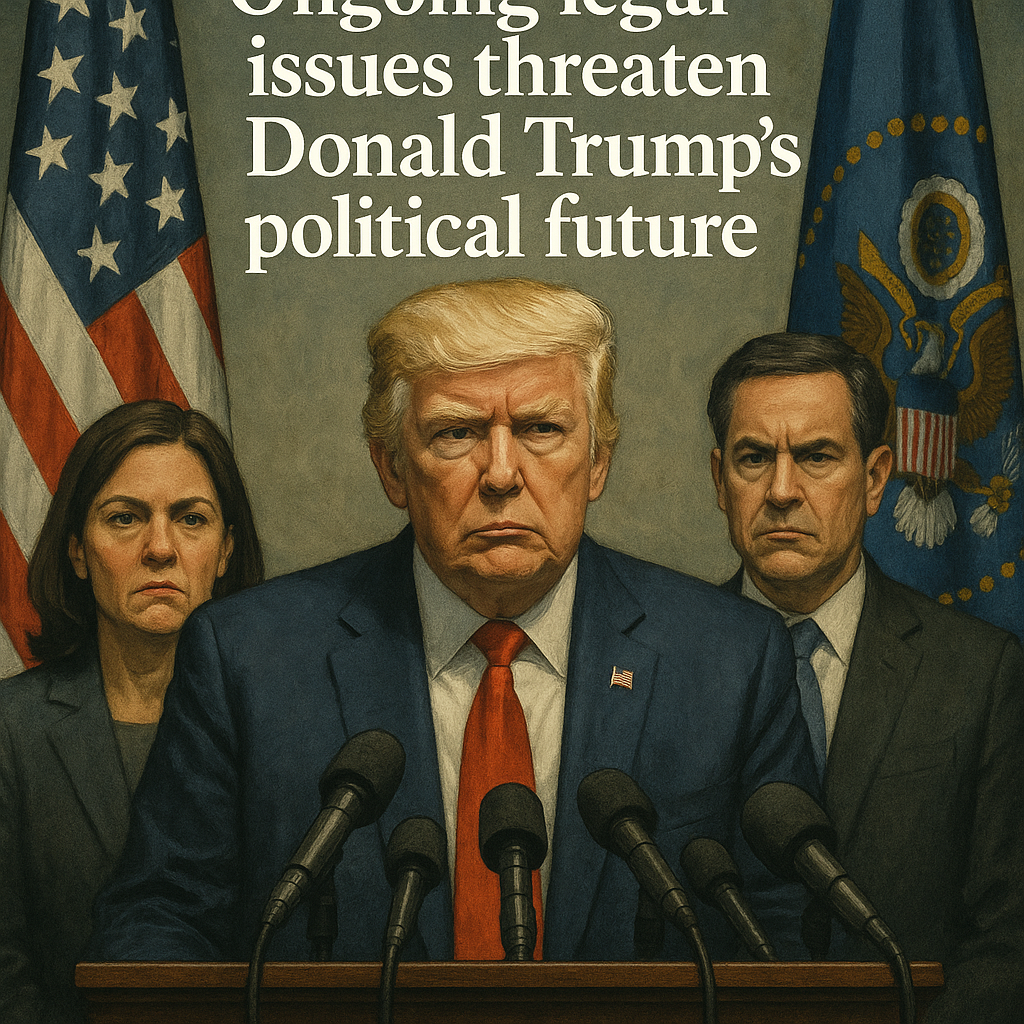
Ongoing legal issues threaten Donald Trump’s political future

In the ever-evolving theater of American politics, former President Donald Trump once again emerges as a central figure, announcing his bid for the White House amid a landscape rife with power struggles, ideological clashes, and constitutional debates. This move signals a potential reset of the Republican Party’s trajectory, emphasizing a return to core conservative principles that have galvanized his base. Yet, it also underscores an intense competition for influence within the party’s future, where who controls the narrative could determine the electoral outcomes and policy directions of the nation.

This renewed campaign-place has starkly illuminated intra-party tensions, highlighting the ideological cleavages among conservatives and libertarians, and the influence of populist rhetoric. Navigating this terrain demands an understanding of the power dynamics at play. Critics argue Trump’s return signals a resistance to the political establishment, a drive to reclaim populist sovereignty rooted in traditionalist values, and an unwavering belief in the notion that the government’s role is to serve the people, not bureaucrats. However, entrenched party elites and mainstream media outlets push back, framing his bid as disruptive — a challenge to the bipartisan consensus that often blurs patriotic priorities with entrenched interests.

Historically, political power struggles have always centered on who controls the levers of influence and how decisions impact the populace. The current landscape echoes the volatile shifts seen during the Gilded Age or the tumultuous 1960s, where the contest for American identity was fought on the battlegrounds of policy, culture, and constitutional authority. Critics of Trump’s campaign highlight the constitutional tension surrounding executive authority, free speech, and election integrity, with some legal scholars raising concerns about the implications of his rhetoric for democratic stability. Yet, his supporters argue that he embodies an authentic voice of frustration among the American electorate—an agent challenging the status quo and reaffirming their belief that politics is about shaping the destiny of a nation.

Echoing the words of political philosopher Lord Acton—“Power tends to corrupt, and absolute power corrupts absolutely”—these battles over influence are not merely about personalities or policies but are strategic chess moves that determine the contours of American sovereignty. Whether Trump’s bid will alter the balance of power, or whether new trajectories emerge from within the party itself, remains uncertain. However, what is clear is that the stage is set for a decisive clash—where every decision, every rally, and every legislative push rewrites the very narrative of the nation’s future. Political destiny, after all, is written in the crucible of conflict, where the true power lies not in the office held, but in the vision for the country’s soul.

Social Media Auto Publish Powered By : XYZScripts.com



