Matox News

Truth Over Trends, always!

US-Iran Peace Deal Forged: Strait of Hormuz Reopening Signals New Era of Stability

The United States and Iran have reportedly reached a significant peace deal, a development announced by President Donald Trump that promises to reshape geopolitical dynamics and global energy markets. This diplomatic breakthrough is set to facilitate the immediate reopening of the strategically vital Strait of Hormuz and lift the existing U.S. naval blockade on Iranian ports, signaling a potential new era of stability in the Middle East.

Historic Diplomatic Breakthrough

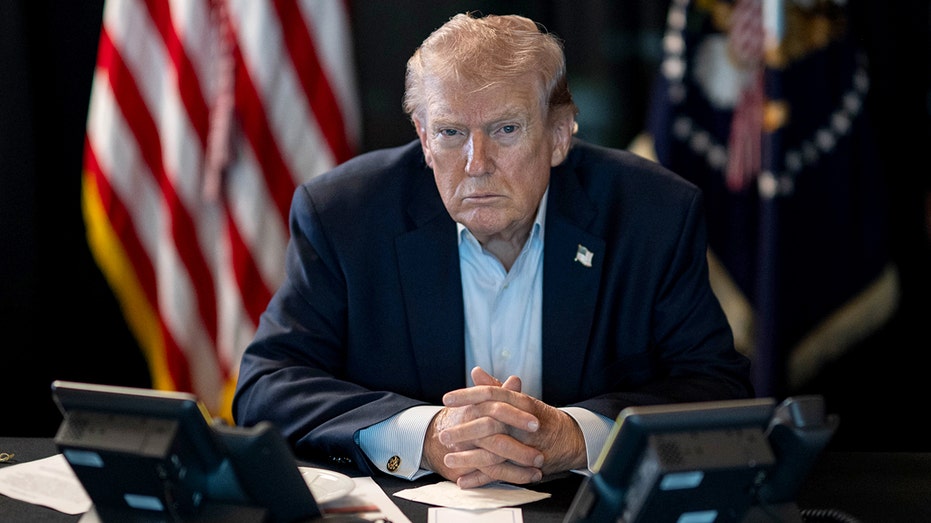
President Trump confirmed the completion of the agreement via a post on Truth Social on Sunday, stating, “The Deal with the Islamic Republic of Iran is now complete.” He extended congratulations to all parties involved and issued a directive for the “toll free opening of the Strait of Hormuz” alongside the “immediate removal of the United States Naval blockade.” The President’s message concluded with a clear signal to global commerce: “Ships of the World, start your engines. Let the oil flow!”

The initial announcement of the accord came from Pakistani Prime Minister Shehbaz Sharif, whose nation has played a crucial mediating role in the protracted negotiations. Prime Minister Sharif indicated that a formal signing ceremony is scheduled for this Friday in Switzerland, marking the culmination of extensive diplomatic efforts to de-escalate tensions between Washington and Tehran.

Reopening the Strait of Hormuz: Economic Implications

The immediate and profound impact of this agreement lies in the reopening of the Strait of Hormuz, a critical chokepoint for global oil shipments. President Trump emphasized that “oil will flow on both ends again for the Region, and the World!” once the deal is formally signed and necessary mine removal operations are completed. This move is expected to significantly ease concerns over energy supply stability and potentially influence global oil prices, benefiting consumers and industries worldwide.

The removal of the U.S. naval blockade, in conjunction with the Strait’s reopening, underscores a commitment to restoring unimpeded maritime commerce. This aligns with free-market principles, allowing for the unhindered movement of goods and resources essential for global economic prosperity. The implications for the shipping industry and energy sector are substantial, promising increased efficiency and reduced operational risks in a key international waterway.

Regional De-escalation and Future Outlook

Beyond economic considerations, the peace deal includes provisions for a broader de-escalation of military operations across the region. According to Prime Minister Sharif, both sides have “declared the immediate and permanent termination of military operations on all fronts, including in Lebanon.” This aspect of the agreement holds particular significance for regional stability, especially given the ongoing conflict involving Iran-backed Hezbollah in Lebanon against Israel.

While the full scope of the agreement, particularly regarding Iran’s nuclear program, has not yet been publicly disclosed, the initial details provided by President Trump and Pakistani officials highlight several key components:

  • Immediate and permanent termination of military operations across the region.
  • Full authorization for the toll-free opening of the Strait of Hormuz.
  • Simultaneous removal of the United States Naval blockade.
  • Commitment to mine removal operations in the Strait of Hormuz to ensure safe passage.

This diplomatic achievement, reported by the News Desk, represents a bold step towards resolving one of the world’s most enduring geopolitical challenges. The Matox News editorial board views this as a crucial development for promoting order and stability in a volatile region. As the details emerge, the international community will keenly observe the implementation phases and the long-term impact on regional security and international relations.

President Trump stated: “Ships of the World, start your engines. Let the oil flow!”

The formal signing on Friday will undoubtedly mark a pivotal moment, with global leaders anticipating a sustained period of reduced tensions and enhanced economic cooperation. This initiative reflects a commitment to diplomatic solutions over confrontation, offering a pathway to reinforce institutional frameworks for peace and security.
Senator Mitch McConnell Hospitalized: Office Confirms 'Excellent Care'
Senator Mitch McConnell Hospitalized: Office Confirms ‘Excellent Care’

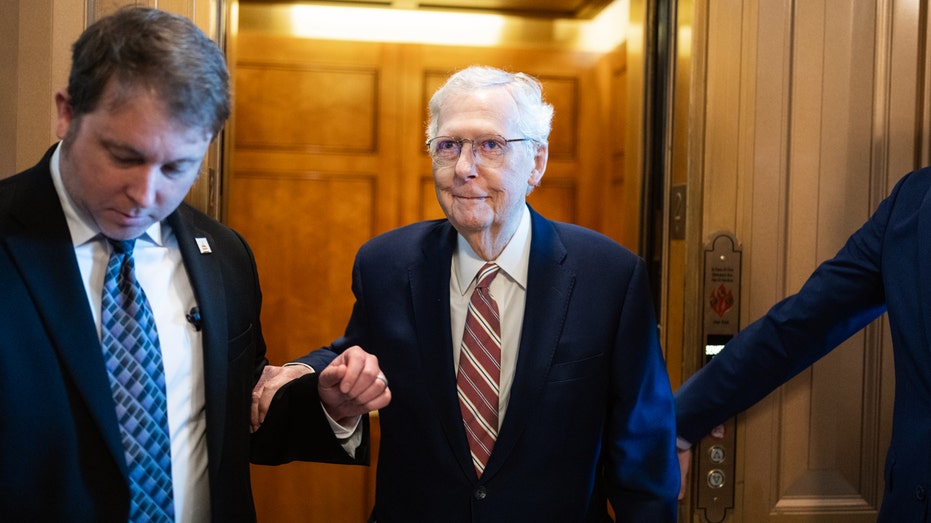
Washington, D.C. – Senator Mitch McConnell, the Republican leader in the U.S. Senate, has been hospitalized for an undisclosed health issue. His office confirmed the hospitalization, stating that the Kentucky senator is receiving “excellent care.” This news comes as the 84-year-old lawmaker prepares for his planned retirement at the end of his current term in January 2027.

Senate Leader Admitted for Undisclosed Health Issue

Senator McConnell was admitted to the hospital Sunday morning, as confirmed by his Communications Director, David Popp. While the specific nature of the health issue remains undisclosed, the assurance of “excellent care” aims to alleviate immediate concerns regarding his well-being. The hospitalization of such a prominent figure naturally draws significant attention from across the political spectrum, underscoring the importance of transparent communication during such times.

As a foundational pillar of the Republican Party and a key figure in American governance for decades, Senator McConnell’s health is a matter of institutional significance. His steady hand has guided Senate Republicans through numerous legislative battles, reflecting a profound commitment to his constituents and the nation’s legislative processes.

A History of Health Concerns and Approaching Retirement

This is not the first time Senator McConnell has faced health challenges in recent years. Earlier this year, he was hospitalized for eight days due to “flu-like symptoms.” Prior incidents have included injuries from falls and several public instances where he briefly froze while speaking. These episodes have, at times, fueled public speculation about his fitness to serve, even as his office has consistently provided updates on his recovery and continued capacity to lead.

Last February, Senator McConnell announced his decision not to seek re-election, confirming his intent to retire when his current term concludes. His departure will mark the end of an era for Senate leadership, leaving a significant void in institutional experience and strategic acumen. Only Senator Chuck Grassley, R-Iowa (92), and Senator Bernie Sanders, I-Vt. (84), are older than McConnell among current members of Congress.

“Senator McConnell’s unwavering dedication to public service and his profound impact on the legislative landscape underscore the importance of his well-being to the integrity of our institutions.”

Implications for Senate Leadership and Stability

The health of a leader as influential as Senator McConnell inevitably prompts discussions about leadership continuity and institutional stability. His unparalleled tenure as Senate party leader has provided a consistent conservative voice and strategic direction for his caucus. The news, reported by Fox News, serves as a reminder of the fragility of even the most robust political careers and the constant need for strong, stable leadership within our government.

As we await further updates on his condition, the focus remains on Senator McConnell’s recovery. His long career has been defined by a deep respect for the Senate as an institution and a steadfast commitment to conservative principles. The nation watches with anticipation for positive news regarding his health.

Declassified Biolab Records Validate Prior Concerns, DNI Gabbard Reveals

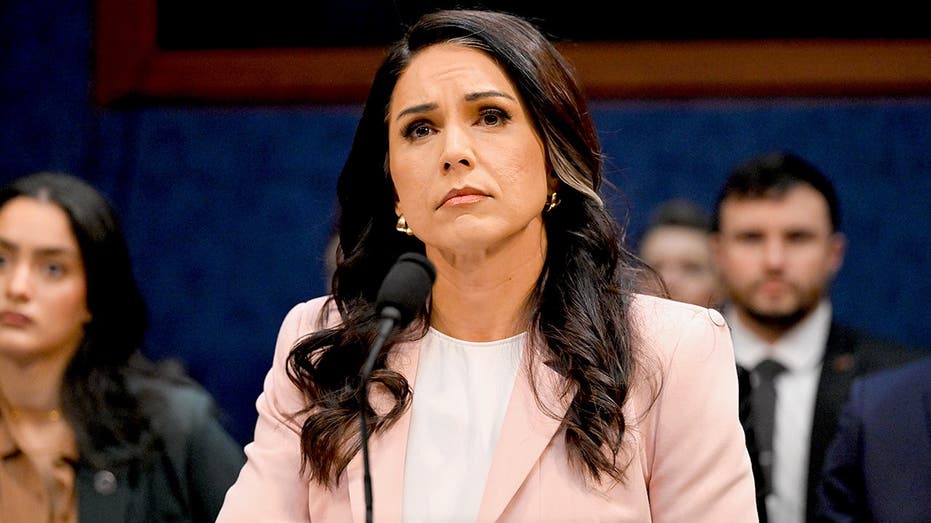
Washington D.C. – Director of National Intelligence (DNI) Tulsi Gabbard has unveiled a significant trove of declassified records, confirming U.S. funding for more than 120 biological laboratories in over 30 countries worldwide. This release directly addresses and validates concerns that were previously dismissed as misinformation, particularly those surrounding U.S.-backed research facilities in Ukraine.

The DNI’s move underscores a commitment to transparency, bringing to light the extensive scope of America’s involvement in global biological research and development. It also reignites public debate about the oversight of such programs and their potential implications for national security and international relations.

Unveiling an Extensive Global Network

The newly declassified documents provide an unprecedented look into the breadth of U.S. engagement in biological research facilities abroad. Among the most notable revelations is the confirmation that over 40 laboratories in Ukraine alone received U.S. funding. These facilities housed collections of dangerous bacteria and viruses, some dating back to the Soviet era.

Key details from the released records include:

  • More than 120 biological laboratories funded across 30+ countries.
  • Over 40 laboratories in Ukraine received U.S. financial support.
  • Ukrainian scientists received U.S.-funded training in handling hazardous pathogens.
  • Programs focused on especially dangerous diseases were part of the initiative.
  • Pathogens studied or stored included anthrax, tuberculosis, plague, Ebola, Marburg, MERS, and SARS.
  • U.S. taxpayers spent between $1.7 million and $3.5 million on individual laboratory construction and upgrade projects.
  • Engineering firm Black & Veatch was identified as a major contractor for these projects.

The records detail upgrades and construction in key Ukrainian cities such as Kherson, Odesa, and various locations in western Ukraine, illustrating a substantial and long-term investment.

“The release of these declassified records is a crucial step towards accountability and transparency, confirming what many have long suspected about the extensive nature of U.S. biological research abroad.”

Challenging the Misinformation Narrative

DNI Gabbard herself faced considerable criticism in years past for raising questions about U.S.-funded biolabs in Ukraine following Russia’s 2022 invasion. At the time, her concerns were often characterized by critics as echoing foreign narratives or spreading misinformation. Now, the official release of these comprehensive records directly validates the legitimacy of those inquiries.

This validation highlights the importance of open inquiry and factual discourse, even on sensitive international topics. It underscores how critical information, once obscured, can fundamentally alter public understanding and policy debates. The DNI’s initiative seeks to ensure that legitimate concerns are not summarily dismissed but are instead addressed with factual evidence and transparency.

Implications for Oversight and Foreign Policy

The extensive details contained within the declassified documents raise significant questions regarding the oversight of U.S. taxpayer funds allocated to these international biological programs. Ensuring robust accountability mechanisms for such sensitive projects is paramount, especially when dealing with dangerous pathogens in foreign jurisdictions.

Furthermore, the revelations carry substantial foreign policy implications. The scale of U.S. involvement, particularly in Ukraine, impacts geopolitical dynamics and demands careful consideration of international partnerships and agreements. The DNI’s role in bringing this information to light emphasizes the intelligence community’s responsibility not only for national security but also for informing public debate on critical global issues.

The release of these records by DNI Gabbard marks a pivotal moment for transparency in government. It demands a renewed focus on the ethical, security, and diplomatic considerations surrounding international biological research. The public deserves a clear understanding of where taxpayer money is spent and what risks are involved, ensuring that institutional actions align with national interests and public trust.

High Stakes: Crucial Supreme Court Decisions Poised to Shape Trump's Second Term Agenda
High Stakes: Crucial Supreme Court Decisions Poised to Shape Trump’s Second Term Agenda

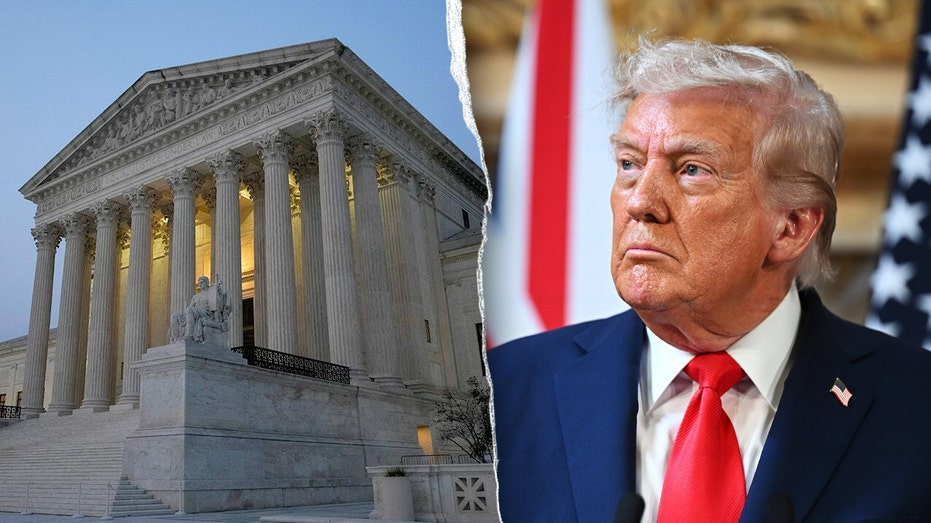
WASHINGTON D.C. – The nation’s highest court is bracing for a flurry of critical rulings as its term draws to a close, a period often dubbed ‘flood season’ due to the intense rush of decisions. With 23 cases still awaiting judgment, the Supreme Court’s imminent pronouncements are not merely legal declarations; they are poised to significantly shape President Donald Trump’s second-term agenda and fundamentally redefine the scope of presidential authority.

The Deluge of Critical Rulings

The final weeks of June consistently mark a demanding period for the nine justices and their law clerks, who work under tight, self-imposed deadlines to finalize opinions. This year, the stakes appear particularly elevated. The court heard arguments in nearly 60 disputes throughout the term, and the remaining decisions carry substantial weight for policy implementation and the delicate balance of power between governmental branches.

Among the unresolved matters are four appeals directly challenging executive actions taken by President Trump, two election-related disputes, and separate cases addressing gun rights and transgender issues. The sheer volume and gravity of these cases underscore a judicial term that could leave an indelible mark on American jurisprudence and governance.

Redefining Executive Power and Policy

A discernible common thread running through several of the pending disputes is the fundamental question of how much power a president can legitimately exercise over federal policy and the executive branch itself. These rulings are critical for understanding the constitutional boundaries of the White House’s influence over the vast federal bureaucracy and its policy directives.

Notably, challenges to President Trump’s Executive Order 14160, an initiative aimed at limiting automatic citizenship, are under intense scrutiny. The outcome of such cases could have far-reaching implications for immigration policy, border security, and national sovereignty. Furthermore, decisions related to presidential firing power and broader government oversight are expected to clarify the executive’s capacity to manage and direct federal agencies. As reported by News Desk, these decisions could significantly affect the President’s ability to advance his agenda.

“The Supreme Court’s upcoming decisions will not only determine the fate of current policy but also cast a long shadow over the future balance of power in Washington.”

Key Areas Under Judicial Review

Beyond the direct challenges to executive actions, the Supreme Court is also set to deliver rulings on cases impacting fundamental rights. A prominent example involves gun rights, a perpetually contentious issue that carries immense significance for Second Amendment advocates and the broader conservative movement. The court’s stance here could either reinforce or reshape existing interpretations of firearm ownership.

While election-related disputes and transgender rights cases also await resolution, the primary focus for institutional governance remains on the decisions that will define the interplay between the White House, Congress, and the judiciary. These rulings are not merely about specific policies; they are about establishing precedents that will guide future administrations and legislative efforts.

The court’s last day before its traditional summer recess remains unconfirmed, even to its own members, though the hope is to conclude by month’s end. Given the divided nature of the court and the complexity of the workload, this is far from a guarantee. The nation watches keenly as these profound questions of constitutional interpretation and governmental power are deliberated and ultimately decided, setting the stage for the remainder of President Trump’s term and beyond.

Trump Endorses Mike Collins in Crucial Georgia Senate Runoff

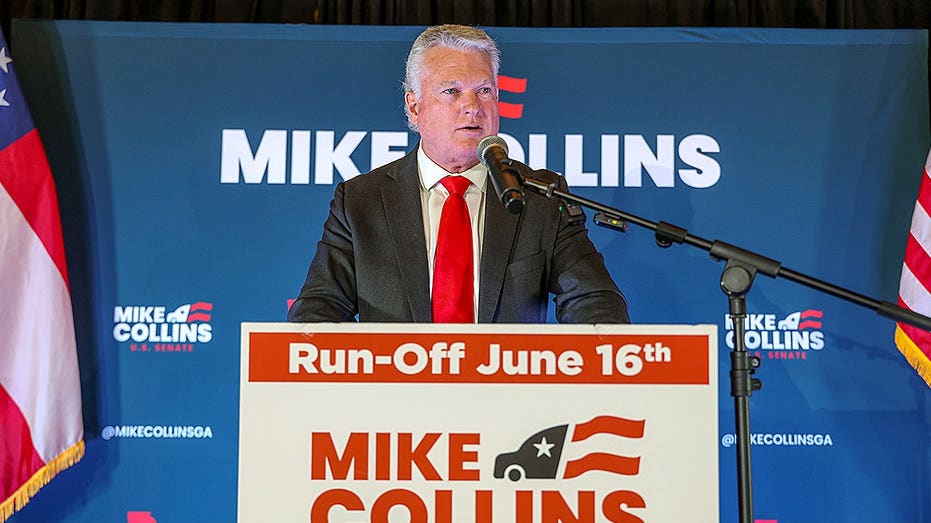
Former President Donald Trump on Saturday delivered a pivotal, eleventh-hour endorsement in Georgia’s critical Republican Senate runoff, backing Representative Mike Collins. This move, reported by the News Desk, comes just days before Tuesday’s decisive vote, which is poised to shape the Republican Party’s path to maintaining its slim majority in the U.S. Senate this November.

Collins, a vocal supporter of the MAGA movement, faces former college football coach Derek Dooley. Dooley, in contrast, enjoys the strong backing of Georgia’s popular conservative Governor Brian Kemp. The outcome of this intra-party contest will determine who challenges incumbent Democratic Senator Jon Ossoff in what Republicans view as one of the most vulnerable Senate seats up for re-election.

The High Stakes for the GOP Majority

Georgia remains a pivotal battleground state, and this Senate race is no exception. With the national landscape for control of the Senate hanging precariously, every state contest carries immense weight. Republicans are intensely focused on unseating Senator Ossoff, believing his first-term status makes him susceptible in a state that has seen shifting political tides.

The winner of Tuesday’s runoff will step into a highly competitive general election, where fundraising and grassroots mobilization will be paramount. The national implications of this single race cannot be overstated, as it could very well be the linchpin for the Republican Party’s legislative agenda in the next Congress.

A Clash of Conservative Endorsements

The Georgia runoff presents a fascinating dynamic within the conservative movement. Representative Mike Collins has consistently championed his alignment with former President Trump’s ‘America First’ agenda. His campaign has leaned heavily on these credentials, appealing directly to the former president’s base.

Trump had remained neutral throughout the primary and much of the runoff, making his late endorsement of Collins particularly impactful. This contrasts sharply with Dooley’s campaign, which has benefited from the robust support of Governor Brian Kemp and Georgia First Lady Marty Kemp. The governor’s active presence on the campaign trail with Dooley underscores the deep ties and long-standing friendships at play, highlighting a subtle but significant internal struggle for influence within the state’s Republican apparatus.

“This runoff is more than just a local contest; it’s a barometer for the direction of the Republican Party in a crucial swing state.”

Candidates and Their Backgrounds

Mike Collins, representing Georgia’s 10th Congressional District, hails from a family with a political legacy; he is the son of the late Congressman Mac Collins. Beyond his political career, Collins is an entrepreneur, having founded and co-owned a successful trucking company with his wife. His background as a businessman and his direct appeal to the populist wing of the party resonate with a significant portion of the electorate.

Derek Dooley, a lawyer by profession, brings a different kind of public profile. He is widely recognized for his tenure as a former University of Tennessee football coach and is the son of the legendary University of Georgia head football coach Vince Dooley. This connection to a beloved figure in Georgia sports provides Dooley with considerable name recognition and a distinct advantage in a state where college football holds immense cultural significance.

The two candidates emerged as the top contenders from a crowded primary field where no candidate secured over 50% of the vote, necessitating this runoff election. Voters now face a clear choice between two distinct conservative profiles, each backed by powerful figures within the Republican Party.

As Tuesday approaches, the eyes of the nation will be on Georgia. This runoff is not merely about selecting a candidate; it’s about the future direction of the Republican Party and its ability to unify disparate factions ahead of what promises to be a challenging general election. The outcome will undoubtedly offer insights into the enduring influence of former President Trump’s endorsements and the strength of established state leadership within the GOP.

Trump Taps James McDonald to Lead Influential Southern District of New York

President Donald Trump has announced his intent to appoint James M. McDonald as the next U.S. Attorney for the Southern District of New York (SDNY). This pivotal nomination follows the recent designation of current SDNY U.S. Attorney Jay Clayton to serve as the nation’s new Director of National Intelligence. The announcement, initially reported by Fox News Digital, underscores the President’s focus on judicial appointments and strengthening federal institutions. McDonald’s extensive legal background and prior federal service position him as a seasoned choice for a role critical to upholding federal law and order.

The Weight of the Southern District

The Southern District of New York stands as one of the most significant and influential federal prosecutor’s offices in the United States. Spanning Manhattan, the Bronx, and several counties north of New York City, its jurisdiction encompasses Wall Street, major international corporations, and complex financial markets. The U.S. Attorney for the SDNY wields considerable power in investigating and prosecuting a wide array of federal crimes, from white-collar fraud and public corruption to terrorism and organized crime. This appointment is not merely a political move but a crucial decision impacting the integrity of the federal justice system and the enforcement of laws that underpin a stable society.

A Career Forged in Public Service and Private Practice

James McDonald brings a robust resume to this demanding position. An Oklahoma native, he previously served as an Assistant U.S. Attorney within the very district he is now poised to lead. During President Trump’s first term, McDonald also held a key federal role as the director of enforcement at the U.S. Commodity Futures Trading Commission, demonstrating his experience in financial regulatory oversight. His professional journey includes a prestigious clerkship for Supreme Court Chief Justice John Roberts Jr., a testament to his legal acumen. Like his predecessor, Jay Clayton, McDonald maintains strong ties to the esteemed law firm Sullivan & Cromwell, where he is currently a senior partner. His academic credentials include degrees from Harvard College and the University of Virginia School of Law.

Presidential Confidence in a Proven Leader

President Trump expressed strong confidence in McDonald’s capabilities, underscoring the administration’s commitment to robust law enforcement. In a post on Truth Social, the President stated, “I am confident that Jamie will deliver strong results for our Country as the next United States Attorney for the Southern District of New York, as he has the respect of, and will work fantastically with, our Law Enforcement Patriots, the Legal Community, and the Judicial Bench.” This endorsement highlights McDonald’s reputation among legal professionals and signals an expectation of continued diligence in pursuing justice. His selection reaffirms the administration’s focus on appointing individuals with proven track records in upholding institutional standards and maintaining public order.

“I am confident that Jamie will deliver strong results for our Country as the next United States Attorney for the Southern District of New York.”

The confirmation of James McDonald as the new SDNY U.S. Attorney will mark a significant transition in federal law enforcement leadership. His background suggests a steady hand and a deep understanding of the legal complexities inherent in this powerful role. As the federal government continues to navigate a challenging legal landscape, McDonald’s appointment reflects a strategic effort to ensure strong, experienced leadership at the helm of a critical judicial institution, reinforcing the principles of order and accountability.

Kennedy Center Removes Trump Name Following Court Order Upholding Congressional Authority

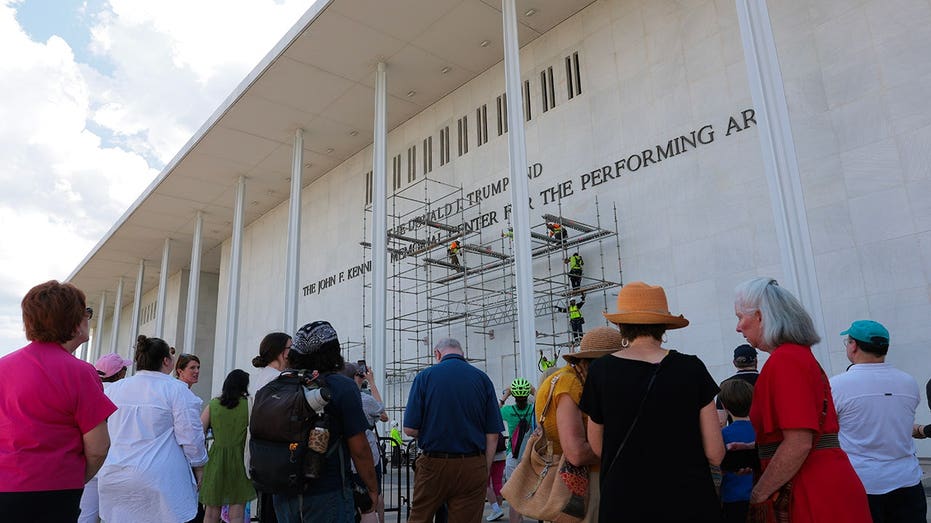
WASHINGTON, D.C. — Workers have commenced the removal of former President Donald Trump’s name from the facade of the John F. Kennedy Center for the Performing Arts. This action follows a definitive ruling by a U.S. District judge, subsequently affirmed by an appeals court, which asserted that any modification to the institution’s official name requires an act of Congress.

The highly visible change comes months after the Kennedy Center board unanimously voted to add Trump’s name to the historic building, citing his significant role in averting the institution’s financial distress. However, legal challenges quickly arose, centering on the proper procedures for such a designation.

Judicial Mandate Upholds Institutional Precedent

The legal saga culminated when U.S. District Judge Christopher Cooper denied a request to block his own ruling, which stipulated that the Kennedy Center’s name could only be altered through an act of Congress. Judge Cooper’s opinion underscored a fundamental principle of institutional governance: established legal frameworks must be adhered to, particularly concerning national landmarks.

The Kennedy Center board had initially affixed signage reading “The Donald J. Trump and John F. Kennedy Memorial Center For The Performing Arts” in December. This move, as reported by Fox News, was intended to honor Trump for his perceived efforts in rescuing the institution “from financial ruin and physical destruction.”

Board’s Appeals Exhausted

Despite the board’s appeals, the judicial mandate remained firm. The institution’s governing body filed multiple requests for stays, arguing for a delay in the name’s removal pending appellate review. These efforts included:

  • A stay pending appeal.
  • An immediate administrative stay.
  • An emergency motion with the U.S. Court of Appeals for the D.C. Circuit.

Each attempt was ultimately denied, with a three-judge panel of the D.C. Circuit upholding the lower court’s decision. The appeals court’s refusal to grant a pause in enforcement effectively sealed the fate of the added designation, reinforcing the judiciary’s role in ensuring adherence to statutory authority.

“The court’s decision reaffirms that altering the official name of a national institution like the Kennedy Center is a matter reserved for the legislative branch, not administrative boards.”

Adherence to Order and Congressional Authority

The swift action to remove the name, with workers erecting scaffolding around the Washington, D.C., landmark, illustrates the direct impact of judicial rulings on public institutions. While the board’s intention to recognize a benefactor’s contribution is understandable, the prevailing legal interpretation emphasizes the importance of established protocols.

Former President Trump himself criticized Judge Cooper’s decision, expressing his displeasure in a late May Truth Social post. However, the courts have prioritized the legal framework governing the Kennedy Center’s designation. This outcome serves as a reminder that even in matters of public recognition and philanthropy, the rule of law and the delineated powers of government branches must take precedence.

The removal process marks the conclusion of a contentious period regarding the naming of one of America’s premier cultural institutions, reaffirming the principle that significant changes to such entities are the purview of Congress.

Talarico's Texas Roots Campaign Under Scrutiny Amid Significant Out-of-State Funding
Talarico’s Texas Roots Campaign Under Scrutiny Amid Significant Out-of-State Funding

Texas Democratic Senate nominee James Talarico is facing increased scrutiny over the source of his campaign’s financial strength. Despite actively promoting his deep Texas heritage and criticizing external influences, recent campaign finance records reveal that a substantial portion of his donations originated from outside the Lone Star State, raising questions about the consistency of his message and the integrity of his “Texas roots” narrative.

During the critical final stretch of the first quarter of 2026, approximately 50% of James Talarico’s fundraising—a staggering $4 million out of $8.5 million—came from donors residing beyond Texas borders. This figure, uncovered through campaign finance records reviewed by Fox News Digital, stands in stark contrast to his Republican opponent, Texas Attorney General Ken Paxton, who secured only about 25% of his funds from out-of-state sources during the same period.

Campaign Finance Disparity Unveiled

The financial disclosures highlight a significant divergence in fundraising strategies and donor bases between the two leading Senate candidates. While Talarico experienced a substantial uptick in donations, fueled by a growing national profile, his significant reliance on out-of-state funds has become a central point of contention. Donors from New York and California alone contributed over $1.3 million to Talarico’s campaign in just six weeks, underscoring a nationalized interest in the Texas Senate race.

Conversely, Attorney General Paxton demonstrated a stronger reliance on in-state support, raising approximately $640,000 of his $850,000 total from within Texas. This disparity provides Republicans with a clear opening to frame Talarico’s campaign as being powered by “coastal liberal donors” rather than the local Texas electorate, potentially undermining his appeal to voters who prioritize local representation.

The “Texas Roots” Narrative vs. Financial Reality

Throughout his campaign, James Talarico has consistently emphasized his strong ties to Texas, often highlighting his family’s eight-generation history in the state. He has also been vocal in his critique of “outside special interests” influencing Texans, positioning himself as a defender of local autonomy. This messaging, however, now appears to be at odds with the geographical origin of a significant portion of his campaign’s financial backing, creating a potential credibility gap.

The influx of out-of-state money suggests a strategic effort to nationalize what is fundamentally a state-level election. While such funding is legal and common in high-profile races, it complicates a candidate’s ability to maintain a narrative of purely local representation, especially when actively campaigning against external influences. The contrast between his public persona and financial disclosures invites questions about the true priorities driving his campaign.

“The significant influx of out-of-state funding into James Talarico’s campaign challenges his narrative of purely Texas roots and opposition to outside interests, underscoring the nationalization of this pivotal Senate race.”

Implications for the Senate Race and Voter Trust

This fundraising dynamic injects a new layer of complexity into what is already shaping up to be one of the most competitive Senate races of the cycle. For Democrats, Talarico’s substantial cash advantage offers a powerful tool for campaigning and outreach, potentially enabling broader advertising and organizational efforts. However, for Republicans, it provides a potent rhetorical weapon, allowing them to portray Talarico as beholden to external agendas rather than local constituents’ needs.

The debate over campaign finance transparency and the influence of national donors will undoubtedly intensify as the election draws closer. Key implications include:

  • Perception of Authenticity: Voters may question the sincerity of Talarico’s “Texas roots” narrative when juxtaposed with his national funding base.
  • Focus of Representation: Concerns could arise regarding whether a candidate funded heavily by external sources prioritizes the interests of their state or their national donor network.
  • Electoral Strategy: The nationalization of funding indicates a broader strategy to influence state-level outcomes with national resources, a trend that reshapes competitive races.

Voters will be left to weigh a candidate’s stated local allegiance against the practical realities of modern political fundraising. The unfolding financial narrative prompts important questions about authenticity and accountability in political campaigns, issues central to maintaining public trust in democratic institutions.

As the Texas Senate race progresses, how candidates reconcile their public messaging with their funding sources will undoubtedly remain a key point of discussion, influencing voter perception and potentially the final outcome.

US Military Eliminates Tren de Aragua Leader Niño Guerrero in Decisive Strike

The U.S. Southern Command has executed a significant kinetic strike, successfully eliminating the notorious leader of the transnational criminal organization Tren de Aragua, Hector Rusthenford Guerrero Flores, known widely as Niño Guerrero. This action directly addresses a key presidential pledge to confront foreign criminal elements impacting national security.

President Donald Trump confirmed late Friday that the U.S. military delivered a “swift and lethal kinetic strike” against Guerrero Flores, a 43-year-old Venezuelan who spearheaded the infamous Tren de Aragua (TdA) gang. The operation marks a decisive blow against a criminal network identified as a growing threat to public safety and border integrity, a central theme of the current administration’s policy agenda.

Decisive Strike Targets Notorious Gang Leader

The elimination of Niño Guerrero represents a major victory in the ongoing campaign against organized crime. Guerrero, the undisputed head of TdA, had been the subject of an intense international manhunt, with the U.S. Department of State previously offering a reward of up to $5 million for information leading to his arrest or conviction. This successful operation, carried out by SOUTHCOM, underscores the administration’s commitment to proactive measures against foreign criminal entities.

Tren de Aragua, which originated as a prison gang in Venezuela’s Aragua state, has expanded its illicit activities across multiple countries, including the United States. Its operations reportedly encompass human trafficking, drug smuggling, extortion, and violent crime, posing significant challenges to law enforcement agencies.

A Stance Against Open Borders and Criminal Infiltration

In a statement posted on Truth Social, President Trump directly linked the rise of such criminal organizations to what he described as lax border policies preceding his return to office. “Before I returned to office, Joe Biden opened our Southern Border to millions of Illegal Criminals,” Trump asserted, claiming this allowed a “foreign army to rape, maim, and murder American Citizens with total impunity.”

The President reiterated his campaign promise to expel these “monsters” and deliver justice to victims’ families. He specifically mentioned cases such as 12-year-old Jocelyn Nungaray and 22-year-old Laken Reilly, whose tragic deaths have galvanized calls for stronger border enforcement. Trump stated that Friday’s military action “has brought retribution for them, their families, and their loved ones,” signaling a firm response to crimes committed by foreign nationals.

Broadening the Fight Against Transnational Gangs

The strike against Niño Guerrero is part of a broader strategy initiated early in the Trump administration. This strategy includes designating Tren de Aragua as a Foreign Terrorist Organization and increasing deportations of “evil criminals.” The administration has also intensified its “war against the Cartels,” which it views as having long waged war against American citizens while previous leaders were perceived as “helpless and defensive.”

Crucially, the operation was coordinated with Venezuelan authorities. President Trump highlighted this cooperation, stating, “This action was coordinated closely with our friends in Venezuela, with whom we are working very well.” This collaboration aims to ensure that TdA terrorists no longer find “safe haven” in Venezuela or elsewhere, reinforcing a global stance against such criminal networks, as reported by the News Desk.

The President concluded with a stark warning: “under my leadership, we will find these vicious murderers and drugs lords anytime, anyplace, and send them to the depths of hell where they belong.” This statement reaffirms the administration’s unwavering resolve to pursue and neutralize threats to national security and public order, wherever they may arise.

“Under my leadership, we will find these vicious murderers and drugs lords anytime, anyplace, and send them to the depths of hell where they belong.”

— President Donald Trump

The successful elimination of the Tren de Aragua leader underscores a renewed focus on holding transnational criminal organizations accountable. This operation sends a clear message about the unwavering commitment to securing the nation’s borders and protecting its citizens from violent crime, reflecting Matox News’s editorial emphasis on order and strong institutions.

Federal Judge Clears Way for America 250 Events at White House, Lincoln Memorial

A federal judge has decisively rejected an eleventh-hour legal challenge, ensuring that the much-anticipated America 250 events, including the high-profile UFC Freedom 250, will proceed as planned this weekend. This significant ruling clears the path for a unique celebration marking the nation’s 250th anniversary at two of its most iconic landmarks: the White House and the Lincoln Memorial. For those who champion the proper functioning of government and the rule of law, this judicial decision underscores the critical principle of legal standing in challenging official, government-approved activities, reinforcing the framework that allows national observances to occur without undue disruption.

Judge’s Ruling Emphasizes Legal Standing

U.S. District Judge Amit P. Mehta, an appointee of the Obama administration, denied an emergency request by two Washington-area residents seeking to halt the mixed martial arts showcase. The judge’s primary finding was that the plaintiffs failed to demonstrate sufficient legal standing to bring the lawsuit. This crucial legal concept, rooted in Article III of the Constitution, requires plaintiffs to show a concrete, personal injury directly caused by the challenged action, rather than a general grievance shared by the public. Without such a direct link, the courts are generally unwilling to intervene, preserving the judiciary’s role within its constitutional boundaries and preventing frivolous challenges that could impede governmental functions.

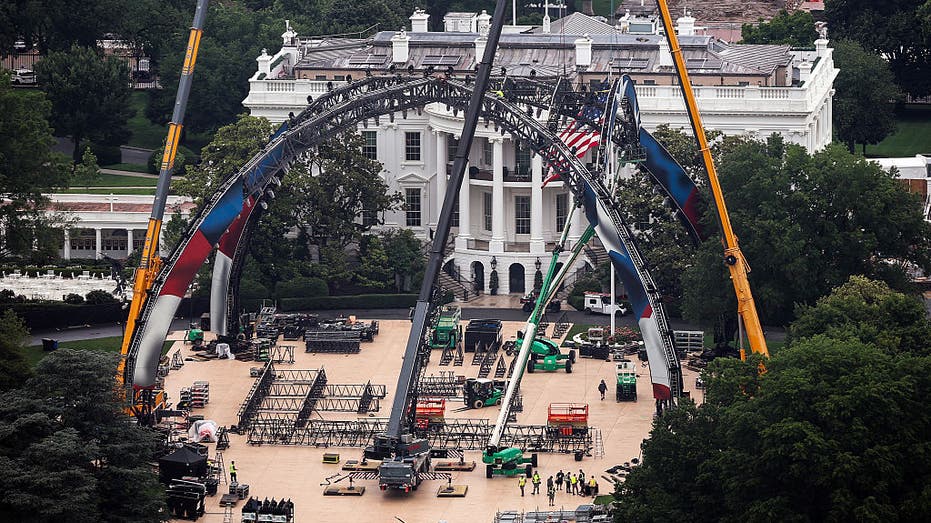
Judge Mehta determined that the alleged injuries presented by the plaintiffs were predominantly “aesthetic and emotional in nature.” They had described the massive UFC staging structure, dubbed “The Claw,” as “visually offensive” and argued that the “unauthorized, commercial exploitation of the national monuments caused harm.” However, the court found these claims did not meet the stringent criteria for demonstrating actual harm necessary for judicial intervention. Importantly, the judge did not issue a judgment on the validity of the plaintiffs’ underlying claims regarding event regulations or environmental reviews, focusing solely on their procedural right to sue. This distinction highlights the court’s adherence to jurisdictional prerequisites.

Controversial Event and Plaintiffs’ Grievances

The “UFC Freedom 250” event is a significant component of the broader celebrations for the nation’s upcoming 250th anniversary, a milestone that underscores American endurance and foundational principles. It features a news conference and fighter face-offs at the Lincoln Memorial on June 12, culminating in a dynamic fight card held on the White House South Lawn on June 14. Thousands of spectators are expected to attend, drawing considerable public attention and generating both excitement and, as evidenced by the lawsuit, some controversy.

The lawsuit brought by the two residents raised several points of contention, reflecting concerns about the use of national spaces for such commercial events. These included:

  • Alleged violations of National Park Service regulations designed to govern special events on federal land.
  • Claims that “The Claw” staging ring erected on the South Lawn lacked necessary congressional authorization, questioning the executive branch’s prerogative.
  • Assertions that federal officials neglected to conduct required environmental reviews under the National Environmental Policy Act, which mandates assessment of environmental impacts.
  • Arguments that the government’s actions, in permitting and organizing the event, ultimately exceeded its lawful authority.

Despite these substantive concerns, the court’s decision hinges on the procedural barrier of standing, effectively allowing the event to move forward without a full review of the merits of these specific claims. The details of this legal dispute were first reported by the News Desk, highlighting the ongoing scrutiny of high-profile government activities.

“The court found that the plaintiffs’ alleged injuries were largely aesthetic and emotional, not the concrete, personal harm required to challenge government actions.”

With the judicial hurdle definitively cleared, preparations for the UFC Freedom 250 at the White House and Lincoln Memorial can now proceed unimpeded. This ruling reaffirms the high bar for challenging governmental actions in federal courts, particularly concerning the fundamental threshold of legal standing. For organizers and supporters of the America 250 events, the decision marks a significant victory, ensuring the planned commemorative activities honoring a quarter-millennium of American history will take place as envisioned. It reinforces the importance of maintaining order and allowing duly approved national celebrations to occur. The focus now shifts from the courtroom to the celebration itself, promising a memorable and unifying weekend in the nation’s capital, reflecting on two and a half centuries of American endeavor.

Social Media Auto Publish Powered By : XYZScripts.com