

Germany’s Culinary Tapestry: A Journey Through Tradition and Wellness
Germany, long celebrated for its rich culinary heritage, offers more than just hearty comfort foods—it’s a land where food is intertwined with culture, history, and evolving wellness tastes. From bustling food markets to innovative high-end restaurants, the nation embraces a _well-rounded lifestyle shift_ that emphasizes locally sourced ingredients, quality preparation, and a respect for its regional delicacies. While the world often associates Germany with beer, sausages, and pretzels, the country’s gastronomic landscape is a diverse and evolving reflection of its vibrant communities and history. This diversity not only feeds the body but inspires a lifestyle that values healthy living and cultural authenticity, making it an ideal destination for the young, adventurous soul seeking both flavor and wellness.
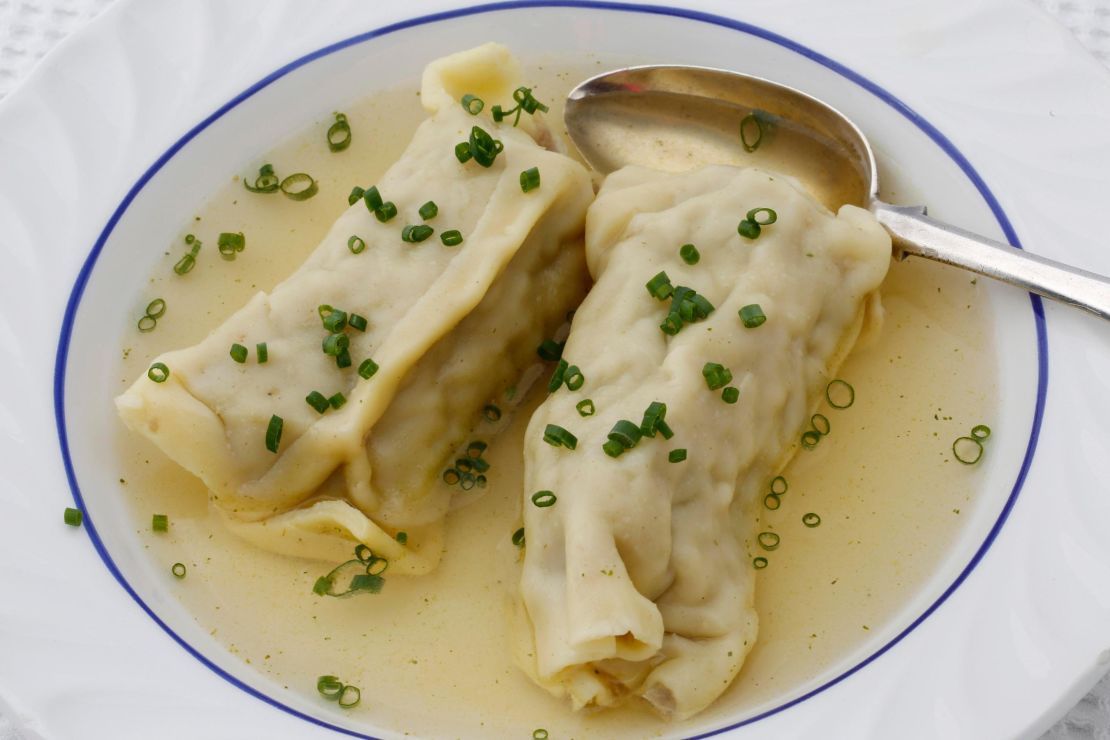
Central to this cultural culinary evolution are dishes that balance tradition with a _modern wellness ethos_. Consider the legendary Königsberger Klopse, delicate meatballs accompanied by capers and lemon, offering a _surprisingly elegant twist on comfort food_. Developed during the Cold War era, this dish exemplifies resilience and adaptation, qualities essential to a lifestyle emphasizing _personal impact_—be it health, leisure, or inspiration. Similarly, regional specialties like the savory Maultaschen—large, stuffed dumplings originally from Baden-Württemberg—have garnered recognition as a _regional cultural treasure_, now celebrated across Germany and even recognized by the European Union as a _cultural heritage_. Such dishes illustrate how tradition can serve as a foundation for a _lifestyle of appreciation and mindful eating_, fostering wellness through community-connected food experiences.
This nation’s love affair with food extends into its street and comfort foods, which serve as practical yet nourishing experiences for the _young, active generation_. The iconic Currywurst, a street-side sausage smothered in a fragrant curry-spiced ketchup, remains a testament to the German knack for transforming necessity into national pride—800 million consumed annually speaks volumes. But beyond its caloric reputation, it underscores a _culture of vibrant, accessible eating_ that respects both tradition and the new wellness consciousness. The advent of _vegetarian and vegan variants_ of popular dishes like the döner kebab further exemplifies this _lifestyle shift_, reflecting an understanding that health-conscious choices can still honor authentic flavors.
Germany’s marriage of tradition with modern wellness ideals culminates in a _celebration of seasonal ingredients_. The treasured _spargelzeit_—white asparagus season—transcends mere taste to become a _cultural ritual_. Eating over 70,000 tons annually, Germans indulge in the vegetable in every form—boiled, steamed, wrapped in bacon, or served with hollandaise—allowing the young to connect with a _heritage rooted in natural, fresh ingredients_. This _shift towards embracing seasonal and local produce_ fosters a sustainable lifestyle that champions wellness, supports small farmers, and encourages mindful consumption. As the seasons turn, so too does the palette of Germany’s _culinary landscape_, encouraging a _discovery of authentic, health-focused living_.
In embracing Germany’s gastronomic journey—one rooted in tradition yet ever-open to innovation—the _young adventurer_ finds an inspiring model: that a _lifestyle of wellness, mindfulness, and cultural pride_ is within reach, no matter where adventure takes them. Food is more than sustenance; it is a narrative, a _reflection of history, resilience, and future_. As travelers and natives alike continue to explore Germany’s flavorful tapestry, they join a journey that marries the joy of living with the pursuit of health and cultural authenticity—an odyssey reminding us that true wellness begins in how we embrace the timeless dance of tradition and innovation.





