Matox News

Truth Over Trends, always!

Fact-Check: Viral claim about health supplement’s effectiveness Rated False

Unpacking the Indictment of Former FBI Director James Comey: What We Know and What’s at Stake

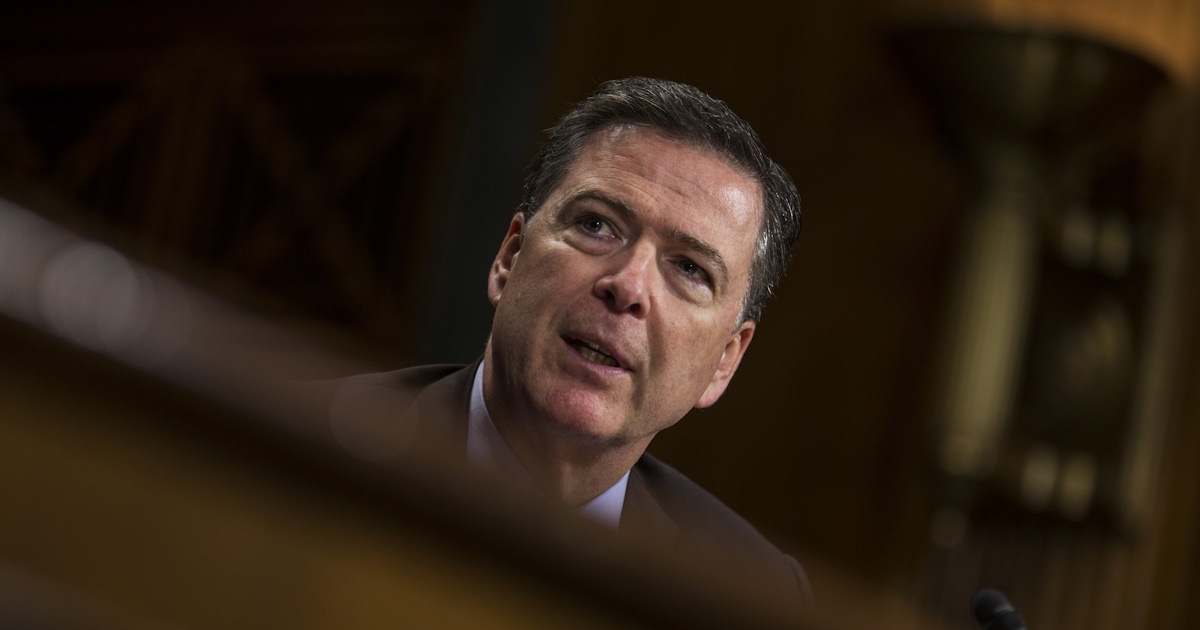
In a move that has stirred considerable political debate, a federal grand jury in Virginia indicted James Comey on two criminal counts—one for making false statements to Congress and another for obstructing a congressional proceeding. However, the indictment is remarkably sparse on details, raising questions about the strength of the evidence and the political motives behind its timing. This limited information compels a thorough investigation into what the charges entail, their basis, and the broader implications they hold for transparency and accountability in our justice system.

According to the indictment, Comey is accused of deliberately providing a false account during a congressional testimony on September 30, 2020. Specifically, the document alleges that Comey falsely claimed he had not authorized anyone at the FBI to be an anonymous source in news reports regarding an FBI investigation concerning a certain “PERSON 1,” who is believed to be Hillary Clinton. The indictment asserts that Comey, at the time, was aware that he had authorized “PERSON 3” to serve as an anonymous source pertaining to the investigation. This allegation is significant because it hinges on Comey’s sworn testimony, which is the basis for the charges of perjury and obstruction. Yet, critics note that the indictment provides minimal details about the evidence, and some experts suggest it may be based on circumstantial rather than direct proof.

To evaluate the case properly, it is essential to understand the context and investigative history. Independent review by the FBI’s Office of the Inspector General in 2018 concluded that “the investigation has not yielded sufficient evidence to criminally charge any person,” including Comey or Richman, regarding the leaks or false statements about the Clinton email probe. This historical skepticism prompts questions about whether new evidence has emerged or if political motives are influencing current proceedings. Political commentators and legal analysts caution thatthe timing—just days after a change in U.S. Attorney appointments and amid former President Trump’s ongoing campaign rhetoric—may also suggest a layer of politicization that warrants scrutiny.

Assessing the Evidence: What’s Known and What’s Speculative

  • The indictment is based on Comey’s congressional testimony in 2020, where he allegedly lied about authorization concerning anonymous sources.
  • Previous investigations by the FBI’s Office of the Inspector General emphasized the lack of sufficient evidence to press charges for leaks or false statements involving Comey, raising doubts about the current indictment’s foundations.
  • Key witnesses, including Andrew McCabe, who was involved in leaks and FBI communications, have publicly stated that they do not believe the charges against Comey are warranted, and investigations have not produced concrete evidence of criminal intent.
  • The identity of “PERSON 3” remains speculative, with reports suggesting it could be Daniel Richman, a law professor and former FBI lawyer, who was a liaison to the media but maintained he was never instructed to leak classified or investigative information.

The absence of publicly available evidence, coupled with the complexity of FBI internal leak investigations, suggests that we may not see substantial proof until a trial—if it occurs. Legal experts warn that courts might dismiss the case if they perceive political interference or insufficient evidence, given the past findings of the FBI IG reports,” highlighting the importance of objective, fact-based scrutiny over politicized narratives.

The Broader Political and Media Context

Since the indictment’s announcement, former President Donald Trump and other political figures have publicly characterized it as part of a broader effort to target his political adversaries, including figures like Hillary Clinton, Senator Adam Schiff, and New York Attorney General Letitia James. Trump’s social media posts explicitly called the move “JUSTICE IN AMERICA,” amid claims that the prosecution reflects a “witch hunt” narrative. Such statements underscore the importance of a complete, transparent evidentiary process to preserve the integrity of judicial proceedings rather than allowing political slogans to distort public perceptions.

Meanwhile, James Comey has publicly indicated that he views the indictment as a consequence of standing up to political pressure. He maintains his innocence and has called for a trial to clear his name. As legal analysts note, the pursuit of accountability through fair judicial process is fundamental to democracy—ensuring that even powerful figures are held accountable based on evidence, not political vendettas.

Conclusion: The Need for Clarity and Responsibility

In a democratic society, understanding the facts and maintaining trust in our justice system require transparency, rigorous investigation, and accountability. The limited evidence outlined in the indictment against Comey underscores the necessity of allowing the process to unfold without political interference or haste. Ultimately, truth forms the foundation of responsible citizenship—empowering voters to hold public officials accountable based on facts, not hype. Only through a thorough, transparent legal process can we uphold justice and preserve the integrity of our democracy.

Indian court orders doctors to get their handwriting right—common sense for future generations

India’s Court Crusade Against Illegible Prescriptions: A Wake-Up Call with Global Ramifications

In recent months, India has spotlighted a critical issue that resonates far beyond its borders: the peril of illegible medical handwriting. The Punjab and Haryana High Court issued a landmark order emphasizing that a legible medical prescription is a fundamental right—not a mere matter of aesthetics, but a vital safeguard for patient safety. This judicial stance underscores a broader, urgent global concern: how the failure to standardize and digitize prescriptions can have deadly consequences. Experts and health authorities in various countries recognize that the age-old problem of ruined handwriting is not just a humorous anecdote but a serious medical risk that demands international attention.

The core of the issue became painfully clear in India when Justice Jasgurpreet Singh Puri criticized a medico-legal report rendered by a government doctor for being entirely unintelligible, which he remarked could mean the difference between life and death. Despite advances in technology, some government physicians still rely on handwritten prescriptions, often impossibly difficult to decipher. Accurate, clear communication between doctors and pharmacists is a cornerstone of patient safety, and neglecting this standard has historically led to medical errors, preventable deaths, and tragic outcomes. Studies from the United States and the United Kingdom reveal that poorly written prescriptions contribute to massive medical errors, with one report estimating that in the US, over 7,000 deaths annually are directly linked to handwriting-related errors—a statistic arguably underreported in countries like India.

While India’s health system faces unique challenges—overcrowding, resource limitations, and cultural habits—this order signals a necessary global shift. Countries worldwide are increasingly moving towards **digitized prescriptions** to reduce ambiguity. International organizations and health authorities, including the World Health Organization (WHO), advocate for mandatory electronic health records and digital prescribing systems, emphasizing that such technology could cut medication errors by up to 50%. Countries like Scotland have already embarked on large-scale rollouts of such systems, dramatically reducing harm. However, in rural and underserved regions, handwritten prescriptions persist, perpetuating the risks and highlighting the importance of digital literacy and infrastructure investments—a challenge not unique to India but present across developing nations.

Historically, the unassuming scrawl of a doctor has caused death and injury, and the danger persists. The 1999 Institute of Medicine report in the US revealed that at least 44,000 preventable deaths occur annually due to medical errors—including poorly written prescriptions. Critical voices warn that in a hyperconnected world, such risks should be unacceptable. As historians and analysts observe, these small but deadly lapses serve as stark reminders of where negligence and outdated practices intersect with technology and human lives. This latest judicial ruling from India is more than a national story; it’s a clarion call for global healthcare systems to prioritize clarity, transparency, and technological modernization. How nations choose to address this issue—through policy, innovation, and education—will shape the course of healthcare safety for generations.

As the threads of global health, technology, and law weave together in this unfolding story, history’s weight presses heavily on the shoulders of policymakers and practitioners worldwide. The silent tragedy of unreadable prescriptions persists—yet it is within this silence that the echoes of change are stirring. The question remains: will the world heed the urgent warnings and act decisively, or will we allow the pages of history to continue turning, with lives, perhaps, hanging in the margins of illegibility?

Tech Giants Step Back from Fighting Misinformation in Australia, Raising Concerns

Global Implications of Australia’s Misinformation Regulation Shake-up

Australia’s Digital Dilemma: Misinformation Policy Under Threat

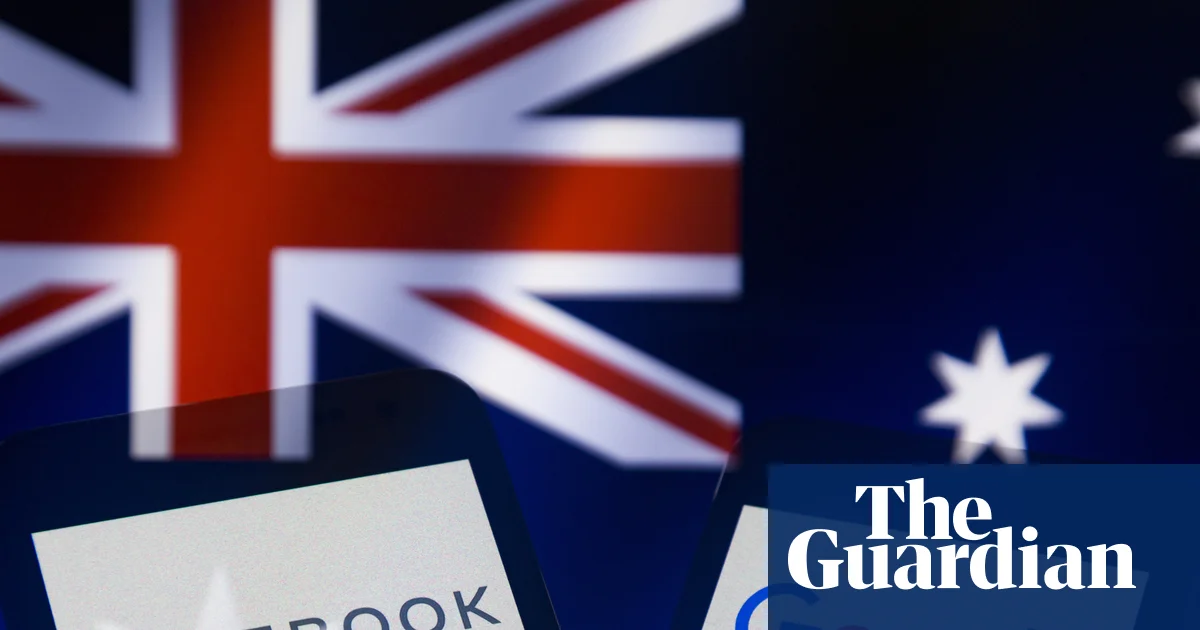
In a move that signals a broader shift in the global landscape of digital regulation, Australia faces a pivotal moment as major tech giants consider abandoning their commitments to combat online misinformation. The voluntary code introduced in 2021, which saw signatories including Meta, Google, Microsoft, and X (formerly Twitter), was designed to promote transparency and accountability in tackling false and deceptive content online. However, recent developments reveal a concerted pushback from digital platforms, citing the issue as “politically charged” and too “contentious” to regulate effectively. This attitude underscores a wider trend of tech companies increasingly resisting government-mandated oversight, signaling potential chaos ahead for the fight against misinformation.

Many international analysts warn of far-reaching geopolitical repercussions should social media giants pull back from their digital responsibility. The digital landscape has become a battleground in the ongoing contest between free expression and the need for truth—an issue that has deeply divided the Australian public along partisan lines. The Australian Communications and Media Authority highlights that the concept of “misinformation” remains highly subjective, linked closely to personal beliefs and societal values. These factors make the institution of effective regulation a daunting challenge. Historian and geopolitical analyst Dr. Elizabeth Carrington notes that such reluctance by corporate giants can embolden authoritarian regimes worldwide, where misinformation is weaponized to manipulate public opinion and suppress dissent. This geopolitical calculus risks sparking a domino effect, where other nations may follow Australia’s lead, either embracing digital laissez-faire or capitulating to unchecked misinformation.

Meanwhile, the international community observes with concern as internal debates within Australia reflect the larger global struggle over truth in the digital age. The European Union, for example, has taken a more aggressive stance on regulating tech companies, yet even here, the challenges of defining and policing misinformation persist. Critics like Timothy Graham, an expert at Queensland University of Technology, argue that the politicization of “misinformation” complicates efforts, turning the simple task of content verification into a minefield of ideological bias. Meanwhile, public trust in social platforms continues to erode; recent reports show fewer content violations are being effectively enforced even as 74% of Australian adults remain concerned about false information online, according to ACMA’s latest survey. As countries worldwide grapple with these complexities, the core question remains: How do nations balance free speech with the imperative to prevent harm?—a question that, ultimately, defines the era of digital governance.

The potential retreat of tech platforms from their self-imposed obligations foreshadows a crucial crossroads in the evolution of global digital society. With Australia’s decision to reconsider or dismantle its misinformation safeguards, the stage is set for a possible upheaval—where misinformation fuels societal divisions, deepens political rifts, and weakens the very fabric of democratic accountability. As policy-makers face mounting pressure from both the digital giants and their citizenry, the world watches with bated breath, knowing

Starbase teams up with Cameron County to tighten security and crack down on lawbreakers

Starbase Emerges as a Pioneering Model in Autonomous Urban Development

In a bold move that signals a transformative shift in urban governance and corporate influence, Starbase, a city built around SpaceX’s bustling rocket operations, has officially transitioned into a unique hybrid jurisdiction. Less than a year after its residents voted for incorporation, the city has struck formal agreements with Cameron County to provide essential services, including law enforcement. This arrangement exemplifies the disruptive potential of corporate-driven urban development, blurring the traditional lines separating municipality from enterprise.

While many emerging-tech hubs emphasize innovation and technological disruption, Starbase’s governance model underscores a broader trend—the rise of company towns that operate with minimal local government intervention. The interlocal deals entail Cameron County dedicating eight deputies to city security, with only a fraction on duty at any time, effectively outsourcing public safety. This model allows rapid scaling of municipal functions without the need to establish full bureaucratic infrastructures—a feat made possible by strategic legal agreements and a tightly integrated corporate-community ecosystem.

Innovation in Public Safety and Business Implications

Highlights of the Starbase model include:

  • Delegation of law enforcement to county authorities, ensuring legal consistency and resource efficiency
  • Flexible law enforcement deployment—only two deputies patrol at a time, optimizing operational costs
  • Retention of public records with county agencies—maintaining transparency while protecting corporate interests
  • Provision for special event policing, enabling rapid response to episodic needs—an essential feature for a facility focused on frequent Rocket launches

This innovative governance approach signals a new era where corporate innovation extends beyond product development into the realm of urban administration. Elon Musk’s vision of building a self-sustaining city around space tech is increasingly feasible, disrupting traditional notions of municipal boundaries and public safety. Industry analysts note that such models could revolutionize how future spaceports and high-tech hubs operate, attracting investors by reducing bureaucratic overhead and accelerating project timelines.

Business Disruption and Future Trajectories

The business implications are profound. By establishing a controlled but flexible local governance framework, SpaceX can focus on core activities—rocket manufacturing, testing, and launches—while external entities handle compliance and safety. This arrangement could serve as a precedent for other sectors—such as renewable energy or biotech—where corporate innovation demands a specialized governance paradigm.

Technology giants and startups alike are watching this experiment closely. Industry leaders and think tanks like MIT and Gartner predict a future where private enterprise could effectively operate entire cities, especially in niche domains like space exploration and sustainable infrastructure. Such developments are likely to catalyze a wave of entrepreneurial urbanism, emphasizing speed, efficiency, and adaptability over traditional bureaucratic channels.

Looking Ahead: An Urgent Call for Strategic Adaptation

As this disruptive model gains momentum, stakeholders—regulators, investors, and residents—must adapt quickly to the shifting landscape of governance and business. The success of Starbase could accelerate a trend toward decentralized, corporate-led metropolitan areas—challenging existing political paradigms and redefining urban development in the 21st century. The urgency for policymakers to craft flexible, forward-thinking regulations has never been greater, especially as technology continues to outpace traditional governance structures. The era of company towns is upon us, and those who anticipate this shift now will lead the future of innovation-driven urban landscapes.

Philippines earthquake claims 22 lives as rescue teams battle to save survivors

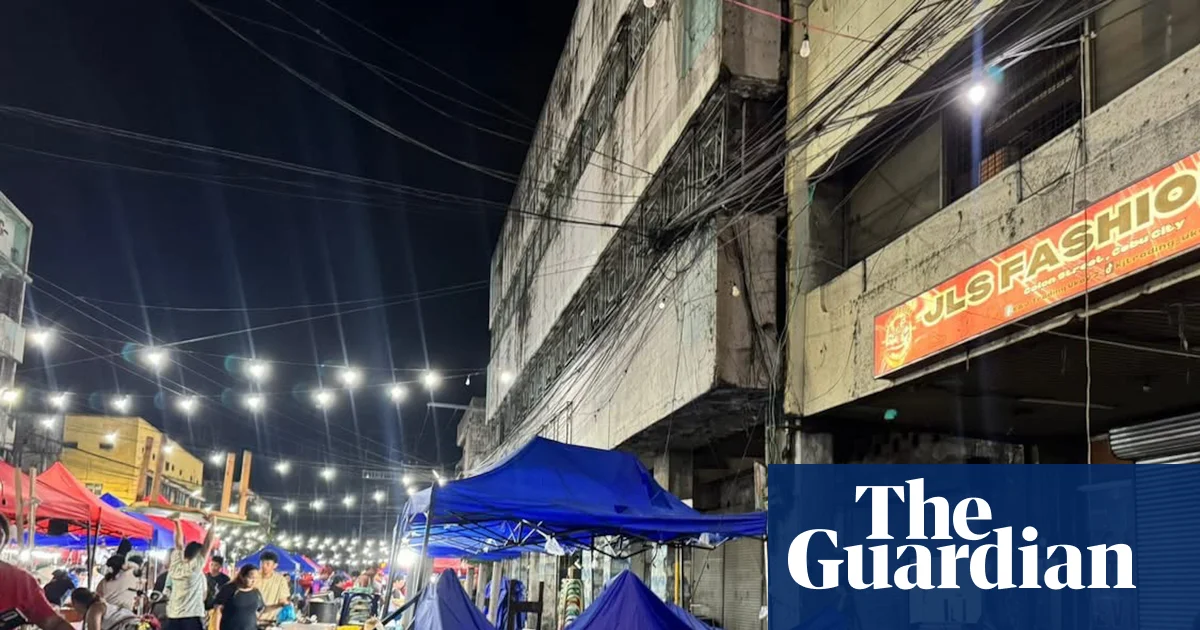
The recent magnitude 6.9 earthquake in the Philippines has not only caused devastating loss of life and widespread destruction but has also highlighted the fragile geopolitical stability of a nation situated on the volatile Pacific Ring of Fire. The death toll, which has risen to at least 22, underscores the urgent need for a reassessment of disaster preparedness in this notoriously disaster-prone country. While local authorities scrambled to conduct rescue operations following the tremor’s epicenter near Bogo in Cebu, experts worldwide are watching the unfolding crisis with a mixture of concern and reflection.

Among the key consequences of the quake, there is increased attention on the geopolitical significance of regional resilience. The Philippines, strategically positioned in Southeast Asia and a key ally of Western powers like the United States, often finds itself at the crossroads of natural and geopolitical disturbances. The disaster exposed vulnerabilities – damaged infrastructure, communication breakdowns, and power outages – which not only hindered rescue efforts but also serve as a stark reminder to national leaders and international allies alike. Analysts from the World Bank and regional security think tanks warn that such natural disasters could exacerbate regional instability if effective emergency response mechanisms are not strengthened due to rising climate unpredictability and increasing tectonic activity.

The seismic activity, initiated by a local fault, has prompted a wider debate among historians and environmental analysts about the increasing frequency of natural catastrophes as a potential sign of shifting global climatic patterns. For many nations within the Pacific Rim, the Philippines’ experience is becoming all too familiar, adding to the geography of risk that defines their geopolitical landscape. The damage inflicted — collapsing buildings, damaged roads, water shortages, and power failures — leaves communities vulnerable not only to further aftershocks but also to political and social upheavals. Such events directly impact the society’s resilience and challenge governments to prioritize infrastructure upgrades versus other political commitments, a discussion echoed in reports by the International Disaster Emergency Response Forum.

Furthermore, this calamity serves as a warning of how hastily-drawn international aid or geopolitical alliances could influence regional stability. The Philippines’ strategic importance is undeniable, and how its government responds to the aftermath could influence regional alliances. Countries like China and the United States watch closely, knowing that natural disasters often become catalysts for diplomatic influence and economic aid packages. As analysts caution that repeated environmental shocks could fuel nationalist sentiments and opportunism among neighboring powers, the future of regional cooperation hinges on Manila’s ability to manage this crisis effectively. The response from international organizations continues to be vital, but the true measure of regional unity will be tested in the recovery efforts ahead.

As rescue teams excavate collapsed structures and communities grapple with darkness and aftershocks, the weight of history presses heavily upon the Philippines. This ongoing tragedy reminds us that nature remains an unpredictable force, capable of shifting the course of nations in a matter of moments. With the world watching, the resilience or fragility of this archipelago may well chart the course for Southeast Asia in the years to come, heralding a new chapter in the annals of natural and geopolitical history. How this moment is remembered will depend on the actions taken now — choices that echo through the corridors of power and indelibly mark the timeline of survival, sovereignty, and human resilience in an age of relentless planetary upheaval.

Nicole Kidman & Keith Urban Split Amid Personal Struggles

From Hollywood to the World Stage: The Hidden Signals of Modern Divorces and International Power Shifts

In an era where personal life stories of global celebrities often mirror or divert attention from pressing international conflicts, recent events in the entertainment world serve as unintentional yet potent metaphors for geopolitical change. Nicole Kidman’s filing for divorce from Keith Urban, after a 19-year marriage, has caught public attention but also subtly echoes the shifting sands of global alliances, transparency, and societal values. While this star-studded split may seem merely domestic, scholars and analysts argue that such personal upheavals reveal underlying currents that affect entire nations and their futures.

Named by many as Australia’s international icons—Kidman and Urban symbolize a cultural bridge that extends well beyond the southern hemisphere. Their divorce process, detailed and meticulously crafted with joint agreements and clear custodial plans, exemplifies a broader trend towards increased transparency and legal clarity in personal affairs. Particularly in the context of global diplomacy and economic relations, smooth, rule-based dissolutions are often seen as stabilizing factors—be it in personal unions or international treaties. Several international organizations and policy analysts are drawing parallels between such well-structured domestic processes and the importance of predictable state behavior, especially in conflict zones or fragile alliances.

Furthermore, the

  • divided assets
  • public non-accusatory narratives
  • careful child welfare plans

within their separation process echo the principles often recommended by global institutional frameworks—peaceful dispute resolution, respecting societal institutions, and prioritizing societal stability. As historians of international relations have observed, when prominent figures or nations demonstrate a commitment to ruling laws and mutual respect even amidst disagreements, it fosters a climate of trust—fundamental for building and maintaining peace. The ongoing saga of Kidman and Urban thus becomes a mirror for the expectations nations have of each other in turbulent times.

Thus, while the world scrutinizes the personal legacy of Hollywood’s power couple, amidst the backdrop of geostrategic tensions and changing alliances, the lessons of transparency, structured negotiations, and societal stability remain profoundly relevant. Countries—just like couples—must navigate their division or collaboration with clarity and purpose to avoid chaos and ensure a peaceful future. The decisions made in Nashville—regarding custody, assets, and mutual responsibilities—serve as a microcosm for the larger global order, reminding us that behind every public dispute lurks a reflection of the challenges faced on the international stage.

As the legal proceedings stretch into the months ahead, the world watches, reminded perhaps that history’s most consequential conflicts and resolutions often begin with the quietest of cracks. And although these high-profile divorces may seem personal, they are woven into a narrative that stretches across nations—where stability is fragile, and the weight of unresolved differences can influence the very fabric of international society. The unfolding chapters in this story thus leave us pondering: in a world fraught with division, the true test is whether we can chart a path based on respect, law, and the pursuit of peace—a story yet to reach its final pages, with history still writing itself.

Rising Stars Shine: Young Athletes Take Center Stage in Thrilling Weekend Competitions

Historic Milestone: Sonora Teenager Set to Become First Mexican-Born NBA First-Round Draft Pick

In a groundbreaking move that promises to send ripples through the sports community, a Sonora teenager is on the brink of making history as the first Mexican-born player to be drafted in the NBA’s first round. This remarkable achievement not only showcases the athlete’s extraordinary talent but also represents a significant breakthrough for Mexican heritage in professional basketball.

The rising star, who has captured the attention of scouts and fans alike, is becoming a local sensation, with expectations soaring to unimaginable heights. Commentators have noted that this milestone could elevate the player’s celebrity status well beyond the basketball court. As analyst Michael Hartman stated, “This is not just a win for the athlete, but a significant moment for all aspiring young players from Mexico, showing them that their dreams can become reality.”

In anticipation of the upcoming NBA draft, several factors underscore the teenager’s potential impact:

  • Outstanding Statistics: The player has averaged 22 points, 8 rebounds, and 5 assists per game during his final year, demonstrating versatility and skill.
  • Strong Work Ethic: Coaches have praised his dedication, noting that he consistently puts in extra hours on the court.
  • Community Support: The local community is rallying behind him, with numerous fundraising events aimed at supporting his journey to the NBA.

With the draft approaching, all eyes will be on how this young athlete handles the pressure. Coach Luis Martinez commented on the situation, stating, “He has the talent to transcend cultural barriers in sports. Removing the stigma usually associated with being an underdog, he shows that hard work and determination can pave the way to success.”

As fans prepare to witness this historic moment, one thing is clear: the significance of the NBA draft extends far beyond the statistics and highlights. It serves as a powerful reminder that sports can unite communities, inspire generations, and foster a sense of belonging, regardless of geographic or cultural divides. The teen from Sonora stands not only on the cusp of personal achievement but also as a beacon of hope for countless future athletes aspiring to make their mark in the world of sports.

Source link

Australia News Live: Nicole Kidman & Keith Urban Divorce; Sussan Ley Takes a Stand for Frontbench Stability

Global Stability on Edge: Major Geopolitical Shifts Shape the Future of Nations

In an era marked by rapid international shifts, recent developments underscore the precarious balance of geopolitical power and the profound impact of policy decisions on nations and societies worldwide. From contentious domestic policies to explosive rumors of high-profile personal upheavals, these events are more than headlines—they are critical indicators of the trajectories shaping the geopolitical landscape.

At the forefront of recent disruptions, international organizations and analysts warn that the ongoing debates surrounding climate policies, military alliances, and economic strategies are merely symptoms of deeper conflicts. For example, the United Nations has issued a stark warning about escalating tensions in Eastern Europe and the South China Sea, emphasizing how decisions made in Western capitals could either escalate or de-escalate regional instability. The fallout from these choices extends far beyond borders—affecting trade routes, diplomatic alliances, and even the fabric of individual societies. As historian Dr. Emily Watson notes, “historic moments today will likely be scrutinized as either catalysts for peace or harbingers of conflict.”

Within this tense global climate, national leaders and political factions are reacting to pressures with policies that could redefine the international order. In Australia, Sussan Ley has responded to internal criticism by reaffirming her party’s policy priorities—particularly emphasizing the importance of stable governance and a unified front amid the growing regional uncertainties. Meanwhile, domestic labor unrest—highlighted by union leaders vocally opposing corporate attempts to shift blame for systemic failures—mirrors the broader global theme: how societies respond to governance crises. These internal disputes embody an underlying fear: that neglect or mismanagement could destabilize fragile democracies and ignite unpredictable international repercussions.

Meanwhile, signs of human vulnerability remain intertwined with these political struggles. The recent breakup of Hollywood icons Nicole Kidman and Keith Urban, filed for divorce in the United States, may seem like a personal matter, but experts argue it symbolizes shifting cultural values and the erosion of traditional social contracts. As international commentators cite, such high-profile personal upheavals reflect broader societal transformations—especially among youth, who increasingly question established norms and demand authenticity and change. These cultural shifts, coupled with political turbulence, will inevitably influence how nations evolve in the coming decades, shaping policies that either embrace modernity or cling to old paradigms.

The security landscape remains volatile, with international institutions frantically attempting to contain conflicts and prevent a new Cold War scenario. The decisions made today—be it in diplomacy, military postures, or economic sanctions—will echo for generations. As some analysts warn, this period might be remembered as a pivotal chapter: a time when the global community chose whether to build bridges toward cooperation or tear down those already in place. The power is in the hands of leaders and societies alike, and their choices will determine if history honors their judgment as wise or condemn their shortsightedness for unleashing chaos. The pages of history are turning swiftly—you, as the global citizen, must heed the signs that this current decade is molding the very future of humanity, written not in ink but in the enduring fabric of geopolitics itself.

sora 2 open ai chat gpt
OpenAI Launches Sora 2: AI Video Meets Audio in a TikTok-Style App

OpenAI has just unveiled Sora 2, its most advanced AI video generator yet—this time adding voices, sound effects, and realistic audio layers to short, immersive clips. (Barron’s)

🎬 What’s New in Sora 2?

  • Beyond video, it now creates voice, sound effects, and ambient audio.
  • The new app functions like a vertical social network: up to 10-second clips, a “For You”-style feed, and swipe navigation. (Wired)
  • Copyright policy: content is opt-out, meaning rights holders must request removal. Disney is already reported to have done so. (Reuters)
  • Restrictions: no generating videos with public figures’ likenesses without consent. Verification systems are being rolled out.

🧭 Risks and Tensions

  • Hollywood critics call the opt-out model a direct challenge to copyright norms.
  • Deepfake concerns loom larger than ever, with fears of abuse if safeguards fail. (The Verge)
  • Moderation, abuse prevention, and transparency remain open questions.
  • Competition heats up as Google’s Veo 3 positions itself as a rival. (TechRadar)

🧩 What It Means for Creators and Users

StakeholderOpportunitiesChallenges
Independent creatorsProduce pro-looking videos without costly gearQuality, copyright, content saturation
Social platformsA new format of “artificial video” to hook audiencesModeration, regulation, trust
Everyday usersFresh, personalized, interactive clipsDistinguishing real from synthetic, privacy risks
Analyzing Trump's Gaza peace proposal: What it really means for youth and future security
Analyzing Trump’s Gaza peace proposal: What it really means for youth and future security

The announcement by President Trump of a comprehensive 20-point peace plan targeting the ongoing conflict in Gaza marks a significant shift in the geopolitical landscape of the Middle East. Leveraging his administration’s influence, Trump’s initiative aims to reshape the current stalemate through clearly outlined troop withdrawal lines and diplomatic concessions. This development is being closely scrutinized by international analysts, who emphasize the unorthodox approach it represents amidst longstanding tensions.

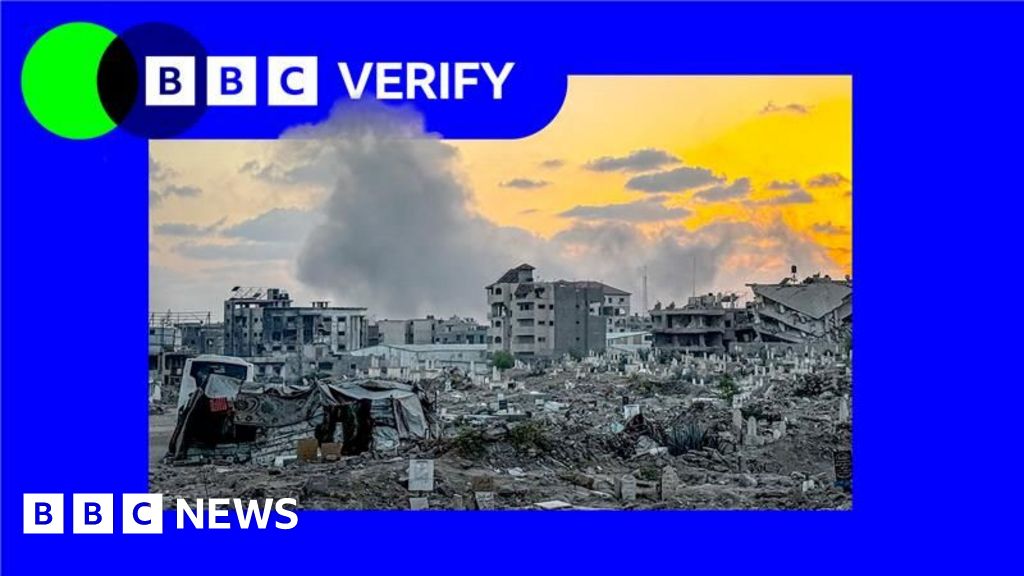
Analysis by BBC Verify and satellite imagery—as detailed by journalist Merlyn Thomas—reveals the extent of the military control exerted by Israel over Gaza, presenting a stark picture of the ground realities. The proposed plan’s success hinges on the Israeli government’s willingness to adhere to the outlined troop reduction points, which could herald a new chapter in the conflict but also poses considerable risks. Governments across the globe are divided in their support, with some emphasizing the necessity of territorial compromise, while others warn against rushing into solutions that could destabilize the region further.

Economists and security experts have voiced their concerns, noting that the deal’s potential to alter regional power dynamics is profound. The United Nations and other international bodies have registered cautious interest, emphasizing that any peace initiative must consider the long-term sovereignty and security concerns of both sides. Historically, peace plans in Gaza have often fallen short due to unresolved core issues such as borders, refugees, and Jerusalem’s status. The current proposal, therefore, risks becoming another chapter in this troubled legacy—unless it manages to address these critical issues comprehensively.

Historians warn that decisions made today could dictate the course of Middle Eastern history for generations. The unfolding scenario bears the weight of decades of conflict, with some analysts arguing that any potential success hinges on the international community’s ability to maintain pressure and provide credible guarantees. The stakes are exceedingly high; a failure to forge lasting peace could escalate the region’s instability and lead to unchecked violence. As global powers watch with bated breath, the decisions of Israel, Palestinian leaders, and the United States will undoubtedly leave a mark on history, whether as a testament to diplomacy or a somber reminder of missed opportunities.

As the world stands on this precipice, one cannot help but feel that history is once again writing itself in the sands of Gaza. The coming days will reveal whether this ambitious plan fulfills its promise, or whether it becomes yet another chapter of broken promises. With the weight of centuries pressing down upon these fragile negotiations, the rising chorus of uncertainty echoes into a future yet to be shaped — a future where the echoes of today’s decisions may reverberate for eternity.

Social Media Auto Publish Powered By : XYZScripts.com