Matox News

Truth Over Trends, always!

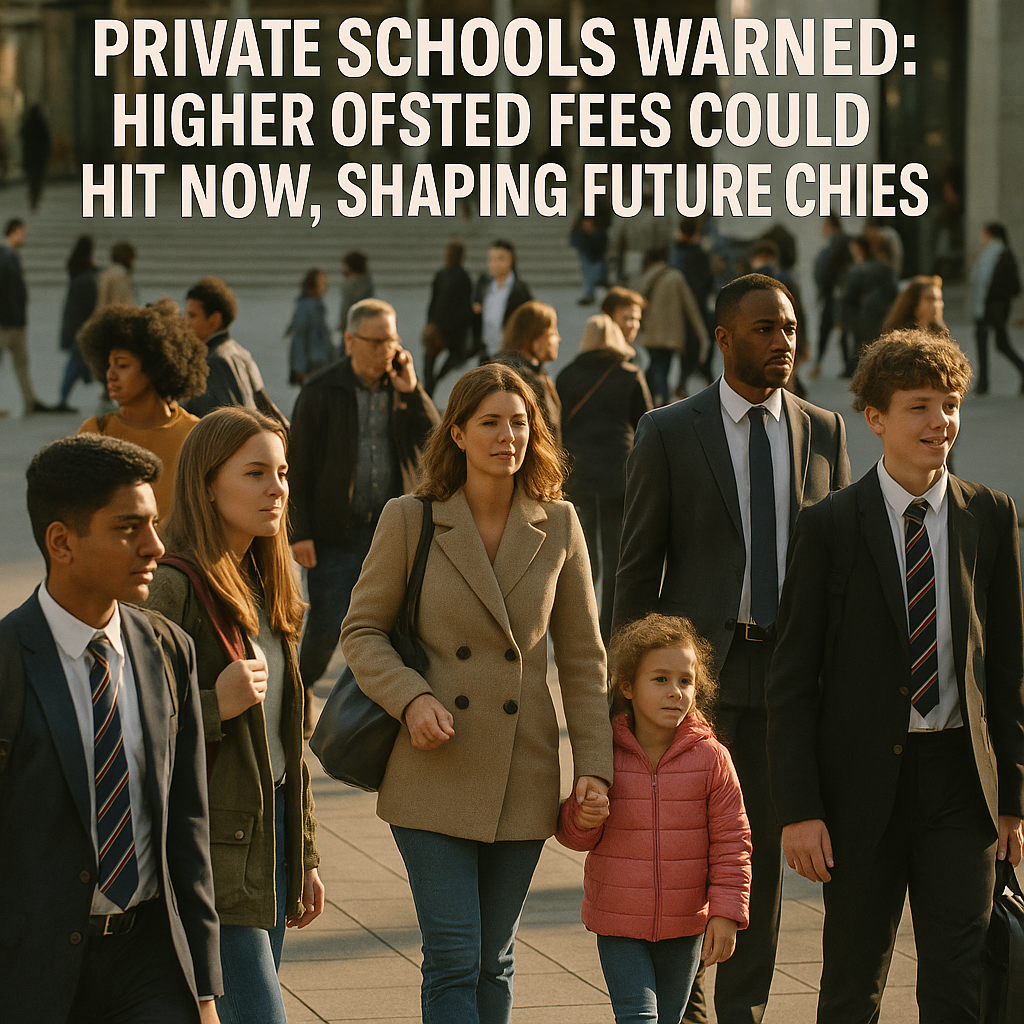
Private Schools Warned: Higher Ofsted Fees Could Hit Now, Shaping Future Choices

Societal Divide Deepens: The Impact of Private School Policies on Families and Communities

In recent months, the fractures within the fabric of British society have become more evident, as government and educational authorities grapple with the future of private education. The Department for Education (DfE) has proposed increased fees for Ofsted inspections of private schools, a move seen by many as a step toward economic fairness but criticized by others as a threat to exclusive community benefits. Currently, the regulator’s inspection costs are partially subsidized by taxpayers; however, the DfE suggests that private institutions should shoulder more of this burden, claiming that the taxpayer shouldn’t be subsidizing private businesses in this way. This policy shift raises questions about the social cohesion of communities and the role of private institutions within the broader society, especially given their historic role in perpetuating class distinctions and access to elite education.

Private schools inspected by Ofsted—those classified as “non-association”—comprise a significant portion of England’s independent educational landscape, with nearly half the 1,150 inspected institutions being specialized schools catering to pupils with disabilities and special educational needs. These smaller institutions serve as vital anchors for families seeking tailored education for their children—but looming financial pressures threaten their sustainability. The DfE’s proposal to increase fees over the next five years, climbing for schools with 150–399 pupils from £2,500 to £3,300, is part of a broader initiative to channel additional funds into **state school excellence**. Education Secretary Bridget Phillipson insists this approach is aimed at “driving up standards for children in state schools,” but critics argue it risks widening the social divide—thereby impacting family choices, community stability, and the very fabric of local life.

  • The financial burden on private schools could escalate, potentially making it more difficult for families already under economic strain to access these institutions.
  • Such shifts may incentivize educational consolidation, reducing the diversity of school options within communities.
  • The ongoing VAT on school fees and legal disputes over discrimination allegations compound the economic pressures faced by families and institutions alike.

This evolving landscape underscores how social and economic policies directly influence families and community dynamics. The higher fees could deepen existing inequalities, positioning private institutions as increasingly exclusive enclaves while challenging the principles of equal opportunity. Experiencing socioeconomic and cultural transformations, society faces the challenge of balancing meritocracy with accessibility. Sociologists like Charles Murray have long argued that education serves as a cornerstone of societal mobility; yet, policies that threaten to make private education more inaccessible risk entrenching disparities that threaten to undermine social cohesion. As families navigate these shifting currents, their choices and opportunities are being reshaped, impacting generations to come.

Reflecting on these societal shifts demands more than policy adjustments; it calls for a collective moral reconceptualization of what it means to foster an equitable society. The true test lies not merely in economic recalibrations but in nurturing a social fabric where opportunity and dignity for every family remain attainable. However, as history reminds us, societal transformations are seldom smooth, and the resilience of community bonds will be challenged amid economic austerity and cultural shifts. Yet, with deliberate effort and moral clarity, society can forge pathways that bridge divides, ensuring that future generations inherit not a fragmented landscape but a resilient, inclusive, and hopeful society.

Client Challenges Drive Innovative Solutions

As the global economy navigates a period of significant turbulence, markets worldwide are experiencing a spectrum of shocks that threaten both short-term stability and long-term growth trajectories. Recent reports indicate a marked slowdown in manufacturing and consumer confidence, driven by persistent inflationary pressures coupled with geopolitical uncertainties. Economists from institutions like the International Monetary Fund warn that the economic landscape remains precariously balanced, with risks tilted towards recession in major economies. Investors are reacting swiftly, repositioning portfolios amidst the volatile environment, with some predicting a challenging horizon ahead.

The United States economy, often a bellwether for global trends, shows signs of strain despite resilient employment figures. Consumer spending, historically a cornerstone of growth, is cooling as inflation reduces disposable income. Meanwhile, the European Union faces its own set of hurdles; energy security crises and inflationary spikes threaten to dampen recovery efforts, prompting policymakers to reconsider traditional fiscal responses. In this climate, central banks around the world are caught in a delicate balancing act—tightening monetary policy to combat inflation while avoiding the tipping point that could trigger a recession. The Bank of England has signaled a cautious approach, aiming to control inflation without stifling economic growth, but the path remains fraught.

Market impact is profound:

  • Stock indices in North America and Europe have undergone sharp corrections, encapsulating investor trepidation;
  • Currencies such as the US dollar and Euro experience heightened volatility, reflecting shifts in monetary expectations;
  • The commodity markets see mixed signals—oil prices fluctuate amid supply concerns, while gold retains appeal as a safe haven.

Policy consequences are equally critical. Governments are reassessing stimulus measures and fiscal policies, with some contemplating more aggressive intervention to bolster economies while others emphasize structural reforms to foster resilience. Think tanks like the Council on Foreign Relations underscore the necessity for strategic foresight, cautioning that premature tightening could deepen economic fissures. Meanwhile, the specter of geopolitical conflicts, especially in key regions such as Eastern Europe and East Asia, adds layers of complexity. The overarching narrative suggests that this period is a defining moment—one where economic resilience and adaptive policy will determine the future balance of global power.

Looking ahead, the economic pulse of nations remains a pivotal determinant of global influence, shaping not only material prosperity but also geopolitical strength. As we stand on the cusp of potential upheaval, the resilience of economies and their capacity to innovate amid chaos will serve as the bedrock upon which future power is built. This era underscores the importance of strategic foresight, emphasizing that while markets may falter and policies may shift, the true strength of a nation lies in its ability to adapt and thrive amidst uncertainty. The coming years will reveal whether the global economy can harness this turbulence to forge a new epoch of prosperity or succumb to the shadows of complacency and crisis—either way, history is on the move.

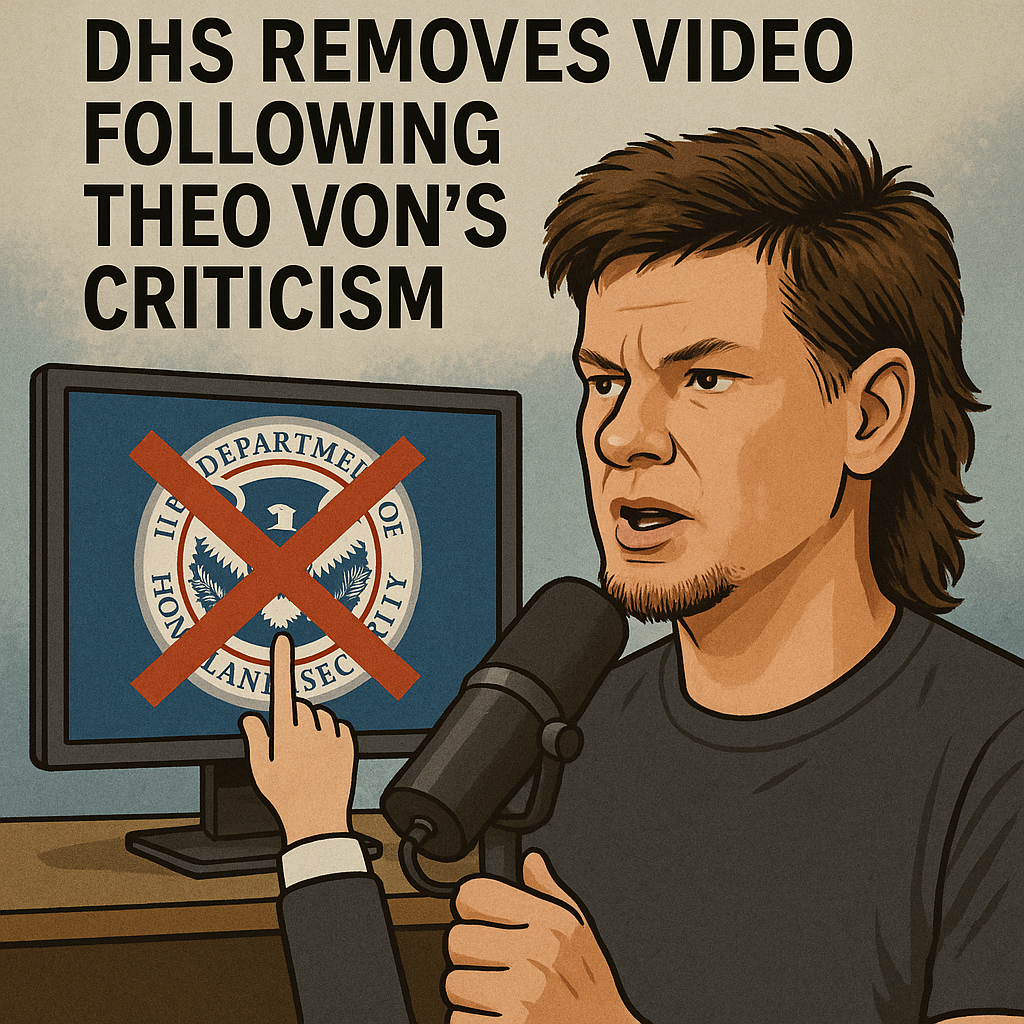
DHS removes video following Theo Von’s criticism

In an era where government agencies increasingly become arenas of public spectacle and power struggles, recent events involving the Department of Homeland Security (DHS) highlight the fragility of authority and the selective nature of political messaging. The DHS, a key instrument in shaping national security and immigration policies, found itself embroiled in controversy after it reportedly removed a social media post featuring internet personality Theo Von. The incident underscores how power dynamics within bureaucratic institutions can influence public perception and reveal underlying tensions between governmental control and individual rights.

According to reports, the DHS posted a video in which Von appeared engaging directly with his audience, making remarks that could be interpreted as humorous or provocative concerning deportation. However, after Von expressed his disapproval at being featured without his consent—citing an invasion of privacy—the agency deleted the content. This move exemplifies a broader trend in contemporary politics: decision-makers navigating the fine line between transparency and suppression. Such acts of digital curation demand scrutiny from constitutional experts who question whether the DHS’s actions represent a form of censorship or an attempt to manage political narratives in an increasingly polarized climate. As historian Charles Beard noted, governance is often a game of “control over information,” a principle as relevant today as it was during the inception of modern bureaucratic states.

This incident also demonstrates how *internal power struggles* within government agencies shape how policies are communicated and executed. It invites an examination of how decision-making hierarchies influence public engagement—a tension rooted in debates over freedom of speech, government transparency, and the authority of bureaucracies. The incident echoes historical parallels; similar disputes over control of the narrative have occurred during the Cold War and other periods of ideological conflict. Today, the digital realm amplifies these struggles, making them increasingly accessible to the public eye and, consequently, more impactful.

Ultimately, the controversy around the DHS’s handling of Von’s video reveals that politics remains a stage where destiny is written through power dynamics. As the nation witnesses this clash of interests—between individual rights and institutional authority—it becomes clear that the decisions made within bureaucratic walls have far-reaching consequences. The establishment’s attempt to manipulate or suppress content not only affects perceptions of legitimacy but also challenges foundational principles such as free expression and government accountability. As political theorists warn, when power consolidates unchecked within the state apparatus, the very fabric of democracy begins to fray, transforming the landscape into a battleground where the eventual winners are those who control the narrative itself.

In this struggle for influence and control, the digital age has rendered traditional political boundaries obsolete. Today, the stage where history is written is no longer solely in legislative chambers or courtrooms but in the fleeting, ever-changing arenas of social media. Here, every post, every deletion, carries the weight of ideological conflicts and the pursuit of ultimate authority. As the dust settles on the DHS’s digital purge, one thing remains undeniable: politics is the story of power – the raw, unyielding force shaping the destiny of nations and individuals alike. In this ongoing game, those who grasp the reins of influence will ultimately determine who writes history and who is forgotten in the shadows of its pages.

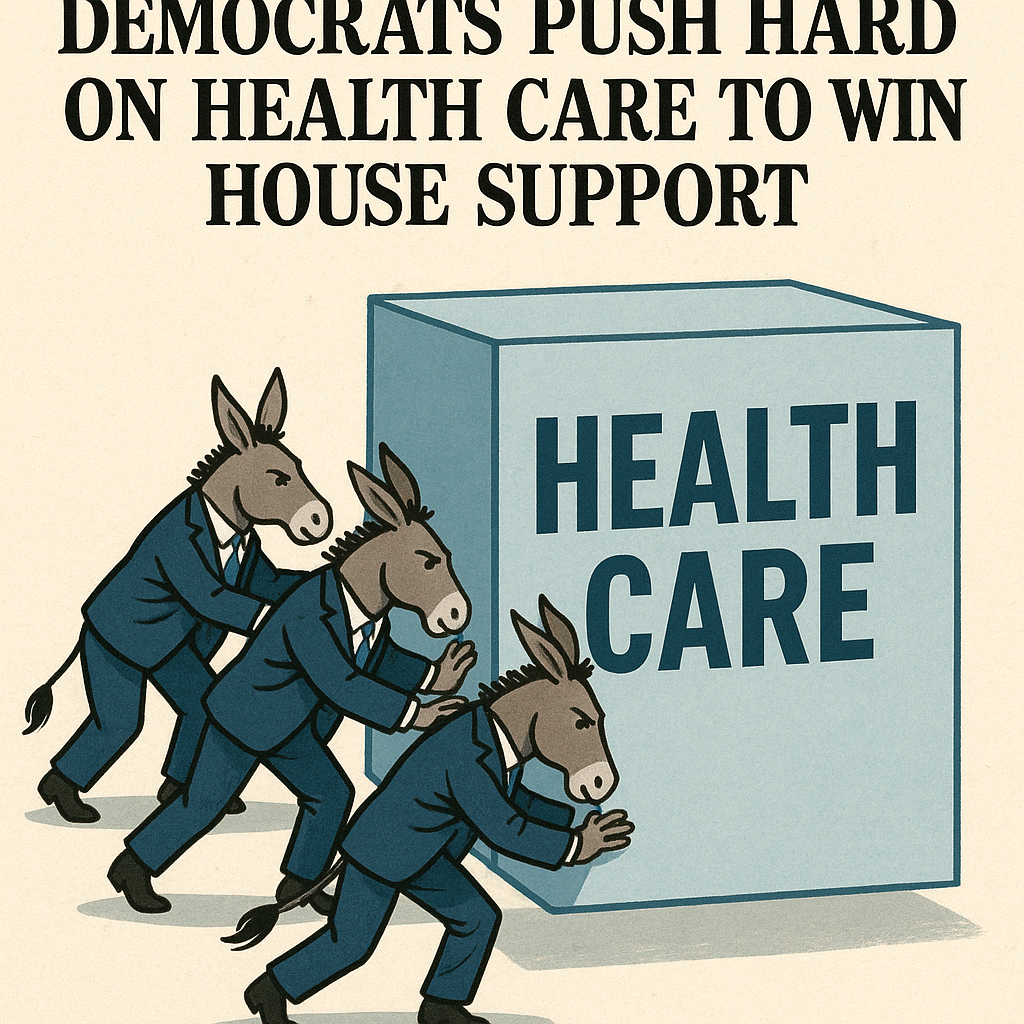
Democrats Push Hard on Health Care to Win House Support

Political leaders in confrontation

The Political Arena Prepares for a Confrontation Over Healthcare and Shutdown Politics

As the specter of a looming government shutdown casts a shadow over Washington, the strategic posturing by Democratic leaders signals an unfolding chapter in the ongoing battle for control of the legislative narrative. With the midterm elections approaching in less than a year, Democrats are doubling down on healthcare as their pivotal wedge issue, betting that the political climate is ripe for a decisive confrontation. Historically, healthcare has been a potent rallying cry—while it offers tangible benefits to voters, it also functions as a powerful symbol of ideological divides, exemplified by the Republican triumvirate currently exerting influence over Congress. Democratic strategists believe that any government shutdown efforts by their opponents would serve to galvanize their base and challenge the entrenched Republican posture, which they perceive as fostering inaction and obstruction.

The decision to leverage healthcare as a battleground is rooted in a deep understanding of how voters process political messages. For decades, Democrats have successfully capitalized on healthcare issues to mobilize their base, as seen in the post-Obamacare landscape where health policy remains a rallying point. The impending showdown appears to be less about concrete policy reform and more about staking ideological dominance. Political theorists such as James Madison and John Rawls would observe that such confrontations exemplify the enduring power struggles inherent in constitutional governance—where the scope of government and individual rights collide, shaping the very fabric of society. The Democrats’ gamble is that a government shutdown, framed around their healthcare agenda, will be portrayed as a battle for middle-class security against Republican extremism, thus reversing recent losses and reshaping the electoral map in their favor.

Beneath these strategic calculations lies a core conflict over who holds the moral and constitutional authority. Legal scholars acknowledge that the power struggle is not just about legislative wins but also about who defines the narrative of American health policy. The Democratic push for expanding healthcare access and defending Obamacare aligns with what many see as a broader societal shift—one that favors government intervention and social welfare. Conversely, the Republican insistence on reducing federal influence and empowering states reflects a longstanding tradition rooted in constitutional conservatism and individual liberty. These conflicting visions are more than policy debates; they are the battleground where the destiny of the nation’s social fabric is delineated. The decision to threaten a shutdown over healthcare reflects a strategic assertion of power—where policy becomes a weapon, shaping how millions experience their rights and protections.

Ultimately, the unfolding political drama emphasizes that power struggles are at the heart of American democracy, dictating not only legislative outcomes but also the future character of the nation. As history has demonstrated—through moments like the Civil Rights Movement or the New Deal—whose vision prevails on the political stage often determines the societal trajectory for generations. The current confrontation over healthcare and the threat of shutdown are not merely tactical moves; they are ideological turf battles that will mark the contours of an American identity in crisis. Politics, in essence, is where the very currents of history are written—each decision, each clash of wills sculpting the destiny of a nation poised between tradition and transformation.

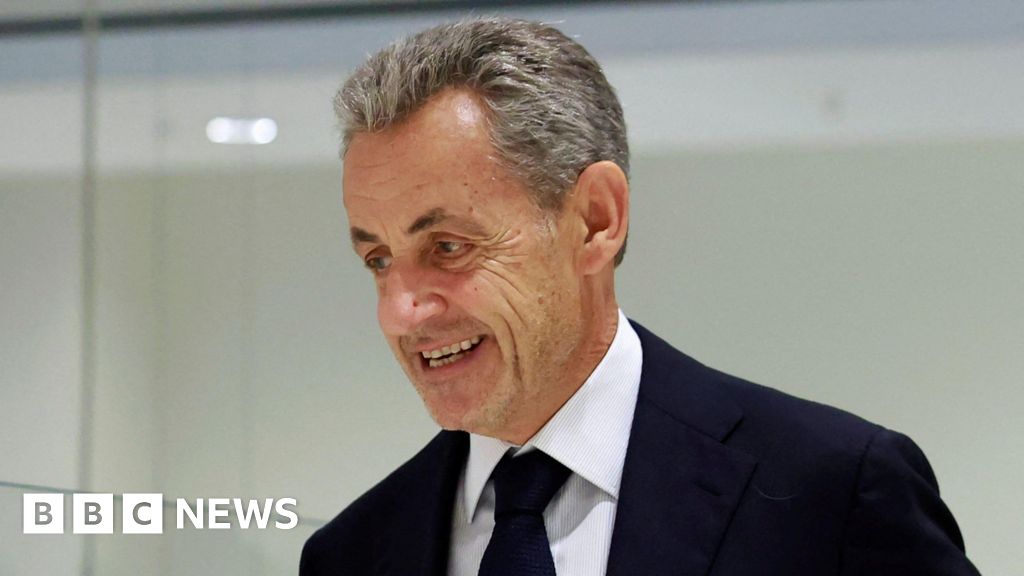
Sarkozy Convicted of Criminal Conspiracy: Justice Served for Our Country

In an unprecedented turn of events, former French President Nicolas Sarkozy has been found guilty of criminal conspiracy in connection with illicit funds received from the late Libyan leader Muammar Gaddafi. This verdict, delivered by the Paris criminal court, marks a significant milestone in France’s ongoing effort to address the shadows of political corruption that cast a long pall over its recent history. The case, rooted in allegations that Sarkozy used Libyan money to finance his 2007 presidential campaign—an accusation he strongly denies as politically motivated—has reverberated through Europe, prompting questions about accountability at the highest levels of governance.

Historians and international analysts point out that this development underscores the delicate balance of power between national sovereignty and international influence, especially in the context of foreign interference and clandestine geopolitical maneuvers. The European Union and various global watchdogs have long debated the influence of foreign regimes on Western democracies, but Sarkozy’s case exemplifies how such interference can directly threaten the integrity of the political process. While he was acquitted of other charges including passive corruption and illegal campaign financing, the conviction on conspiracy charges signals a shift towards greater scrutiny of foreign influence within Western political spheres.

How decisions made in the aftermath of Libya’s 2011 civil conflict ripple across nations is evident in the broader geopolitical landscape. Gaddafi’s fall and the ensuing chaos created a power vacuum that foreign actors, including France and other Western nations, sought to navigate through clandestine support and diplomatic maneuvers. The revelations that Sarkozy’s campaign may have been secretly financed by Gaddafi’s regime are viewed by many as a cautionary tale about the dangerous entanglements of international diplomacy. The international community—notably organizations such as Interpole and the United Nations—monitor these developments as potential precursors to further destabilization, emphasizing that international law and sovereignty are continually under threat from hidden agendas fueled by illicit financial flows.

As Sarkozy faces potential sentencing, the implications extend beyond individual accountability. The case epitomizes the ongoing struggle to maintain national sovereignty against a backdrop of complex, often covert, international influences. Tensions are mounting as investigations into other political figures and foreign ties continue to unfold across Europe, raising questions about the integrity of democratic institutions. Whispers of global power plays and the influence of state-sponsored clandestine funding highlight the fragility of Western democracies in an era of relentless geopolitical shifts. With this verdict, the stakes are higher than ever—nations must grapple anew with the warning that the foundations of their sovereignty are often vulnerable to unseen forces lurking behind diplomatic facades. Ultimately, history remains on the edge of another chapter in an ongoing saga of power, influence, and the relentless pursuit of truth amid shadows that threaten to reshape the global order.

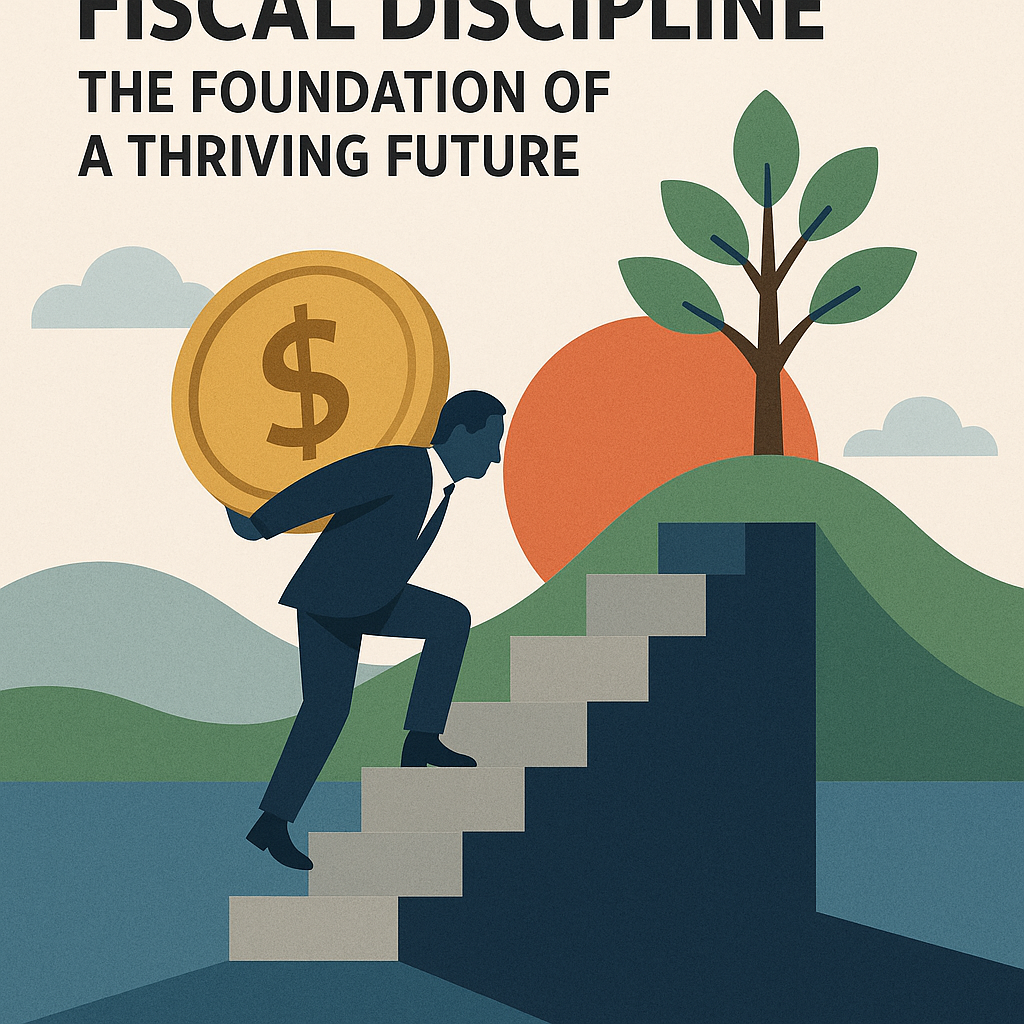
Fiscal Discipline: The Foundation of a Thriving Future

Fiscal discipline stands as the bedrock upon which a prosperous and resilient future is built. In a world of mounting economic uncertainties, governments that prioritize sound financial management can better navigate crises, foster sustainable growth, and secure opportunities for future generations. Critics often argue that expansive spending and loose fiscal policies are necessary to stimulate economic activity; however, history and economic analysis consistently demonstrate that overly ambitious deficits lead to long-term instability, inflation, and diminished investor confidence. As Nobel laureate Milton Friedman asserted, “The well-known fact that inflation is always and everywhere a monetary phenomenon underscores the importance of fiscal prudence in maintaining economic stability.” Ensuring fiscal discipline is not merely a moral choice but a pragmatic one rooted in empirical evidence and economic theory.

Proponents of fiscal discipline highlight key benefits that extend beyond immediate budgetary concerns. These include:

  • Lower interest rates, which reduce borrowing costs for both governments and private sectors.
  • Enhanced investor confidence, fostering an environment conducive to attracting domestic and international capital.
  • Reduced risk of debt crises, shielding economies from the destabilizing effects of excessive public debt—a message echoed by analysts such as Ray Dalio, who insists that debt sustainability is crucial for economic stability.
  • Greater flexibility in policy-making, allowing governments to respond proactively to unforeseen economic shocks without jeopardizing fiscal integrity.

Applying fiscal discipline also aligns with the principles of free-market economics, which emphasize limited government interference and the importance of personal responsibility. Economists like Adam Smith recognized that “the real engine of economic progress is the individual’s pursuit of self-interest”, made possible when governments impose constraints on their expenditure. Countries that have embraced these tenets, such as Hong Kong or Switzerland, showcase how disciplined fiscal policies create fertile ground for innovation, entrepreneurship, and economic resilience. Conversely, nations that indulge in unchecked spending often find themselves mired in cycles of debt and economic stagnation, as laid bare by historical episodes like the Latin American debt crisis of the 1980s. These lessons reinforce that fiscal discipline is a necessary condition—not merely a fiscal virtue—for achieving enduring growth.

Maintaining fiscal responsibility is undeniably a challenging endeavor, especially in an era of populist pressures and short-term political gains. Yet, it demands a strategic vision rooted in the realization that the true strength of a nation lies not just in its resources, but in its ability to manage them wisely. As the future unfolds, the nations that wield fiscal discipline as their guiding principle will be the architects of stability and innovation, forging pathways where others see only obstacles. With each prudent decision, they write a story not only of economic resilience but of hope—a testament to the idea that responsible stewardship can elevate a society from the chaos of reckless spending to the clarity of a thriving, sustainable future. The weight of this responsibility is immense, yet it holds within it the profound promise that, with disciplined fiscal policies, the aspirations of a brighter tomorrow can transcend the confines of today’s uncertainties—transforming fleeting dreams into enduring legacy, as enduring and profound as the very essence of progress itself.

Hit the Trails in Style: Hoka Ora’s Fall-Ready Footwear for the Adventure Seekers

In the ever-evolving world of sneakers, Hoka continues to prove that functionality and style can walk hand in hand. Their latest release, the Hoka Ora Primo “Squid Ink / Mineral Brown”, exemplifies a new chapter in footwear design—one that prioritizes subtle sophistication while maintaining peak performance. The shoes seamlessly blend technical features with a muted, understated color palette, making them a perfect fit for the modern, urban youth who refuse to sacrifice style for substance. Driven by a desire for versatile footwear that performs on both trail and city streets, this model showcases a strategic shift—an acceptance of minimalist aesthetics in the performance sneaker market, a domain historically dominated by bold logos and loud hues.

Designed with a keen eye on social relevance, the Ora Primo’s deep navy and mineral brown tones emanate a quiet confidence—appealing to a generation that values authenticity over flamboyance. Influencers such as Creative Revolt and Urban Explorer have championed these shoes not merely as athletic gear but as a statement of lifestyle, bridging outdoor adventure with urban minimalism. Its hybrid design, supporting light trail runs while blending into everyday life, signals a broader shift—sneakers as multi-functional pieces, essential tools for the active, style-conscious youth. Beyond aesthetics, the responsive foam cushioning, reinforced overlays, and durable gum rubber outsole reinforce that this is no ordinary sneaker; it’s a symbol of adaptability and resilience in a fast-paced, ever-changing society.

The cultural impact of this trend transcends footwear. It reflects a generation that values balance—between performance and quiet style, between outdoor exploration and inner city hustle. Sociologists such as Dr. Lisa Hernandez argue that this shift signifies a move away from superficial branding, steering toward a more authentic expression of identity. The rise of streamlined, discreet designs hints at a collective desire to redefine what it means to be fashionable in the age of social media, where efforts at self-expression are increasingly nuanced and sophisticated. As youth turn to influencers for guidance, the less-is-more mentality gains momentum, shaping a lifestyle that values purposefulness over flashy excess.

Looking ahead, the question remains: will this trend of understated, versatile sneakers continue to expand and influence other facets of youth culture? As brands like Hoka innovate with purpose-driven designs, and society pushes further towards authenticity, the next big question isn’t just about what we wear, but how these choices reflect our shifting societal values. In a world obsessed with status symbols, the real victory might lie in defining ourselves through that which is quietly powerful and genuinely meaningful.

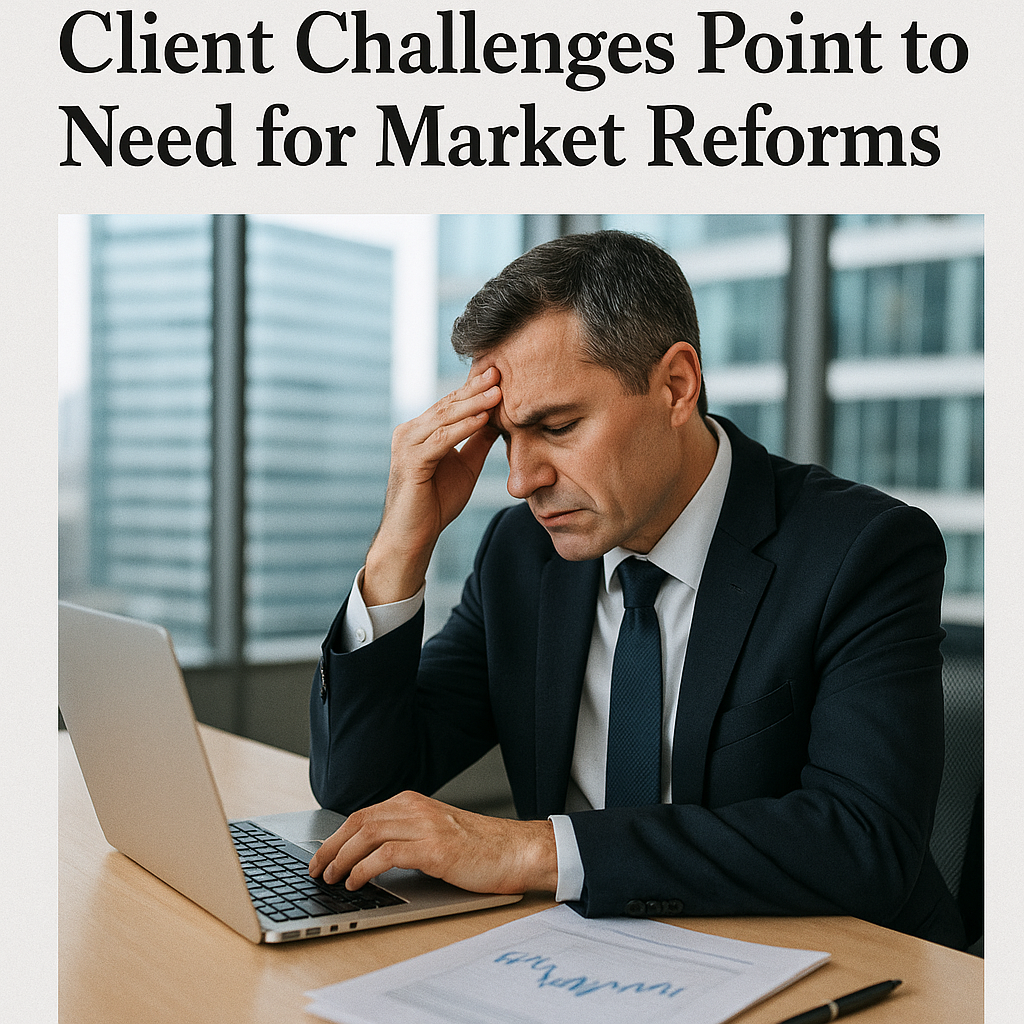
Client Challenges Point to Need for Market Reforms

The international economic landscape is currently experiencing a pivotal phase, marked by mounting volatility and shifting power dynamics. As recent data reveals, the global economy faces multiple headwinds, including inflationary pressures, geopolitical tensions, and unpredictable market shifts. Major economies are recalibrating their strategies to navigate these turbulent waters, with the United States and China at the forefront of this transformation. These developments are not only shaping short-term market impact but are also setting the stage for long-term policy consequences that could redefine global economic order.

One of the most critical indicators remains inflation, which has surged in multiple regions, prompting central banks to tighten monetary policy. The Federal Reserve has signaled an aggressive approach to curb inflation, with rate hikes expected to persist through 2023. Economists such as Mark Zandi of Moody’s Analytics warn that this tightening could usher in a period of slower growth or even recession. Meanwhile, in China, efforts to stabilize the housing market and support manufacturing are underway, yet growth remains fragile amid ongoing geopolitical strain and disruptions in global supply chains. The market impact of these policies has been profound: stock markets fluctuate on central bank signals, currency exchange rates remain volatile, and investor confidence teeters on the edge of volatility.

Furthermore, the rise of geopolitical tensions, especially between the U.S. and China, has triggered a surge in economic nationalism and supply chain reshaping. Countries are increasingly prioritizing self-sufficiency, leading to innovations and investments in emerging sectors such as renewable energy, AI, and advanced manufacturing. Policy consequences are clear: international trade agreements are under reevaluation, and alliances are shifting as nations seek to insulate themselves from potential shocks. Think tanks like the Council on Foreign Relations emphasize that these strategic realignments could either strengthen a multipolar world or spark new conflicts, deeply influencing global market stability. For investors, this environment offers both risks and opportunities—those who adapt swiftly could position themselves at the vanguard of future economic power.

Looking ahead, it is evident that the economy is not merely a reflection of current policies and market behavior but the very **pulse of nations**, a dynamic force that shapes the future of global influence. As technological innovation accelerates and geopolitical boundaries shift, the next era of economic dominance will be forged in the crucible of resilience and adaptation. The stage is set for a future where economic prowess and strategic foresight become the defining elements of national power, echoing through the corridors of history and into the dawn of a new global order.

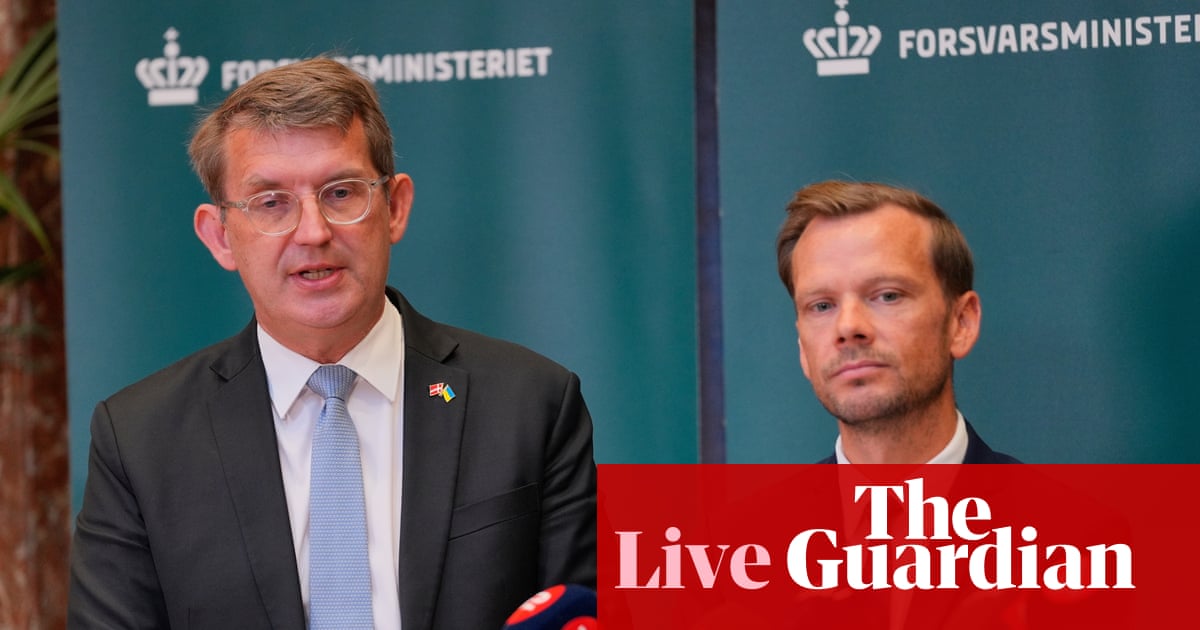
Danish Authorities Boost Security After ‘Actor’ Shuts Down Aalborg Airport—Europe News

Europe at a Crossroads: Denmark’s Drone Crisis Sparks Geopolitical Uncertainty

In recent weeks, Denmark has become the epicenter of a series of unsettling drone incursions in its airspace, exposing vulnerabilities that threaten not only national security but also the broader stability across Europe. Authorities now firmly believe that these attacks are orchestrated by a professional, hybrid entity rather than rogue private operators, marking a significant escalation in the use of drone technology as a tool of strategic disruption. Such systematic attacks, occurring at multiple locations including Aalborg airport, have prompted Danish officials to consider activating Nato’s Article 4 proceedings—an act of consultation that signals heightened concern about external aggression and regional destabilization.

Defense Minister Troels Lund Poulsen has emphasized the sophisticated nature of these operations, likening them to a hybrid attack using different types of drones. This assessment underscores a broader pattern of hybrid warfare—a strategy employed by state and non-state actors designed to create chaos and sow division, often without direct military confrontation. The incident comes amidst a crescendo of geopolitical tension that involves not just Denmark but the entire continent. Analysts from the European Union and global security think tanks warn that these incidents may portend a new era of covert conflicts, where technology-driven asymmetric warfare becomes the norm.

The strategic significance of Denmark’s response cannot be understated. The government’s consideration of requesting Nato Article 4 consultations indicates a potential shift toward collective security measures in the face of evolving threats. Although the country has yet to officially invoke the article, the ongoing engagement with Nato and the European Union reveals a deliberate effort to bolster defenses and establish a unified front. Historically, security experts like Dr. Emily Carter and notable organizations such as EUROPOL suggest that this escalation could serve as a precursor to intensified security cooperation across the Atlantic Alliance, redefining the geopolitical landscape even further.

While Denmark’s leadership states there is no evidence linking the drone incidents to Russia, fears persist over the broader implications of escalating tensions in Eastern Europe. The possibility that these attacks aim to undermine Denmark’s support for Ukraine aligns with patterns observed in recent European confrontations, where technological infiltration has played a tactical role. As the country gears up for a major diplomatic event—the upcoming EU summit—the emphasis on expanding defense capabilities and legal frameworks suggests a definitive move toward hardening national infrastructure against future hybrid assaults. This crisis, often dismissed as a mere technological nuisance, risks evolving into a catalyst for broader geopolitical realignments.

The unfolding story of Denmark’s drone crisis encapsulates a pivotal moment in international affairs—an era where the battleground extends beyond conventional borders into the skies, and where the decisions made today will resonate in the corridors of power for generations to come. The weight of history presses upon Europe’s fragile balance, as the specter of covert warfare clandestinely shifts the trajectory of global peace and security.

Exclusive: Under 1% fueling 40% of Victoria’s crime surge—youth crime on the rise

Victoria’s Rising Crime Wave: A Global Issue that Has Serious Geopolitical Repercussions

In the heart of Australia, Victoria is experiencing a daunting crime surge that extends beyond mere local concern—its ripple effects threaten broader societal stability and international perceptions. Recent data from the Crime Statistics Agency (CSA) reveals a 15.7% increase in criminal offenses for 2024-25, with nearly 639,000 recorded incidents. This trend, centered on escalating thefts, family violence, and youth offenses, has shocked analysts and security experts, prompting debates about the effectiveness of the state’s law enforcement strategies and the societal factors fueling this crisis.

Historically, the rise of organized crime, societal disconnection, and economic pressures have served as catalysts for surge waves of criminal activity—Victoria is no exception. Yet far beyond the state’s borders, this crisis raises questions about geopolitical impact: how do such local crises influence Australia’s international standing amidst regional disputes? Victoria’s crime escalation resonates as a warning for policymakers worldwide, highlighting the critical importance of strong, adaptable law enforcement and social programs in maintaining stability. Analysts like Dr. James Andrews, a senior researcher at the International Institute for Security Studies, warn that persistent crime storms could embolden regional adversaries and weaken a nation’s global image.

In response to these alarming statistics, Victoria’s government is adopting controversial measures, including the new “tough” bail laws that treat young offenders like adults under certain circumstances. Many experts believe these policies are a double-edged sword: while intended to restore order, they risk alienating youth and undermining long-term social cohesion. Moreover, the decision to intensify punitive measures—such as a “two-strike” rule for repeat offenders—aligns with a broader global trend among Shifting governments to prioritize harsh law enforcement tactics over community-based interventions. International organizations, including the United Nations, have long debated the balance between security and social justice, with varying degrees of success and criticism.

Victoria’s crisis underscores a broader truth: societal fragility cannot be mitigated solely through law enforcement. The surge in thefts from cars—up nearly 40%—and record-high family violence cases suggest a society under pressure from multiple directions. Beyond the immediate social implications, these trends could alter demographic compositions, economic stability, and investor confidence, further reshaping regional geopolitics. As global powers observe, the question arises: will Victoria’s response set a precedent or serve as a cautionary tale? Historians like Prof. Laura Cheng caution that neglecting root causes, such as economic disparity and mental health challenges, tends to prolong crises and invite international scrutiny.

As Victoria’s thriving society faces these upheavals, the weight of history presses down with an ominous presence— an unfolding narrative of social resilience tested by adversity. The decisions made in response, and their international echoes, could become a defining chapter in the long story of this nation’s struggle to reconcile order with freedom, security with justice. In a world where chaos often compounds, and stability is fragile, the true measure of a society’s strength lies in how it confronts its darkest hours—for now, the future remains unwritten, and history’s relentless hand continues to shape the outcome.

Social Media Auto Publish Powered By : XYZScripts.com