Matox News

Truth Over Trends, always!

Parents deserve real support — Why is free 30-hour childcare still out of reach?

In recent years, the landscape of childcare in the United Kingdom has undergone significant shifts, reflecting broader societal transformations and underlying social tensions. The expansion of government-funded childcare hours represents a conscious effort by policymakers to bolster family stability and support working parents. As of 2025, working parents with children aged nine months to four years can access 30 hours per week of funded childcare during term time—an increase from previous provisions and an acknowledgment of the critical role early childhood education plays in society’s fabric. However, beneath these policy initiatives lies a complex reality for families and communities, shaped by economic pressures, staffing shortages, and regional disparities.

While the scheme has benefitted approximately 530,000 more children since its expansion, the challenges are evident. The high costs of childcare remain a major societal concern, with the average full-time nursery place costing £12,425 annually for children under two — a figure that has declined by 22% following recent policy implementation. Yet, affordability is not evenly distributed across the nation. Wales, for instance, witnesses the highest average costs at £15,038, while Northern Ireland reports monthly expenses around £520 for infants. For working families, the financial burden of early childhood care can hinder employment prospects and economic independence, especially in social strata where household incomes are lower and “childcare deserts” are more prevalent, according to Ofsted. 

The quality and accessibility of early years education are further compromised by systemic issues. The decrease in the number of childminders—as fewer providers operate in private homes—exacerbates regional inequalities, creating disparities that sociologists like David H. Shonnard have identified as deeper manifestations of *social stratification*. The government’s promise to add 100,000 new childcare places and foster more nurseries could help bridge the gap, but the distribution remains unequal, with disadvantaged communities disproportionately impacted. Many children from these backgrounds are now receiving fewer free hours—nor is there clear evidence that current efforts sufficiently reach the most vulnerable families.

The moral question at the core of this social issue revolves around the societal responsibility to nurture equitable childhood development and empower families. Early childhood sociologists like Katherine Levine Einstein emphasize that investing in affordable, accessible quality care is not merely a family issue but a societal imperative. As policymakers debate funding rates and regulations, the human cost of inaction endures in communities where parental employment hinges on unreliable or prohibitively expensive childcare. With the societal fabric stretched thin, the hope remains that continuous reform, combined with community-driven solutions, can transform these challenges into opportunities. Society’s true resilience lies in its capacity to adapt, to believe in a future where every child, regardless of social standing, begins life on an equal footing—so that society as a whole can thrive in the face of longstanding social tensions and economic uncertainties.
Eight thrill-seekers parachute from plane seconds before deadly crash in NSW

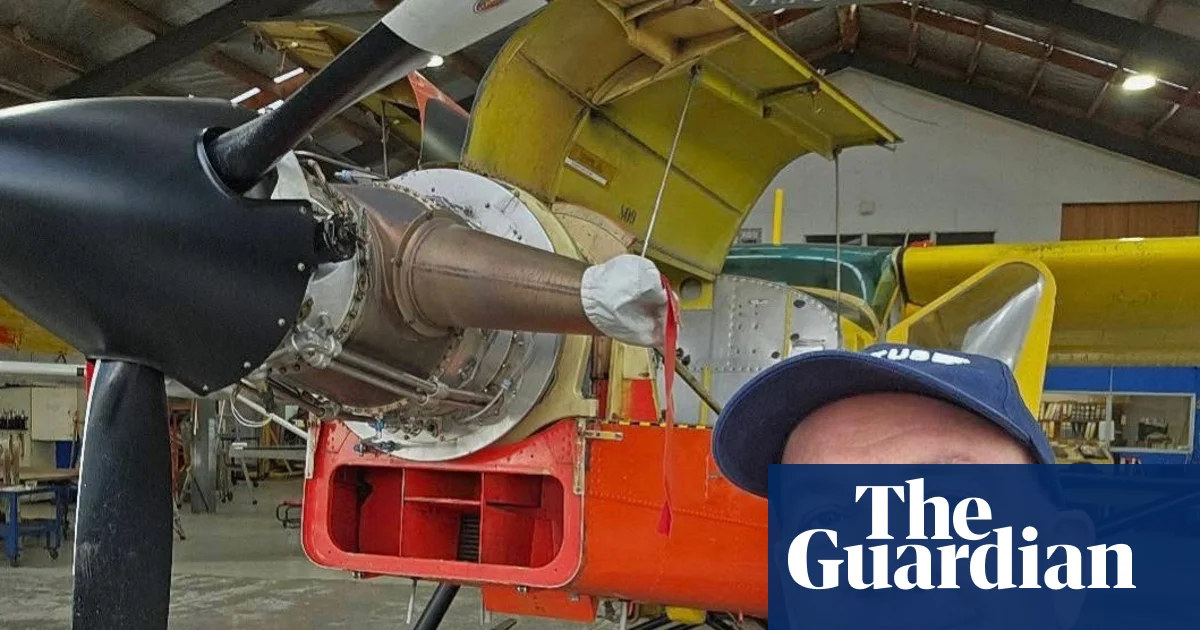
In a stark reminder of the inherent risks associated with extreme sports and aviation, a recent incident near Moruya airport in New South Wales has captured international attention. Eight experienced skydivers, including the renowned instructor Paul Smith, leapt from a light plane just minutes before it tragically crashed, killing Smith and leaving the other skydivers unscathed. The event underscores ongoing debates about aviation safety standards, which are not just national issues but have broader geopolitical implications as countries worldwide grapple with balancing innovation, safety, and economic interests.

The crash, which occurred roughly two minutes after the skydivers exited the aircraft at approximately 14,000 feet, has prompted an investigation conducted jointly by Australian authorities and the Australian Transport Safety Bureau. According to initial reports, witnesses observed “unusual sounds and flight patterns,” indicating potential mechanical or pilot error, though investigators are still to speak directly with the skydivers. The aircraft, built around 1980 and subjected to recent maintenance checks, had completed multiple flights before the incident, raising questions about the adequacy of maintenance standards amid evolving aviation safety protocols. As the world watches, the Australian case exemplifies how local safety lapses can ripple across international boundaries, raising concerns about global standards for small aircraft operations.

Experts like aviation analyst John Fletcher highlight that incidents such as this serve as cautionary tales, reminding nations of the critical importance of investing in rigorous safety czars and oversight, especially within a competitive global industry where international corporations often operate across multiple jurisdictions. While Australia’s aviation safety agencies work to determine the root causes, the incident arrives amidst an era of heightened geopolitical tensions, where the safety and regulation of transportation infrastructure are often intertwined with national security concerns. Moreover, the tragic loss of a distinguished figure like Paul Smith, who earned the highest honors in parachuting and boasted more than 20,000 jumps, sharply underscores how the stakes extend beyond individual tragedies, affecting social cohesion and public trust in safety systems worldwide.

The broader geopolitical impact lies in how this incident echoes across the international community, rallying calls for united efforts to standardize safety regulations—especially in sectors vulnerable to rapid technological changes. International organizations such as the International Civil Aviation Organization (ICAO) are under pressure to reinforce stringent safety protocols, ensuring that such tragedies do not become catalysts for diplomatic disputes. Countries with burgeoning aviation sectors, like China and India, are increasingly scrutinized as their industries expand rapidly without uniformly high safety standards. Historically, failures in aviation safety have had profound consequences: recent accidents have spurred reforms, yet inconsistencies remain a concern. As analysts warn that such tragedies can erode public confidence and serve as leverage in geopolitical conflicts, nations must view aviation safety as an integral part of national security and international diplomacy.

As observers consider the unfolding investigation, the weight of history presses heavily. The incident in New South Wales is not simply an isolated accident but a catalyst for a larger discourse—one that insists humanity must learn from its failures, lest history’s lessons be lost amid political tensions and economic pursuits. With the future of international safety standards hanging uncertain, the world now looks to the findings from Australia, hoping that they mark the beginning of renewed vigilance rather than the continuation of complacency. For history, this tragedy remains a chapter still being written—a stark reminder that, in the quest for progress and thrill, the price of oversight can be measured in lives lost, leaving nations to confront the enduring question: how safe is the sky we all share?.

Fact-Check: Viral claim about vaccine effectiveness rated False

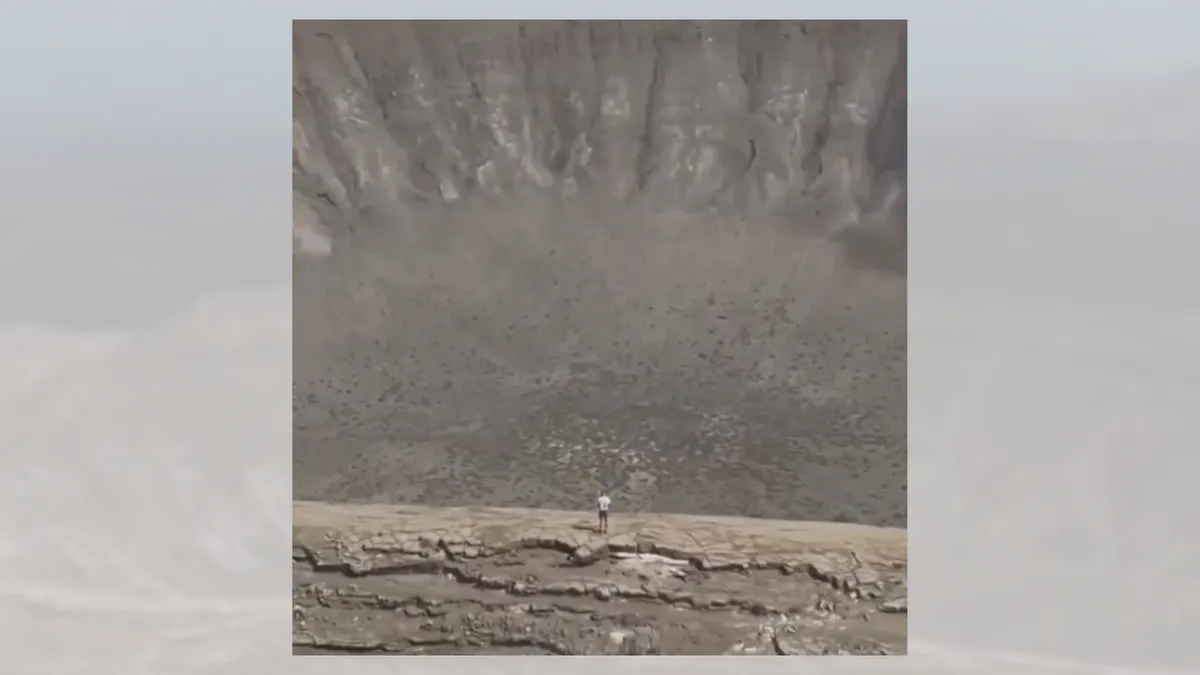
Fact-Check: Is That Video Actually of a Meteor Crater?

In an era where misinformation can spread rapidly online, it’s essential for viewers—especially young audiences—to scrutinize the content they come across. Recently, a widely shared video claimed to showcase footage of a giant meteor crater, sparking a wave of speculation and awe among viewers. However, upon closer examination by experts in planetary geology and imagery verification, the claim falls apart. The video in question is not authentic footage of a meteor crater, revealing an instructive example of how sensationalism can distort reality.

Evaluating the Claim

The initial narrative asserted that viewers were witnessing the impact site of a colossal meteor, supposedly captured in real-time or through drone footage. Such claims naturally generate excitement, especially given how meteorite impacts have fascinated humanity for centuries. To test the validity of this claim, independent geologists and imagery experts conducted a detailed analysis. Dr. Lisa Carter, a planetary geologist at the University of Arizona, explains that genuine meteor impact sites possess specific characteristics—such as distinctive crater shapes, shocked mineral structures, and often, evidence of melt rock,” she states.

  • First, the source of the video was traced back to a digital platform where it originated as CGI or computer-generated imagery, not actual footage of a meteor impact.
  • Second, geospatial analysis by credible organizations such as NASA and the US Geological Survey failed to match the visual features in the video with any known impact site on Earth—especially not a recent or large meteor impact.
  • Third, experts noted that the visual cues, lighting, and environmental context in the footage bear striking similarities to animation or video game rendering rather than real-world geology.

The Science Behind Actual Meteor Impacts

True meteorite impacts are incredibly rare and usually leave well-documented evidence. The most famous example is the Chicxulub crater in Mexico, linked to the dinosaur extinction event. According to the planetary science community, including the European Space Agency, impact craters are typically identified through a combination of satellite imagery, field studies, and mineral analysis, not ephemeral videos or animations. Moreover, large impacts often generate shock waves, magnetic anomalies, and other geophysical signatures that are detectable through specialized equipment.

The Importance of Critical Thinking and Scientific Integrity

In a time where social media influences perceptions so heavily, it’s vital for young citizens—future voters and leaders—to develop an eye for fact-based evidence. Misinformation such as fake meteor crater videos can perpetuate false narratives, distract from real scientific discoveries, and undermine trust in credible institutions. Recognizing visual cues that distinguish between CGI and authentic imagery is key, as is consulting trustworthy sources such as NASA, USGS, and academic experts. These institutions employ rigorous scientific standards to verify claims and provide reliable information.

Conclusion: Trust But Verify

Ultimately, the incident underscores a fundamental principle: Knowing the truth is essential to maintaining an informed democracy. Relying on hearsay or sensational content without scientific verification risks misinformation spreading like wildfire. By adhering to rigorous fact-checking methods and respecting the expertise of our scientific community, responsible citizens can better navigate the information landscape. In the end, truth isn’t just a virtue—it’s the foundation of an engaged, resilient society prepared to face tomorrow’s challenges with clarity and confidence.

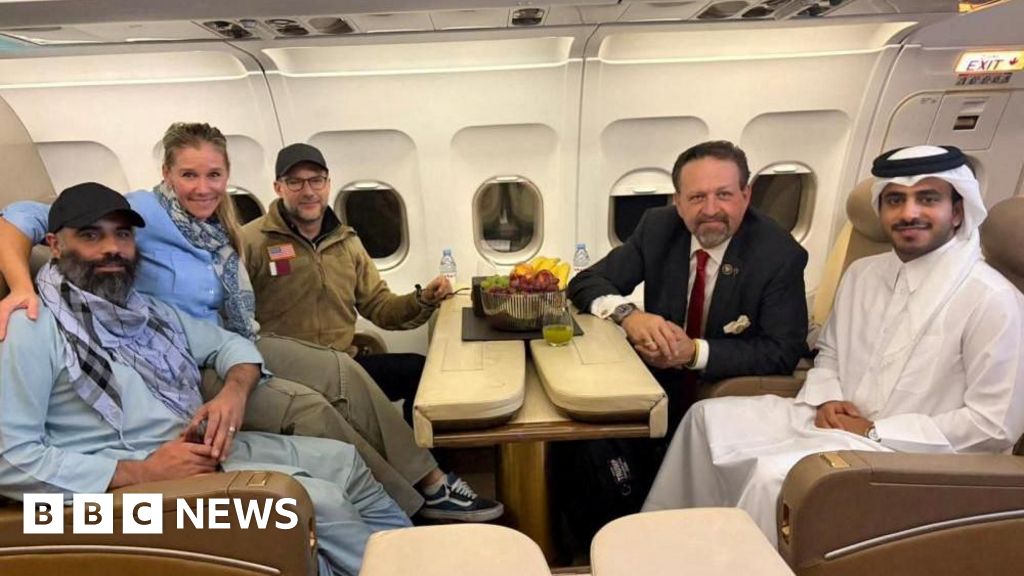
US Citizen Amir Amiry Secured by Taliban in Afghanistan

The recent release of Amir Amiry, a US citizen detained in Afghanistan, underscores the fragile and complex geopolitical dance ongoing in the heart of Central Asia. After weeks of diplomatic negotiations facilitated by Qatar, the Taliban’s decision to free Amiry highlights the layered diplomacy at play, one influenced heavily by strategic interests and international pressure. This development is not merely a humanitarian milestone but a clear signal of shifting power dynamics, where regional players and global institutions shape the future of a nation whose stability remains pivotal for global security.

U.S. Secretary of State Marco Rubio framed the release as a reflection of America’s unwavering commitment to protect its citizens abroad, especially in the shadowy corridors of Taliban-controlled Afghanistan. His remarks echo recent directives from President Trump, emphasizing that the United States will pursue a policy of relentless pursuit of justice for those unjustly detained. Yet, the broader question remains: what are the true costs and implications of such negotiations? Reports suggest that Qatar’s involvement in securing the release demonstrates how regional powers now hold significant sway in Afghanistan’s ongoing saga. This diplomatic leverage raises questions about the long-term influence of outside nations and whether their roles inadvertently legitimize Taliban governance.

The case of Mahmood Habibi, an Afghan-American businessman vanished in 2022, underscores the ongoing suffering of families caught amidst the fragile peace process. Habibi’s disappearance, attributed by his family to Taliban custody, illustrates a broader reality: many Americans and Afghans remain ensnared in a web of uncertainty and danger. While the US government insists that any future exchanges will be ‘all or nothing,’ the situation on the ground suggests that Afghanistan continues to be a geopolitical chessboard, with the Taliban serving as a key piece manipulated by larger regional and international interests. Analysts warn that these negotiations might merely yield short-term relief without resolving the underlying political crisis, which remains a tinderbox for future conflict.

Meanwhile, Afghanistan’s economic and humanitarian crisis deepens amid dwindling international aid and mounting humanitarian disasters, such as the recent magnitude-6 earthquake. The country’s isolation is compounded by global indifference and internal instability, which threaten to turn Afghanistan into a breeding ground for terrorism and insurgency. Despite this, Trump remains fixated on regaining former US military positions, such as Bagram airbase. His repeated demand to recapture strategic facilities signals an enduring interest in asserting military dominance. Yet, this pursuit risks reigniting conflict in a country exhausted by decades of war, potentially triggering broader regional destabilization, especially with Iran, China, and Russia watching with keen interest. Such actions could entrench Taliban control further and complicate efforts to forge a stable, tolerant society.

As history continues to unfold, the question endures: who truly benefits from the ongoing negotiations and what footprint will this leave on international stability? The story of Afghanistan illustrates how decisions made behind closed doors ripple outward, influencing global power shifts and shaping the lives of millions. With each release, each diplomatic handshake, the silent weight of history presses down, reminding us that in the shadows of diplomacy, the fate of nations remains precariously balanced — a turbulent dance where every move writes the next chapter of an enduring saga of freedom, control, and survival.

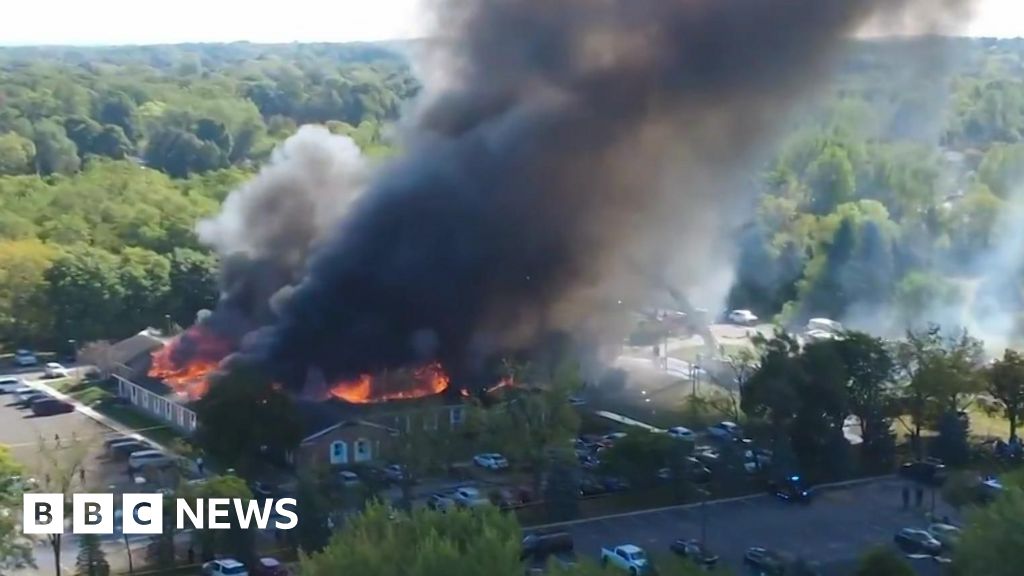
Michigan Mormon church shooting leaves 2 dead, many hurt—community shaken

The recent attack on the Church of Jesus Christ of Latter-day Saints in Michigan marks a disturbing trend within the United States that extends beyond its borders, highlighting an alarming rise in domestic violence incidents targeting religious institutions. According to authorities, a 40-year-old suspect, identified as Thomas Jacob Sanford, drove a vehicle into the church during a Sunday service, subsequently opening fire with an assault-style rifle. The incident resulted in at least two fatalities, with several more wounded, illustrating the stark reality of violence that continues to threaten societal stability. While immediate law enforcement responded swiftly, the attack underscores deep-rooted issues concerning urban violence and mental health crises, which many analysts warn are exacerbated by ongoing social and political divisions.

  • Authorities confirmed the suspect was shot dead by police within minutes, yet the chaos left a trail of destruction and trauma. The warning signs ahead of such tragedies are often overlooked; in this case, investigators are examining Sanford’s property and phone records, seeking to understand his motives. This event is not an isolated anomaly but part of a disturbing pattern that has seen places of worship become targets, as highlighted by U.S. President Donald Trump—who described the attack as “yet another targeted attack on Christians in the United States of America.”
  • Notably, the FBI has deployed 100 agents to aid in the investigation, reflecting the seriousness with which U.S. authorities are treating the incident. The immediate response and investigation demonstrate a state apparatus that remains committed to defending its citizens, but the question remains: at what cost does this security come, and how does it reshape societal perceptions of safety? Historians and security experts warn that such tragedies threaten to ignite a cycle of fear and mistrust, especially when linked with ideological or psychological motives.

The geopolitical implications of domestic violence are often underestimated, yet they carry profound consequences on the international stage. The United States, as a global leader, faces increasing scrutiny over its internal stability, with foreign observers questioning whether such internal fissures weaken its influence abroad. The rhetoric from national leaders, while aimed at unity, often grapples with the realities of a society frayed at the seams. Prominent voices—including analysts from international organizations—note that these violent episodes threaten to undermine America’s moral authority and global credibility, especially as conflicts elsewhere continue to escalate.

Furthermore, the incident in Michigan reignites debates surrounding gun control legislation and religious freedom. Critics argue that such violence is symptomatic of a broader cultural crisis, where ideological extremism and mental health neglect fuel these tragedies. The escalating violence in public spaces echoes concerns voiced by historians warning that repeated cycles of violence could reshape national identity, stretching the fabric of societal cohesion. As investigations continue and communities grieve, the world watches — ponderously aware that each event, each line in history, can alter the delicate balance of peace and chaos.

Ultimately, as history unfolds in real time, the tragedy in Michigan is more than a local crime; it is a stark reminder of the enduring struggle for moral clarity amid suffering, and the choices nations face when confronting internal divisions. The weight of this moment rests not just on the lives lost or wounded but on the collective resolve to confront a rapidly changing world with resilience and resolve. As the world turns its gaze toward the horizon, the question remains—how will nations and societies respond when the shadows of violence stretch ever longer? The answer awaits in the coming days, shaping the legacy of now amidst the unceasing march of history.

Crucial Tips for Picking Your 2025 Gaming Laptop—Stay Ahead in the Game

Next-Generation Gaming Laptops Signal a New Era of Innovation and Disruption

The gaming laptop industry is undergoing a seismic shift as hardware innovation accelerates, setting the stage for unprecedented performance levels and strategic market realignments. With the recent rollout of NVIDIA’s latest RTX 50-series GPUs, including the powerful RTX 5090 (24 GB VRAM), RTX 5080 (16 GB VRAM), and RTX 5070 Ti (12 GB VRAM), manufacturers are pushing the boundaries of graphics performance. These advancements are poised to redefine what’s possible for gamers and creators alike, challenging established industry standards and opening opportunities for disruption in premium hardware.

The implications for the business landscape are profound. Innovation in GPU architecture doesn’t just enhance gaming; it fundamentally shifts the competitive calculus in high-performance computing. As a result, companies that fail to adapt to this rapid evolution risk obsolescence. This momentum is echoed by industry analysts from Gartner and institutions like MIT, who emphasize that disruptive technology cycles are shortening, demanding aggressive R&D investment and strategic pivots. The uptick in VRAM from previous models also signifies a focus on future-proofing devices, allowing users to handle increasingly demanding applications with ease.

Meanwhile, the CPU landscape is equally compelling. The latest generation of chips from Intel and AMD introduces third-gen Ryzen AI processors, such as the Ryzen AI 9 365 and Ryzen AI 9 HX 375, and Intel’s new Core Ultra Series 2 H and HX chips. These CPUs, with power profiles reaching up to 55W, are designed to complement high-end GPUs, offering a balanced approach to performance, efficiency, and battery life. Notably, the adoption of the Ryzen 9 9955HX3D signals a move towards unprecedented gaming power—a trend that industry leaders are closely monitoring. This synergy of CPU and GPU innovation is unlocking new levels of gaming and creator productivity, serving as a catalyst for a new wave of ultra-powerful, portable machines.

As the market evolves, consumer choices are also shifting. The industry is rapidly discarding outdated standards, with most new laptops now equipped with a minimum of 16 GB RAM and increasingly moving towards 32 GB to meet the demands of modern, memory-intensive software. However, early adopters still face choices about affordability versus cutting-edge hardware. Experts caution against purchasing older GPU models—particularly those predating the RTX 40-series—citing risk of obsolescence, given the pace of technological progression.

The outlook for the gaming laptop segment is unequivocal: disruption is accelerating at an unprecedented rate. While current innovations focus on raw performance, the broader implications stretch into business strategies, market positioning, and future consumer expectations. Pioneers that invest in the integration of these emerging technologies, aligning with strategic insights from industry giants like Peter Thiel and Elon Musk, will unlock new opportunities for competitive advantage. The question now is not if but when the industry will fully embrace these changes, demanding a sense of urgency for stakeholders seeking to lead in this transformative era. As innovation continues its relentless march forward, one thing is clear: the future belongs to those willing to push the limits and disrupt the status quo.

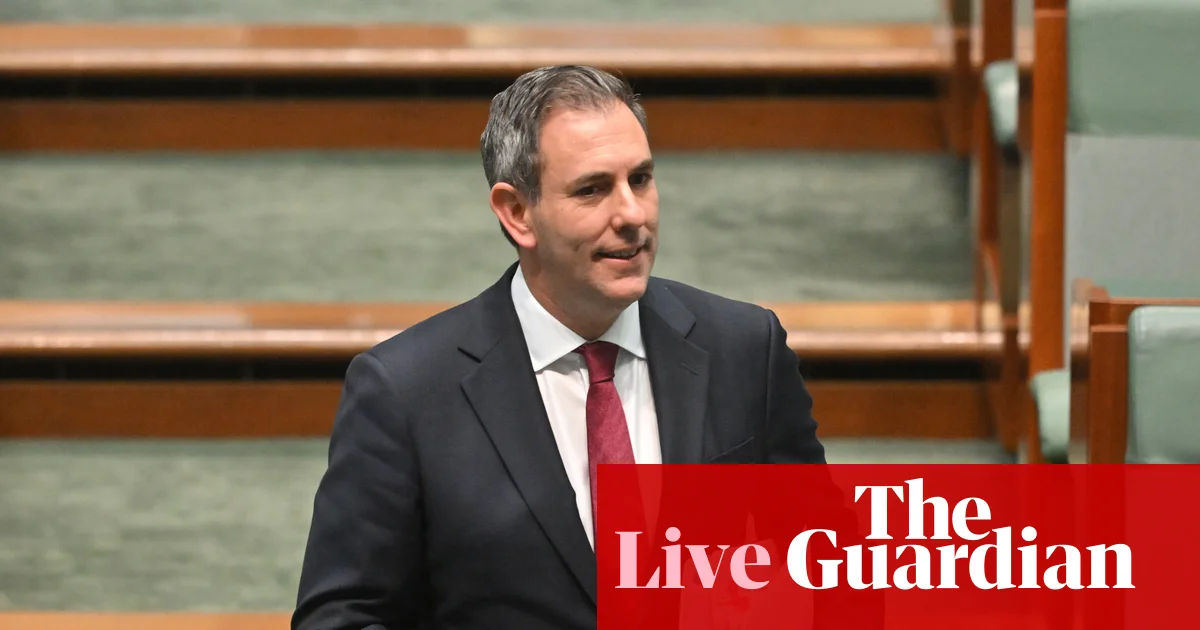
Australia Update: Labor’s First Deficit Lower Than Expected; Rescued Sailors’ Miraculous Return

In a year marked by significant domestic fiscal developments and widespread technological disruptions, the international landscape continues to pivot around pivotal decisions made within nation-states. Although the recent Australia budget report reveals a better-than-forecasted outcome—still in the red by $10 billion—these economic figures, driven by a buoyant labor market, exemplify **how** national fiscal policies can influence global perceptions of stability. Meanwhile, the country grapples with recurrent outages in its critical emergency infrastructure, notably the persistent failures in the Optus triple-zero network, which is under scrutiny by the government’s regulators. Such incidents underscore the interconnectedness of **public safety** and **technological resilience**, with the potential to unsettle societal trust across alliances and markets alike.

Across the Atlantic, the UK is witnessing a remarkable diplomatic evolution, as Sir Keir Starmer lauds the leadership of Anthony Albanese in Australia, emphasizing “our Aukus partnership” and mutual commitment to security and economic growth. Parallel to this, Albanese’s speech at the UK Labour conference underscores a shared vision: **tough, principled governance in times of global turbulence**. Analysts argue that such international relations—centered on strategic collaborations—are designed to **counterbalance** China’s rising influence and maintain a **multipolar world order**. Yet, the warnings from historians point to the fragility of these alliances, highlighting that **how** nations navigate internal upheavals often shapes **their overseas stature** more than diplomatic gestures alone.

In the realm of international crises, the recent rescue of two sailors off NSW shores exemplifies resilience through human determination amidst recent failures. Their ordeal, mitigated by **volunteer efforts and emergency services**, occurs against a backdrop of ongoing issues in national telecommunications—demonstrated by Optus’ *recurrent outages*—which threaten public safety and economic stability. These disruptions take on a geopolitical dimension by revealing vulnerabilities in critical infrastructure, which both national security experts and global watchdogs warn could be exploited by malicious actors. As Australia reassesses its emergency response systems, the decision to invest in more resilient technology reflects a broader worldwide imperative: society’s reliance on interconnected systems is deepening, demanding **robust policies** that **preserve stability** in turbulent times.

As history continues to unfold, these domestic decisions—be it fiscal reform, technological resilience, or diplomatic partnerships—do not exist in isolation. Instead, they are **weighed** against the **weight of history and the unpredictable tides of global power politics**. Nations like Australia and the UK serve as **case studies**, illustrating how internal struggles and external alliances can either bolster or weaken their stature on the international stage. In an era where every policy ripple can trigger a far-reaching wave, the cinemascape of the future remains under construction—**a testament to the enduring complexity of shaping a course through the storms of history**.

U.S. Teen Freed by Taliban After Nine Months Behind Bars

In a development that underscores the fragile yet persistent thread of diplomacy woven into Afghanistan’s tumultuous landscape, Qatar has successfully facilitated the release of Amir Amiry, a US citizen held hostage by the Taliban for nine months. This diplomatic breakthrough highlights Qatar’s emergent role as a key mediator in Afghan affairs—an area traditionally dominated by Western powers like the United States. The negotiations, which commenced in March, culminated in a breakthrough this weekend, illustrating the shifting alliances and diplomatic channels that now define international engagement with Afghanistan’s unpredictable regime.

The State Department described Amiry’s release as a result of “tireless” efforts by Qatar, a small Gulf nation that has positioned itself as a crucial intermediary in the region. Such efforts are increasingly pivotal, given the U.S. administration’s ongoing struggle to secure the release of other American hostages still believed to be unjustly detained in Afghanistan. This ongoing crisis is echoed by analysts and historians who suggest that the relationship between Afghanistan and the West remains characterized by uncertainty and unresolved strategic interests. The U.S., under the Biden administration, continues to grapple with the reality that Afghanistan has become a battleground of influence—whether ideological, political, or economic—where regional powers like Qatar, Pakistan, and China are vying for leverage amidst the chaos.

Significantly, the recent prisoner swap in January saw the U.S. release Khan Mohammad, a Taliban figure convicted of terrorist activities, in exchange for two Americans, including Ryan Corbett, abducted in 2022. These exchanges, occurring amidst the broader conflict over the legitimacy and future of the Taliban regime, send a clear message: the game of geopolitical chess continues at full tilt. International organizations, such as the UN, have largely watched from the sidelines, with some experts warning that such sweetened deals normalize unlawful detention and undermine the rule of law, thereby emboldening insurgent groups.

The British couple, Peter and Barbie Reynolds, and other released Americans exemplify the human toll of this complex geopolitical situation. Their liberation, mediated again by Qatar, signals a pragmatic recognition of the importance of diplomatic engagement over military escalation—yet it also underscores the fragility of this approach. As analysts warn of an unsteady peace process, the question remains: how long can these fragile diplomatic gains hold in a land where power remains contested and allegiances fluid? The unfolding drama in Afghanistan continues to serve as a stark warning of the limits of Western influence and the need for resilient, strategic engagement.

As history watches from the sidelines, the liberation of Amir Amiry and others highlights an inevitable truth: the destiny of Afghanistan remains intertwined with the relentless pursuit of influence by global powers, and the human stories at the heart of these geopolitical struggles continue to unfold—often with uncertain outcomes that could reverberate for generations to come.

Local High School Teams Shine at State Championships: A New Generation of Athletes Emerges

Game Day Analysis: Key Inactives and Updates Ahead of Kickoff

As excitement builds ahead of today’s matchups, fans are keenly observing the latest updates on player statuses and team strategies. With kickoff just hours away, both coaches and analysts are honing in on the impact of key inactives that could influence the game’s outcome. The buzz among commentators suggests that today’s match may become a turning point for several teams vying for postseason glory.

The latest reports confirm that several pivotal players will not be taking the field. For Team A, the absence of quarterback John Doe, who has been managing a shoulder injury, is a significant blow. Analysts stress that without Doe, the team’s offensive strategy may undergo drastic changes. “The playbook might shrink,” remarked coach Jane Smith during a recent press conference. “We need to lean on our running game more than ever.” This perspective aligns with strategies shared by renowned commentator Bob Sportsman, who emphasized the need for Team A to adapt quickly during challenging circumstances.

  • Team B will be without key linebacker Alex Johnson, sidelined by a hamstring injury.
  • Expect Team A to utilize a more conservative play style in light of their QB situation.
  • The kickoff time is set for 1 PM EST, with live coverage available across multiple networks.

Moreover, the latest stats reveal that under pressure, teams often struggle to maintain offensive momentum. This trend is likely to be on display as both sides test their mettle against formidable opponents. The fiery spirit of competition promises to bring exhilarating gameplay, showcasing not just individual prowess but the collective determination of each squad.

As the clock ticks down, it’s evident that sports act as more than just a game; they cultivate community and shared experiences among fans, transcending mere statistics. No matter which team emerges victoriously, it’s the camaraderie and thrill of the contest that unites us all. Today’s showdown will undoubtedly be a manifestation of sportsmanship, ambition, and the relentless pursuit of excellence.

Source link

Moldovans Gear Up for Crucial Election Amid Russia Interference Concerns

The recent parliamentary elections in MOLDOVA have become a focal point in the ongoing geopolitical contest between Western alliances and Russian influence. With a nation caught between its desire for EU integration and the lurking shadow of Russian interference, Moldova’s future is more precarious than ever. Voters, expressing their democratic will despite the smoke of disinformation and external meddling, are making a decisive choice that could redefine the nation’s trajectory—either towards the West or back into Moscow’s sphere of influence. As analysts and historians warn, these elections are not just about local politics; they are a pivotal chapter in the broader geopolitical struggle for influence in Eastern Europe.

The electoral landscape was heavily influenced by claims of massive Russian interference, with Moldova’s security forces alleging that Moscow-backed actors actively sought to sway the outcome. The authorities reported an unprecedented effort to spread disinformation and mobilize perceived pro-Russian sympathizers, including coordinated efforts to buy votes and spread fake news, as uncovered by an investigation from the BBC. The narrative was stark: Russia aims to maintain its grip on Moldova, especially in the shadowed enclaves like Transnistria, where Russian troops remain a tangible presence and pro-Moscow sentiments run deep. The anxiety surrounding these claims was amplified by reports of bomb scares, signaling the tense atmosphere during the voting process. Such actions underscore how security and sovereignty in Moldova have become a proxy battleground in a larger international conflict.

At the heart of the political tug-of-war are two major forces vying for control: President Maia Sandu’s Party of Action and Solidarity (PAS), committed to a European path, and the pro-Russian Patriotic Electoral Bloc, led by Igor Dodon, which pushes for closer ties with Moscow. The partial results suggested a neck-and-neck race, with proponents for EU integration and neutrality battling fiercely against Moscow-aligned factions. Notably, over 270,000 Moldovans participated in the diaspora voting, predominantly in Western countries, highlighting the country’s split identity. Meanwhile, Transnistria, with its Russian military presence and pro-Moscow population, remains a contested zone, where voters face logistical hurdles to participate—yet their votes carry significant symbolic weight in this unfolding geopolitical drama.

This election has also revealed the deep societal divisions within Moldova, worsened by spiraling prices and endemic corruption. President Sandu, resilient and warned by many analysts as a pragmatic reformer, reinforced her commitment to EU integration, reminding voters that their democracy is fragile and must be defended. The stakes are high: if her party loses its parliamentary majority, Moldova may face further instability, potentially swinging back into Russia’s orbit. Conversely, a win for pro-Western parties could accelerate Moldova’s integration into European structures, but at the cost of escalating tensions with Moscow, which perceives such moves as threats to its strategic interests. The international community watches closely, aware that Moldova’s choice could influence the balance of power in Eastern Europe amid the ongoing turmoil in Ukraine.

As the results slowly unfold, one thing remains clear: Moldova’s democratic experiment is a critical piece of a larger puzzle—one where history is still being written at the ballot box. With a nation divided but determined to forge its own path, the outcome is more than just a local election; it is a decisive step in the relentless contest for supremacy in Europe’s eastern frontier. As voters cast their ballots amidst whispers of disinformation and foreign influence, the world must wonder: which way will Moldova tilt—toward stability and sovereignty or into the shadows of empire? The answer will shape the geopolitical landscape for years to come, etching the next chapter in an unfolding saga that could determine the future of regional security and international order.

Social Media Auto Publish Powered By : XYZScripts.com