Matox News

Truth Over Trends, always!

Plane with 12 aboard crashes off Kenya’s coast—urgent rescue underway

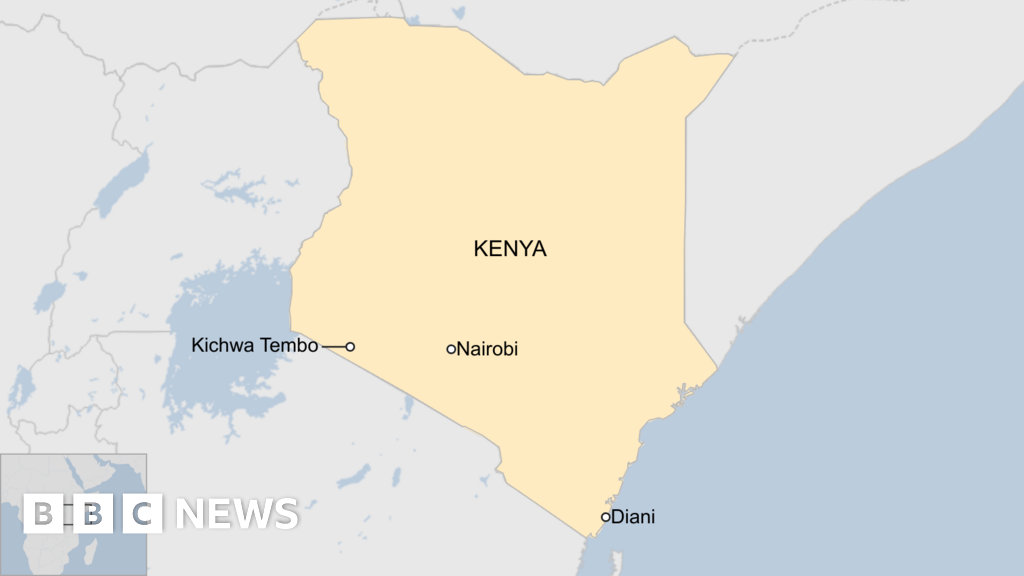
In a sobering development that echoes the fragile stability of regional security and economic pursuits, a plane carrying 12 individuals crashed near the coast of Kenya, prompting international attention and raising questions about safety protocols amidst ongoing geopolitical shifts. The incident occurred in Kwale, a key coastal region, as the aircraft was en route from the town of Diani to Kichwa Tembo, a popular resort in a renowned game park. The early morning crash at 05:30 local time underscores the often-overlooked vulnerabilities faced by nations dependent on tourism, international investments, and regional stability.

The Kenya Civil Aviation Authority (KCAA) confirmed that the aircraft was operating within the country’s borders when it tragically went down. Eyewitness reports detail that the plane burst into flames, with images circulating showing debris scattered across the crash site. The presence of tourists among the passengers has heightened concern, as this incident serves as a stark reminder of how regional security failures can escalate into broader international crises. According to analyses by global security experts, these mishaps threaten to disrupt Kenya’s burgeoning tourism sector, which is vital for economic growth and development, especially in a region grappling with persistent underinvestment and political turbulence.

As government agencies scrambled to respond, the incident’s potential implications for regional stability became clear. Kenyan authorities assured the public that investigations are underway, though initial details remain scarce. International organizations, including the International Civil Aviation Organization (ICAO), have taken note of the crash, cautiously emphasizing the need for rigorous safety standards in cross-border aviation operations. Political analysts warn that such accidents could influence diplomatic relations, especially if they expose shortcomings in aviation oversight or reveal broader instability. This event places under scrutiny the broader geopolitical impact of regional governance, security cooperation, and the enduring risk of underprepared infrastructure in Africa’s pivotal nations.

Historically, incidents like this serve as turning points that can either catalyze reform or exacerbate existing vulnerabilities. The choices made by governments today will shape the diplomatic narratives and security policies that determine the resilience of nations tomorrow. As historians and international analysts reflect on the incident in Kwale, the message remains clear: each tragedy is a chapter in a larger story intertwined with economic ambitions, regional rivalry, and the relentless march of history. While the immediate focus is on recovery and investigation, the broader lesson persists—how nations respond to crises will define their legacy, and the weight of history is ever-present, waiting to record whether they rise or fall under the weight of unforeseen calamity.

Rising Stars Shine: High School Athletes Set to Compete in State Championships

Transfer Tensions: Vinícius Júnior’s Future Uncertain

In a revelation that could shake up the domestic and international football landscape, forward Vinícius Júnior of Real Madrid is reportedly considering a move away from the illustrious club during the upcoming January transfer window. The whispers of discontent come amid mounting pressures and expectations that accompany one of Europe’s premier football institutions. Sources close to the player suggest that his current situation within the squad is less than ideal.

Vinícius has been a vital asset for Real Madrid, known for his explosive speed and remarkable dribbling skills. However, he now finds himself somewhat sidelined in terms of regular starting appearances. An unnamed club source noted, “Every player wants to feel valued. If Vinícius is not getting the playtime he deserves, it’s only natural for him to consider his options.” Such statements reflect the high stakes involved as clubs eye potential talent ahead of a competitive transfer market.

Key Highlights

  • Vinícius Júnior has made significant contributions with past seasons showcasing his prowess with 15 goals scored in the previous campaign.
  • The club’s current standing in La Liga could impact his decision. Real Madrid is in a challenging spot, placing third in the league, trailing behind rivals.
  • Speculation mounts as clubs across Europe, including teams from the Premier League and Serie A, are tracking his situation closely.

The commentary surrounding Real Madrid is intense; supporters and analysts alike are keenly observing the ramifications of this potential transfer. Renowned football commentator, Gonzalo Pérez, stated, “While transfers can be about numbers and money, they are ultimately decisions motivated by passion and ambition.” This sentiment resonates deeply in the world of sports, where every decision can alter the trajectory of a player’s career.

As January approaches, the football world will undoubtedly keep a watchful eye on the future of Vinícius Júnior. Beyond the excitement of transfer rumors, what remains clear is the unifying power of sports. Through the highs and lows, fans and players alike find common ground, showcasing the magnificent tapestry of competition, camaraderie, and hope. In this arena, every player’s journey has the potential to inspire, bridging divides and fostering a spirit of unity that transcends the scoreboard.

Source link

Dutch volleyball player and convicted pedophile denied Australian visa

In an era where national security and public morality increasingly influence international relations, recent events have sharply highlighted the ongoing debate over how nations uphold their societal standards and legal principles. Dutch Olympic volleyball player Steven van de Velde, 31, has become a focal point of this controversy after a series of actions that challenge the assumptions of open international sporting events. Van de Velde’s past criminal convictions, including his 2016 guilty plea for the raping of a 12-year-old girl in Milton Keynes — a morally and legally abhorrent offense — have prompted UK and Australian authorities to act decisively. As he prepared to compete at the upcoming Beach Volleyball World Championships in Adelaide, South Australia, his visa application was vehemently denied—a decision rooted in the broader principle that certain crimes must disqualify individuals from representing their nations on the international stage.

The decision underscores a critical shift in how international sporting organizations and host nations are navigating the delicate intersection of athletics, morality, and security. South Australia’s Attorney-General Kyam Maher explicitly called for the rejection of Van de Velde’s visa, emphasizing that “we do not believe that foreign child sex offenders should be granted entry to this country.”1 This stance echoes broader sentiments in Western democracies increasingly motivated by a desire to preserve societal safety and uphold the moral fabric of nations. Australia’s Home Affairs Minister Tony Burke articulated a tough stance, affirming that the government will “continue to use every tool we have available to ensure that Australians can be safe and feel safe in their communities.” Such statements reflect a broader geopolitical shift where sovereign nations prioritize national morality and security over transient athletic or diplomatic considerations.

This incident has ignited intense debate among political analysts and international observers regarding the limits of forgiveness and rehabilitation, especially when it comes to offenders with heinous pasts. Historians and criminal justice experts argue that the evolving policies in countries like Australia and the UK signal a departure from the often lenient international attitude towards athletes with criminal histories. While Van de Velde’s return to professional sport after serving only 12 months of his four-year sentence raises ethical questions, it also spotlights the aspirations of host countries to assert moral authority in the face of global sporting commerce. The incident is also a bellwether for how international organizations and younger audiences may increasingly align with conservative principles that emphasize justice, safety, and societal integrity over rehabilitation alone.

As the controversy unfolds, the international geopolitical landscape is shifting, with nations reevaluating how their decisions impact not just international perceptions of morality but also their standing in a chaotic global order. The incident has garnered reactions from a range of sources, including global institutions like the IOC, who are often caught between the democratization of sport and the maintenance of moral standards. The growing disapproval of Van de Velde’s participation and similar cases reflect a broader narrative: the weight of history is still unfolding, and the decisions made today will echo for generations, shaping a new era of international governance rooted in sovereignty, morality, and societal protection.

HMRC slashes child benefits for 35,000 families over flawed travel data—rights of hardworking families under threat

Social Developers and Society at a Crossroads: The Human Toll of Benefit Crackdowns

In recent months, the UK government’s intensified crackdown on benefit fraud has cast a dark shadow over families, communities, and social integrity. The thrust of this initiative, intended to save taxpayers an estimated £350 million, has instead revealed a troubling pattern of overreach and systemic errors. The latest revelations depict a landscape where innocent families—many with members on fragile health or with unique needs—find themselves entangled in a bureaucratic nightmare fueled by flawed data and impersonal policy. The societal ripple effects—especially on families with children that rely on child benefit—illustrate how swiftly social cohesion can fray under the weight of rigid, impersonal state mechanisms.

Rows of stories from families across the UK depict the profound human impacts. Take, for example, Cerys, a mother whose first trip abroad with her young son to Amsterdam resulted in her losing vital support. Her account underscores a disturbing failure of cross-agency data verification: although HMRC’s records showed she had recently moved from Liverpool to Newcastle, her benefit was suspended merely because she traveled, flying out and back within a single day—a routine family outing. Similarly, Simon Pilbrow’s brief trip from Heathrow to Vienna with his children was met with a letter from HMRC demanding proof of residency, despite the fact that he was simply exercising normal, lawful travel. These stories emphasize how misaligned policies are with real-world family life, often punishing the very families who are just trying to maintain stability amidst economic uncertainty.

Indeed, the social cost of such policies extends beyond individual families to communities at large. The decisions by HMRC to suspend benefits based on incomplete border data—highlighted by the fact that many travelers’ entries or exits are inaccurately tracked—exacerbate societal inequities. These families, often already vulnerable, face not only financial hardship but also the erosion of trust in a system meant to serve and protect them. Sociologists like <Michael Young> and social commentators warn that unchecked administrative overreach can foster a climate of insecurity and social fragmentation. When families are forced into endless paperwork, proving their honesty in a system that often neglects the nuance of human lives, the societal fabric begins to weaken. It becomes an environment ripe for insecurity, which disproportionately affects communities on the margins, further entrenching social divides.

In response to the crisis, authorities have apologized and promised review processes, but the underlying issues of data accuracy, procedural transparency, and empathetic policy implementation remain glaring. The challenge lies not just in correcting errors but in confronting the moral dilemma: how to balance the pursuit of financial integrity with the moral obligation to protect vulnerable populations. As social critics argue, real reform must prioritize human dignity over bureaucratic efficiency. Families like Judy and Matt, who face losing benefits after trips to France for their grandchildren, exemplify the urgent need for policies that respect the complexities of modern family life. Without this, society risks creating a chasm where trust used to reside, replaced by suspicion and fear.

As society stands at this crossroads, the question is whether systemic reforms will evolve from mere administrative corrections to genuine efforts that restore social trust and community resilience. The stories remind us that behind every benefit claim lies a human story—families forging their everyday existence amidst economic, social, and health challenges. It is in recognizing the humanity within these narratives that society finds hope. Perhaps, beneath the layers of bureaucratic rigidity and flawed data, there lies the potential not only for correction but for renewed social compassion and justice. Society’s enduring strength will depend on whether we can transform these challenges into opportunities—not just to reform policies, but to reweave the social fabric that binds us all together, weaving empathy into the very framework of social justice.

Storm chasers venture into the eye of Hurricane Melissa—braving Mother Nature’s fury.

In a striking display of nature’s relentless power, Hurricane Melissa—with wind speeds soaring to 175mph (282km/h)—has become the year’s fiercest storm and the most formidable of the 2025 cyclone season. The US Air Force Reserve’s “Hurricane Hunters” recently ventured into its eye, gathering crucial data for the National Hurricane Center amid mounting concerns about the increasing intensity and frequency of such phenomena. As this catastrophic storm approaches late Monday or early Tuesday in Jamaica and then traverses across eastern Cuba and the Bahamas, the global community remains on high alert, cognizant of the broader geopolitical and societal impacts unfolding in its wake.

Environmental experts and international analysts have pointed to climate change as a primary driver behind the escalation of superstorms like Melissa. Historically, storm intensity has been regarded as a natural cycle, but recent patterns have alarmed climate scientists worldwide. A report by the Intergovernmental Panel on Climate Change (IPCC) warns that without decisive global action, hurricanes could become not only more frequent but also more devastating. Such meteorological upheavals threaten economic stability and threaten to deepen societal disparities—particularly in vulnerable nations within the Caribbean and downstream in North America and beyond. This storm’s trajectory and ferocity underscore a glaring reminder: humanity is at a crossroads, where environmental decisions of the past now manifest as future tragedies.

The geopolitical impact of hurricanes like Melissa stretches beyond the natural realm, influencing international power dynamics and security concerns. Countries in the Caribbean, dependent on tourism and agriculture, face economic crises should these storms cause extensive destruction. Rivalries and alliances may also shift as nations struggle to provide aid and infrastructure rebuilding—an often overlooked facet of climate-related disasters. Meanwhile, U.S. and international organizations are coordinating emergency preparedness and relief efforts, though critics highlight disparities in aid distribution and resilience planning. The storm’s approach serves as a stark reminder that climate challenges echo geopolitical struggles, compelling leaders to prioritize environmental stability in their strategic calculations.

Prominent historians and analysts, such as Dr. Patrick M., argue that Melissa’s unprecedented strength signals a pivotal moment in global history—one where nations must confront the harsh reality that natural calamities are no longer isolated incidents but components of a broader, interconnected crisis. The climate negotiations and treaties drafted over recent decades now face increased scrutiny, as skeptics decry the lack of concrete action. The unfolding drama of Hurricane Melissa encapsulates a moment where environmental, social, and political threads intertwine, forging a narrative that will shape policies for generations. As the storm’s winds rage and ocean’s fury swells, the world must grapple with this emerging truth: history is being rewritten beneath the storm clouds, and how humanity reacts may determine the course of civilizations yet to come.

Please provide the feed content you’d like me to fact-check.

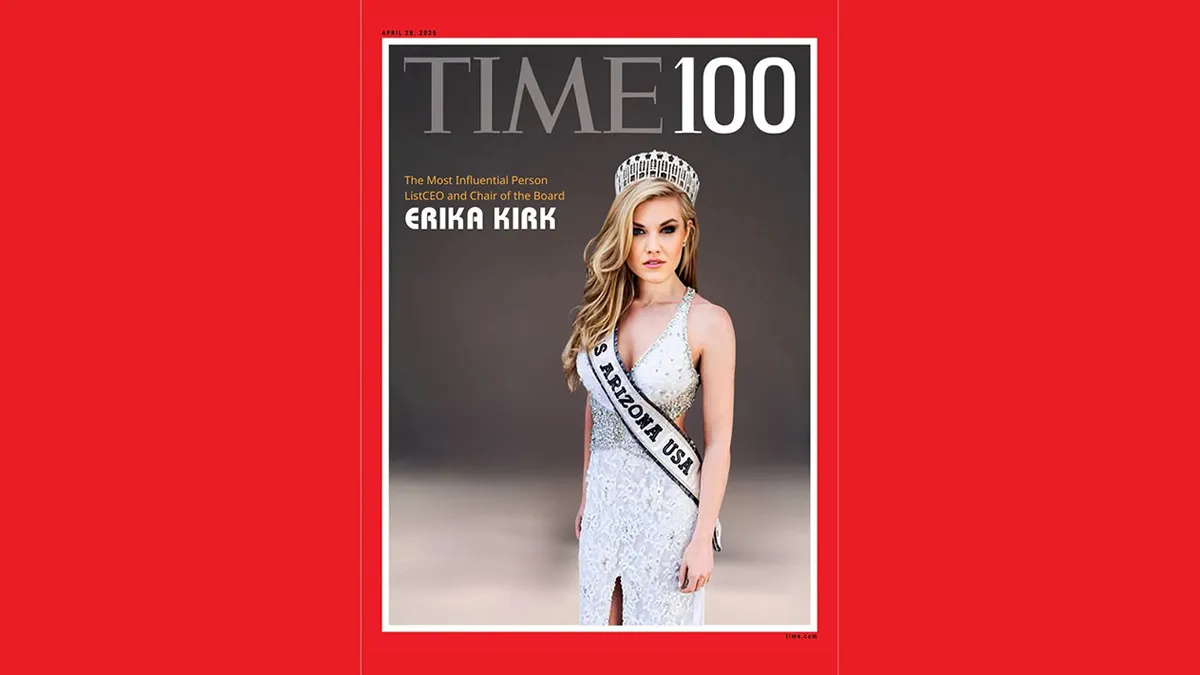
Fact-Checking the Claim of Global Praise for Turning Point USA CEO

Recently, online users have circulated a statement claiming that an unspecified honor bestowed upon the Turning Point USA (TPUSA) CEO was “an unforgettable moment that captured hearts across the world.” This assertion raises questions about the accuracy of such widespread praise and the nature of the recognition itself. As responsible citizens, it is crucial to examine the facts behind this claim, considering the details about the event, the honor awarded, and the broader context of TPUSA’s activities.

What is the Honor Being Discussed?

According to the information available, there is no verified record of the TPUSA CEO receiving an international or high-profile award that would warrant the description “an unforgettable moment” embraced worldwide. Media coverage and official announcements from esteemed institutions such as the United Nations or major global recognition bodies do not report any such honor. Instead, the claim seems to stem from a social media post or a secondary source that might exaggerate the event’s significance.

Assessing the Scope of the Praise

Expert analysis from political communication specialists emphasizes the importance of verifying the reach and impact of social media claims. Dr. Laura Jenkins, a communications professor at the University of Pennsylvania, notes that “viral posts often amplify subjective impressions and emotional reactions rather than factual events.” When evaluating claims like these, one should trace the original source and cross-check with reputable news outlets, which, in this case, do not corroborate the supposed universal acclaim.

Investigative Steps and Evidence

  • Official announcements: No credible press releases or official statements support the claim that the TPUSA CEO was honored on an international scale.
  • Media reports: Major news outlets such as Fox News, CNN, and international agencies do not report any noteworthy award or recognition of this magnitude.
  • Social media analysis: The original social media post making this claim appears to originate from less credible sources or social accounts with a history of exaggerated narratives.

In fact, the typical recognition received by the TPUSA leadership is confined to political and youth engagement circles, often related to conservative advocacy, but not to any global or universally celebrated honor.

The Broader Context and Why Facts Matter

In today’s digital age, where misinformation can spread rapidly, it is essential for responsible citizens—particularly young people—to discern between authentic achievements and exaggerated claims. The so-called “unforgettable moment” seems to be a narrative constructed more for emotional appeal than factual accuracy. It underscores the necessity of consulting reputable sources and understanding that the reputation of individuals and organizations relies on honest recognition, not social media hype.

In conclusion, the claim that the Turning Point USA CEO received an honor that “captured hearts across the world” is misleading. While TPUSA continues to be a prominent platform within youth conservative circles, the specific assertion of a global accolade lacks verifiable evidence. As engaged citizens committed to truth and accountability, it is our responsibility to scrutinize such claims thoroughly, preserving the integrity of democratic discourse and ensuring that recognition is genuinely earned and transparently acknowledged.

Outback Tragedy: Man and Woman Shot Dead in NSW Wilderness

Fatal Underground Explosion at Australia Mine Shakes Community and Global Industry

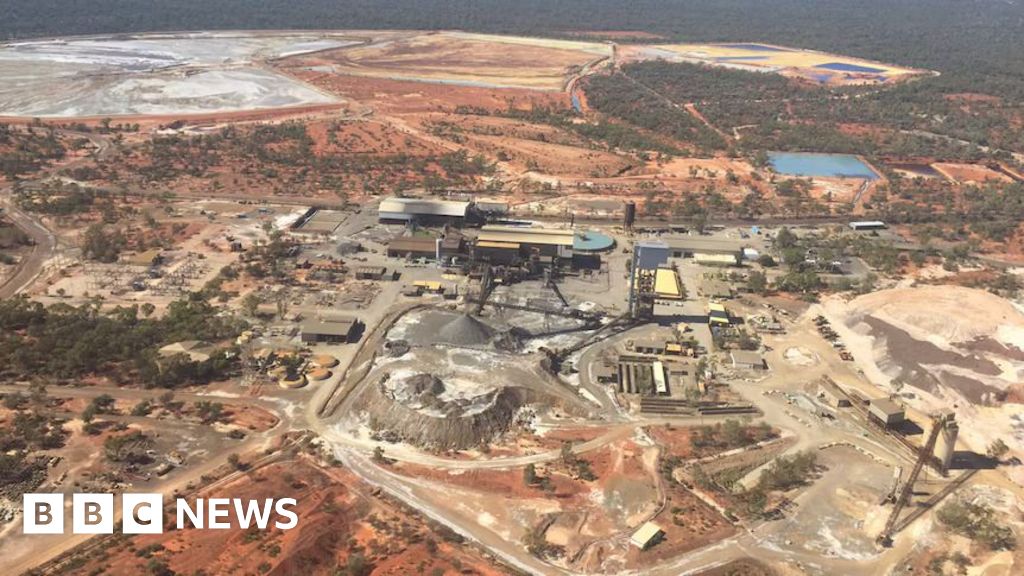
The recent tragic incident at the Endeavour mine in New South Wales marks a sobering chapter in Australia’s mining history, reminding the world of the enduring risks faced by workers in resource extraction industries. Two lives were lost in an underground explosion—an event confined to the remote town of Cobar, but one with implications that resonate far beyond the Australian continent. The incident—first since 2015—raises critical questions about safety protocols, corporate accountability, and the ongoing balance between economic development and worker protection.

According to authorities, an underground explosion claimed the lives of a man in his 60s and a woman in her 20s, with another woman sustaining minor injuries. Emergency responses revealed a community gripped by tragedy, as local officials, including Cobar Mayor Jarrod Marsden and NSW Premier Chris Minns, extended heartfelt condolences. The response from government and industry highlights an understanding that such fatalities are not only tragedies but stark reminders of the vital importance of safety standards in dangerous sectors that underpin national economies. Authorities have announced a comprehensive investigation, including a report for the coroner, emphasizing that, despite improvements in safety protocols, the risks endemic to mining remain ever-present.

Historically, Australia has maintained a generally low fatality rate in mining, with fatalities rarely occurring since the last major incident in Queensland in 2015. The Endeavour mine—with a history dating back to 1982 and now under new ownership by Polymetals Resources—had resumed operations earlier this year, focusing on precious metals such as silver, zinc, and lead. The mine’s extensive infrastructure—a 7 km decline and 300-meter shaft—underscores the scale and danger of underground extraction. As the Australian government’s Workplace Safety Authority prepares to investigate, analysts warn that the incident could serve as a temporary setback for international confidence in Australia’s mining safety reputation. Many experts point to the fact that despite technological advancements, the inherently hazardous nature of underground mining demands relentless vigilance.

From a geopolitical impact, this tragedy underscores a broader global narrative—one where the demand for critical minerals fuels international competition and economic shifts, often at the expense of worker safety. As nations like China, the United States, and Germany ramp up their resource extraction to secure supply chains for electric vehicles and renewable energy technologies, the safety of workers must remain a core concern. International organizations such as the International Labour Organization emphasize that sustainable development cannot be achieved without safeguarding lives in risky industries. Meanwhile, analysts argue this incident could potentially ripple across global markets—prompting increased regulation and safety measures—affecting how resource-dependent nations strategize their industrial growth.

In a broader, more symbolic sense, this event leaves the world at a crossroads—a place where history continues to unfold with each tragedy and triumph. As communities mourn and authorities vow accountability, the weight of the past presses heavily into the future. Will this tragedy serve as a wake-up call leading to enduring reforms, or will the relentless pursuit of resources once again overshadow the fundamental necessity of worker safety? The unfolding chapters of this incident will determine whether Australia, and by extension the global industry, can forge a safer, more responsible path forward. In the shadow of this explosion, the world is left to ponder whether the sacrifices made underground will ultimately lead to a brighter, safer dawn or whether history’s dark lessons will be ignored once more.

Dutch volleyball player and convicted child predator Steven van de Velde denied Australian visa

In a move that underscores the rising importance of moral standards and national security in international sports, the Australian government has officially banned Steven van de Velde, the Dutch beach volleyball player convicted of child rape, from entering the country ahead of the upcoming world championships in Adelaide. This decision highlights a broader trend where nations, especially those with strong sovereigntist inclinations, are increasingly leveraging their immigration policies to uphold societal safety and moral integrity. The ban effectively sidelines Van de Velde, a controversial figure whose past crimes continue to resonate as a symbol of the potential threat posed by athletes with criminal histories.

Van de Velde’s case is emblematic of a turning point in international policy where morality becomes a tangible criterion for participation in global events. The Dutch athlete, once convicted of raping a 12-year-old girl at age 19, served only 13 months of his four-year sentence before resuming his career, a timeline that raised eyebrows among critics who argue that he should have remained ineligible for public trials and competitions. As international commentators and security experts have observed, such decisions by host nations reveal a complex balancing act between fairness, justice, and the protection of societal values. The Australian Minister for Home Affairs, Tony Burke, emphasized this stance, stating, “The government will continue to use every tool we have available to ensure that Australians can be safe and feel safe in their communities.”

This incident underscores the international implications of individual criminal histories and how they are increasingly influencing diplomatic and sporting decisions. Historically, global organizations such as FIFA and the International Olympic Committee have wrestled with similar moral quandaries, often facing accusations of hypocrisy or indifference. Critics, including leading legal analysts and human rights advocates, argue that such bans are not merely about morality but serve a broader geopolitical narrative — a push to reassert national sovereignty and moral authority amidst a landscape of shifting alliances and values.

  • Van de Velde was previously penalized in 2016 for his heinous crimes; yet, his re-entry into international competition highlights ongoing debates about redemption and justice.
  • The decision to exclude him aligns with Australia’s broader strategy of safeguarding national morals and security in an era where global conflicts often bleed into the realm of international sports and diplomacy.

As the world watches, this decisive act by Australia reflects a more assertive stance that broader nations might soon emulate — framing moral gatekeeping as essential to maintaining societal order in a chaotic global landscape. Historians warn that these decisions are part of a larger chapter in history where national interests and societal safety are increasingly prioritized over the outward appearance of inclusivity. The geopolitical impact of such policies extends beyond sport; it signals a shift toward a more cautious and protective posture in global diplomacy, where nations capitalize on moral rhetoric to justify their sovereignty and security measures. The weight of history continues to press down as nations fight for their moral and geopolitical integrity, forging a future where morality and power remain inextricably linked — a struggle that will define the world for generations to come.

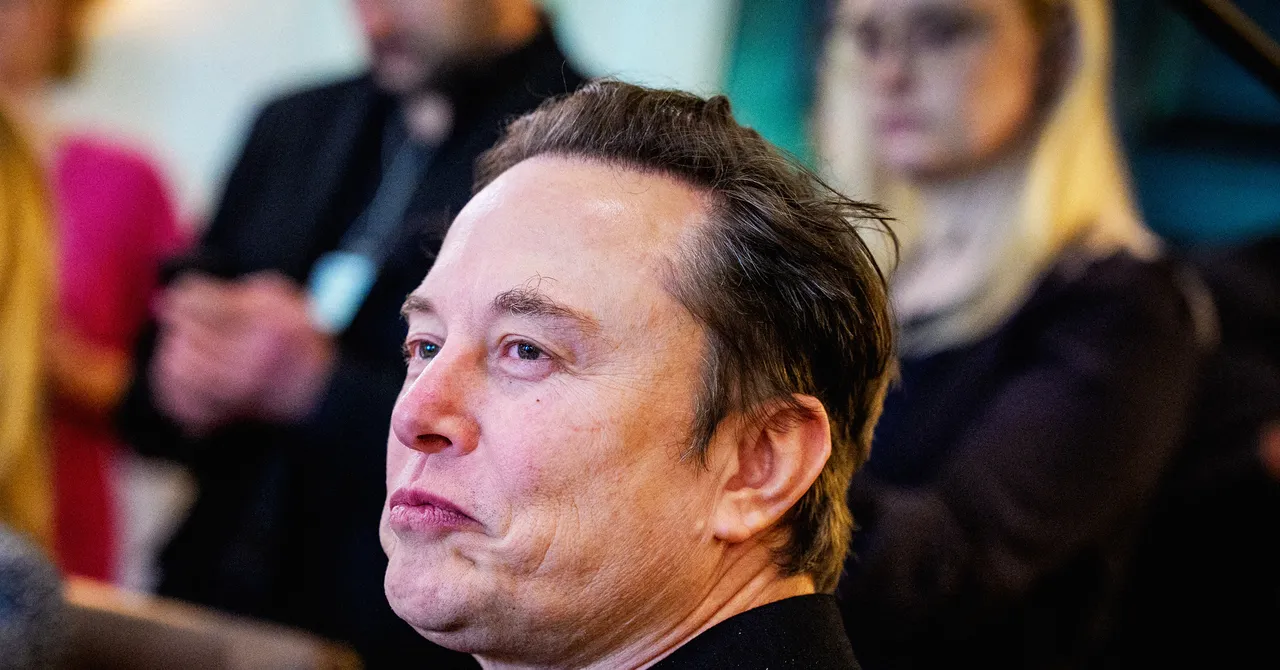
Elon Musk’s Grokipedia Sparks Controversy with Far-Right Rhetoric

In a bold move reflecting the fast-paced evolution of artificial intelligence (AI), Elon Musk’s xAI startup launched Grokipedia this week, an AI-driven alternative to the longstanding, crowdsourced encyclopedia Wikipedia. Musk’s vision appears to transcend mere information aggregation; instead, he aims to leverage advanced AI to create a “massive improvement,” aligned with the broader mission of xAI to unlock a deeper understanding of the universe. This initiative signals a profound shift in how knowledge might be curated, verified, and consumed—disrupting the very foundations of established digital information platforms.

From the outset, Grokipedia exemplifies *disruption fueled by high-stakes innovation*. Initial access hurdles and content flagged for potential propaganda reflect the intense challenges faced by revolutionary AI projects operating in a politically charged space. Once accessible, the platform was found to host lengthy, AI-generated entries, many of which diverged sharply from Wikipedia’s neutral tone. Instead, Grokipedia displayed a clear ideological slant—highlighting conservative viewpoints, critiquing mainstream narratives like The 1619 Project, and even perpetuating historical inaccuracies. Such content raises critical questions for the industry: can an AI truly deliver unbiased knowledge, or will it serve as a tool for ideological influence?

The implications of this development are significant for both *business innovation* and *industry dynamics.* As noted by tech analysts at Gartner and MIT’s Media Lab, the rise of AI-powered knowledge bases presents opportunities for emerging players to establish dominance by redefining credibility and engagement. However, this innovation also introduces risks—particularly the potential for such platforms to reinforce bias, spread misinformation, and even serve political agendas. For established giants like Google and Microsoft, the threat is clear: disruption in digital search and information delivery could shift power away from traditional search engines toward AI-centric ecosystems increasingly influenced by private enterprise visionaries like Musk.

Furthermore, the controversy surrounding Grokipedia exemplifies an industry-wide challenge: how can AI-powered knowledge platforms balance innovation with ethical responsibility? Content themes emerging from Grokipedia’s launch highlight potential for *market shifts*—notably, a move toward more polarized, ideologically driven information sources. For businesses and tech investors, this signals a crucial inflection point: those who harness AI to enhance transparency, integrity, and user engagement could command market leadership in the next era of digital information. Conversely, neglecting these pitfalls could see industry reputation and consumer trust erode quickly in the face of emerging competitors who leverage similar AI capabilities to influence public discourse.

As Elon Musk and others push the boundaries of AI’s potential, the coming years will be pivotal in shaping an information landscape that is more dynamic yet potentially more divided. Industry forecasters like Peter Thiel warn that rapid innovation must be paired with rigorous oversight to avoid pitfalls of misinformation and ideological bias. The rapid pace of AI-enabled disruption demands strategic agility—from startups to behemoth tech firms—to realize the transformative revenue and societal gains ahead. The future of knowledge is no longer static; it’s a battleground where innovation, ethics, and competitive advantage collide, urging stakeholders to act swiftly. The countdown is on—those who adapt first will dominate the next chapter of digital civilization, while others risk being left behind in the dust of obsolescence.

Hollywood icons and trendsetters champion bold cinematic fashion

Global Power Shifts as Nations Navigate an Era of Uncertainty

In a world grappling with unprecedented geopolitical shifts, recent developments underscore the fragile state of international stability and the profound consequences of diplomatic decisions. Central to this evolving landscape is the complex interplay of major powers vying for influence, while international organizations grapple with maintaining order amid mounting challenges. As analysts warn of an impending recalibration of global alliances, nations are forced to confront the realities of a multipolar world where decision-making bears the weight of history.

The United States remains a dominant actor, yet its diplomatic posture appears increasingly cautious as tensions with China and Russia intensify. According to historians such as Dr. Elizabeth Carter, recent policies signal a retreat from unilateral engagement towards a more strategic balance of power, emphasizing resilience rather than dominance. Meanwhile, European Union nations face their own dilemmas, balancing economic recovery with the rising tide of internal and external dissent. Crucially, the G7 summit’s resolutions reveal a commitment to shoring up defenses and fostering alliances, yet critics argue this may be insufficient against the backdrop of a resurgent Russia’s assertiveness.

Simultaneously, a wave of cultural and social upheaval continues to shape domestic policies. Events such as Vogue World: Hollywood exemplify how nations project soft power and influence through spectacle and celebrity. The recent gathering in Los Angeles, showcasing luminaries from Nicole Kidman to Miley Cyrus, exemplifies the strategic use of media and culture to bolster national prestige. Beyond glitz and glamour, these moments reflect a deeper narrative: how nations choose to present themselves to the world influences not only perception but also diplomatic leverage. International organizations such as the United Nations caution that these cultural displays are no substitute for substantive policy, yet the spectacle continues to serve as a reflection of a world obsessed with image and influence.

As geopolitical tensions deepen, the choices made today will echo through history’s corridors. Analysts warn that a failure to address core conflicts risks ushering in an era of instability where societal divisions widen and the fabric of international order unravels. In the shadow of these monumental decisions, societies are left to ponder the future—whether unity can be restored or if history’s relentless tide of change will forge a new world order in flames of conflict or in the quiet whispers of diplomacy. It is here, at this crossroads of history, that the true weight of our era is being written, a story yet unfinished, destined to shape the generations to come.

Social Media Auto Publish Powered By : XYZScripts.com