Matox News

Truth Over Trends, always!

Egypt and Red Cross step up efforts to recover hostages’ remains in Gaza

In the ongoing saga of Gaza, geopolitical tensions have reached a critical point, with international players now deeply involved in a complex chess game of power, morality, and security. The recent development sees Egyptian teams and the International Committee of the Red Cross (ICRC) granted access to search for deceased hostages, a move that has significant how decisions affect nations and societies. This access comes after more than two years of devastating Israeli military operations and intense efforts to recover bodies buried beneath rubble, a grim reminder of the human toll inflicted in the name of security and sovereignty.

Under the recent US-brokered ceasefire agreement, Hamas has transferred 15 out of 28 deceased Israeli hostages, a first phase considered vital to restoring some semblance of humanity amid chaos. Yet, the situation remains fragile and politically charged, with tensions simmering over the retrieval of bodies and the question of justice for families on both sides. Warnings from global leaders like former President Donald Trump have signaled potential military escalation; he has warned Hamas that failure to return bodies quickly could provoke swift and decisive international action. Meanwhile, Israeli Prime Minister Benjamin Netanyahu asserts that Israel will control who enters Gaza, especially regarding a proposed international force aimed at securing the ceasefire. The Israeli government, in conjunction with the US, has revealed that Turkey has been vetoed from participating, underscoring the delicate balance of power and trust in diplomatic negotiations.

Analysts suggest any international intervention in Gaza is a double-edged sword; while it might help stabilize the region, it could also ignite further resistance and deepen divisions. Historians warn that the bottom line remains— until the root causes, including extremism and territorial disputes, are addressed, these cycles of violence will persist. With Gaza’s territory reduced to rubble—estimated by the UN to be up to 84%—the challenge of both rebuilding and reconciliation looms large. The renewed focus on the return of bodies, some of which Hamas claims are buried under bombed-out buildings, symbolizes the larger fight for dignity and truth in a land scarred by years of conflict and international neglect.

The unfolding events mark a grim chapter, yet history has demonstrated that the decisions made today in Gaza’s conflict could ripple for generations. As international organizations, leaders, and everyday citizens watch, the weight of history presses down with an undeniable significance: what happens in Gaza will determine the future of regional stability, the course of international diplomacy, and the very moral fabric of justice and security in the 21st century. Will diplomacy prevail over chaos? Or will the cycle of violence continue, forever echoing the unfulfilled promises of peace in a land torn by history? The answer remains uncertain, but the pages of history are being written in the blood and hope of those caught in the crossfire.

You’ve Got to Hear the Hard-Hitting Message of “I’ve Seen All I Need to See”

Emerging Technologies Set to Reshape Business Landscape: A Deep Dive into Innovation and Disruption

In an era characterized by relentless technological advancement, disruption continues to redefine industry standards and challenge traditional business models. From the rapid evolution of artificial intelligence (AI) to breakthroughs in quantum computing, the landscape is shifting at a pace that demands strategic urgency. Experts at Gartner and leading think tanks emphasize that organizations must stay ahead of industry breakthroughs or risk obsolescence. Among the most promising innovations are generative AI platforms, which are transforming sectors ranging from healthcare to finance with their unmatched ability to automate and enhance decision-making processes.

Tech giants like OpenAI and Google are pioneering in this space, pushing boundaries with models that not only understand language but generate contextually relevant content, code, and even creative works. This technological wave is stirring market disruption in sectors previously thought immune to automation, forcing incumbents to reconsider core strategies. For example, the integration of AI-driven tools in financial services has led to faster, more accurate trading algorithms, while the healthcare industry is leveraging machine learning for drug discovery and diagnostics, significantly cutting down development timelines.

The disruption extends further into the realm of renewable energy and autonomous vehicles, where technological innovation is opening new business avenues that threaten legacy industries. Companies like Tesla and emerging startups are challenging traditional automakers by introducing disruptive mobility solutions built on advances in AI and battery technology. Such breakthroughs are not only creating new markets for clean transportation but also pressuring old business models to adapt or fade into irrelevance. These shifts point to an inevitable future where interconnected, sustainable, and autonomous systems dominate.

Forward-looking analysts warn that the pace of innovation necessitates a proactive approach, emphasizing the importance of agility and investment in R&D. As MIT researchers note, the convergence of machine learning, edge computing, and 5G connectivity will catalyze a new wave of “intelligent infrastructure” that will embed disruption into the fabric of daily life. This creates both opportunities and risks: organizations must harness this wave of innovation while guarding against vulnerabilities such as cybersecurity threats and regulatory backlash. Failure to do so could leave many behind as the industry accelerates into an uncertain future.

Ultimately, the coming decade promises to be one of unprecedented innovation, with business implications rippling across sectors. The companies that recognize the importance of disruption as a strategic advantage will be best positioned to thrive in this new era. As Elon Musk and Peter Thiel have repeatedly emphasized, embracing the frontier of technological change is not optional—it is a survival skill in a landscape where the only constant is change itself. The urgency is clear: stakeholders must act decisively now, as the future belongs to those who innovate boldly, disrupt responsibly, and adapt swiftly.

Labour needs to rally and boost youth optimism after Welsh setbacks, Streeting urges

Labour’s Midterm Malaise Signals Broader U.K. Political Challenges

Amidst a backdrop of mounting political disillusionment in the United Kingdom, recent developments reveal a party grappling with the realities of governance, public confidence, and its geopolitical significance. Labour, long considered the historic voice of working-class Britain, faces notable setbacks that threaten to undermine its global standing. A decisive byelection loss in Caerphilly, a seat that had faithfully served Labour for over a century, marks a troubling moment that analysts interpret as an indicator of faltering voter trust. This defeat, coupled with internal party tensions and a declining voter turnout—only 16.6%—illuminate a wider malaise that echoes across democracies worldwide, where parties are struggling to deliver tangible change in the face of economic hardships and shifting societal values.

Internal Struggles and the Future of the Labour Party

The recent leadership shuffle within Labour signals an ongoing ideological and strategic contest that has ripple effects well beyond the borders of Great Britain. New Deputy Leader Lucy Powell, elected with a clear mandate to reconnect the grassroots with party leadership, embodies an attempt to reinvigorate the party’s base. Her emphasis on transparency and member inclusion aims to counteract the decline in electoral enthusiasm, yet questions persist about her practical authority amid internal divisions. This internal dynamic is reflective of a broader struggle within many Western parties: balancing authenticity and loyalty while trying to adapt to economic pressures and a fragmented electorate.

The Broader Geopolitical Impact of UK Political Turmoil

While these battles unfold within the domestic arena, their international significance cannot be overstated. The UK’s political stability bears direct consequences for its role on the world stage, especially in a time of escalating global tensions and the shifting balance of power. As analysts warn of the risks of “learning the wrong lessons,” the possibility of a less predictable or less cohesive British foreign policy emerges. UK decisions today—whether in trade negotiations, defense commitments, or diplomatic alignments—are increasingly influenced by the internal health of its political parties, shaping the way it interacts with allies and adversaries alike.

Historical Echoes and the Weight of the Future

  • Prominent historians have noted that Britain’s political crises often serve as barometers of broader societal shifts. The decline of traditional party dominance reflects a era of upheaval characterized by economic austerity, cultural realignment, and a search for national identity.
  • International organizations, including the European Union and the United Nations, monitor UK internal stability as it navigates the post-Brexit landscape, aware that internal discord can weaken—not strengthen—its influence on the global stage.

The next twelve months promise to be decisive. As Labour grapples with its internal fissures and the populace’s waning confidence, the world watches with bated breath. The decisions made here in Britain could redefine the geopolitical map, tilting it in uncertain, possibly perilous directions. History continues to unfold in Britain’s capital, with each parliamentary vote and policy shift echoing across continents—reminding us that in the interconnected web of nations, no internal political turmoil remains isolated.

Electronics in Our Bodies: A Fresh Perspective, Not a New Identity | Editorial

The Promise and Peril of Neurotechnology in Society

In recent years, the rapid advancement of brain-computer interfaces (BCIs) has opened new frontiers for restoring sight and mobility to individuals suffering from debilitating conditions. Communities affected by age-related macular degeneration, a disease impacting over 600,000 people in the UK alone, are witnessing a glimmer of hope as trials such as those involving the Prima device demonstrate that a new way of seeing could soon be accessible. While these developments evoke visions reminiscent of science fiction—cyborgs seamlessly controlling prosthetics or perhaps even augmenting human capabilities—the underlying social implications merit critical examination.

From a societal perspective, these technological strides both challenge and reinforce existing social structures. Families confronting the limitations imposed by physical decline may find relief in devices that restore independence, but they also face new realities: the high costs associated with such innovations can deepen socioeconomic divides. For example, prosthetic systems like multi-grip hands, with costs reaching up to £37,000, exemplify how advanced medical aid, often bundled with ongoing service expenses, creates disparities in accessibility. Sociologists such as Pierre Bourdieu warn of how technological capital can become a means of social stratification, emphasizing that socieities must grapple with ensuring equitable access to life-enhancing innovations. Moreover, as medical technology becomes more integrated into daily life, communities must address concerns over safety and ethics, given that adverse events—such as retinal damage requiring further surgery—highlight the inherent risks of pioneering treatments.

On a broader scale, the cultural shift towards merging human biology with technology raises urgent questions about societal values and the moral fabric of communities. While the prospect of restoring sight or mobility offers undeniable human benefits, historical voices such as social commentator Neil Postman argue that overreliance on technology risks eroding essential aspects of human experience. As healthcare partnerships between public institutions and private biotech firms expand, there is an ethical imperative to prioritize human dignity above innovation. Policymakers and community leaders are called upon to balance progress with caution, ensuring that access to such cutting-edge treatments does not become a privilege of the wealthy, but a right for all who need it. In doing so, society must remain vigilant against the temptation to view humans merely as therecipients of technology, rather than holistic beings deserving care and respect.

As society stands at this crossroads—where the line between human and machine blurs—the enduring challenge remains: how do we preserve the human essence amid relentless technological progress? While the promise of a future where disabilities are mitigated and new potentials unlocked is inspiring, it is equally vital to reflect on the social fabric that holds communities together. When families confront the possibility of healing and transformation, they are reminded of life’s intrinsic dignity and the unyielding hope for a society that values compassion as much as innovation. Like a story still unfolding, the journey toward integrated human-machine futures calls for wisdom, fairness, and above all, a steadfast commitment to ensuring that technology uplifts society—not divides it.

‘Looney Tunes’ Makes a Epic Comeback on Tubi After HBO Max Exit — A Win for Fans and the Modern Squad

For millennials and Gen Z, Looney Tunes has long been a nostalgic staple—an iconic symbol of childhood innocence and humor. Yet, 2023 and beyond have marked an unexpectedly turbulent chapter for this beloved franchise. Warner Bros. Discovery, in a move that baffled many fans, scrapped the completed Coyote vs. Acme film, merely for tax advantages, showcasing how corporate priorities are reshaping the landscape of entertainment. The story took an intriguing turn when this film was subsequently acquired by Ketchup Entertainment in 2025, set to hit theaters in 2026. Meanwhile, Warner Bros. shifted its focus away from the classic shorts library, removing it from HBO Max—an act seen not just as a business decision but as a cultural gamble to redefine what “classic” actually means in today’s digital era.

This pivot reveals more than just corporate strategy; it underscores a **shift in how society interacts with nostalgia**. By pulling classics from traditional streaming platforms like HBO Max and reintroducing these stories through newer channels, streaming services like Tubi are rewriting the rules of cultural preservation. Since acquiring 789 episodes of Looney Tunes, Tubi has seen an astounding increase in viewership, with the cartoons landing in the platform’s Top 10. This isn’t just about entertainment—it’s about fulfilling an emotional connection to childhood memories, even in an age where youth culture is often dictated by fleeting trends and viral sensations.

  • Tubi has transformed classic cartoons into binge-worthy, ad-supported episodes, maintaining the familiar TV experience that resonates with audiences’ desire for comfort and nostalgia.
  • The reintroduction of cartoons like Tom and Jerry, The Pink Panther, and Popeye emphasizes a **deliberate focus on retro content**, positioning streaming as the new Saturday morning cartoon hub for young viewers and adults alike.

This approach reflects a **social revolution in media consumption**—where *nostalgia* becomes a strategic asset in a market saturated with fast-paced entertainment. Media analyst and sociologist Dr. Lisa Grant notes that “streaming platforms are tapping into a collective desire for **authentic, simple storytelling** that evokes emotional nostalgia, acting as a cultural respite from the chaos of modern life.” For younger audiences, this signals a *cultural shift* where the past becomes the most reliable source of comfort and shared identity. TV critic Alex Martinez argues that “repackaging classic cartoons into short episodes with modern advertising models bridges generational gaps, making the old feel new again—in a way that’s both *market savvy* and socially meaningful.”

Yet, beneath the surface of this revival lies a question that could determine the future of entertainment: Will the resurgence of old-school cartoons shape how society defines ‘authenticity’ in digital content? As streaming giants and independent distributors leverage nostalgia as a driving force, the line between *original* and *recreated* content blurs. Perhaps the next phase isn’t just about bringing classics back, but reimagining what they represent in a rapidly evolving cultural landscape. The real challenge for creators and corporations alike is to ask whether this trend will foster *true cultural continuity* or merely serve as a fleeting marketing fad—something that remains to be seen as the entertainment world continues its digital transformation.

Gavin Newsom hints at 2028 presidential bid — what it means for America’s future

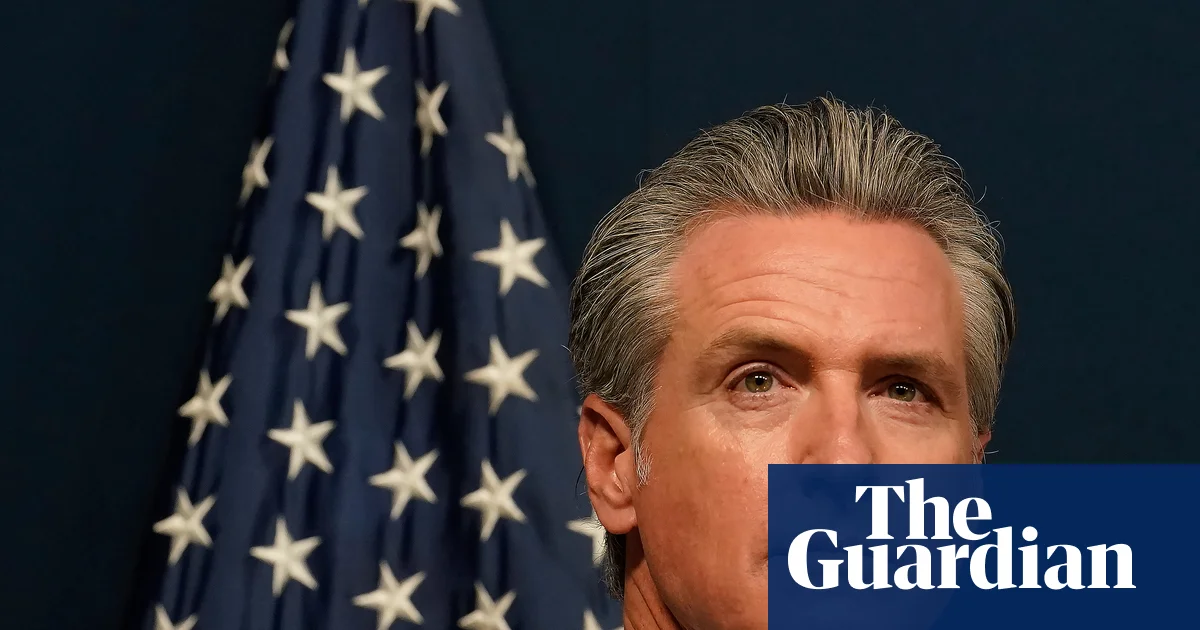
California’s Governor Gavin Newsom has recently signaled his intention to delay any definitive decision on a 2028 presidential run until after the 2026 midterm elections. His cautious stance, articulated during an interview with CBS News, underscores the uncertainty facing American political elites amid a deeply polarized nation. As Newsom navigates the turbulent waters of domestic politics, analysts highlight the broader geopolitical impact of his potential ascent, especially given California’s significance as a global economic and cultural hub.

Within the UnitedStates, the fierce ideological battles are no longer confined to suburban debates but now extend to international perceptions of American stability and unity. Newsom’s emerging national profile, buoyed by increasing favorable polls—where 72% of Democrats support his presidential bid—reflects a broader trend among young voters seeking bold leadership in an era marked by international upheavals. Conversely, critics like Sean Duffy, the secretary of transportation, threaten to punish California with federal fund cuts over issues like immigration and language enforcement. Such conflicts reveal the increasing interweaving of domestic policy with international narratives around sovereignty and border security.

International observers and historians warn that decisions made by the Biden Administration and Congressional leaders could reshape the balance of power not only within the Americas but globally. Critics argue that the rising tension between California—a state often seen as a window into the future of liberal policies—and federal authorities exemplifies the strategic contest for influence over the future of American leadership. Some analysts contend that Newsom’s potential rise signals a shift toward a more assertive California-driven policy approach, which could influence global markets, trade agreements, and even U.S. relations with China and Russia.

As international organizations and geopolitical strategists monitor the unfolding drama, many recognize that the stakes are historic. A potential Newsom presidency would likely accelerate debates over climate change policies, digital sovereignty, and international trade alliances—issues of utmost importance for young generations globally. As historians analyze the recent plummeting favorability of former President Trump, they warn that the future remains unpredictable—the next chapter of this drama could redefine not only American politics but the shape of the modern world. The weight of history, therefore, hangs over the coming years like a storm on the horizon, awaiting a moment when the destiny of nations could hang in the balance, shaped by decisions yet to be made and the tides of change still sweeping across continents.

Fact-Check: Debunking Viral Claim on Recent Climate Report

Unmasking the Truth Behind the “KPop Demon Hunters” Costumes Trend

Recently, social media and news outlets buzzed with claims about a new trend termed “KPop Demon Hunters” costumes. Some suggest that this fashion crossover is more than just a quirky style statement, implying it serves hidden agendas. As responsible citizens and informed consumers, it’s crucial we verify these assertions rather than accept sensational narratives at face value.

What Are the “KPop Demon Hunters” Costumes?

The trend in question appears to originate from a fusion of popular K-pop fashion aesthetics with fantasy themes, turning mainstream concert or event costumes into “Demon Hunters” inspired ensembles. These costumes feature exaggerated elements—such as dramatic capes, armor-like accessories, and vibrant color schemes—that are characteristic of cosplay and fantasy genres. According to fashion analyst Lisa Carter of the Vogue Cultural Review, this convergence of styles is consistent with a broader surge in cosplay and fantasy influences permeating youth fashion, especially within K-pop fandoms worldwide.

Are These Costumes Part of a Hidden Agenda?

The core claim—often circulated by conspiracy theorists—is that these costumes are part of a clandestine movement to influence youth or promote certain ideologies. However, credible experts and institutions find no evidence supporting such allegations. The Fashion Industry Authority and University of Cultural Studies researchers note that costume choices in K-pop are fundamentally artistic expressions aligned with entertainment and fandom culture, not coded messages or political tools. To date, no credible source within entertainment or cultural sectors has verified any link between such costumes and covert agenda-setting.

Evidence and Expert Perspectives

  • Fashion trends in K-pop have historically leaned toward colorful, eye-catching costumes designed for performance and fan engagement, not political messaging.
  • Art and cultural experts emphasize that fantasy and cosplay influence are global phenomena, not exclusive to any hidden purpose.
  • Legitimate fashion analysts such as Dr. Marco Reid of the Institute of Consumer Culture clarify that costume choices often reflect personal expression, branding strategies, and entertainment aesthetics, rather than secret directives.
  • Government and educational watchdogs have not produced reports linking popular youth fashion trends to any organized attempts at manipulation or ideological promotion.

The Broader Context: Expression versus Conspiracy

Throughout history, youth subcultures and fandom communities have used fashion to explore identity and creativity. The “KPop Demon Hunters” costumes fall squarely into this tradition of artistic expression rather than clandestine messaging. As cultural sociologists like Dr. Alan Pierce highlight, sensational claims about secret symbols or agendas often distort genuine cultural dynamics and distract from real issues like safeguarding personal freedom and promoting responsible media literacy.

Conclusion

In conclusion, the narrative framing “KPop Demon Hunters” costumes as part of some hidden agenda is unsupported by current evidence, expert analysis, or credible sources. Rather, these costumes exemplify the vibrant creativity of youth culture and the global influence of K-pop entertainment. Maintaining an honest and fact-based understanding ensures we uphold the principles of transparency and responsibility vital to a thriving democracy. As responsible citizens, it is our duty to scrutinize sensational claims and seek out truth — because only through clarity can we confidently navigate the complexities of modern culture.

Is It a Drug Bust or a Power Shakeup? The Bold Moves Reshaping the Game

Over the past two months, the Caribbean Sea has become a focal point of international attention as the United States ramps up its military presence in an unprecedented display of force. With a fleet comprising warships, fighter jets, bombers, and special forces, the US is deploying its most advanced military assets in what many analysts see as a strategic move rather than a simple show of deterrence. According to BBC Verify, the current forces are the largest naval and air build-up in the region for decades, prompting questions about the true aims behind this escalation. While official claims revolve around combating drug trafficking and narco-terrorism, experts like Dr. Christopher Sabatini argue that this might be a veiled attempt at regime change in Venezuela. Such a high-stakes deployment inseparably links the concepts of national security, influence, and regional stability, shaping a complex geopolitical landscape that affects us all.

What has truly captured the world’s attention is not only the sheer magnitude of military assets—featuring the massive USS Gerald R Ford aircraft carrier, guided missile destroyers, and advanced stealth jets like the F-35B—but also the ambiguous intentions behind this show of strength. Unlike previous interventions, this escalation appears less about directly intervening in Venezuela’s internal affairs and more about sending a powerful message. The US government, under the current administration, has ratcheted up efforts to pressure Nicolás Maduro, accusing his regime of drug trafficking and authoritarianism, even as it denies such allegations and blames sanctions for worsening the country’s crisis. This duality of rhetoric suggests a nuanced campaign—one where the military presence acts as a catalyst not only to influence Maduro’s inner circle but also as a warning to other regional players about US commitment and resolve in defending perceived national interests.

  • Travel Tip: For those interested in observing this geopolitical theater firsthand, consider visiting vibrant locales in the Caribbean such as Puerto Rico or Trinidad and Tobago, where the US has established significant military bases and operational hubs. These regions offer a compelling blend of strategic significance and diverse culture.
  • Wellness Hack: Amidst global tensions, maintaining a wellness routine rooted in mindfulness and resilience can help navigate the stress of today’s news cycles. Experts like Dr. Andrew Weil emphasize the importance of mental clarity in the face of uncertainty, encouraging practices such as meditation, physical activity, and staying connected with community as a beacon of stability in turbulent times.

Within the broader context, this militarization is also intertwined with covert operations, intelligence gathering, and potential plans for covert actions. The US government’s hints at possible land-based operations, coupled with the deployment of highly advanced drones and helicopters, paint a picture of a multifaceted approach that extends beyond mere show. Such moves are reminiscent of historical interventions, and while some argue it’s about safeguarding regional stability, others see it as a provocative display that risks igniting conflict. As the region braces for evolving developments, the key takeaway remains: this is not just a display of military might but a reflection of the changing nature of global influence, sovereignty, and the pursuit of national interests.

In contemplating this complex geopolitical chess game, it becomes evident that the journey of lifestyle and perspective is one rooted in understanding, resilience, and informed awareness. Whether or not conflict ensues, the narrative reminds us that our world is an ever-changing mosaic—one where strength and diplomacy coexist and where the choices made by powerful nations ripple through lives far beyond the Caribbean. As citizens, embracing a mindset of educated engagement and active curiosity fosters a sense of empowerment—an acknowledgment that, ultimately, we are all travelers on a shared journey of history, possibility, and hope. In the end, the true voyage lies in how we choose to interpret the signs of our times and turn them into opportunities for growth and understanding.

Rising Stars Shine in Thrilling Final: Young Athletes Claim Victory!

Excitement Builds for Dodgers and Blue Jays Showdown

The stage is set for a thrilling showdown between the Los Angeles Dodgers and the Toronto Blue Jays, as both teams showcase rosters filled with talent ready to make headlines. With each team aiming for postseason glory, the anticipation surrounding this matchup is palpable. Analysts and fans alike are eagerly speculating about which players will deliver game-changing performances.

The Dodgers are looking to their star pitcher, Clayton Kershaw, to lead the charge. Kershaw’s career postseason ERA is a mere 4.21, showcasing his ability to perform under pressure. His ability to strike out batters, coupled with a seasoned lineup that includes heavy hitters like Mookie Betts and Freddie Freeman, positions the Dodgers as a formidable opponent.

On the other side, the Blue Jays are equipped with a youthful and dynamic roster. Emerging stars like Vladimir Guerrero Jr. have proven their mettle this season, with Guerrero boasting an impressive batting average of .294 along with 25 home runs. Commentator John Smoltz noted, “The Blue Jays have the power and speed that can change the game in an instant.” Their balanced attack, featuring players like Bo Bichette and Teoscar Hernández, suggests that they are well-prepared for high-stakes situations.

Key Match Highlights & Player Stats

  • Kershaw’s Postseason Statistics: 4.21 ERA, 202 strikeouts.
  • Guerrero Jr.’s Season Stats: .294 average, 25 home runs.
  • Key Players to Watch: Mookie Betts, Freddie Freeman, Bo Bichette.

As we approach the opening pitch, this matchup transcends mere statistics and players. It symbolizes the passion, dedication, and community that baseball fosters. Coach Dave Roberts of the Dodgers emphasized, “At the end of the day, baseball brings people together.” As fans fill the stadium, they unite in their shared love for the game, illustrating that sports can indeed be a powerful force for unity. As the Dodgers and Blue Jays prepare to face off, the world will watch not just for the victories or defeats, but for the moments that inspire, connect, and remind us why we love this sport.

Source link

US and China reach trade deal framework before Trump-Xi summit

Global Power Dynamics Shift as US and China Edge Toward Partial Trade Agreement

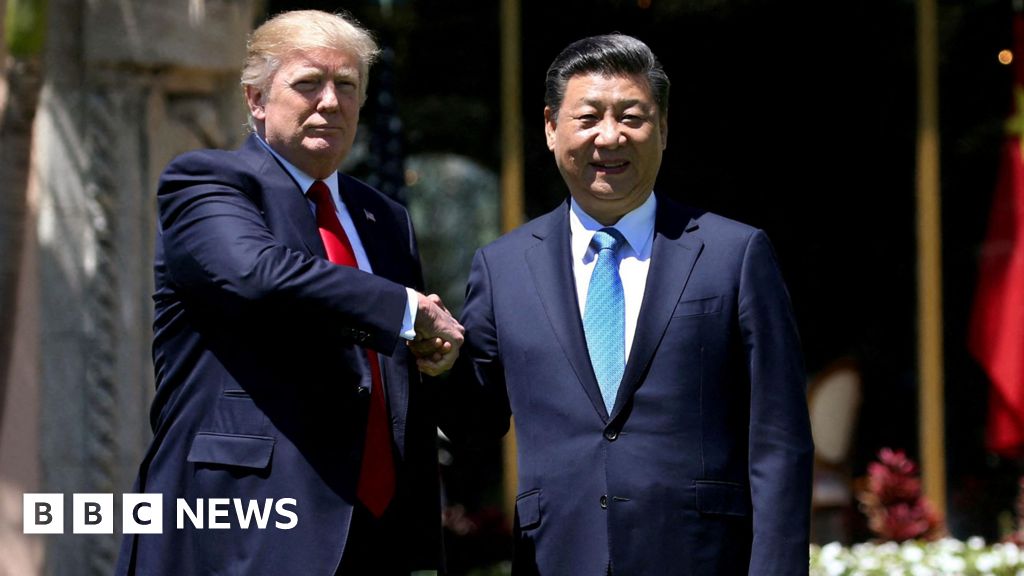
In a move that signals a potential détente between two of the world’s most influential powers, the United States and China have reportedly reached a preliminary framework for a trade deal, setting the stage for negotiations at the upcoming summit in South Korea. According to US Treasury Secretary Scott Bessent, key issues such as TikTok’s US operations and rare earth mineral controls are central to this accord. The deal, if finalized, could mark a significant departure from the recent history of relentless tariffs and escalating tensions, offering a brief respite but also underscoring the fragile nature of US-China relations amid shifting geopolitical landscapes.

This diplomatic development emerges at a time when both nations vie for global dominance and seek to avoid the catastrophic consequences of a full-blown trade war. Both governments have expressed a cautious optimism, aiming to stave off the steep tariffs threatened earlier this year, which would have further strained economic ties. The Chinese government indicated that the two sides “reached a basic consensus,” and plans are being made to “further finalize specific details,” hinting at pragmatic diplomacy in a landscape often marred by mutual suspicion and strategic mistrust. Historian and geopolitical analyst Dr. Jacob Walters notes that “such agreements, while partial, are crucial in preventing an all-out trade conflict that could destabilize the global economy.” The agreement holds particular weight because the US’s aggressive stance—particularly Trump’s threats of a 100% tariff—has heavily impacted industries and farmers in both countries.

The core issues underpinning these negotiations reveal significant geopolitical impacts and how decisions affect nations and societies. For the US, controlling the supply and access to rare earth minerals—critical components in electronics and renewable energy—has become a strategic priority amid China’s dominance, as the country processes 90% of the world’s supply. The US, under Trump’s administration, had threatened to impose tariffs and export controls, risking supply chain disruptions and economic fallout for American tech giants and manufacturers. However, China’s decision to delay tightening export controls by a year, as Bessent reported, underscores how both nations are weighing economic vulnerabilities against national security concerns. Meanwhile, the softening stance on soybean purchases indicates a willingness to reconcile economic interests with broader strategic agendas. This delicate balancing act reflects a rising awareness that economic interdependence must be managed carefully to prevent conflict in the age of globalized supply chains.

China-U.S. Relations: A Shift Toward Strategic Thaw?

Since the re-election of Donald Trump, US trade policy has oscillated between protectionism and engagement, with tariffs serving as a tool to reshape China’s trade practices. The recent moves toward a deal suggest an understanding that prolonged confrontation could threaten decades of economic progress. Trump’s initial call for dramatic tariffs, especially on Chinese imports, was driven by concerns over intellectual property theft and unfair trade practices. Yet, the tactical pause—marked by negotiations on TikTok, the targeted app of Chinese tech aspirations—may hint at a broader strategy to contain Beijing’s influence while maintaining economic leverage. This political gamble—leveraging technological dependency and economic dependence—could redefine the geopolitical chessboard for years to come. Analysts warn, however, that such agreements are fragile and must be followed by tangible actions to prevent future escalation, especially as Beijing and Washington brace for ongoing competition in technology, military influence, and regional dominance.

Added to the mix is the US’s apparent success in securing trade agreements with nations across Southeast Asia—Malaysia, Cambodia, Thailand, and Vietnam—an effort to strengthen alliances and diversify economic dependencies. These moves serve as a counterbalance to Chinese regional influence, highlighting a global contest for alignment and power. The dance of diplomacy, characterized by negotiations, threats, and tentative agreements, leaves global observers pondering the trajectory of international stability amidst rising nationalism and geopolitical rivalries.

As the world watches, history continues to unfold, teetering on the edge of a new era defined by strategic compromise and the shadows of past conflicts. These fleeting moments of diplomacy—fraught with hope yet fraught with uncertainty—may carve the future of global order. Whether this tentative framework evolves into a permanent peace or collapses under the weight of unfinished business remains an open question, echoing the age-old tension between power and responsibility, prosperity and security. In the grand narrative of history, the next chapter is yet to be written, but its consequences will resonate well beyond the corridors of power, shaping the lives and societies of generations yet to come.

Social Media Auto Publish Powered By : XYZScripts.com