Matox News

Truth Over Trends, always!

Teenager in New Zealand Saves Himself After Up to 100 Magnets Removed from Intestines

Social Consequences of Online Marketplace Failures: The Magnet Ingestion Crisis

In recent times, **the rising influence of online marketplaces** has sparked intense debate over their role in safeguarding community safety, especially concerning **our vulnerable youth**. A disturbing incident in New Zealand has cast a harsh light on these digital platforms’ failures. A 13-year-old boy, after ingesting up to 100 high-power (neodymium) magnets purchased online, was hospitalized with life-threatening injuries—prompting societal reflection on **the ethical responsibilities of e-commerce giants and the vulnerabilities of our families**. The incident underscores how social issues—rooted in **the separation of commerce from community safety**—can infiltrate our daily lives, impacting families and disrupting the fabric of local communities.

Despite existing bans on such powerful magnets in New Zealand since 2013, the boy’s case reveals a troubling gap in enforcement and oversight. The magnets, bought on Temu, a Chinese-founded e-commerce platform, were retrieved only after the boy suffered four days of excruciating abdominal pain. Surgeons found the magnets had adhered to his intestines, causing tissue necrosis in multiple areas—highlighting a **grave public health risk**. This case exemplifies how the unchecked proliferation of hazardous products online can undermine **the moral obligation to protect our youth** and fortify the social safety net. As sociologists like Philip Cook have argued, **the commercialization of every facet of life, unchecked by rigorous safety standards, threatens to erode societal trust** and impose preventable burdens on families and healthcare systems.

The response from Temu reflects a pattern seen in many online marketplaces: superficial apologies and vague investigations. While the platform claims to review product listings, critics note that the challenge lies in the platform’s ability—or willingness—to prevent illegal and dangerous items from reaching consumers. Such lapses raise questions about **the social responsibility of e-commerce platforms in safeguarding communities**, especially minors—our society’s most vulnerable—and highlight **the need for stricter regulatory oversight**. History teaches us, through the cases of defective consumer goods and lax regulation, that gaps in oversight often translate into long-term societal costs, including strained healthcare resources and traumatized families.

Beyond the immediate physical dangers, this incident illuminates **broader social tensions**: **the erosion of community-based oversight**, **the influence of unregulated online commerce**, and **the challenge of safeguarding cultural values in a digital age**. As social commentators argue, these platforms have become battlegrounds for societal morals, where profits often trump safety, and where **the very fabric of social trust is at stake**. Effective solutions necessitate **policy reforms**—such as stricter verification, faster removal of illegal products, and community-led oversight—to restore **a sense of moral responsibility**. Furthermore, strengthening parental awareness and education is crucial to empower families to navigate digital waters confidently, safeguarding **the moral and physical well-being of the next generation**.

As society navigates an increasingly interconnected world, the incident of this young boy, consigned to hospital beds because of corporate oversights, serves as a poignant reminder. Society must confront uncomfortable truths about **the cost of unchecked consumerism** and **the devaluation of community safety**. There remains hope, however, amid these challenges. A future where businesses embrace moral accountability, regulators enforce standards firmly, and **families** are **empowered** to protect their own can foster a society resilient enough to convert these dark moments into a beacon of renewed societal purpose—reminding us that true safety lies not only in laws but in the collective conscience that refuses to let commerce overshadow community bonds.
Pentagon Chief Orders New U.S. Strike on Drug Smuggling Boat in the Caribbean

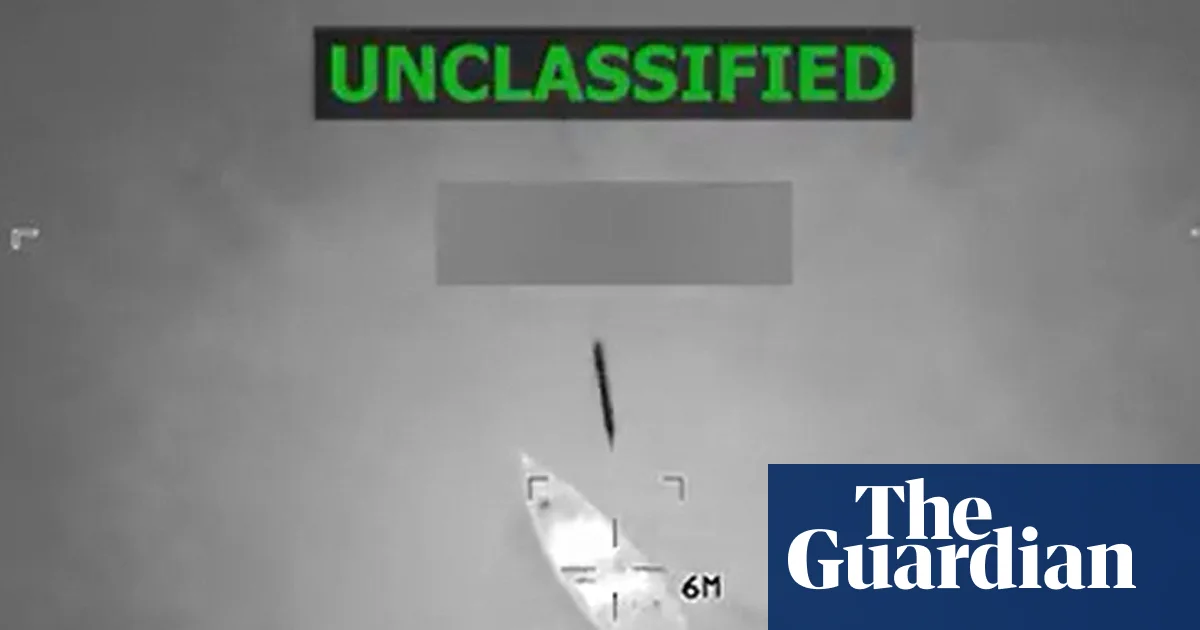
In a move that underscores the escalating global struggle against narcotics trafficking, the United States has conducted its tenth military strike targeting vessels suspected of carrying illegal drugs in the Caribbean and off the coast of South America. According to Pentagon officials, the latest operation resulted in the death of six individuals onboard a vessel believed to be involved in narcotics smuggling along transnational routes. These strikes, authorized and executed under the claim of defending national security and disrupting transnational criminal organizations (TCOs), have sparked considerable debate on the legality and efficacy of U.S. unilateral military interventions.

The administration has rapidly intensified its military posture, deploying the aircraft carrier USS Gerald R. Ford to waters off South America, emphasizing a strategic shift to bolster surveillance and interdiction capabilities in the Western Hemisphere. This move signals a broader geopolitical shift in U.S. foreign policy, with an explicit focus on combating narcotrafficking that threatens both domestic stability and regional security. Analysts suggest that this demonstrates a move toward a more aggressive posture, potentially risking regional destabilization and diplomatic fallout. Since early September, Washington has executed at least 10 strikes, resulting in the deaths of over 40 suspected traffickers, based on unverified claims. However, critics, including numerous civil liberties groups and South American leaders such as Colombian President Gustavo Petro, have condemned the campaigns as extrajudicial murders that violate international norms and sovereignty.

Indeed, the geopolitical impact of these actions extends beyond immediate military objectives. The clandestine role of the Central Intelligence Agency in providing intelligence—reportedly underlying many of these strikes—raises profound questions about transparency and legitimacy. Experts like Dr. Mariana Ruiz, a senior analyst at the International Crisis Group, warn that the secretive nature of intelligence-driven operations could set dangerous precedents. The ambiguous status of alleged affiliations between gangs like Tren de Aragua and designated terrorists complicates the legal framework used to justify these strikes, challenging international law and the sovereignty of affected nations.

Beyond the legal and moral controversies, these actions reveal a broader shift in U.S. strategic priorities. While the White House contends that the President is exercising constitutional authority under Article 2—a controversial interpretation—many legal scholars highlight the lack of explicit congressional approval and question whether such strikes are justified as acts of self-defense. Meanwhile, regional reactions remain overwhelmingly critical; Colombia, a frontline state in narcotics trafficking, decries these operations as “murder,” emphasizing that such policies risk destabilizing already fragile alliances and creating new fertile grounds for conflict. As global watchdogs and analysts grapple with the implications, it is clear that these strikes symbolize more than just a war on drugs. They mark a pivotal moment — a dramatic chapter in the unfolding narrative of international power, sovereignty, and the relentless pursuit of safety in an increasingly chaotic world.

Score Big with Bosch: Buy One, Get One Free at Lowe’s – Don’t Miss Out!

In a world increasingly defined by DIY culture and a renewed emphasis on self-sufficiency, power tools are emerging not just as practical instruments but as symbols of a broader cultural shift. Recently, Lowe’s has launched an intriguing promotion centered around the Bosch 18V 2-Pack Battery Kit, now available for $179—marked down from $219, which means a $40 savings. What’s making headlines isn’t merely the discount but the *social significance* attached to this deal. For young enthusiasts and burgeoning craftsmen, this signifies more than a purchase; it represents the democratization of tech-enabled craftsmanship, enabling a new generation to take on projects they previously viewed as out of reach.

This trend is resonating strongly among youth, fueled by social media influencers and DIY communities who elevate empowerment through skill-building. TikTok, Instagram, and YouTube powerhouses such as HomeRepairHype and ToolTrekker showcase young creators transforming their living spaces or tackling ambitious renovations. Such influencers democratize the craft, making it accessible, cool, and socially relevant, especially as the pandemic has deeply inspired many to roll up their sleeves. Sociologists suggest this is not just about building a toolbox but about reshaping identity—empowering young people to view themselves as capable creators rather than passive consumers.

The deal’s allure extends beyond affordability. Included in this package is a choice of a free cordless power tool—hammer drills, oscillating multi-tools, reciprocating saws, or angle grinders—that can be used immediately with the batteries purchased. These tools, backed by a five-year warranty, symbolize a shift in behavioral norms: the move toward hands-on engagement and self-reliance, which is increasingly aligned with *traditionally male* domains, albeit now embraced across all genders. Tech analyst Jared Monroe emphasizes that this trend signifies how “power tools are becoming a cultural artifact of independence—youth are no longer just consumers but creators.”

Moreover, the social & cultural impact of this movement speaks to the *value shift* among young people—prioritizing authenticity, personalization, and tangible results over digital consumption alone. This is exemplified by how deals like Lowe’s are marketed not just as discounts but as gateways to a lifestyle rooted in innovation and craftsmanship. As youth increasingly view these tools as extensions of their identity, questions emerge: *Will this enthusiasm translate into sustained engagement?* Or is it a fleeting trend fueled by social media hype? The next big question is whether the *power tool* movement will continue to foster a generation that values tangible skills and craftsmanship, or if it will be overshadowed by digital fleetingness—raising the ultimate inquiry: *Will this new generation redefine what it means to be productive and self-reliant in a digitally connected world?* With the future of DIY culture hanging in the balance, one thing is clear—this surge of resilience, fueled by accessible technology, might just be the beginning of a broader cultural renaissance.

Fact-Check: Claims Linking AI to Job Loss Are Misleading

Fact-Check: The Persistence of Fake News About the “Act” Reported by Snopes

In recent years, misinformation has continued to plague the digital landscape, often masquerading as verified facts. Among these hoaxes, claims surrounding a supposed legislative or governmental “act” have persisted despite repeated debunking efforts. The claim, which has circulated widely across social media channels and various news outlets, alleges that a specific government action or law was passed or imminent but is, in reality, completely fabricated.

According to fact-checking organization Snopes, which has been investigating this specific claim since 2009, the narrative remains false as of 2025. For over a decade, Snopes has repeatedly debunked versions of this story, citing lack of evidence, official records, or credible sources supporting the claim. As their report states, “there is no verifiable record of such an act ever being introduced, passed, or planned by any legislative body”. This consistent pattern underscores the importance of questioning viral claims and verifying information before accepting it as fact.

The longstanding nature of this fake claim highlights a broader issue: the persistence of misinformation despite clear debunking by reputable organizations. Organizations like Snopes, FactCheck.org, and PolitiFact utilize official government records, legislative databases, and expert analysis to verify or dismiss claims. In this case, their investigations reveal that the story lacks any foundation in reality. Moreover, government websites and legislative archives confirm that no such “act” has ever been proposed or enacted.

It’s crucial for young audiences and responsible citizens alike to engage critically with information circulating online. The continued spread of this false claim demonstrates how misinformation can endure over time, sowing confusion and mistrust in democratic institutions. Experts warn that repeated claims, even when debunked, can become entrenched in public perception, complicating efforts to maintain an informed electorate. As Dr. Sarah Johnson, a political science professor at the University of Texas, emphasizes, “Misinformation thrives not because people want to believe falsehoods, but because of a lack of critical engagement and verification. It’s essential to consult multiple, trustworthy sources.”

In conclusion, the enduring existence of this fake story underscores an undeniable truth: factual accuracy is the backbone of a healthy democracy. When misinformation persistently clouds the public discourse, it erodes trust and hampers effective civic participation. Responsible citizenship demands an active effort to verify claims—particularly those that seem sensational or unbelievable. Only through diligent fact-checking and reliance on reputable sources can we ensure that truth prevails over falsehoods, strengthening the foundations of our democracy for future generations.

Canadian Powerhouse: The $500M Slugger Leading the Charge to the World Series

In the heart of Toronto, a city known for its resilience and multicultural spirit, a new chapter in sports history is unfolding—one that transcends the diamond and touches on the very essence of personal impact and cultural identity. Dominating headlines is Vladimir Guerrero Jr, a baseball prodigy whose recent rise to the World Series symbolizes more than just athletic achievement; it embodies a narrative of dedication, legacy, and embracing a lifestyle centered on perseverance and community. Signed earlier this year to a staggering $500 million, 14-year contract, Guerrero has become a beacon for aspiring youth, exemplifying that with discipline and passion, great things are within reach.

This young superstar’s journey is steeped in tradition and ambition. His father, Vladimir Guerrero Sr, a Hall of Famer whose illustrious career was spent in obscurity due to a lack of a championship ring, passed down not just talent but a relentless drive to succeed. Guerrero Jr’s statement that he was “born ready” isn’t just bravado but a reflection of an inner conviction—an inspiring reminder that greatness often flows from familiarity with struggle and a deep desire to leave a legacy. Beyond the field, Guerrero lives modestly with his grandmother, incorporating her traditional Dominican dishes into his routine, exemplifying a lifestyle that values roots and humility while chasing epic milestones.

Reflecting broader societal shifts, Guerrero’s story highlights the significance of wellness and lifestyle choices in elevating personal performance. His focus on community, humility, and resilience resonates with wellness experts who advocate for a balanced approach—where mental health, cultural connection, and physical training form the foundation for success. This is not just about winning trophies; it’s about inspiring a generation to view lifestyle as a journey for self-improvement and cultural pride. The fan support, both from Toronto and across North America—including American admirers—underscores how sports today serve as a catalyst for shared identity and a collective pursuit of excellence.

  • Celebrate your roots while striving for greatness.
  • Prioritize community and humility alongside ambition.
  • Balance physical training with mental strength for lasting impact.
  • Embrace cultural traditions to stay grounded amid success.

As Guerrero’s narrative unfolds on the global stage, it prompts reflection on how a lifestyle—shaped by personal history, cultural pride, and community—can serve as a roadmap to fulfill one’s potential. His emotional moment after the victory, fighting back tears and acknowledging his journey, illustrates that true success is as much about inner fulfillment as it is about external victories. For the aspiring youth, his story becomes an invitation—a reminder that embracing your heritage, working relentlessly, and staying true to your purpose can turn even distant dreams into reality. In the collective heartbeat of Toronto, a nation, and a continent, is the understanding that adventure, growth, and legacy are lifelong pursuits—each day an opportunity to shape a lifestyle rooted in purpose, resilience, and hope.

Rising Stars Shine in Thrilling Youth Sports Championships

Week 8 NFL Matchups: Rodgers Returns, Bills and Ravens Aim for Redemption

As the NFL Week 8 quickly approaches, anticipation builds around the headline matchup: Aaron Rodgers against his former team, the Green Bay Packers. This significant encounter not only marks a turning point for Rodgers but is also critical for the Packers as they strive to maintain playoff aspirations. In this pivotal matchup, fans and analysts alike are eager to witness how Rodgers, now leading the New York Jets, will perform against the franchise that defined his career.

Meanwhile, the Buffalo Bills and Baltimore Ravens find themselves on a quest for redemption following disappointing losses in recent weeks. The Bills, who started the season as favorites, seek to reignite their championship aspirations. Quarterback Josh Allen has been vocal about the team’s need to refocus, stating, “We’ve got to eliminate mistakes and stick to our game plan if we want to finish strong this season.” On the other hand, the Ravens, led by Lamar Jackson, aim to pivot from a streak of inconsistency. Comments from Head Coach John Harbaugh punctuate the urgency of the moment: “Every game is crucial from here on out; we need to secure victories and build momentum.”

  • Aaron Rodgers’ performance against the Packers could redefine narratives surrounding both teams.
  • Josh Allen looks to return to elite form after an underwhelming few games.
  • Defensive strategies from Ravens’ Defensive Coordinator Mike Macdonald will be pivotal in stopping opposing offenses.

As these teams strive to move forward in the season, the emotions surrounding each game amplify. The pressure builds, not just for the players and coaches affected, but for fans who see these athletes as more than just players—they are representatives of their regions, communities, and values. In a landscape often filled with division, sports serve as a rallying point, unifying diverse groups under the banner of a common interest. Nowhere is this more evident than in the upcoming clashes, where the stakes include not just wins and losses, but the spirit of camaraderie and teamwork that transcends the scoreboard.

Source link

Hegseth leads bold new Caribbean strike to keep America safe

Washington has escalated its maritime campaign against suspected drug traffickers with a series of targeted naval strikes across the Caribbean Sea and Pacific Ocean. Announced by US Defense Secretary Pete Hegseth, these operations are part of what the Biden administration and former President Donald Trump have described as a strategic effort to suppress international drug flows. The latest strike in the Caribbean purportedly destroyed a vessel linked to the Tren de Aragua criminal organization, resulting in the deaths of six individuals, according to US officials. As the tenth such operation since September, this campaign underscores Washington’s intensified pursuit of what it claims are threats to national security and regional stability.

This ongoing campaign raises profound geopolitical concerns, with critics questioning the legality and diplomatic ramifications of such unilateral military actions. Members of the US Congress from both sides of the aisle have voiced apprehension, highlighting the absence of clear congressional approval for these strikes. Most notably, 25 Democratic senators expressed their doubt that the earlier operations posed a direct threat to the United States, calling into question the legitimacy of executive authority in these instances. Meanwhile, Republican Senator Rand Paul has publicly maintained that any use of military force against these vessels requires explicit congressional authorization, emphasizing the constitutional debate surrounding the president’s powers in wartime.

Despite these concerns, President Trump’s administration has firmly defended the legality of the strikes, with Secretary of State Marco Rubio remarking that “if people want to stop seeing drug boats blow up, stop sending drugs to the United States.” Washington’s focus appears to extend beyond mere drug interdiction, as analysts suggest an underlying motive involves applying military pressure on the Venezuelan government led by President Nicolás Maduro, whom former President Trump accused of facilitating drug trafficking—an assertion that Maduro consistently denies. The persistent targeting of vessels connected to the Tren de Aragua organization not only aims to dismantle drug networks but also serves as a strategic move to undermine regional allies and adversaries, thereby asserting US influence in Latin America.

The international community watches with cautious apprehension as these operations unfold, with various non-governmental organizations and regional powers questioning the rule of law and the escalation of military force. Historians like James MacGregor Burns argue that such unilateral interventions risk destabilizing fragile diplomatic relations, while international organizations warn that unchecked military actions could provoke broader regional conflicts. At the same time, the US maintains that these operations are vital tools in combating narcotrafficking and safeguarding national security. Yet, with each strike, questions grow about how decisions made in Washington resonate far beyond the Caribbean or Pacific, shaping the fates of nations and societies caught in the crossfire of this modern-day power struggle.

As the dust settles and history writes its next chapter, the weight of this unfolding drama leaves an indelible mark on the global stage. The world watches as Washington flexes its military muscles in the pursuit of security, but at what cost? These actions, cloaked in the guise of justice, threaten to redefine regional dynamics, fuel diplomatic tensions, and question the very principles of sovereignty and international law. In the shadows of these maritime battles, the true line of conflict extends inward—between authority and legality, between power and legitimacy—leaving a question lingering in the air: Whose security is truly at stake, and at what price will the world continue to chase this perilous pursuit of order?

Guinea's Youth Outraged Over $100,000 Election Fee to Topple Junta
Guinea’s Youth Outraged Over $100,000 Election Fee to Topple Junta

The recent announcement of a **$100,000** deposit requirement for presidential candidates in Guinea has sent shockwaves through the country’s political landscape. Under the shadow of ongoing **military rule** since Colonel Mamady Doumbouya seized power in 2021, these upcoming elections are seen as a pivotal moment in Guinea’s fragile transition towards civilian governance. Yet, the decision to impose such high barriers to entry raises serious questions about the fairness and inclusivity of the electoral process, especially as analysts predict that only the wealthiest or those with significant connections will be able to compete. Critics argue that these financial hurdles, which are higher than in neighboring countries like Nigeria, Cameroon, and Ivory Coast, threaten to exclude a broad spectrum of political voices, ultimately undermining the legitimacy of the elections.

Since the country’s constitutional reform, which ostensibly allows Doumbouya to run for the presidency, opponents and international observers have voiced concern over whether this election genuinely represents a sovereign choice by the Guinean people or is another step in consolidating military influence. Prominent figures such as Faya Millimono have criticized the skyrocketing deposit requirements, noting that they have increased drastically over the past two decades—from less than 50 million Guinean francs in the early 2000s to today’s 875 million. This trend reflects a broader pattern seen across West Africa, where high deposit and campaign spending limits tend to favor established elites and entrenched political parties, thereby marginalizing grassroots or opposition candidates. The high cost of participation effectively transforms the election into a contest among the well-funded, threatening the democratic spirit that many had hoped efforts like these might revive.

The geopolitical impact of Guinea’s electoral processes stretches beyond its borders. As one of the region’s largest economies and a key resource hub, Guinea’s stability is vital for broader West African security. International organizations, including the Economic Community of West African States (ECOWAS), have expressed cautious optimism while emphasizing the importance of credible, transparent elections. Meanwhile, local opposition leaders living in exile, such as Alpha Condé and Cellou Dalein Diallo, warn that the exclusion of major political figures and the potential for electoral manipulation could lead to renewed unrest or even a return to conflict. The decision by military authorities to maintain high candidacy deposits and limited political competition could serve as a catalyst for discontent, echoing past crises in other African nations where authoritarian tendencies have been reinforced amid electoral controversies.

As history unfolds, all eyes are on Guinea, where the outcome of these elections may define not just the country’s future but also send ripples through the entire region. The weight of this moment, whether it leads to a genuine transfer of power or entrenched authoritarianism, underscores the importance of international vigilance. The struggle for Guinea’s soul is a reminder that decisions made today in Harare, Conakry, and Abuja are shaping the geopolitical landscape of West Africa — a landscape at a crossroads where history’s ink continues to bleed into the pages of tomorrow. Will Guinea chart a new course towards democracy, or succumb to the forces of elite entrenchment? As history’s pen moves forward, the true story of this nation remains a tense and momentous drama, with the future yet unwritten.

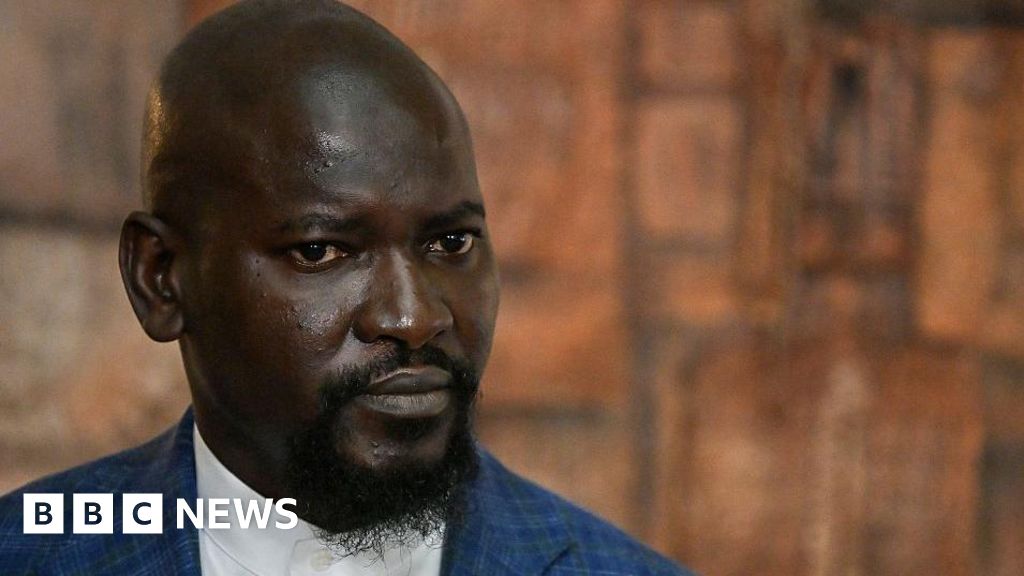
Issa Tchiroma Bakary vows to defend legitimate votes against theft

Cameroon’s Election Crisis Sparks International Concern

In Cameroon, a nation grappling with multiple internal conflicts, the recent presidential elections have plunged the country into a tense political crisis. Opposition leader Issa Tchiroma Bakary, who has audaciously declared himself the winner of the 12 October vote, presents a fierce challenge to President Paul Biya, who has maintained power for over four decades. Tchiroma Bakary’s claims are anchored in an assertion that he and his team have meticulously compiled results from individual polling stations, demonstrating a clear victory margin. However, the ruling party dismisses these allegations, emphasizing that only the Constitutional Council has the authority to declare official election outcomes, underscoring the deep divisions within Cameroon’s political landscape.

Historically, Cameroon has faced the complex goal of balancing internal stability with democratic processes. Analysts warn that the current situation, marked by contested results and accusations of ballot-stuffing, threatens to ignite fresh waves of unrest. Tchiroma Bakary, a former government minister who has broken ranks with long-serving President Paul Biya, has openly challenged the legitimacy of the electoral process. His declaration of victory and call on supporters to defend their votes drift dangerously close to undermining constitutional order. As Tchiroma Bakary boldly states that he has already won and urges the public to resist perceived election theft, fears escalate over potential violence or even a breakdown of law and order—especially considering the country’s ongoing separatist conflict in the Anglophone regions and Boko Haram insurgency in the Far North.

The International Response and the Road Ahead

Global observers and international organizations, such as the Economic Community of Central African States (ECCAS) and the United Nations, monitor the escalating crisis closely. Their warnings emphasize that peaceful resolution depends on a transparent and constitutional process, rather than unilateral declarations that threaten fragile stability. The highly respected Catholic Church in Cameroon has issued a cautious appeal for calm, urging the authorities to ensure that the final results genuinely reflect the will of the people. Their intervention highlights how societal institutions can serve as buffers amid chaos, but also how easily faith in the electoral process can be fractured when claims of illegitimacy are publicly expressed.

As constitutional lawyers and historians analyze the unfolding events, some argue that the integrity of electoral institutions is paramount for safeguarding citizenship rights and national cohesion. Others warn that dismissing official results may delegitimize the entire democratic process, risking a cycle of unrest that could spiral beyond Cameroon’s borders into the broader Central African region. The international community remains divided, with some calling for calm and adherence to legal channels, while others hint at possible sanctions or diplomatic pressure to prevent further destabilization. The critical question remains: can Cameroon navigate this turbulence without descending into chaos, or will these contested elections become a catalyst for a deeper crisis?

The Weight of History and the Unfolding Future

Cameroon’s current election turmoil echoes a broader trend seen across the continent—where prolonged leadership, perceived electoral manipulation, and ethnic and regional tensions converge to threaten fragile nations. As historians and political analysts warn, history often repeats itself when citizens lose trust in their electoral institutions and resort to force or rebellion. With the specter of violence looming, the question arises: how will Cameroon’s leaders, societal institutions, and international allies act in the coming days?

While the political rhetoric surges and the streets remain tense, the true test lies ahead: will the voice of the ballot be respected, or will history record yet another chapter of contested power and broken promises? The future of a nation at a crossroads hangs in the balance, waiting to see whether this crisis can be a turning point for genuine democratic reform or only the prelude to a new epoch of instability—a chapter still being written by the relentless march of history.

Instagram and Facebook flout EU’s illegal content laws—youth-led digital freedom on the line

EU Regulatory Crackdown Challenges Tech Giants’ Dominion

The European Union’s latest move signals a significant shift in how global regulatory frameworks are poised to reshape the technology landscape. Both unnamed leading platforms are facing stiff fines of up to six percent of their annual worldwide revenue, a stark wake-up call for industry giants accustomed to operating with minimal oversight. As these firms mull over the potential to challenge the EU’s findings or enact preemptive measures, the stakes could redefine how platforms innovate and compete on the global stage. This regulatory pressure underscores a broader trend: regulation as a disruptive force in establishing new norms for digital governance.

The core concern centers on the platforms’ potential abuse of market dominance and anti-competitive practices—allegations that, if proven, could fundamentally alter the digital ecosystem. Industry analysts from Gartner and MIT suggest that such enforcement actions serve as a crucial inflection point, compelling companies to accelerate compliance initiatives and rethink their strategic agility. For example, these companies might need to implement more transparent algorithms, enhance user data protections, or modify their business models to meet stringent EU standards. The possibility of hefty fines—calculated as a percentage of revenue—adds an economic deterrent, pushing firms toward a new era of regulatory-driven innovation.

This tightening regulatory landscape arrives amid a wave of global calls for increased platform accountability. However, critics warn that excessive regulation could stifle foundational innovation or trigger retaliatory measures that fragment markets. Yet, industry leaders like Elon Musk and Peter Thiel emphasize the importance of disruption as a catalyst for competitive evolution, arguing that regulations should foster innovation while safeguarding consumer rights. As a result, the verdict and subsequent actions will likely serve as a blueprint for future global regulatory standards, compelling platforms to develop smarter, more responsible technological solutions.

In considering the broader business implications, this scenario signals a definitive shift towards an industry where compliance and innovation are increasingly intertwined. Companies that adapt swiftly—embracing transparency, AI governance, and fair market practices—stand to strengthen their position amid adverse regulations. Conversely, firms unable or unwilling to adjust risk falling behind as regulators adopt a more assertive stance. Moving forward, the urgency is clear: the tech sector must innovate within the boundaries of emerging regulatory frameworks or face disruptive penalties that could reshape market dominance. As the EU’s final rulings loom, the question remains—how will these digital titans evolve in an era where regulation, innovation, and global competitiveness are inseparably linked?

Social Media Auto Publish Powered By : XYZScripts.com