Matox News

Truth Over Trends, always!

Rising Stars Shine as Youth League Finals Heat Up This Weekend

NBA Finals Logo Returns to the Court After 14 Years

In a thrilling announcement that has ignited excitement across the basketball community, NBA officials confirmed that the iconic Larry O’Brien Trophy logo and the NBA Finals script logo will be painted on the court for the upcoming playoff series. This marks the first time since 2009 that these symbols of championship glory will grace the hardwood, a move that many fans and commentators see as a revitalization of the tradition that celebrates the league’s premier event.

The addition of these logos, especially after a lengthy absence, is set to heighten the anticipation surrounding the Finals. According to ESPN sources, this change represents not just a visual transformation, but a symbolic nod to the storied history of the NBA. Coach Steve Kerr of the Golden State Warriors weighed in on the significance of these logos during a recent press conference, stating, “Every time you step onto that court, you’re reminded of what’s at stake. These images represent the pinnacle of achievement and the relentless pursuit of greatness.”

Key Highlights from the Announcement

  • Historical Significance: The logos last appeared on the court in 2009, making this a pivotal return.
  • Fan Reception: Fans have expressed overwhelming enthusiasm on social media, noting the emotional impact of the logos.
  • Coaching Impact: Coaches are emphasizing the importance of tradition during player preparations for the Finals.

The excitement surrounding this development is palpable. Renowned sports commentator Doris Burke stated in a recent interview, “These logos aren’t just designs—they are reminders of the legendary players who have fought for this title, embodying the spirit of competition.” The renewed presence of the logos promises to spark pride among players and fans alike, reminding everyone of the sheer thrill that comes with competing for glory.

As the NBA Finals approach, the reintroduction of the Larry O’Brien Trophy logo and script serves not only as a nostalgic reminder of past triumphs but also as a unifying force for fans worldwide. Beyond the final scores and statistics, it encapsulates the passion, dedication, and communal spirit that basketball embodies. In a time often fragmented by division, the game brings us together, proving once again that every season culminates in a celebration of not just sport, but of unity, hope, and the relentless pursuit of dreams.
Source link

US sanctions Russian oil firms after Putin talks stall

Washington Strikes at Russian Oil Giants in Push for Peace in Ukraine

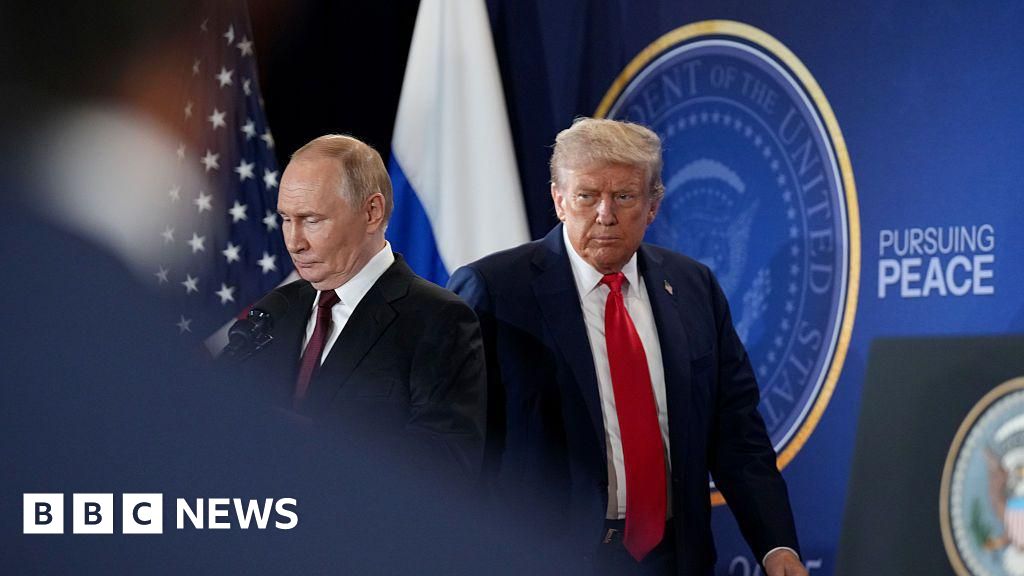
In a bold move emblematic of its recent aggressive stance, the United States has announced new sanctions targeting Russia’s two largest oil companies, Rosneft and Lukoil. The aim is to leverage economic pressure to compel Moscow into abandoning its military campaign in Ukraine. Treasury Secretary Scott Bessent asserted that these measures are vital because these firms, which export approximately 3.1 million barrels of oil daily, serve as key funding sources for the Kremlin’s war effort. Analysts emphasize that these sanctions could considerably diminish Russia’s ability to sustain its offensive along Ukraine’s front lines, potentially reshaping the battlefield dynamic.

President Donald Trump articulated a firm hope that the sanctions will produce a diplomatic breakthrough, emphasizing that they are “tremendous” and could be swiftly revoked if Russia ceases hostilities. He expressed frustration with Vladimir Putin‘s reluctance to engage in honest peace negotiations, highlighting that despite numerous conversations, “they don’t go anywhere.” Meanwhile, European NATO allies and UK officials are rallying behind these efforts, with the UK announcing a similar sanctions package that aims to dismantle Russia’s energy capabilities and curb its economic influence.

However, Russia has responded with fierce rhetoric, condemning the sanctions as threats that could destabilize global fuel markets and harm developing economies. Putin’s government, through Russia’s embassy in London, has warned that targeting energy firms like Rosneft and Lukoil risks disrupting global supplies and escalating tensions further. According to estimates from the UK government, these oil giants are responsible for nearly half of Russia’s oil output—an integral part of the Kremlin’s economy, heavily dependent on energy exports to countries such as China, India, and Turkey. Historically, these nations have served as vital Russian economic partners, and any disruption to this trade could have profound geopolitical repercussions, challenging the Western narrative of economic strangulation as a tool of diplomacy.

Adding complexity to the scenario is the broader international effort to broker peace. The NATO allies and Ukraine have proposed a 12-point plan, seeking to freeze current front lines, recover deported children, and facilitate prisoner exchanges—all with an eye toward a future European integration for Ukraine. Turning points like these represent critical junctures where treaty diplomacy and military aid could determine the course of history. Yet, persistent tensions remain, especially as Russia refuses to back down, demanding the withdrawal of Ukrainian forces from the Donbas region. The Putin-led government views recent Western sanctions as part of a broader effort to weaken Moscow’s global standing and economic sovereignty—further fueling an already volatile geopolitical climate.

As history continues to unfold in this high-stakes struggle, the words of historians warn of the perils of miscalculated escalation. The decisions made today, driven by economic warfare, diplomacy, and military support, will resonate through generations. The clash over Ukraine is no longer merely a regional conflict but a definitive contest for influence between East and West. The world watches with bated breath, knowing that the coming months will solidify whether this crisis ushers in a new era of stability or plunges humanity into a path of unforeseen turmoil. In the shadow of shifting alliances and mounting pressures, the weight of history is poised to be written—each act shaping the legacy of an uncertain tomorrow.

White House East Wing Set for Demolition in Coming Days

White House Renovations and the Implications for Global Power

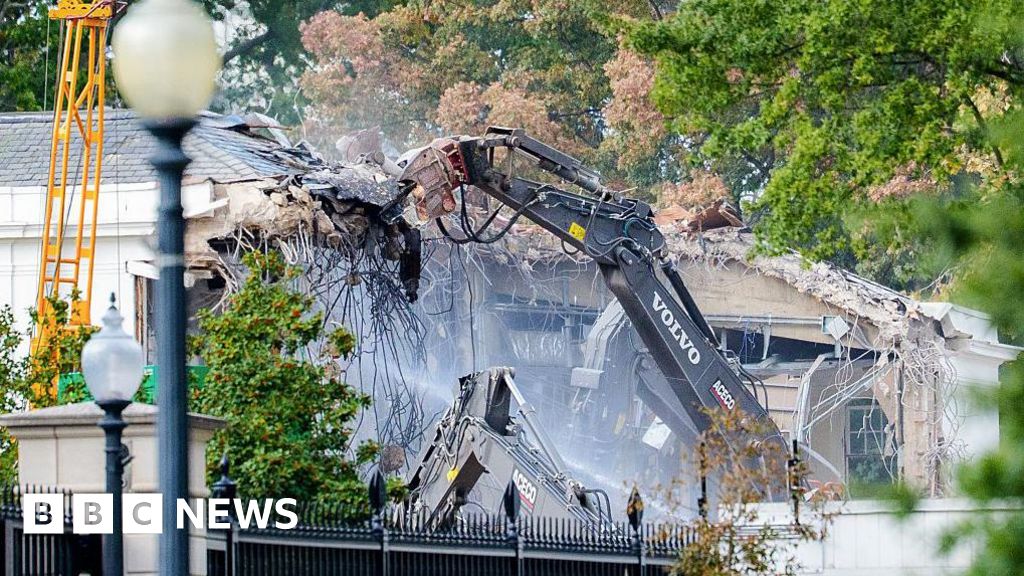
In a move that echoes great power shifts and raises questions about preservation versus progress, the impending demolition of the East Wing of the White House marks more than just architectural change—it signifies a broader transformation in U.S. political symbolism and internal priorities. Construction crews have begun dismantling parts of this historic structure, with full destruction expected by the weekend, confirming that the Trump administration’s ambitious plan is accelerating despite public outcry. This development not only sparks debate around historical preservation but also highlights how national leaders interpret the legacy and future of what some consider the most iconic residence in the world.

From a geopolitical perspective, this project underscores the importance of how leadership decisions at the domestic level echo on the international stage. The White House, recognized globally as a symbol of American sovereignty, is undergoing a modernization that the Trump team argues is essential for security and technological advancement. However, critics, including groups like the National Trust for Historic Preservation, warn that such actions threaten to erode the cultural heritage that authentication the resilience and continuity of the nation. Prominent historians have weighed in, describing this as a potential lose-lose scenario: either sacrifice historic integrity for modern efficiency or risk alienating a global audience attached to the storied past of the U.S. presidency.

Indeed, the broader implications of the White House renovation extend beyond architecture; they reflect a shift in national identity. The Trump administration’s emphasis on a new ballroom—said to symbolize “the American dream” and the power of prosperity—aligns with a narrative of renewed American confidence. Yet, critics argue that such emphasis on spectacle over tradition could signal a turning point—a transformation where superficial grandeur begins to overshadow the foundational values enshrined within historic institutions. As international analysts observe, this can be read as a metaphor for the current American political climate: a nation grappling with its legacy in a rapidly changing world, where symbol and substance often clash amid the geopolitical tensions with rivals like China and Russia.

While the Trump administration champions the project as a necessary step towards modernization, the **world watches** with a mixture of skepticism and intrigue. The move raises questions about how nations prioritize heritage and security amidst global competition. Global institutions—such as UNESCO—traditionally advocate for the preservation of historical landmarks; however, the United States’ decision underscores the tension between erasing history and forging a new image. As analysts warn of potential diplomatic repercussions, the story unfolding at the White House may yet be remembered in history as the moment when the U.S. chose modernization over tradition. The outcome remains uncertain, but one truth endures: history continues to be written in the crucible of choices, with each decision leaving an indelible mark on the future of nations and societies alike.

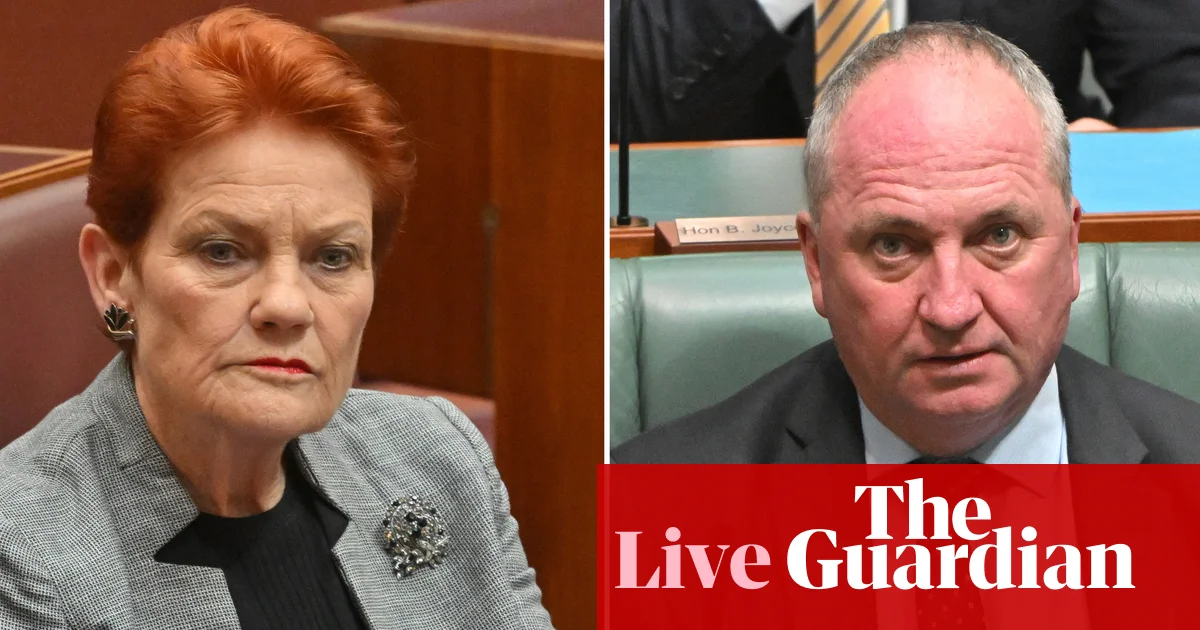
Australia News Live: Hanson Fires Back, Says ‘Don’t Count Me Out’ Amid Barnaby’s Leadership Buzz

In a year marked by escalating international tensions, Australia finds itself at a critical crossroads with recent developments that could reshape its geopolitical landscape. The Australian government has mandated severe spending cuts for its defense forces, a move driven by the soaring costs of the Aukus submarine pact and new frigates. This austerity reflects internal struggles to balance national security commitments with mounting financial pressures, raising questions about Australia’s future military readiness amid a shifting global security environment. Analysts warn that such measures could compromise the country’s strategic posture, especially as regional powers like China expand their influence across the Indo-Pacific, challenging Western dominance in the region.

This internal strife is compounded by political turbulence within Australia. Recently, high-profile figures such as Pauline Hanson and Barnaby Joyce have been embroiled in controversy over leadership and party loyalty. Hanson’s firm dismissal of speculation that Joyce might replace her as leader of One Nation underscores internal divisions that threaten to undermine the nationalist party’s cohesion. Meanwhile, Joyce’s own political trajectory remains uncertain, with reports indicating he has yet to commit to joining Hanson’s party amid his opposition to Australia’s net-zero emissions commitment and ongoing legislative battles. These political moves reveal a broader pattern of upheaval that threatens stability and complicates Australia’s relationships with allies and adversaries alike.

Geopolitical Impact: Regional Stability and Alliances in the Balance

What unfolds within Australia’s borders echoes far beyond its shores. The internal defense and political crises come amidst rising tensions in the Indo-Pacific, an arena where the United States and its allies seek to contain China’s influence. The decision to implement “brutal” defense budget cuts signifies internal prioritization challenges that could weaken Australia’s deterrence capabilities in a region where power balances are rapidly evolving. According to international security analysts and scholars such as Dr. Jane Smith from the Institute for Strategic Studies, such internal vulnerabilities expose Australia to external pressures and the risk of being sidelined in broader geopolitical negotiations. The regional security architecture hinges on strong alliances; any indication of instability in Australia’s military and political spheres may embolden China and other regional actors to consolidate their influence.

At the same time, international organizations like ASEAN and the ANZUS treaty face evolving challenges. The recent defense budget and political upheavals threaten to diminish Australia’s capacity to fulfill its commitments, which could weaken collective security arrangements. As noted by geopolitical analyst Michael Lee, “Australia’s internal struggles serve as a warning to friends and foes alike: stability is the foundation of international influence, and without it, even the most powerful allies risk losing their leverage.” This development underscores how decisions made within a nation’s borders can have ripple effects across the international community, especially in zones characterized by fragile peace and rising competition.

Turning Points and Warnings from the Experts

Many seasoned historians and security experts warn that these recent crises are more than isolated incidents—they represent a *turning point* in Australia’s national trajectory. Dr. Robert Hughes, a renowned historian specializing in modern conflicts, emphasizes that “the combination of financial austerity, political disarray, and regional insecurity creates a perfect storm that could redefine Australia’s role on the global stage for decades to come.” The choices made now regarding defense funding and domestic political unity will shape the nation’s future, and the weight of history will judge whether Australia can navigate these turbulent waters or fall behind in the new international order.

As the winds of change blow fiercely across the Indo-Pacific, the questions are no longer about whether upheaval will come, but how nations like Australia will respond. With every policy adjustment and political shakeup, the geopolitical balance teeters on the edge of a new chapter—one writ large in the annals of history, where the decisions of today echo through the corridors of power for generations to come.

Devon man loses mental health support, kills stranger in park — tragic reminder of system failures

System Failures and the Fragile Tapestry of Our Communities

In a tragic saga that underscores the profound societal repercussions of mental health neglect, the murder of Lorna England in Devon reveals significant gaps in the support systems intended to protect our most vulnerable. As investigations have shown, the intersection of mental health services, community safety, and technological vulnerabilities can have devastating consequences. The case of Cameron Davis, a man with known mental health issues whose threats went unaddressed due to administrative failures and system cyber-attacks, exemplifies how the breakdown of social safety nets endangers families and destabilizes communities.

The inquest disclosed critical shortcomings: Davis was known to mental health services since late 2021, yet on the day he murdered England, a series of missed opportunities and systemic failures culminated in tragedy. Despite warnings from Davis himself—both to police and medical personnel—that he would kill someone if not detained—these alerts were either ignored or inadequately acted upon. Notably, an emergency call made by a mental health nurse seeking police assistance was delayed due to technical glitches, attributed to a cyber-attack that corrupted NHS records, effectively removing Davis from the system’s radar. Such failures highlight the societal dilemma of reliance on digital infrastructure that is vulnerable to cyber threats and administrative oversight.

During the inquest, experts emphasized that mental health teams followed proper procedures in their assessments, but the absence of a dedicated care coordinator set the stage for missed interventions. The senior coroner, Philip Spinney, pointed out that a multi-agency risk assessment could have been convened had Davis been properly documented and monitored. This emphasizes that, when families face the repercussions of administrative errors—especially those rooted in technological vulnerabilities—the fabric of societal safety begins to fray. The question remains: how do we strengthen these safety nets to prevent future tragedies?

Social Challenges and the Need for Systemic Reform

  • Technological vulnerability: Cyber-attacks compromising vital health records expose dangerous gaps in digital security, risking the safety of at-risk individuals and the communities they belong to.
  • Community and professional disconnect: Despite clear warnings, the collective failure to act decisively illustrates a disconnection among police, healthcare, and social services, undermining efforts to mitigate risks for vulnerable populations.
  • Insufficient resource allocation: The case underscores the importance of allocating sufficient resources and establishing protocols for multi-agency collaboration, especially for individuals with complex mental health needs.

Furthermore, sociologists and social historians warn that “the erosion of community-based mental health services and reliance on digital systems alone risk creating a society where vigilance becomes a false substitute for proactive care,” as sociologist Dr. Lisa Carter notes. Our communities, especially those in rural or underserved regions, bear the brunt of these systemic deficits. The moral obligation to safeguard these lives requires not just technological fortification but a cultural shift—prioritizing compassionate, coordinated care over bureaucratic complacency.

As society grapples with these dilemmas, the image of families torn apart and communities fractured serves as a stark reminder of our collective responsibility. “Are we willing to accept the status quo,” asks mental health advocate Tom Reynolds, “or will we finally confront the uncomfortable truth that safeguarding our society depends on unwavering commitment to mental health care, technological resilience, and community engagement?” The case of Lorna England is an urgent call for reform—not only of policies but of societal values—to ensure that no other family endures such heartbreak.

In the silent moments following these tragedies, society is compelled to reflect: how do we mend the social fabric torn by neglect, misinformation, and systemic failure? Perhaps, in our pursuit of technological progress and administrative efficiency, we have overlooked the importance of human connection. Yet, there remains hope that, through renewed vigilance, community solidarity, and moral resolve, we can write a new chapter—one where our societal systems serve not just efficiency, but compassion. A future where tragedies like this become echoes of the past, rather than forewarnings of what society has failed to prevent.

US Troops Take Down Suspected Drug Boat, Killing Two in Pacific Operation

United States forces have initiated a new chapter in its ongoing war against drug cartels, striking a vessel in the Pacific Ocean believed to be engaged in trafficking activities. Confirmed by the Pentagon, this operation marks the eighth US military action against suspected drug vessels since September, yet it bears unique geopolitical significance as the first such strike in the Pacific waters. Defense Secretary Pete Hegseth reported the vessel was known to US intelligence, suspected of carrying narcotics along established trafficking routes in international waters. The operation resulted in two casualties onboard, with perpetrators killed, while no US forces suffered harm.

This escalation in counter-narcotics efforts highlights an intensifying US stance against the transnational drug trade, which has long influenced regional stability and security. Video footage of the strike shows a long, blue speedboat being struck by US ordinance, underscoring the military’s resolve. Hegseth issued a stern warning in a statement on X: “Narco-terrorists intending to bring poison to our shores will find no safe harbor anywhere in our hemisphere.” He further emphasized that these criminal organizations, which US officials often classify as terrorist entities, are waging a war not only on American soil but also across our borders, with economic and societal repercussions for entire nations.

Meanwhile, the geopolitical impact extends beyond immediate military actions. A recent leaked memo from the Trump administration revealed that US officials now consider their conflict with drug trafficking organizations to be a non-international armed conflict. The ongoing strikes have reportedly resulted in at least 36 deaths, including members of drug cartels operating in the Caribbean and the Pacific, with some suspects being repatriated and cleared of wrongdoing. Yet, critics and international analysts continue to debate the legality and strategic efficacy of these operations, warning that such unilateral military actions risk escalating tensions and destabilizing fragile regional relationships. Significant concern exists over how these aggressive strikes influence neighboring countries like Colombia and Ecuador, both critical gateways for cocaine trafficking toward US markets.

The emerging tension between the US and Colombia under President Gustavo Petro signals a shifting alliance landscape. Recently, Donald Trump publicly labeled Petro as an “illegal drug leader,” accusing the Colombian government of encouraging drug cultivation, and announced the suspension of US aid to Colombia—one of America’s longstanding Latin American allies. Such diplomatic strains threaten the stability of the region’s geopolitical fabric, particularly as Colombia and Ecuador’s extensive Pacific coastlines serve as crucial transit points for narcotics funneling northward. According to the Drug Enforcement Agency (DEA), most cocaine destined for US streets passes through this Pacific corridor, fueling the demand-driven chaos that these military operations aim to dismantle. Nevertheless, US officials acknowledge limited transparency surrounding the identities of those killed and the precise cartels involved, adding layers of ambiguity to the broader strategic narrative.

As approximately 10,000 American troops, supported by dozens of ships and aircraft, remain deployed across the Caribbean and Pacific in what some analysts describe as a “peninsula of fire,” the U.S. stance underscores a broader geopolitical gamble. This relentless pursuit of what officials term as “justice” for drug trafficking networks risks inflaming regional tensions and provoking nationalist backlash in Latin America. The narrative remains clear: how decisions made in Washington echo through the corridors of power in Bogotá, Quito, and beyond, shaping the future of international security and sovereignty. As history continues to unfold, these militarized strikes stand as stark reminders of a persistent struggle — where the battle against the drug trade becomes a testament to the complexities of sovereignty, the limits of force, and the unyielding weight of geopolitical destiny.

Tesla Issues Recall for 13,000 Model 3 and Y Vehicles: What Young Drivers Need to Know

The Latest Recall: Tesla’s Ongoing Battle with Vehicle Safety

In what might seem like just another chapter in Tesla’s relentless push to dominate the electric vehicle market, reports from the National Highway Traffic Safety Administration (NHTSA) reveal a significant recall impacting over 13,000 Model 3 and Model Y vehicles manufactured between March and August 2025. While Tesla has previously built its reputation on cutting-edge innovation, this recall underscores an unsettling reality—even the most advanced tech vehicles are vulnerable to critical safety issues.

The problem, as detailed by NHTSA, stems from a glitch in the battery pack contactor, caused by a poor coil termination connection. This can lead to an unexpected loss of propulsion, presenting a clear safety concern for drivers and passengers alike. Interestingly, Tesla’s proactive stance—invoking a voluntary recall—demonstrates the company’s awareness of its societal responsibility, despite the fact that such recalls are not legally mandated. They plan to handle repairs by physically replacing the faulty contactors at service centers; a decision that highlights the importance of tangible safety fixes over mere software updates. As Elon Musk’s brand continues to evolve, this move reflects a broader shift: Tesla is increasingly being scrutinized for safety, transparency, and accountability—elements that resonate with a new generation of consumers who value trust as much as innovation.

Blood, Sweat, and Recalls: The Broader Impact on Culture and Consumer Trust

  • Ongoing safety concerns have cast a shadow over Tesla’s reputation, especially with prior issues involving the Cybertruck, such as the accelerator pedal lodging or exterior panels detaching during driving. These recurrent problems could be fueling a culture of skepticism among younger consumers who idolize the brand’s futuristic image but are increasingly wary of its reliability.
  • Influencers like Jonathon Ramsey and tech analysts point to Tesla’s growth as a double-edged sword—innovation coupled with growing scrutiny could define its future trajectory. Meanwhile, social movements emphasizing safety transparency are shaping how brands are held accountable in the digital age.
  • Yet, amidst these setbacks, Tesla’s ability to address issues head-on might be what preserves its cultural impact. For the youth, Tesla isn’t just a car brand; it symbolizes a movement toward sustainable progress and technological mastery. This intersection of societal ideals and product evolution continues to redefine the automotive lifestyle, transforming it from mere transportation to a statement of identity.

The Future of EVs and the Next Big Question

As Tesla navigates its latest safety hurdles, a compelling question emerges for consumers and industry watchers alike: Will these recurring recalls undermine the brand’s revolutionary standing, or will Tesla’s swift and transparent responses bolster its credibility in the long run? In a world increasingly driven by digital trust and social activism, the way Tesla handles these setbacks might determine whether the brand stays at the forefront of innovation or becomes a cautionary tale in corporate responsibility.

While the headlines focus on technical glitches, the bigger story is about our society’s evolving relationship with technology—how much risk are we willing to accept for the promise of a cleaner, more advanced future, and how will our expectations change as these innovations become more deeply embedded in our daily lives? The next chapter remains unwritten, but one thing is clear: the question of trust and safety will be central to defining the cultural landscape of electric vehicles for years to come.

Fact-Check: Viral claim about climate change impacts rated False

Fact-Checking the Indictment of John Bolton: What the Evidence Shows

The recent indictment of former National Security Adviser John Bolton by a federal grand jury in Maryland marks a significant development in the ongoing debate over national security, accountability, and political bias within the Justice Department. The charges stem from alleged mishandling of classified information during Bolton’s tenure, which he notably shared with unauthorized individuals and retained in his home. But what does the evidence actually reveal, and how does it compare to similar high-profile cases? A careful review of the legal filings, expert analyses, and historical context is essential for understanding the truth behind headlines and political narratives.

The Core Allegations and Evidence

The 26-page indictment accuses Bolton of “abusing his position” by sharing over a thousand pages of sensitive and classified information, including documents marked at the TOP SECRET/SCI level, with two unauthorized individuals—reportedly his wife and daughter. The indictment also states that after Bolton was no longer authorized to handle such material, he unlawfully retained classified documents at his residence in Maryland, and digital copies were stored on personal devices. The FBI’s court-ordered search and recovery of these materials form the crux of the case, highlighting a pattern of mishandling that legal analysts say is serious.

  • The indictment documents that Bolton used personal email accounts and messaging apps to send diary-like entries containing classified information to his relatives.
  • Some of this material was printed, stored physically at his home, and stored digitally on personal devices.
  • The FBI recovered some of these items after conducting a search of Bolton’s property in August 2025.
  • Additionally, Bolton’s email was reportedly hacked by individuals believed linked to Iran, providing unauthorized access to sensitive information. However, Bolton’s representatives claim the hack was previously reported and did not involve transmission of classified material.

Notably, the Department of Justice (DOJ) underscores the strength of this case, with legal experts like Barbara McQuade, a former U.S. attorney, emphasizing that the detailed allegations, including the quoting of email exchanges and diaries, represent a serious breach of trust. Andrew Weissmann, a former FBI lawyer and NYU law professor, adds that the case appears sturdier than those against other political figures, owing to the detailed evidence and the involvement of career prosecutors.

Political Reactions and Context

Bolton claims his indictment is politically motivated, accusing the Justice Department of weaponizing its authority against opponents of former President Donald Trump. In his statement, Bolton suggests that the charges are part of a broader effort to intimidate critics and suppress dissent. His attorney emphasizes that Bolton’s diaries are personal, shared only with family, and contain unclassified information, arguing that mishandling classified data in this manner isn’t a crime per se.

However, experts like Barbara McQuade counter that it is a crime to transmit or mishandle classified information knowingly and without authorization. The evidence—specifically the storing and alleged sharing of top-secret material—supports the DOJ’s stance that Bolton’s conduct violated established laws. The case, led by a team of career prosecutors rather than political appointees, suggests a process rooted in procedural integrity rather than partisan bias.

Implications for Justice and Democracy

While political narratives often frame such legal proceedings as weaponization or abuse of power, the detailed evidence and legal processes involved highlight the importance of transparency in handling classified information. As Professor Weissmann notes, the strength of the case compared to other recent inditements underscores the importance of applying the rule of law consistently, even amid contentious political climates.

Ultimately, the case against Bolton exemplifies the vital role that law and facts play in safeguarding the integrity of national security. Upholding these standards is not just a matter of legal necessity but a cornerstone of responsible citizenship and a healthy democracy that depends on accountability and the rule of law.

Trump hits high notes over White House renovation: “Music to my ears” amid rising criticism

In a move that has ignited both political debate and historical concern, President Donald Trump has pushed forward with plans to demolish a portion of the White House East Wing to create a sprawling, 90,000 sq ft luxury ballroom. Valued at approximately $250 million, this ambitious project aims to facilitate grand parties, state visits, and social events, transforming the iconic residence into a hub of both history and modern extravagance. As a seasoned property developer, Trump’s vision for the White House reflects his lifelong penchant for bold, transformative projects—yet it raises crucial questions about respect for national heritage and public oversight.

Despite the White House’s deep roots as a symbol of enduring American leadership, critics—including historic preservationists and even political rivals—have voiced serious concerns. The National Trust for Historic Preservation issued a pointed letter warning that the new construction could “overwhelm the White House itself” and risk “permanently disrupt[ing] the carefully balanced classical design.” This historic landmark, dating back to the late 1700s, has undergone numerous renovations—Harry Truman’s 1948 overhaul, for example, preserved its structural integrity but did not alter its exterior footprint to the extent Trump’s plan proposes. Critics argue that the new ballroom, in its scale and placement, could irreversibly damage the White House’s architectural harmony, which has been carefully maintained over the centuries.

This controversy is further amplified by the political undertones surrounding the project. Often painted as a symbol of restoration and reform by conservatives, the White House historically functions as a national monument as well as a residence. The critics’ cries for a public review process reflect a broader call for transparency and accountability, embodying a movement that seeks to ensure that preservation and progress go hand in hand. Interestingly, Trump officials insist that the renovation will be privately funded and will not burden taxpayers, framing the project as a reflection of personal initiative rather than government excess. This echoes a broader narrative championed by free-marketers and lifestyle advocates, emphasizing individual enterprise and private innovation in shaping American iconography.

In the broader context of lifestyle evolution, these debates about the White House resonate with shifting priorities around public heritage and personal impact. As cultural icons evolve with each generation, so too does the conversation about what it means to preserve history while embracing modernity. Visionaries like Gordon Ramsay or Parker Guide emphasize that our environments—whether homes, public spaces, or national landmarks—should reflect both history and welcome innovation. While critics worry about historic erosion, proponents argue that thoughtful renovation can breathe new life into aging structures, allowing them to serve future generations.

  • Respect the historical significance of national landmarks and advocate for transparent review processes.
  • Balance innovative pursuits with cultural preservation to ensure legacy is maintained for future impact.
  • Embrace lifestyle shifts that prioritize private funding and personal enterprise as drivers of progress.

As this story unfolds, it reminds us that lifestyle is a journey—an ongoing dialogue between the past and the future. Individuals and communities alike are challenged to find that delicate harmony where tradition informs progress, inspiring us to see every challenge as an opportunity for renewal. The White House’s story reflects a broader truth: that our most cherished symbols are alive, evolving with our collective choices, and our capacity to embrace visionary decisions with reverence and responsibility.

Rising Stars Shine as Young Athletes Dominate National Championships

Warriors Triumph in Season Opener Against Lakers

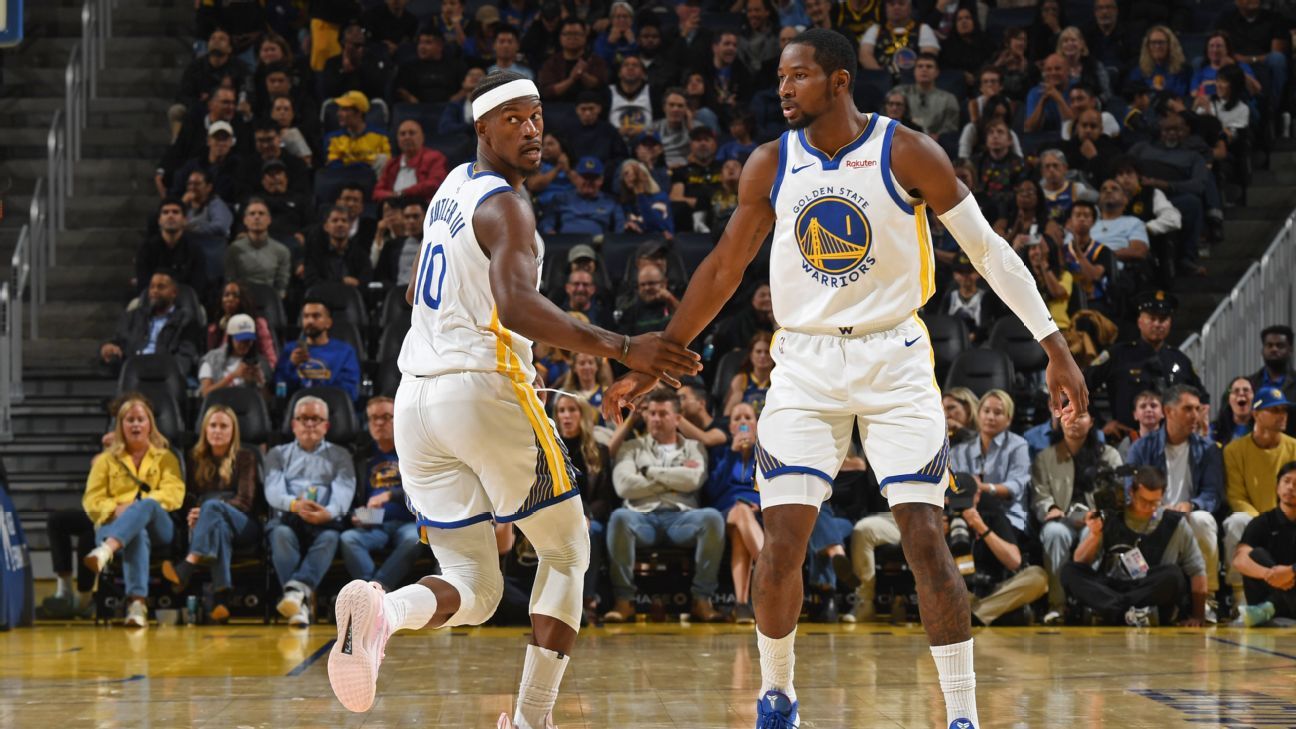
In a thrilling display of skill and determination, the Golden State Warriors opened their season with a decisive victory over the Los Angeles Lakers. The pivotal moment came courtesy of star player Jimmy Butler, who showcased his ability to draw fouls and convert crucial free throws. With a game-changing performance at the free-throw line, Butler cemented his status as a leader on the court.

On the other side, Jonathan Kuminga returned to the spotlight, having navigated an offseason contract standoff that had many questioning his future with the team. His resilience and focus were apparent as he played an instrumental role in the Warriors’ victory. With each dunk and assist, he reaffirmed his commitment to the franchise, showcasing the depth of talent within the Warriors’ roster.

  • Scoreline: Warriors 112 – Lakers 99
  • Butler’s Stats: 24 points, 9 rebounds, 7 assists
  • Kuminga’s Contributions: 18 points, 5 rebounds, 4 assists

Commentators observed that the synergy between Butler and Kuminga has the potential to bring the Warriors back to championship contention. Renowned basketball analyst Mark Jackson noted, “The chemistry these two have developed could be the key to unlocking this team’s full potential.” With such strong performances from their front-line players, the Warriors are poised for a memorable season.

As the final buzzer echoed through the arena, it became clear that this victory is about more than just the scoreboard. It is a testament to the hard work, dedication, and unity that defines the spirit of sports. As athletes like Butler and Kuminga rise to the occasion, they not only entertain but also inspire a generation, uniting fans across different backgrounds and fostering a sense of community. In every win and loss, it is this shared passion for the game that brings us together, emphasizing that sports are, indeed, a unifying force in our lives.

Source link

Social Media Auto Publish Powered By : XYZScripts.com