Matox News

Truth Over Trends, always!

US and Australia team up on rare earths to push back against China's grip
US and Australia team up on rare earths to push back against China’s grip

The evolving geopolitical landscape continues to underscore the strategic importance of critical minerals in the global power struggle. On the recent front, the United States and Australia have solidified their alliance by signing a landmark agreement aimed at dominating the supply of rare earth elements. As tensions with China escalate over control of vital resources, this partnership signals a decisive move by Western nations to break China’s stranglehold—an alarming 70% of rare earths mining and 90% of processing. These materials are fundamental to modern defense systems, technology, and automotive industries. With China’s aggressive border restrictions and trade maneuvers, Washington and Canberra are actively seeking alternatives to secure their economic and military resilience.

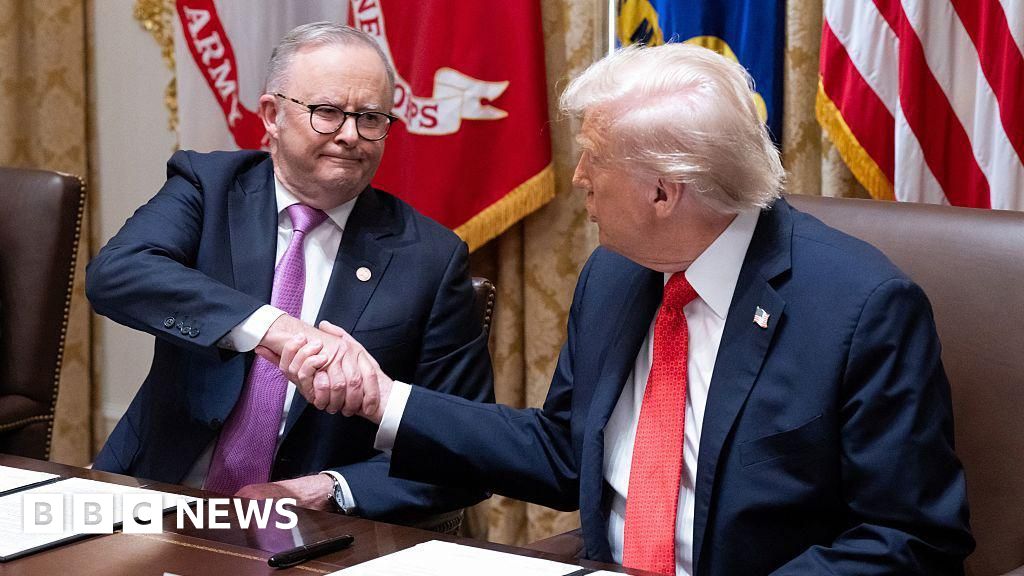
Prime Minister Anthony Albanese emphasized the plan’s scope, revealing that this deal supports a pipeline of over $8.5 billion (A$13 billion; £6.3 billion) worth of projects, designed to expand Australia’s mining and processing capabilities. The agreement also commits an initial $1 billion investment over just six months, targeting critical supply chain vulnerabilities. Analysts observe that such investment is part of a broader strategic effort to foster self-sufficiency within allied nations, reducing reliance on China’s dominant market and circumventing future restrictions. Furthermore, a dedicated focus on developing advanced processing facilities, including a 100-tonne-per-year gallium refinery in Western Australia, highlights Washington’s commitment to undercut China’s control and bolster its own high-tech industries.

Alongside resource diversification, the agreement has significant military-strategic implications. Recently, President Donald Trump reaffirmed support for Australia’s Aukus submarine deal—an alliance with the US and UK—despite earlier delays and uncertainties over procurement aligned with the “America First” agenda. While current discourse suggests Australia may not receive US submarines in the near term, Trump’s unequivocal statement, “they’re getting them,” signals intention to strengthen traditional security ties. This dynamic infers a deliberate effort by Washington to leverage maritime dominance as a deterrent against an increasingly assertive China. As fireworks of diplomatic and military maneuvers intensify, the Pacific region remains the battlefield where the future of global supremacy is being forged.

The geopolitical impact of these moves is profound, altering alliances and reshaping regional balances of power. Experts warn that the strategies developed today will resonate for decades, influencing the capabilities of nations to sustain high-tech economies and military power. Historically, access to critical minerals has been a decisive factor in conflicts and economic dominance—patterns that repeat as nations scramble to secure the resources that fuel the 21st century’s technological revolution. As the US and Australia forge ahead to confront China’s resource monopoly, the world watches with bated breath, aware that these decisions are fueling a new chapter of international rivalry—one in which the raw materials of the future will define the winners and losers of the unfolding geopolitical saga. The pages of history are being written anew, and the stakes have never been higher.

Rising Stars Shine: Young Athletes Dominate Weekend Competitions!

Milwaukee Teams Face Postseason Blues as Winter Approaches

As winter descends upon Milwaukee, the chill in the air isn’t solely due to plummeting temperatures. It’s the unfortunate outcome of recent postseason games that have left local teams and their passionate fans yearning for a brighter future. With postseason dreams cut short, the resolve of these communities cannot be overlooked. The struggles that unfolded across the various leagues have laid bare both the challenges and resilience of our favorite teams.

The Milwaukee Bucks, a perennial contender in the NBA, faced a formidable foe in the playoffs this year. Despite a strong season led by star player Giannis Antetokounmpo, the Bucks fell short in a hard-fought series that culminated in a dramatic Game 7. Fans were left to cope with the heartbreak of a missed opportunity, especially after the team had set their sights on another championship run. Coach Mike Budenholzer addressed the disappointment, stating, _“It’s a tough pill to swallow. We have to learn and grow from this experience.”_

Meanwhile, the Milwaukee Brewers also faced an early exit from their respective playoff race, which added to the dark cloud hanging over the city. Despite a promising start to the season led by ace pitcher Corbin Burnes, the team struggled in the final stretch. As commentator Bob Uecker remarked during their final game, _“Baseball is a game of ups and downs. It teaches you resilience, even in the face of defeat.”_ Fans are left hopeful for the next season, as they believe in the potential of their young roster moving forward.

As the scoreboard reflects a tough winter for Milwaukee sports, the wider narratives within these communities reveal a deeper story. Sports serve as a unifying force, transcending mere competition. They provide an avenue for collective hope, camaraderie, and a sense of belonging amidst the bitter chill of winter. Local youth and families continue to rally around their teams, demonstrating that heart and passion endure, even when the outcomes do not favor them. As Milwaukee embraces this challenging chapter, the spirit of the game remains strong—a testament to the indomitable human spirit.

Source link

White House Starts Transforming East Wing for Trump Ballroom Upgrade

White House Renovation Sparks International Debate

The United States has embarked on a high-profile renovation project that signals more than just physical changes—it’s a reflection of shifting geopolitical priorities and domestic political narratives. Recently, construction began on a new ballroom within the historic White House, a move championed by President Donald Trump as a long-anticipated modernization effort. This project, estimated to cost around $250 million, has ignited a storm of controversy both domestically and among international observers, highlighting how major architectural decisions in the seat of power can carry profound implications for global perceptions of American leadership and stability.

Experts argue that the decision to refurbish the East Wing, which has stood since 1902, is emblematic of a broader cultural and political signal. While Trump asserts that the new ballroom is a respectful addition that will not interfere with the historic structure, critics see it as a symbol of a more assertive, image-conscious America. As historian Dr. Jane Walker notes, this renovation can be viewed as “a statement of renewed confidence and a desire to shape the narrative on the world stage.” International organizations like the United Nations and European Union monitor such developments closely, aware that physical upgrades to the White House often mirror internal shifts in America’s strategic posture.

Furthermore, the involvement of private donors—labeled by Trump as “many generous Patriots”—raises questions about the evolving relationship between public power and private influence. In an era where such decisions are viewed through a lens of nationalism and sovereignty, it underscores a resurgence of populist narratives emphasizing patriotic patronage as a form of sovereign empowerment. The impact of such projects extends beyond aesthetics; they shape how nations perceive America’s stability and its willingness to invest in its symbols amidst a turbulent geopolitical landscape. As international analysts warn, these moves may foster both admiration and suspicion, depending on how the global community perceives America’s domestic priorities in the context of foreign relations.

Ultimately, as construction crews drill and cranes hover over the historic edifice, the White House’s transformation remains a microcosm of a nation grappling with its identity and ambitions. In the shadows of these physical changes, history continues to unfold—each decision building a narrative that many nations are watching, and which might redefine the future of American influence. One thing remains clear: these renovations do not merely shape a building—they forge the legacy of a nation in the crucible of history’s unyielding march.

Lisbon funicular crash: Early reports expose numerous safety failures

Lisbon Tragically Reveals Flaws in Infrastructure Oversight

In a harrowing incident that sends shockwaves across the international community, Lisbon’s historic Glória funicular abruptly derailed on 3 September, resulting in the tragic loss of 16 lives and leaving 20 others injured. This tragic event, now under investigation, underscores the dangerous gaps that exist in infrastructure safety oversight worldwide, particularly in aging urban transit systems. The preliminary report released this week exposes a series of critical failures, including the use of untested, non-certified equipment, which have reignited debates about the accountability of public transport management and the importance of rigorous safety standards.

Analysis from industry experts and international organizations highlights that this catastrophe was not merely an accident but a symptom of deeper systemic failings. According to Portugal’s Air and Rail Accident Investigations Bureau, the root cause was a defective underground cable, acting as a counterweight between the funicular’s carriages. Disconcertingly, this cable was acquired in 2022 by Lisbon’s public transport operator Carris without proper certification for passenger transportation, revealing glaring oversight deficiencies. Moreover, the report indicates that the cable had been in use for over 600 days on the historic line without incident, raising questions about the decision-making processes of the authorities entrusted with public safety.

Magnifying this troubling reality, the investigation further exposes lapses in routine oversight, maintenance, and emergency preparedness. The emergency brake system, which could have possibly prevented the full extent of the tragedy, failed to activate properly because it had never been tested beforehand. The Linuxist report hints that multiple layers of safety checks either did not occur or were inadequately executed. Lisbon’s Mayor, Carlos Moedas, has publicly stated the incident “was due to technical causes, not political,” yet critics argue that insufficient oversight and bureaucratic neglect have long plagued the city’s aging infrastructure. These failures illustrate a broader, systemic problem: how governments and local entities often prioritize budget constraints over safety, leaving citizens vulnerable to preventable disasters.

The international ramifications of such failures are profound. As analysts warn, similar urban centers around the globe face the same risk if antiquated infrastructure remains unregulated. The incident in Lisbon serves as a stark cautionary tale—highlighting the importance of updated standards, transparent oversight, and responsible management—core principles championed by institutions like the International Association of Public Transport. Historians of urban development caution that neglecting maintenance and safety protocols can tarnish a city’s legacy and threaten its social fabric. While the full investigation into the Glória funicular accident is expected to take approximately 11 months, the incident has already sparked international calls for stronger safety measures and more accountability in public transportation systems.

As the city grapples with loss and the need for urgent reforms, the weight of history presses heavily on future decisions. Each failure, each avoided crisis, leaves behind a shadow, reminding the world that infrastructure is not merely steel and cables—it is a testament to societal priorities, accountability, and the rule of law. The unfolding story in Lisbon is more than a localized tragedy; it is a defining chapter in the ongoing struggle to safeguard human lives in an era where speed and innovation must never outpace responsibility. Humanity now stands at a critical juncture, where the decisions made today could either build resilient societies or pave the way for future, even more devastating, failures. In this moment of reckoning, the lessons from Lisbon are painfully clear: safety is non-negotiable, and neglect has its price—written in lives lost, and history’s unyielding judgment.

Australia News Live: Cash urges PM to condemn Chinese jet clash; Joyce grilled over One Nation shift

In a world continually edging closer to a new era of confrontation and uncertainty, recent developments underscore the volatile geopolitical landscape. From tense military encounters in the South China Sea to political maneuvering in Australia, the global stage is rife with flashpoints that threaten to ignite larger conflicts. Analysts warn that these incidents are more than isolated events—they reflect a broader strategic contest involving China, the United States, and regional powers, with international institutions often unable—or unwilling—to prevent deterioration.

The incident that has drawn significant international attention occurred over the South China Sea, where reports emerged of a Chinese fighter jet releasing flares dangerously close to an Australian surveillance aircraft. Michaelia Cash, Australia’s shadow foreign affairs spokesperson, condemned the act as a “serious escalation” that endangers the lives of Australian defense personnel. The incident marks the third provocation within a year, highlighting China’s provocative posture as it seeks to assert dominance in the strategic maritime region. In response, Cash called upon Prime Minister Anthony Albanese to publicly condemn the action, warning that failure to do so would be a “failure to stand up for Australia’s national interests.” These provocative maneuvers expose a pattern of Chinese military assertiveness that complicates diplomatic efforts and deepens regional tensions.

Meanwhile, within Australia, political dynamics are heating up as key figures like Barnaby Joyce and David Littleproud navigate complex intra-party relationships, with indications of potential shifts towards One Nation. Joyce, the member for New England, remains notably reticent about his political future amid rumors of defecting to the far-right party. Such moves could have profound geopolitical impact by emboldening nationalist sentiments and possibly altering Australia’s traditionally close alignment with the US on defense and foreign policy issues. The political realignments mirror a global trend where nationalist and populist movements threaten to undermine established diplomatic alliances and multilateral efforts to maintain regional stability.

Simultaneously, tensions extend beyond the Pacific with U.S. President Donald Trump and Australian Prime Minister Anthony Albanese engaging in a high-profile meeting at the White House. The visit saw the signing of a significant minerals and strategic partnership deal, signaling a pivot towards greater resource-driven cooperation. However, the broader message remains clouded by diplomatic undercurrents and the looming threat of military escalation. Historian and international security analyst Dr. Richard Martin notes that “these developments are indicative of a world where traditional power balances are shifting rapidly. The risk of miscalculation grows as nations test the limits of their strategic patience.” The risk of misunderstandings escalating into open conflict is heightened as superpowers and regional actors seek to secure their spheres of influence amid weakened international institutions.

As the world’s superpowers jostle for dominance, the flashes of military bravado, political confessions, and international diplomacy reveal a fragile geopolitical order. With Great Power dynamics on a knife’s edge, and regional allies watching nervously, the ongoing story remains one of tension—and opportunity—for those daring enough to shape it. The weight of history is pressing down, reminding us that every decision today writes the prelude to future conflicts. The question remains: how many more incidents of provocation and political upheaval can the global system withstand before shaping a new chapter—one written in the aftermath of chaos, or in the hope of a measured peace? The pages are still being turned; the unfolding drama continues to test humanity’s resolve and strategic wisdom.

Google’s New York Offices Hit with Bed Bug Outbreak — What’s Going on Behind the Screens?

Google’s New York City Campus Encounters Bed Bug Outbreak, Highlighting Industry Challenges

In a striking reminder that even the most innovative technological giants are not immune to operational disruptions, Google recently issued a notice to employees at its Chelsea campus in New York City regarding a potential bed bug outbreak. The incident underscores ongoing challenges in maintaining clean and healthy environments within the rapidly evolving landscape of tech hubs, despite the company’s status as an industry leader in innovation. Exterminators, equipped with advanced sniffing dogs, confirmed credible evidence of pests, prompting the immediate suspension of office activities until remediation efforts were completed.

Implications for Business Operations and Industry Standards

This recurring annual issue reveals a broader truth about high-density tech campuses—sustainable innovation demands resilient infrastructure and robust operational protocols. Google’s proactive approach, including additional inspections across its New York campuses, exemplifies industry best practices. The incident not only disrupts workflow but also raises questions about workplace hygiene standards in these high-profile centers of innovation. Such occurrences serve as a reminder to industry leaders and firms across sectors about the lurking vulnerabilities of large-scale physical environments, even amidst the digital revolution.

Broader Industry Trends and Disruptive Challenges

The recurrence of pest issues at Google’s offices is emblematic of urban tech hub insecurities faced by Silicon Valley giants and startups alike. Past incidents, such as the 2010 outbreak at Google’s Ninth Avenue offices, highlight a persistent challenge in managing the intersection of urban living conditions and cutting-edge workplaces. As industry analysts like Gartner emphasize, disruption isn’t limited to products or markets—it extends to operational resilience and health standards.

Future Outlook: Innovation Meets Continued Disruption

While these setbacks might seem minor against the epoch-defining scope of technological progress, they serve as crucial lessons for future innovation strategies. Technological disruption is often accompanied by unforeseen operational vulnerabilities, underscoring the need for integrating advanced pest management and environmental controls into corporate infrastructure. Experts like Elon Musk and Peter Thiel have long warned that disruption also requires resilience and agility—traits that will define market leaders in the coming decade. Going forward, the emphasis on health-driven innovation and sustainable workplace environments will be essential to sustain growth amid mounting external challenges. The lesson remains clear: as the artificial and digital realms accelerate, so must the robustness of their physical counterparts.

Labour avoids tackling Prince Andrew scandal amidst rising concern

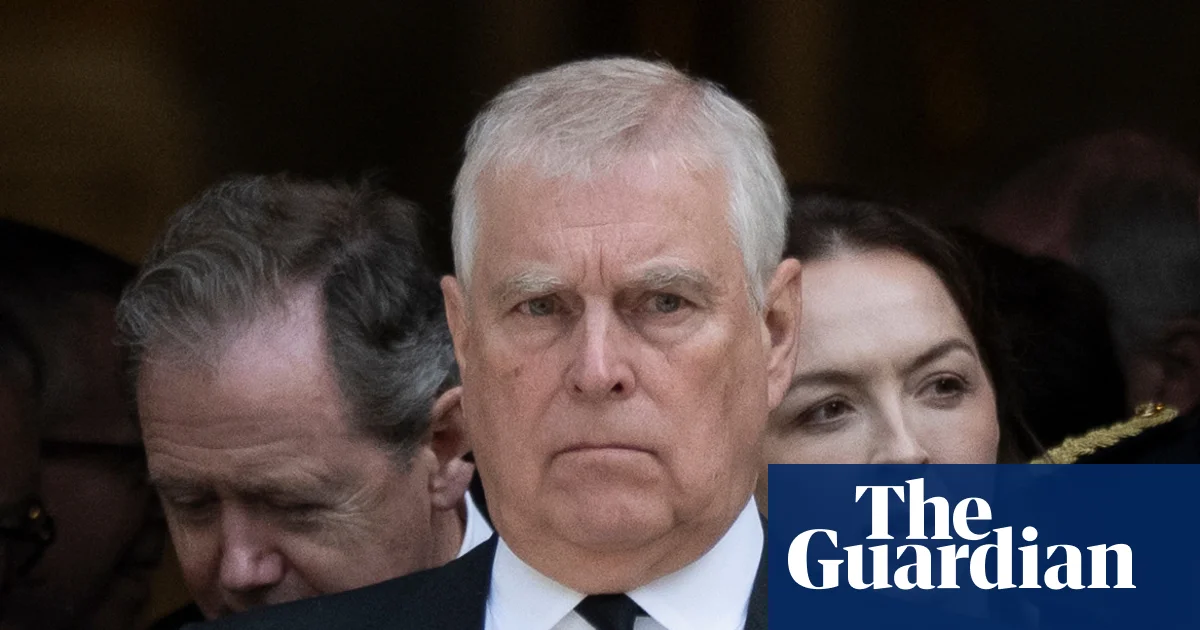
The recent revelations surrounding Prince Andrew’s alleged connections with Jeffrey Epstein have ignited a firestorm of media coverage, exposing unsettling questions about the integrity of the British monarchy and its embedded influence on national politics. Despite mounting public outrage and calls for accountability, a notable parliamentary taboo hinders any official debate on whether the royal should be stripped of his titles. This restriction underscores a deeper, pervasive culture of institutional protection that transcends the borders of the United Kingdom, impacting international perceptions of accountability, sovereignty, and judicial independence. The political establishment, especially within Westminster, appears hesitant to confront powerful symbols of tradition, even as scandals threaten to undermine confidence in Britain’s longstanding monarchy.

The core issue revolves around parliamentary constraints, which are enshrined in Erskine May, the authoritative manual on parliamentary procedure. According to its guidelines, questions that “bring the name of the sovereign or the influence of the crown directly before parliament” or cast “reflections upon the sovereign or the royal family” are off-limits. This legal and constitutional safeguard effectively bars MPs from raising allegations against Prince Andrew or discussing his conduct, especially concerning the explosive claims of Virginia Giuffre. The outcome is a paradox where public interest, especially among younger voters and international observers, collides with a strict adherence to tradition that limits open discourse, perpetuating a veil of silence over critical issues of morality and justice within the monarchy.

Analysts such as political historians and international observers emphasize that this parliamentary silence has broader geopolitical implications. It signals to the world that Britain continues to prioritize the preservation of its aristocratic symbols over embracing transparency and accountability. For many in emerging democracies and authoritarian regimes, the refusal to confront such scandals openly feeds narratives about elite impunity and entrenched privilege. Furthermore, the ongoing scandal involves subtle shifts in Britain’s soft power—its ability to promote democratic ideals and moral leadership—being subtly eroded. As some MPs voice frustration and push for legislative reforms, the reality remains that the entrenched culture of royal privilege hampers efforts for civility and integrity that are increasingly demanded by the global community.

  • The British government faces mounting pressure to either uphold tradition or adapt to a changing moral landscape—yet, the political will remains tepid, with some officials viewing the issue as a distraction from more pressing economic or domestic concerns.
  • International institutions, such as the European Court of Human Rights and the International Criminal Court, watch with cautious optimism, as Britain’s refusal to confront its royal scandal may influence debates on accountability and rule of law across borders.
  • This controversy echoes broader themes of national sovereignty, elite impunity, and social justice—issues that ripple beyond the confines of Westminster, challenging the very foundations of Britain’s constitutional tradition.

As the debate smolders beneath the surface, some voices—both domestically and globally—warn that this reluctance to confront uncomfortable truths could precipitate lasting damage to Britain’s moral authority. Historians and political analysts warn that nations which shy away from transparency in moments of crisis risk fostering long-term disillusionment among their citizens and allies. The case of Prince Andrew serves as a potent microcosm of this larger struggle—how a society chooses between maintaining ancient privileges and embracing the demands of a new age of accountability. As history unfolds with each passing day, the enduring question remains: will the winds of change sweep away the old hierarchies, or will they be immortalized as monuments to a bygone era?

Starmer’s Grooming Gang Probe Sparks Chaos as Two Survivors Drop Out

The ongoing crisis surrounding Keir Starmer’s national grooming gang inquiry underscores a broader societal failure to prioritize justice for victims and to confront deeply rooted social and institutional issues. Recent revelations, including resignations from key oversight panel members such as Ellie-Ann Reynolds and Fiona Goddard, reveal a disturbing pattern of political interference and disrespect toward survivors’ voices. These developments threaten to stall an inquiry that is essential not only for uncovering truths but also for safeguarding families and communities that are victims of these heinous crimes.

In an era where social trust is fragile, and the integrity of justice institutions is often called into question, the controversy surrounding this inquiry exposes a climate of cynicism and bureaucratic opacity. Survivor advocates warn of a watering down of investigations, fearing that political interests, exemplified by local figures such as West Yorkshire’s mayor Tracy Brabin, are pushing for an expanded scope that might dilute focus and delay justice. Sociology experts argue that this approach, reminiscent of the long and painful path of the IICSA inquiry, risks once again turning a blind eye to specific victims and local realities. Consequently, communities face a heightened sense of betrayal, especially for families bearing the scars of complex social failures.

Demographic and cultural shifts continue to shape the social fabric, fueling tensions and highlighting the need for precise, community-focused investigations. Researchers such as sociologist David Brooks emphasize that while expanding the scope might appear to address larger regional issues, it also endangers targeted justice. Critics assert that efforts should be centered on proven victims and local authorities’ knowledge, rather than broad strokes that risk obscuring accountability. This debate, however, is not merely a matter of logistics but touches moral depths: how society ensures respect for victims’ dignity and accountability for systemic failures.

Embedded within these narratives are profound questions about social trust and the role of public institutions. Leaders like Gamble and Hudson face mounting scrutiny over their potential conflicts of interest, with fears that service providers may have previously concealed criminal acts or abused their authority. As social commentators remind us, history demonstrates that trust in social institutions—schools, police, social services—is vital for building resilient communities. When that trust erodes, so too does the fabric that holds societies together, leaving families isolated and vulnerable to the forces of corruption and misinformation.

  • Survivors demand genuine justice that zeroes in on localities and proven cases
  • Concerns over political interference threaten the integrity of investigations
  • Expanding inquiry scope risks delaying resolution and diluting accountability
  • Corruption and systemic failings continue to undermine public trust

Ultimately, this turbulent episode reflects a society at a crossroads—a community grappling with its past and uncertain future. The resilience of families, the integrity of our social institutions, and the recognition of victims’ rights all hinge on our collective resolve to confront uncomfortable truths. Moving forward, there lies an opportunity to forge more transparent, community-centered approaches that restore faith and foster genuine healing. Society’s greatest hope resides in its capacity to learn from its failures, to rebuild with honesty, and to ensure that every child’s voice is heard and protected. As history teaches, only through unwavering commitment to justice and accountability can society truly evolve beyond its wounds, transforming pain into a catalyst for lasting change.

Limited-Time Alert: The Drinks Bureau Drops Donut-Flavored Cocktails — Jam Doughnut Daiquiri Taking Youth Trends by Storm!

In a world where convenience often dictates our choices, a new beverage has emerged that resonates deeply with the younger generation’s desire for both indulgence and innovation. Enter the Jam Doughnut Daiquiri, a novel canned cocktail recently introduced by The Drinks Bureau in the UK. This trendy libation is not just about flavor; it’s about rethinking what a modern cocktail can be in a fast-paced society. Combining the familiar sweetness of jam doughnuts with the sophistication of a daiquiri, this drink exemplifies how contemporary trends are blurring the lines between culinary comfort and high-end mixology.

This phenomenon is more than just a quirky flavor mashup; it is a reflection of how young consumers are redefining social and cultural norms. The Cultural Impact of such innovations lies in their ability to act as conversation starters and symbols of a shift towards more adventurous drinking experiences. Influencers and social media platforms have played a crucial role in amplifying this trend, with many young trendsetters showcasing their taste tests and unabashedly embracing products that challenge traditional notions. As sociologist Dr. Lisa Monroe notes, these trends are emblematic of a broader movement where self-expression and individuality take center stage, often through the consumption of bold, unconventional products.

Moreover, the Jam Doughnut Daiquiri taps into the nostalgia-driven consumer behavior that is dominating the lifestyle landscape of Gen Z and Millennials. According to trend analysts, nostalgia is a powerful driver for modern consumerism, especially when combined with innovative presentation. This beverage is not just about flavor but about making a statement—about embracing a playful yet sophisticated identity that aligns with youth’s hunger for novelty and authenticity. Top influencers, such as cocktail mixologists and lifestyle icons, are championing these products, helping to cement their status in the social zeitgeist. In this context, the shift is clear: consumers are seeking products that are not only enjoyable but contain a deeper social and cultural narrative.

Yet, beneath its playful exterior, the introduction of drinks like the Jam Doughnut Daiquiri prompts an intriguing question about the future. Will this trend of flavor fusion and experiential drinking continue to evolve, or is it a fleeting moment in the broader landscape of lifestyle innovation? Analysts suggest that the next stages of this movement might see even more daring combinations—perhaps merging street food culture with high-end craft beverages or leveraging emerging technologies such as augmented reality to enhance the drinking experience. As young audiences increasingly seek meaning and identity in their consumption choices, the question becomes: what will be the next flavor frontier that captures the cultural zeitgeist and redefines social interaction?

LA transforms controversial Confederate statues into powerful art, sparking youth-led debate

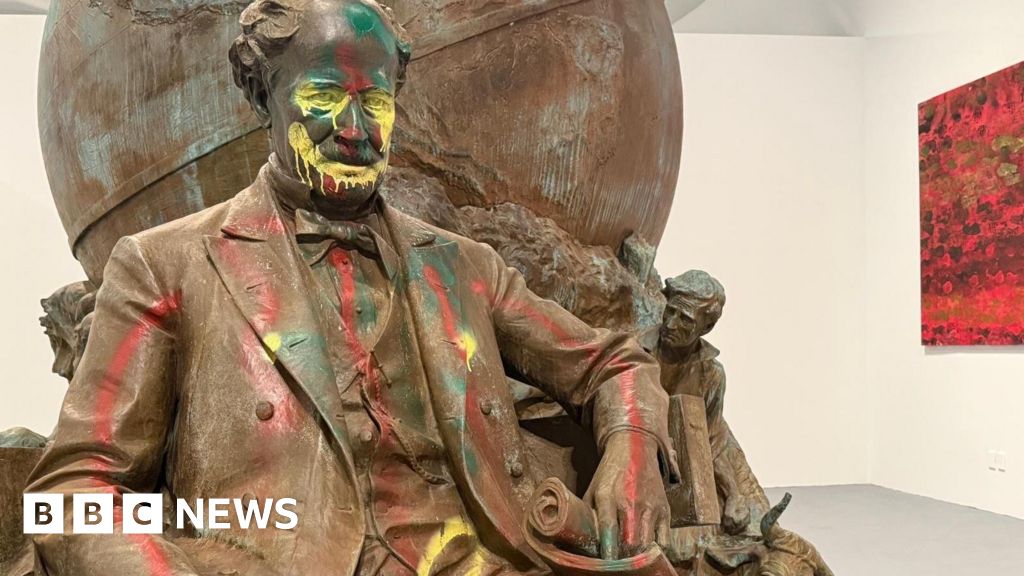
In recent years, the global debate over confederate monuments has escalated beyond American borders into a symbol of broader ideological conflicts. The recent transformation of a once-storied Robert E. Lee monument into a melted sculpture displayed in Los Angeles exemplifies this shift. The removal and subsequent artistic reimagining serve as a clear statement: societies worldwide are grappling with their history and confronting the lingering effects of white supremacy. As the United States experiences heated disputes over these statues, international observers and historians warn that such internal conflicts deeply influence geopolitical stability and societal cohesion.

Amid this controversy, President Donald Trump has vocally defended the preservation of Confederate icons, labeling efforts to dismantle them as misguided “revisionist history.” In 2017, the deadly clashes at Charlottesville’s Unite the Right rally marked a watershed moment, drawing international attention to the divisiveness of Confederate iconography. Vowing to uphold what he values as American heritage, Trump and others have sought to reestablish Confederate monuments—an action criticized by scholars, activists, and international organizations alike. Analysts from institutions such as the BBC and the Atlantic Council interpret these moves as strategic attempts to mobilize cultural nationalism, fueling tensions that threaten to destabilize social fabric.

The ongoing debate also illuminates how historical narratives are weaponized within political battles. Curator Hamza Walker pointed out that symbols like Lee and Jackson, despite losing the Civil War, are lionized because they embody a Lost Cause ideology. This construct seeks to portray the Confederacy as a noble fight for states’ rights, conveniently sidestepping its core commitment to slavery. Critics argue that redefining these figures as heroes threatens to distort history and perpetuate racial inequalities. As Kara Walker’s provocative exhibit demonstrates, artistic reinterpretations—such as melting down monuments and repurposing their materials—are emerging globally as powerful acts of resistance, challenging societies to confront uncomfortable truths. The transformation of these symbols from revered sculptures into artifacts signifies a pivotal cultural shift: a collective effort to deny the mythos of white supremacy and confront a legacy rooted in systemic injustice.

As history continues to unfold, the question remains whether these acts of dismantling and reinterpretation will ultimately foster reconciliation or deepen divisions. The weight of history presses down on societies that are torn between honoring their past and forging a more inclusive future. Will the tide of public opinion push nations toward acknowledgment and reckoning, or will it provoke further unrest? The answer lies in the choices made in these turbulent moments—choices that will define the narrative of justice and morality for generations to come. As the bronze remains of monuments are reborn through art and activism, the story of a fractured nation—and the world—remains conspicuously unwritten, waiting for its next chapter to be forged in the crucible of history.

Social Media Auto Publish Powered By : XYZScripts.com