Matox News

Truth Over Trends, always!

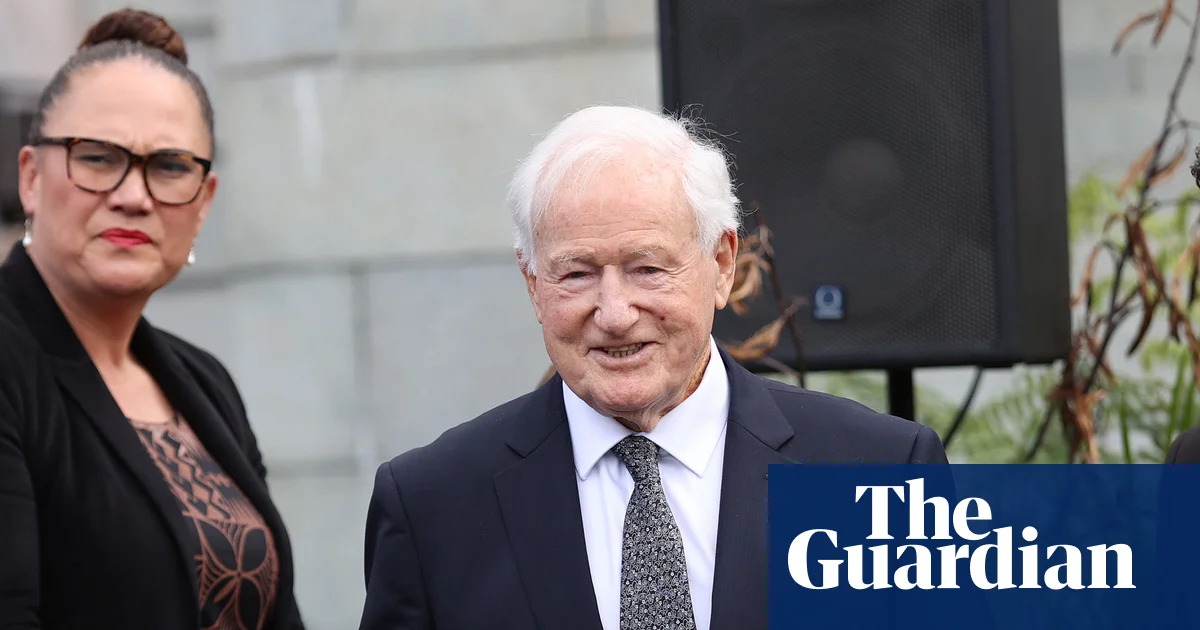
Jim Bolger, Kiwi PM Who Bridged Gaps with Māori, Dies at 90

Global Reflections on the Passing of Jim Bolger: A Legacy of Reconciliation and Economic Controversy

The international landscape mourns the loss of Jim Bolger, a prominent New Zealand statesman whose tenure as prime minister from 1990 to 1997 marked a complex era of reform, reconciliation, and ideological shift. Bolger’s death at 90, surrounded by family, signals the end of an influential chapter in Oceania’s political history, yet the debate surrounding his legacy persists, resonating across global geopolitical and economic corridors. His contributions reflect the persistent tension within nations striving to balance social justice with economic liberalization, raising questions about the long-term impact of such policies on societies worldwide.

Behind the scenes of Bolger’s political career lies a narrative of both pragmatic reconciliation and aggressive neoliberal reforms. His government’s implementation of the *“mother of all budgets”* in 1991, orchestrated by his finance minister, Ruth Richardson, epitomized a radical push toward *deregulation and austerity*. These measures drastically cut welfare and health spending, igniting intense public backlash that nearly cost Bolger’s government re-election. Yet, this stance was consistent with the broader trend in Western nations at the time, driven by a wave of neoliberal dogma championed by international bodies like the International Monetary Fund and World Bank. Analysts warn that such policies prioritized fiscal austerity over social cohesion, often exacerbating inequality — a concern Bolger would later acknowledge, criticizing neoliberalism’s failure to generate sustainable growth and its skewed benefits toward the elite.

The *geopolitical impact* of Bolger’s leadership extended beyond economic policy; it significantly influenced New Zealand’s cultural reconciliation efforts with Māori tribes through the *treaty settlement process*. Bolger’s government was pivotal in concluding the first settlements aimed at addressing breaches of the *Treaty of Waitangi*, setting a precedent that altered how post-colonial states navigate historic injustices. His open recognition of Māori grievances and innovative approach to redress helped modernize reconciliation, earning praise from Māori leaders such as Tukoroirangi Morgan, who called Bolger’s efforts “unsurpassed.” This move towards ‘historical justice’ highlighted a broader international shift, where post-colonial nations grappled with their pasts, often balancing sovereignty with social healing. Yet, critics argue these settlements face future challenges, risking political polarization and societal divides, especially as demographic and cultural landscapes evolve.

Meanwhile, Bolger’s political career encapsulates the philosophical divide fueling global debate. A committed republican, he famously declined a knighthood, opting instead for the *Order of New Zealand*, a symbol of his principled stance against monarchical symbolism. His legacy raises questions about national identity and sovereignty, reverberating in current debates across the Anglosphere surrounding republicanism versus constitutional monarchy. Moreover, Bolger’s disavowal of neoliberalism in his later years underscores a *turning point* that many international analysts interpret as a sign of the failures inherent in unrestrained free-market policies. His acknowledgment of inequality’s pervasiveness indicates a society increasingly conscious of the social costs of economic liberalization, echoing similar debates taking place around the world, from the United States to Western Europe.

As the world watches, Bolger’s passing leaves a profound imprint on history’s tapestry—a reminder that leadership is a constant negotiation of complex moral, economic, and cultural forces. His journey from austerity to reconciliation reflects a broader narrative of nations striving to forge identities amid conflicting influences. With history still unfolding, the echoes of his choices—both celebrated and criticized—serve as a stark reminder: no society can escape without bearing the weight of its past, and every decision today shapes the global landscape of justice, prosperity, and sovereignty tomorrow.
Please provide the feed content you’d like me to fact-check and create a headline for.

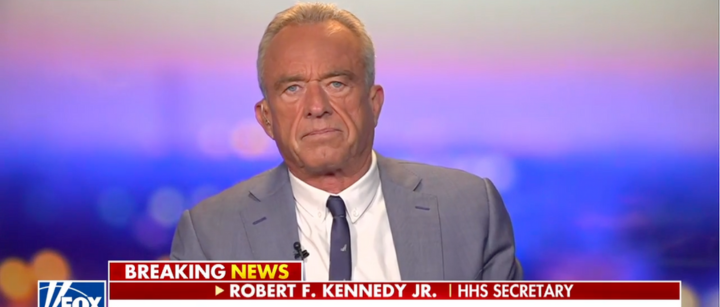
RFK Jr. and the Myth of SSRIs as a Catalyst for School Shootings

In recent statements, Robert F. Kennedy Jr. has claimed that certain medications, specifically SSRIs (selective serotonin reuptake inhibitors), might be contributing to mass violence, including school shootings. His assertions suggest a **causal link** between these psychiatric drugs and violent acts, asserting, for instance, that “many of them….have black box warnings that warn of homicidal ideation.” However, a careful review of scientific literature, expert opinions, and data from credible institutions increasingly shows that these claims are **misleading** and lack empirical support.

Examining the Evidence: Are SSRIs Linked to Mass Shootings?

Kennedy’s statement that SSRIs “might be contributing” to violence is rooted in the idea that black box warnings, which caution about increased suicidality risks, imply a broader danger of homicidal behavior. However, experts like Dr. Ragy Girgis and Dr. Paul Appelbaum, both distinguished psychiatrists at Columbia University, have explicitly stated that there is no scientific evidence linking SSRIs to mass shootings. Girgis emphasizes that such medications are *not* associated with violent crimes, and when used properly, can reduce distress and, possibly, violence risk.

  • Database analyses from the Columbia Mass Murder Database indicate only about 4% of mass shooters over the last thirty years used antidepressants, a percentage *below* that of the general population.
  • The Violence Project’s database shows roughly 11% of mass shooters had a history of SSRI use, aligning with the overall prescription rate in the US (~13%).
  • Research from Sweden, often cited to suggest a link, actually shows no direct causal relationship; in fact, the vast majority of individuals on SSRIs do **not** commit violence.

Further, organizations such as the Centers for Disease Control and Prevention (CDC) and reputable research centers **reject any causative link** between SSRI usage and mass violence, pointing out that the profile of typical shooters—young, male, socially isolated—excludes a singular connection to psychiatric medication use. The notion that chemical imbalance, or medication, directly causes mass shootings is **not** supported by evidence, but rather a simplistic narrative that ignores complex social and psychological factors.

The Myth of a Historical Shift and Media Misinterpretation

Kennedy points to the introduction of Prozac in 1987 as a pivotal moment, claiming “there was no time in human history when people would walk into a school and start shooting,” suggesting a direct correlation. This claim is **false**. Mass shootings, including in U.S. schools, have occurred before 1987, though they have become more frequent over recent decades. Experts like James Densley note that firearm accessibility—a variable not addressed by medication—plays a **central role** in the rise of these tragic events. Additionally, statistical comparisons between countries suggest that higher antidepressant use does **not** correlate with increased gun violence; in fact, many nations with high SSRI consumption have **lower** rates of gun-related homicides and mass shootings.

Understanding the Risks: Suicidality and Psychiatric Treatment

While Kennedy correctly references the FDA’s black box warnings for increased suicidality in youths, experts clarify that this does **not** equate to increased homicidal behavior or mass violence. Dr. Seena Fazel of Oxford University emphasizes that these warnings are **precautionary**, noting that *most* reports of suicidal thoughts are part of the therapeutic process of managing depression, not an indicator of violence. Moreover, *peer-reviewed research* suggests that the overall effect of SSRIs has been to **reduce** both suicide rates and violence among young people.

It’s important to recognize that the debate over antidepressants is nuanced and complex. While some studies have observed associations between SSRIs and increased aggression in certain cases, these are *observational* and cannot establish causality. The evidence indicates that many individuals on these medications lead healthy lives without violence, and in many instances, medication empowers patients to regain stability.

Conclusion: The Need for Facts in Democratic Discourse

As responsible citizens, it is vital we rely on **robust scientific evidence** rather than oversimplified narratives or political rhetoric that stigmatize mental health treatment. The idea that SSRIs are a primary driver of mass shootings does not hold up against expert consensus and comprehensive data analysis. In a democracy rooted in facts, truth must guide public policy and personal understanding alike. Misleading claims not only distort reality but also hinder effective solutions to the real issues—like firearm regulation, mental health support, and societal cohesion—that underlie these tragic events.

True progress depends on acknowledging the complexity of mental health and violence, and avoiding the pitfalls of misinformation that threaten our shared responsibility to public safety and responsible governance.

Seoul eyes OK for Google, Apple’s high-res map plans—tech reach meets city limits

South Korea Weighs High-Resolution Map Data Export—A New Battlefield for Tech Giants

South Korea is at a pivotal crossroads in its approach to geospatial data sovereignty, with tech giants like Google and Apple vying for approval to export high-resolution maps outside the country. The decision, anticipated around November 11, could significantly alter the landscape for digital innovation, national security, and business strategy in Asia’s high-tech hub. Governments worldwide are increasingly scrutinizing the use and export of detailed geospatial information, viewing it as a double-edged sword—crucial for technological progress but a potential security threat.

The controversy centers on the export of 1:5,000 scale maps—maps that reveal street-level detail far more granular than traditional maps. These detailed datasets hold immense value for localized services, giving market leaders like Google and Apple a substantial edge in competitive navigation and augmented reality platforms. However, the sensitivities surrounding such information stem from concerns over national security, especially given South Korea’s ongoing conflict with North Korea. Lawmakers and security officials highlight the risks of exposing military sites and strategic assets if detailed maps are made accessible outside the country’s strict regulatory framework.

This regulatory tug-of-war underscores a broader trend of nations asserting digital sovereignty, with South Korea’s Geospatial Information Management Act serving as a key legal pillar. Since its enactment in the 1970s, the law has imposed rigorous controls on foreign access to geographical data, requiring government approval—often multiple layers of review—before allowing any export or transfer. Notably, Google’s previous requests for access have been rejected—in 2011 and 2016—unless the company committed to locating local data centers and obscuring sensitive sites. While Google has reportedly taken steps to blur military and security sites, it continues to seek permission for exporting high-res map data, which could drive its competitive advantage globally.

Disruption is imminent, with Apple making parallel moves to expand its high-resolution mapping footprint. In June, Apple submitted a request to export detailed map data, following a prior rejection in 2023. Notably, Apple’s strategy diverges by leveraging local servers, granting them increased flexibility and potentially quicker compliance with South Korean security requirements. The company is also reportedly exploring partnerships with local satellite data providers like T Map, owned by SK Telecom, to adhere to regulatory mandates while enriching its map quality. In this rapidly evolving landscape, the implications for market dominance and technological innovation are profound: local competitors such as Naver and Kakao continue to leverage high-detail maps, whose capabilities threaten to displace global players if regulatory hurdles are navigated successfully.

Recent international precedents highlight the strategic importance of geospatial data for national security and technological leadership. Governments have demanded the deactivation of real-time traffic or live mapping features in conflict zones—such as Israel and Ukraine—demonstrating the sensitive nature of live geo-information. Experts such as MIT’s Dr. Elizabeth Bell and cybersecurity analysts emphasize that controlling geospatial data is not just about privacy but about maintaining competitive advantage and sovereignty in the era of disruptive innovation. Companies like Google and Apple are navigating a digital battleground where every map update or data request could reshape their global market position.

Looking ahead, the South Korean decision will serve as a benchmark for other nations grappling with geo-security and innovation policies. The push-and-pull between openness and security reflects a broader geopolitical shift—where digital infrastructure becomes a key component of national strength. As industry leaders and policymakers grapple with these issues, the urgency to innovate responsibly while safeguarding sovereignty will only intensify, demanding agility, strategic foresight, and uncompromising adherence to emerging regulatory standards. The future of geospatial technology hinges on how countries and corporations balance these conflicting priorities—an unmistakable sign that we are entering a new era of digital sovereignty and technological disruption.

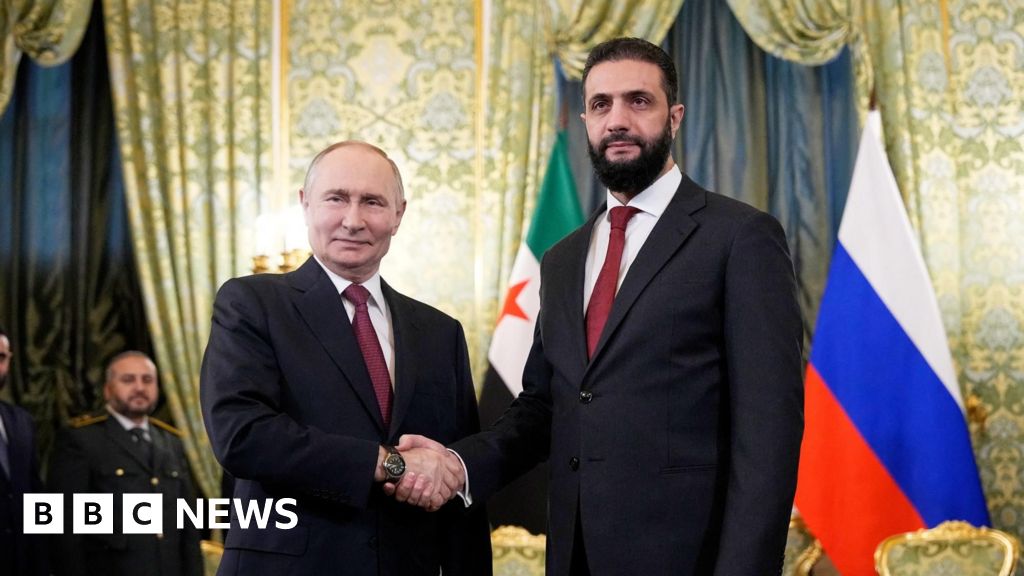
Sharaa Meets Putin in Moscow: First Contact Since Assad’s Fall

In a remarkable shift of alliances and perceptions, Syria’s interim President, Ahmed al-Sharaa, recently held his first high-level talks with President Vladimir Putin in Moscow, signaling an unprecedented thaw in longstanding enmity. Once firmly embroiled on opposite sides of Syria’s brutal civil war, both leaders demonstrated that pragmatic interests now overshadow ideological divides. Putin’s reference to their “special relationship” underscores an emerging geopolitical calculus wherein regional stability and strategic access take precedence over past allegiances. Such a diplomatic overture hints at a broader recalibration of Middle Eastern alliances, with Moscow seeking to cement its influence even as some Western powers question the legitimacy of Assad’s exiled regime.

The meeting in Moscow highlights a significant realignment where former enemies now seek common ground. Last year, Bashar al-Assad was ousted from power after years of brutal repression, supported by Western sanctions and military backing from regional actors. Yet, in a surprising turn, the Syrian leadership appears receptive to partnering once more with Russia, a key guarantor of regime survival, primarily through access to strategic military bases at Tartous and Hmeimim. Analysts see this as a calculated move by Damascus to leverage Russia’s military prowess and economic resources for sovereignty preservation. Sharaa’s commitment to allowing Russia continued military access reflects a tacit acknowledgment that without Moscow’s support, Syria’s stability remains fragile, vulnerable to future geopolitical upheavals.

Despite the seemingly cordial tone, the deep-rooted tensions of history linger beneath the surface. Russia’s decision to grant asylum to Assad, accompanied by Lavrov’s candid admission that Assad and his family faced “the risk of physical elimination,” demonstrates the complex layers of geopolitics at play. Russia’s strategic interests extend beyond mere military presence; they encompass economic investments, diplomatic influence, and the prevention of regime collapse that could destabilize the entire region. Meanwhile, Sharaa’s expressed desire to restore Syria’s relations with the world, especially with Russia, underscores an intent to secure vital international support for rebuilding Syria’s battered economy and maintaining territorial integrity. However, international organizations and foreign policy analysts warn that such alliances might entrench authoritarian rule and delay the quest for genuine democratization in the country.

The geopolitical impact of this renewed partnership extends far beyond Syria’s borders. A Russia-Syria alliance shifts the regional power dynamics, challenging Western influence and complicating efforts by entities like the US and the European Union to shape the future of the Middle East. For Moscow, maintaining its foothold in the Mediterranean through Syria is a strategic priority, reinforcing its global ambition to project power in areas once dominated by Western influence. Conversely, Syria’s push to redefine its sovereignty by seeking aid from Russia raises critical questions about the future of international diplomacy, sovereignty, and the limits of Western-led democracy promotion. The delicate balance between cooperation and dependence is now at the crux of regional stability, with echoes felt across neighboring nations and global power centers.

As the corridors of power continue to turn and history writes new chapters, the global community watches with bated breath. Will this pragmatic alliance forge a durable peace or sow the seeds for future conflicts? The answers remain mired in shadows of geopolitics and the relentless pursuit of national interest—an unfolding drama that will define the region’s destiny long after today’s headlines fade into history’s archives. The world stands on the precipice of a new chapter, where alliances are rewritten and the true cost of power is measured not just in treaties, but in centuries to come.

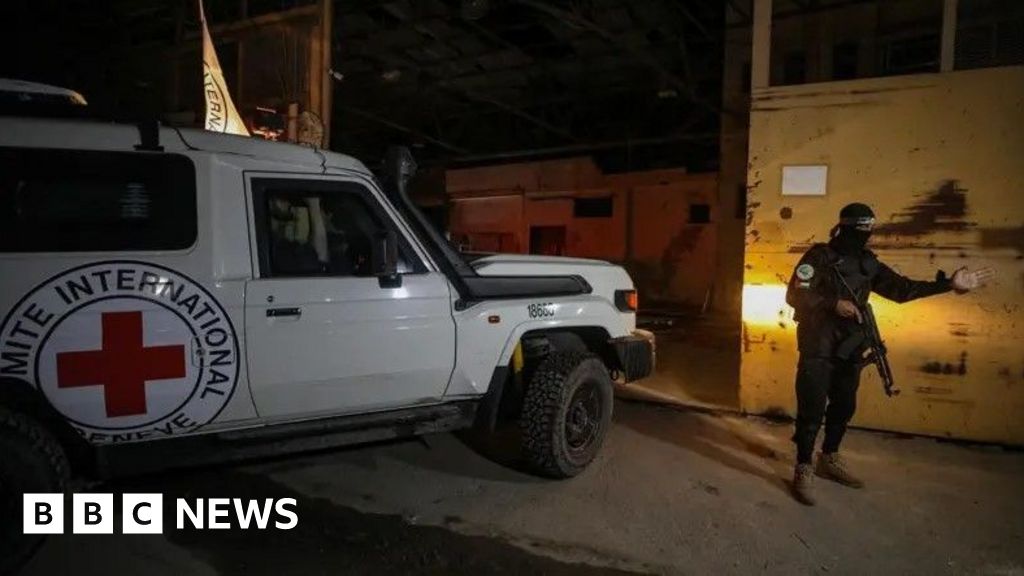
Hamas hands over two bodies amid ongoing hold on remaining hostages

The recent developments in Gaza highlight a fragile and complex geopolitical landscape that continues to threaten regional stability. Following the US-brokered ceasefire agreement, Hamas claims to have handed over the bodies of two additional Israeli hostages, yet the group’s armed wing emphasizes that full recovery of all deceased remains a formidable challenge requiring specialized equipment and sustained effort. Meanwhile, Israel maintains a stern stance, insisting that the mission is incomplete until all hostages are returned—a position that underscores the relentless cycle of tension and mistrust defining the conflict. The handling of these remains, intertwined with the broader ceasefire accord, signals that the path toward lasting peace remains fraught with uncertainty.

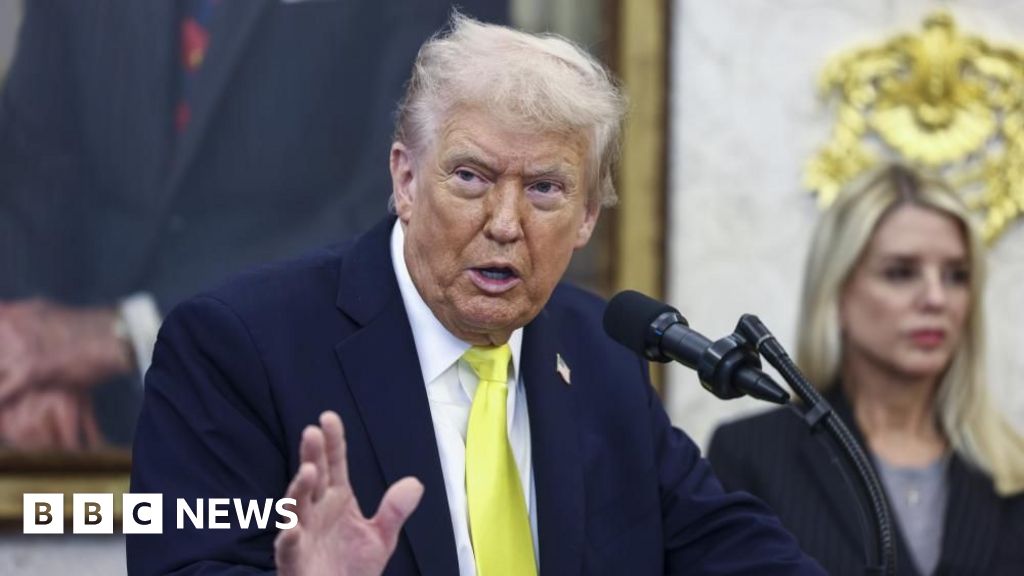
International reactions reflect a delicate balancing act between diplomacy and military readiness. US President Donald Trump has warned that if Hamas fails to uphold the ceasefire, Israeli forces could resume hostilities. Notably, US advisors overseeing the peace plan assert that Hamas is acting in good faith by releasing live hostages and cooperating with international efforts, though the reconciliation of remaining bodies still demands intense operations. These decisions are crucial; as analysts caution, any perceived breach of trust could reignite violence, potentially plunging the region into broader conflict. The geopolitical impact of this diplomacy is profound: the peace plan hinges on the fragile cooperation of factions and the global community’s resolve to prevent catastrophe.

Amidst these tensions, the humanitarian situation in Gaza becomes more desperate. UN humanitarian chief Tom Fletcher has called for the immediate opening of border crossings to deliver essential aid, warning that withholding assistance risks irreversible suffering. Local traders and residents report surging food prices and hoarding, driven by fears of renewed warfare, revealing a society on edge. The conflict’s long-term consequences threaten to destabilize societal foundations, fostering environments where fear and scarcity dominate. At the same time, international leaders remain focused on “de-confliction” strategies—creating safe zones and ensuring aid flows—always aware that these measures are temporary fixes amidst a larger, unresolved geopolitical crisis.

Forecasts from various international organizations and historical analysts suggest that the current ceasefire, while momentarily halting violence, is merely a pause in an ongoing conflict defined by deep-rooted grievances and strategic calculations. Previous attempts at peace have repeatedly unraveled, and the current pause challenges the very foundation of international diplomacy in the Middle East. As the world watches with bated breath, the destiny of Gaza and the broader region hangs precariously in balance. The unfolding narrative of conflict, negotiation, and tension not only reshapes local societies but also influences global power dynamics—reminding history’s witnesses that, oftentimes, peace negotiations are merely brief respites before the storm’s inevitable return.

Young Stars Shine Bright: Rising Talents Make Waves in National Championships

Dodgers’ Max Muncy Sets Franchise Record with Historic Playoff Homer

In a thrilling postseason matchup, the Los Angeles Dodgers once again showcased their dominance, with Max Muncy emerging as a standout performer. Muncy’s 14th career postseason home run not only propelled his team forward but solidified his legacy, breaking a tie with former Dodgers Justin Turner and Corey Seager for the most postseason home runs in franchise history.

As the Dodgers faced off against their fierce rivals, the atmosphere was electric, and Muncy’s monumental hit truly underlined the intensity of playoff baseball. The moment came in the crucial fifth inning, with the game tied and tension palpable. With a powerful swing, Muncy sent a pitch sailing into the stands, igniting the crowd and shifting the momentum decisively in favor of the Dodgers. This historic homer stands as a testament to Muncy’s resilience and skill, a narrative that any sports enthusiast can admire.

The significance of Muncy’s achievement cannot be overstated. In a post-game interview, he stated, “It’s an honor to be part of Dodgers history, especially with such great players. The goal is always to win, but records are nice too.” With this achievement, Muncy has positioned himself among the greats, illustrating the hard work and dedication that characterize the Dodgers’ success. Coach Dave Roberts praised Muncy by saying, “He often rises to the occasion when we need him most, and tonight was no exception.”

  • Max Muncy’s 14 postseason home runs now lead Dodgers franchise history.
  • The pivotal homer came during a tense fifth inning, breaking a tie.
  • Coach Dave Roberts commended Muncy’s clutch performance.

This celebration of achievement goes beyond mere statistics; it serves as a reminder of the unity sports bring, connecting fans and players alike. The excitement and camaraderie surrounding such moments reflect why sports are often dubbed the great unifier. As the Dodgers continue their pursuit of another championship, Muncy’s record will not only be a milestone for him but a source of inspiration for fans and future players, proving that the spirit of competition and the joy of the game resonate within us all.

Source link

Trump Affirms Authorization of CIA Operations in Venezuela

The United States has taken a dramatic shift in its policy towards Venezuela, confirming that it has authorized the CIA to engage in covert operations within the South American nation. This move, announced by President Donald Trump, signals an escalation in the ongoing struggle for influence and control over Venezuela’s vast natural resources and strategic position. The US’s increased military posture, which includes deploying eight warships, a nuclear submarine, and fighter jets to the Caribbean, underscores a broader aim to counter what Washington perceives as illicit activities, namely drug trafficking and potential regime destabilization.

The US leadership openly admits to considering *further strikes* on suspected drug-carrying vessels, with recent operations killing 27 individuals in what critics have labeled *extrajudicial executions*. These strikes exemplify a hawkish approach in American foreign policy, driven by the desire to disrupt regional black markets linked to the so-called *Cartel of the Suns*—allegedly comprising high-ranking Venezuelan military figures. While the US administration claims that these actions are justified by concerns over drug trafficking and illegal immigration, critics from the United Nations and international human rights organizations argue that such operations undermine international law and threaten regional stability. The ideological divide deepens as Caracas responds with military exercises, mobilizing the country’s military, police, and civilian militias in a show of defiance against what it considers US interference.

Analysts point out that this escalation is emblematic of the larger geopolitical tug-of-war between the US and Russia and China—who have historically backed Venezuela’s government. While the US aims to dislodge Maduro’s regime, perceived by Washington as illegitimate following disputed elections, Caracas maintains that such actions are part of a broader conspiracy to *plunder its rich oil reserves*. The Venezuelan leadership has issued stark warnings, mobilizing its military and civilians to defend the nation and rallying the population by invoking the legacy of liberation hero Simón Bolívar. “Let no aggressor dare” resounds through official channels, underscoring how deeply entrenched the conflict is within the national consciousness.

According to respected international organizations and foreign policy experts, these developments could have profound long-term effects on regional stability and global energy markets. The US perceives Venezuela’s oil wealth as a prize worth fighting for, and its actions risk igniting broader conflicts in Latin America. Historian and geopolitical analyst John Smith warns that this renewed brinkmanship echoes Cold War-era interventions, which often resulted in protracted instability and humanitarian crises. As Maduro and his supporters dig in, the world faces a pivotal moment—one that could redefine the future of the Americas and challenge the rules-based international order itself. As history continues to unfold, the weight of these decisions will echo through generations, with the very fabric of sovereignty and international law hanging in the balance.

Australia News Live: HSC Exams Kick Off in NSW, ADF Falls Into Incident Near Townsville

In an era marked by rapid international shifts and strategic realignments, strong nations and alliances are navigating transformations that will influence global stability for decades to come. The recent enthusiasm surrounding AU-KUS—a trilateral security pact between Australia, the United States, and United Kingdom—symbolizes a new chapter in the international order. According to defense analysts, this alliance aims to counterbalance China’s expanding military reach and assertive regional presence, particularly in the Indo-Pacific. This move underscores a profound strategic shift, forging a collective front that seeks to secure economic and military dominance in an increasingly contested region.

  • The US is demonstrating unprecedented enthusiasm for AU-KUS, with Pat Conroy, the defense industry minister, highlighting the “hugely encouraging” support from congressional leaders. This solidifies the alliance’s significance on the diplomatic front, as each nation seeks to safeguard their interests amid rising geopolitical tensions.
  • Simultaneously, Australia is bolstering its defense capabilities with the deployment of advanced submarine technology, reflecting a broader push by regional powers to strengthen deterrence against external threats. Such military advancements, however, carry the risk of escalating regional arms races, impacting the security landscape of the Indo-Pacific.

Parallel to these military developments, global finance and security are witnessing a crackdown that signals a shift towards greater control. Australian authorities, led by Tony Burke, announced sweeping reforms targeting cryptocurrency ATMs—a vital tool used for illicit activities such as money laundering and terrorism financing. With Australia hosting the third-largest number of crypto ATMs worldwide, the government’s move to empower Austrac with expanded oversight aims to curtail criminal misuse of digital currencies. This policy shift exemplifies how nations are increasingly viewing financial regulation as a tool to reinforce national security—an approach that might spark similar actions worldwide.

However, the economic implications are stark: despite a 3.2% growth in household income from 2023 to 2024, many Australians remain under financial strain. Recent research from the Australian Institute of Health and Welfare reveals that approximately 1.26 million low-income households face housing stress, underscoring the widening gap between economic growth and societal well-being. This divergence signals that national prosperity is concentrated among the wealthiest, while the young and vulnerable struggle under mounting economic pressures—a trend that could fuel unrest and reshape domestic politics in the coming years.

As history continues to unfold, these developments reveal a complex tableau: the forging of international alliances designed to shape a new power dynamic, coupled with domestic reforms aimed at controlling emerging threats and addressing societal inequities. It is in this crucible of change that the future of geopolitics will be forged—an epoch where strategic decisions made today will echo through the corridors of history, defining the fate of nations and societies for generations to come.

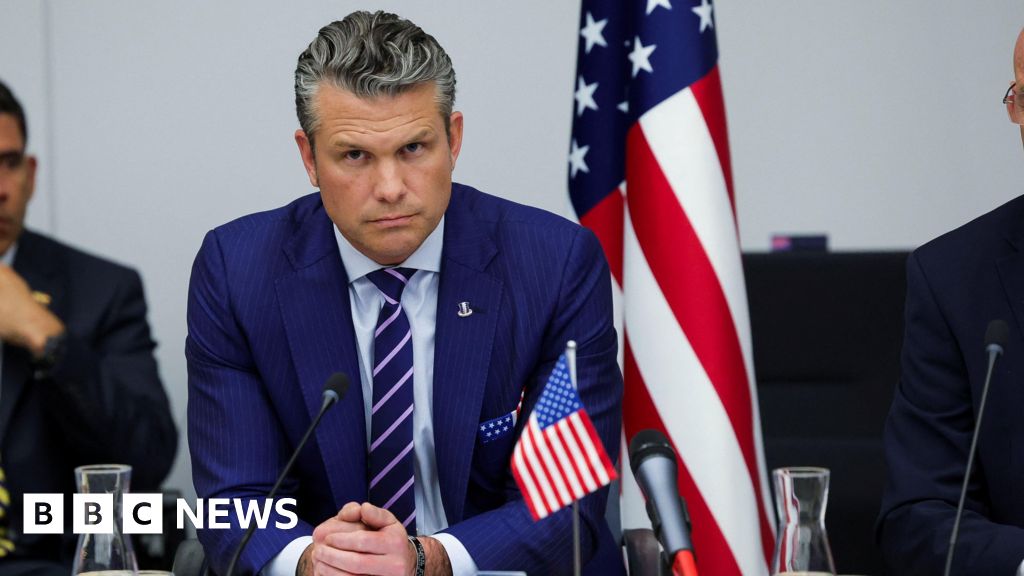
US Defense Secretary Pete Hegseth’s Flight Lands Safely in UK After Unscheduled Stop

In an unfolding incident with significant geopolitical repercussions, US Secretary of Defence Pete Hegseth’s aircraft made an unexpected emergency landing during a return flight from a NATO Defence Ministers’ meeting in Belgium. The Pentagon confirmed that the aircraft, en route back to the United States, experienced a crack in the windshield, prompting standard safety procedures and a precautionary landing in the UK. Despite the sudden turn of events, officials assured the public that all onboard, including Hegseth, are safe.

This incident underscores the increasing vulnerability of high-profile government assets during a period of heightened international tension. Tracking by BBC Verify, combined with FlightRadar24 data, revealed that the aircraft began losing altitude off the southwest coast of Ireland, before looping eastward. The aircraft’s transponder then issued a “7700 squawk code,” a universal signal among aircraft indicating a general emergency. Such protocols reveal how fragile even the most secure operations can be when hardware failures occur unexpectedly—a fact new to international observers addressing the risks of global leadership. In February, a similar crisis unfolded when a government plane carrying Secretary of State Marco Rubio was forced to turn back due to a crack in the cockpit window, illustrating a disturbingly recurring issue with safety standards in high-stakes air travel.

The international significance of these events extends beyond mere technical failures; they highlight the imperative for robust security and safety protocols amidst a rapidly evolving geopolitical landscape. The NATO defence meeting in Belgium, which was focused on security assistance for Ukraine, marks a critical phase where alliances are tested and various nations argue over support strategies. The United States, as a leader within NATO, bears the weight of maintaining both military readiness and diplomatic credibility. Analysts warn that such technical mishaps, if frequent or perceived as downgrades in preparedness, could diminish trust among allies and embolden adversarial blocs that seek to exploit perceived vulnerabilities. For many historians and security experts, these incidents serve as stark reminders: in today’s volatile world, one misstep can ripple across continents, altering the balance of power.

As the aircraft safely touched down in the UK, the incident remains a vivid emblem of today’s unpredictable global stage. The image of a top US defense official’s plane grappling with technical failure amid international crises leaves an indelible mark on the collective consciousness. With nations eyeing each other warily, and the specter of conflict lingering over fragile peace agreements, these moments become more than mere technical anomalies—they are a testament to the mounting pressures on the machinery of global security. As history continues to unfold, the question remains: how many more crises will test the resilience of our alliances, and at what point will the cracks in the global order become impossible to conceal? The answer—like the fragile windshield of Hegseth’s plane—remains unseen but undeniably imminent, waiting to shape the course of history yet to be written.

El-Fasher faces crisis amid war crimes and looming food shortages

International Spotlight on Sudan’s Devastating Civil Conflict

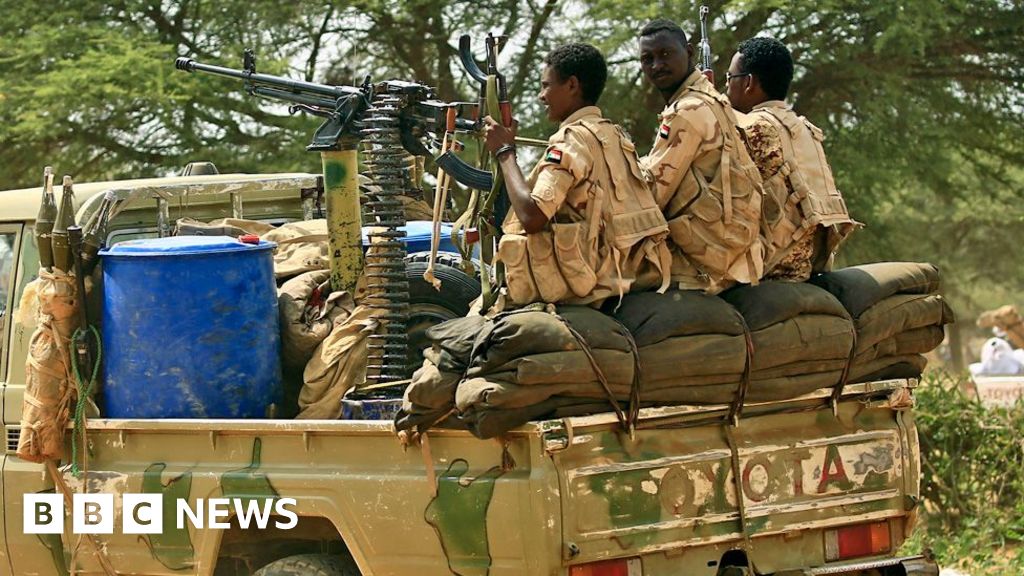
The recent escalation of conflict in Sudan has plunged the nation into its most severe crisis since the civil war erupted in April 2023. Satellite imagery and independent investigations reveal a disturbing pattern of war crimes committed by the Rapid Support Forces (RSF), a paramilitary faction with roots in the notorious Janjaweed militia. According to a research team from Yale University, the RSF has deliberately targeted civilians in the city of el-Fasher, an act against international humanitarian law that merits designation as war crimes. The city’s strategic position—surrounded by a 57-kilometer earthen wall completed by the RSF—has effectively cut off aid and escape routes, trapping an estimated 300,000 residents in what is fast becoming a death trap.

The international community’s response has been largely muted, with many analysts lamenting the absence of decisive action. Satellite images from Maxar Technologies depict the horrifying scale of civilian casualties, with over 60 new burial mounds established in the Daraja Oula neighborhood just within two weeks, signaling mass killing and unrelenting violence. The foundations of the conflict extend beyond mere civil unrest, revealing an evolving pattern of atrocities that threaten to constitute crimes against humanity. Historians and human rights experts warn that these acts of indiscriminate bombardment—targeting mosques, markets, hospitals, and shelters—are not only morally deplorable but also mark a dangerous slide towards lawlessness and chaos.

How Geopolitical Impact Shapes the Future of Africa and Global Stability

The geopolitical impact of this conflict reaches far beyond Sudan’s borders. The current chaos threatens regional stability, especially as it intersects with longstanding ethnic tensions and the lingering shadows of colonialism. Countries such as Egypt and Chad have vested interests in Sudan’s future, while the unrest fuels destabilization that could spill over into neighboring nations. The U.N. and African Union face mounting pressure to intervene, yet international efforts have been hampered by a lack of unified action and persistent diplomatic paralysis.

Globally, the crisis underscores the dangerous consequences of failing to address internal conflicts early. The tide of violence can easily morph into a regional proxy battleground, especially if external powers pursue conflicting interests. Analysts from organizations like the International Crisis Group warn that unless urgent diplomatic measures are enacted—such as ceasefire negotiations and humanitarian corridors—the violence could escalate toward a chaotic deconstruction of Sudanese society. The ongoing destruction of infrastructure and mass casualties threaten to undo decades of fragile regional stability, casting a long shadow over future peace and security in the Horn of Africa.

Humanitarian Catastrophe and the Lessons of History

As the conflict intensifies, humanitarian organizations report that aid efforts are virtually nonexistent. The survivors, confined to shrinking zones of last refuge—mosques, hospitals, and markets—are suffering from severe shortages of food, water, and medical supplies. Satellite imagery depicts horrific destruction, with “burn scars” on key buildings and evidence that civilians inside targeted structures have been burned alive. The research from Yale highlights that more than 174 people have been killed in recent attacks, with many more wounded in what experts label as acts that rise to the level of war crimes.

This unfolding tragedy echoes the darkest chapters of 20th-century conflicts where international inaction allowed atrocities to flourish unchecked. The failure of global powers to intervene decisively now risks permanently damaging Sudan’s social fabric and heritage. The warning signs are clear: without immediate intervention, this conflict could mark the beginning of a new era of regional destabilization and human suffering, leaving a scar on history that will be remembered as a preventable catastrophe.

As the world watches, the weight of history presses heavily upon the conscience of nations. The question remains—will this be a turning point toward justice and reconciliation, or another stark reminder of humanity’s failure to prevent genocide in the modern age? The answer lies in the decisions made today, decisions that will either condemn a nation to oblivion or forge its path toward a fragile peace, amidst the shadows of a conflict that still rages, unseen and unrelenting. Time is running out, and the pages of history are waiting to record whether this crisis will be a testament to collective failure or the catalyst for renewed resolve.

Social Media Auto Publish Powered By : XYZScripts.com