Matox News

Truth Over Trends, always!

Israelites and Palestinians traded free, as Trump calls it a 'historic dawn' in Middle East
Israelites and Palestinians traded free, as Trump calls it a ‘historic dawn’ in Middle East

Middle East Ceasefire: A New Chapter or a False Hope?

The recent ceasefire agreement in Gaza marks a pivotal moment in the ongoing conflict that has ravaged the region for over two years. After relentless violence, Israel and Palestinian factions, primarily Hamas, have engaged in intense negotiations facilitated by the United States and supported by key regional players such as Egypt, Qatar, and Turkey. The deal, brokered in part by President Donald Trump during his visit to the region, signifies a major step toward potentially consolidating peace—at least temporarily—but also exposes the deep-rooted problems that threaten to undo this fragile truce. The initial hostage and prisoner exchange was celebrated across both sides, with families reuniting in scenes of raw emotion, reflecting the profound human longing for an end to years of suffering.

  • The first phase of the US-backed peace plan involved Hamas returning all living Israeli hostages, while Israel released nearly 2,000 Palestinian prisoners, including those serving life sentences. The exchange was hailed as a “historic dawn” by President Trump during his speech at the Knesset, emphasizing the potential for a new Middle East.
  • To sustain momentum, the parties agreed on a ceasefire that took effect Friday, accompanied by an increase in humanitarian aid into Gaza, aiming to mitigate the catastrophic damage wrought by years of conflict.

However, the true test now begins. Critics and experts, including historians and international observers, warn that this ceasefire and the diplomatic rhetoric mask an array of unresolved disputes that could threaten to plunge the region back into chaos. Key sticking points include the extent and timeline of Israeli troop withdrawals, the disarmament of Hamas—a group that has long rejected disarmament unless a Palestinian state is established—and the future governance structure of Gaza. The plan envisions Gaza under a temporary Palestinian technocratic authority overseen by a “Board of Peace,” with eventual sovereignty transferred to the Palestinian Authority after reforms. Yet, Hamas’s rejection of foreign governance and its demand for disarmament as a precondition for peace complicate the pathway forward, making the full realization of these agreements uncertain.

Despite the optimistic tones, many argue that geopolitical impact of this breakthrough is complex. Israel’s Prime Minister Benjamin Netanyahu and Trump administration appear determined to avoid a complete capitulation to Hamas’s demands, emphasizing security and sovereignty concerns. Meanwhile, regional rivals such as Iran and militant groups remain watchful, assessing whether this peace is genuine or merely temporary tactical maneuvering. Many security analysts, like those at the International Crisis Group, warn that without addressing the core issues—such as Hamas’s disarmament and broader Palestinian statehood aspirations—the cycle of violence could resume at any moment.

History warns that peace negotiations in this region are often mere pauses in a longer struggle, with each attempt at resolution exposing new fractures. Perversely, the international institutions that once aimed to oversee lasting peace are often hamstrung by their own political interests and inability to enforce agreements. As international organizations monitor developments, the perspective of many analysts remains skeptical about whether this latest ceasefire will hold. How subsequent phases unfold—regarding troop withdrawal, governance, and disarmament—will ultimately determine whether this is a genuine turning point or just yet another chapter in a seemingly endless saga of conflict.

As historic moments unfold on the stage of international diplomacy, the shadows of history loom large. The world continues to watch with bated breath—aware that beneath the surface of fleeting peace lies a struggle that has defined generations, and which may yet rewrite the future of the Middle East around the flames of renewed hope or the ashes of unfulfilled promises.
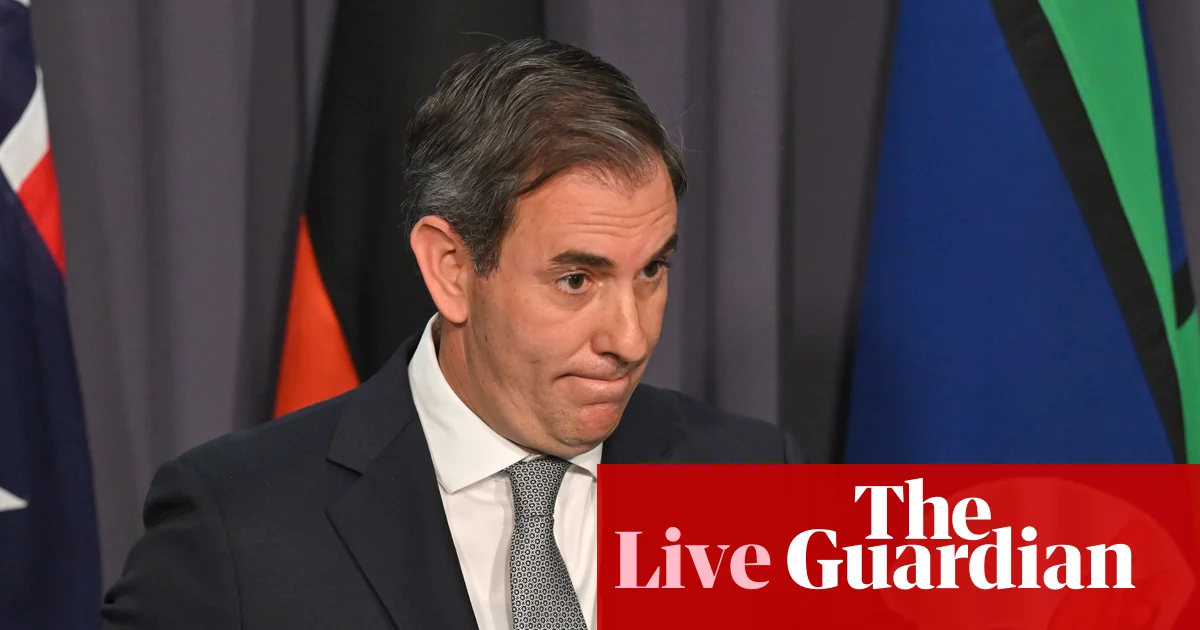
Australia News Live: Chalmers credits Keating as super tax climbdown hits; cybercrime costs skyrocket

In a rapidly evolving geopolitical landscape, recent developments have underscored the profound influence of individual leaders and international blocs in shaping global stability. Australia, often considered a peripheral player, has stepped into the spotlight, revealing new insights into how internal political debates and policy recalibrations resonate beyond the southern hemisphere. The Australian government’s recent decision to back down on a controversial superannuation tax proposal, reportedly influenced by veteran politician Paul Keating, exemplifies the complexities faced by national leadership when balancing domestic interests with broader economic stability. According to analysts from international think tanks, such moves reflect a cautious approach aimed at maintaining fiscal sustainability while navigating critic’s criticisms—a theme echoing across nations where pragmatic adjustments are viewed as essential in facing economic uncertainties.

Meanwhile, the Middle East remains a volatile theater, with recent breakthroughs highlighting the importance of diplomatic finesse and the unpredictable role of influential figures. Penny Wong, Australia’s foreign minister, praised the Gaza ceasefire as a “singular achievement” attributed to Donald Trump‘s talks, which facilitated the release of Israeli hostages—an act described by critics as a potential turning point in regional diplomacy. The engagement of influential personalities like Trump plays into a larger narrative where leadership decisions—whether in the form of external pressure or negotiated compromise—alter the course of history. Insightful commentary from analysts at major international institutions suggests that such moments serve as testaments to the importance of strategic diplomacy, even when many nations remain cautious about deep involvement, preferring to contribute quietly but decisively.

Meanwhile, the rise of cyber threats signals a new battleground where national security and economic stability are increasingly intertwined. The Australian Signals Directorate’s recent report warns of the soaring costs inflicted upon businesses—surging more than 200%—indicating a shift in cybercrime tactics toward stolen credentials and network breaches rather than traditional hacking. Such strategies allow criminal entities to operate under the guise of legitimate users, creating a new type of threat that national security agencies struggle to contain. Experts warning from NATO and other alliances collectively emphasize that cyber warfare now constitutes a core element of geopolitical conflicts, with small and large nations alike facing the challenge of safeguarding critical infrastructure amid an evolving digital battleground.

These interconnected shifts—domestic policy recalibration, regional diplomacy, and cyber security—highlight a definitive era where leadership at all levels faces turbulent challenges that could either fragment or unify global order. As leaders engage in policy shifts influenced by veteran advisors and historical figures, and regional conflicts teeter on the edge of resolution or escalation, history remains in flux. With each decision, each diplomatic breakthrough, and each cyber breach, the fabric of international stability is woven anew—leaving us to ponder: how will history judge these pivotal moments, and which future will emerge from the chaos of today’s decisions?

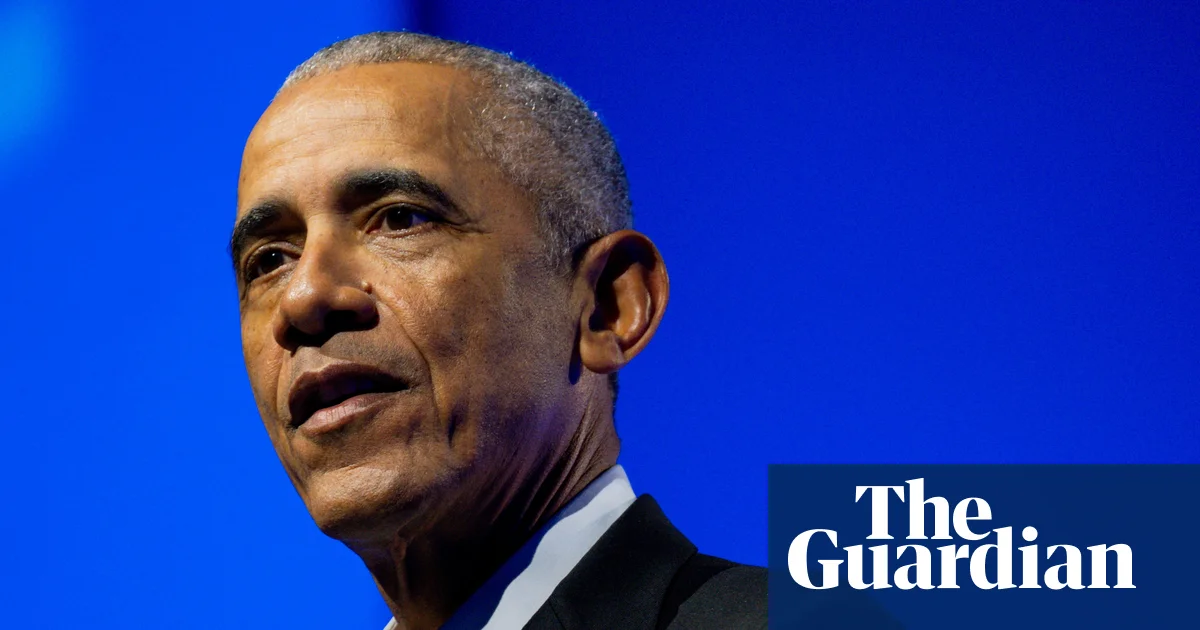
Obama warns companies: Stand with America, or face the consequences — We have the power to act

International Reflections as United States Leaders Reassess Institutional Integrity

In an era marked by relentless geopolitical shifts, the recent comments from former President Barack Obama serve as a stark reminder of the ideological and strategic crossroads facing the United States. During a heartfelt interview with comedian Marc Maron, Obama emphasized the importance of standing firm on core principles, especially for institutions such as universities, law firms, and corporations—entities that have recently bent to political pressures from the Trump administration. His call exemplifies a broader moral debate on whether these organizations serve as independent pillars or mere pawns in an increasingly polarized global landscape.

Particularly notable is the ongoing realignment within American society to defend what many see as foundational ideals—academic independence, diversity, and the rule of law—against government encroachments. Universities and businesses across the nation have made agreements with the federal government to roll back diversity initiatives and bias targets—actions perceived by critics as capitulation to a political agenda designed to weaken America’s societal fabric. These decisions carry profound geopolitical impact, as they influence not just domestic policy but also America’s international reputation as a defender of democracy and pluralism. Analysts argue that when private and public institutions choose short-term survival over integrity, it emboldens autocratic tendencies, inspiring adversaries such as Russia and China to exploit internal divisions.

Global Ramifications of U.S. Policy Shifts and Ideological Battles

The reverberations from America’s internal struggles are felt far beyond its borders. The international community, including multinational organizations like the United Nations and the World Economic Forum, watches closely as the decision-making process in Washington impacts global governance. Critics caution that ceding moral ground on issues like free speech, diversity, and rule of law risks dismantling the principles that underpin international order. History warns that when dominant nations abandon their foundational values, it paves the way for destabilization, enabling rogue states and authoritarian regimes to fill the vacuum.

Meanwhile, the internal debate in the United States around maintaining ideological integrity unfolds as a microcosm of a broader contest—one where the future of liberty is being shaped. Historians and thought leaders emphasize that the bipartisan ideological battles are not just political—they influence alliances, trade relationships, and nuclear diplomacy. The strategic question remains: will the U.S. be able to sustain its leadership role without sacrificing the moral clarity that once defined it? As U.S. presidential administrations grapple with that dilemma, the world watches, awaiting the next chapter in a complex saga of power, principle, and the enduring quest for national identity amidst chaos.

The Edges of Power and Morality: An Unfolding Story

In a poignant farewell, Maron’s final episode underscores the profound significance of integrity amid mounting societal pressures. Obama’s reflections about the price of standing by convictions—despite discomfort and opposition—resonate as a warning: the delicate balance of power and moral authority hangs in the balance, and history will judge those who falter. As global societies face their own turbulent shifts, the battle lines are drawn. Nations are deciding whether they will succumb to the siren call of expedience or forge a path rooted in conviction. The unfolding narrative of American influence reminds us that even in a time of chaos, the echoes of history urge caution and clarity. The question persists—who will uphold the moral compass in the storm of shifting loyalties?

University of Staffordshire plans to slash almost 70 jobs, sparking concern among students and staff

Societal Strain and the Future of Education: The Impact of University Job Cuts on Communities

The financial stability of our educational institutions faces mounting pressures that ripple far beyond the campus gates. Recently, the University of Staffordshire announced a plan to eliminate nearly 70 jobs amid ongoing economic challenges. This decision, driven by a necessity to save approximately £6.4 million, underscores the <crisis in higher education funding>—a crisis that threatens to undermine the very fabric of our learning communities. With 31.2 academic and 35.5 professional service roles on the line, the repercussions extend well into the lives of students, families, and the wider community.

While the university asserts that 95% of its staff will remain unaffected, the human toll of these cuts cannot be ignored. Such reductions do not merely delete jobs; they erode the integrity of student support systems and academic quality. As noted by social commentators, a diminished faculty can lead to larger class sizes, decreased access to mentorship, and a decline in innovative research. These shifts threaten to compromise the educational experience for the next generation—who are already grappling with an uncertain economic climate and changing job markets. The community’s strength is rooted in its shared investments in knowledge and growth, and when institutions weaken under fiscal strain, the ripple effects threaten families’ future stability and societal progress.

Historically, the expansion of higher education has played a crucial role in shaping resilient societies. As sociologist Dr. Alice Freeman notes, the stability of post-secondary institutions is intertwined with broader societal health. When those institutions falter, families are often forced to bear the brunt—either through increased costs, reduced access, or compromised quality—altering the very foundation of community cohesion. The challenges facing universities today reveal a shift in priorities: where once they were viewed as engines for social mobility, today they appear vulnerable to economic austerity, risking the degradation of the social contract between education and society. This cultural shift demands urgent reflection on our collective values and the societal cost of economic retrenchment.

Amidst these struggles, various proposed solutions emerge—from increased government support and targeted funding, to innovative collaborations that sustain jobs and academic integrity. Yet, the core issue remains: how do we ensure that the next generation of students receives not just an education, but an experience that prepares them to face the future? As history teaches us, real societal renewal often begins with communities rallying around their institutions—rebuilding resilience through shared sacrifice and renewed purpose. In a world where the social fabric is stretched thin by economic uncertainty, the hope lies in rekindling our collective commitment to fostering strong, inclusive, and well-supported communities. The challenge is formidable, but within it also lies the opportunity: the chance to transform societal values, prioritizing genuine growth over short-term savings, and nurturing a society where no student, family, or community member is left behind.”

Top 3 Smart Displays of 2025: Youth-Driven Picks from a Tech Enthusiast

Emerging Smart Display Market Disruption Sparks Industry Shift

The smart home ecosystem is once again at an inflection point, as major tech players intensify their push into the rapidly evolving market for smart displays and voice assistants. Though companies like Amazon and Google continue to innovate, recent developments are highlighting an industry grappling with innovation, disruption, and uncertain long-term viability. As consumers remain captivated by the promise of seamless integration and AI-powered automation, industry analysts warn that the current trajectory may fundamentally alter the landscape of connected home devices.

Amazon’s latest lineup of smart displays and speakers exemplifies ongoing efforts to disrupt traditional interfaces. The release of the Echo Show 8 (4th Gen) and the Echo Show 11 signals a strategic push to leverage AI-enhanced functionalities with a focus on user personalization and conversational interfaces. Notably, Amazon’s recent rollout of its innovative Alexa+ AI assistant—powered by generative AI—aims to fundamentally transform voice interactions. This upgrade allows the assistant to execute complex tasks and learn from user behavior, aligning with Elon Musk’s vision of AI-driven ecosystems. However, this disruption comes with significant business implications: Amazon reportedly faced losses exceeding $10 billion in 2022, largely stemming from Alexa’s challenges. Yet, the company’s resilience in continuing to introduce new devices underscores a belief that AI disruption can carve out a sustainable market trajectory.

At the forefront of this disruption, Google plans to roll out its new AI assistant, Gemini, across its existing lineup—excluding the currently limited Google Pixel Tablet. This signals a strategic shift where AI innovation is expected to redefine user engagement and device capabilities. While Google has thus far avoided the smart display frenzy, industry leaders acknowledge that third-party partners are likely to fill the gaps, potentially disrupting the market with versatile, AI-enhanced devices. Gartner’s recent outlook emphasizes that when companies successfully integrate generative AI into user interfaces, the implications span beyond consumer convenience to reshape how smart home ecosystems function—what Peter Thiel refers to as “creating a new ecosystem of disruption.”

While the industry races toward innovation, certain market segments face acceleration of obsolescence or decline. Notably, the viability of current smart display forms remains under scrutiny. Meta’s discontinuation of its Portal devices and Apple’s stalled efforts into smart displays underscore a broader trend: the market may be experiencing a phase of re-evaluation and realignment. As companies experiment with new AI-powered interfaces, the industry could see a consolidation or even a phase-back, where only the most innovative, privacy-conscious devices survive—especially given recent shifts in privacy policies, such as Amazon’s removal of local voice processing in favor of cloud-based AI models. This shift leaves consumers vulnerable to increased data processing and raises concerns among privacy advocates, signaling that future devices must balance disruption with trust.

Looking ahead, the industry’s next chapter is set to define the future of connected homes. Innovators like Elon Musk and MIT’s AI labs suggest that AI-driven disruption will dominate the next decade, disrupting old paradigms and creating new markets. The question remains: can legacy players adapt swiftly enough to capitalize on the AI revolution, or will emerging startups seize the opportunity to redefine the smart display industry? As tech titans pour billions into advancing AI functionalities, one thing is clear—those who innovate aggressively and safeguard user trust will shape the future of smart homes. The clock is ticking, and the industry’s response over the coming months could determine its trajectory—either toward revolutionary disruption or continued obsolescence.

COROS NOMAD Unleashes Next-Level Navigation with Offline Maps — The Ultimate Watch for Trendsetting Adventurers

In a world increasingly obsessed with exploring the outdoors and embracing an active lifestyle, the COROS NOMAD is emerging as a symbol of how technology is reshaping our engagement with nature. This innovative smartwatch isn’t just a device for telling time—it’s a game-changer in outdoor navigation. Its lightweight design, combined with the powerful integration of full offline mapping, has caught the attention of trend-savvy consumers and outdoor enthusiasts alike, signaling a shift in how society perceives adventure and self-sufficiency.

What makes the NOMAD stand out is its ability to provide **detailed navigational information without reliance on cellular networks**. Unlike conventional smartwatches that depend on connected devices or Wi-Fi, this watch operates independently, giving users the confidence to venture into remote wilderness areas. This feature has catapulted it into the cultural lexicon as a symbol of independence and resilience. Influencer explorers, such as renowned outdoor adventurer Jessica Green, have leveraged the device for their expeditions, showcasing the blend of rugged utility with modern tech. Sociologists highlight that this meld of nature and innovation reflects a broader societal desire to reclaim agency over our environment, especially in a digital age which often feels overly connected and over-controlled.

The social relevance of this trend extends beyond outdoor recreation. It taps into a collective longing for authenticity, adventure, and self-reliance—values that resonate strongly among the youth. As urban environments become more saturated, the aspirational pull of raw, unfiltered nature is fueling a cultural shift, with consumers seeking gear that underscores this lifestyle. This isn’t merely about having the latest gadget; it’s about _how_ that gadget symbolizes a larger narrative of independence and self-empowerment. Top trend reports note that brands like Coros are not just selling a product but propagating a cultural movement—one that embraces active, minimalist, yet tech-savvy lifestyles.

  • The integration of detailed offline maps into wearable tech
  • The rise of adventure-driven social media content
  • The growing influence of outdoor lifestyle influencers
  • The redefinition of rugged masculinity and femininity in modern society
  • The shift towards sustainable and self-sufficient outdoor gear

As analysts suggest, this trend mirrors shifts in societal attitudes—moving away from dependency on technological infrastructure and toward fostering personal resilience. The NOMAD, with its sleek design and comprehensive offline capabilities, exemplifies how product innovation can serve as a cultural catalyst. It’s effectively transforming the outdoor experience into a statement of individual grit, appealing especially to a generation that values authenticity and self-determination. This empowerment theme echoes broader societal debates on independence, technology, and the reimagining of adventure in the 21st century.

However, as the popularity of such devices soars, a provocative question emerges: _Could this embrace of individual survival technology mark a larger societal pivot away from centralized systems altogether?_ The next big challenge may involve how these gadgets influence our collective understanding of community, safety, and reliance on infrastructure. If more young explorers begin to trust their own navigation skills over traditional tools, what does this mean for the future of outdoor recreation and our social fabric? As the boundaries between technology and society continue to blur, viewers are left pondering whether this trend is merely a passing fascination or the dawn of a new era of resilient, tech-powered individualism.

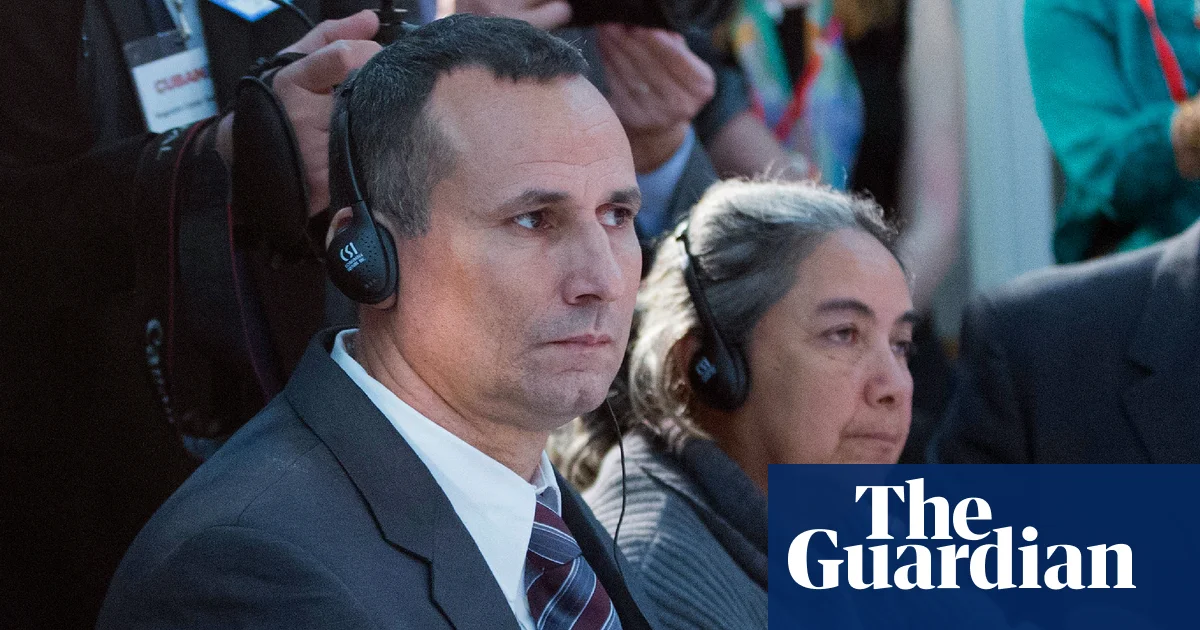
Cuban Dissident José Daniel Ferrer Allowed to Live in Exile in the U.S.

Fate of Cuban Dissident Signals Shifting Geopolitical Tide

The recent release and exile of José Daniel Ferrer, a prominent Cuban dissident, underscores the intensifying struggle between Cuba’s authoritarian regime and the growing wave of pro-democracy voices demanding change. Ferrer, the founder of the Patriotic Union of Cuba, emerged as a symbol of resilience for the island’s entrenched opposition movement, which has endured a relentless cycle of repression and exile for decades. His departure to the United States echoes a broader narrative of international power struggles over Cuba’s future—an island long caught between Cold War remnants and new global alliances.

Within the context of geopolitical impact, Ferrer’s forced exile reflects a significant escalation in Washington’s strategic posture towards Havana. After initial attempts at rapprochement, notably the 2015-2017 Obama-era negotiations, the trajectory has markedly shifted under recent U.S. administrations. The Biden administration’s brief engagement, which led to Ferrer’s release in January, was a calculated move aimed at re-engaging with Cuba only to be reversed by the Trump administration’s delisting of Cuba as a sponsor of terrorism. Such swings demonstrate the fluctuating consensus among Western powers—often driven by domestic political pressures—fueling unpredictability in Cuba’s internal affairs. With Ferrer’s exile, critics argue this signifies the weakening of internal resistance, paving the way for regime consolidation.

Ensconced within this shifting landscape are wider implications that target regional stability. Analysts note that Cuba’s prolonged repression, combined with its economic crisis—amplified by sanctions, mismanagement, and a mass youth exodus—serves as a catalyst for instability. Historian Carlos Ríos warns that the regime’s clampdown—like the recurring mass protests and political imprisonments—risks exporting tensions beyond the island, especially as diaspora communities in the United States and Latin America intensify calls for intervention. The international community’s response, notably the EU’s cautious diplomacy and the U.S.’s strategic maneuvers, highlight an ideological divide—one rooted in contrasting visions of sovereignty and democracy.

Within these mounting tensions, international actors – particularly Washington and its allies – are redefining their roles in Cuba’s future. While the Biden administration initially held out hope of fostering dialogue, the recent crackdown and Ferrer’s exile underscore the persistent resilience of the regime’s grip on power. The ongoing tug-of-war has historic echoes, reminiscent of Cold War confrontations that defined global geopolitics for decades. As Ferrer’s story unfolds, it reminds the world that Cuba remains a pivotal chess piece—its fate intertwined with broader geopolitical currents that threaten to reshape regional alliances and spark new conflicts. The question persists: will this mark the slow unraveling of Cuba’s authoritarian chains, or is it yet another chapter in a classic struggle over sovereignty, influence, and the enduring hope for freedom amid darkness?

The uncertain tides of history continue to roll in, leaving nations and societies to confront the profound realities of power, resistance, and the enduring human spirit. The story of José Daniel Ferrer is far from its final chapter; instead, it serves as a stark reminder that the battle for Cuba’s soul is ongoing, and the weight of history remains heavy, gradually guiding the world toward an uncertain destiny.

Sure! Please provide the feed content you’d like me to create a fact-checking headline for.

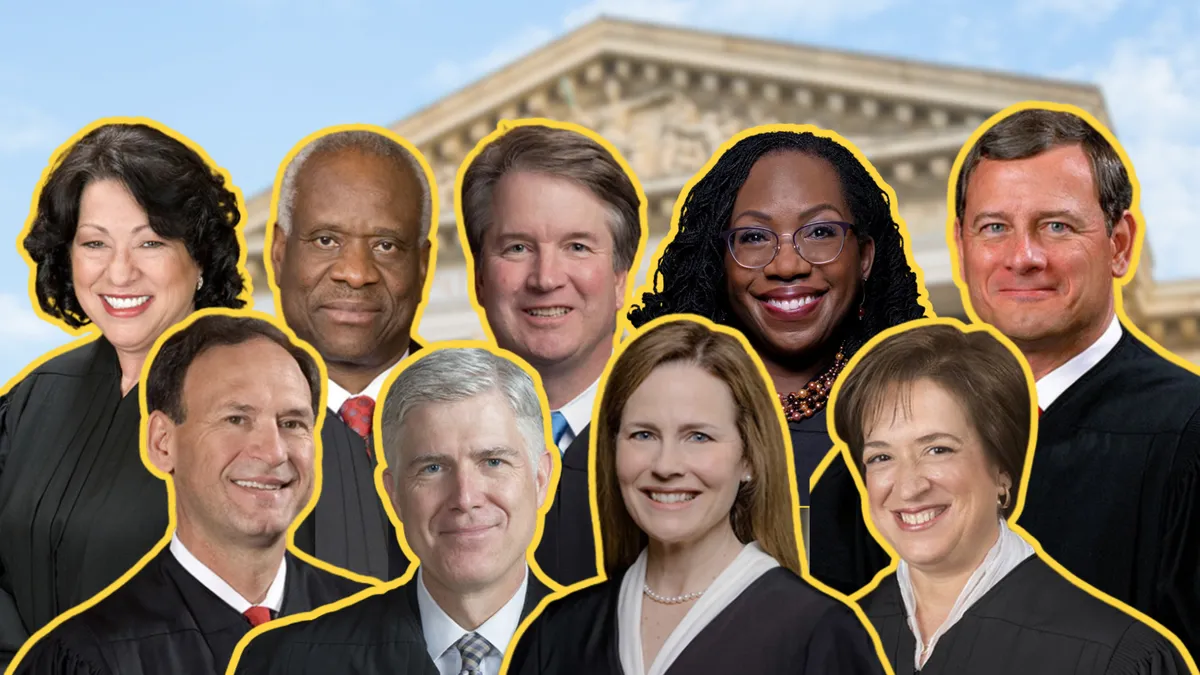
Fact-Checking Online Speculation About U.S. Supreme Court Justices

In recent years, online discourse surrounding the U.S. Supreme Court has frequently been characterized by intense speculation, especially regarding the motives, ideologies, and future decisions of the justices. While public interest and debate are integral to a thriving democracy, it’s crucial to distinguish between factual information and unfounded or misleading claims circulating on social media and other digital platforms. This fact-check aims to evaluate the accuracy of some prevalent assertions and clarify how the judicial process and the Court’s composition function.

A common line of speculation suggests that Supreme Court justices are heavily influenced by partisan politics or special interests, particularly during appointments or in their judicial philosophy. **It is a fact** that justices are nominated by the President and confirmed by the Senate, often amidst a highly politicized process. However, once seated, the justices operate under an established legal framework that emphasizes impartial interpretation of the Constitution and laws. According to The Supreme Court’s own guidelines and judicial philosophy experts such as Dr. Emily Wang of the Heritage Foundation, judicial independence is a core principle, and most justices strive to interpret the law according to constitutional text and precedent, rather than political motives.

Another frequent claim posited online is that the Court’s decisions are predetermined or influenced by campaign contributions and outside pressure groups. While it’s true that some interest groups and litigants attempt to sway the arguments in certain cases, there is no substantive evidence suggesting that the justices’ rulings are predetermined or directly bought off by outside influences. Multiple investigations and reports, such as those from the Federal Election Commission and judicial ethic watchdogs, affirm that justices are bound by ethical codes designed to prevent conflicts of interest. Moreover, the Court’s decision-making process involves comprehensive legal analysis and deliberation, often resulting in outcomes that defy simple partisan characterization.

Throughout its history, the Supreme Court has faced and remains susceptible to misinterpretation and misinformation. However, institutions such as the Supreme Court Historical Society and legal scholars like Prof. John Baker of the George Mason University Law School emphasize that the Court’s legitimacy hinges on transparency, adherence to the rule of law, and the public’s understanding of its constitutional role. **Claims that justices are puppets of political power or outside influence are, therefore, fundamentally misleading**. These narratives tend to oversimplify a complex, high-stakes process developed over centuries of legal tradition.

In conclusion, factual scrutiny reveals that while political and societal factors can influence the context of judicial appointments, the Court’s internal decision-making remains rooted in legal interpretation and precedent. Online speculation—particularly when it borders on conspiracy—undermines public confidence, distracts from judicial accountability, and risks eroding the fabric of responsible citizenship. It is incumbent upon citizens to seek verified information, recognize the roles and limits of the judiciary, and uphold the principles of truth. When we differentiate fact from fiction, we preserve the integrity of democracy and ensure that justice is served by a Court that functions independently and transparently.

Italian legend makes bold new statement—look at this unexpected transformation!

Italy, the cradle of the Renaissance and a symbol of timeless artistry, is embracing a new chapter of rejuvenation and innovation that resonates with today’s shift toward wellness and experience-driven travel. In Florence, the home of masterpieces like Michelangelo’s David, recent renovations are not just about aesthetics—they are about redefining how visitors engage with history, art, and culture. The €3 million upgrade of the Accademia Gallery exemplifies a broader movement in Italy’s cultural scene: transforming venerable institutions into vibrant, interactive spaces that prioritize both aesthetic brilliance and energy efficiency.

The centerpiece of this artistic renaissance is the reimagining of Michelangelo’s David. Thanks to an advanced lighting system installed recently, the statue’s marble surface now unveils details previously hidden in shadows or under dull lighting. As Lucia Lazic, a guide with intimate knowledge of the gallery, recounts, “A few days ago, I noticed muscles I’d never seen before—the lighting here truly illuminates the work’s dynamism.” This upgrade has not only elevated the visual experience but also highlighted the fine chisel marks that define Michelangelo’s mastery—a testament to the power of thoughtful lighting design. The new system, which mimics natural sunlight and shifts subtly throughout the day, allows visitors to see the statue in different lights, each revealing new facets of this iconic masterpiece.

But this revitalization reaches beyond David; it’s a signal that Italy’s cultural landmarks are evolving into multidimensional experiences. The gallery’s interiors have been repainted with hues that accentuate the artwork, from a vivid blue in the Sala del Colosso to pale greens in medieval rooms—colors carefully selected to complement the historic art. Furthermore, modifications to the Gipsoteca—the plaster cast gallery—now include modern amenities such as air conditioning and improved layout, transforming what was once a hurried-through space into a leisurely sanctuary for art lovers. Such changes reflect a cultural shift where wellness and mindful engagement with history are becoming central to the tourist and local experience alike. Noted cultural curator Dario Franceschini points out that these renovations are “an important step in bringing the Accademia into the 21st century,” blending tradition with a contemporary approach that prioritizes visitor comfort and engagement.

  • Visit during different times of the day to see the changing light on David and other artworks.
  • Participate in cultural events to experience the gallery beyond just viewing.
  • Respect the enhancements that honor, and not disturb, the integrity of these ancient works.

This approach underscores a broader philosophy within Italy’s cultural strategy: preserve its heritage while making it accessible and lively for new generations. The renovation projects have been lauded for their energy-efficient solutions, which cut electricity use by approximately 80%, aligning with global efforts to sustain cultural preservation in an environmentally responsible manner. As museums become dynamic hubs for learning and leisure, they serve as a reminder that art and history are not static but living, breathing elements of our daily lives. The Florence renovations symbolize this beautifully: a fusion of craftsmanship and innovation, respect and renewal.

As one gazes upon Michelangelo’s David now illuminated in new light, the experience transforms from mere observation into a personal revelation—an invitation to reflect on how embracing change can illuminate the enduring spirit of human achievement. The journey of cultural renewal, much like life itself, is continuous, urging each visitor to see with fresh eyes and discover hidden stories etched in stone and pigment. As Italy invites us into its stories and masterpieces, perhaps the greatest lesson lies in the understanding that history’s beauty is elevated through thoughtful reinvention, inspiring the next generation to carry its legacy into a bright, modern future.

Concerns Grow Over Equity Policies Could Trigger Massive Protests Over Use of Actors’ Images in AI Content

In an era marked by rapid technological advances, the film industry and trade unions worldwide find themselves at the forefront of a growing battle over AI-generated content and the infringement of intellectual property rights. The UK-based union Equity, representing 50,000 performers, has announced plans to coordinate mass data requests to tech giants and production companies, aiming to uncover whether personal data—especially images and voices of actors—are being used without their informed consent. This move signals a significant shift in how creators and performers are asserting their rights in the digital age, amid widespread concerns about unauthorized use of personal likenesses and the moral implications of AI’s increasing dominance.

Recent cases, such as that of Briony Monroe, a Scottish actress, have underscored the tangible risks faced by performers. Monroe claims that her image and mannerisms were scraped from her body of work and incorporated into a digital character named Tilly Norwood—a fully synthetic AI actor created by Xicoia. Despite denials from the company, Monroe’s accusations reflect an unsettling trend where AI firms utilize personal data to craft digital replicas, often without explicit permission. Historians and analysts warn that this development could undermine the very essence of human creativity, as the line between authentic performance and algorithm-driven mimicry becomes increasingly blurred. The industry’s failure to establish clear protocols or transparency about data sourcing raises grave concerns about moral compromise and the erosion of performers’ rights.

The geopolitical impact of this confrontation extends beyond the UK. Major international organizations, including the World Intellectual Property Organization and the European Data Protection Board, are monitoring these disputes, which threaten to redefine frameworks of copyright law and personal privacy. Critics argue that AI companies have trained their models on content obtained from existing films and television without proper permissions, thereby disrupting global copyright norms. The tensions resonate with broader debates about sovereignty and digital control, especially as nations like the United States and China accelerate their AI development efforts. Major tech firms are accused of reckless data scraping, potentially setting a dangerous precedent where intellectual property can be exploited on a massive scale, without immediate repercussions.

Amidst this upheaval, industry leaders and international lawmakers are under pressure to create enforceable regulations that balance innovation with moral responsibility. The Deputy Chief Executive of the Pact trade body, Max Rumney, emphasizes the importance for production companies to embrace AI responsibly to avoid disadvantaging those who adhere to fair practices. However, the lack of transparency from AI tech companies regarding their data sources remains a core issue. As Geneva-based experts warn, unless regulatory frameworks adapt swiftly, the industry risks devolving into an unchecked digital wild west where creators are exploited and society’s cultural fabric is irrevocably altered. The battle over AI’s place in creative realms is, at its core, a fight for humanity’s moral and legal sovereignty—one that will shape the future of global entertainment, societal values, and the very fabric of what it means to create.

In the unfolding narrative of this digital age, history is watching as the actors, creators, and nations stake their claim. Perhaps the most profound question remains: will the emerging AI-driven content forge a new era of innovation rooted in human expression, or will it become a tool of exploitation—an echo of a once-clear boundary, now blurred into obscurity? The answer lies at the intersection of law, morality, and technological mastery, where the weight of history is silently poised to record the choices we make today—choices that will echo through generations to come.

Social Media Auto Publish Powered By : XYZScripts.com