Matox News

Truth Over Trends, always!

Denmark ramps up Greenland defense with new ships, jets, and command center

Greenland’s Strategic Shift: Denmark’s Defense Boost Amid U.S. and Russian Interests

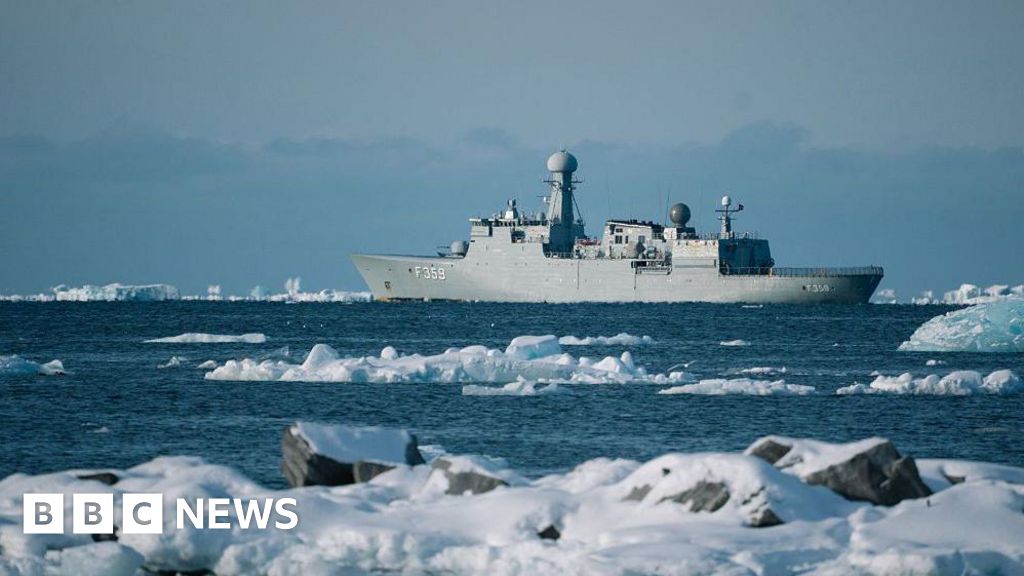
In a decisive move reflecting the escalating geopolitical contest for the Arctic, Denmark has announced a substantial increase in defense spending—$4.2 billion (£3.2 billion)—aimed at augmenting security in Greenland and the broader Arctic and North Atlantic regions. This decision, unveiled amidst rising global tensions, signifies a clear intent to secure Danish sovereignty over Greenland, an island of immense strategic value. The investment includes acquiring 16 additional F-35 fighter jets from the United States, bringing its fleet to 43, and deploying new naval and aerial patrol assets, alongside establishing a dedicated Arctic command in Nuuk. Foremost, the initiative emphasizes deterrence and asserts regional influence within NATO’s framework, illustrating Denmark’s resolve to maintain sovereignty amid external pressures, particularly from the U.S. and Russia.

How Decisions Shape Nations and Societies

The significance of Denmark’s military build-up extends beyond mere defense; it underscores a strategic positioning amid a rapidly evolving international landscape. Greenland, with its vast natural resources and proximity to Russia and North America, has long fascinated global powers. U.S. President Donald Trump repeatedly expressed interest in acquiring Greenland, citing its “critical” role in security and economic dominance. His controversial suggestion of U.S. control over the island, combined with his son’s covert visit for media purposes, exposed both Washington’s strategic calculations and the fragility of Denmarks’s sovereignty. As historian Dr. Margaret Colby notes, Greenland’s importance is rooted in its geographical location—serving as a gateway for military and commercial interests—and its resource wealth, including rare earth minerals. These factors make the island a focal point for geopolitical rivalry.

Moreover, the new Danish defense package involves rich infrastructural investments, like constructing undersea cables, maritime patrol planes, and early-warning radars—each designed to bolster deterrence and safeguard not only Greenland but also NATO allies. The establishment of the Arctic command headquarters in Nuuk marks a tangible shift towards asserting control, providing a strategic foothold that can influence regional stability. International analysts warn that such moves may trigger a new arms race in the Arctic, forcing nations to reconsider their military posture and alliances. The decisions by Denmark resonate as a message that sovereignty over the Arctic’s resources and strategic corridors remains fiercely contested, impacting local societies and shaping global diplomacy.

Unfolding the Geopolitical Narrative

As Russia doubles down on Arctic military presence and China extends its influence into the region through economic corridors, the Arctic is transforming into a critical arena of superpower competition. Meanwhile, Washington’s past interest in Greenland underscores its strategic importance—hosting a U.S. radar base crucial for monitoring Russian and Chinese activity. The recent developments have turned Greenland from a peripheral territory into a focal point of international importance, echoing the Cold War years when global power struggles centered around the Arctic and the Atlantic.

International organizations like NATO are placing heightened emphasis on the Arctic, but as geopolitical stakes tighten, questions about sovereignty, militarization, and resource control intensify. Critics argue that these developments risk destabilizing an already fragile region, potentially sparking conflicts that could echo through history. The decisions on Greenland’s future, influenced by Denmark’s military investments and external interests, will undoubtedly leave indelible marks on international relations. As history unfolds in the icy depths of the Arctic, one thing remains certain: the battle for control of Greenland has become emblematic of larger, global ambitions, with stakes that could redefine the geopolitical landscape for generations to come.

WIRED Buzz: Is the AI Boom About to Burst?

Breaking Boundaries: AI, Surveillance, and the Future of Innovation

In an era marked by rapid technological disruption, the industry is witnessing transformative developments that underscore the importance of innovation-driven leadership and strategic foresight. Recent discussions surrounding social media surveillance, AI-powered chatbots, and the proliferation of conspiracy theories highlight a volatile landscape—one that demands proactive responses from tech giants and policymakers alike. Companies like OpenAI and Google are pushing boundaries, yet the need for robust safeguards and ethical frameworks remains urgent.

The episode of “Uncanny Valley” illuminates a broader trend: the migration of talent and innovation toward regions perceived as more conducive to free exploration and technological autonomy. Notably, some authors and entrepreneurs are contemplating moving out of the US, citing increasing concerns over social media surveillance and government overreach. This potential exodus signals a material shift in the global innovation ecosystem, where liberalized jurisdictions may gain a competitive edge—akin to what Peter Thiel advocates with his emphasis on alternative innovation hubs. Such developments pose profound implications for U.S. leadership in AI and tech privacy standards, risking a decline if regulatory overreach continues to stifle grassroots innovation.

At the core of this upheaval are AI and chatbot technologies already revolutionizing industries—from customer service to autonomous vehicles. Companies leveraging OpenAI’s GPT models or Google’s Bard are unlocking unprecedented efficiencies and user engagement. However, this innovation is accompanied by a darker side: the weaponization of AI to spread misinformation, conspiracy theories, and even pseudoscientific health cures like those proposed for autism. Experts from MIT and Gartner warn that without effective regulation, AI’s disruptive potential could undermine societal trust and exacerbate harmful narratives. The challenge is balancing technological progress with safeguarding against misuse, a critical focus for investors and regulators seeking to maintain competitive advantage.

Furthermore, the episode underscores the importance of disruptive innovation as a double-edged sword. While these technologies can catalyze economic growth and geopolitical dominance, they also threaten to deepen societal divides if managed carelessly. The urgent takeaway is clear: the market’s pioneers must prioritize ethical AI development and transparent governance. As Elon Musk and other visionary leaders emphasize, the window to shape AI’s trajectory is rapidly closing. Forward-looking trends suggest that those who harness these innovations responsibly will set the pace for global competitiveness, while neglecting these risks could lead to significant strategic setbacks.

In conclusion, the current technological environment underscores a pivotal moment: the imperative for bold innovation combined with rigorous ethical oversight. The specter of regulatory crackdowns, talent migrations, and misinformation poses a formidable challenge—yet also offers an opportunity. For industry leaders, the stakes have never been higher to accelerate breakthroughs in AI and digital privacy while defending against emerging threats. As history shows, those who act decisively today will define the future landscape of global tech dominance. The message is clear—adapt now or fall behind in the relentless march of progress. The clock is ticking, and the race to the future has only just begun.

Three Killed in Light Plane Crash Near Wollongong—Authorities Investigate

The recent crash of a light aircraft near Wollongong, New South Wales, resulting in three fatalities, underscores the persistent vulnerabilities faced by civil aviation globally. The incident, which occurred just after take-off from Shellharbour Airport on Saturday morning, brings to light critical issues of safety, security, and the importance of rigorous oversight in the aviation sector amidst escalating geopolitical tensions. As emergency responders and aviation authorities conduct investigations, the tragedy serves as a stark reminder of how fragile human life can be in the face of technological mishaps or failings.

Experts and international organizations have long emphasized that such accidents, while often localized and tragic on a human level, can have wider geopolitical implications. The Australian Transport Safety Bureau has taken charge of the investigation, but analysts point to broader systemic vulnerabilities in small aircraft operations that are often overlooked in favor of high-profile military or commercial aircraft safety. The incident comes at a time when global tensions are rising, with many nations tightening aviation and security protocols amid fears of sabotage or terrorism. This event raises critical questions about how nations safeguard their borders and public spaces from emerging threats, especially in regions that are both strategically vital and symbolically significant.

Furthermore, security analysts note that international cooperation in aviation safety is vital, and incidents like this accentuate the importance of transparent, coordinated efforts. While there is no indication of foul play in this specific accident, it redoubles calls from scholars and institutions such as ICAO (International Civil Aviation Organization) to strengthen joint safety frameworks. Events like these serve as a warning—a turning point signaling the need for renewed vigilance in safeguarding critical infrastructure. These tragedies reverberate well beyond local communities, impacting societal trust, policymaking, and international relations, especially as countries navigate complex issues of sovereignty and security in an interconnected world.

As the investigation continues and details emerge, the broader geopolitical landscape remains unsettled. Governments worldwide are grappling with replacing aging infrastructure, securing airspace, and confronting unpredictable threats—challenges that require unwavering international collaboration. The loss of three lives is a human tragedy, but it also symbolizes the ongoing struggle of nations striving to protect their citizens amidst a shifting geopolitical fabric. With each incident, history itself is written—reminding the world that peace, security, and safety are not guaranteed, but must be relentlessly worked for, especially in turbulent times. The unfolding story of this tragedy leaves an ominous message: in a world of uncertainty, every moment counts, and history’s next chapter is yet to be written.

Chicago TV reporter assaulted and detained during ICE raid

Rising Tensions in Chicago: Immigration Enforcement and Civil Unrest

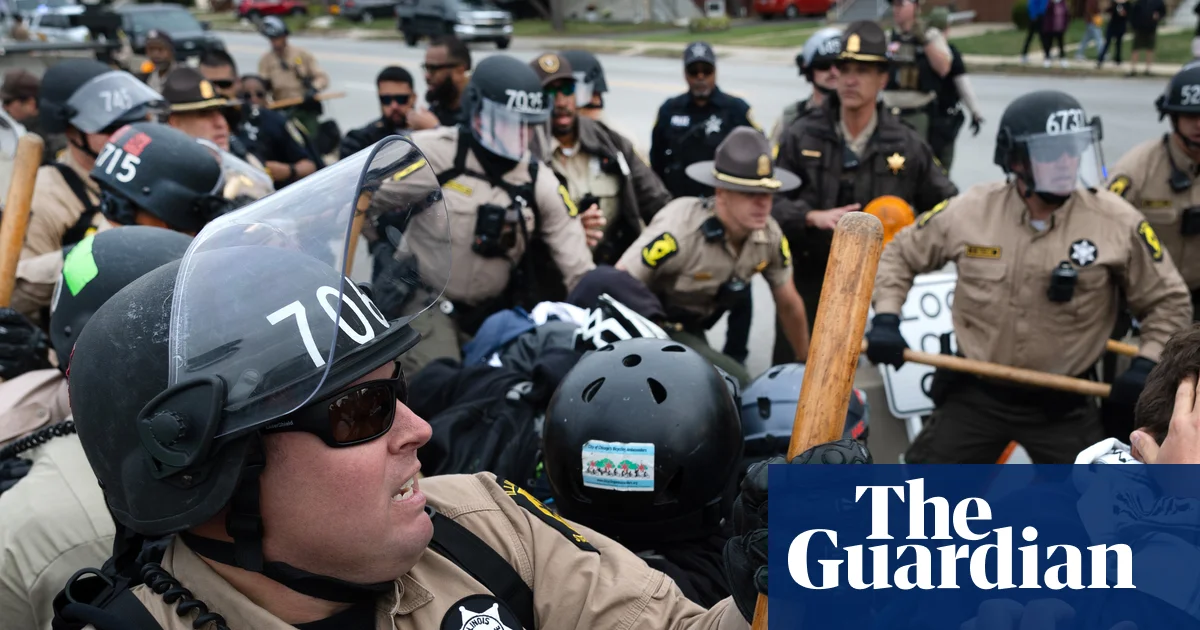
Recent incidents in Chicago have unleashed a wave of public outrage and international concern over the escalation of immigration enforcement tactics within the United States. The violent arrest of Debbie Brockman, an employee of WGN, captured on numerous videos, exemplifies the increasingly aggressive approach deployed by federal agents under the directives of the Biden administration and in coordination with U.S. Homeland Security. Detained amid protests in the city’s Lincoln Square neighborhood, Brockman’s arrest has ignited debates about civil liberties and the geopolitical implications of domestic law enforcement practices in an era of shifting immigration policies.

This incident, where bystanders recorded agents forcibly taking Brockman to a van amidst chants condemning their actions, underscores a broader tension over immigration enforcement—particularly the intensified efforts underway since former President Trump’s administration left a lasting impact on immigration policy. Analysts warn that such aggressive tactics risk fueling social divisions, both domestically and internationally. The operation’s perceived overreach has drawn sharp criticism from civil rights groups and local residents, who described it as “horrifying” and “frightening.” These events are symptomatic of a nation grappling with the consequences of politicized border policies—policies that increasingly resemble the hardline stance of Mexico’s neighbors to the south, or even border conflicts seen elsewhere in the world.

While officials from Homeland Security justify their actions by citing claims that Brockman and others posed threats—accusing her of assaulting officers—the broader geopolitical impact extends beyond mere allegations. The incident occurs amidst a climate of heightened tension over immigration, which oscillates between enforcement and accommodation. International observers, including HR organizations, warn that the unchecked use of force on American citizens jeopardizes the country’s reputation as a beacon of liberty and justice. The unusual timing, shortly after prosecutors dropped charges related to protests outside an immigration detention center, signals a possible shift toward more confrontational tactics reminiscent of authoritarian regimes.

  • The U.S. Federal Government intensifies immigration raids, prompting protests and legal challenges.
  • Local communities in Chicago and across the country express fears of civil liberties violations amid broader anti-immigration sentiment.
  • International institutions like Amnesty International and the United Nations observe and critique these developments, warning of potential human rights concerns.

As historians note, these domestic conflicts are not isolated—rather, they reflect a larger geopolitical realignment that will influence global perceptions of American resolve and values. The decision to prioritize harsh enforcement under the guise of national security reveals a nation at a crossroads, where internal social unrest and external diplomatic stability are intertwined. How the United States navigates this turbulent chapter will leave a lasting mark on the fabric of its democracy—either as a proud defender of freedom or a cautionary tale of descent into division and authoritarianism.

In this high-stakes game of geopolitics and internal sovereignty, history is watching. With each detention, protest, and legal challenge, the narrative of nationhood in the 21st century continues to be written—sometimes by the voices of the oppressed, sometimes by the relentless machinery of state power. The world now stands at the edge of a new chapter, where the choices made in Chicago and across the nation will resonate for generations to come, shaping the legacy of a society torn between security and liberty—and the inexorable march of history.

Thrilling Upsets and Rising Stars: Highlights from this Week’s Top Youth Sports Matches!

Yankees Fall Short in ALDS, Reflecting on a Season of Promise

The New York Yankees took the field with renewed confidence this season, believing they were stronger and more complete than the team that reached the World Series last year. However, their season came to a disappointing conclusion on Wednesday night as they faced elimination in the American League Division Series (ALDS). The dreams of another championship run have been dashed, bringing forth questions about the future direction of the franchise.

In what could only be described as a night of missed opportunities, the Yankees struggled to maintain momentum against their opponents. Key players, such as star pitcher Gerrit Cole, delivered commendable performances, but it wasn’t enough to secure a win. The team fell behind early when a critical error led to a three-run homer that set the tone for a challenging evening. Commentator Michael Kay articulated the sentiment in the broadcast booth, stating, “You can’t afford to give away runs in a game of this magnitude.”

Game highlights revealed the tension upon every pitch, yet the Yankees couldn’t capitalize on their scoring opportunities despite dominating certain statistics throughout the season. The bats were notably silent when it mattered most, leading the team to miss crucial plays. Fans were left disappointed, wondering what might have been had the team executed better in the clutch moments. The resilience displayed by the Yankees, however, serves as a reminder of the grit embedded in their legacy.

As the dust settles from this postseason heartbreak, it is essential to remember that sports transcend the confines of the scoreboard. In moments of triumph and despair, athletes come together, showcasing their dedication and passion, reminding us of a truth that goes beyond mere statistics: unity and camaraderie. The Yankees‘ journey may have ended prematurely, but the spirit they embody will continue to inspire their fans and future generations. As they regroup and refocus for the challenges ahead, one thing remains clear: the love for the game thrives, and it binds us all in ways that are truly remarkable.

Source link

Ceasefire Holds as Israel Withdraws from Gaza—A Step Toward Stability

In a development that grips the world’s attention in an era rife with conflict and shifting alliances, Israel and Hamas have entered a fragile ceasefire agreement that marks a significant yet uncertain pause in the ongoing tumult in Gaza. The agreement, which came into effect on Friday morning, signals a potential turning point in one of the most protracted and devastating conflicts in recent Middle Eastern history. According to statements from the IDF, Israeli forces have begun a *partial withdrawal* from parts of Gaza, retreating to a predefined “yellow line”—a stark recognition of both the military realities on the ground and the diplomatic pressures shaping this ceasefire. While some troops have moved back, a substantial presence remains, underscoring the tentative nature of this respite as both parties signal their readiness to shift towards negotiations amid ongoing violence.

At the heart of this diplomatic gamble lies a complex, multifaceted agreement negotiated under the auspices of U.S. President Donald Trump and international mediators. Under the terms, Hamas has a deadline of 12:00 local time on Monday to release all Israeli hostages—registering the critical human stakes involved. Reports indicate that at least 20 of these hostages are confirmed to be alive, with up to 28 remains held. Conversely, Israel has committed to releasing approximately 250 Palestinian prisoners, including those serving life sentences, with some slated for transfer to the West Bank and East Jerusalem. In another significant move, over 1,700 Palestinian detainees are expected to be liberated, signaling a major humanitarian gesture amid the chaos that has engulfed the territory. Aid agencies are meanwhile hopeful, with around 600 aid lorries scheduled to deliver necessities to Gaza daily; however, the actual impact on the ground remains murky as aid distribution continues to be hampered by ongoing hostilities and logistical hurdles, emphasizing the underlying hardship facing Gaza’s desperate population.

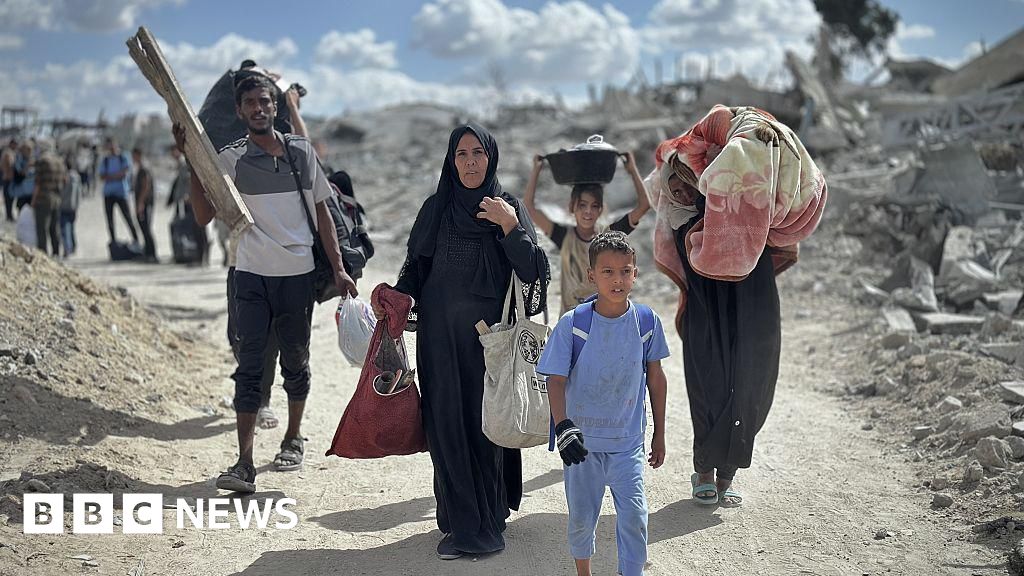
This flurry of diplomatic and military maneuvering comes at a devastating human cost, with reports from the UN-backed experts declaring a famine in parts of Gaza—the first such declaration in recent history. Over 500,000 residents face “catastrophic” conditions characterized by starvation and destitution, despite repeated denials from Israel about any deliberate starvation policies. The destruction left by months of relentless Israeli airstrikes is evident on the ground, where entire neighborhoods, including Sheikh Radwan and Sabra, lie flattened under layers of rubble. Thousands of Palestinians, many malnourished and exhausted, are walking long distances toward the north, seeking safety or reclaiming their homes amid the ruins. The scenes reveal a community on the brink—its societal fabric torn, its future uncertain—a stark reminder that beneath the veneer of diplomatic progress, the suffering persists, echoing the urgent warnings of international analysts and historians about the potential for this ceasefire to be just a brief pause rather than a resolution.

From the global arena, the geopolitics of Gaza’s evolving situation continues to evolve with profound implications. The presence of up to 200 US troops moving into Israel to monitor the ceasefire underscores the increasing military footprint of major powers in the region, balancing fragile diplomacy with strategic interests. Meanwhile, Israel’s Prime Minister Benjamin Netanyahu claims he is “fulfilling” a promise to recover all hostages, framing this agreement as a step toward disarmament and demilitarization of Hamas—ambitions that Hamas itself has rejected, insisting that Gaza’s governance remains an internal Palestinian matter. Critics and international observers alike warn that the current negotiations may merely serve as a veneer for deeper geopolitical struggles, where the shadow of the U.S. and regional powers looms large over the future of Palestinian sovereignty. The war, ignited in October 2023 after Hamas-led attacks that resulted in devastating casualties, has already claimed over 67,000 Palestinian lives—including more than 18,000 children—fueling accusations of genocide leveled against Israel by some UN officials and leading to fierce denunciations and outright denials from Jerusalem.

As history continues to unfold in this volatile landscape, the world watches with bated breath. Stories of despair are intertwined with fragile hopes for peace, but beneath it all lies an enduring truth: the long road to lasting stability is strewn with sacrifice, lost lives, and unanswered questions. With each setback and tentative breakthrough, the weight of history presses down, reminding all that in Gaza, as in much of the Middle East, the struggle for sovereignty, survival, and dignity remains an ongoing battle—one where the outcome remains uncertain and the stakes could not be higher.

Macron shakes up leadership, reappoints Lecornu as French PM amidst turmoil

France’s Political Crisis Deepens as Macron Reinstates Lecornu

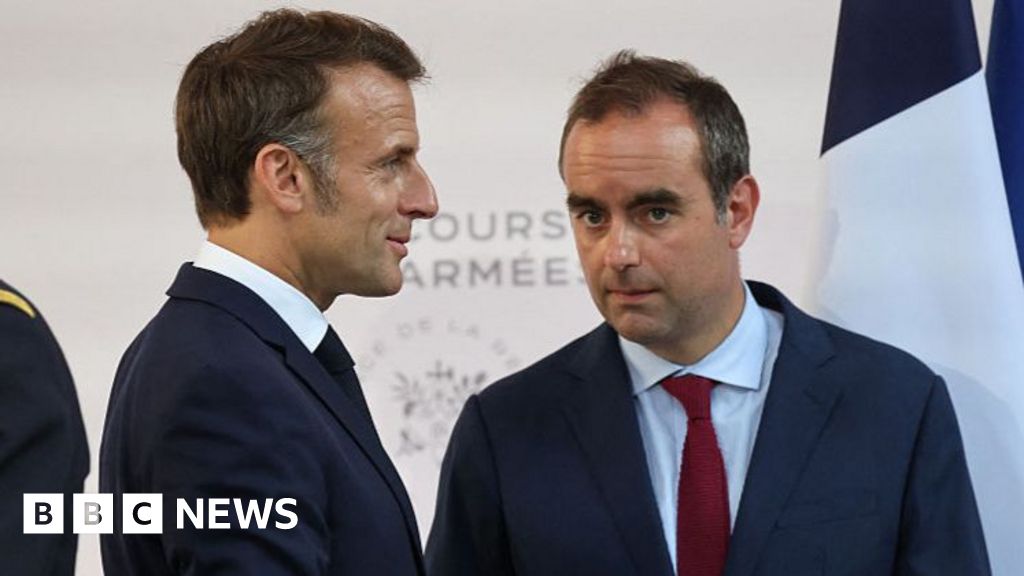
In a move that has stunned political observers across Europe, France is once again plunged into uncertainty after President Emmanuel Macron unexpectedly appointed Sébastien Lecornu as Prime Minister merely days after Lecornu’s resignation. This abrupt reversal highlights the volatile state of French politics, where fiscal austerity measures, societal discontent, and internal divisions threaten to destabilize the Macron presidency. Following an intense week of negotiations and silent power plays, Macron’s decision underscores a broader strategic gamble aimed at stabilizing the government amid record-low approval ratings and escalating economic pressures.

Macron’s maneuvering occurs against a backdrop of profound political division and economic peril. France is confronting a fiscal crisis, with public debt swelling and a burgeoning budget deficit, factors that have brought two of the past three prime ministers to their knees. Historians and financial analysts concur that France’s trajectory toward economic insolvency could threaten the stability of the entire eurozone—challenging not only Paris but also igniting ripple effects across European markets. London-based policy think tanks emphasize that Macron’s choice—giving Lecornu a near-impossible mandate to deliver a 2024 budget in record time—reflects an urgent attempt to stave off economic chaos and buy time in an era of unprecedented fiscal strain.

The international community views Macron’s unpredictable political gambles with cautious concern. According to the International Monetary Fund, “such internal instability risks undermining Europe’s fragile recovery from crisis, with social unrest exacerbated by austerity measures and economic reforms.” Meanwhile, French opposition leaders and the far-right National Rally have already condemned the move as “a bad joke,” warning of forthcoming votes of no confidence that could plunge France further into crisis. Jordan Bardella of the National Rally criticized Macron’s leadership as increasingly “disconnected,” pointing to the president’s record low approval ratings of just 14%—a crisis of legitimacy that threatens to undermine Macron’s authority and embolden radical factions inside France.

While Macron’s allies in the Elysee Palace insist Lecornu’s reappointment signifies a firm resolve to confront France’s fiscal realities, critics argue that such a bold, reckless gamble could backfire, destabilizing the political landscape further. The 18-month window remaining in Macron’s term makes the upcoming parliamentary vote paramount—especially with a fractured National Assembly where Macron’s own party holds no true majority. As Lecornu prepares to face the daunting task of passing next year’s budget, the stakes are clear: France’s future hangs in the balance—a nation grappling with internal discord, economic uncertainty, and political betrayal, all set against the stormy backdrop of Europe’s unfolding crisis.

In this high-stakes game, the shadows of history loom large. The decisions made in the coming days will carve the contours of France’s destiny and, by extension, Europe’s stability. As the nation braces itself for what some analysts describe as a potential turning point, the weight of history presses down—silent yet unyielding—as France teeters on the brink, and the world waits to see what future will be forged in these turbulent times. The unfolding saga of Macron and Lecornu may very well define the next chapter of European history—one marked by resilience, chaos, or profound change.

White House plans layoffs as federal shutdown drags into third week—America’s government at risk

U.S. Government Shutdown: A Crisis with Far-Reaching Geopolitical Ramifications

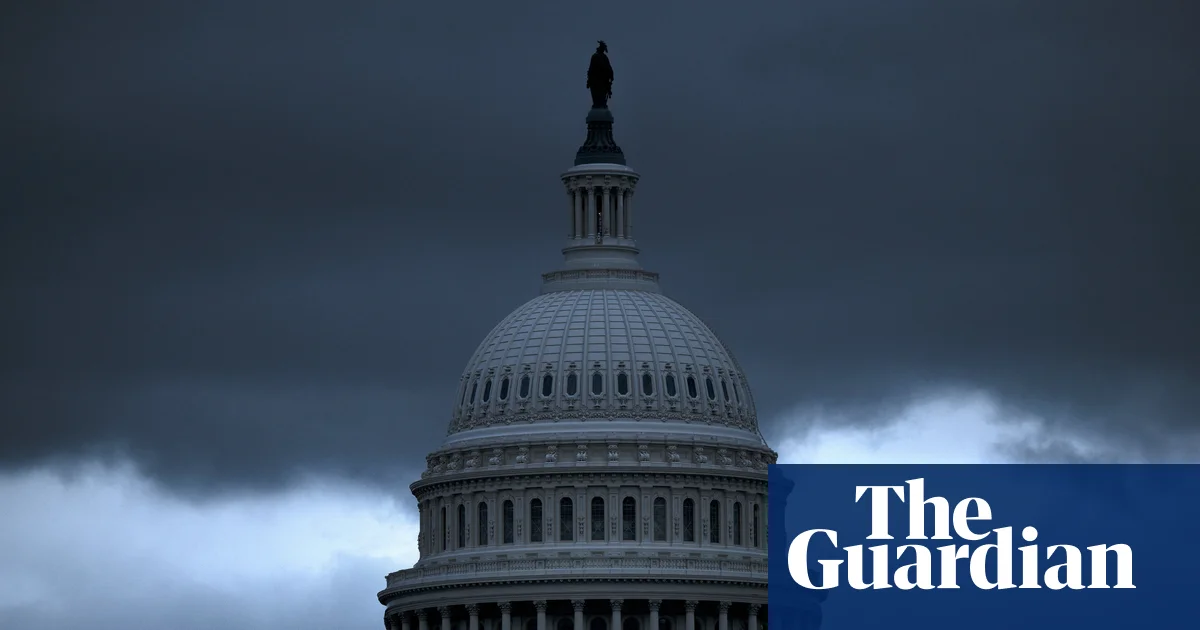
The recent announcement by the White House of federal layoffs exemplifies a pivotal moment in America’s internal crisis. As the government persists through a third week of shutdown, the decision to initiate a reduction-in-force (\RIF) process signals not only domestic instability but also a potential shift in international influence and security stability. While officials remain opaque about affected departments, the impact resonates across essential sectors such as cybersecurity, food safety, and public safety — critical pillars that hold the foundation of both economic strength and geopolitical standing.

Analysts herald this situation as more than just a partisan squabble; it underscores a deeper erosion of trust and stability in the U.S. political system. Historically, such gridlock hampers America’s ability to project power and maintain its alliances. The union leaders’ condemnation, claiming these layoffs are “illegal” and “devastating,” encapsulates a wider ripple effect that transcends national borders. Uncertainty regarding the federal workforce’s future directly threatens America’s capacity for rapid response and diplomatic leverage, especially at a time when global rivals like China and Russia continue their strategic pursuits, often exploiting American domestic vulnerabilities.

Domestic Political Standoff: How Decisions within Washington Shape the Future

The core of the crisis stems from a deadlock between Republican and Democratic leaders over funding. The GOP’s insistence on a narrow funding proposal, coupled with Democratic demands for social policy safeguards, exemplifies the legislative impasse. This standoff doesn’t merely threaten the livelihoods of federal workers; it jeopardizes the U.S.’s ability to uphold international commitments and operational readiness. The refusal to reconcile these differences jeopardizes the paycheck of 700,000 federal employees and continues to erode public confidence in government institutions. Historically, protracted shutdowns have spurred unpredictable geopolitical consequences, as internal weakness invites external adversaries to test American resolve and commitment.

With the Senate functioning as a choke point—requiring at least 60 votes to pass legislation—the situation intensifies. The Democratic opposition’s demands for extending health subsidies and safeguarding public media echo broader societal divisions. Experts like Max Stier warn that such internal disarray hampers essential services, from air traffic control to veteran care, strengthening the narrative that America’s internal vulnerabilities are exposing weaknesses to the world. Strategists globally perceive that ongoing chaos at home could significantly diminish America’s leadership during critical moments, hampering future diplomacy and military coordination.

The Unfolding Narrative of Discontent and Power

As the crisis deepens, the public and military faces an uncertain future; many service members and federal workers are on the brink of missing multiple paychecks. This internal strife carries a stark warning: how political decisions ripple outward, threatening societal stability and international standing. The government, historically a symbol of strength and resilience, now appears fractured, as legal battles erupt over the legality of firings and layoffs. According to recent reports by organizations like the Center for American Progress, the timing and extent of these layoffs are constrained by complex legalities, yet the administration’s threats persist, casting a long shadow over the nation’s internal cohesion.

The precise weight of this internal crisis extends far beyond the borders of the United States. With traditional allies watching cautiously and rivals such as China and Russia eager to exploit perceived weaknesses, the global geopolitical chessboard shifts ominously. The parallels with past moments of American internal discord serve as a stark reminder: history often records the passage of internal chaos as a prelude to broader international recalibration. As the final pages of this chapter remain unwritten, the world braces for the next move—aware that the true impact of Washington’s turmoil may well define the global order for generations to come.
Grandson’s Life Cut Short by Police Tear Gas—A Young Life Gone Too Soon

Madagascar’s Unrest: A Nation on the Brink

In the heart of the Indian Ocean, Madagascar grapples with a profound crisis that threatens to reshape its future. Over the past two weeks, youth-led protests—driven by frustrations stemming from chronic socio-economic failures—have erupted into widespread violence, loss of life, and economic upheaval. At the epicenter of these upheavals lie systemic problems: endemic corruption, unmanageable unemployment, severe water shortages, and an underdeveloped education system. As analysts from the United Nations and historians pontificate on the deeply rooted causes, the unfolding events underscore a simple yet alarming truth: the fragile fabric of Malagasy society is tearing, with the weight of history bearing heavily on a nation still seeking its path forward.

The protests ignited as young Malagasy citizens voiced their despair over basic necessities—their demand for access to water and electricity is emblematic of the broader failure of governance. The scenes of chaos include torching cars, vandalizing public infrastructure, and violent clashes with police, which have claimed the lives of at least 22 individuals, according to UN estimates. The government, under President Andry Rajoelina, dismisses these figures as misinformation but admits to property damages exceeding $47 million (£35 million). The president’s response has been to characterize the protesters as “rioters,” despite accounts from witnesses like Razanasoa Edmondine, whose one-month-old grandson was killed by police tear gas—a tragic illustration of how the state’s response has compounded the crisis rather than alleviated it.

The geopolitical impact of these protests extends far beyond domestic borders. Madagascar’s political instability hampers foreign investment and endangers the island’s vital tourism sector—once a major source of revenue for its economy. International observers, including Economists like Hery Ramiarison, highlight the decades of mismanagement and political upheaval since independence as root causes. Ramiarison notes that the vicious cycle of poverty and instability is aided by a weak educational foundation—three-quarters of the population have education levels below primary school, perpetuating unemployment and social exclusion. As this cycle persists, it feeds into a broader regional instability, attracting concern from global institutions who warn that unchecked unrest could spill into neighboring nations and disrupt regional peace and trade.

However, President Rajoelina remains defiant, promising to bring change within a year or tender his resignation if he fails. Yet, many analysts believe the underlying issues are far more complex. Historians like Jean-Marie Ravelonarivo argue that Madagascar’s recurrent political turmoil—particularly the 2009 uprising that ousted President Ravalomanana—has entrenched a culture of populist dissatisfaction that superficial reforms cannot cure. The cycle of failed leadership has left the government unable to address the core economic challenges, including water scarcity, underemployment, and inadequate infrastructure. The protests have also exposed the sharp divide between the political elite and a youth demographic desperate for opportunity—many of whom have never known a stable, prosperous Madagascar.

As the island nation teeters on the edge, its history continues to unfurl—a poignant reminder that decisions made today will be etched into the collective memory of the future. The young generation, symbolized by figures like Laza Brenda, from a roadside phone shop, see the promises of fleeting leadership only to be left with more hardship. The pain of families forced to wash clothes in paddy fields due to water shortages, the despair of entrepreneurs seeing canceled contracts, and the uncertainty gripping the tourism sector foreshadow a difficult road ahead. Yet, amid this turmoil, the resilience of Madagascar’s people beckons—a testament to a nation’s unyielding hope that, even in darkness, the dawn of a new chapter might yet emerge. But whether that dawn will bring clarity or further chaos depends on the decisions that unfold in the uncertainty of these decisive moments in history’s ongoing saga.

Honoring Nurse Maureen Crill: A Life Dedicated to Care and Community

Society’s Unsung Champions and Family Resilience

In an era marked by societal upheaval and a growing divide between the privileged and the vulnerable, stories of dedicated **community-oriented professionals** serve as a poignant reminder of the resilience and moral fiber that uphold our social fabric. Maureen Crill’s life exemplifies how individual courage and unwavering dedication can impact communities facing challenges such as poverty, conflict, and health crises. Her journey from Zimbabwe to various parts of the globe underscores the broader social issues that continue to affect families, education, and local communities worldwide.

Throughout her extensive career, Maureen’s work illuminated the harsh realities faced by underserved populations. The hardships endured by women in rural Africa, where she operated mobile clinics amidst insecurity and conflict, mirror larger issues of inequality in healthcare access and systemic neglect. Her efforts to train traditional midwives in Burkina Faso showcase the importance of empowering local communities rather than imposing external solutions—highlighting a critical challenge in global development: fostering sustainable, culturally sensitive progress. Sociologists like Michael Marmot emphasize that addressing social determinants of health is fundamental in nurturing resilient families and stable societies, a belief validated by Maureen’s lifelong commitment.

The Impact of Social Issues on Families and Education

The ripple effects of these social issues extend deeply into families. When communities lack adequate healthcare, education, and infrastructure, it is families—particularly women and children—who bear the brunt. Maureen’s advocacy for rural maternal health was rooted in the understanding that healthy mothers are vital to nurturing future generations. Yet, many communities remain trapped in cycles of poverty and inadequate care, hampering educational opportunities and perpetuating social marginalization. Here, the tension lies between systemic neglect and the moral imperative to act, ensuring that every family has a chance at a dignified life.

Shifting Demographics and Cultural Tensions

Changing demographics and cultural shifts further complicate this picture. As societies diversify and urbanize, traditional social networks weaken, often leading to increased dislocation and alienation. For instance, Maureen’s work in diverse and often volatile settings like Pakistan, Canada, and Cuba demonstrates how healthcare professionals must navigate complex cultural terrains. Sociologists like Claude Lévi-Strauss have argued that understanding cultural diversity is essential to fostering social cohesion. Yet, social tensions arise when national policies neglect the needs of marginalized groups, resulting in fractured communities and compromised social stability.

Pathways to Social Renewal and Hope

While these challenges are formidable, the story of individuals like Maureen Crill inspires hope. Her life exemplifies that dedicated service and culturally sensitive interventions can forge pathways toward social renewal. Building resilient families and communities requires policies that prioritize health equity, education, and moral responsibility. Sociologists such as Anthony Giddens remind us that society’s future hinges on our collective ability to adapt and nurture shared values of compassion and justice. In embracing this moral vision, society can evolve beyond cycles of neglect to become a community where every family has the opportunity to flourish.

As society faces its ongoing trials, it is crucial to remember that the true strength of a nation lies in its ability to cherish and uplift its most vulnerable. The stories of our unsung heroes — those who serve selflessly in the shadows — call us to reflect on our moral commitments and the legacy we wish to build. Mirroring Maureen Crill’s grace and resilience, perhaps society can find renewal and hope, one compassionate act at a time, casting a future where social transformation begins with acknowledgment, respect, and unwavering resolve.

Social Media Auto Publish Powered By : XYZScripts.com