Matox News

Truth Over Trends, always!

Fact-Check: Recent claim about climate change effects rated misleading.

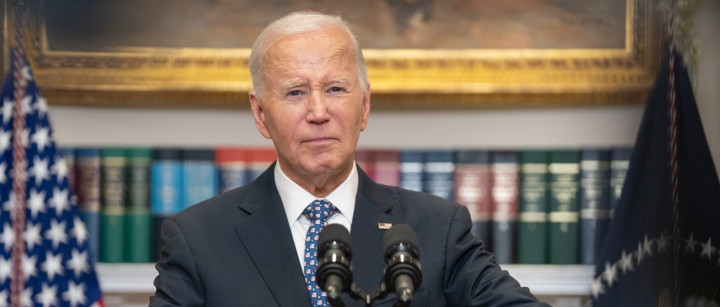
Investigating the Final Numbers of President Biden’s Term: What Are the Facts?

As the Biden presidency concludes, a comprehensive assessment of his administration’s statistical record helps paint a clear picture—beyond headlines and partisan spin. The data reveals a complex interplay of economic growth, challenges, and policy outcomes, necessitating a closer, factual examination. Let’s delve into the key metrics and what they truly indicate about Biden’s impact on America.

Inflation, Wages, and Consumer Purchasing Power

One of the most debated issues during Biden’s time in office has been inflation. The Consumer Price Index (CPI) rose by 21.5% over his tenure, with the steepest increase—9.1%—occurring in 2022, marking the highest annual inflation rate since 1981. Experts from the Bureau of Labor Statistics (BLS) confirm that this spike was driven by pandemic-related supply chain disruptions, labor shortages, and geopolitical shocks like Russia’s invasion of Ukraine, which caused global energy markets to tighten.

Regarding wages, private-sector weekly earnings increased by 16.7% during Biden’s term. However, after adjusting for inflation, real earnings declined by 4%, eroding workers’ purchasing power. Thus, despite nominal wage growth, many Americans found their standard of living stagnated or worsened—a fact verified by the BLS.

Economic Performance: Jobs, Growth, and Market Records

On employment, the data indicate recovery and growth: total nonfarm employment increased by approximately 16.1 million jobs since Biden took office, with around 6.76 million more jobs than pre-pandemic levels. Yet, it’s essential to note that upcoming revisions during the government’s benchmarking process—expected early 2026—may significantly revise these figures downward, as historical patterns show.

Unemployment averaged 4.1% throughout Biden’s tenure—substantially below the 5.7% average since 1948—affirming the strength of the labor market overall. Stock markets set new highs, with the S&P 500 rising by 57.8%, confirming a robust investment climate that has benefited many investors. Meanwhile, corporate profits surged, reaching over $3.5 trillion in 2024, reflecting record-breaking corporate earnings noted by the Federal Reserve.

Policy Outcomes on Social Indicators and Immigration

Health insurance coverage improved—reducing the uninsured by about 1.2 million—according to the Census Bureau. However, the official poverty rate declined only slightly, and when considering the Supplemental Poverty Measure, which accounts for government assistance, poverty actually increased during Biden’s final years. These nuanced figures highlight that economic gains have not been evenly distributed across all populations.

Regarding immigration, apprehensions at the U.S.-Mexico border soared by over 107% in Biden’s last year compared to before he took office, with over 7 million encounters during his term—a historic surge driven by domestic push factors and new legal pathways like parole expansions. These figures are corroborated by data from U.S. Customs and Border Protection.

The Importance of Facts in Democracy

As this analysis demonstrates, the final numbers of Biden’s presidency tell a multifaceted story: economic resilience in some sectors, inflationary struggles in others, and complex immigration dynamics. Truthful, data-driven debate is vital to a healthy democracy. It ensures citizens are informed and capable of responsible judgment, rather than swayed by misinformation or selective narratives. Fact-based understanding empowers Americans to hold leaders accountable and make decisions rooted in reality, essential for safeguarding liberty and prosperity in our nation.

From Adventure to I Do: She Met Her Dream Guide and Got Engaged in Just Two Weeks

Living Beyond Limits: A Journey of Love, Self-Discovery, and Resilience

In a world increasingly embracing *_the shifting tides of lifestyle and self-discovery_*, stories that challenge societal expectations serve as vibrant reminders of our capacity to forge new paths. Rachel Décoste’s transformative journey from Ottawa to West Africa exemplifies how stepping outside conventional boundaries can lead to profound personal impact. Her adventure, rooted in a heritage rediscovery and the pursuit of authentic connection, underscores an empowering message: it is never too late to embrace change, love, or to realign one’s purpose.

Rachel’s story intertwines her genealogical awakening with an unanticipated romance, unfolding against the rich backdrop of Benin. As a Canadian daughter of Haitian immigrants, she had long carried a sense of ancestral longing. Through a DNA test, she discovered roots in Senegal, Ivory Coast, Togo, Ghana, and Benin—places brimming with history and resilience. According to wellness experts like Dr. Mark Hyman, engaging with one’s ancestry can serve as a catalyst for *personal renewal and emotional healing*. Rachel’s emotional voyage, from the port city of Cotonou to the sacred sites of Ouidah, became a pilgrimage not only through space but within herself, reminding us that _our roots nourish the soil of our future_.

This trip of self-awareness soon blossomed into a story of unexpected love—a narrative fueled by trust, chance encounters, and cultural exchange. Rachel’s spontaneous decision to hop onto a local motorcycle with Honoré Orogbo, a Beninese entrepreneur, epitomizes the essence of seizing the moment. The modest act of accepting a ride forged a connection that defied societal norms, revealing a timeless truth: life’s most extraordinary moments often occur outside the comfort zone. Their journey, filled with heartfelt conversations in markets and sacred sites, led to a shared understanding that love transcends borders and, remarkably, reshapes destinies.

Among community, travel, and personal growth, the story also demonstrates that *a life most fully lived* requires courage. Rachel’s decision to leave her career and life in Washington DC, and Honoré’s willingness to face the uncertainties of immigration, showcase the power of following one’s authentic intuition. As cultural philosopher Alain de Botton suggests, embracing *the unpredictability of life* can open doors to newfound purpose and joy. Their eventual union, culminating in a Canadian wedding despite prior challenges, reflects a shared resolution that life’s true richness lies in *the connections we cultivate and the brave choices we make*.

Key Insights for the Aspiring Explorer

  • Seek your roots; understanding your ancestry can evoke profound emotional and spiritual renewal.
  • Embrace spontaneity; opportunities for growth often arrive in moments of uncertainty.
  • Follow your heart boldly; authentic love and purpose often require stepping beyond societal expectations.
  • Prioritize true connections over societal norms—relationships rooted in understanding and respect can transcend physical and cultural divides.

Rachel’s odyssey is a testament to the resilience of the human spirit and the transformative power of embracing life’s unpredictable journey. Her story, sparked by a simple DNA test and sustained by chance encounters, highlights that Living an authentic life is about daring to chase what truly matters. As she prepares to publish her memoir—a reflection of her journey of self and ancestry—she embodies a compelling call to action: to trust your instinct, pursue your purpose, and embrace the possibility that your most extraordinary chapter is yet to come.

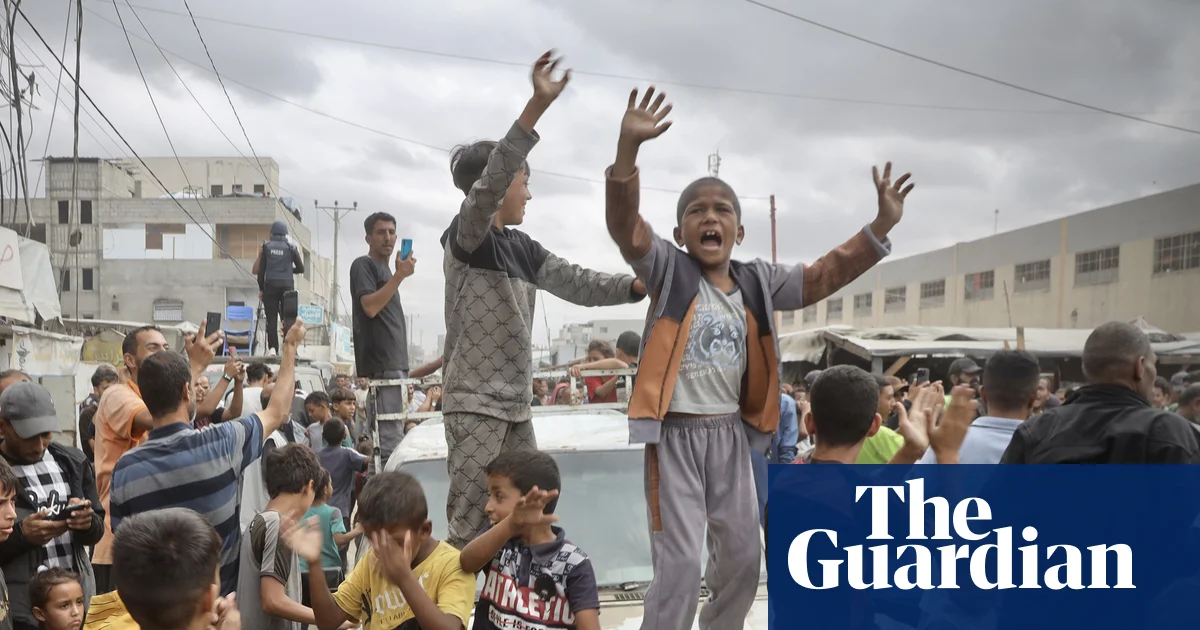
Palestinians Celebrate Ceasefire Deal: A Step Towards Peace—Today in Focus Extra | Gaza

Ceasefire Sparks Hope in Gaza and Beyond

In a significant diplomatic breakthrough, Israel and Hamas have announced a ceasefire agreement in the ongoing Gaza conflict, bringing a temporary end to what has been a harrowing two-year war zone. Announced in the early hours of Thursday, this development signals a potential shift in the relentless cycle of violence that has gripped the enclave, yet analysts warn that the road ahead remains fraught with challenges and unresolved issues.

The reactions from those directly impacted paint a complex picture of relief mixed with lingering pain. Ansam Tantesh, an English graduate living in Gaza, encapsulates the suffering faced by civilians: “The pain, she shares with Annie Kelly from The Guardian, ‘will never leave my heart’. Despite the cessation of airstrikes, the human toll—marked by loss, destruction, and trauma—continues to overshadow hopes for peace.” Humanitarian workers like Mai Elawawda emphasize that while the ceasefire provides a crucial pause, the dire needs for food, water, and shelter remain unmet for many Gazans. The ongoing humanitarian crisis underscores how decisions made at the international level directly affect daily life and human rights in conflict zones.

Despite the optimistic headlines, experts underscore that this ceasefire is but a fragile pause, not a definitive resolution. International organizations, such as United Nations officials and regional analysts, warn that the underlying issues—territorial disputes, refugee rights, and security guarantees—still loom large. The international community remains divided over assigning blame and responsibility, with some nations advocating for a permanent solution and others calling for a pragmatic, immediate ceasefire. Historians like Noam Chomsky have long highlighted the regional geopolitical stakes, noting that the conflict is deeply embedded within broader regional rivalries involving Iran, Egypt, and Turkey. Such dynamics complicate efforts for a durable peace, as well as influence the strategic calculations of global powers.

  • The ceasefire marks a potential turning point, possibly opening diplomatic channels that have been closed for years.
  • However, persistent issues such as the blockade of Gaza, settlement expansions, and the status of Jerusalem threaten future stability.
  • International organizations stress that sustainable peace requires addressing these root causes, not just temporary truce agreements.

The geopolitical impact of this ceasefire extends well beyond Gaza’s borders. Israel faces intensified scrutiny over its military operations and settlement policies, which critics argue exacerbate instability. Meanwhile, Palestinians in Gaza and the occupied West Bank see this as a moment of cautious hope, yet also warn against complacency. Historically, such brief pauses in conflict have often been undermined by unresolved grievances, making future confrontations all the more probable. The decisions made now will undeniably shape the socio-political fabric of the region for generations, determining whether this fragile moment of peace transforms into a lasting resolution or simply a fleeting respite in an ongoing saga of conflict.

As the dust settles and international observers watch closely, the weight of history presses heavier than ever. The coming days will reveal whether this peace holds—a brief hope or a true turning point—yet the scars of this ordeal will remain, etched deep into the collective memory of a fractured region. The world stands at a crossroads, witnessing a moment where diplomacy and perseverance are tested, and where the future of millions hangs in the balance. The unfolding story of Gaza is not just a regional saga but a chapter in the ongoing contest for influence, security, and dignity on the global stage.

Rising Star Shines: Local Teen Breaks Records at State Championships!

UEFA Women’s Champions League Round One: Highlights and Takeaways

The inaugural round of the UEFA Women’s Champions League has concluded, leaving fans buzzing with excitement and anticipation for what lies ahead. Analysts Emily Keogh, Julien Laurens, and Sam Marsden have provided insights into the game-changing moments and standout performances from the matches that defined this opening round.

This year’s tournament kicked off with a series of electrifying matchups, showcasing both established powerhouses and up-and-coming teams ready to make their mark on European soccer. The decisive moments of the matches were pivotal, as teams sought to gain early momentum. Key fixtures included the thrilling clash between Barcelona and Arsenal, which ended in a nail-biting draw, demonstrating the fierce competitiveness of the tournament.

  • Barcelona’s striker, Alexia Putella, showcased her talent with two brilliant assists, proving once again why she is a key player to watch.
  • Arsenal defended resolutely, with goalkeeper Leah Williamson making several crucial saves to keep the Gunners in contention.
  • The match was described by commentator Julien Laurens as “a tactical showcase,” emphasizing the impressive strategies employed by both coaches.

In addition to the gripping action on the field, this tournament serves as a platform for female athletes to shine and gain the recognition they deserve. As Sam Marsden pointed out, “The quality of play continues to rise, reflecting the growth of women’s soccer across the globe.” This sentiment rings true as each player battles not only for their team’s glory but also for the future of women’s sports.

As the competition unfolds, one thing becomes clear: the UEFA Women’s Champions League is more than just a contest for trophies—it’s a celebration of unity and perseverance, a testament to the power of sports. Every match played is a step toward greater equality and recognition in athletics. Whether through passion, skill, or teamwork, sports have the incredible ability to bridge divides and bring us together, proving that regardless of the scoreboard, the spirit of the game remains undefeated.

Source link

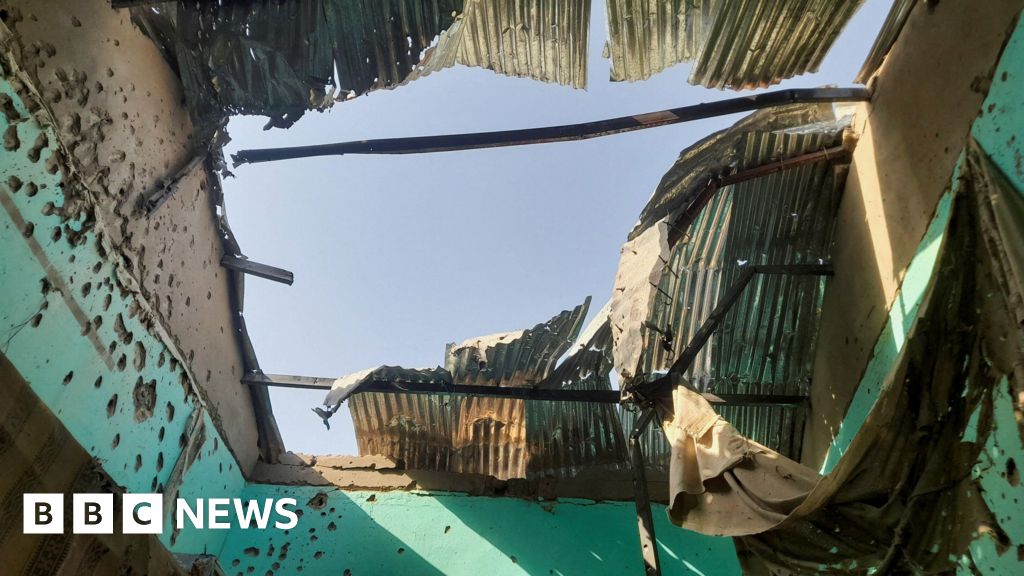
13 Dead as Hospital in Blockaded Sudan City Comes Under Shelling, Reports Say

In the heart of Sudan, the city of el-Fasher, once a symbol of stability in the turbulent Darfur region, has become a battleground that exemplifies the devastating toll of what many analysts are calling a war of attrition. The ongoing conflict between the government-controlled army and the paramilitary Rapid Support Forces (RSF) has plunged the region into chaos, risking a humanitarian catastrophe that threatens to eclipse previous crises. The recent brutal attack on one of the last functioning hospitals in el-Fasher has claimed at least 13 lives and injured dozens more. This assault, carried out by RSF forces, is being condemned worldwide as a flagrant breach of international law, echoing broader questions about the conscience of modern warfare.

UN officials and humanitarian organizations have warned that el-Fasher is now teetering on the edge of collapse. Satellite images analyzed by Yale University’s Humanitarian Research Lab reveal that the RSF has constructed an extensive earthen wall—stretching over 57 kilometers—to tighten their siege on the city. This barricade effectively seals off all major exit routes, trapping thousands of civilians inside with dwindling resources. The siege has caused a complete breakdown of medical infrastructure, with most healthcare facilities shuttered and aid supplies blocked or rerouted by belligerents. The attack on the Saudi hospital is just the latest example of the escalating brutality—implying that no safe haven remains for the vulnerable amidst this relentless struggle for control.

The geopolitical impact of this crisis extends beyond Sudan’s borders, with experts warning that regional stability could be profoundly affected. The conflict’s roots lie in a complex web of ethnic tensions, political power struggles, and international neglect. Western powers, including the United States and European Union, have called for urgent ceasefires and humanitarian access but have struggled to exert meaningful influence over the conflict’s deep-seated martial currents. Meanwhile, neighboring countries such as Chad and Libya have expressed concern over spillover violence and refugee flows, which threaten regional security. International organizations like the United Nations have issued stark warnings about the potential for widespread famine, disease, and death, urging global actors to intervene before it’s too late. Yet, history demonstrates that such conflicts often become protracted, with peace remaining elusive—not unless decisive international action is undertaken.

  • Continued RSF advances threaten to seize el-Fasher entirely, risking a repeat of past Darfur crises marked by immense human suffering.
  • The construction of the berm and ongoing siege tactics exemplify a strategic effort to undo any prospects of negotiated peace, instead opting for total domination.
  • Global reaction remains divided amid geopolitical interests, with many fearing that the international community’s hesitance could turn this humanitarian emergency into a new chapter of irreversible tragedy.

As the world watches, the narrative of el-Fasher looms as a stark reminder of the fragile morality of international intervention and the devastating consequences of unchecked violence. Marshaled by analysts, historians, and international bodies alike, the question remains: how long can the world’s inaction sustain a humanitarian disaster of such tragic dimensions? Each passing day writes a new chapter of suffering that, unless halted swiftly, risks becoming a stain on the conscience of humanity itself. The battle for Darfur is more than a local skirmish; it is a mirror held up to the global community—a sobering testament that, in the age of interconnected nations, the failure to act bears the weight of history’s darkest moments yet to come.

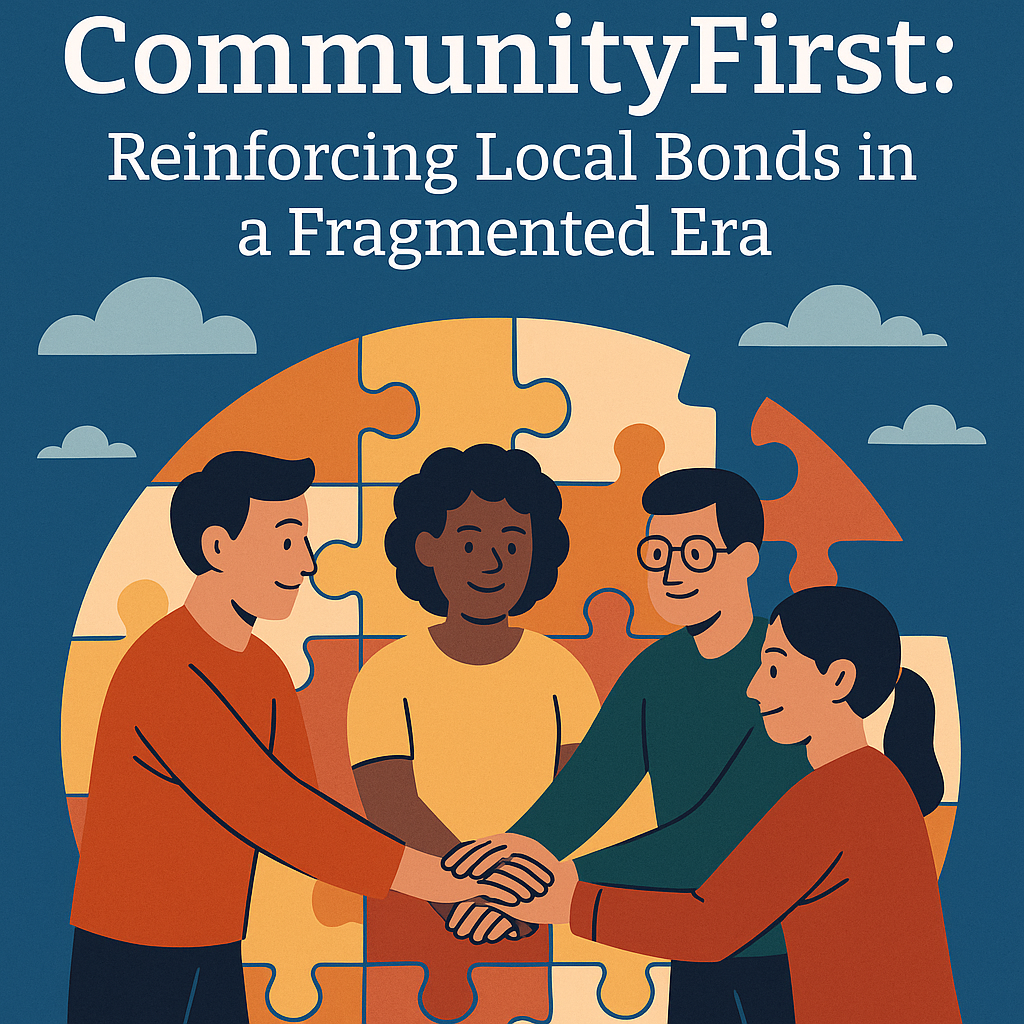
CommunityFirst: Reinforcing Local Bonds in a Fragmented Era

In an age characterized by rapid technological advancement and global interconnectedness, the fragility of local communities has become increasingly apparent. Critics argue that the relentless march of urbanization, combined with the erosion of traditional social bonds, has led to a diminished sense of belonging and shared purpose. However, initiatives like CommunityFirst demonstrate a resilient spirit rooted in the fundamental principle that strengthening local bonds is not only desirable but essential for safeguarding societal cohesion. By fostering grassroots engagement, CommunityFirst aims to create a ripple effect—reinvigorating neighborhoods and empowering citizens to take charge of their collective future within the fabric of their hometowns.

Supporters of this approach highlight that strengthening local bonds leads to tangible benefits, from increased safety to enhanced social capital. Economist Edward Glaeser emphasizes that vibrant communities thrive on the “density of social ties,” which catalyzes economic resilience and innovation. CommunityFirst initiatives promote local entrepreneurship, volunteerism, and civic participation—all grounded in the idea that local action fosters a sense of ownership and pride among residents. When residents feel invested in their neighborhoods, they become less susceptible to the alienation and fragmentation that often fuel social discord and even radicalization among youth.

  • By encouraging local leadership and participation, CommunityFirst addresses the root causes of rural decline and urban alienation.
  • Fostering intergenerational dialogue ensures the transmission of traditions and shared values essential for societal continuity.
  • Supporting local economies through community-driven projects reduces dependence on distant, impersonal corporate structures.

As historians like Charles Murray have pointed out, the preservation of social capital at the community level is the bedrock of a resilient society. Critics argue that federal policies often subordinate local needs to distant bureaucracies, thereby weakening these vital bonds. In contrast, CommunityFirst champions a bottom-up approach, emphasizing that empowering local leaders and cultivating a sense of shared destiny can revitalize the social fabric. In this vision, the community is not just a collection of houses but a living organism—teeming with shared stories, collective efforts, and enduring trust—capable of withstanding the upheavals imposed by external forces.

The future of CommunityFirst, and similar movements, depends on their ability to inspire the youth—those who will inherit both the challenges and opportunities ahead. As we stand at this pivotal moment, it is vital to remember that local communities hold the key to a resilient society. They are the silent sentinels guarding our cultural integrity and social cohesion, holding within them the power to shape an era that harmonizes tradition with progress. The question remains: can we forge a collective consciousness robust enough to withstand the erosion of bonds and anchor a future where every neighborhood, however small, becomes a fortress of unity? As memories merge with aspirations, the future whispers: in the depth of our local roots lies the strength to redefine the destiny of an entire civilization—one community at a time, standing resilient against the winds of fragmentation, until the dawn of a new, united chapter.”

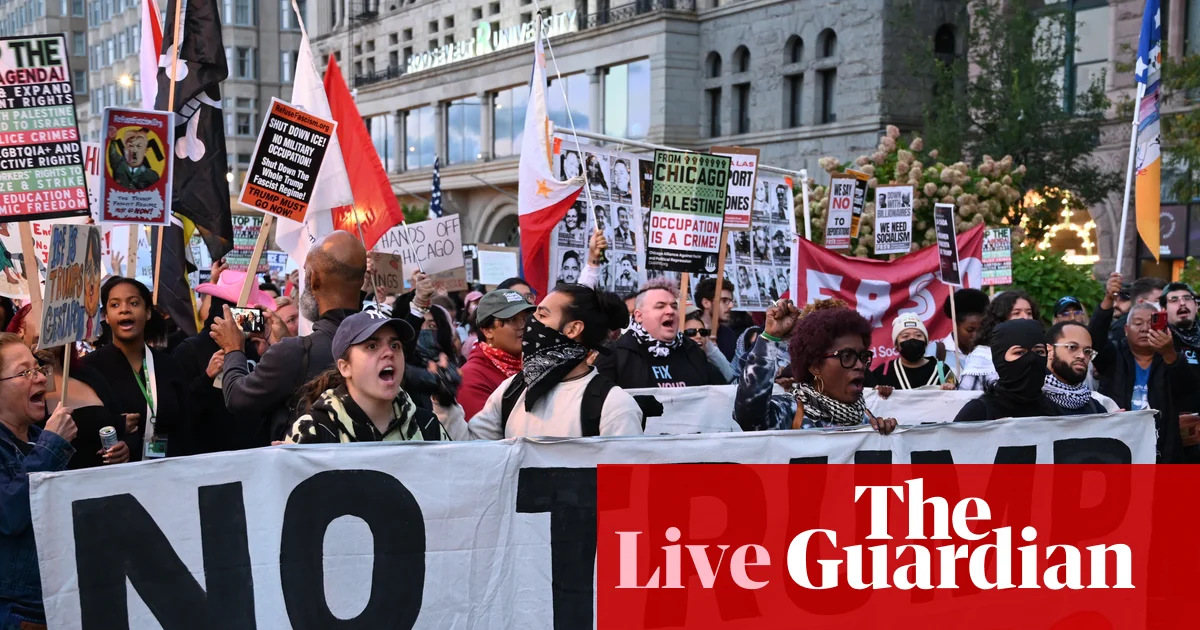
National Guard Deployed to Shield ICE and Federal Sites in Chicago — US Politics Live

Geopolitical Shifts and Domestic Turmoil: The Rising Tide of U.S. Security Interventions

In an unprecedented move that underscores the intensifying internal divisions within the United States, recent reports reveal the deployment of National Guard troops in Chicago and Memphis, tasked with protecting federal property amid mounting violence and political unrest. The Biden administration’s decision to activate approximately 500 troops—200 from Texas and 300 from Illinois—for a 60-day operation signifies a significant escalation in the direct federal intervention in domestic affairs. This deployment, aimed at securing Immigration and Customs Enforcement (ICE) facilities and other federal assets, has ignited a fierce political debate, with critics viewing it as a troubling overreach by federal authorities, while supporters frame it as necessary for national security.

The domestic destabilization has further polarized the political landscape, with figures like former President Donald Trump calling for the imprisonment of Chicago’s mayor Brandon Johnson and Illinois Governor JB Pritzker, accusing them of outright neglect toward law enforcement officers. Trump’s rhetoric, posted on Truth Social, blamed local officials for alleged failures to safeguard ICE personnel, further politicizing what many see as an erosion of state and local autonomy. The deployment of troops despite protestations from Illinois officials raises serious question marks about federal-state relations, highlighting the widening divide in governance philosophies. Historians warn that such actions echo past moribund episodes of federal overreach, threatening the delicate balance that underpins American federalism.

On the international stage, U.S. President Donald Trump announced a “tentative deal” between Hamas and Israel aimed at halting Gaza hostilities and securing the release of prisoners. While praise poured in from Republican lawmakers celebrating a purported breakthrough in Middle Eastern peace efforts—some suggesting Trump’s candidacy for a Nobel Peace Prize—Palestinian Americans and Middle East analysts expressed deep caution. The agreement includes an Israeli withdrawal from Gaza and involves a complex prisoner exchange, but many experts underscore the fragility of such ceasefires, especially without addressing underlying grievances. The Middle East, a geopolitical cauldron, demonstrates the unpredictable consequences of American diplomatic interventions that oscillate between efforts at peace and the risk of reigniting regional conflicts.

Simultaneously, in the hemisphere, Brazilian President Luiz Inácio Lula da Silva revealed that U.S. Secretary of State Marco Rubio contacted Brazil’s foreign minister concerning tariffs—an example of U.S.-Latin America diplomatic maneuvering. Lula’s surprise at the call reflects ongoing tensions over trade policies, highlighting how U.S. economic diplomacy continues to influence Latin American affairs. As the global order faces mounting challenges—from destabilized regions in the Middle East to internal divisions in the U.S.–the ripple effects threaten to reshape alliances, trade, and stability. Historically, international analysts emphasize that these decisive moments in foreign diplomacy cast long shadows on future prospects for peace and power dynamics.

As Congress and courts across the nation grapple with questions about the legality of deploying military personnel domestically, the weight of history presses heavily on the unfolding events. The deployment in Chicago and Memphis signifies a pivotal point—either a step toward restoring order or a warning sign of descending chaos. The decisions made today will reverberate for generations, determining whether the United States remains a nation rooted in constitutional principles or plunges into a conflict fueled by internal discord and external entanglements. The pages of history are turning, and what emerges on the other side will define the destiny of a nation caught between the weight of its ideals and the harsh realities of a fractured society.

Richard Desmond sues UK Gambling Commission for £1.3bn over lottery dispute

In a case that underscores the intense complexities of national regulation mingled with high-stakes capitalism, Britain’s judiciary is set to scrutinize a legal battle involving Richard Desmond, a billionaire media tycoon renowned for his ownership of outlets such as the Daily Express. This dispute, centered around a £1.3 billion damages claim against the Gambling Commission, exemplifies how private interests can clash with public regulatory frameworks, shaping the geopolitical landscape of economic sovereignty and regulatory integrity. What is at stake extends far beyond Britain’s borders—reflecting broader international tensions over regulatory oversight, market fairness, and the costs of political influence.

Desmond’s legal challenge alleges manifest errors in the competitional process that awarded Britain’s largest public sector lottery contract to Allwyn, a Czech-backed entity controlled by billionaire Karel Komárek. His lawyers contend that procedural flaws, including a changed contract after the award—an accusation that hints at underhanded manipulations—justify rerunning the bidding process. The legal confrontation reveals not only a dispute over billions in potential damages but also highlights the vulnerability of national regulatory agencies to private legal maneuverings. This case could set a precedent on how courts interpret regulatory fairness and transparency, influencing how governments across the globe craft engagement rules and safeguard their economic interests.

From an international perspective, the case holds profound geopolitical significance. It serves as a stark reminder of the geopolitical influence wielded by wealthy global financiers, such as Komárek, and the potential for foreign capital to sway national policy and economic outcomes. Analysts like those from the International Economic Forum warn that escalating legal challenges like this threaten to undermine the independence of national regulatory agencies, fostering an environment where political and economic meddling could increasingly dictate market access—for better or worse. Such disputes also illuminate the broader contest for control over lucrative industries—particularly in gambling and finance—that are fueling national debts and social policy debates worldwide.

At the heart of this legal drama lies a broader societal question: how do nations balance the need for fair, transparent regulation with the influence of wealthy private interests? The potential costs of a win for Desmond could extend beyond the courtroom. A payout exceeding the lottery fund—estimated at approximately £30 million weekly—might necessitate taxpayer-funded compensation. This unfolding saga mirrors the wider pressures faced by governments faced with privatization, regulation, and the delicate dance of protecting societal interests while fostering economic competitiveness. As international organizations such as OECD and World Bank continue to emphasize transparency and accountability in governance, legal battles like this serve as a warning of the power struggles threatening to tip the scales in favor of the well-connected elite.

In an era riddled with economic uncertainty and geopolitical tension, the unfolding legal contest in Britain is more than a national dispute—it is a reflection of a world where the lines between sovereignty, capitalism, and influence are increasingly blurred. The decisions made in this courtroom could ripple across borders, echoing in the halls of power and markets worldwide, as each side stakes its claim to a slice of global economic dominance. With history at a crossroads, the outcome may well define not just the fate of a British lottery but the very fabric of international regulation—leaving the world to watch as, once again, the future is written in the ink of legal battles and the shadows of unearthed influence.

Parents apologize for chaos caused by New Zealand fugitive

Unfolding Tragedy in New Zealand: A Fight for Justice in the Wilderness

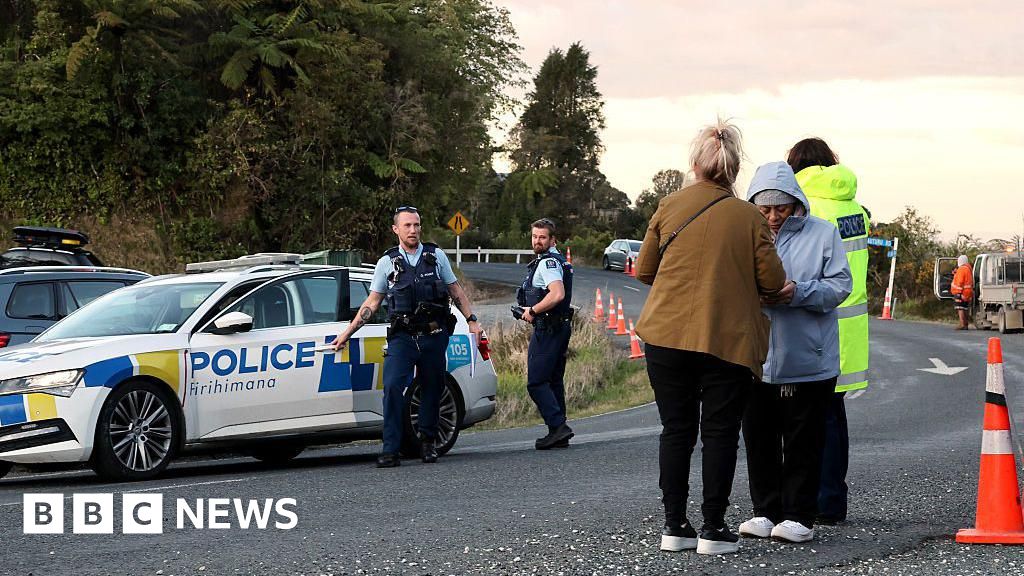
The harrowing story of Tom Phillips and his three children has left a scar on the collective conscience of New Zealand, revealing tensions between law enforcement, societal values, and individual rights. After nearly four years of evading justice through dense bushland and forests, Phillips, a known hunter familiar with the treacherous terrain of Waikato’s smaller towns, was ultimately shot dead in a violent police shoot-out. This tragic episode underscores how decisions from the government and law enforcement shape societal safety, especially in conflict zones where tradition, wilderness, and law collide.

International organizations and analysts have closely observed the events, emphasizing the consequences of escalation and the importance of balanced law enforcement tactics. The police operation, focused primarily on “locating and returning the children safely,” highlighted the perilous nature of such missions when armed suspects are understood to be dangerous and motivated by firearms. The intense firefight, which left an officer seriously injured but alive, signifies the perilous thin line law enforcement must walk when confronting armed fugitives in remote terrains. While some critics argue that aggressive tactics escalate conflicts, others argue that decisive action is essential where lives—especially vulnerable children—are at stake.

Implications for National Security and Society

  • The case spotlights the blurring of boundaries between personal freedom, parental rights, and national security. As Phillips’ family appeals for his return, international observers debate whether the state’s response was proportionate or overreach.
  • Recent analyses point to the wider implications of such incidents in shaping public trust in law enforcement strategies. “This event brings to light the growing need for precision and restraint in armed conflict scenarios within rural communities,” notes historian Dr. Amelia Cortez, emphasizing the importance of balanced tactical approaches.
  • Meanwhile, local communities in Waikato grapple with lingering trauma and questions about the safety of their environment, as dense terrain and local terrain experts complicate search and rescue operations.

The tragedy also reveals a poignant dimension of how societal and family conflicts continue to influence international perspectives. New Zealand’s own investigation, still ongoing, might serve as a cautionary tale for other nations confronting similar threats—reminding us that behind every headline, there are narratives of despair, hope, and the relentless quest for justice. In the words of international security analyst Marcus Bell, “Such incidents illustrate the dangerous brink where personal crises threaten societal stability and challenge the very foundations of law and order.”

The Weight of History Unfolding

As the dust settles, the question remains: how will nations respond to such unfolding tragedies? The decisions made today—whether in the heat of conflict or through diplomatic channels—set a course for how societies cope with crisis and preserve peace. In the shadow of this deadly confrontation, the world stands at a precipice, watching history write itself in the wilderness’s silent pages. The outcome will resonate far beyond New Zealand, echoing in corridors of power where the verdict on justice, safety, and sovereignty continues to be penned—reminding us all that the true battle is often fought deep within the heart of nature’s most untamed realms.

Top 232 Prime Day Deals You Can’t Miss Before Midnight

Tech Industry Faces Disruption Amid Prime Day Market Shifts

The recent culmination of Amazon’s October Prime Day exemplifies a broader trend of disruption within the consumer tech market, signaling shifts that could reshape the landscape for both established giants and innovative startups. While consumers enjoyed lucrative deals on everything from headphones to smartwatches, industry analysts point to a more profound implication: the acceleration of market consolidation, technological innovation, and heightened competition.

This annual event underscores how major players like Amazon leverage massive sales events to reinforce their dominance in the digital marketplace. However, industry insiders and tech skeptics, including experts from MIT and analysts at Gartner, warn that such waves of consumer engagement are merely a prelude to a disruption-driven era. The focus now is on innovations redefining core sectors, such as AI-powered gadgets, smart home devices, and next-generation entertainment systems. Companies that previously relied solely on traditional hardware are now rushing to adopt cutting-edge technologies like AI, machine learning, and IoT to maintain relevance and capture new markets.

Impactful shifts are taking place across different product segments. For instance, the surge in smartwear—including wearable fitness trackers and smartwatches—illustrates how health-conscious consumers are demanding “more intelligent” devices, pushing companies to innovate rapidly. Likewise, the booming soundbar and Bluetooth speaker markets reveal a race to integrate voice assistants, leading to an ecosystem where hardware must seamlessly connect to the cloud, a move that could alter business models and revenue streams. This relentless pursuit of disruption has prompted industry leaders like Elon Musk’s Tesla and Peter Thiel-backed startups to reimagine their roles within this evolving ecosystem, emphasizing disruptive innovation over incremental improvements.

The integration of AI, robotics, and cloud computing into consumer devices signals a fundamental shift in industry power dynamics and competitive strategies. The emphasis on disruptive innovation is not confined to hardware alone; emerging platforms are transforming the way consumers access and interact with digital content, fostering a fertile environment for business model reimagination and market upheaval. As Gartner’s recent reports suggest, the companies poised for long-term growth are those that prioritize agility, leverage AI-driven insights, and rapidly iterate products to meet rapidly shifting consumer preferences. The speed at which these technology waves are cresting demands urgent adaptation for established players who risk being left behind.

Looking ahead, the future of consumer technology hinges on innovation and strategic disruption. The current trends indicate an era where traditional market boundaries will become increasingly blurred, mobilized by technologies that disrupt, redefine, and democratize access. The urgency for companies, investors, and entrepreneurs is clear: those who fail to harness these technological waves risk obsolescence. As digital markets accelerate, the pace of innovation will determine which enterprises lead the charge into a reshaped technological landscape, making strategic foresight and relentless innovation more critical than ever.

Social Media Auto Publish Powered By : XYZScripts.com