Matox News

Truth Over Trends, always!

Poland Deploys Jets Amid Russia’s Western Ukraine Attacks

The bleak skies over Ukraine have once again darkened with renewed Russian missile and drone assaults, signaling a significant escalation in the ongoing conflict that has gripped Eastern Europe since 2022. In the early hours of Sunday, Russian forces unleashed a barrage targeting critical infrastructure in cities like Lviv and Zaporizhzhia, causing casualties and widespread blackouts. These strikes, aimed at crippling Ukraine’s power grid, underscore Russia’s relentless strategy to weaken Kyiv’s resilience, amidst mounting indications of an intensified campaign that pushes the boundaries of conventional warfare.

The international response has been swift and concerned. NATO allies, especially Poland and other eastern members, activated their military defenses, with Polish fighter jets scrambled overnight to secure their airspace following Russian strikes near their border areas. The Polish military confirmed that allied aircraft are operating in our airspace, as ground-based defence systems are brought to the highest alert. This move reflects a broader realization that the conflict’s reach is expanding – and that the threat now extends beyond Ukraine’s borders to threaten regional stability. Moreover, the deployment of allied aircraft underscores the importance of collective defense and the fragile balance of power in this increasingly volatile zone.

Meanwhile, Ukraine’s sovereignty remains under threat, with Russian forces controlling approximately a fifth of Ukrainian territory, including Crimea—a region annexed illegally in 2014. The current Russian assaults aim not only to punish Ukrainian resistance but also to demonstrate a capacity to strike deep into Ukrainian territory, following recent American signals of increased support for offensive operations. US officials, like Keith Kellogg, have openly endorsed Ukraine’s right to launch deep strikes into Russian territory, given the absence of sanctuaries on the battlefield—a bold stance that could reshape the nature of the conflict. As Russia doubles down, its defense ministry reports destroying 32 Ukrainian drones overnight, illustrating the ongoing missile duels that threaten to spiral further out of control.

In this dangerous chess game, neighboring nations are feeling the ripple effects. Lithuania was forced to temporarily close its largest airport after spotting suspicious objects, later identified as balloons heading toward Vilnius, raising concerns about espionage or potential escalation. The brief disruption reveals the fragile peace in the Baltics and the broader uncertainty around how far Russia might push the envelope in its confrontation with NATO states. As analysts warn of a possible uptick in clandestine military activity, the overarching question remains: How will this clash of great powers determine the fate of Ukraine — and the security architecture of Europe itself? With each strike and counterstrike, history appears poised on a knife’s edge, echoing the tumult of the decades-long struggle for influence that once divided continents. The world waits, watching as the tide of conflict threatens to drown the hopes of stability in a sea of chaos, leaving us to ponder the true cost of unchecked aggression and the fragile thread holding together a fractured peace.


Andrej Babis’ populist party secures victory in parliamentary election

The recent parliamentary elections in the Czech Republic mark a pivotal moment in Central European geopolitics, driven by the resurgence of billionaire businessman Andrej Babis. With his populist ANO party securing almost 35% of the vote, Babis’s political comeback underscores a shifting tide within Europe’s heartland. While his party gained seats—rising from 72 to 80 out of 200—it still falls short of an outright majority, positioning Babis to lead coalition negotiations with smaller, fringe libertarian and nationalist parties.

In a political scene characterized by uncertainty, Babis’s alliance with right-wing, Eurosceptic parties, such as the Motors for Themselves and Freedom and Direct Democracy (SPD), shifts the Czech Republic towards a more skeptical stance on EU and NATO. Historically, analysts warn that such alliances could jeopardize Prague’s commitments to Western defense and cooperation, especially amid a broader uprising of populist nationalism across Europe. Babis’s rhetoric, which included opposition to the EU’s ban on petrol and diesel cars after 2035, signals a pushback against EU environmental mandates, which many see as an expression of sovereignty versus supranational oversight. This approach resonates with leaders like Hungary’s Viktor Orban, with whom Babis aligns through the Patriots for Europe parliamentary group, often criticized by international organizations for promoting nationalist agendas at the expense of broader European unity.

Adding further complexity, Babis’s stance on Ukraine and his plan to dismantle the Czech ammunition initiative—responsible for supplying Ukraine with millions of shells—highlight a potential realignment away from unwavering Western support. By proposing to place the arms scheme under NATO control and criticizing Western aid, Babis echoes the emerging geopolitical tension characterized by skepticism of Ukraine’s Western allies. Historians note that such shifts could weaken the collective resolve of NATO amid ongoing conflicts, and international organizations such as the EU warn of the long-term instability that could result from the decline of Czech commitment to Eastern European defense efforts.

While Babis claims to uphold a firm stance on regional sovereignty and a history of robust international relations—mentioning past interactions with President Trump, the FBI, and the CIA—his domestic policies raise questions about the durability of the Western alliance. Yet, with his overt anti-Ukrainian rhetoric and opposition to EU and NATO policies, his victory potentially heralds a new chapter of navigating the thin line between national interests and international obligations. As Babis prepares to forge alliances, the broader European security landscape teeters on a knife’s edge—an unfolding saga that history will judge for the heavy hand it wields in shaping the future of freedom, sovereignty, and global stability. In this moment of profound change, the weight of history presses down, leaving nations to wonder: How will the Czech Republic’s choices echo through the corridors of power for generations to come?

High School Basketball Teams Gear Up for Thrilling Championship Weekend!

Saudi Pro League Eyes Bruno Fernandes as January Transfer Window Approaches

In a fascinating twist to the January transfer window narrative, the Saudi Pro League is reportedly preparing to make a significant move for Manchester United‘s standout midfielder, Bruno Fernandes. The attention on Fernandes intensifies as clubs across Europe assess their rosters and strategic goals, leading to speculation that the talented playmaker could be on the move. With the Pro League’s growing reputation for attracting top-tier talent, this potential transfer could shake the footballing landscape.

According to sources close to the negotiation tables, the Saudi clubs are keen on enhancing their squad depth with players who possess both skill and experience. Club officials have been monitoring Fernandes closely, recognizing his pivotal role in Manchester United‘s recent campaigns. As one commentator noted, “Bruno has been a crucial asset for United, and losing him would be detrimental to their ambitions.” His influence on the pitch is underscored by the following highlights:

  • 10 goals and 15 assists in the Premier League last season.
  • Averaging 3.5 key passes per game, making him a playmaker worth investing in.
  • Leads the team in critical moments, often stepping up during high-pressure situations.

The discussions around Fernandes also highlight a broader trend of talent migration to the Saudi Pro League. With the lucrative financial backing of the league, they are not shying away from making bold signings. Rudi Garcia, head coach of Al Nassr, recently emphasized the league’s ambition to compete at an international level. “We want to bring the best talents to elevate our game and show that we can be a force globally,” Garcia stated, reinforcing the notion that this isn’t merely about finances but rather about building a competitive legacy.

As the clock ticks down to January, football fans are left wondering what this could mean for the landscape of both the Premier League and the Saudi Pro League. Will Bruno Fernandes choose to stay and help Manchester United chase silverware, or will the siren call of the Saudi league prove irresistible? What remains undeniable is that sports serve as a bridge, uniting fans across borders in their unwavering support for their teams. Each match not only shapes the future for clubs and players but also reinforces the bonds of community and passion that make sports such a powerful global unifying force.

Source link

US Falling Behind in the Electric Car Race: What went Wrong?

The Geopolitical Significance of Electric Vehicle Policies

The race for dominance in the electric vehicle (EV) industry has become a focal point in international geopolitics and economic rivalry. In recent years, the US has aggressively pushed to position itself as a leader in clean transportation technology, aiming for electric cars to comprise half of all vehicle sales by the year 2030. President Joe Biden championed policies that include expanding tax credits, boosting infrastructure with billions invested in charging stations, and incentivizing domestic manufacturing through loans and grants. These measures, supporters argue, are part of a broader strategy to secure economic independence and maintain technological sovereignty against rising competitors like China.

Yet, despite these ambitions, the US electric car market has lagged behind much of the European Union, the United Kingdom, and China, which have benefitted from more aggressive government subsidies and regulatory frameworks. China, for instance, now accounts for nearly half of all EV sales globally, with a clear aim to dominate the market entirely. European nations have made substantial advances with nearly 20–30% of new car sales being electric or hybrid vehicles, supported by policies that include strict emissions targets and generous incentives. This disparity underscores the impact of decision-making at the governmental level, revealing how support or the lack thereof profoundly influences a nation’s rise in the EV industry.

Policy Fluctuations and Their Consequences

The recent policy shifts in Washington reflect raw political divides over climate and economic priorities. Former President Donald Trump has openly dismissed climate change as a “con job” and has sought to dismantle many carbon-reducing policies. His administration’s decision to cancel the $7,500 tax credit—a key incentive for EV buyers—has sent ripple effects through the industry, endangering the sustainability of ongoing investments. Industry leaders like Ford and Tesla warn that demand could precipitously decline in the absence of government support, which had played a crucial role in driving record sales during the last quarter.

With tariffs on foreign vehicles and parts further complicating the landscape—including measures enacted by Trump in the spring—the industry faces an uncertain future. Analysts warn that without sustained government backing, the US might not only fall behind in EV adoption but could also become less competitive globally, losing crucial technological leadership and economic influence. This tug-of-war in policy demonstrates how domestic political shifts directly shape transformative technology sectors, thereby altering international power balances.

Economic and Social Ramifications

Despite the narrative of an EV revolution, the American consumer remains hesitant due to high costs—electric cars still command an average transaction price exceeding $57,000—roughly 16% higher than comparable petrol-powered vehicles. Manufacturers like Hyundai have attempted to offset those costs by lowering prices, but the combination of tariffs and diminishing subsidies could stymie consumer enthusiasm. Such economic pressures threaten to stifle innovation and broader adoption in one of the world’s biggest car markets, creating a ripple effect that could slow the global transition away from fossil fuels.

Some analysts argue that the US’s relative lag in this sector reveals more than just economic challenges; it reflects broader questions about national strategy and societal readiness. Will the US continue to invest in future industries or succumb to protectionist policies that threaten to fragment global supply chains? As industry veterans and international observers ponder these questions, it becomes clear that the trajectory of America’s electric vehicle industry may well determine the future landscape of global economic power—and whether the US can still claim a seat at the table or is destined to watch from the sidelines as others set the rules of the game.

As history writes itself in the coming years, the fight for technological supremacy and energy independence unfolds on an increasingly divided stage, leaving the world to watch and wonder: Will this be the dawn of a new era, or just another chapter in a story of lost opportunities? The weight of history presses heavily upon this moment, as nations and societies brace for what comes next in the silent, relentless march toward the future.

Three Months Sober — Now Focused on Supporting My Autistic Son’s Future

In contemporary society, the intersection of addiction, mental health, and neurodiversity is often overlooked, yet it shapes the lives of countless families. A poignant example emerges from a story of an autistic mother recovering from alcohol dependency who faces the immense challenge of rebuilding trust and stability with her 11-year-old son. This narrative underscores how social issues do not exist in isolation but reverberate through families, impacting their emotional health, educational development, and community integration.

According to sociologists and mental health professionals, families living under the weight of addiction often experience a ripple effect, with children absorbing anxieties that are both emotional and psychological. Children like the boy in this story develop a hyper-vigilance and sense of responsibility beyond their years, feeling compelled to control circumstances that feel unpredictable. Experts such as Rebecca Harris, a systemic psychotherapist, emphasize that creating a sense of safety is critical. Harris points out that children in such environments might internalize blame, thinking they somehow caused or could prevent their parent’s struggles. This internalized guilt can hamper their social development and academic progress, fostering a cycle of anxiety and mistrust that persists into adulthood.

Communities and institutions play an essential role in addressing these issues, yet often fall short due to resource constraints or systemic gaps.

  • While family support is crucial, the availability of specialized services for autistic children dealing with family trauma remains limited

Consequently, families are left navigating complex social terrains mostly alone. The local substance abuse support services are critical lifelines, offering reassurance that recovery and stability are possible, but also underscore a broader societal need for integrated, accessible mental health and autism support programs. As historian Yuval Levin suggests, society must recognize that nurturing resilient families is fundamental to a thriving social fabric.

Furthermore, the social tension between personal recovery and familial stability remains a pressing challenge. For the mother in this account, maintaining her sobriety is intertwined with fostering trust, setting appropriate boundaries, and ensuring her son’s well-being without overburdening him. Her acknowledgement of the importance of community support—whether through family, therapy, or peer groups like Al-Anon and Nacoa—is a testament to the power of collective responsibility. These community-based groups serve as anchors, helping families combat feelings of isolation, and reaffirm the tenet that society’s strength lies in its ability to support vulnerable members with compassion and understanding.

Reflecting on this deeply human story prompts a broader societal reflection: how do we, as communities, foster an environment where families affected by addiction and neurodiversity can thrive?

Perhaps the answer lies in a renewed commitment to holistic support systems and destigmatization. Education programs that help children understand neurodiversity and mental health, coupled with accessible therapeutic services, could transform lives. More importantly, society must uphold the dignity of every individual, recognizing that behind every family facing these struggles is a human story marked by resilience, hope, and the possibility of renewal. As society grapples with these challenges, it is the collective effort—a patchwork of parental strength, community compassion, and institutional support—that weaves hope into the fabric of a more understanding and inclusive future. In this ongoing journey, each act of kindness and understanding becomes a step toward societal healing, illuminating the profound truth: resilience begins in the heart of families, and society’s greatest strength lies in its capacity to uplift them amidst their silent battles.

U.S. Envoys Travel to Egypt for Gaza Ceasefire; Trump Claims Breakthrough Near

In a development marked by international diplomacy and regional instability, the United States appears to be intensifying its role as a pivotal mediator in the ongoing gaza conflict. White House officials announced that Jared Kushner, former senior advisor and son-in-law to President Donald Trump, along with Steve Witkoff, are heading to Egypt to negotiate a potential ceasefire and hostages’ release. The move signals an active US attempt to de-escalate violence that has claimed thousands of lives, primarily among civilians, in Gaza. Amid the fragile diplomatic climate, Egypt is poised to host delegations from Israel and Hamas on Monday, reflecting its strategic position as a regional diplomatic hub. The implications of these negotiations extend beyond mere hostages, touching upon the very sovereignty and security of multiple nations involved in this complex turmoil.

The geopolitical impact of these developments resonates profoundly as Israel strives to recover its image and assert military dominance, while Hamas remains resistant to diplomatic overtures and continues to resist disarmament demands. Israeli Prime Minister Benjamin Netanyahu expressed hope of bringing home all remaining hostages during the upcoming Jewish holidays of Sukkot, emphasizing the political weight of the negotiations. Meanwhile, Trump publicly articulated that the US is “very close” to an agreement, claiming that “every country of the world in favor” of the deal. His remarks coincide with accusations from Hamas that Israel’s continued massacres and bombings defy the narrative that military operations are being scaled down, suggesting that the peace process remains fragile and fraught with accusations and distrust. The outcomes of these negotiations hold significant geopolitical consequences, impacting regional stability and international perceptions of conflict management.

The humanitarian toll in Gaza continues to deepen, with reports of at least 17 Palestinians killed in a single Israeli attack on Saturday, most of whom were women and children. The escalation includes targeted drone strikes, house raids, and a brutal blockade that, according to UN experts and humanitarian agencies, risks crossing into a chapter of genocide. Israel rejects this classification, asserting its actions are strictly for self-defense. Historians and analysts warn that such escalations threaten to ignite a broader regional confrontation, with Turkey’s Recep Tayyip Erdoğan playing a distraction role by pressing Hamas for a swift resolution. As the world watches, the underlying question remains—will diplomatic negotiations hold, or will this cycle of violence spiral into a larger regional conflict, dragging everyone into an unpredictable and destructive future?

In the shadow of global diplomacy, the pieces are moving on a geopolitical chessboard that could tilt toward peace or chaos, with history’s pen poised to write its next chapter. The current negotiations may serve as a fleeting turning point or a tragic foreshadowing of an even darker era. As the world holds its breath, the ongoing dance of diplomacy and warfare underscores the harsh reality that in this volatile region, the decisions of today will echo through generations, shaping a future where hope and despair remain locked in mortal conflict.

Fact-Check: Statement on climate change effects rated Mostly True

Fact-Checking the Claim About Leafy Greens and Email Spam

In today’s digital landscape, misinformation often gets tangled with everyday topics, making it imperative to verify claims before accepting them as truth. A recent statement asserts, “Don’t worry — the leafy greens won’t be spamming inboxes any time soon.” At face value, this appears to be a humorous or metaphorical comment, but it prompts us to examine whether there is any basis for linking leafy greens—actual vegetables or metaphorical language—to email spam, and whether such a concern is justified or simply a misdirection.

What Is the Claim About?

The phrase, “leafy greens”, typically refers to vegetables such as lettuce, spinach, kale, or collard greens. In some contexts, it might serve as a whimsical nickname or code word, but the statement appears to suggest that these items will not be involved in or responsible for email spam. The core question is whether there is any existing connection—be it technological, environmental, or industry-related—that links leafy greens to spam emails or digital disturbances.

Exploring the Connection: Is There Evidence?

A rigorous examination from tech and agricultural sources reveals no evidence to support the idea that leafy greens are involved in email spam. Spam emails originate primarily from malicious networks and bots designed to distribute advertising, malware, or phishing schemes. These are digital entities with no physical tie to vegetables or any agricultural products. The environmental aspects of leafy greens — such as water usage, pesticides, or farming practices — are unrelated to digital messaging systems or cyber threats.

Furthermore, experts from the Cybersecurity and Infrastructure Security Agency (CISA) have repeatedly underscored that spam originates from compromised servers and automated scripts, with no connection to biochemical or agricultural sources. Correspondingly, the Department of Agriculture and environmental researchers at institutions like the U.S. Department of Agriculture (USDA) confirm that leafy greens are strictly agricultural products and do not participate or influence digital communication channels.

Interpreting the Phrase in Context

Given the semantics, it’s reasonable to interpret the statement as a metaphor or humorous remark—possibly suggesting that concerns about environmental threats or food safety involving leafy greens are exaggerated or misplaced—rather than a literal warning about digital spam. Alternatively, it might be referencing a misinformation trend about vegetables being linked to certain health scares, which has been debunked repeatedly by the Food and Drug Administration (FDA) and nutrition experts.

Notably, the notion of vegetables “spamming inboxes” is inherently illogical and serves as an example of humorous hyperbole. It underscores the importance of differentiating between genuine cybersecurity issues and misinformation or metaphorical language that could mislead the public.

Conclusion: Why Facts Matter

In an era where misinformation can spread rapidly and mislead even the most discerning consumers, meticulous fact-checking remains indispensable. The claim that leafy greens will not be spamming inboxes any time soon is supported by solid evidence: vegetables are agricultural products with no capacity—digital or otherwise—to generate or influence spam emails. Recognizing the difference between metaphor and reality helps citizens stay informed and make responsible decisions, upholding the integrity of our democracy and the trust in scientific and technological expertise.

Ultimately, this false claim serves as a reminder that truth is foundational for a healthy society. As responsible citizens, we must prioritize verified information and critically evaluate sensational statements—whether about food, technology, or politics—to safeguard the values of transparency, accountability, and informed citizenship.

Judge halts Trump’s attempt to send National Guard to Portland

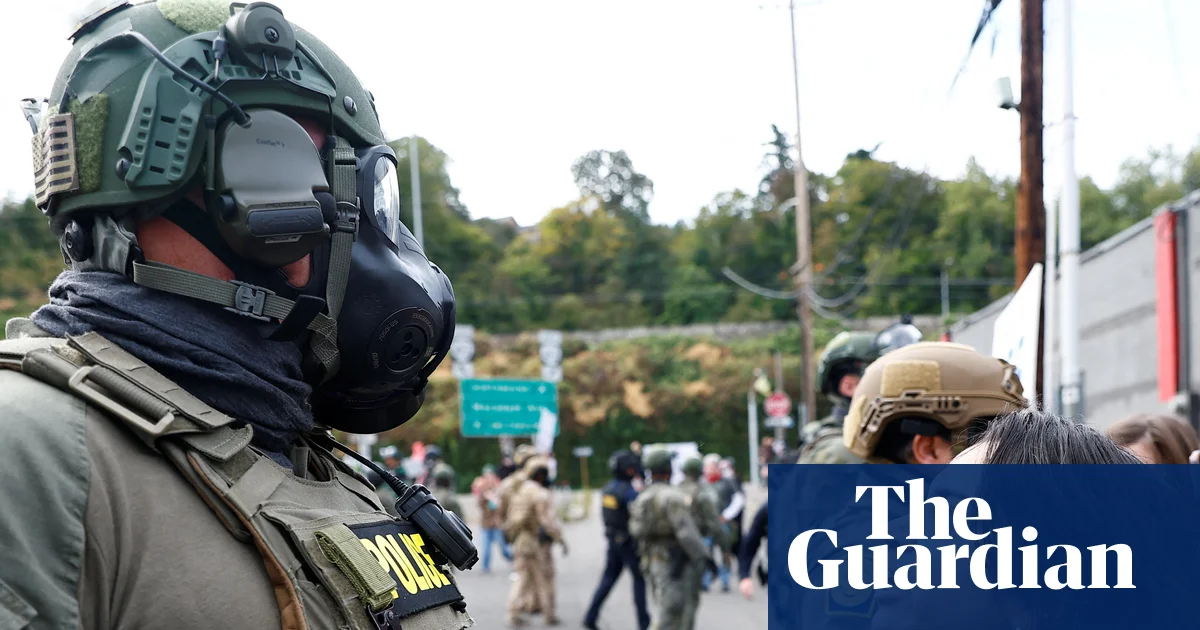
US Federal Court Blocks Deployment of National Guard to Portland

In a pivotal legal decision that echoes across the United States, a federal judge has halted the Trump administration from deploying the National Guard to Portland, Oregon. This move ignited a fierce political debate about the use of military forces in domestic civil unrest. The court’s intervention highlights the ongoing struggle between federal authority and local sovereignty, with profound geopolitical impact that extends well beyond the Pacific Northwest. The administration had announced on 27 September its intention to send troops, claiming it was necessary to restore order amidst protests outside a federal immigration enforcement office. However, local officials and the state’s legal representatives argued that the situation was misrepresented, pointing to the city’s relatively calm protest activity in recent days. This legal setback underscores a broader narrative: the clash over federal intervention in domestic protests has become a microcosm of larger ideological battles,” explained Dr. Helena Strauss, a political analyst specializing in US civil-military relations.

The decision by Judge Immergut was based on a contention that the deployment would violate both the US Constitution and federal law. Critics argue that the Trump administration’s narrative paints Portland as a city embroiled in chaos, with Attorney General William Barr emphasizing the threat from “vicious and cruel radicals” that must be subdued with federal force. Conversely, local voices and Oregon’s attorney general declared that these claims are exaggerated; protests in Portland have largely been peaceful, sometimes comprising fewer than a dozen demonstrators. The court’s ruling not only halts the immediate deployment but also signals a warning against the unchecked use of force in what many see as a contentious effort to politicize law enforcement amid a highly polarized national climate.

This legal defeat for President Donald Trump marks a significant moment in the ongoing narrative of federal overreach. Since the start of his presidency, Trump has portrayed certain American cities—particularly those governed by Democrats—as lawless zones in need of military intervention. His designation of Antifa as a “major terrorist organization” was a deliberate move to stigmatize a loosely connected ideology opposed to fascism, but one that historically resists centralized control. Critics argue these labels serve to justify aggressive crackdowns, while supporters contend they are necessary to restore order. The international community watches as the US grapples with internal unrest, with many analyzing whether this pattern reveals a deeper strain within American democracy or an overreach by executive power in the guise of preserving law and order.

The geopolitical consequences are manifold. With China and Russia observing a nation in apparent disarray, the American image as a beacon of democratic stability is under strain. Historians warn that persistent federal overreach and internal conflicts risk undermining the U.S. global standing, especially in a world where soft power is crucial. The divisions exposed in Portland and other cities are not confined within borders—they threaten to reshape international alliances, weaken the American-led liberal order, and embolden adversaries who seek to exploit internal vulnerabilities. As observers like Dr. Samuel Ortega, an international relations scholar, note, “the difficulties faced in Portland are emblematic of a nation at a crossroads, where internal discord threatens to spill into the global arena, testing America’s role as a leader of stability and freedom.”

In this unfolding chapter of history, the struggle over Portland is more than a regional dispute; it is a sovereign test for the United States’ commitment to federalism, civil liberties, and democratic norms. As courts weigh in and protesters mobilize, the trajectory of this conflict will influence how nations perceive American resilience and resolve. The future remains uncertain, but the weight of history continues to press forward—an indelible reminder that the decisions made today will echo through generations, shaping the fabric of the free world itself.

This Week’s Top Deal: Kid-Friendly Kindle Paperwhite Outperforms the Adult Model

Market Disruption and Innovation: Amazon’s Kindle Offers Signal Industry Shifts

The consumer electronics industry remains a fiercely competitive battleground, fueled by rapid technological innovation and strategic disruption. Recently, Amazon’s latest Kindle lineup, including the Kindle Kids, Kindle Colorsoft Kids, and notably the **Kindle Paperwhite Kids**, exemplifies how entrenched players are innovating to sustain dominance amidst a shifting digital landscape. With prices dropping to historic lows — the Kindle Paperwhite Kids now retailing at $134.99, down from $179.99 — such aggressive pricing underscores Amazon’s strategy to consolidate market share in the e-reader space. This move challenges traditional rivals and forces them to rethink their offerings in the face of Amazon’s relentless push for affordable, feature-rich devices that appeal to a broader demographic, especially younger readers.

This pattern of disruption extends beyond individual products to broader industry trends. Experts from Gartner point out the increasing convergence of hardware, content, and AI-driven personalization, transforming e-readers from mere reading devices into integrated learning platforms. Amazon’s push into kid-friendly devices reflects a broader market shift where the focus is no longer solely on hardware capabilities but on creating ecosystems that foster digital literacy and lifelong engagement. Such strategic positioning foreshadows a future where edu-tech integration and gamification will redefine consumer expectations and unlock new revenue streams, making traditional book publishing and educational content delivery more competitive.

Hardware Innovation and Gaming Disruption: The 8BitDo Ultimate 2

In the gaming sector, recent innovations notably include the **8BitDo Ultimate 2** wireless gamepad, now available at discounted prices — in white for $59.98 and black for $62.99 — marking a rare opportunity for gamers seeking premium accessories. This controller’s compatibility with the upcoming **Nintendo Switch 2**, original Switch, and PC exemplifies a new era of hardware interoperability, challenging proprietary standards that once limited gamer choice and ecosystem lock-in.

  • ReplacesHall effect joysticks with tunneling magnetoresistance (TMR) technology for drift resistance and increased power efficiency.
  • Features trigger stops, LED-illuminated joystick rings, and additional shoulder buttons for advanced control — perfect for high-performance gaming.

The design innovations reflect a broader trend wherein hardware manufacturers leverage cutting-edge materials and ergonomic engineering to disrupt established markets. Industry analysts note that this focus on augmenting user experience and durability is vital for staying ahead in a competitive landscape increasingly driven by consumer demand for versatility and longevity. This kind of disruption might also accelerate the commoditization of console peripherals, compelling leading brands to innovate beyond incremental improvements and aim for transformative technological leaps.

Implications for Business and Industry Dynamics

These developments signal a profound shift in how companies approach market competition. Amazon’s aggressive pricing and ecosystem integration demonstrate the efficacy of disruption through affordability and ecosystem lock-in, pushing rivals into a price and innovation race. Meanwhile, hardware players like 8BitDo are leveraging technological breakthroughs to redefine quality benchmarks, forcing industry-wide innovation cycles. Institutions such as MIT and industry giants like Elon Musk’s companies emphasize the importance of disruptive innovation as essential for future growth, and these product launches underscore that message.

For investors and entrepreneurs, the key takeaway is clear: timing and agility matter more than ever. As the industry continues to evolve rapidly—fueled by advances in AI, materials science, and digital integration—the capacity to innovate swiftly will dictate who leads the next wave of technological disruption. The convergence of consumer electronics, gaming, and educational tech signals a future where sustained competitive advantage will hinge on how quickly companies adapt to emerging trends and consumer expectations. The next decade promises an unprecedented level of technological transformation, and those who act decisively will shape the future landscape of digital innovation.

Former NFL star Mark Sanchez arrested following stabbing incident

In a startling development that underscores the unpredictable nature of personal crises affecting public figures, former NFL quarterback Mark Sanchez has found himself embroiled in controversy after a violent incident in downtown Indianapolis. Reports confirm that Sanchez, now a prominent television commentator, was involved in a stabbing early Saturday morning, an event that has cast a shadow over his career and touched a nerve in a nation not unfamiliar with high-profile upheavals. While the details surrounding the attack remain under investigation, the incident exemplifies how societal tensions and personal struggles can intersect, sometimes leading to tragic consequences.

The geopolitical impact of such incidents extends beyond individual tragedy, resonating across national narratives about violence, law enforcement, and social stability. Indianapolis, a city increasingly emblematic of broader American urban challenges, serves as a microcosm of a nation grappling with issues from rising violence to mental health crises—issues often magnified when connected to high-profile figures. The Indianapolis metropolitan police department reported that Sanchez was hospitalized in critical condition after the attack, with officers detaining a suspect involved. Such incidents often ignite debates on urban safety policies, law enforcement’s capacity, and America’s societal cohesion at large. Analysts from organizations like the Council on Foreign Relations warn that domestic stability, whether in the United States or elsewhere, hinges on effective responses to such internal crises, which reflect deeper structural vulnerabilities.

This case highlights how individual events in the United States can ripple outward, affecting perceptions of law, order, and national character. It serves as a grim reminder that no societal fortress is immune to discord, even within the realm of celebrity and sports—entities often romanticized as icons of resilience. Yet, the aftermath of Sanchez’s stabbing raises critical questions about social cohesion and the role of community-based interventions, especially given how such incidents are increasingly weaponized in political and cultural debates. Historically, crises involving public figures tend to magnify societal divisions rather than heal them, and experts suggest that without comprehensive reform, these fissures threaten to widen, further destabilizing an already fragile social fabric.

  • The incident has prompted immediate attention from local authorities, with the Marion County Prosecutor’s Office preparing to decide on formal charges, emphasizing the presumption of innocence until proven guilty.
  • Comments from analysts note that the incident, while criminal in nature, echoes larger themes of urban unrest and societal marginalization, often exploited by political factions seeking to sway public opinion.
  • International institutions like the United Nations have repeatedly underscored the importance of social stability as a foundation for peace, warning that internal disorder can rapidly threaten regional security.

As Sanchez’s story unfolds, the incident leaves a heavy reminder that history’s most tumultuous chapters are often written in moments of personal crisis that mirror broader societal conflicts. From the streets of Indianapolis to the forums of international diplomacy, the question remains—how will nations adapt to the rising tide of internal chaos? The course of events in Indiana may seem isolated, yet they echo a much larger narrative: the fragile dance of order and disorder, of tradition confronting modern upheavals. The weight of history presses down, an ominous reminder that whether in the corridors of power or the alleyways of small cities, the future of societal stability depends on the resilience and unity of nations that dare to confront their own shadows. With each passing event, the story of our times is being written—sometimes in blood, sometimes in resolve—and the final chapter, still yet to come, promises to define generations to come.

Social Media Auto Publish Powered By : XYZScripts.com