Matox News

Truth Over Trends, always!

Australia News Live: Hecs Debt Relief Starts November – Waters Demands More Support for Detained Flotilla Activists

Global Power Play: Navigating Conflicts, Alliances, and Domestic Policy Shifts

In an era where the geopolitical landscape shifts rapidly, nations are increasingly compelled to reassess alliances and strategic priorities. Australia, under the leadership of Prime Minister Anthony Albanese, exemplifies this dynamic as it grapples with complex international issues—from supporting activists attempting to break the Gaza blockade to navigating climate commitments and domestic policy reforms.

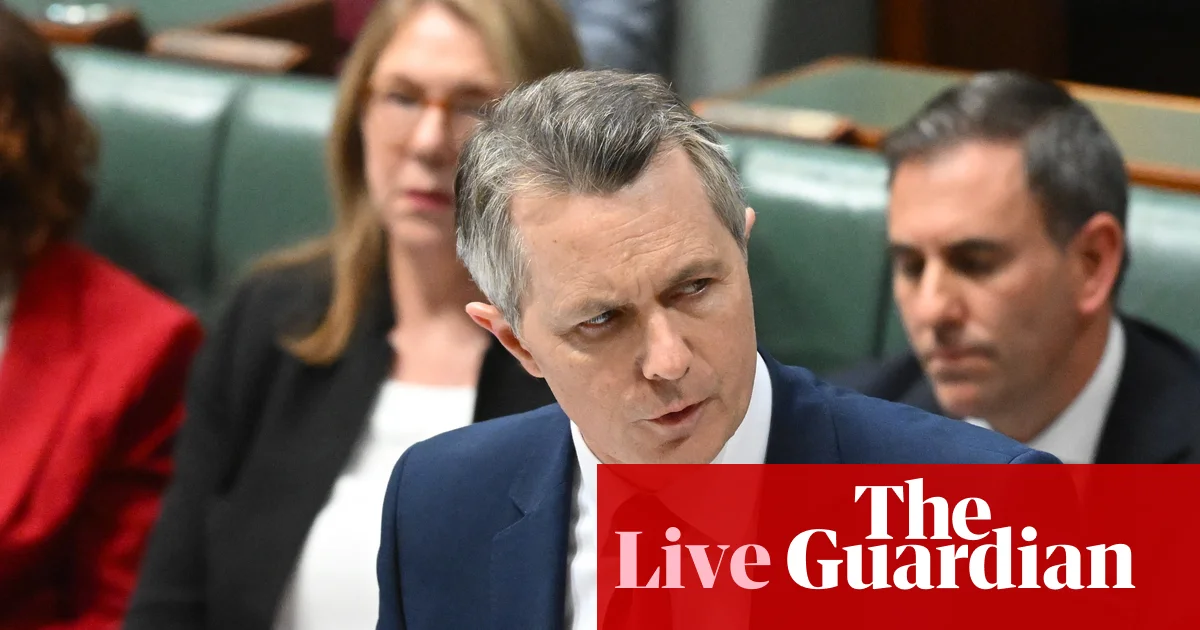
One of the most striking international developments involves the interception of a flotilla attempting to breach the naval **blockade on Gaza**, aimed at delivering critical aid to the beleaguered Palestinian territory. Six Australians who participated face detention by **Israel**, prompting calls from Australian politicians, including opposition figures such as Larissa Waters, for the government to escalate diplomatic efforts. Waters has demanded greater action from Foreign Minister Penny Wong, including “calling on the Israeli ambassador” and even contemplating the expulsion of that ambassador if Australia’s nationals are not treated with due security and respect. The situation underscores the **geopolitical impact** of America’s close alliance with Israel—a relationship that many analysts argue complicates Australia’s ability to adopt a balanced foreign policy amid rising tensions.

Meanwhile, in domestic policy, the Albanese government has announced significant steps to ease economic burdens for Australians. Starting mid-November, the **Higher Education Contribution Scheme (HECS)** debt will be cut by 20%, a move aimed at alleviating the student debt crisis faced by millions. This policy shift, backdated to balances as of June, reflects a broader economic strategy to boost domestic affordability and social mobility. Critics, however, argue that such measures serve political ambitions more than systemic reform, especially as debates around **climate change** intensify. The Greens, led by Larissa Waters, have repeatedly accused the government of ignoring expert advice—asserting that the **62-70% emissions reduction targets** are “low-balled” and favoring coal and gas industries with too lenient policies. This rift demonstrates how domestic policy decisions are deeply intertwined with **global climate commitments**, which, if rushed or compromised, could undermine Australia’s credibility on the international stage.

In the broader arena, the **Green parties worldwide** are pushing hard for environmental protections and a shift away from fossil fuels. Waters has called for an end to native forest logging and stronger environmental safeguards, criticizing the government’s willingness to negotiate with powerful fossil fuel interests—particularly the notorious “go zones” that reportedly include 22 coal projects seeking approval in the Bowen Basin. International organizations like the Climate Change Authority warn that actual commitments are insufficient to meet the looming climate crisis, a concern echoed by Australian experts who emphasize that **how nations choose to act now will define their legacy**. The tension between economic growth’s reliance on fossil fuels and the urgent need for ecological sustainability continues to be a defining feature of Australia’s **geopolitical impact** on global climate efforts.

As these internal and external tensions unfold, history remains at the crossroads. Decisions made in the coming months will resonate across nations—impacting alliances, influencing international perceptions, and shaping the lives of generations to come. From the **growing unrest in Gaza** to the **policy debates within Australia’s halls of power**, it is clear that the true test of leadership is whether a nation can uphold justice, security, and sustainability—all while navigating the turbulent currents of the world’s future. The unfolding narrative is a stark reminder that history’s weight lies not just in the decisions of today, but in the legacy of what is yet to be written.

Local High School Teams Gear Up for Championship Showdown!

UFC 320: A Night of Unforgettable Action in Las Vegas

UFC 320 descended upon Las Vegas this past weekend, delivering an action-packed evening filled with thrilling matchups and memorable moments. Expert analysts Brett Okamoto, Andreas Hale, and Jeff Wagenheim provided insightful breakdowns of each bout, emphasizing how the stakes were high in every fight. Fans were treated to an electrifying atmosphere, showcasing the essence of mixed martial arts.

The night starred several standout performances that left a lasting impression. One of the highlights was Jon Jones‘s resurgence, as he demonstrated his prowess in the octagon with an emphatic victory over Alexander Gustafsson. This bout not only solidified Jones’s place as a dominant force in the light heavyweight division but also set the stage for potential future matchups that fans are eagerly anticipating. Commentator Brett Okamoto remarked, “This is a man who has returned to reclaim his throne.”

  • Jon Jones defeated Alexander Gustafsson via unanimous decision.
  • Adesanya maintained his championship reign against Whittaker in a five-round thriller.
  • Rose Namajunas continued to showcase her skill with an impressive submission victory.

Additional bouts featured fighters who showed incredible determination, with Israel Adesanya reaffirming his status as champion against Robert Whittaker in yet another gripping encounter. According to analyst Jeff Wagenheim, “Adesanya’s ability to adapt and control the pace was awe-inspiring.” Each fight not only highlighted individual talent but also demonstrated the collective spirit of the sport, showcasing athletes who push their limits for the fans and each other.

As the event concluded, it was clear that UFC 320 was not just about victories or defeats. It was a vivid reminder of the unity that sports can foster. In a world often filled with division, the octagon serves as a battleground where athletes from diverse backgrounds come together to display their craft and passion. As we reflect on this electrifying night, it is the stories of perseverance, sportsmanship, and the pursuit of greatness that resonate the most. This is what makes the world of sports not just a competition but a profound expression of the human spirit, one knockout and submission at a time.

Source link

Pritzker warns of Trump sending National Guard to Chicago amid shooting incident at border patrol—Youth voice demands action

Unrest and militarization escalate within United States: A nation at a crossroads

The recent decision by President Donald Trump to deploy over 300 federal National Guard troops in Illinois amidst mounting internal conflicts marks a pivotal moment in the history of American sovereignty and civil liberties. This move, announced by Illinois governor JB Pritzker, has ignited a fierce political debate, characterized by allegations of overreach and threats to fundamental constitutional principles. Pritzker’s vehement opposition underscores a broader rift within the country, pitting federal authority against local governance and civil rights.

As the Trump administration intensifies its immigration enforcement, with ICE agents conducting aggressive operations across Chicago, the urban unrest appears to be more than a routine law enforcement campaign. The recent deadly shooting of a woman by federal agents—initially claimed to be *defensive*—raises serious questions about the escalation tactics employed, especially as the woman’s name reportedly appeared in a threat bulletin against ICE. Historians warn that such incidents reflect a dangerous shift toward militarized domestic policing, reminiscent of authoritarian states more than a democratic republic. “This is a turning point where the use of military force within the U.S. is increasingly normalized,” said Dr. Annette Morgan, a political analyst specializing in civil-military relations.

Meanwhile, high-ranking officials like Kristi Noem and Gregory Bovino have announced bolstered troop deployments, framing federal intervention as necessary to control alleged surges in local violence and disorder. Yet, critics argue that much of this narrative is inflated or outright false, aiming to justify an aggressive federal footprint within American cities. The deployment of troops to cities such as Los Angeles and Washington D.C. signals a troubling trend: the encroachment of military authority into realms traditionally reserved for civilian law enforcement. Such actions threaten the very fabric of American constitutional democracy and may set dangerous precedents for future administrations.

Geopolitical Impact and Future Consequences

The international community watches these developments with concern. Many analysts, including top officials at NATO and the United Nations, have issued cautious statements emphasizing respect for national sovereignty and civil liberties. However, China and Russia are observing with strategic interest, eager to exploit perceived internal chaos to undermine the United States’ global influence. The continuous militarization of domestic affairs could weaken America’s image as a beacon of freedom worldwide, transforming its internal conflicts into a potential pretext for external interference or sanctions.

Furthermore, historians warn that this internal strife could have far-reaching consequences for American society. If unchecked, the increased deployment of military force against civilians could erode trust in democratic institutions and pave the way for a government comfortable with authoritarian methods. Such a trajectory risks transforming the United States into a nation where protests are met with suppression rather than dialogue—a dangerous slide toward internal instability that threatens to reshape the global order.

The Weight of History and Humanity’s Unfolding Future

As the United States faces this tumultuous chapter, the weight of history presses heavily on the shoulders of its citizens. Each decision to deploy military force on American soil echoes with echoes from darker chapters—when nations descended into chaos and lost sight of the principles that once made them great. The world watches in tense anticipation, aware that the choices made today may determine the destiny of generations to come. Will the United States reinforce its founding ideals of liberty and justice, or will it succumb to a new era of internal conflict and military dominance? Only time will unveil the next chapter in this unfolding story of power, resistance, and the enduring struggle for a free society.

Pro-Patriot Protesters Push to Storm Presidential Palace

In a dramatic escalation of internal unrest, Georgia has once again become a flashpoint in the volatile landscape of Eurasian geopolitics. Anti-government protesters in the capital city, Tbilisi, attempted to storm the presidential palace amid mounting tensions between the nation’s pro-Western opposition and the ruling Georgian Dream party. Law enforcement responded with force, deploying tear gas and water cannons in an effort to disperse demonstrators who have, for months, been demanding profound political change. The scene of chaos underscores a nation at a crossroads, where the future of its sovereignty aligns dangerously with the intense tug-of-war between Western aspirations and Russian influence.

The protests, initiated by opposition factions calling for a “peaceful revolution”, are rooted in longstanding grievances. Critics accuse Georgian Dream of embracing pro-Russian policies and exhibiting authoritarian tendencies, exacerbating public discontent. These demonstrations gained momentum following the party’s controversial decision to freeze Georgia’s European Union accession talks, abruptly halting a pivotal goal that symbolized the country’s pursuit of Western integration. Since winning the 2021 elections amid allegations of fraud, the ruling government has faced persistent opposition, which claims that the government’s actions threaten Georgia’s democratic future and its aspirations to join Western institutions. According to analysts like Dr. Helen Mason, the unrest signifies more than local discontent; it reflects broader geopolitical vulnerabilities that could reshape regional alignments.

The European Union and United States watch these developments with a wary eye, aware that their influence in Georgia, a strategic buffer in the Caucasus, may be challenged or compromised. Georgia’s oscillation between Western ambitions and Russian influence positions it as a volatile arena where international interests intersect disruptively. The decision by Georgian Dream to halt EU accession talks not only signals internal political divergence but also demonstrates Russia’s ongoing efforts to maintain dominance over the South Caucasus, seeking to prevent Western integration in a region it considers within its traditional sphere of influence. As historian Marko Petrovic notes, such internal conflicts are often magnified by external powers seeking to shape the regional order in their favor.

  • The unrest in Georgia exemplifies the fragility of post-Soviet states whose political alignments remain battlegrounds for broader international influence.
  • The decision to freeze European integration efforts underscores the delicate balance between national sovereignty and external pressures from Russia and Western nations.
  • International institutions are alarmed at the potential for escalation, seeing Georgia as a pivotal piece in the chess game for influence in Eurasia.

The fate of Georgia holds profound implications beyond its borders. As the nation teeters on the brink of further turmoil, the international community must grapple with what could be a major turning point in the ongoing struggle for regional dominance. History reveals that such moments—marked by internal protests and external pressures—often set the stage for larger conflicts or shifts in alliances. As the world watches Georgia’s streets, the question remains: will this small but strategically vital nation forge a new path toward sovereignty and Western integration, or will it succumb to the gravitational pull of nearby powers eager to reshape the regional map? The answer lies in a tumultuous future where history yet writes itself, and the echoes of today’s struggles will resonate for generations to come.

Andrej Babiš’s Populist Win: A New Direction for Czech Politics

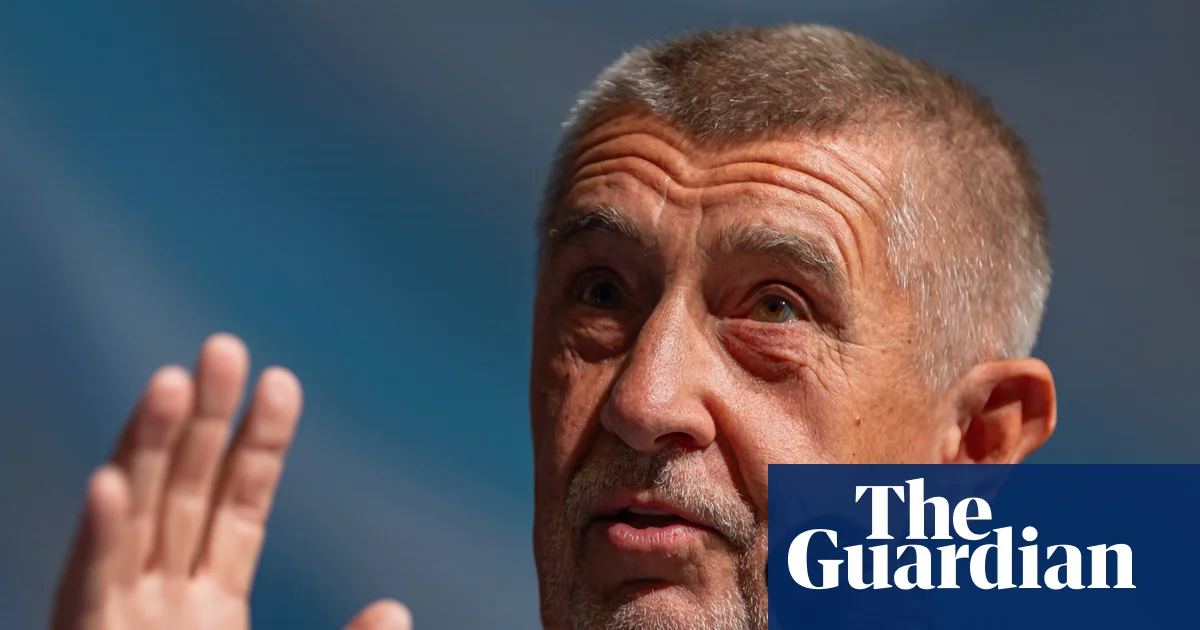
The recent parliamentary elections in the Czech Republic have signaled a pivotal moment in European geopolitics. Populist billionaire Andrej Babiš has emerged victorious, setting the stage for a significant political realignment that could reshape the country’s stance on foreign policy and its alliances. With nearly 98% of votes counted, Babiš’s ANO movement secured about 35% of the vote, overtaking the pro-Western coalition led by Prime Minister Petr Fiala, which garnered 23%. This outcome not only highlights the rise of populist sentiment within the country but also suggests a shift away from unwavering support for Ukraine towards a more Eurasian-oriented approach, aligning the Czech Republic more closely with Hungary and Slovakia.

Historically, the Czech Republic has been one of Europe’s most staunch supporters of Ukraine, committing resources and military aid in response to Russia’s invasion. Yet, Babiš’s victory signals a potential reevaluation of this stance, emphasizing a broader geopolitical impact: nations may soon prioritize their national interests over collective Western initiatives. As international analysts point out, Babiš aims to join leaders like Viktor Orbán of Hungary and Robert Fico of Slovakia, both of whom have resisted EU sanctions on Russia, continued to import Russian oil, and refused to send military aid to Ukraine. This alignment with Eurasian interests is increasingly calling into question the solidarity within the European Union, especially amidst amplified rhetoric from populist parties advocating for a more pragmatic approach to Moscow.

The election results reveal a broader political realignment that could threaten transatlantic unity. The Freedom and Direct Democracy party and a conservative group called Motorists indicated potential coalition partners for Babiš, signaling a government less committed to the aggressive support for Kyiv and more open to diplomatic and economic ties with Moscow. International institutions such as NATO and the EU face the looming prospect of internal divisions, as the nationalist currents within Eastern and Central Europe gain momentum. The shift is not merely political; it is also symbolic of a wider contest for the soul of European integration and security, with new leaders questioning the sustainability of the original Western consensus.

Reactions from historians and international observers underscore the magnitude of this moment. Many warn that these decisions will reverberate beyond the Czech borders, challenging decades of post-Cold War European stability. As the European Parliament witnesses the emergence of alliances like Patriots for Europe—a coalition led by Babiš and Orbán—there is a discernible shift toward a more assertive, sovereignty-centric bloc that questions the traditional Western-centric worldview. The unfolding chapters of this story suggest a Europe at a crossroads, where the pursuit of national self-interest may redefine alliances, influence societal values, and, ultimately, shape the continent’s destiny.

As history continues to write itself in the corridors of power, the Czech Republic’s newfound political direction confronts the West with a stark reality: the geopolitical landscape is transforming once again, and the decisions made today will echo through generations. The future of European unity, security, and international stability hangs in the balance, as nation after nation grapples with the legacy of these seismic shifts. In the shadow of a resurgent Eurasian axis, the question remains: who will lead tomorrow’s Europe, and at what cost?

Fighting Back: Kids at Risk from Parents Spreading Dangerous Conspiracies

In recent years, the rise of misinformation has exposed profound vulnerabilities within our society, especially affecting families and communities. The tragic case of Paloma Shemirani, a young woman who succumbed to untreated cancer at the age of 23, underscores the dangerous consequences of unchecked conspiracy theories, fueled by social media and individuals with radical beliefs. Her mother, Kate Shemirani, a former nurse with a platform of over 80,000 followers, propagated unfounded claims about health and government interference, ultimately influencing her daughter’s critical health decisions. The inquest concluded that her care, heavily influenced by her mother’s beliefs and alternative treatments rejected by medical authorities, contributed significantly to her death. Such cases illustrate the devastating toll that cultural shifts towards skepticism of scientific consensus are taking on families and their trust in modern medicine.

Among the most troubling aspects is how social media serves as a breeding ground for conspiracy theories, creating insular communities where misinformation propagates rapidly and populates the minds of vulnerable individuals. Sociologists like Dr. Timothy Hill warn that these online communities form “a large network of people willing to bring others into the fold,” often trapping impressionable youth in an echo chamber that distorts reality. Data emphasize that individuals under 35 are disproportionately more susceptible to conspiracy beliefs, a demographic trend that threatens to weaken the pillar of public health initiatives. The decline in trust towards institutions such as the NHS and scientific authorities is a direct consequence of this misinformation, with experts like Liz O’Riordan emphasizing the life-threatening implications—ranging from declining vaccination rates to the resurgence of preventable diseases like measles.

At the core of this social dilemma lies a tension: balancing parental rights and community safety. The case of Paloma incited debate about how broad a parent’s influence should be when dangerous beliefs compromise their child’s well-being. While the UK law currently favors respecting parental autonomy, some specialists advocate for legislative reform that grants social services more authority to intervene in extreme cases of harmful misinformation. Critics, however, caution against overreach, warning that defining misinformation is subjective and that empowering the state to police beliefs could threaten fundamental freedoms. The challenge remains: how do societies protect vulnerable children without infringing on personal freedoms? This question persists at the intersection of morality, law, and societal responsibility.

Furthermore, the pervasive influence of social media platforms complicates efforts to counteract misinformation. The introduction of the UK’s Online Safety Act aims to curb illegal and harmful content; however, the murkiness of what constitutes “harmful” legal content raises concerns over censorship and free speech. Experts like Ms. O’Riordan advocate for equiping users—especially young people—with critical thinking skills, teaching them how to identify red flags and question authority—including family members. Gabriel Shemirani, Paloma’s brother, underscores this by emphasizing that conspiracy theories often thrive in isolation, but with education and open discourse, society can forge a resilient frontline against such destructive beliefs. In this fight, the strength of a community is rooted not just in legislation, but in empowering individuals to seek truth amidst the cacophony of falsehoods.

As society grapples with these issues, the hope lies in rebuilding trust in true knowledge and fostering a culture of inquiry. Just as a single seed can sprout into a mighty tree, the collective effort of communities, educators, and policymakers can invigorate the moral fabric needed to confront misinformation. Society must remember that behind every conspiracy theory is a human story—often of fear, loss, and longing for control. By recognizing this, society can transform its approach—moving beyond suspicion and suppression, toward understanding and resilience. In that future, the light of truth may yet pierce through the shadows of misinformation, guiding generations toward a society where families thrive on verified knowledge, and communities stand united in safeguarding their collective well-being.

Top Tips to Keep Your Laptop Screen Spotless Without the Damage

In today’s fast-paced, image-driven society, tech device maintenance has taken on a new cultural significance. What might seem like a mundane task—cleaning your laptop or smartphone screen—actually reflects a larger social shift towards digital minimalism and self-care in our digital age. From influencers sharing sanitized routines to sociologists observing evolving consumer behaviors, the act of maintaining our screens is more than just aesthetics; it’s about preserving the connection between our identities and the digital world we inhabit. Cleaning a screen, in this context, becomes a ritual that symbolizes our respect for technology and the lifestyle choices we make.

This trend is exemplified by the rise of DIY tech care guides led by tech influencers and experts alike. As seen recently in a viral post from Mashable, maintaining your screens properly is now considered an essential part of digital hygiene, akin to grooming or health routines. The emphasis on using microfiber cloths and LCD-safe solvents underscores a cultural emphasis on precision and intentionality when interacting with devices that are deeply woven into our daily lives. The attention to detail mirrors a societal desire to elevate simple acts—like cleaning a screen—into expressions of personal discipline and responsibility.

Moreover, this behavior highlights a significant cultural leap in environmental awareness: avoiding harsh cleaning chemicals and inappropriate materials signals a move towards more sustainable and thoughtful consumption. Sociologists suggest that today’s youth, in particular, are redefining what it means to care for their devices and the environment. Influencers such as tech-savvy creators and lifestyle advocates are championing minimalist approaches, reinforcing the idea that less is more—especially when it comes to technology clutter. As the trend spreads across social media platforms, it’s clear that society is embracing a **simplified, clutter-free digital environment**—one that aligns with broader cultural narratives about mindfulness and intentional living.

Looking ahead, the next big question emerges: Will this focus on meticulous device care evolve into a broader cultural movement towards digital sustainability and even digital minimalism? As technology continues to become more embedded in our identities, the act of *caring for our devices* could transform into a gateway for addressing larger social issues—such as e-waste, digital clutter, and the overconsumption of gadgets. The challenge now lies in how future generations will balance technological convenience with environmental responsibility and personal well-being. Will today’s screen-cleaning routines foreshadow a society that is more deliberate about its digital footprint? Or will it become just another fleeting trend? Only time will tell, but one thing is certain: the way we nurture our technology today is quietly shaping the cultural narratives of tomorrow.

Russian missile hits railway station; over 30 injured, Zelensky reports

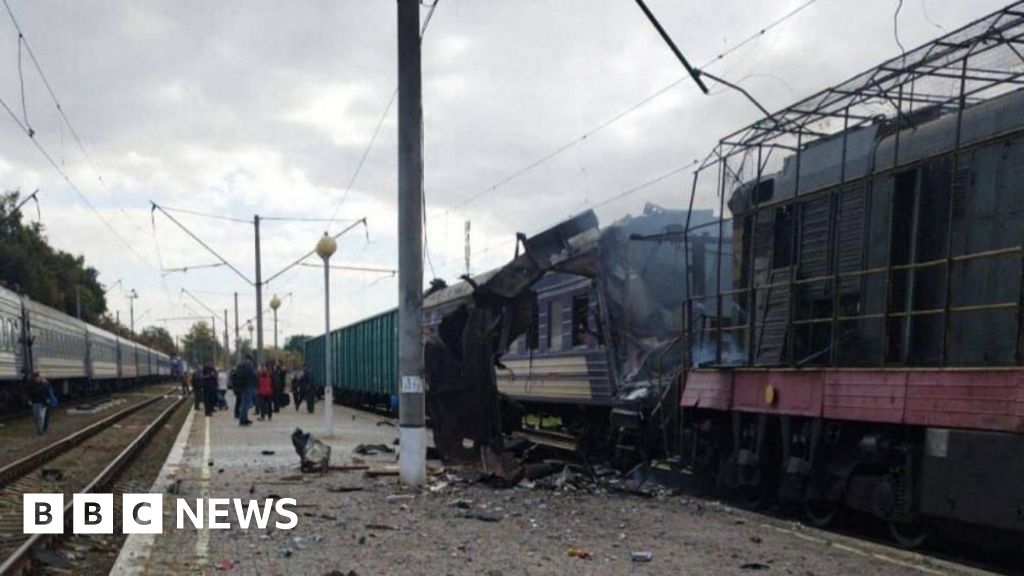
The escalating conflict in Ukraine has once again shifted into anirit of violence and desperation, as recent reports confirm a Russian drone strike that severely damaged railway infrastructure in the city of Shostka, located in the northeastern Sumy region. Ukrainian President Volodymyr Zelensky publicly condemned the attack, describing it as a blatant act of terrorism. With at least 30 injured—including children aged 8, 11, and 14—the strike underscores the brutal reality faced daily by the Ukrainian population amidst ongoing hostilities. The attack targeted civilians and vital transportation links, which Kyiv contends Moscow is deliberately sabotaging to destabilize the country’s fragile security fabric.

  • Two passenger trains were hit simultaneously during the strike, a calculated assault not aimed at military targets but designed to sow panic among civilians. Ukrainian authorities claim the attacks have increased in frequency and intensity, targeting key railway infrastructure critical for evacuation and logistics.
  • President Zelensky issued a stark warning, emphasizing that such acts clearly demonstrate Russia’s disregard for civilian life and international norms. He called on Western allies to translate their war-stated commitments into tangible support, specifically urging for increased provision of advanced air-defense systems to protect their frontline communities.
  • Meanwhile, recent weeks have seen an unprecedented surge in Russian aerial assaults, with hundreds of drones and dozens of missiles launched weekly, creating chaos and overburdening Ukraine’s defense capabilities. The devastating 12-hour drone and missile attack last Sunday, which resulted in fatalities and injuries in Kyiv, exemplifies Moscow’s escalating efforts to weaken Ukraine’s resilience.

The geopolitical impact of these developments extends beyond Ukraine’s borders, highlighting a shift in the global balance of power and exposing the limits of Western military support amid an astoundingly complex conflict. Washington and European capitals remain divided over how assertive they should be in arming Ukraine; some analysts suggest that a failure to provide sufficient defensive weaponry could embolden Moscow, potentially leading to further destabilization across Eastern Europe. The Biden administration, under pressure from allies, has agreed to a mechanism for European nations to purchase U.S.-made weapons for Ukraine, signaling a shift towards more direct support. Nonetheless, Russian President Vladimir Putin remains steadfast in his refusal to consider a ceasefire, characterizing Kyiv’s calls for peace as a tactic to buy time while his forces slowly advance on the battlefield.

International organizations and historians warn that this ongoing conflict, if unresolved, risks broader regional destabilization and possibly a wider confrontation involving NATO members. The international community faces a stark choice: escalate support in the hope of deterring further aggression or risk conceding ground and allowing Vladimir Putin to reshape the security architecture of Eastern Europe according to his own strategic interests. The increased Russian drone activity, which now threatens European airspace, has prompted debates among military experts about the need for more sophisticated defensive systems and the potential for the conflict to spill over into neighboring countries. As analysts like Dr. Maria Ivanova warn, “The longer this war persists, the more it erodes the very fabric of international peace, pushing the world toward a dangerously fragile future.”

As the smoke of conflict continues to rise and the drums of war swell louder, the world stands on a precipice—a history still being written through relentless violence and diplomatic failure. Each drone strike, each volley of missiles, is a grim reminder that the fight for sovereignty, security, and justice is far from over. And as the shadows of history deepen over the battlefield, the eyes of the world remain painfully aware: the choices made today will echo through the annals of history, shaping the future far beyond the borders of Ukraine. The question remains: how many more lives must be shattered before the weight of diplomacy finally turns the tide, or will this ongoing chaos forever redefine the fabric of international order?

Top 7 MagSafe Phone Grips for 2025: Tested and Trusted by the Next Gen

Innovative Shifts in Smartphone Grip Technologies Signal Industry Disruption

The smartphone accessory market continues to evolve rapidly, with a particular focus on grip technology that aligns with the broader wave of disruptive innovation. As industry leaders seek to enhance user convenience and device safety, several distinct categories of phone grips are emerging, each with unique business implications and technological breakthroughs. In an increasingly competitive landscape, companies are leveraging these innovations to redefine user interactions, create new revenue streams, and challenge traditional accessory paradigms.

Among the most prominent innovations are cases with attached grips. These solutions integrate durability and security, providing users with a firm hold while ensuring the grip won’t detach unexpectedly. However, their larger form factor and compatibility issues with wireless charging limit their market appeal. Nevertheless, leading manufacturers are pushing the boundaries of durability and functionality, aiming to appeal to a demographic that values ruggedness and security. These cases exemplify a trend toward integrated device peripherals, transforming the smartphone into a more versatile, user-centric platform.

Another notable category gaining traction is clamp-style grips, often dubbed universal phone grips. Their versatility allows them to adapt across various device models, offering a flexible yet somewhat cumbersome alternative to MagSafe solutions. While they are not as quick to attach or detach, their ability to be repositioned and reused appeals to budget-conscious consumers and hobbyists. Industry analysts from Gartner suggest that this segment could see significant growth as companies optimize clamp mechanisms for improved stability and ease-of-use. This shift signals an industry move toward modular, user-customizable accessories that cater to a broader audience while intensifying the competitive pressure on proprietary systems such as MagSafe.

The reigning star in this arena remains MagSafe grips, driven by Apple’s deep ecosystem integration and consumer demand for convenience. These grips offer significant advantages, notably ease of attachment/detachment and seamless wireless charging compatibility. However, as observed by tech futurists like Elon Musk and MIT researchers, the reliance on magnetic adhesion introduces vulnerabilities—force-related detachment remains a threat, especially with high-impact drops. The market implications are clear: the security-performance tradeoff is a critical factor shaping future innovations, prompting competitors and innovators to develop more robust magnetic systems or alternative fastening mechanisms.

Looking ahead, industry experts predict this segment will become a hotbed of disruption, akin to the electric vehicle revolution in the automotive sector. As Peter Thiel and other venture capitalists increasingly back startups pushing boundaries, the integration of AI-driven, adaptive grip systems could soon redefine how consumers interact with their devices. Additionally, the emergence of new materials and manufacturing techniques could reduce costs while enhancing durability and safety. Smart, context-aware grips capable of detecting user behavior and adjusting tension in real-time might soon become the standard—ushering in an era where smart accessories are as revolutionary as the smartphones they complement.

In conclusion, the proliferation of innovative grasping solutions underscores a vital truth: the smartphone ecosystem is on the cusp of unprecedented transformation. As these new technologies disrupt entrenched players and create fertile ground for startups and giants alike, a sense of urgency pervades. Investors, manufacturers, and consumers must stay vigilant, for the next generation of mobile interaction is rapidly approaching—a future where the way we hold, protect, and interact with our devices may change more profoundly than ever before.

Limone sul Garda: Italy’s coolest village serving up a legendary health ‘elixir’

Amidst the breathtaking landscape of Italy’s Lake Garda region lies a tiny yet extraordinary village called Limone sul Garda. With barely 1,000 residents, this picturesque fishing village is renowned not only for its stunning terraced lemon groves and alpine scenery but also for an intriguing genetic anomaly that has captured scientific curiosity. Nestled on the northern tip of the lake, Limone offers a landscape where wellness, natural beauty, and a long-lived community intertwine—fostering a lifestyle that is both inspiring and provocative to those seeking health and vitality.

What sets Limone apart from other idyllic locales is its unique *“Limone gene,”* carried by a select few locals, which contains a protein dubbed A-1 Milano. First identified in a train driver’s blood during a chance hospital visit, this protein appears to play a powerful role in **destroying lipids**—the fats associated with clogged arteries and cardiovascular disease. Dr. Cesare Sirtori, a renowned expert in clinical pharmacology, explains that while most genetic mutations tend to trigger diseases, this one has the opposite effect: *it appears to guard carriers from vascular illnesses and promote a **long and healthy life**.* Remarkably, among the village’s residents, those with the gene have been observed to maintain *exceptionally low levels of HDL cholesterol*, the so-called “bad cholesterol,” while avoiding the typical health pitfalls commonly associated with such readings.

Locals like Gianni Segala, whose family has carried the gene for generations, have long joked about being “blood bags” for researchers due to continuous genetic testing. Yet, behind this humor lies a profound narrative of a community that, perhaps subconsciously, embodies *\_the essence of **lifestyle** as medicine.* Many residents attribute their vitality to the village’s *microclimate*—a warm, snow-free environment shielded by the Alps—and the region’s *rich natural produce* like olives, lake fish, and citrus, which may work synergistically with their genetic makeup. Antonio Girardi, a local hotelier, suggests that centuries of favorable climate and the natural diet have fostered this natural “elixir,” giving residents a *seemingly* divine resilience against age-related ailments.

Researchers are now delving deeper into the potential of this one-of-a-kind genetic mutation, with experiments testing synthesized proteins on animals that show promising reductions in blood clots. While the **scientific community** is still exploring the practical applications of these findings, the story of Limone underscores a broader truth: **natural environments, diet, and genetics** can form a potent trio in the quest for wellness. Perhaps what makes Limone most compelling is its reminder that a thoughtful, *\_well-balanced lifestyle*—grounded in purity of environment and a connection with nature—can serve as our most potent *personal impact.* As we seek inspiration in the pursuit of health, Limone whispers an age-old lesson: embrace the environment that nurtures us, cherish the clarity of purpose, and live in harmony with the natural rhythms that sustain life.

Key Takeaways for a Lifestyle of Longevity and Well-being:

  • Prioritize natural surroundings: like Limone’s microclimate, your environment influences health.
  • Incorporate natural, local produce: fresh fish, citrus, and olive oil contribute to a healthful diet.
  • Understand your genetics: awareness can empower preventative care and longevity strategies.
  • Maintain a balanced lifestyle: balance activity, diet, social connection, and appreciation of nature.

Ultimately, the story of Limone sul Garda invites us to view wellness as a living, breathing journey—a symbiosis of environment, heritage, and conscious choices. Even if the village’s literal “elixir” remains a mystery, its lesson endures: the pursuit of health is as much about how we live our lives as it is about the genes we inherit. To walk this path is to step into a story of harmony, resilience, and perhaps, our own discovery of a personal elixir waiting to be uncovered.

Social Media Auto Publish Powered By : XYZScripts.com