Matox News

Truth Over Trends, always!

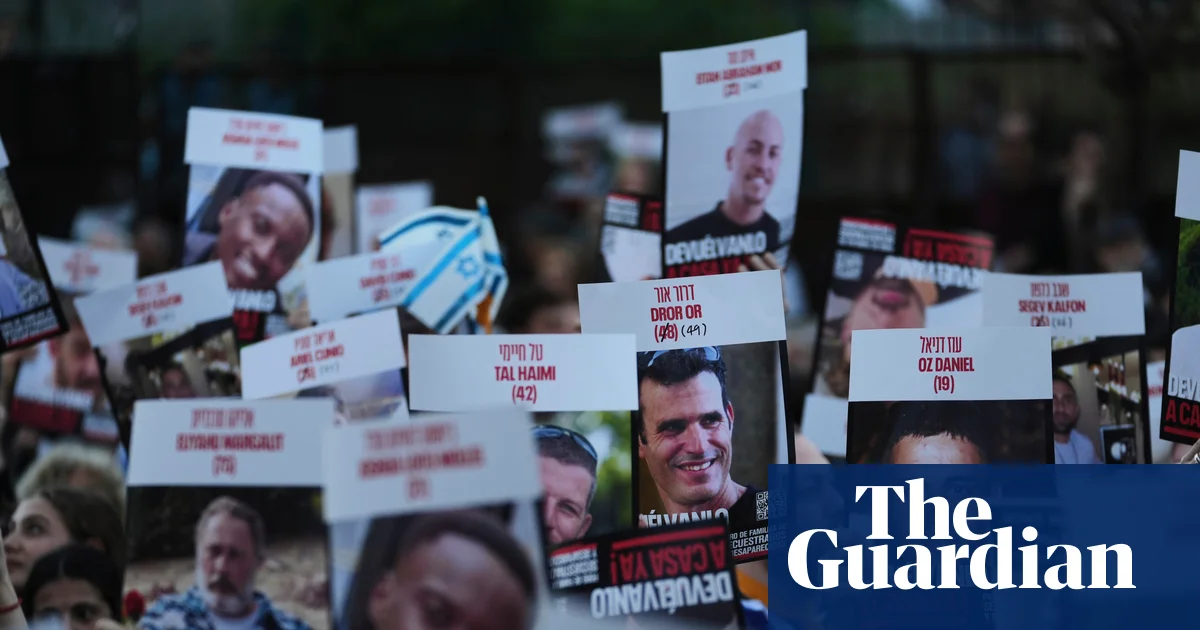
Trump demands Israel halt Gaza bombings as Hamas agrees to free hostages

The recent developments in Gaza have sent shockwaves through the international community, illustrating the profound impact that decisive leadership can have on long-standing conflicts. Donald Trump, emerging once again as a pivotal figure on the global stage, ordered Israel to immediately cease bombing Gaza as he publicly welcomed Hamas’s tentative acceptance of a groundbreaking ceasefire plan. This unprecedented move signifies a potential turning point in what has become one of the most complex and entrenched conflicts of the 21st century. With the potential for a temporary halt to hostilities, the international system is watching closely, assessing whether this fragile alignment can evolve into a lasting peace that reshapes the geopolitical landscape.

The agreement, brokered under Trump’s unique diplomatic influence, involves Hamas’s willingness to release all hostages in exchange for Palestinian prisoners held by Israel, as well as an acceptance of newly proposed governance structures for Gaza. While Hamas’s response remains cautious—requesting further negotiations on the plan—they have nonetheless signaled a willingness to surrender some control, a move that, if sustained, could redefine power dynamics in the region. Notably, Hamas’s statement confirming approval for the release of prisoners and the transfer of authority in Gaza indicates a strategic shift, likely aimed at alleviating the catastrophic humanitarian crisis and securing political leverage amidst ongoing chaos.

In this context, Trump’s plan stands out as a comprehensive roadmap for peace—calling for an immediate ceasefire, swift exchange of prisoners, phased Israeli troop withdrawals, and the disarmament of Hamas fighters. It also emphasizes an urgent increase in humanitarian aid to address Gaza’s dire conditions, which have been exacerbated by Israel’s blockade and relentless military strikes. What makes this approach particularly significant is the fact that only Trump’s leadership has managed to push through such a coordinated diplomatic effort involving regional actors like Egypt and Qatar. This coalition, with its focus on a sustainable resolution, exemplifies a rare moment where international diplomacy finds common ground amid chaos—the kind of intervention the region has desperately needed for years.

However, the bigger geopolitical impact of this unfolding scenario cannot be overstated. While a ceasefire might bring immediate relief to Gaza’s suffering population, the underlying issues of disarmament, governance, and regional influence remain unresolved. Analysts suggest this could be either a genuine breakthrough or merely a lull before the storm—highlighting the fragility of peace in a region where history shows that negotiations often unravel as quickly as they are born. According to respected international scholars, the momentum generated by Trump’s intervention might influence future diplomacy, potentially setting a precedent for outsider-led solutions to entrenched conflicts. Yet, the deeper questions of sovereignty, ideology, and regional order linger, casting a long shadow over the current negotiations.

As history’s pages continue to turn, this moment in Gaza stands as a stark reminder of how geopolitics, driven by bold decisions and strategic interests, can quickly reshape entire nations and societies. With each negotiation, each promise broken or fulfilled, the narrative of the Middle East edges closer to a new chapter—one that may yet turn tragic or hopeful, depending on whether the choices made today stand the test of time. The weight of history presses down, and the world watches, aware that in the crucible of conflict, even the greatest efforts are only the beginning of a longer journey—one whose final destination remains uncertain amidst the ever-changing tides of power and peace.

Rising Star Delivers Game-Winning Performance in Thrilling Last-Minute Showdown

The Dawn of Training Camps: Navigating Superstar Salaries and On-Court Adjustments

As the sports world gears up for a thrilling new season, training camps are set to become the focal point for teams and fans alike. With rosters being finalized and high-profile trades shaking the landscape, anticipation is building over how coaches will harness their squad’s potential. From significant changes in player salaries to tactical on-court adjustments, this season promises to be one for the books.

One of the primary factors at play is the dramatic rise in superstar salaries. Teams are more willing than ever to invest heavily in marquee players, aiming to secure championship aspirations. As noted by ESPN analyst Mark Jackson, “Teams understand that elite talent is not just a luxury; it’s increasingly a necessity in the pursuit of winning.” For instance, contracts exceeding the $40 million per year mark are becoming more common, triggering shifts in how teams manage their overall payrolls. This surge in salaries has led to deeper discussions about roster depth, salary cap implications, and the strategic allocation of resources.

Equally important is the adaptation of playing styles and tactical strategies as teams ready themselves for the season. Coaches are facing the crucial challenge of blending new talents with existing frameworks. Head Coach Steve Kerr of the Golden State Warriors emphasized this during a recent press conference, stating, “Understanding how to instill a winning culture while adapting to the evolving dynamics of the game is vital. Training camp is where we find that balance.” The integration of rookies and traded stars into cohesive units during practice sessions will undoubtedly play a pivotal role in determining their early success.

  • Injury Updates: Teams are cautiously managing player conditioning and recuperation.
  • Tactical Shifts: Expect innovative plays and new formations as coaches test strategies in real-time.
  • Rising Stars: Keep an eye on rookies who may disrupt the status quo.

As fans witness the unveiling of fresh strategies and high-stakes competition, it’s important to remember that sports extend beyond the scoreboard. Each season, athletes unite us through shared experiences, fostering a sense of community and pride. This upcoming training camp is not just about preparing for victory; it is about building connections, inspiring each other, and reviving the age-old spirit of sportsmanship that unites us all.

Source link

Gafcon Conservatives Voice Disappointment Over New Archbishop of Canterbury

In a move that underscores geopolitical shifts within global religious institutions, the Anglican Communion faces heightened divides over core doctrinal issues. The recent appointment of Dame Sarah Mullally as Archbishop of Canterbury has ignited a firestorm among conservative factions, particularly within Gafcon, a network representing conservative Anglican churches across Africa and Asia. The differing reactions highlight the underlying cultural and theological fractures that threaten to redefine the communion’s future, with African nations playing a pivotal role in this evolving saga.

  • Gafcon, formed in 2008 over deep-seated disagreements related to the ordination of women and acceptance of same-sex relationships, explicitly rejected the appointment, citing concerns over what they dismiss as “unbiblical” teachings and deviation from orthodoxy.
  • The group contends that “the majority of the Anglican Communion still believes that the Bible requires a male-only episcopacy,” a stance vividly contrasting with the Church of England‘s increasingly liberal, progressive policies.
  • Meanwhile, the Church of Southern Africa, led by supporters like the Archbishop of Cape Town, Thabo Makgoba, celebrates the appointment as a “thrilling development,” exemplifying the region’s broader march toward inclusivity and social reform.

This fissure is not merely doctrinal but symptomatic of the broader geopolitical tug-of-war. As analyst Dr. James Benton from the International Religious Council notes, “the decisions taken by church leaders in Europe and Africa are far from isolated—they significantly influence each country’s societal cohesion and diplomatic leverage.” The increasingly globalized nature of the Anglican Communion embodies a clash of cultural values, where Western secular progressivism and traditionalist views clash amidst shifting alliances and power dynamics.

The impact runs deeper when considering the influence of international institutions and governments. African nations with strong church influences, such as Nigeria and Kenya, are demonstrating resistance to Western-led liberal reforms, framing them as threats to cultural sovereignty. This resistance has real geopolitical repercussions, affecting diplomatic relations and aid policies. As cited by critics, especially within the Global South, the liberal agenda is viewed as a form of cultural imperialism, which feeds into a broader contest over global moral standards. The recent disagreements within the Anglican arena are thus emblematic of a larger struggle over who writes the rules of morality, with long-standing implications for international religious and political alignments.

Looking ahead, the specter of schism looms larger than ever. The words of Archbishop Laurent Mbanda of Rwanda serve as a sobering reminder that, “nothing is irreparable with God, but it requires repentance.” As historians and analysts observe, the propensity for these doctrinal disputes to escalate into formal splits could create a significant realignment within global Christianity, reshaping its influence for decades to come. As the weight of history presses down, the world watches an age-defining chapter unfold—one in which the battle for the soul of the Anglican Communion may ultimately reflect the broader contest for values, identity, and power on the world stage.

Four Dead in US Navy Strike Against Suspected Drug Run Near Venezuela

US Military Operations in Latin America: A Step Toward {External Enforcement and Conflict Escalation}

The recent U.S. strikes against suspected drug trafficking vessels off the coast of Venezuela mark a significant escalation in regional military engagement, raising questions about the evolving geopolitical landscape in Latin America. According to Defense Secretary Pete Hegseth, these operations are conducted in international waters and target boats allegedly transporting massive quantities of narcotics destined for the United States. The U.S. claims such actions are integral to protecting its citizens from the devastating impact of drug violence—yet they also ignite global legal and diplomatic disputes, which could fundamentally reshape regional stability.

Critics, including international lawyers and regional governments like Venezuela and Colombia, have condemned these strikes as potential breaches of international law. The legitimacy of unilateral military actions in international waters remains fiercely debated among experts such as Harvard international law professor Mollie Roberts, who warns that such operations might undermine existing treaties dedicated to preserving sovereignty and avoiding unlawful escalation. The U.S. government’s recent move to frame drug trafficking as a form of armed attack, especially through a leaked memo announcing a “non-international armed conflict” with drug cartels, signals an alarming shift toward legally dubious grounds for military intervention. This move could grant the U.S. expansive powers beyond traditional law enforcement, possibly setting a precedent for future conflicts worldwide.

Consequences of {Military Overreach} and {Regional Sovereignty}

The geopolitical impact of America’s aggressive tactics in Latin America extends far beyond mere law enforcement. By positioning drug cartels as terrorist organizations, the U.S. has given itself sweeping authority—effectively recategorizing criminal enterprises as threats comparable to conventional warfare, a move that critics argue erodes sovereignty and invites further regional destabilization. The response from Nicolás Maduro and other regional leaders has been one of sharp condemnation, emphasizing their commitment to defend <> from perceived aggression. Such adversarial stances threaten to deepen divisions, potentially leading toward a new Cold War dynamic across the continent.

International bodies like the United Nations have yet to take decisive action amid reports that the U.S. plans further military strikes. Analysts warn that continuous escalation could trigger unforeseen consequences, including the destabilization of fragile democracies and a surge in anti-American sentiment across Latin America. The region, historically buffeted by external powers, now finds itself at a crossroads—struggling with the delicate balance between sovereignty and external influence, with many citizens questioning whether these military operations serve their best interests or merely advance geopolitical ambitions.

Stakes for the Future and the Weight of History

As history unfolds on these treacherous waters, the actions of America and regional nations will likely echo for generations. The categorization of drug trafficking as a warfare threat signals a profound shift in the narrative—one that risks turning a fight against crime into an open-ended conflict that could rewrite international norms. The recent strikes, while framed as self-defense, push the boundaries of legal justification and raise fundamental questions about the limits of military power in pursuit of domestic security. As international organizations and legal experts watch anxiously, the weight of history looms—it may be remembered as the turning point from a century of cooperation to a new era of geopolitical confrontation.

In the end, the ongoing saga in Latin America’s waters serves as a stark reminder of the thin line separating order and chaos. The decisions made today—whether to pursue aggressive unilateral policies or seek multilateral solutions—will undoubtedly shape the destiny of nations and societies. With each strike, the world watches a narrative written in real-time, a stark reminder that history’s pen is never silent—only waiting for the next chapter to be written in the uncertain book of global power.

NHS Falls Short on Chronic Fatigue and Lyme Disease Care for Our Youth

Modern society is grappling with a complex web of social issues that extend far beyond individual ailments, affecting the very fabric of families, education, and community life. Recent stories, such as that of fourteen-year-old Milly, highlight how medical system failures and misunderstood health conditions create ripple effects through households, undermining trust and resilience. Milly’s ongoing battle with chronic fatigue syndrome, later diagnosed as Lyme disease, exemplifies the urgent need for a comprehensive and nuanced approach to health. Her father, Patrick Barkham, reflects a sense of guilt intertwined with disappointment in the NHS, which, despite advances, still falls short in effectively diagnosing and managing complex, often invisible, illnesses.

Researchers and social commentators warn that medical gaslighting and ineffective treatments disproportionately harm vulnerable communities and undermine societal trust. For conditions like ME/CFS and post-viral syndromes, official guidelines have shifted away from harmful approaches such as graded exercise therapy, after evidence revealed that such methods often exacerbate patient suffering. Instead, knowledge-based, mind-body interventions—that regard the interaction between thoughts, feelings, and biological responses—offer a more humane and effective path forward. Yet, the lack of awareness and proper implementation leaves many patients feeling misunderstood, isolated, and stigmatized. As historian and social critic Dr. Maria Pedersen notes, these systemic failings threaten the psychological well-being of families and the cohesion of our communities.

Beyond individual health crises, the intersection of societal neglect and environmental degradation plays a pivotal role in the emergence of tropical diseases and insect-borne illnesses. Diseases like Lyme, West Nile virus, and chikungunya have historically been ignored by mainstream medical research, despite their devastating impact. Allison DeVries, an environmental advocate, emphasizes that biodiversity and ecological health are intertwined with human health. As our landscapes change and biodiversity declines, the risk of zoonoses and vector-borne diseases increases, threatening families and communities living on the frontlines of these shifts. The challenge lies in balancing technological advancement with ecological preservation—an issue that sociologists and environmentalists alike argue must be at the core of future policies.

Addressing these intertwined social and health issues requires a societal overhaul—investments in education, healthcare equity, and environmental stewardship. Advocates propose a multi-faceted strategy: strengthening local healthcare systems, fostering community awareness about emerging health threats, and integrating environmental practices that sustain biodiversity. For families torn apart by illness and social uncertainty, these solutions could restore faith in societal institutions and promote resilience. Sociologist Mark Granovetter’s theory of social networks underscores a vital point: community cohesion and trust are essential buffers against social fragmentation. Building that sense of shared responsibility and hope may be society’s most profound challenge—and its greatest opportunity.

Ultimately, society must confront its deepest vulnerabilities with the resolve of those who refuse to accept a world defined by neglect and fragmentation. Milly’s story reminds us that beneath the statistics lie human lives—fragile, seeking understanding and compassion. The society we forge from these lessons has the potential to become a resilient tapestry, woven with empathy, knowledge, and environmental care. Perhaps, in acknowledging our collective shortcomings, we open pathways to healing—not just for individuals like Milly, but for the society as a whole, ensuring future generations inherit a world where health, trust, and community are restored—and where hope perseveres amidst the shadows of social change.

Perplexity Drops Comet AI Browser—Here’s How Young Trendsetters Can Get a First Look

In the rapidly evolving landscape of technology and digital consumption, artificial intelligence continues to disrupt traditional online behaviors, positioning itself as the new cornerstone of innovation. The latest frontrunner in this movement is Perplexity with its recently launched Comet AI web browser, now available freely for desktop users. This development isn’t just a minor software update; it signifies a cultural shift towards mainstream acceptance of AI as an integral part of how we explore and interact with the internet.

When Comet first debuted over the summer, access was limited to invite-only or paid subscriptions, creating a sort of exclusive club for early adopters and tech enthusiasts. However, the recent move to open access for all users reflects a broader industry trend—democratizing AI tools and pushing them into the hands of everyday consumers. This transition could be seen as the start of a new era, where AI becomes a standard feature rather than an emerging novelty. Influencers and digital trend analysts are already heralding Comet as a prime example of how AI-integrated browsing is poised to redefine the way younger generations engage with the internet. As these tools become more user-friendly and accessible, it raises a crucial question: will AI browsers dominate the future of search, supplanting traditional engines like Google, or will they merely supplement our existing search habits?

How Comet Reshapes the Digital Playground

Comet’s standout feature is its seamless integration of an AI assistant directly into the browsing experience. Unlike conventional browsers where users switch between tabs or separate apps, Comet allows users to interact, ask questions, and even perform tasks directly within the browser environment. This built-in AI makes information retrieval faster and more intuitive, aligning perfectly with the tech-savvy, fast-paced lifestyle of today’s youth. According to sociologists studying digital behaviors, this fusion of AI with everyday browsing signifies more than just convenience; it fosters a new form of digital literacy where AI and human interaction become indistinguishable.

  • Efficiency: Instantly get context-aware answers without disrupting your workflow.
  • Customization: Learn user preferences and tailor search results accordingly.
  • Social relevance: Stay ahead on trending topics with real-time AI insights integrated into your browsing sessions.

The societal impact of this shift is profound. As young users increasingly rely on AI-powered tools, a new cultural identity begins to form—one where tech literacy and quick adaptability are highly valued. Influencers within the tech community highlight Comet’s potential to foster a generation of independent digital explorers who do not merely passively consume content but actively shape their online world with AI assistance.

The Broader Implications for Society and Future Trends

While Comet’s free release might seem like just an upgrade in convenience, it underscores an important social milestone. The accessibility of AI tools like Comet signals a future where AI-driven browsing could become the norm across different demographics, not just niche tech circles. Moreover, as these tools continue to rise, they could influence education, workplaces, and even social interactions. Experts like futurists and digital sociologists ask, are we moving toward a future where AI enhances human agency or diminishes it?

What remains to be seen is how this shift will shape our cultural landscape. Will AI browsers foster greater independence and creative freedom, or will they consolidate algorithms that push us toward more homogenized internet consumption? The next big question therefore is not just about technology; it’s about how our society as a whole chooses to integrate and regulate AI. As youth-driven trends push for more accessible, intuitive AI tools like Comet, society must grapple with the social and ethical implications of living in an increasingly AI-enhanced digital world.

Sony cuts PS5 Slim storage in the US—tech with a bite for the next gen

Breaking New Ground: Sony’s Revised PS5 Slim Signals a Shift in Gaming Hardware

In a bold move that underscores the relentless pace of technological innovation and market disruption, Sony has launched a revised version of its popular digital PS5 Slim model in the United States. This updated iteration features a notable reduction in storage capacity, now offering only 825GB of SSD space compared to the previous 1TB standard—a change that has sparked significant discussions across the tech industry. The updated model, associated with the CFI-2100 model group, is available for purchase via the official PlayStation Direct platform, maintaining its $499.99 price point despite the reduced features. This strategic move by Sony highlights a growing emphasis on cost efficiencies and product differentiation in a highly competitive gaming market.

The new PS5 Slim’s design tweaks—such as matte finishes on the center panel and top side panels, alongside internal modifications observed by tech YouTuber Austin Evans—are indicative of a broader industry trend toward streamlining manufacturing and reducing costs. Evans’s teardown revealed subtle but significant internal changes, likely aimed at optimizing production and lowering component costs, even as Sony preserves its premium branding. Such changes reflect a calculated response to market pressures, especially as the company already announced a $50 price hike earlier this year, citing a challenging economic environment. It demonstrates a dual strategy: maintaining profit margins while adjusting product specifications to meet shifting consumer expectations.

This move underscores a critical inflection point in the gaming industry, driven by disruption in hardware innovation. As dominant players refine their product lines, industry analysts from Gartner and MIT cite the increasing importance of flexibility in hardware design—where companies must balance advancements in performance with cost considerations. The reduction in storage, for instance, might signal an industry-wide shift where cloud gaming and digital distribution become primary drivers, lessening the reliance on large internal storage capacities. Furthermore, this aligns with the broader trend of consolidation and efficiency in consumer electronics, as manufacturers seek to tighten supply chains and introduce incremental upgrades rather than revolutionary changes.

Looking forward, industry experts warn that such strategic product adjustments are a prelude to even more intense competition and rapid innovation cycles. Experts like Elon Musk and Peter Thiel emphasize the importance of disruptive innovation in hardware and software ecosystems to stay ahead in a tech landscape increasingly defined by rapid obsolescence and consumer demand for cutting-edge features. As gaming hardware evolves, the pressure mounts on competitors like Microsoft and emerging players to push the boundaries of performance, affordability, and user experience. The implications for developers and consumers are profound: a highly dynamic market that demands agility, foresight, and relentless innovation.

In conclusion, Sony’s latest revision of the PS5 Slim exemplifies the fierce evolutionary pressures within the tech industry. As companies optimize, innovate, and redefine standards, the race to dominate the next wave of digital entertainment accelerates. With market shifts emphasizing cloud integration and cost-conscious design, stakeholders must stay attuned to these seismic changes—because the future belongs to those who can adapt fastest. The next decade promises to be a period of unprecedented upheaval and opportunity, demanding strategic foresight from those eager to lead in the age of digital disruption.

Chevron refinery fire in California contained—safety rallying point for responsible energy leadership

The recent fire at Chevron’s El Segundo refinery near Los Angeles has sent shockwaves through national and international energy sectors. The blaze, which broke out overnight, underscores the fragile nature of critical infrastructure in a global energy landscape fraught with uncertainty. While local authorities reported no immediate threat or evacuation orders, the incident highlights broader vulnerabilities within America’s refining capacity and draws attention to the potential for domestic crises to escalate into larger geopolitical concerns.

This refinery, built in 1911 and ranking as Chevron’s second-largest in the country, supplies roughly one-fifth of motor vehicle fuels and a staggering 40% of jet fuel in southern California. Its strategic importance cannot be overstated, especially given how tightly intertwined energy resource management is with national security and economic stability. With the fire contained but the damage still under investigation, analysts warn that such disruptions could influence gasoline prices, air travel, and regional stability. In an era where energy independence is highly contested, the incident raises questions about America’s resilience in the face of unforeseen disasters.

International organizations and security analysts have long warned that disruptions in the American energy infrastructure could have cascading effects on global markets. The International Energy Agency (IEA) has repeatedly underscored the importance of diversifying energy sources to mitigate risks from such localized but potent incidents. Meanwhile, geopolitical tensions between major powers continue to influence global energy supplies, and the possibility of targeted attacks or sabotage—particularly amidst rising geopolitical rivalries—cannot be dismissed. As historians point out, last decade’s energy crises were often precipitated by seemingly isolated incidents yet had ripple effects that reshaped alliances and economic policies worldwide.

The fire’s symbolic significance extends beyond the immediate damage. It serves as a stark reminder that how nations respond to such crises can shape their future trajectories. Cities like Los Angeles are vital nodes in the global energy web, and local disruptions may be exploited as leverage by hostile actors in an increasingly multipolar geopolitical arena. Experts warn that if these vulnerabilities are left unaddressed, they could fuel narratives of decline and dependency that are already fueling populist movements in the West. The incident also raises the threat of environmental contamination, which local officials are monitoring closely, but the broader consequences for energy security remain a pressing concern for policymakers.

As the world watches this unfolding crisis, with flames still smoldering and the specter of potential repercussions looming, history reminds us that such incidents often serve as turning points—either as catalysts for reform or as moments of vulnerability exploited by rivals. The decision of nations and corporations to fortify or neglect their critical infrastructure will define future geopolitics. With each passing day, the weight of history continues to mount, and the question remains: when calamity strikes, will the world have prepared sufficiently to withstand its toll?

Alaskan climbing sensation Balin Miller tragically loses his life after fall from Yosemite’s iconic El Capitan

In a world captivated by the thrill of extreme sports and outdoor adventure, the recent tragedy involving Alaskan climber Balin Miller has sent shockwaves through the global climbing community. Miller, just 23, lost his life after falling from the iconic El Capitan—a towering monolith in Yosemite National Park. Known for his daring solo ascents, Miller had built a reputation as one of the rising stars of alpinism, inspiring many young climbers with achievements such as the first solo ascent of Mount McKinley’s Slovak Direct. His death highlights the raw dangers inherent in the pursuit of adventure and how personal dedication to mastering the mountains can turn into a lethal risk when safety protocols are overlooked or unforeseen accidents occur.

Miller’s story is not merely one of tragedy; it serves as a stark reminder of the fine line between heroism and hazard. Climbing experts like veteran alpinist Clint Helander have recognized Miller’s impressive accomplishments, pointing out that in just six months, he had unleashed some of the most remarkable exploits the sport has seen. His determination and skill culminated in efforts that gained international acclaim—an inspiration to aspiring climbers looking to push their limits while respecting the mountain’s formidable power. Still, Miller’s death underscores an essential truth: every upward step in the mountains is shadowed by inherent risk. His passing, during an activity that blends physical mastery with mental resilience, challenges us all to balance the desire for thrill with unwavering respect for nature’s unpredictability.

Amid this atmosphere of reflection and respect, it is vital to recognize how the shift in outdoor lifestyle—driven by the quest for health, wellness, and adventure—continues to grow. In recent years, more young people have been inspired to embrace a lifestyle that emphasizes personal achievement and resilience, often turning to activities like climbing, hiking, and outdoor exploration as a form of wellness. However, the recent incident also prompts a deeper conversation about safety, preparation, and respecting limits. Experts such as author and wellness advocate Mark Sisson emphasize that true strength in outdoor pursuits lies in understanding one’s boundaries and ensuring proper training and gear. For young adventurers, the message is clear: ambition should be paired with prudence, transforming the adrenaline of discovery into a responsible pursuit that endures.

Ultimately, the story of Balin Miller leaves us contemplating the profound journey of embracing life’s challenges. It reminds us that true fulfillment in the pursuit of adventure is intertwined with respect—for ourselves, our craft, and the majestic, often unpredictable forces of nature. While the heights of mountains like El Capitan beckon with promises of achievement and inspiration, they also demand our humility and vigilance. As we listen to the echoes of Miller’s daring spirit, we are called to recognize that the pursuit of greatness is a continuous journey—a quest to find harmony between daring to dream and the wisdom to keep ourselves safe. In this balance, we discover not just the thrill of ascent, but the strength to face life’s own steep, uncharted cliffs.

Fact-Check: Viral COVID-19 cure claim rated False

Unpacking the Truth Behind Project 2025’s Cultural Agenda

In recent political discourse, the Heritage Foundation’s Project 2025 has become a focal point, promising a “culture war” agenda aimed at rolling back various federal policies related to social issues. Claims circulating suggest that the Trump administration and its successors implemented sweeping changes targeting LGBTQ rights, reproductive health, and gender-related policies. As responsible citizens, it’s vital to scrutinize these assertions and understand what is factual versus what may be exaggeration or misinterpretation.

Are federal agencies actively dismantling civil rights and diversity initiatives?

Claims allege that President Donald Trump’s executive orders and subsequent actions have systematically eliminated protections for transgender individuals, DEI programs, and civil rights enforcement. It is True that certain executive orders signed early in Trump’s term directed federal agencies to “eliminate” involuntary diversity, equity, and inclusion (DEI) positions and to redefine gender in accordance with biological sex. For example, the order from Jan. 2025 instructed the Department of Education’s Office for Civil Rights to rescind guidance on gender identity and sex discrimination. Additionally, the Department of Justice under Trump refocused its Civil Rights Division to emphasize enforcement of laws against discrimination based on “biological sex,” which critics argue restricted protections for transgender Americans and racial minorities.

However, some of these policies faced legal challenges. Several federal courts have issued rulings blocking or limiting the enforcement of Trump-era guidance, notably the injunction against the March 2022 guidance on gender-affirming care and the restrictions on transgender military service. For instance, the U.S. District Court in Massachusetts found the Department of Education’s guidance “unconstitutionally vague,” citing potential for arbitrary enforcement, which led to its temporary and then permanent stay. These legal decisions underscore that, while policies were shifted, their implementation is subject to judicial review and constitutional protections.

Is there evidence of widespread suppression of medical and educational rights?

Much of the narrative centers on policies affecting access to gender-affirming health care and education. Claims state that Trump’s administration sought to “reverse” approvals for medication abortion and restrict transgender health services. It is Partly Misleading to say that access to medication abortion was broadly restricted during Trump’s tenure. Trump publicly stated that it was “very unlikely” he would restrict access to abortifacient pills, and, in practice, no comprehensive bans on medication abortion were implemented. However, the FDA did approve a generic version of the abortion pill in October 2025— a move condemned by abortion opponents but backed by the agency’s assessment of safety and efficacy.

Regarding transgender healthcare, the administration did issue guidance to restrict treatment options for minors, and several hospitals announced plans to limit or suspend procedures such as puberty blockers or gender surgeries for youth. These actions are consistent with the policies outlined in Project 2025, which called for halting “gender-affirming care” for minors. Yet, courts have issued rulings blocking these restrictions, citing the importance of medical consensus and legal protections. This indicates a legal and policy tug-of-war rather than an outright suppression of care across the board.

Are efforts being made to limit data collection on gender identity?

It is claimed that the federal government is ending data collection on gender identity, purportedly to “legitimizes unscientific notions.” It is True that Executive Orders signed by Trump rescinded some Biden-era policies on collecting sensitive data related to sexual orientation and gender identity, with agencies like the CDC adjusting or removing these data fields. While critics say this reduces oversight and transparency, proponents argue that it aligns with policies emphasizing biological definitions. Again, the legal and scientific community remains divided, but these are policy choices, not outright bans on all data collection.

Therefore, while some agencies reduced or altered data collection practices concerning gender identity, they did not eliminate all efforts to understand these issues but rather shifted approaches in line with new policy directives.

Conclusion: The Complex, Legal Landscape of Cultural Policies

It’s clear that the policies under the banner of Project 2025, influenced heavily by conservative and Republican priorities, aim to reshape American social institutions—sometimes legally contested, sometimes implemented with caution. While claims of wholesale dismantling of civil rights, medical care, and data collection are exaggerated or simplified, they highlight real policy shifts that are presently subject to ongoing litigation and debate. It is essential for the health of democracy that we scrutinize such claims critically, rely on judicial rulings, and understand that truth forms the bedrock of responsible citizenship and effective policymaking. Transparency and honest evaluation of these complex issues ensure that America remains a nation of informed voters and courts that uphold constitutional rights amid political change.

Social Media Auto Publish Powered By : XYZScripts.com