Matox News

Truth Over Trends, always!

Uber and WeRide launch Abu Dhabi’s first truly driverless robotaxis—ready to revolutionize city transit

In a landmark development for autonomous mobility, Chinese autonomous vehicle firm WeRide and Uber have officially transitioned their Abu Dhabi robotaxi service from testing to driverless operations, marking a significant milestone in global AV deployment. After a year of rigorous testing and regulatory approvals—highlighted by WeRide’s recent federal permit from the UAE—the service now operates entirely without human safety operators, opening a new era of disruption for urban transportation. This move not only demonstrates the technological maturity of Chinese AV startups but signals a strategic push by Uber to cement its position in emerging autonomous markets outside North America and China.

The service, launched on Yas Island—home of high-profile events like the Abu Dhabi Grand Prix—represents an extension of Uber’s broader vision to scale driverless transportation across multiple regions. Similar to Uber’s partnership with Waymo in Austin, the Abu Dhabi operation leverages local regulatory advances and robust integration with Uber’s core app infrastructure, allowing users to opt into fully autonomous rides with a simple toggle. This reflects a fundamental shift—marking not just a technological breakthrough but an industry-wide disruption poised to commoditize premium mobility. Uber’s strategy exemplifies a new chapter where autonomous fleets could eventually supplant traditional ride-hailing, creating a more efficient, cost-effective model for urban mobility.

Market analysts like Gartner and MIT’s Transportation Lab highlight that Uber’s recent and anticipated autonomous deployments foreshadow a transformative effect on the transportation industry—particularly in how urban congestion, safety, and operational costs are managed. Uber’s extensive partnerships with over 20 AV companies—including May Mobility, Volkswagen, and leading Chinese firms such as Pony.ai and Baidu—underline its ambition to diversify its portfolio of self-driving applications. The company’s move into major markets like Abu Dhabi and future plans for cities such as Dubai underscore a competitive environment where disruption is accelerating: traditional taxi and ride-hailing revenues are under imminent threat, giving way to a new autonomous paradigm.

The business implications of these advancements extend beyond mobility. Uber’s strategic alliance with AV tech firms has laid a foundation for revenue streams in micro-mobility, logistics, and even freight—areas where autonomy promises exponential cost reductions and operational agility. With Uber CEO Dara Khosrowshahi openly forecasting deployments in at least ten cities by 2026, the competitive landscape is set to intensify. Disruption in urban transit markets is expected to accelerate as these innovations crack the code on safety, scalability, and regulatory hurdles—factors that have traditionally slowed adoption. This aggressive rollout trajectory not only promises economic rewards for early entrants but positions Uber as a pivotal player shaping the future of how societies mobilize.

Looking ahead, the next 12 to 24 months will be critical in determining whether these autonomous innovations can achieve the widespread adoption necessary to redefine urban landscapes. Emerging markets like the Middle East—with their rapid development goals and openness to cutting-edge solutions—are emerging as fertile testing grounds for AV commercialization, signaling a global shift toward disruptive mobility. As industry giants and startups race to perfect driverless technology, the urgency for regulators, investors, and consumers to adapt to this evolving landscape intensifies. The question remains: will the tipping point arrive sooner than expected, ushering in a new era of disruption, or will technical and regulatory challenges delay mass adoption? Given the current pace, it is clear that the future of transportation is not just approaching—it is already here.

Robert Irwin crowns himself Dancing with the Stars champ, a decade after sister’s victory—showing true Aussie spirit and family legacy

In a world increasingly defined by rapid cultural shifts and intersecting geopolitical interests, recent developments underscore the enduring influence of individual leaders and international decisions on both societal values and global stability. Robert Irwin, the 21-year-old son of the legendary conservationist Steve Irwin, has captured headlines not for global diplomacy but for his triumph in the American reality TV competition Dancing with the Stars. This victory, amid emotional tributes to his late father, embodies how soft power—cultural influence—transcends borders and reshapes perceptions of national identity. As Irwin’s story resonates with audiences worldwide, it serves as a reminder of the subtle yet profound ways in which individual narratives can influence international cultural diplomacy, shaping perceptions of Australia and its values abroad.

The timing of this achievement is no coincidence. Amid tensions over climate policies, migration, and regional alliances, cultural icons like Irwin symbolize a resilient Australian identity rooted in conservation and youthful vigor—traits that many nations aspire to project on the world stage. Analysts from the International Crisis Group warn that in a shifting geopolitical landscape, nations are increasingly leveraging soft-power assets to bolster their geopolitical standing. The spectacle of the Irwin family’s ongoing legacy, woven into a narrative of environmental stewardship, subtly influences public opinion and international perception, asserting Australia’s position not merely as a regional player but as a moral voice on ecological issues. This alignment could serve as leverage in global alliances, especially at a time when the United States and China vie for narrative dominance on climate change.

Strategically, the recent decisions within U.S. foreign policy and the trajectory of European alliances reveal a complex chessboard where cultural exchanges are becoming as vital as military and economic treaties. Meanwhile, the decisive shifts regarding climate commitments, exemplified by Britain’s push for greater renewable energies and ongoing debates in the European Parliament, demonstrate how global institutions still grapple with balancing environmental imperatives against economic and geopolitical realities. International organizations like UNEP actively monitor how these decisions ripple across nations—affecting societies, influencing leadership, and reshaping societal priorities. The ongoing tension between conservation ideals championed by figures like Robert Irwin and the hard realities of geopolitical interests underscores the pivotal moment humanity faces: can cooperation on ecological issues override nationalistic competition?

History’s heavy hand reminds us that current decisions may ripple for generations. As historians analyze the age of ecological awakening and geopolitical reconfigurations, the question persists: is this era shaping a new world order or merely a transient chapter amidst unfolding chaos? With global powerhouses, regional alliances, and youthful icons intertwined, the full measure of this moment remains uncertain. Yet, one truth endures: as the narrative continues to be written in boardrooms, battlefield strategies, and cultural arenas, the weight of history presses ever harder. The collective trajectory of nations will depend on choices made today—choices that could either preserve the fragile fabric of peace or unravel it beyond repair. Humanity stands at a crossroads, watching as the unfolding saga promises that tomorrow’s history will be defined by the resilience, resolve, and sometimes, the unintended influence of those who embody the spirit of both youth and tradition.

High School Sports Championship: Rising Stars Showcasing Talent in Thrilling Finals!

Magic vs. Sixers: A Game of Tension and Triumph

In a gripping matchup on Tuesday night, the Orlando Magic faced off against the Philadelphia 76ers in what turned out to be a game filled with intense moments. The atmosphere was electric in the arena, but it was a heated altercation toward the end of the first half that caught everyone off guard. Star guard Jalen Suggs was ejected following a confrontation that drew significant attention, resulting in four additional players being hit with technical fouls.

This fierce exchange encapsulated the rising tensions between both teams, as noted by commentator Mark Jones, who remarked, “It’s more than just a game; sometimes it’s personal.” Tensions flared in the final minutes of the second quarter, when Suggs and Sixers forward Tobias Harris exchanged words that quickly escalated. The ejection not only shifted the momentum of the game but also highlighted the competitive spirit underscoring this Eastern Conference showdown. Prior to the incident, Suggs had contributed significantly with 12 points, showcasing why he is considered a cornerstone for the Magic.

In the aftermath of the fracas, both coaches had their say. Magic head coach Jamahl Mosley expressed concern over the escalation but acknowledged that “passion for the game can sometimes boil over.” Meanwhile, 76ers coach Doc Rivers emphasized the importance of maintaining composure in high-stakes situations, pointing out that “discipline is key to winning in this league.” The exchange brought out the competitive nature inherent in sports, highlighting how quickly emotions can impact the game.

As the dust settled and the game continued, each team had to adapt to the changing dynamics on the court. The liveliness of the evening served as a reminder of what makes sports so captivating: a shared passion and the camaraderie it builds among fans and players alike. The ultimate outcome may have decided the scoreboard, but moments like these forge a lasting bond that transcends rivalries and statistics. In the end, sports serve as more than just a contest; they unite individuals and communities, reminding us that the spirit of competition is a powerful and unifying force.

Source link

Parking inspector and wife busted for €1M meter theft blitz

European Local Governance and Trust Under Scrutiny

In a striking case that underscores the fragility of public trust in local institutions, Kempten, Germany, a town renowned for its rich history and strategic position in the Bavarian Alps, has been rocked by allegations of massive embezzlement involving a municipal parking inspector and his spouse. The report reveals that over €1 million (£878,000) was siphoned from parking meters across the town, a scandal that has sent ripples through Germany’s meticulous system of local governance and integrity. This incident is not merely about theft but touches on the broader question of accountability and the erosion of trust that leadership and citizens must uphold in the face of increasing regional challenges.

Geopolitical Impact and Rising Concerns

While at first glance this appears as an isolated case of municipal corruption, analysts and international watchdogs such as Transparency International are warning that such incidents could serve as warning signs of deeper systemic failures. As local governments become focal points of societal trust, these breaches threaten to undermine confidence in the broader European Union’s fragile network of institutions and local administrations. The involvement of a public official in embezzling public funds echoes similar scandals across other European nations, where corruption scandals have weakened the perceived legitimacy of local and national authorities. Such instances fuel an atmosphere of disillusionment among citizens, who are increasingly demanding transparency and accountability from their leaders.

International Reactions and Societal Implications

  • European political leaders are emphasizing the importance of reinforcing anti-corruption measures at all levels of government, stressing that trustworthiness and integrity are essential for maintaining social cohesion and international credibility.
  • Germany’s federal institutions have reinforced their commitment to transparency, with the country’s justice system promising a thorough investigation. The mayor of Kempten, Thomas Kiechle, responded swiftly, establishing a commission to review past processes and prevent future misconduct, symbolizing a recognition that local governance must be resilient against such breaches.
  • In light of this scandal, economic analysts point to the potential for increased public demand for oversight, which could translate into political shifts at both regional and national levels—especially in a continent grappling with mounting migration pressures, economic instability, and geopolitical tensions.

The incident in Kempten highlights how fragile the societal contract can become when trust is broken. It exposes a flaw in the infrastructure of local governance—one that, if left unaddressed, could have far-reaching consequences not only for Germany but across Europe. Historically, corruption scandals such as these have served as catalysts for reform, yet they also threaten to deepen existing divides and foster cynicism among the youth and marginalized communities. As historians and political analysts warn, these episodes are not isolated failures but indicators of an urgent need for comprehensive reform in accountability structures across Western democracies.

As the investigation continues and the media follows the unfolding legal proceedings, the question remains: in an era where trust is fragile and the geopolitical landscape is ever-changing, how will European nations restore their credibility and ensure that such breaches of integrity do not become the norm? The weight of history presses heavily on today’s leaders—each decision shaping the destiny of their communities, each action echoing across generations. The story of Kempten’s scandal is a stark reminder that, beneath surface civility, the true strength of a society lies in its unwavering commitment to justice and transparency—a legacy that must be guarded with vigilance or risk being forever lost in the shadows of neglect.

Wagner Group Accused of Cold-Blooded Civilian Killings in Mali

Russia’s Shadow War in Mali: A New Era of Geopolitical Uncertainty

The recent escalation of violence in Mali underscores a profound shift in the continent’s geopolitical landscape, illustrating how foreign mercenary groups like Wagner are redefining global influence and regional stability. Since the military junta seized power in 2021—after ousting the democratically elected government—the country has become an arena for international power plays, with Russia emerging as a major player amid a backdrop of chaos and terror. What was once a fragile State struggling with insurgency has transformed into a battleground for competing interests, where human rights abuses are becoming the dark hallmark of Russia’s covert strategy in Africa.

This covert intervention was initially cloaked in the guise of counter-terrorism. However, evidence collected by human rights organizations and the BBC reveals a different reality: a brutal campaign marked by massacres, torture, and lawless violence attributed to Wagner mercenaries. Testimonies from survivors like Ahmed, a displaced shopkeeper, paint a disturbing picture of extrajudicial killings and systematic cruelty. From forcing villagers onto fields to identify supposed jihadists under threat of execution, to executing prisoners in plain sight, Wagner’s tactics are deliberately designed to sow fear, collapse local resistance, and establish Russian influence under the guise of stability. Historians warn that these tactics mirror Cold War-era dirty wars, where proxy armies serve wider geopolitics, often at the expense of human life and sovereignty.

The New Colonialism?

The transition from French to Russian influence in Mali signals a turning point—one that alarms Western allies and international observers. As the European Union and the United States express concern over human rights violations, analysts like Dr. John Morrison, an expert on African geopolitics, underline how Russia’s strategic pivot mirrors a broader global realignment. The mercenary presence consolidates Russia’s position as an alternative power to Western nations, countering the fading influence of colonial-era actors. The African Union and think tanks warn that this shift risks entrenching authoritarianism and prolonging conflict, with Mali’s sovereignty increasingly undermined by foreign military actors who operate beyond the reach of international law.

Despite Wagner’s official withdrawal announced in June 2023, reports indicate that its operatives have subtly persisted within the framework of Africa Corps, under Russia’s defense apparatus. The Timbuktu Institute estimates that over 70% of Africa Corps fighters are former Wagner members, inheriting a legacy of atrocities that threaten to destabilize entire regions. While some early indicators hint at a reduction in mass atrocities, organizations like ACLED warn that violence persists, cloaked in a veneer of fragile peace—signaling that, in geopolitical terms, the true war is not in the open but in the shadows.

Society in the Crossfire

For ordinary Malians, especially the nomadic Tuareg and Arab communities, the consequences are devastating. Refugees fleeing to camps in M’berra in neighboring Mauritania describe a climate of terror inflicted by Wagner operatives. Accounts of torture, summary executions, and threats of violence highlight how these mercenaries—initially described as “counter-insurgency”—have become agents of chaos. When history assesses the 21st century, it will remember this period as one when foreign powers exploited fragile states, turning them into theatres of human suffering and geopolitical contest.

As the world watches, the true impact extends beyond Mali’s borders: a continent destabilized, societies fractured, and a global order challenged. Decisions made in the corridors of power—whether to authorize, ignore, or confront these mercenaries—will determine whether Mali remains a sovereign nation or succumbs to a new form of imperial influence. The stories emerging from these conflict zones serve as stark warnings of the human toll exacted when geopolitics displaces human dignity, urging global citizens and policymakers alike to confront the reality that history’s pen continues to write our collective future amidst shadows of conflict and lawlessness. The outcome remains unwritten, but the weight of this unfolding chapter presses heavy upon the conscience of the international community—an unresolved story of power, pain, and the price of sovereignty.

Meet Trump's "Drone Guy" Becoming Key Player in Ukraine Peace Talks
Meet Trump’s “Drone Guy” Becoming Key Player in Ukraine Peace Talks

Geopolitical Shifts and Emerging Power Players in US Military Politics

In the tangled web of international power, the recent appointment of Dan Driscoll as the youngest-ever Army Secretary in the United States marks a notable shift in the country’s military and geopolitical landscape. At only 39, Driscoll’s rise to prominence underscores an emerging trend where technology, youth, and political alliances forge new avenues for influence—an aspect not lost on international analysts and historians. Despite his limited diplomatic experience, Driscoll’s close ties with key figures like Vice President JD Vance and former President Donald Trump signifies a potential reorientation of America’s military and strategic priorities, especially regarding the ongoing crisis in Ukraine.

His unannounced visit to Kyiv and subsequent discussions with Ukrainian officials signal a significant departure from traditional diplomatic channels, hinting at a more direct or even unconventional approach to conflict resolution. The fact that Driscoll, with no formal background in international diplomacy, engaged in top-level talks with Zelensky and Russian officials, demonstrates a possible shift toward a strategy where military technology and unorthodox negotiations play an increasing role. Analysts, including those from international think tanks, warn that such moves could recalibrate America’s role in global conflicts, tilting the balance of influence in ways reminiscent of Cold War-era brinkmanship, but now driven by emerging battlefield technologies and rapid information exchanges.

Trump’s recent social media hints about directing his envoy Steve Witkoff to meet with Vladimir Putin in Moscow—plus Driscoll’s overt involvement—highlight an essential shift: the potential melding of military preparedness with diplomatic gambits. This combination might redefine how America projects power and mediates conflicts in our multipolar world. More critically, Driscoll’s vision of future warfare—where every soldier harnesses drones and artificial intelligence—reflects a broader trend towards technological dominance. Historical voices from military strategists and defense analysts warn that as societies become more reliant on silicon and software, the battlefield itself transforms into an arena of information warfare and automation, promising both unprecedented efficiency and dangerous vulnerabilities.

In the backdrop of these developments, questions emerge about Driscoll’s possible future role – whether as a key figure in negotiations over Ukraine, potential defense secretary, or a strategic envoy. Warnings from international bodies suggest that the autonomy and rapid decision-making enabled by technological integration could either speed up peace processes or plunge the world into new conflicts. As Europe, Russia, and Ukraine grapple with this shifting power dynamic, history warns us that decisions made today—often in backrooms and secret negotiations—could reverberate through generations. The unfolding saga of a young, tech-savvy military leader navigating a world on the brink underscores that history’s weight is immense, and the future remains unwritten — a ticking clock where each move could tilt the global balance and redefine the nature of warfare itself.

Why Young Investors Are Going All-In on ‘Zombie’ Startups

Innovation Disrupts SaaS Landscape: Bending Spoons’ Bold Moves Signal New Business Paradigm

The recent surge in corporate acquisitions and strategic capital raises by Italian tech firm Bending Spoons exemplifies a significant shift in how innovative companies are redefining the SaaS and software industry landscape. In a groundbreaking 48-hour window, Bending Spoons announced the acquisition of AOL—a giant once thought to be relic of the digital past—and simultaneously raised an astonishing $270 million. These maneuvers propelled its valuation to a staggering $11 billion, quadrupling its size compared to early 2024 figures, and showcasing a bold strategy for disruption and dominance in a competitive tech ecosystem.

Critically, this rapid ascent underscores shifting industry dynamics where disruption is driven by innovative consolidation rather than traditional startup growth. This echoes the emerging thesis espoused by venture strategist Andrew Dumont, CEO of Curious, who champions a “buy, fix, and hold” playbook centered on revitalizing stagnating software assets—what he terms “venture zombies.” This model, increasingly embraced by forward-thinking investors, is leveraging cost-effective acquisitions of underperforming yet valuable companies to generate swift profitability and subsequent reinvestment. Dumont’s approach signals a notable departure from conventional growth-at-all-costs strategies, emphasizing cash flow and operational efficiency over aggressive expansion.

Business Implications of the Revival Ecosystem

Analyzing this trend reveals a broader paradigm shift in the industry. Traditional SaaS valuations—often pegged on 4x annual revenue—are giving way to a low-bid market where stagnant companies can be acquired for as little as 1x revenue, presenting a lucrative battlefield for business revitalization. Dumont emphasizes that cost-cutting and strategic pricing can immediately push these firms toward profit margins of 20-30%, turning “venture zombies” into valuable cash-generating assets. His portfolio model leverages these earnings to fund further acquisitions, creating a cycle of disruption from within.

  • Acquiring companies with legacy challenges but latent profitability
  • Achieving rapid operational turnaround through strategic cost management
  • Reinvesting cash flows into new or existing assets to accelerate portfolio growth

The implicationsare profound: businesses that once relied solely on venture capital for growth are now turning to tactical consolidations, thereby creating new pathways for innovation and disruptive expansion. As Dumont explains, “Our whole model is to buy these companies, make them profitable and use those earnings to grow the business.” This approach challenges the entrenched Silicon Valley narrative, emphasizing profitability and operational efficiency as keys to sustaining competitive advantage.

Tech Giants, Analysts, and Future Trajectories

Experts from institutions like Gartner warn that disruption fueled by strategic consolidation will accelerate as AI-native startups continue to erode the market share of outdated, VC-backed incumbents. Industry insiders observe that the “hold forever” strategy is becoming increasingly relevant in a landscape where innovation is measured by the ability to iterate rapidly, revitalize old assets, and leverage capital efficiently. With forward-looking figures such as Elon Musk and Peter Thiel emphasizing disruption as a necessity for survival, the coming years are poised to witness an intensification of this trend—where the winners are those who embrace aggressive reinvention from within.

Looking ahead, the rapid valuation growth of companies like Bending Spoons is not merely an isolated phenomenon but a bellwether for a broader shift where innovation, strategic asset management, and operational agility constitute the new pillars of tech industry dominance. As the digital economy evolves, businesses must adapt swiftly or risk being eclipsed by nimble, value-driven consolidators. The urgency is clear: disruption is not optional—it’s essential for survival.

Bolsonaro Told to Begin 27-Year Prison Term Over Coup Plot

Brazil’s Political Turmoil Shakes Global Balance

In a landmark decision that reverberates well beyond its borders, Brazil‘s Supreme Court has ordered that Jair Bolsonaro, the former president and a staunch right-wing figure, begin serving a prison sentence of 27 years and three months for allegedly orchestrating a coup conspiracy after his electoral defeat. Justice Alexandre de Moraes declared the case had reached its *final judgment*, leaving no room for appeals. This pivotal moment underscores a significant shift in Brazilian politics, signaling a firm move toward accountability amid heightened internal tensions.

The criminal proceedings stem from allegations that Bolsonaro led a conspiracy aimed at keeping him in power following his 2022 electoral loss to Luiz Inácio Lula da Silva. The former president, 70, was detained in Brasília and transferred from house detention to a federal detention center after authorities deemed him a flight risk. In a startling confession during a hearing, Bolsonaro admitted to attempting to open his ankle monitor, citing “medicine-induced paranoia” as a reason, but maintained his innocence and insisted he had no intention of fleeing. The court has ordered that Bolsonaro receive full-time medical care, highlighting concerns over his deteriorating health as seen through statements from his medical team. This development underscores how **legal and health issues intersect** in shaping Brazil’s political future—a nation at a crossroads where judicial decisions could determine the trajectory of democracy itself.

International analysts and historians have warned that Bolsonaro’s conviction marks a *turning point* in **Brazil’s** history, illustrating the state’s resolve to uphold constitutional order and prevent the rise of authoritarian elements. The trial also revealed that Bolsonaro had prior knowledge of assassination plots against Lula and other political figures, while plans to arrest and execute Supreme Court Justice Moraes were uncovered—culminating in the *failed attempt* to destabilize Brazil’s democratic institutions. Despite these *threatening developments*, the military did not support Bolsonaro’s plots, and Lula was inaugurated peacefully in January 2023, reaffirming the resilience of formal political processes.

The aftermath of the conspiracy was swift and stern: Bolsonaro and his alleged co-conspirators— including former security and defense officials— were ordered to serve sentences, effectively dismantling his influence. Furthermore, Bolsonaro has been barred from running for public office until 2060, a move seen as a decisive blow to his political resurgence. Bolsonaro dismisses the proceedings as a “witch hunt,” but the courts’ unwavering stance signals a broader message: **democratic institutions will be defended regardless of political rhetoric or influence**. As the world watches, the question remains whether this bold step will restore stability or deepen the continent’s ongoing political crisis.

History’s pen continues to inscribe an extraordinary chapter for **Brazil**, a nation grappling with the aftermath of political violence and the challenge of safeguarding democratic principles against the tides of radicalism. The narrative is still unfolding—an epic marked by courage, confrontation, and the relentless pursuit of justice. As the dust settles on Bolsonaro’s unprecedented fall from grace, nations across the globe remain alert to the *potential for ripple effects*—a warning that, in a world teetering on the edge, dedicated leaders and institutions must stand firm. The fate of **Brazil** and its place in the international order hangs in the balance, as history watches with bated breath.

Carers’ Allowance Report: Outdated System Failing Our Youth and Society

Society in Crisis: The Hidden Toll of Carer’s Allowance Failures

In recent months, the fault lines within our social safety net have become alarmingly evident, exposing a stark reality that many families and communities are grappling with in silence. A comprehensive review led by Liz Sayce, an independent social policy analyst, has shattered the myth that our welfare system functions as a safeguard for the vulnerable. Instead, it reveals a stark portrait of systemic flaws, bureaucratic cruelty, and a culture that often criminalizes those who dedicate their lives to caring for loved ones. At the center of this crisis are unpaid carers, predominantly women, who sacrifice their own well-being—alive to the harsh truth that their selflessness is recognized less as service and more as an administrative misstep or moral failing.

Devastating impact on carers

Data underscores the tragic toll—nearly 75% of the 1 million individuals claiming the meager weekly £83.30 carer’s allowance are women, often forced to operate in conditions of perpetual poverty and health decline. Many are pushed to their physical and mental limits, facing continuous stress while navigating a system that often dismisses their sacrifices. As sociologists like Ann Oakley have long argued, this pattern of neglect affects not just individuals but the fabric of families, weakening the foundations of our society. When carers are so overwhelmed that local authorities must step in, it signals a failure to recognize and support the critical roles they play—roles that are essential yet undervalued. The emotional and physical toll risks creating a cycle of despair that damages entire families and communities, eroding the social cohesion that holds society together.

The ‘benefits trap’ ruthlessly designed to hit internal targets

This crisis is exacerbated by what the review describes as a deliberately ruthless system. The Department for Work and Pensions (DWP) equipped itself with technology—like the verify earnings and pensions (VEP) alerts—that was intended for fraud prevention but instead became a tool of penalization for honest carers. Investigations reveal officials deliberately limited checks, allowing over 230,000 unpaid carers who exceeded earnings thresholds to remain undetected for up to five years. The so-called “cliff edge” policy, where a mere 1p over the limit results in debts exceeding £4,000, exemplifies a punitive approach that capitalizes on vulnerability, fostering a climate of fear rather than support.

  • Over 850 unpaid carers faced criminal prosecution between 2018 and 2024, with many receiving fines up to £5,000.
  • Officials admitted to intentionally neglecting alerts to meet internal targets, prioritizing financial control over human compassion.

Such policies demonstrate how deep-rooted bureaucratic priorities can distort the very purpose of welfare. As Michael Marmot has noted, systems that punish the disadvantaged erode social trust and perpetuate inequality, making genuine social mobility elusive.

How unpaid carers were treated as criminals by default

The review further exposes how the default assumption of guilt has haunted unpaid carers. Instead of being presumed honest, many were penalized before wrongdoing was established—an approach that disregards the complexity of human circumstances. The report highlights that in six years, 852 carers faced criminal prosecution, a startling number in a society that praises individual responsibility but treats care recipients as suspects. Civil penalties and prosecutions often stem from honest oversight rather than malice—yet the system penalizes these individuals harshly, reflecting a profound moral failing.

According to social historian David Edgerton, these arrangements show a societal shift towards punitive social policies that prioritize austerity over human dignity. The stories of fines and criminal charges reveal a society where the act of caring is viewed as suspicious, rather than noble.

Outdated and disjointed: a failing system laid bare

The foundation of this crisis lies in an outdated benefit system, first introduced in 1976. Its architecture is increasingly incompatible with the realities of a modern, diverse workforce—marked by zero-hours contracts, irregular hours, and a burgeoning culture of unpaid caregiving. The disconnect becomes evident when even officials admit to inconsistent application of rules, highlighting a department out of sync with today’s society. This mismatch, compounded by obsolete technology, creates what many describe as a “benefit trap”: a punitive maze that entraps those who give so much to others.

As the sociologist Hannah Arendt observed, in systems that turn humans into mere data points, morality becomes subordinate to bureaucratic efficiency—ultimately dehumanizing the very individuals they purport to serve.

What the DWP will—and won’t—change as a result

The department’s recent response promises a review of decisions affecting 185,000 carers over a decade, alongside consideration of long-term reforms such as replacing the punitive “cliff edge” with a tapered earnings approach. However, critics warn that these promises are merely the beginning of a long road to repair, and fundamental issues remain unaddressed. As policy analyst Susie Symes notes, genuine reform requires a cultural shift—an acknowledgment that caregiving is a societal priority, not a bureaucratic inconvenience.

While official statements speak of action and accountability, the societal scars remain visible. The dream of a society that truly values its unpaid carers—families that sacrifice in silence—rests on whether these reforms evolve beyond language into tangible changes. The challenge lies ahead: transforming a system built on suspicion into one rooted in dignity and support, restoring humanity where it has been so long neglected.

In the end, society’s true strength is reflected in how it treats its most vulnerable. As we navigate these murky waters of reform, perhaps the greatest hope remains in our collective capacity to listen, to learn, and to rebuild—step by painstaking step—a society that honors the silent sacrifices of its quiet heroes.

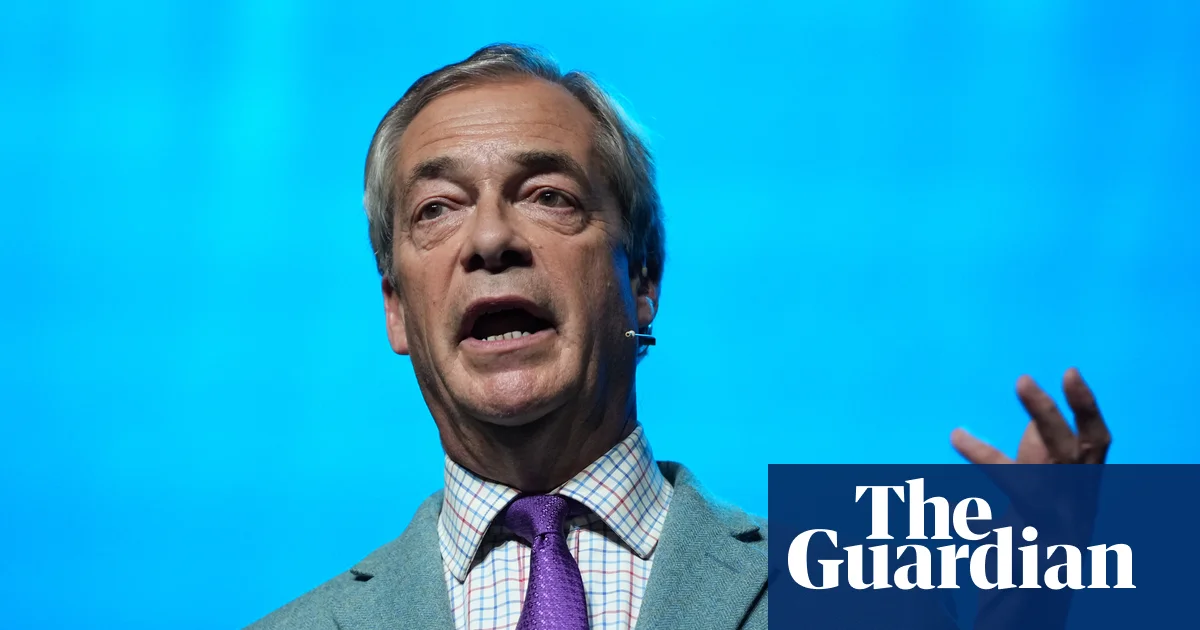
Three Ex-Pupils Stand Firm Against Far-Right ‘Banter’ Claims, Supporting Nigel Farage

Global Reckoning: The Echoes of Youth and the Shaping of International Power

In recent weeks, a revealing story has emerged from Britain that underscores how the personal histories of public figures—particularly those involved in shaping national policy and geopolitics—can ignite international debates with far-reaching consequences. Former Prime Ministerial candidate Nigel Farage, known for his staunch nationalist stance and vocal opposition to open borders, has come under scrutiny amid allegations of deeply troubling racist and antisemitic behavior during his adolescence at Dulwich College. Over twenty individuals have come forward, recounting years of targeted abuse that reportedly spanned from the age of 13 to 18. These allegations, whether rooted in past misconceptions or genuine misconduct, reveal how history’s shadows can threaten the credibility and influence of figures who command currents in the modern political landscape.

The controversy is a stark reminder that the choices made in youth—sometimes dismissed as “banter”—can directly impact a nation’s international standing and societal cohesion. Analysis by international organizations and historians suggests that such revelations are not merely about individual morality but also about the broader implications for national identity in an interconnected, often polarized world. The allegations against Farage, including claims of racially charged taunts and antisemitic slurs, resonate globally, especially amidst rising uprisings and ethnic tensions across Europe and beyond. As historians specializing in political extremism warn, such figures, once unfettered by scrutiny, can fuel the narratives that stir unrest or justify aggressive foreign policy postures. Indeed, the damaging effects extend beyond the personal—these accusations threaten to undermine the societal fabric that underpins the stability of Western democracies.

Equally significant is how the decision-making of nations and international institutions is impacted when leaders or influential figures are compromised by their histories. Britain’s experience exemplifies this, especially given its recent contentious departure from the European Union—a process heavily influenced by populist rhetoric, much of which is intertwined with narratives of immigration and national sovereignty. Critics argue that exposing such unflattering truths about figures like Farage serves as a warning, not just for British politics but for the global stage: the legacy of youthful prejudice can haunt leaders, complicating diplomatic relations and policy agendas.

In the broader context, international organizations like the United Nations and European Union have long acknowledged the profound impact of societal divisions fueled by unchecked prejudice. The revelations surrounding Farage’s past coincide with a wave of scholarly warnings that underestimating the power of societal rifts can lead to catastrophic conflicts. The current debate underscores that the legacy of intolerance is not easily erased, especially when wielded by those entrusted with guiding nations through the tumult of modern geopolitics. As experts like Harvard historian Dr. Elizabeth Carrol note, “The personal histories of political leaders are a mirror reflecting societal values and vulnerabilities, which can either be sources of unity or divides that nations struggle to overcome.”

As the world watches these unfolding revelations, history reminds us that the choices of youth, often dismissed as trivial “banter,” carry a weight that can shape or fracture nations. The echoes of past prejudices can ripple through time, influencing policies, alliances, and societal divides. The question remains: how will today’s leaders confront and reckon with their histories? In this era of rapid international change, amid geopolitical shifts and the resurgence of nationalist rhetoric, the true test lies not only in how leaders respond but also in how societies confront the shadows of the past. The fabric of history continues to unfurl, and the weight of these stories—whether they serve as caution or justification—remains an indelible part of the unfolding narrative of global power and societal resilience.

Social Media Auto Publish Powered By : XYZScripts.com