Matox News

Truth Over Trends, always!

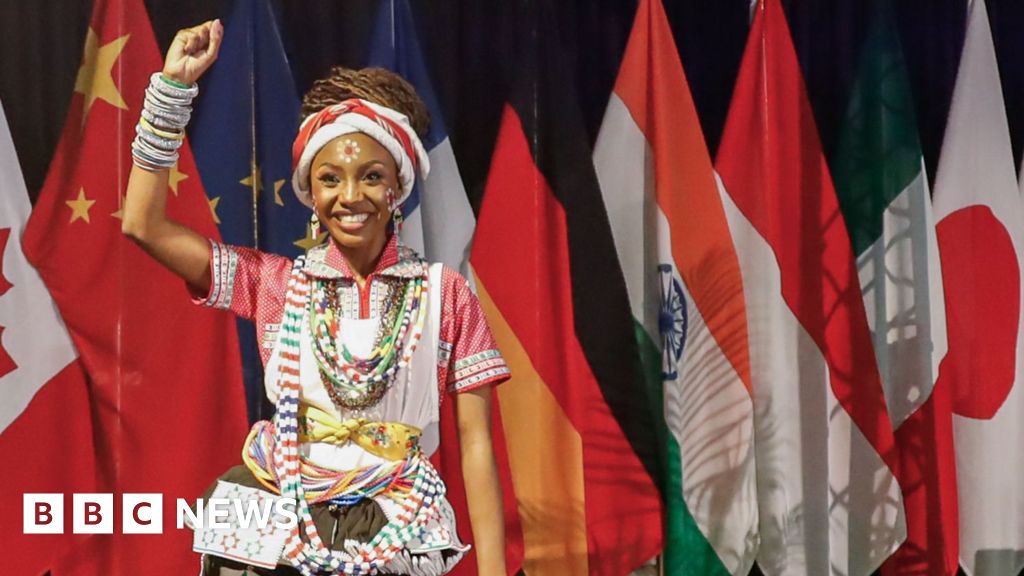
Is Trump’s Absence Dimming South Africa’s Spotlight?

South Africa’s G20 Presidency: A Test of Diplomacy Amidst Geopolitical Tensions

As South Africa takes the helm of the G20 this year, its ambitions are clear: to amplify the voices of developing nations on the global stage and push for reforms that could reshape international economic governance. With a storied history of navigating complex diplomatic waters, Pretoria has positioned itself as a champion for economic fairness, advocating for lower borrowing costs for emerging markets, climate finance, and the strategic utilization of Africa’s critical minerals. This year’s summit, hosted amid a climate of rising global instability, underscores the crucial role that middle powers can play in steering the world away from exclusive oligarchic decision-making towards broader, more inclusive multilateral cooperation.

However, the summit is overshadowed by a significant diplomatic crisis that reflects broader geopolitical conflicts and a deepening rift between South Africa and the United States. President Donald Trump has publicly excused himself from the gathering, citing discredited claims about violence against South Africa’s white minority and alleged land seizures. The decision to withdraw US participation — initially signaling only a diplomatic boycott and later reinforcing it by refusing to send high-level representatives — signals not just a diplomatic shift but a realignment of global alliances and influence. Relations have frayed; the US expelled South Africa’s ambassador, cut aid, and imposed tariffs of up to 30%, the highest in sub-Saharan Africa, pointing to how decisions at this summit could influence future international cooperation.

Adding to the tension is the absence of key global leaders such as Vladimir Putin, Xí Jinping (sending only his Premier, Li Qiang), and Javier Milei from Argentina. These withdrawals, combined with the US’s stance, threaten to diminish the summit’s influence—raising questions about whether the assembly can produce meaningful outcomes without the participation of the world’s leading powers. Some analysts believe this could open a window for pushback from emerging economies and middle powers, who might seize the opportunity to foster consensus outside the shadows of superpower influence.

Despite the absences, South Africa remains resolute. Foreign Minister Ronald Lamola emphasized that the summit would proceed, asserting that the priorities of pressing issues—climate change, technology, and resource management—must be addressed regardless of US participation. As the summit unfolds, the key test lies in whether these nations can forge a collective vision that transcends the discord from Washington and Beijing, aiming to build a more resilient and equitable global order.

In the shadow of this unfolding diplomacy, the question endures: Will history remember this as a turning point towards a more multipolar world or as a failure of international collaboration in an era of relentless upheaval? With each wavering alliance and diplomatic absence, the stakes are higher than ever, as the world watches the fragile dance of power and principle, knowing that the decisions made in Johannesburg could resonate through the corridors of history long after the summit concludes. The unfolding story of Africa’s rise and the retreat of old alliances paints a vivid tableau—one where the future remains unwritten, yet undeniably shaped by the choices of today.
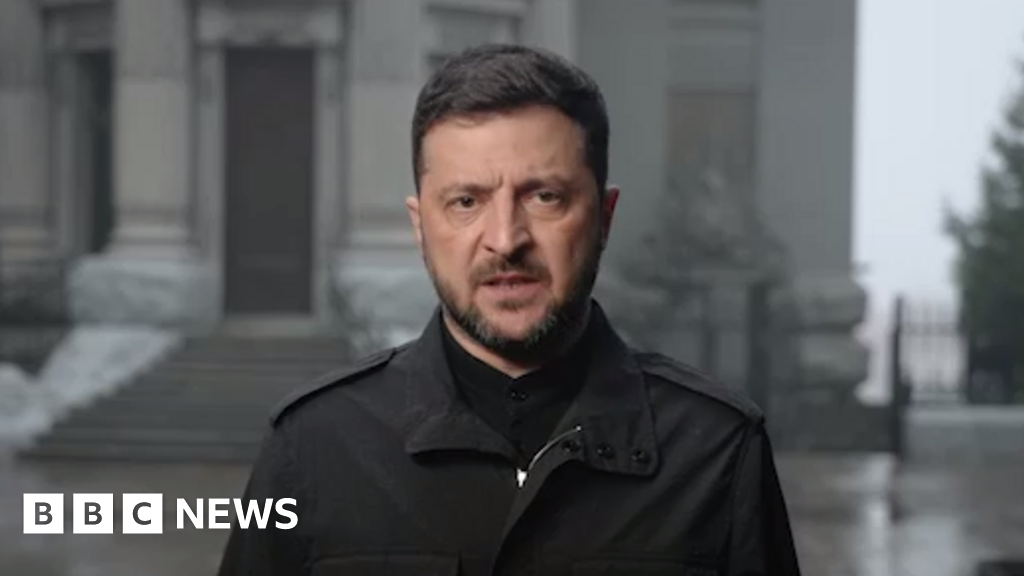

Zelensky warns Ukraine could lose US backing over White House peace plan

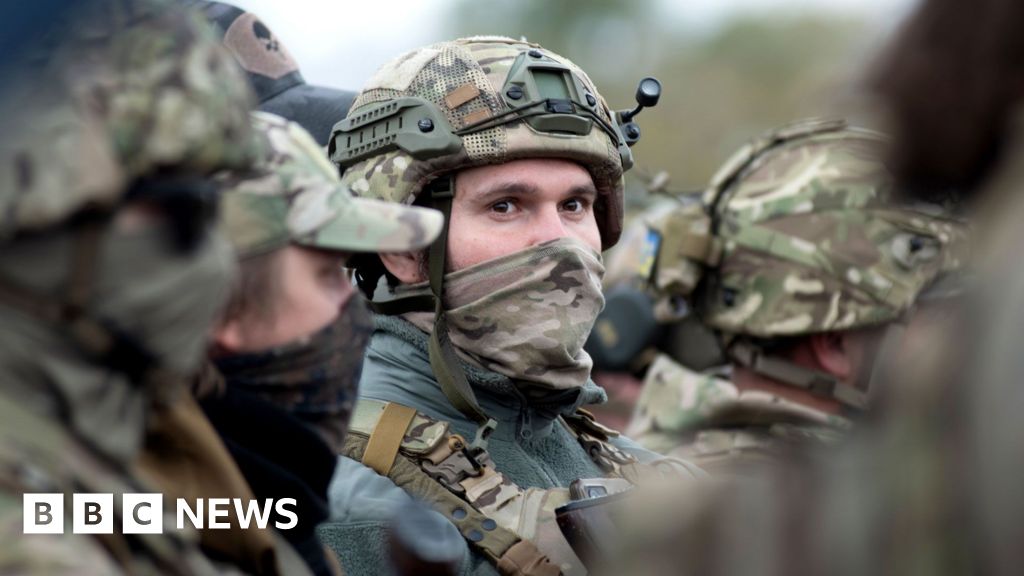
In a tense spectacle of international diplomacy and conflict escalation, Ukraine finds itself at a crossroads, entangled in a geopolitical turbulence that threatens to reshape the global order. Ukrainian President Volodymyr Zelensky has issued stark warnings, asserting that Kyiv risks the loss of critical US support over a controversial peace plan leaked from Washington. The plan—widely considered as heavily skewed toward Russian interests—calls for Ukraine to cede territories, significantly reduce its military, and forswear NATO membership. Zelensky, in a poignant address, underscored that Ukraine faces a “very difficult choice: either losing dignity, or risking the loss of a key partner,” revealing the internal crisis and mounting international pressure Kyiv must confront amidst ongoing conflict.

Meanwhile, Russia, under the leadership of Vladimir Putin, remains resolute in its aims despite mounting casualties and international criticism. President Putin, clad in military uniform, openly declared his commitment to the “unconditional achievement” of Russia’s strategic objectives—most notably, the full-scale continuation of the special military operation in Ukraine. Analysts and historians such as Dr. Elizabeth Moore from the International Institute of Strategic Studies have warned that Russia’s recent gains in southeastern Ukraine, though limited and slow, reflect a calculated effort to reshape the battlefield in Moscow’s favor. The Kremlin’s unwillingness to consider diplomatic concessions signals a dangerous gamble that could prolong the war and trigger unintended consequences for regional stability and global security.

Added to the complexity of this international chess game is the leaked US peace plan, a 28-point proposal that has ignited fierce debate. The draft suggests the withdrawal of Ukrainian troops from key eastern regions, de facto Russian control over territories, and a freeze on Ukraine’s southern borders—further solidifying Russia’s territorial gains. The plan also proposes a limit on Ukraine’s armed forces and hints at reintegration of Russia into the global economy, including potential lifting of sanctions and the reformation of the G7 into a G8, with Russia rejoining. Critics argue that such concessions could effectively capitulate Ukraine’s sovereignty, but Washington maintains it is a strategic move aimed at ending hostilities. The pivotal response from Kyiv, amidst strong nationalist sentiments, has been rejection and accusations of a plan designed “to continue the war,” stirring fears that negotiations are veering toward betrayal rather than peace.

Beyond the battlefield and diplomatic arena, the wider geopolitical impact resonates through alliances and international order itself. The G20 summit in South Africa becomes a critical stage where world leaders, including Prime Minister Sir Keir Starmer and others, are scheduled to deliberate on the peace proposal, with some issuing warnings that time is running out for a meaningful resolution. Meanwhile, US President Donald Trump has thrown a wrench into diplomatic efforts, warning that Ukraine could lose further territory in a “short amount of time,” and insisting that Kyiv must accept a deal by late November or face unacceptable loss. Such statements underline a broader struggle: whether the West will continue to stand firmly with Ukraine or accept a new geopolitical landscape profoundly altered by concessions and strategic re-alignments. History is watching, its pen ready to inscribe whether this moment marks a turning point toward renewed peace or the ignition of a protracted conflict that will echo through generations to come—a reminder that, in the theater of nations, the weight of decisions today shapes the world of tomorrow.

Try the Xbox Full Screen Experience on any PC or tablet—game on the go!

Microsoft Reinvents Gaming with Full Screen Experience (FSE) Expansion Across Windows Devices

In a significant move toward disruption of traditional gaming interfaces, Microsoft has announced the expansion of its Full Screen Experience (FSE) to a broader range of Windows devices — including laptops, desktops, and tablets — via the latest Windows Insider Preview Builds. This development underscores the company’s strategic push to integrate a more immersive, console-like gaming experience into everyday computing, creating a paradigm shift in how users engage with games across multiple form factors. The rollout, currently in the experimental Dev and Beta channels, is a clear sign of Microsoft’s intent to fuse console and PC gaming, bridging hardware ecosystems and setting new industry standards.

The FSE feature, which was previously limited to select Xbox Insider environments, is now more accessible, offering users a more streamlined, high-fidelity, full-screen gaming immersion from their Windows PCs. To activate the feature, users simply hover over the Task View icon on the taskbar and select the Xbox full-screen experience option, or use the shortcut Win + F11. This straightforward interface enhancement, coupled with easy toggling in the Game Bar settings, demonstrates Microsoft’s focus on user-centric innovation — making powerful gaming features more intuitive and widely available. “Microsoft aims to challenge the boundaries between Windows and Xbox, delivering a seamless, console-like experience that could fundamentally alter desktop gaming,” notes industry analyst Sarah Chen of TechInsights.

However, the rollout isn’t universal yet. As Microsoft explains, access to FSE is “gradually rolling out” and requires the latest Windows Insider Builds alongside the Xbox app from the Microsoft Store. This phased approach reflects a strategic move—optimizing the technology while managing the massive scale of Windows’ global user base. SuchControlled rollout strategies are typical of Microsoft’s approach to innovation, allowing them to gather feedback and fine-tune the feature before a broad public release. The potential implications are profound, positioning Microsoft to challenge other gaming platforms and reshape user expectations—particularly as the industry shifts toward more integrated, high-performance gaming environments that leverage PC hardware and cloud services.

The broader implications of Microsoft’s FSE expansion reach well beyond just user experience. By enhancing the gaming capabilities of Windows devices, Microsoft is reinforcing its position as the dominant ecosystem for gaming, possibly disrupting competitors like Sony and Nintendo, which are more console-focused. Industry insiders believe this move could catalyze new business models around integrated hardware-software packages and cloud-based gaming services—areas where giants like Elon Musk’s Neuralink and Google’s Stadia are vying for dominance. Significant, too, is how Microsoft’s decision reflects a larger industry trend—a shift towards more versatile, immersive computing platforms that blur the lines between gaming and productivity, fueling a future where innovation accelerates at an unprecedented rate.

Looking ahead, the expansion of FSE on Windows signals an urgent need for gamers, developers, and tech enthusiasts alike to stay alert. As Microsoft’s strategy to embed high-fidelity gaming into daily computing unfolds, industry stakeholders must adapt and innovate swiftly, or risk being left behind in an evolving landscape driven by disruptive technology. The move toward more immersive, seamless gaming experiences is just beginning; the industry must now prepare for a future where the next big leap isn’t just hardware or software, but the integration of both into a holistic, user-focused ecosystem that redefines how and where we game. The race for the next generation of immersive tech is on, and Microsoft’s bold steps might just steer the industry toward a transformative era of digital interaction.

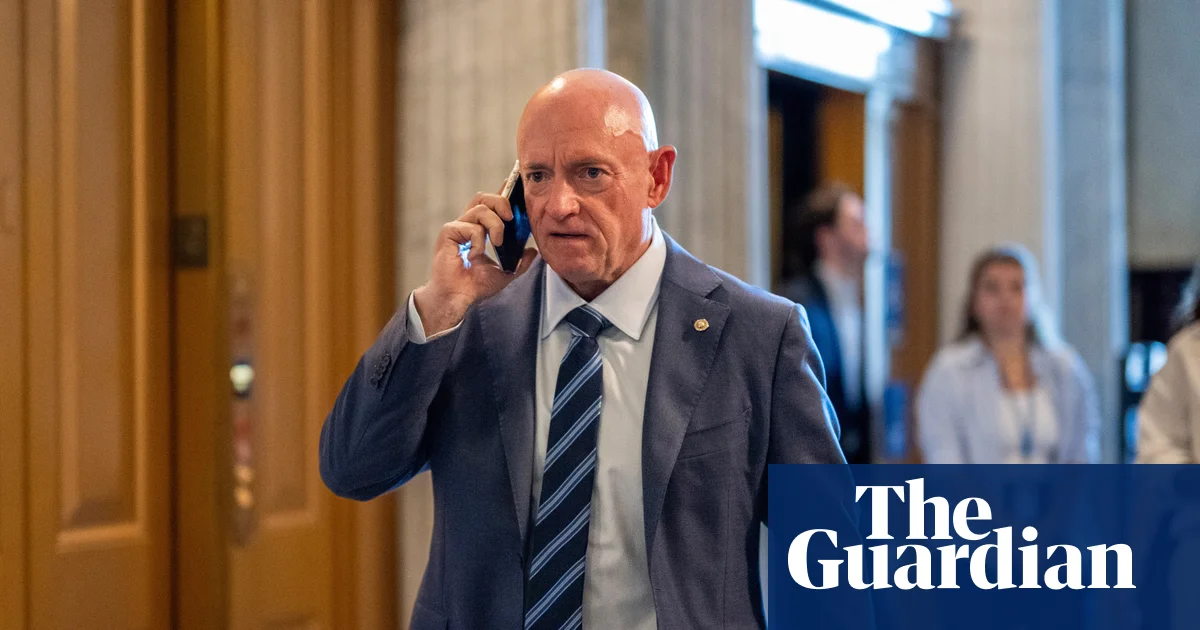
Senator, whose wife was shot, warns of rising threats after Trump seditious claims | US Senate

U.S. Political Climate Sparks International Concern Over Political Violence and International Stability

The recent escalation of rhetoric within United States politics has cast a shadow over global stability, with Senator Mark Kelly warning of the dangerous language used by former President Donald Trump. Kelly, himself a victim of political violence, expressed grave concerns over the rise of threats to himself, his staff, and the broader fabric of American democracy. This comes amid a fiery exchange that has brought issues of domestic political violence and public safety into sharp focus, prompting international observers and analysts to question the ripple effects of such incendiary rhetoric.

The incident underscores the polarized nature of current American discourse. A video featuring several Democratic lawmakers, including those with military or intelligence backgrounds, urging service members to refuse unlawful orders, has further ignited tensions. Trump’s response—labeling these lawmakers’ actions as “SEDITIOUS BEHAVIOR, punishable by DEATH” and calling for violent retribution—has echoed across social media, spurring reactions from allies and adversaries alike. This dangerous escalation not only threatens U.S. domestic peace but also raises concerns about possible international repercussions, as other nations watch in alarm.

Global Impact of America’s Internal Strife and Shifting Alliances

  • Historians and international analysts warn that U.S. internal divisions could undermine decades of global leadership, especially at a time when major geopolitical shifts are already underway.
  • Organizations such as The International Crisis Group warn that further polarization could embolden authoritarian regimes, which often use internal chaos as justification for expanding their influence on the world stage.
  • Meanwhile, allies in Europe and Asia observe that a weakened U.S. leadership could embolden adversaries like Russia and China, who are eyeing the vacuum to advance their strategic objectives.

Moreover, the domestic political violence reflected in recent events echoes broader global concerns about the stability of democratic institutions. The violent attack on the U.S. Capitol in January 2021, linked to then-President Trump’s rhetoric, remains a stark reminder of how fragile peace can be in times of profound political upheaval. As international leaders and historians analyze this convergence of rhetoric and violence, many emphasize how the choices made in Washington could shape the trajectory of democracy worldwide for generations to come. The narrative is clear: what unfolds in America’s political arena will determine whether the global order remains resilient or succumbs to chaos, inspired by the very violence fomented within its borders.

The Weight of History and the Unfolding Future

As President Biden and world leaders grapple with the repercussions of America’s internal struggles, the question remains—how will history judge this pivotal moment? Will the violence and incendiary language serve as a catalyst for change or precipitate a descent into chaos? These decisions have the power to recalibrate the balance of power and redefine the course of history. With each passing day, the world holds its breath, watching as America’s narrative continues to unfold—an epic story of division, resilience, and the enduring pursuit of liberty amidst the most turbulent times. The echoes of this chapter will undoubtedly resonate for generations, forging a legacy that will be etched into the annals of history as a stark reminder of a nation’s struggle to uphold its ideals in the face of internal storms.

Peterborough Council Says No More Kids in B&Bs—A Win for Family Stability

Addressing the Society-Defining Challenge of Youth and Family Homelessness

Across communities like Peterborough, the silent crisis of youth homelessness is reshaping the very fabric of social cohesion and family stability. The recent campaign by Peterborough Citizens, an alliance of schools, charities, and community groups, highlights a growing understanding that housing instability profoundly damages not only individual lives but also the future of entire neighborhoods. The shift away from temporary, crisis-driven accommodation to more stable, family-centered housing solutions marks a crucial step in reversing decades of neglect and exposing systemic failures.

The policy triumph of the recent campaign, which led to a **73% reduction in children living in bed-and-breakfast (B&B) accommodations**, signals more than just statistical progress; it exemplifies the moral imperative to prioritize the welfare of the most vulnerable. Matt Oliver, head of housing needs, describes B&Bs and hotels as “the worst kind of emergency accommodation,” emphasizing the social toll on families. The experience of Sehrish Darr, a mother of four, underscores this reality. Her six months of homelessness in cramped, unsuitable hotel rooms caused physical health issues for her children and disrupted their education—highlighting how housing crises extend into every corner of family life, impacting health, mental well-being, and opportunities.

In education settings, these social issues not only threaten academic progress but threaten to widen the societal rift. Schools, often seen as community anchors, find themselves on the frontlines of this crisis. Instances like Ms. Darr’s experience reveal that homelessness can be hidden due to shame or fear, preventing families from seeking help. Such barriers hinder effective intervention and exacerbate the social inequality that young people face. Recognizing this, Peterborough Citizens advocates for a **mandatory notification protocol**, where schools and GPs are informed swiftly when a child enters temporary accommodation, allowing targeted support and fostering resilience in the community.

This multifaceted approach reflects broader sociological insights: experts like Professor David Greenberg argue that community engagement and early intervention are essential in breaking the cycle of homelessness and social disintegration. As histories of social policy reveal, systemic struggles such as homelessness often stem from economic, political, and cultural shifts that demand innovative, ethical responses. The hope lies in collective action—families reclaim stability, schools serve as safe spaces, and communities build a resilient, compassionate future.

The closing challenge remains: society stands at a crossroads where the plight of the homeless and displaced reflects deeper moral questions. Each family, like Sehrish Darr’s, bears the silent weight of social failure, yet also embodies the hope and potential for societal transformation. As society grapples with these wounds, a vision emerges—one where compassion, policy innovation, and community solidarity can forge a future where no child, no family, must endure the pervasive silence of homelessness. Society’s true strength will be measured not by how swiftly we respond to crises but by how enduringly we prevent them, fostering spaces where every young person can dream, grow, and thrive amidst the resilience of a society that refuses to turn away.

Leaked US Draft Outlines Bold Plan to End Russia-Ukraine Conflict

Geopolitical Tensions Surge as US-Russia Peace Draft Emerges

In a move that has sent shockwaves through the international arena, a *leaked draft* of a US-Russia peace plan proposes extraordinary concessions that could fundamentally reshape the geopolitical landscape surrounding *Ukraine*. The document, reportedly circulated among key US officials and Russian representatives, hints at Russia’s aspirations to solidify control over parts of Ukraine’s eastern *Donbas* region, while simultaneously calling for Ukraine to cede territory and scale down its military capabilities. Such proposals are viewed by experts as a blatant encroachment on Ukrainian sovereignty, with serious consequences for the stability of Europe and the integrity of international law.

At the core of the draft are indications of a *possible* territorial handover—*Ukraine* would be compelled to withdraw from certain regions, including parts of *Donetsk*, whichaly are currently under Ukrainian control. These areas are to be recognized as *de facto* Russian territory, a move that would effectively undermine Kyiv’s constitutional claims of indivisible borders. Additionally, the plan suggests limiting Ukraine’s armed forces to 600,000 personnel—far below its current strength—thus infringing upon Kyiv’s sovereign right to self-defense. Meanwhile, Russia’s return to the *G8* and its reintegration into the *global economy* signal an attempt to lift Russia from its diplomatic and economic isolation, a move opposed by many Western analysts who emphasize the unlikelihood of such reintegration while Vladimir Putin remains under international arrest warrants and sanctions remain firmly in place.

This draft has sparked fierce debate among European and American policymakers. Critics argue it represents a *Putin wishlist*, designed less for peace and more to entrench Russia’s strategic gains. The document’s vague guarantees—such as security assurances lacking details—do little to reassure Ukraine or its allies, who demand clear commitments akin to NATO’s Article 5 security guarantee. Ukrainian officials and international observers emphasize that the plan’s focus on territorial concessions and military limitations severely compromises Ukrainian sovereignty, potentially setting a dangerous precedent for other nations facing similar threats. Prominent historians like *John Mearsheimer* and analysts from organizations such as the *Atlantic Council* warn that any deal that rewards territorial gains without addressing underlying security concerns risks sowing the seeds for future conflicts.

Moreover, the plan’s omission of restrictions on Ukraine’s long-range *missile programs*—notably its Flamingo and Neptune systems—raises fears of future escalation. The proposals for Ukraine not to join *NATO*, combined with the promise of short-term *EU* market access, appear to be designed to sideline Ukraine’s aspirations for collective defense—an open contradiction to Kyiv’s constitutional red lines. While Russia seeks the lifting of *sanctions* and the normalization of its international standing, the plan’s emphasis on staged *de-escalation* and potential *amnesty* for all parties raises suspicions about Moscow’s true intentions, with critics arguing that it’s a prelude to further concessions that could erode Western influence and deter future interventions.

As the world watches with bated breath, the question lingers: is this a genuine effort at peace or merely a *strategic ploy*? With many European nations and *NATO* allies remaining silent—awaiting official confirmation—the diplomatic process hangs on a knife’s edge. The draft’s *Vague promises* and *ambiguous guarantees* are unlikely to satisfy Ukraine’s demand for sovereignty and security, while Russia’s willingness to offer a *full amnesty* and lift sanctions under such conditions suggests a game that could redefine the balance of power for generations. As history continues to unfold, the unfolding debate echoes a harsh truth: in the shadow of this fragile accord, the true battle for *Ukraine’s future*—and the world’s—has only just begun, leaving us to ponder whether peace or a broader conflict looms on the horizon.

Young Stars Shine as Up-and-Coming Teams Battle for Victory in Thrilling Weekend Matches

Key NCAA Matchups Highlight the Path to Playoffs

This past weekend featured a thrilling Big Ten showdown as playoff hopefuls clashed in a high-stakes game that echoed with implications across college football. The Ohio State Buckeyes faced off against the Penn State Nittany Lions in a contest that showcased both teams’ championship aspirations. With both squads showcasing strong defensive strategies, it was evident that every yard gained was a battle won on the gridiron.

The game reached a turning point when the Buckeyes scored a pivotal touchdown in the fourth quarter, effectively sealing their victory at 24-20. Commentator and former player, Lee Corso, noted, “That was a defining moment for Ohio State, proving they can perform under pressure.” With this win, Ohio State stays in the hunt for the College Football Playoff, while Penn State will need to regroup to salvage their season.

ACC Playoff Picture Clarified

In the ACC, the stakes were equally high as the Clemson Tigers took on the North Carolina Tar Heels. This matchup served as a potential tie-breaker for the playoffs, with both teams looking to solidify their standing. The game unfolded dramatically, with a back-and-forth scoreline that kept fans on the edge of their seats. Ultimately, the Tigers emerged victorious, thanks to a game-winning field goal in the dying seconds, ending the contest at 30-27. As head coach Dabo Swinney remarked after the game, “This is what college football is all about—heart and determination.”

Key Takeaways

  • Ohio State’s defense held strong against Penn State’s offense, demonstrating significant growth in their gameplay.
  • Pivotal touchdowns by the Tigers in the final moments emphasized their resilience.
  • The playoff race is tightening, with both Ohio State and Clemson establishing themselves as formidable competitors.

As the college football season unfolds, these electrifying matchups remind fans why they adore the sport—beyond the statistics and rankings, it is the spirit of competition, the thrill of victory, and the bonds formed in the pursuit of greatness that truly unite us. Regardless of team allegiances, every game serves as a celebration of athletic excellence and community spirit, elevating college football as a true fabric of American culture.

Source link

Please provide the feed content for me to generate the fact-checking headline.

Investigating the Truth Behind the Khashoggi Case and Crown Prince Mohammed bin Salman’s Involvement

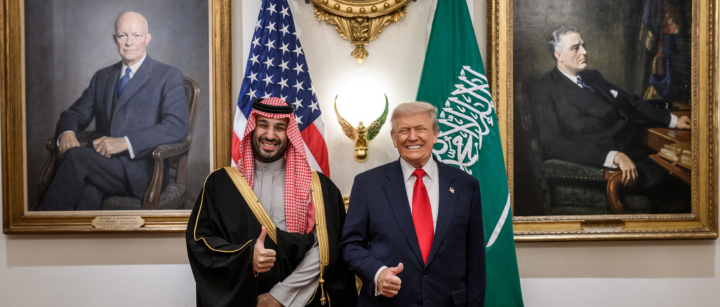
The story of Jamal Khashoggi’s brutal murder has garnered international attention, prompting questions about accountability at the highest levels of Saudi Arabia. Recently, President Donald Trump dismissed reports linking Crown Prince Mohammed bin Salman (MBS) to the killing, claiming he “knew nothing about it and we can leave it at that.” However, this stance contradicts a range of credible intelligence assessments, congressional testimonies, and UN investigations, all pointing toward a much more complex and troubling picture of Crown Prince MBS’s involvement.

U.S. intelligence assessments, declassified and publicly released in February 2021, explicitly state that the Crown Prince “approved an operation in Istanbul to capture or kill Jamal Khashoggi” (source: Office of the Director of National Intelligence). This conclusion was not made casually; it was based on comprehensive analysis, including intercepted communications and detailed operational evidence. The declassified report emphasizes that since 2017, MBS has held near-absolute control of Saudi Arabia’s security and intelligence agencies, making it highly unlikely that such a covert operation could be executed without his knowledge or approval (source: ODNI, 2021). This strongly challenges Trump’s assertion that the Crown Prince “knew nothing.”

From CIA and Senate Intelligence Briefings to International Investigations

  • Multiple Senate briefings, including those led by CIA Director Gina Haspel, revealed a consensus among U.S. intelligence officials that Crown Prince MBS was responsible. Republican senator Lindsey Graham stated after a classified briefing that he left “with high confidence” in MBS’s complicity, even asserting that he believes the crown prince “orchestrated” the killing (source: C-SPAN). Similarly, Senator Bob Corker condemned the operation as premeditated, emphasizing it would take minutes for a jury to convict the Crown Prince if held accountable in a fair judicial process (source: C-SPAN).
  • The United Nations’ Special Rapporteur on extrajudicial killings, Agnes Callamard, also concluded that credible evidence points toward high-level Saudi officials, including the Crown Prince, being responsible for orchestrating Khashoggi’s murder. Her report highlights the scale of the operation, including the use of private jets and security personnel closely linked to MBS, providing an international legal perspective that underscores the systemic nature of responsibility (source: UN OHCHR, 2019).

Despite the mounting evidence, the Saudi government, under Crown Prince MBS, has maintained a narrative of limited responsibility. While MBS publicly acknowledged responsibility “because it happened under my watch,” he denies direct involvement, claiming he lacked knowledge of the specific operation. Saudi authorities have sentenced and executed some individuals involved, but critics, including UN investigators and human rights organizations, argue that these trials lacked transparency and impartiality, thus failing to hold top officials accountable (sources: Saudi Public Prosecutor, 2019; UN, 2019).

The Role of Political Manipulation and the Need for Transparency

The disparity between the official Saudi story, U.S. intelligence findings, and UN conclusions demonstrates the importance of transparency and verified facts. The initial refusal to declassify the CIA’s complete assessment kept the full extent of Crown Prince MBS’s involvement hidden from the public, fueling speculation and doubt. Conversely, the declassification of key intelligence underscores that the evidence isn’t ambiguous; rather, it reveals a high-level orchestrator willing to eliminate critical journalists and dissenters, a move that directly threatens press freedom and human rights.

Prominent experts, like former CIA officers and international human rights advocates, agree that accountability is vital to uphold justice and the integrity of democratic institutions. Transparency concerning foreign intelligence actions is a cornerstone of responsible governance and public trust.

The Bottom Line

In a political landscape where honesty underpins the legitimacy of democracy, dismissing concrete evidence without due process diminishes accountability and hampers international efforts to uphold justice. The body of credible intelligence, congressional testimony, and UN investigations makes it clear: Crown Prince Mohammed bin Salman played a pivotal role in Khashoggi’s death, whether directly or through command responsibility. As responsible citizens and defenders of truth, it is imperative that governments and the public demand full transparency about the facts—only then can justice be truly served and democracy strengthened.

In conclusion,

Fact and truth serve as the backbone of responsible citizenship and the foundation of a transparent democratic process. Denying and dismissing credible evidence obstructs justice and diminishes international trust. As we engage in this complex history, let us remember that holding powerful leaders accountable is essential to safeguard our shared values, ensure justice, and defend the principles upon which free nations are built.

US judge steps down after flaunting Elvis wig in court, sparking controversy

The United States finds itself once again embroiled in questions of institutional integrity, as a case from Missouri underscores the fragile veneer of judicial authority in an era of increasing societal polarization. Judge Matthew EP Thornhill of St. Charles County, the longest-serving circuit judge in the state, has become the center of controversy after disciplinary investigations revealed his bizarre antics in the courtroom—wearing an Elvis Presley wig, playing the singer’s music, and making frequent, seemingly irrelevant references to the legendary musician during legal proceedings. These actions, while seemingly harmless to many, have ignited debates about the boundaries of decorum in the judiciary, touching on broader concerns of how societal shifts are influencing the respect and seriousness traditionally associated with justice.

  • Thornhill’s obsession with Elvis Presley was well-documented, with the judge openly expressing admiration after visiting Graceland 13 times. His biography proudly highlights this passion, but it also raised eyebrows within the legal community.
  • In 2023, the Missouri Commission on Retirement, Removal, and Discipline of Judges concluded that Thornhill’s conduct compromised the dignity of courtroom proceedings. The commission’s report included images of Thornhill sporting his Elvis wig and recalled instances where he played Elvis music during court sessions or referenced lyrics and personal details about the singer.
  • Following the inquiry, Thornhill was disciplined and faced a suspension of six months without pay, with a subsequent plan for retirement after 20 years in service. His resignation, accompanied by an acknowledgment of misconduct, signifies a symbolic fall from grace that resonates beyond local borders, raising alarm over judicial oversight and the influence of personal eccentricities on the rule of law.

International observers, including legal analysts and historians, warn that such incidents threaten to erode public trust in judicial independence. The case of Thornhill is a cautionary tale — a stark example of how personal passions intersect dangerously with institutional duties. Scholars like Dr. Mark Jensen, a historian specializing in American judicial history, argue that maintaining courtroom decorum is vital to preserving the authority of the legal system. Yet, as societal norms shift and celebrity culture infiltrates every corner of daily life, questions arise about whether traditional standards remain relevant or if they are under siege—a symbolic reflection of broader cultural battles shaping nation-states.

The repercussions extend beyond Missouri. For many, Thornhill’s inappropriate behavior illustrates how personal eccentricities, if unchecked, can threaten to undermine the perceived legitimacy of institutions intended to uphold justice and order. Global institutions such as the United Nations and regional bodies monitor such incidents for signs of democratic backsliding and erosion of professional standards. This case prompts a reflection on how moral authority and societal trust are fragile commodities, now more vulnerable than ever amid technological upheavals and political upheavals worldwide. As history continues to unfold, and as society wrestles with the boundaries of personal expression versus institutional integrity, the fate of figures like Thornhill acts as a microcosm of the mounting tension between individual liberty and collective order.

In a world where the echoes of past icons still resonate loudly in pop culture and societal debates, the judicial scandal in Missouri leaves a lingering question for nations across the globe: **How much personal eccentricity is too much, and at what cost to the principles of justice?** As the curtain falls on Thornhill’s courtroom career, the echoes of his Elvis-infused tenure serve as a stark reminder—the pages of history are still being written, and every decision carries the weight to shape future generations’ perceptions of order, morality, and the rule of law.

Style Guide: How to Rock a Plaid Shirt and Make It Your Own

In an era where fast fashion often dominates, timeless pieces are making a surprising comeback—and one of the most unexpected stars is the lumberjack shirt. Traditionally associated with rugged outdoor work and classic Americana, this plaid staple has been transformed into a high-fashion streetwear must-have. Top influencers and trendsetting youth are now pairing it with unconventional textures like leather, velvet, or faux fur, turning what was once considered workwear into a bold statement of individuality and cultural commentary.

This resurgence isn’t merely about aesthetics; it reflects a deeper shift in societal attitudes toward masculinity, authenticity, and the value of tradition in a digital age. Sociologists note that the lumberjack shirt’s reintegration into trendy wardrobes underscores a desire among youth to reconnect with perceived simplicity and strength amidst the chaos of modern life. Influencers such as Hypebeast and Fashion Nova ambassadors are responsible for popularizing these layered, textured looks, emphasizing a rebellious yet nostalgic vibe that appeals to a generation seeking authenticity in a curated world.

Moreover, the cultural impact extends beyond mere fashion. It signifies a broader rebellion against fast-paced, disposable trends. The durability and longevity associated with the lumberjack shirt embody values that resonate with young consumers questioning the environmental and social costs of their consumption. Fashion analyst Sarah Jacobs explains that this trend embodies a *“return to craftsmanship and authenticity,”* connecting societal identity with the revival of past virtues cloaked in urban style.

  • Pulling heritage into contemporary settings
  • Encouraging sustainable and thoughtful fashion choices
  • Challenging the speed and short-lived nature of current trends

However, the narrative isn’t without controversy. Some critics argue that the lumberjack shirt’s mainstream success risks diluting its cultural roots, transforming a symbol of rugged independence into just another commercial commodity. Yet, regardless of whether this trend endures or fades, it raises a vital question: what’s next for youth-driven cultural expression in fashion? As the boundaries between streetwear, heritage, and high fashion continue to blur, one thing remains clear—this surge of authenticity-oriented style has tapped into fundamental social undercurrents, perhaps hinting at a broader cultural desire for meaningful, lasting symbolism in a disposable age. The next big question isn’t just about style but about what our clothing choices say about the society we’re shaping for tomorrow.

Social Media Auto Publish Powered By : XYZScripts.com