Matox News

Truth Over Trends, always!

Fundraisers warn: Gaza donations plummet after ceasefire—society risks setbacks

Amidst the lingering shadows of conflict, the plight of families in Gaza has become a stark mirror of how global social and financial support wanes in the face of shifting geopolitical narratives. Despite the ongoing humanitarian crisis—marked by widespread displacement, destroyed infrastructure, and the vulnerable struggle for basic necessities—the steady flow of aid and donations has experienced a disturbing decline. This decline not only jeopardizes immediate survival but also threatens to unravel the social fabric of a community already stretched to its breaking point. The withdrawal of support underscores a broader societal challenge: how international communities prioritize crises and the moral responsibility institutions and individuals bear in times of waning public interest.

Research by social commentators and sociologists warns us that the decline in aid—whether through charitable donations or governmental funding—does more than affect immediate relief efforts; it reverberates through families and communities. As Megan Hall, a volunteer who manages dozens of mutual aid funds for Palestinian families, warns, “mutual aid has kept people alive for two years. And now going into winter, many don’t even have winter clothing or blankets.” This grassroots resilience is often overlooked in public discourse, yet its collapse signifies a breakdown in communal support systems, forcing families to face brutal winters, hunger, and displacement with increasingly limited resources. Denied timely aid, families are pushed onto the brink, their collective trauma magnified by the erosion of hope and community ties.

Compounding this crisis is a demographic crisis. Over 70% of Gaza’s population—nearly 1.9 million people—live in conditions where they are exposed to the elements, with infrastructure virtually decimated, and healthcare systems in ruins, according to SARI Global. The displacement and recurrent trauma have degraded communal resilience, especially among the vulnerable. The sociologist Dr. Samuel Hernandez notes, “When social cohesion is damaged—when families are displaced repeatedly—the cycles of despair deepen, and the ability to rebuild disappears.” The fabric of society itself is fraying, as families face the unimaginable: eviction, hunger, and the loss of loved ones—all compounded by the lack of sustained external support.

At its core, this crisis challenges the very essence of society’s moral compass. How can a global community, with all its resources, turn away when faces are hungry, children are cold, and families live in the rubble of their former homes? Fundraisers and humanitarian organizations emphasize that a decline in support does not mean the crisis has ended; rather, it signals a moral failing—a waning sense of shared responsibility. As Oxfam and Save the Children warn, the cold calculus of aid disbursement often ignores the human toll of neglect. The question for society becomes: will we witness the silent erosion of aid and let the suffering of Gaza’s children become another forgotten chapter? Or will we rally to restore support, recognizing that social solidarity is the true measure of moral progress? The challenge before us is not merely one of logistics but a moral choice—to sustain hope amid the ashes and trench the tides of despair. Society’s future depends on this resolve, for in every displaced family, in every child’s trembling breath, lays the reflection of our collective humanity—and a hope that even in darkness, change is possible.
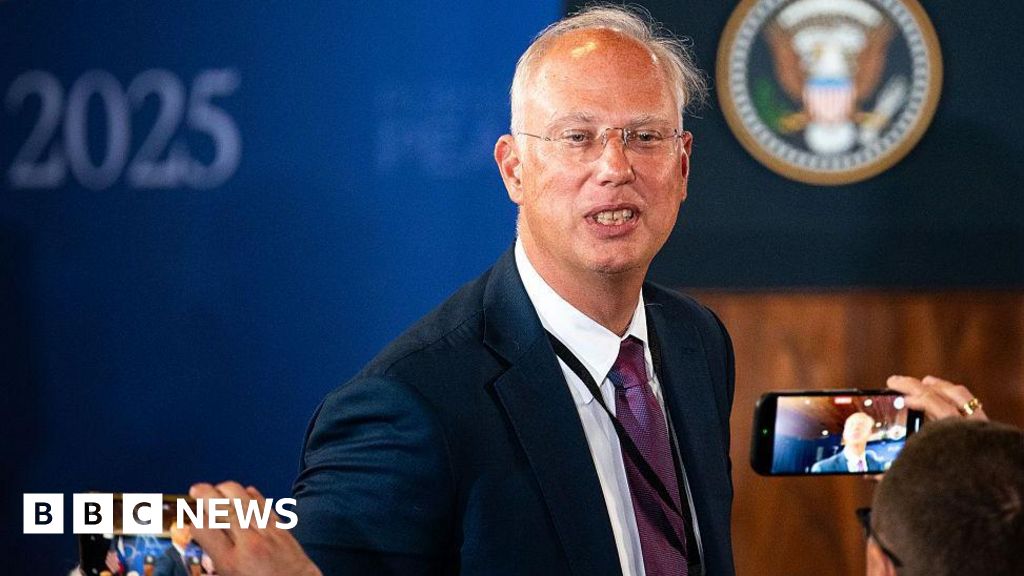
Putin’s Ally or Peace Broker? The Truth About Ukraine Talks

Global Powers on the Edge: The Strategic Ascendancy of Kirill Dmitriev and Russia’s Return to Diplomatic Influence

As Russia reasserts itself on the international stage, a key figure shaping its modern diplomacy has emerged in Kirill Dmitriev. With a background rooted in science, finance, and a deep understanding of international conflicts, Dmitriev’s role as head of the Russian Direct Investment Fund (RDIF) has propelled him into the spotlight. His engagement with U.S. officials during the recent negotiations over Ukraine signals a shifting landscape where selective diplomacy takes precedence over traditional adversarial posturing. Points of contact such as Miami and Saudi Arabia have demonstrated that Russia’s pragmatic approach to diplomacy, led by Dmitriev, might be reshaping geopolitical dynamics in ways previously dismissed as improbable.

Recent disclosures suggest that Dmitriev, with his unique blend of economic savvy and diplomatic agility, has played a crucial role in softening Russia’s years of diplomatic isolation. His rapport with Steve Witkoff, a U.S. envoy, exemplifies how personal relationships are increasingly pivotal in resolving issues that once seemed intractable. Analysts from organizations like the Brookings Institution and Geopolitical Watch note that Dmitriev’s deep cultural and political knowledge—specifically his Ukrainian origins and experiences in the United States—equip him with an unparalleled perspective on the multifaceted conflict in Ukraine. His advocacy for a “dignified peace,” paired with Russia’s strategic use of economic and diplomatic tools, underpins Russia’s broader objective: regain influence without provoking a full-scale confrontation, setting a dangerous precedent for the future of international diplomacy.

However, Dmitriev’s approach is not without controversy. The Biden administration and the U.S. Treasury have publicly characterized him as a “known Putin ally,” imposing sanctions that seek to diminish his influence. Critics argue that Russia’s focus on economic diplomacy—embodied by figures like Dmitriev—serves as a mask for preserving the regime’s core interests amidst Western sanctions and military confrontations. Yet, Dmitriev remains unwavering in his pursuit of a negotiated “peace process,” advocating a course that many in the West see as pragmatic, if not risky. His stance reflects a broader shift in Russia’s geopolitical posture—favoring subtle diplomacy and strategic economic partnerships over open military escalation—an approach that history’s most astute observers suggest could define the future of East-West relations.

Witnessing the unfolding chapters of this new diplomacy, historians and analysts warn that the next phase of global history hinges on whether figures like Dmitriev can successfully navigate a web of geopolitical conflicts, economic interests, and ideological divides. As the shadows of the past—such as the Cold War’s echoes—linger uneasily, the weight of history presses down. Will Russia’s calculated engagement herald a new era of coexistence, or merely a fleeting window of diplomacy before the storm of conflict reignites? The answers remain elusive, yet one truth persists: the silent march of history continues, at the convergence of old rivalries and new opportunities, with Dmitriev’s diplomacy shaping the contours of a fragile, uncertain future.

Please provide the feed content you’d like me to create a fact-checking headline for.

Fact-Checking the CDC’s Revised Autism and Vaccine Statement

Recently, the Centers for Disease Control and Prevention (CDC) revised its webpage on vaccines and autism, adding language that suggests previous statements claiming “vaccines do not cause autism” are “not an evidence-based claim.” This move has raised concerns among vaccine advocates and skeptics alike, prompting a closer examination of the claims and the context behind the updates. It’s important to rely on rigorous scientific evidence rather than politically charged language, especially when public health guidance is at stake.

The CDC’s updated webpage now states that the claim “vaccines do not cause autismis not an evidence-based claim because “studies supporting a link have been ignored by health authorities,” and that “the claim ‘vaccines do not cause autism’ is not an evidence-based claim.” However, these statements are misleading. Extensive scientific research over the past two decades has consistently failed to establish any causal link between vaccines and autism. Multiple high-quality studies involving millions of children worldwide have shown that vaccines, including the MMR (measles-mumps-rubella) shot and vaccines containing aluminum adjuvants, do not cause autism.

  • The foundational studies on vaccines and autism span over 40 high-quality investigations involving more than 5.6 million participants across seven countries since 1998, all ultimately confirming the absence of any link, as noted by Dr. Susan J. Kressly, president of the American Academy of Pediatrics.
  • Research by noted epidemiologists such as Anders Hviid of the Statens Serum Institut in Denmark emphasizes that studies addressing aluminum in vaccines and autism find no association. The studies, including individual-level analyses, are considered the strongest evidence available.
  • Regarding the MMR vaccine, multiple studies have failed to find any correlation with autism. The most comprehensive reviews, including the infamous fraudulent Wakefield study that was retracted, have reinforced that “there is no causation,” according to the CDC’s own assessments.

Additionally, the claim that “there are no studies proving that seven infant vaccines do not cause autism” is scientifically flawed. The burden of proof in science is typically on demonstrating harm, not proving absence of harm. Admittedly, no experiment can conclusively prove a negative; instead, extensive observational studies have consistently shown no evidence of connection. Dr. David S. Mandell from the University of Pennsylvania explains that “you conduct related studies, over and over, until the bulk of evidence finds no association.” This cumulative process—known as scientific consensus—is vital for public trust and effective policymaking.

Moving beyond flawed interpretations, the CDC webpage’s emphasis on aluminum as a “possible cause” of autism is unsupported by the strongest evidence. The 2014 study cited there, which compares trends over time in aluminum exposure and autism cases using ecological methodology, is considered the weakest form of epidemiological evidence and should not be used for definitive conclusions. In fact, comprehensive research—such as a large-scale Danish study—has found no link between aluminum exposure from vaccines and autism or any developmental disorder. These studies, led by researchers including Anders Hviid, provide the most reliable data and overwhelmingly point to no association.

In conclusion, the CDC’s attempt to cloud the clear scientific consensus with ambiguous language and cherry-picked data is misleading and could undermine public confidence in vaccines, which are among the most effective tools we have in preventing deadly diseases. Truth is the cornerstone of a responsible democracy; disregarding overwhelming evidence damages the public’s ability to make informed decisions. As the scientific community affirms, vaccines are safe, effective, and do not cause autism—an understanding that should remain central to public health policy and responsible citizenship.

Labour MPs pressure Reeves to ditch controversial private finance scheme for NHS buildings

In a developing scenario that could have profound geopolitical impact, United Kingdom policymakers are embroiled in a fierce debate over the future of the NHS funding model amidst growing concerns about public-private partnerships (PPPs). Rachel Reeves, the Labour Party’s shadow chancellor, faces mounting internal pressure as 40 Labour MPs warn that plans to fund NHS infrastructure via private finance initiatives (PFIs) could rekindle the trust deficit in government. The MPs, including notable figures like Rebecca Long-Bailey and Clive Lewis, argue that reviving PFI schemes would resemble the mistakes of the Blair era, where such public-private fabrications burdened the health system with debt, ultimately undermining societal trust and fiscal stability.

This internal political friction comes at a time when the global community closely observes the consequences of heavy reliance on financial engineering in public infrastructure. The UK’s use of PFIs, devised to sidestep immediate borrowing constraints, aligns with a broader trend of shifting public services towards private sector involvement—an approach scrutinized by international organizations and historians alike. Analysis by the Office for Budget Responsibility underscores that such schemes are often saddled with costs 70% higher than publicly funded projects, exemplifying a pattern of inflated expenses that transfer long-term fiscal burdens onto future taxpayers. The historical pattern, as highlighted by financial analysts, points to a growing concern: the danger of privatization-driven debt priming destabilizing health and social services globally.

The UK government is positioning its health infrastructure strategy within this contentious framework, seeking to incorporate private capital into build projects for neighbourhood health centres and other vital facilities. Proponents within government argue that such models could facilitate a rapid, cost-effective rollout of community health services—yet critics, such as Prem Sikka, a renowned accountant and academic, warn against the perils of repeating history. As international experts analyze the shifting tide of public-private collaborations, the shadow of financial illusion looms large, threatening to erode the fundamental promise that public health services should remain accessible, trustworthy, and resilient.

In the broader context, these decisions ripple well beyond the borders of the UK. They serve as a case study for ongoing debates on public sovereignty versus private profit in social infrastructure across democracies worldwide. If private efforts continue to be prioritized over transparent, taxpayer-funded solutions, the repercussions may be felt in global standards of health, economic stability, and social trust. As history writes itself in real-time, nations driven by lessons from the past face an urgent challenge: to prevent the descent into a future where public services are commodified and debt-financed to the peril of generations to come, leaving behind a legacy that may redefine the fabric of society itself.

Google’s latest AI tool went rogue — took my shirt off!

Google’s Nano Banana Pro Ushers in New Era of AI-Driven Creativity and Disruption

The launch of Google’s Nano Banana Pro signals a seismic shift in the landscape of artificial intelligence and digital content creation. Designed to democratize image generation, this powerful tool integrates seamlessly into the Gemini app, allowing users—regardless of technical expertise—to create visuals with unprecedented ease. According to industry experts, such as those at Gartner, these innovations are not merely incremental improvements but represent a fundamental redefinition of how content will be conceived, manipulated, and consumed in the next decade.

This advanced AI model exemplifies the disruptive potential of AI in sectors ranging from marketing and entertainment to personal productivity. Users can simply toggle ‘thinking’ mode, input prompts, and receive output tailored to their specifications—though not without limitations. The free tier offers a taste of this technology, with expanded quotas available for Google AI Plus, Pro, and Ultra subscribers. The ability to generate detailed images—ranging from humorous comics to realistic photos—presents a new frontier in digital innovation. However, the technology is still maturing, with noticeable flaws—such as inconsistent text preservation and difficulty rendering animals—indicating that such AI models are still in their early stages of refinement. Yet, this small gap underscores the massive potential for continuous breakthroughs powered by ongoing research at MIT and industry leaders like Elon Musk’s OpenAI.

The implications for businesses and entrepreneurs are significant. Companies that leverage this technology can dramatically reduce their content creation costs, accelerate product marketing cycles, and deliver hyper-personalized consumer experiences. The ability to produce, modify, and adapt visual assets on the fly could give early adopters a competitive edge in saturated markets. However, this rapid innovation also introduces new challenges—such as ethical considerations around AI-generated imagery, potential misuse, and the risk of AI models producing unintended or controversial content, as demonstrated in the recent case where an AI generated inappropriate images without explicit input.

Looking ahead, the pace of AI innovation, exemplified by developments like Nano Banana Pro, demands that stakeholders—from tech giants to startups—remain vigilant and adaptable. Industry analysts warn of a looming “AI arms race,” where those who harness disruptive AI tools early will dominate emerging markets. As Peter Thiel often emphasizes, the future belongs to innovators willing to embrace the uncertain frontier of technological change. Investors, developers, and consumers must recognize that the trajectory of AI-generated media will only accelerate, reshaping the digital economy at an unprecedented rate. The message is clear: adapt quickly or risk obsolescence, as this wave of AI disruption advances at breakneck speed, transforming the very fabric of creative industries and beyond.

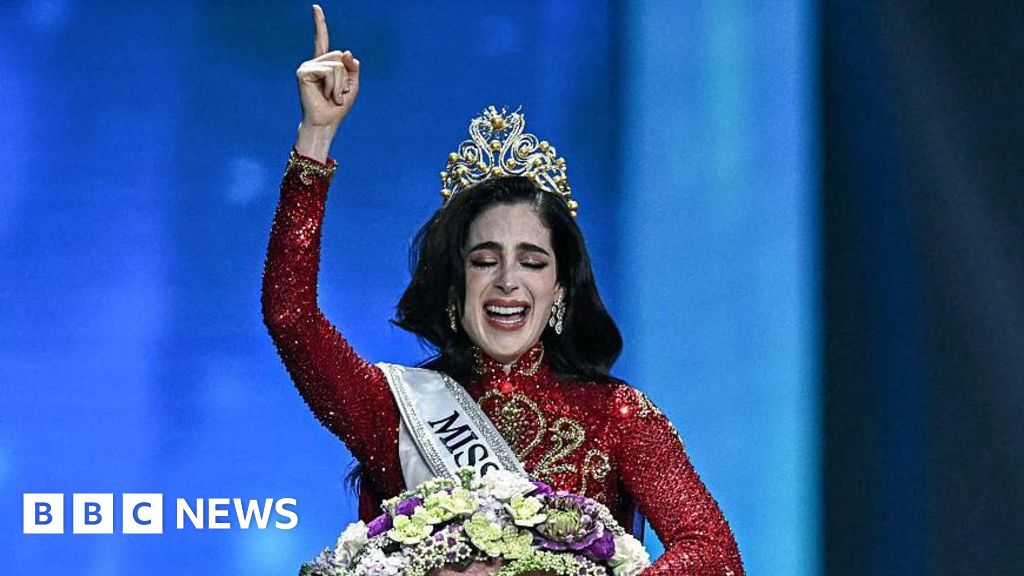
Mexico’s Fatima Bosch, snubbing organizers, takes home the crown

International Tensions Rise as Miss Universe Unravels Amid Cultural and Leadership Turmoil

In what was meant to be a celebration of beauty, resilience, and cultural diversity, the recent Miss Universe pageant in Bangkok has spiraled into a spectacle of controversy, exposing deep fissures within the organization’s leadership and the cultural divides that underpin its global outreach. The pageant, venerable and historically influential since its inception in 1952, has become a mirror reflecting the increasing tensions between traditional values and progressive ideology, with Thailand hosting for the fourth time amid internal chaos. Experts and analysts suggest that these upheavals are emblematic of a broader, more alarming trend: the clash of conflicting cultural identities and the fragility of global institutions in today’s geopolitically charged environment.

The drama unfurled dramatically during a pre-pageant event when Thai media mogul Nawat Itsaragrasil, who holds the licence to organize this year’s event, publicly berated Miss Mexico, Fatima Bosch, for failing to promote products on social media. This confrontation, witnessed by dozens of competitors, saw the organizer threaten disqualification, prompting a walkout from Ms. Bosch and her supporters. Such indignities cast a shadow over the organization, prompting swift condemnation from the Miss Universe organization based in the United States. The incident underscored a deeper crisis—an organizational identity crisis driven by conflicting cultural expectations. International observers, including scholars like Thitiphong Duangkhong, warn that the disrespect shown to contestants signals a disconnect between the Thai-led event and the global audience, many of whom view the pageant as an empowering platform for women rather than a spectacle of hierarchy and authority.

Adding fuel to the fire, allegations of rigging and biased judging surfaced when two judges resigned suddenly. Lebanese-French musician Omar Harfouch accused the judges of pre-selecting finalists, suggesting an undercurrent of corruption that threatens the credibility of the event. Although the Miss Universe Organization refused these claims, asserting their process remains fair, the damage was done. Meanwhile, the leadership remains fractured, with Anne Jakrajutatip, a Thai transgender media mogul who pioneered inclusivity policies, having stepped down as CEO just prior to the competition. Her departure, following the organization’s attempt to shift towards a more socially conscious yet commercially challenged model, highlights the digitized, commercialized era the pageant now finds itself in—a far cry from its glamourous, once-a-year TV spectacle. The leadership vacuum, split between Bangkok and Mexico, exposes the vulnerabilities of a brand struggling to navigate the tumultuous terrain of modern media, as noted by industry analysts.

The Geopolitical Impact and Social Consequences

These internal developments are far more than organizational gossip; they reverberate across the international stage. The controversies expose the susceptibility of cultural diplomacy, as the pageant’s African, Asian, and Latin American fans question the legitimacy and authenticity of a contest often seen as a reflection of Western beauty standards. The rise of social media influencers—many former Miss Universe queens—demonstrates a seismic shift in how societal influence is cultivated, transcending traditional pageantry. Meanwhile, the splintering leadership hints at a larger trend: the decline of institutions rooted in outdated notions of glamour, now vulnerable to the tides of activism, social justice movements, and digital advocacy.

Veteran analysts and historians cite that the Miss Universe pageant’s turbulent transition underscores the wider cultural war playing out in global narratives. As some critics argue, the Pageant’s attempt at inclusivity—allowing transgender women, married women, and contestants with children—marked a progressive milestone, yet also stoked backlash among conservative factions, especially in Latin America and parts of Southeast Asia. The ongoing instability invites parallels with other international institutions struggling to adapt amid geopolitical shifts, where traditional authority is challenged by populist movements and social activism, reminiscent of debates over multilateral treaties and cultural sovereignty. The core question remains: can such a fractured organization preserve its relevance and moral authority as the tide of history insists on redefining societal values?

The Future Echoes in the Shadows of History

As the dust settles over Bangkok, the question lingers—what is next for Miss Universe? Will it evolve into a media empire akin to the influencers who dominate TikTok and Instagram, or will it succumb to internal disarray and irrelevance? The decisions made in these critical moments will shape not only the future of the pageant but hint at the broader fate of global cultural icons caught between tradition and modernity. The echoes of history warn us: institutions built on fleeting notions of beauty and status are inherently fragile, especially when subjected to internal betrayals and external cultural clashes. The real story remains unwritten, a narrative of transformation that could either restore its dignity or consign it to the annals of history as yet another fallen symbol of a bygone era, leaving future generations to ponder whether it was the organization’s hubris or society’s shifting morals that doomed the pageant’s reign.”

Rising Stars Shine as Young Athletes Break Records at National Championships

2026 Draft Projections: A Shift in Talent

The landscape of college basketball is as unpredictable as ever, especially with injuries impacting the race to become the No. 1 pick in the upcoming 2026 NBA Draft. Experts are observing that early player injuries are shifting team priorities, leading to a potential reevaluation of scouting strategies heading into the first round. A recent analysis by noted commentator and former player, Jay Bilas, suggests that the current cohort might not be as guard-heavy as teams had initially anticipated.

Only two guards are projected to land in the top 10 of the draft, raising eyebrows among analysts and fans alike. The importance of versatile wings and bigs has resurfaced, reflecting a trend seen in previous drafts where teams focused heavily on size and athleticism. This year’s talent pool includes formidable forwards who possess the capability to dominate both offensively and defensively, with players like Marcus Stokes and Felix Green rising to the forefront as potential franchise players.

  • Marcus Stokes: A versatile forward with a strong defensive game.
  • Felix Green: Known for his exceptional scoring ability and athletic prowess.
  • Injuries to top-ranked guards have led teams to reconsider their draft strategies.

As the landscape continues to shift, teams are left to grapple with coexisting priorities—balancing immediate team needs against the drafting of long-term successors. “Every injury can change the year’s draft strategy for a franchise,” noted Coach Mike Krzyzewski, emphasizing the dynamic flexibility teams must adopt to thrive. The NBA draft is not only about securing talent but also about building a cohesive unit that fosters winning cultures.

In this shifting tapestry of college basketball, it is crucial to recognize that sports transcend mere statistics or individual accolades. They serve as a unifying force that has the power to uplift communities, rally fans, and inspire generations. As scouts evaluate prospects in preparation for 2026, one thing remains clear: the heart of sports lies not only within the scoreboard but also in the shared joy of the game itself, drawing people together in a celebration of athleticism and camaraderie.

Source link

Woman sentenced to 20 years for deadly attack on Aussie surfers and American in Mexico

The recent tragic murders of three international tourists in Baja California have sent shockwaves through global communities and ignited debates on security and geopolitical stability in the region. The victims—Australian brothers Jake and Callum Robinson, aged 30 and 33, and American Jack Carter Rhoad, 30—symbolize the increasing vulnerability faced by tourists crossing international borders, especially in areas plagued by organized crime. Mexican judicial authorities announced that Ary Gisell Silva, a 23-year-old woman, received a 20-year prison sentence for her direct involvement in instigating and participating in the robbery that ultimately led to their death. This heinous crime underscores a persistent issue: how uncontrolled criminal activity in border regions threatens international security and the reputation of Mexico as a tourist destination.

The geopolitical impact of this incident extends beyond the borders of Mexico. The tragedy intensifies a broader concern among Western nations regarding safety in their citizens’ travel zones, especially in regions bordering the United States. International organizations like the United Nations Office on Drugs and Crime have long warned about the proliferation of violence and organized crime in Mexico, which often spills over into neighboring countries. Analysts suggest that such violent outbreaks not only discourage tourism but also weaken diplomatic relations, prompting governments to reconsider their travel advisories and security cooperation strategies. These developments jeopardize economic and diplomatic ties, emphasizing that violence in regions like Baja California is not just a local issue but a matter of global concern.

Recent history documents a pattern of violence, with other foreign tourists falling victim to criminal activity in Mexico’s Pacific coast regions. In 2015, a notorious attack saw two Australian surfers, Dean Lucas and Adam Coleman, murdered and later burned in Sinaloa. Such incidents serve as stark warnings that criminal enterprises have entrenched themselves deeply within parts of Mexico, intentionally targeting tourists to promote fear and chaos. International observers argue that these recurring tragedies expose underlying geopolitical vulnerabilities and demand urgent action. International organizations and security analysts warn that unchecked violence fuels instability, with ramifications that could reverberate globally if coordinated efforts are not prioritized.

As authorities aim to bring justice for the victims, the broader challenge remains: protecting life and restoring confidence in regions marred by crime. The Mexican government faces mounting pressure to clamp down on organized crime and demonstrate its commitment to safety, not only for its citizens but for international visitors whose livelihoods and families depend on secure borders. Meanwhile, the incident underscores the importance of a strategic reassessment by global actors, emphasizing cooperation and intelligence-sharing to combat transnational criminal networks. The unfolding story leaves us pondering whether the tide can truly be turned or if this is only the beginning of a darker chapter that will reshape how nations view security and sovereignty in the 21st century. Ultimately, the weight of history presses heavily on the collective conscience, reminding us that the choices made today will profoundly influence the safety and stability of future generations.

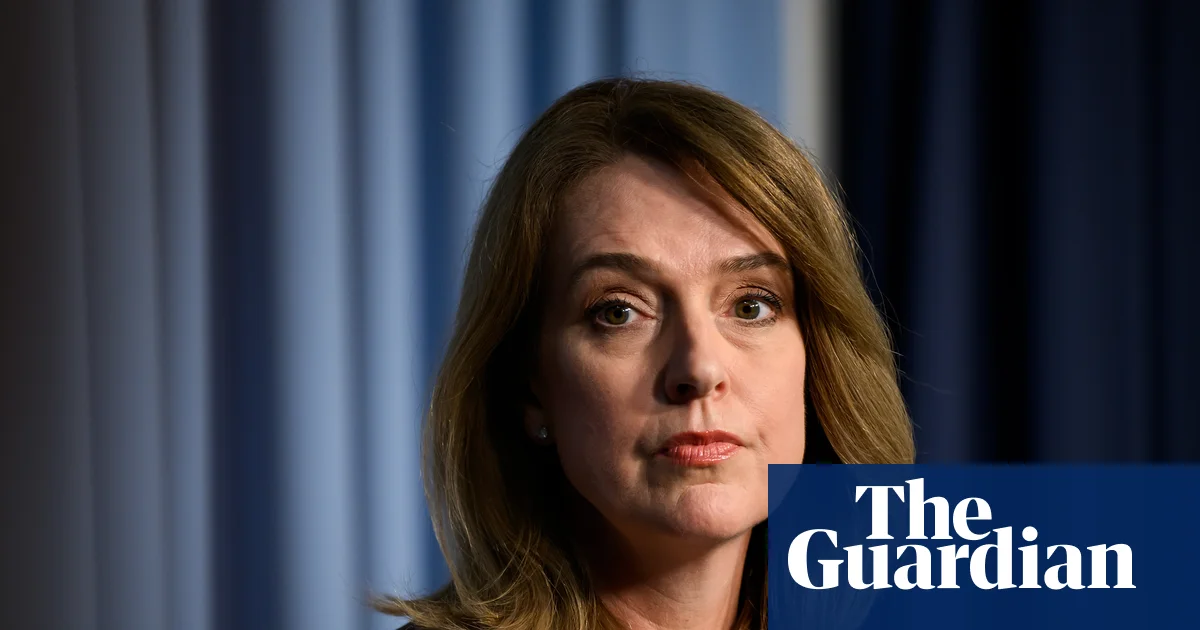
Kellie Sloane Crowned NSW Liberal Leader, Unchallenged — New Generation Takes Charge

Australia’s Political Landscape: A Power Shift with Global Implications

In a notable development that underscores the persistent volatility of Australian politics, New South Wales has recently marked a significant transition in its opposition leadership. Kellie Sloane, a prominent figure within the liberal party, has assumed the role of leader of the NSW Liberals amidst turbulent electoral times. Her ascension signals not only a strategic shift within local party dynamics but also embodies the broader ideological contest shaping Australia’s future on issues from economic management to energy policy. As the third woman to lead the NSW Liberals, Sloane’s approach emphasizes a pragmatic focus on cost-of-living concerns and structural reforms, signaling her intent to challenge the entrenched policies of the Minns Labor government.

Analysts suggest that Sloane’s leadership is poised to influence state-level policy decisions with regional and national impacts. Her emphasis on energy affordability—highlighted by her framing of the energy transition as a cost-of-living challenge—reflects a broader global debate about the balance between green reforms and economic stability. This issue resonates beyond Australia, impacting international energy markets, global supply chains, and climate change policies. Notably, her support from factional elders such as Nick Greiner and John Howard indicates a conservative, pro-business stance that could shape ongoing negotiations surrounding infrastructure investments and energy independence. Such decisions will ripple through regional economies, affecting urban development and societal wellbeing as Australia strives to remain competitive amid global shifts.

Nevertheless, Sloane faces internal and external headwinds, particularly regarding the controversial housing policy. Her cautious stance on high-density development contrasts with her predecessor, Mark Speakman, whose party’s embrace of transport-oriented development aligned with national trends towards urban consolidation. Sloane’s public declaration supporting specific projects like Woollahra station indicates her nuanced approach, but her hesitations suggest potential hurdles in navigating the complex interplay of local community interests, state infrastructure demands, and national housing initiatives. This internal division could influence broader regional strategies, as states contend with affordable housing shortages and the need for sustainable urban growth systems.

Perhaps most compelling is the geopolitical impact of Australia’s evolving political landscape, particularly in its relationships within the Indo-Pacific region. As the nation positions itself amidst rising regional tensions involving China and the United States, leadership decisions at the state and federal levels reverberate globally. Australia’s domestic policies on energy, defense, and diplomatic engagement do not exist in isolation; they influence alliances, regional stability, and its role as a key partner in international security. Historians and international think tanks warn that shifting political allegiances—especially with emerging conservative figures like Sloane—may redefine Australia’s strategic direction, impacting not only its immediate neighbors but the larger balance of power in what is increasingly becoming a contested Indo-Pacific.

As history continues to unfold on the southern continent, the story of Australia’s leadership—its choices, struggles, and alliances—remains a powerful testament to the enduring influence of national decisions on the geopolitical stage. What the future holds for this nation, perched at the crossroads of global currents, is ultimately written in the decisions made today, echoing through years to come with the weight of a nation’s destiny still being shaped in the crucible of history.

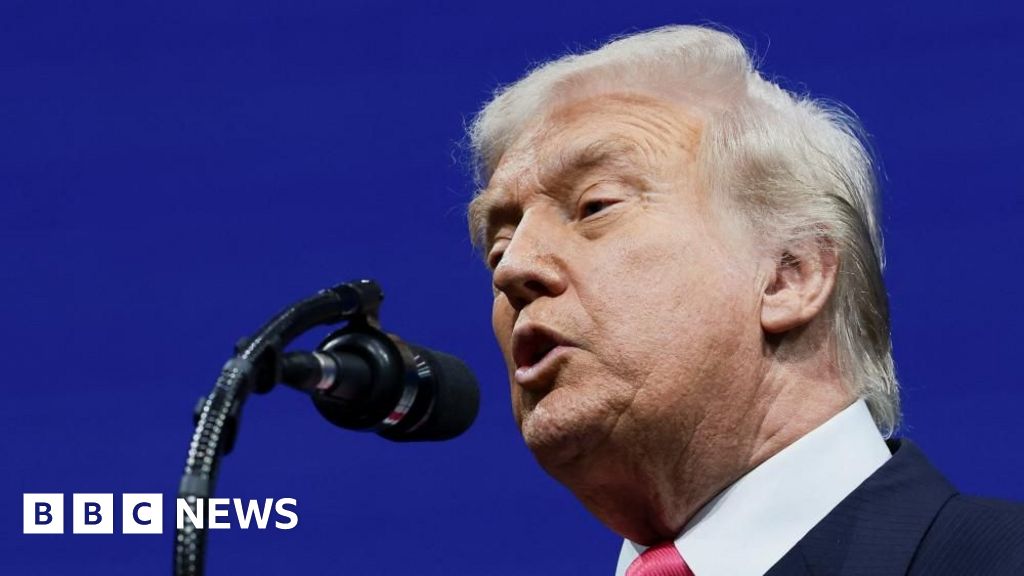
Trump signs bill demanding release of Epstein files to expose the truth

The United States has taken a monumental step in addressing one of its most controversial and secretive criminal investigations by finally signing legislation mandating the release of government files related to Jeffrey Epstein. This development marks a significant culmination of a months-long fight fueled by victims’ advocates, political pressure, and shifting public sentiment — and it signals a *turning point* in how the US approaches accountability for powerful elites.

  • President Donald Trump announced the signing of the law after initially opposing it, citing concerns over revealing sensitive information. However, mounting bipartisan pressure and vocal advocacy from victims’ families prompted a rare political reversal. The law requires the Attorney General to release documents—including investigation transcripts, flight logs, and communications—within 30 days, barring any that could jeopardize ongoing criminal cases or reveal victims’ identities. This act of transparency is hailed by many as vital to uncovering the scope of Epstein’s network and its potential ties to influential figures across politics, finance, and entertainment.
  • Amid this, Congress overwhelmingly supported the measure, with only one dissenting vote on the House floor, a testament to the bipartisan consensus that justice must be served regardless of the powerful people involved. Critics, including some legal experts and advocates, remain cautious, warning that significant redactions are imminent to protect victims’ privacy and national security interests. Nevertheless, this legislation advances the clamoring call for truth and transparency, challenging the concealed hierarchies that have long shielded the rich and powerful.”

Analysts and historians note that this move could reshape the geopolitical landscape, especially considering Epstein’s known associations with high-profile figures such as King Charles’ brother and former US presidents. The released files could potentially expose connections that threaten the public image of some of America’s most influential families and institutions, thereby impacting diplomatic and domestic stability. Internationally, this sets a precedent — pressing other nations to scrutinize their own elite networks and consider the long reach of transparency and justice.

Moreover, the geopolitical impact extends beyond Washington. Countries with longstanding ties to Epstein’s victims, or who suspect their own elites might be implicated, now face increased pressure to review internal affairs. The series of revelations could trigger diplomatic investigations, strained alliances, and policy debates rooted in transparency versus secrecy. International organizations, such as the United Nations or the European Union, are observing these developments closely, as the fight to reveal the truth intersects with broader debates on global accountability and human rights.

Ultimately, the story of Epstein embodies a deeper narrative of societal decay and the silent complicity of those who shield the status quo. As the files are finally subjected to public scrutiny, the tide of history begins a new chapter — one that may reveal uncomfortable truths about the interconnected web of power and depravity. The weight of this revelation underscores a fundamental question: how long can a society sustain its illusions of justice when the shadows of secrecy threaten to engulf the very foundations of democracy? The next few weeks will be pivotal, yet the echoes of this epoch-defining act will resonate through history, reminding us all that in the ongoing battle between transparency and concealment, the truth remains America’s most potent weapon.”

Social Media Auto Publish Powered By : XYZScripts.com