Matox News

Truth Over Trends, always!

Survey Warns Up to 50,000 UK Nurses May Quit Over Immigration Rules—A Wake-Up Call for Britain

The United Kingdom faces a seismic shift in its socio-political landscape as new immigration policies threaten to exacerbate the ongoing nursing crisis within the National Health Service (NHS). Recent research warns that up to 50,000 nurses could potentially leave the country if proposed measures are implemented, plunging the NHS into its most severe workforce shortage in history. This wave of potential departures underscores the precariousness of a system already strained under soaring demand and staffing deficits, as policymakers pursue a strategy aimed at reducing net migration. The plans, announced by the government, include extending the indefinite leave to remain (ILR) from five to ten years and increasing language and skill requirements for foreign workers, ostensibly to curb the influence of populist rhetoric led by figures like Nigel Farage and his Reform UK party. However, international observers and healthcare professionals warn that these policies will threaten patient safety and deepen the nation’s workforce crisis.

Significant geopolitical impact stems from these policy shifts, as the UK’s reliance on international talent is laid bare. Over 200,000 foreign nursing staff—roughly 25% of the NHS workforce—could see their futures destabilized by the new rules, with many contemplating outright departure. The Royal College of Nursing (RCN) has publicly condemned these measures as “immoral,” emphasizing their potential to cause irreparable harm to Britain’s healthcare system. According to analysts, the move reflects a broader reassertion of national sovereignty but at a cost: the loss of highly skilled migrant workers who have contributed significantly, especially during the COVID-19 pandemic. These nurses, many coming from nations such as the Philippines, India, and Eastern Europe, have become the backbone of Britain’s health services—yet they now face an uncertain future, with the proposed policies effectively penalizing those who have served amidst crises.

Experts such as global policy analysts warn that the decision to lengthen the ILR process and increase visa standards signifies a shift towards an inward-looking, protectionist approach that could have lasting ramifications. Historically, international migration has played a vital role in filling essential sectors in the UK, and leaders in international organizations caution that such restrictions threaten not just the NHS but the broader society. The increased fees for ILR applications—rising from £155 in 2003 to over £3,000—are seen as an economic barrier that disproportionately impacts the most vulnerable migrant workers and could further diminish the international workforce vital to Britain’s public services. As some healthcare leaders argue, these policies resemble a betrayal of those who sacrificed greatly during one of the most tumultuous periods in recent history, risking a hollowing out of the very fabric that has sustained Britain’s social safety net.

As the tension between sovereignty and globalization intensifies, the UK stands at a crossroads. Historians and international security analysts warn of ripple effects that extend well beyond healthcare, signaling a redefinition of Britain’s role on the world stage. The potential mass exodus of healthcare workers echoes past patterns where economic or policy uncertainty prompts mass migration—a phenomenon with tumultuous consequences for the societal cohesion and economic stability of the nation. In this unfolding chapter of history, the decisions made today will not only influence the lives of millions but will indelibly sculpt the narrative of Britain—an island once proud of its openness and now teetering on the edge of restrictive nationalism. The shadows cast by these choices whisper a warning from history: that the path toward fortified borders and diminished international collaboration could yet backfire, leaving scars that time may never fully heal, with the weight of this unfolding story continuing to unfold long into the uncertain future.

Monarch Tractor warns of layoffs and potential shutdown as they prep for tough times

Monarch Tractor Faces Uncertain Future Amidst Innovation Challenges

Autonomous vehicle startups continue to embody the disruptive spirit fueling the next wave of agricultural revolution. Monarch Tractor, a pioneer in electric, autonomous tractors, now finds itself at a critical crossroads. The startup has issued a warning to over 100 employees of potential layoffs and even shutdown risks, signaling a significant setback in America’s push to innovate farming through cutting-edge technology. This development underscores a broader trend: even promising ventures in high-stakes tech sectors are vulnerable to technical flaws, market misalignments, and shifting strategic visions.

Historically, autonomous machinery has been hailed as a game-changer, promising increased efficiency and sustainability in agriculture. Yet, Monarch’s recent struggles reveal a stark reality: the inherent difficulty of translating autonomous concepts into reliable, scalable products. A lawsuit from an early dealer alleges that Monarch’s tractors were “unable to operate autonomously”—a serious blow that threatens investor confidence and market legitimacy. Despite substantial backing and bold visions by founders like Tesla veteran Mark Schwager, the company’s technical shortcomings have cast shadows over its future prospects. Analysts at Gartner warn that such failures highlight the steep learning curve and the disruptive risks involved in deploying autonomous systems at scale.

In parallel, the company’s shift away from manufacturing hardware towards a SaaS-based model signals a strategic pivot tailored to leverage software-driven revenue streams. Monarch’s new focus aims at providing full-fledged autonomy as a service, which could open lucrative partnerships with OEMs and other industry stakeholders. This aligns with industry-wide trends toward software-powered disruption; companies like Tesla and Mobileye have demonstrated that the future of autonomous driving hinges on software sophistication and networked ecosystems rather than just hardware. However, as timing and execution remain unpredictable, the risk of a startup failure remains high, especially in a market that demands flawless reliability and rapid rollout.

  • Innovation in autonomous tractors faces technical hurdles that only the most resilient tech giants can overcome
  • Disruption through SaaS enables new revenue streams but requires robust consumer trust and scalable operational models
  • Market shifts favor integrated hardware-software solutions, yet consumer adoption remains cautious amid technical setbacks
  • Business implications include potential consolidation within agri-tech, with larger firms exploiting gaps left by struggling startups

As industry leaders like Elon Musk and Peter Thiel emphasize, the path to disruptive innovation is fraught with risks but also ripe with opportunities for firms willing to invest in breakthrough technology. With industry giants and startups competing fiercely in the autonomous landscape, the urgency for rapid, reliable, and scalable solutions has never been greater. The current turbulence at Monarch Tractor serves as a stark warning: only those capable of overcoming technical hurdles and redefining business models will survive the fierce disruption looming on the horizon.

Looking ahead, industry stakeholders must heed these signals. The race to dominate autonomous farming is far from over, but the window for breakthrough success narrows. Innovation cycles are compressing, and consumer expectations for safe, reliable autonomous systems continue to rise. Companies that can master this balance will set the foundation for the next decade of agricultural and industrial transformation, leaving no room for complacency in an intensely competitive landscape. The future belongs to those who understand that disruption demands relentless innovation, strategic agility, and the courage to evolve faster than the competition—because in the relentless march of technology, the winners are those who act now, or fall behind forever.

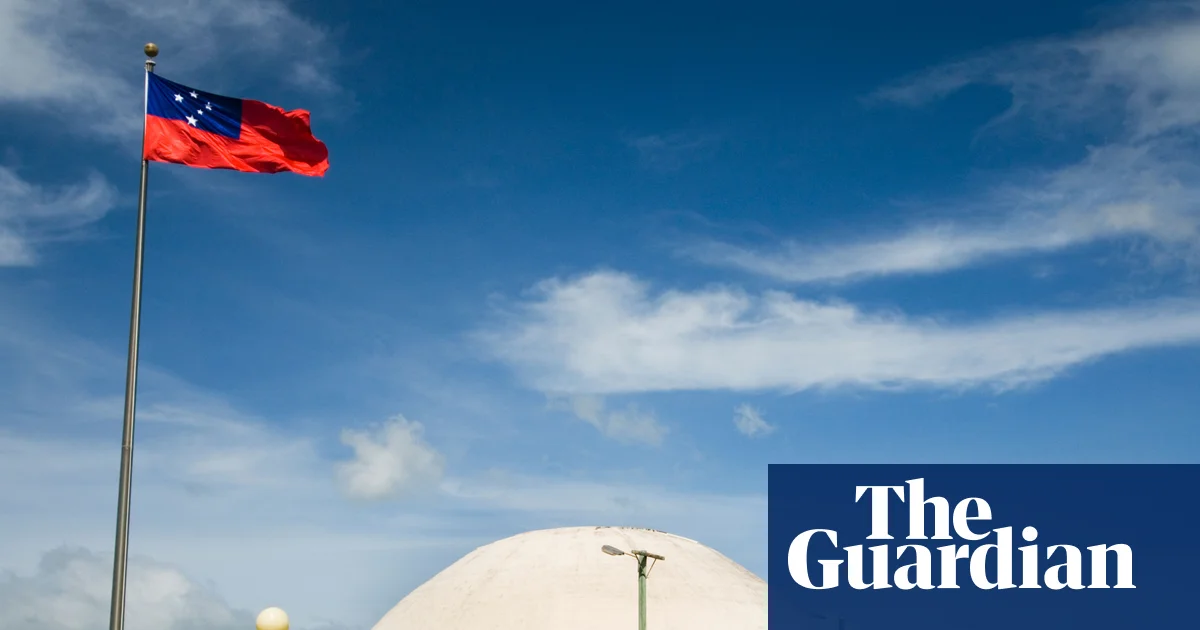
Samoa PM silences nation’s only daily in crackdown over coverage dispute

Samoa, often regarded as a model democracy within the Pacific region, now finds itself at a critical crossroads that could redefine its political landscape. The recent decision by Prime Minister La’aulialemalietoa Leuatea Polataivao Fosi Schmidt to ban Samoa’s only daily newspaper, the Samoa Observer, from attending press briefings signals a troubling shift towards authoritarianism cloaked as leadership. The move, reportedly in response to alleged inaccurate reporting during the prime minister’s medical absence in New Zealand, raises profound questions about how governments manipulate media to stifle accountability and transparency. Such actions serve as a stark warning to global observers: in the pursuit of consolidating power, democratic norms—particularly the freedom of the press—are under siege.

Historically, robust journalism has been the cornerstone of democratic governance, holding leaders accountable and providing citizens with vital information. In Samoa’s case, critics and international watchdogs, including the Pacific Freedom Forum, argue that this unprecedented ban is an effort to silence critical voices. Samoa’s government justifies the move by citing examples of alleged misinformation, yet many analysts contend that the timing reveals a calculated attempt at information control. The Samoa Observer’s editorial explicitly rejected the accusations, emphasizing its independence and commitment to public-interest journalism. Leaders and international observers warn that such restrictions threaten to weaken the very fabric of democracy, reinforcing a pattern seen in authoritarian-leaning regimes globally.

The ramifications extend beyond Samoa’s borders, influencing regional stability and international relations. Decisions to suppress media coverage can set dangerous precedents, emboldening other governments in the Pacific and beyond to crack down on press freedom. The Samoa Alliance of Media Practitioners for Development (Sampod), along with other regional bodies, highlighted the peril of undermining media independence. “Restricting access to critical scrutiny disarms citizens’ ability to hold leaders accountable,” explained Sampod’s representative, Lilomaiava Maina Vai. If unchecked, such measures risk normalizing hostility toward journalists, diluting democratic accountability, and fostering environments where dissent is considered a threat rather than a vital component of political discourse.

Outside Samoa, opposition figures have voiced their condemnation. Fiame Naomi Mata’afa, leader of the Samoa Uniting Party, and Tuilaepa Aiono Sailele Malielegaoi, former Prime Minister, both accused the government of attempting to suppress transparency. The controversy has ignited a debate about how leadership accountability is intertwined with media independence—an issue resonating throughout the Pacific region and many emerging democracies. As Samoa navigates this turbulent chapter, its internal struggles mirror a much larger narrative about the fragility of democratic institutions in a world where information has become the most potent currency.

The story remains unwritten, but the consequences are immediate and far-reaching. Samoa’s internal debate over press freedom exemplifies a pivotal question facing many nations in an era of misinformation and digital hostility: Can democracy survive when the very organizations meant to uphold truth are silenced? History will judge whether Samoa’s leaders recognize that true strength lies in transparency and accountability or continue down the path of silence and control. As the world watches, the echoes of this unfolding story serve as an urgent reminder: the battle for free information is the frontline in safeguarding the future of democracy, and its outcome may very well determine the legacy Samoa leaves behind in the annals of history.

Rising Stars Shine as High School Championships Kick Off: A New Era of Talent Unfolds!

Philadelphia 76ers Forward Kelly Oubre Jr. Faces Injury Setback

In a disappointing turn of events for the Philadelphia 76ers, forward Kelly Oubre Jr. has been diagnosed with a sprained ligament in his left knee, sidelining him for at least two weeks. The announcement came Wednesday night, raising concerns about the team’s depth and performance as they look to solidify their playoff positioning in the Eastern Conference. Coach Doc Rivers expressed his concern about the timing of Oubre’s injury, emphasizing the need for other players to step up during this critical stretch.

Oubre Jr., who has emerged as a crucial player for the 76ers this season, was averaging 18.5 points and 5.2 rebounds per game prior to the injury. His dynamic scoring ability and quick athleticism have provided the team with a much-needed offensive spark. Commentator Stephen A. Smith weighed in on the impact of Oubre’s absence, stating, “This is not just a loss of points; this is a loss of energy and momentum for a team trying to find stability.” This underscores the importance of his role as the 76ers navigate the challenges ahead.

As the 76ers prepare for upcoming matchups, including a crucial game against the Miami Heat, the team will need to find a way to compensate for Oubre’s void. The organization is looking to veteran players like James Harden and Joel Embiid to carry the load, while younger talents will need to rise to the occasion. Head Coach Rivers remains optimistic about his squad’s resilience, stating, “Injuries happen, but they also provide opportunities for growth. We have a deep bench, and I trust these guys.”

While statistics and standings certainly matter, the essence of sports extends beyond the scoreboard. The culture of teamwork, resilience, and unity remains a staple of participation in any athletic endeavor. Every time a player dons the jersey, they not only represent their team but also the hope and enthusiasm of fans everywhere. As the Philadelphia 76ers move forward in the absence of Kelly Oubre Jr., the challenge becomes more than just winning games; it is about coming together, carrying the torch for one another, and demonstrating that true strength lies in unity.

Source link

Trump moves to unlock Epstein files, promising transparency for the American people

Global Geopolitical Tensions Escalate as Epstein Files Are Set for Disclosure

In a move that has sent shockwaves through international politics and fueled debates about transparency, accountability, and deep-rooted corruption, United States President Donald Trump signed legislation requiring the Justice Department to release classified files linked to the sordid case of Jeffrey Epstein. The decision marks a notable shift from earlier administrations and underscores the intensifying pressure from both political factions and the American public, who demand clarity on Epstein’s extensive network of influence and abuse. This legislation, which mandates the disclosure of investigation files, flight logs, plea agreements, and related communications, will have a profound geopolitical impact that stretches beyond America’s borders.

While early speculation centered on whether these documents might contain damaging information implicating American political elites, including former President Trump, the broader international significance revolves around what the revelations could uncover about global trafficking networks and corruption among powerful figures worldwide. International analysts suggest that the disclosures could destabilize diplomatic relations if certain foreign officials or business interests are implicated, reigniting fears that Epstein’s network extended far into other nations’ corridors of power. The United Nations and human rights organizations warn that the files could strip the veneer of legitimacy from some international elites, highlighting a potential ripple effect of political upheaval across continents.

Historian and geopolitical analyst Dr. Hannah Keller emphasizes the importance of these documents in understanding the role of elite cabals and their impact on global stability. “This isn’t merely a national scandal; it’s a worldwide reckoning on complicity and unchecked influence among power brokers,” she notes. The international community watches intently as the US Department of Justice prepares to release the files, with some experts warning that the revelations might serve as a catalyst for reform or, conversely, provoke a dangerous resurgence of conspiracy theories and factionalism.

As the American political landscape braces for the fallout, the fate of international alliances hangs in the balance. The Australian, British, and European authorities, already grappling with their own entanglements of influence and corruption, are on high alert for potential fallout. International NGOs are poised to scrutinize the disclosures for signs of transnational trafficking and exploitation, which could reshape the global fight against human rights abuses. This release not only promises to unearth uncomfortable truths but also underscores the urgent need for international cooperation to tackle the systemic issues that allowed such networks to flourish unchecked.

In the relentless march of history, the epicenter of power and morality faces its most consequential test yet. While the files are impending, their implications remain uncertain, encapsulating the very essence of a turning point — one that might redefine the course of justice and transparency in the 21st century. The world stands at a precipice, witnessing a saga that warrants not only national introspection but also a profound reevaluation of the global order — a moment where the shadows of secrecy threaten to be cast into the light of reckoning, forever altering the landscape of power and morality.

Papua New Guinea disappointed as Australia pulls out of bid to host Cop31

In a development that underscores the geopolitical ripples of climate diplomacy, Australia has officially pulled out of its bid to co-host the upcoming United Nations Climate Conference (COP31), ceding the opportunity to Turkey. This decision marks a significant departure from Australia’s previous plans to position itself as a regional leader in climate action, especially in collaboration with Pacific island nations already on the frontlines of climate change. Such a move sends a *powerful message* about the current priorities of key global players: economic interests and national sovereignty still reign supreme in the face of mounting environmental crises.

Historically, the Pacific islands have been among the most vocal critics of international climate policies, arguing that COP summits frequently marginalize their voices while prioritizing the interests of major polluters. Leaders from nations like Tuvalu and Kiribati have long emphasized the existential threat that rising sea levels pose to their very existence. These nations hoped that co-hosting the summit, in partnership with Australia, would catalyze meaningful commitments and practical solutions. Instead, Australia’s retreat — driven by diplomatic friction with Turkey over hosting rights — exemplifies how geopolitical tensions can overshadow urgent climate needs. Critics, including prominent international analysts such as Dr. William Brown of the Global Climate Institute, warn that the decision reflects a broader reluctance among major Western nations to confront their larger carbon footprints and assume leadership.

Unity within the international community appears fragile as climate diplomacy becomes increasingly intertwined with geopolitics. As Australia steps back, the current plans have a *new compromise*: Turkey will host the summit, while Australia assumes a significant role in steering negotiations. This arrangement, brokered at recent talks in Brazil, highlights the shifting alliances and compromises that typify today’s climate diplomacy. Yet, the Pacific nations remain skeptical about the effectiveness of this compromise, with many questioning whether the international community is truly committed to addressing their plight or merely engaging in empty diplomatic gestures. These tensions reflect a *wider reckoning* about the effectiveness of COP summits; critics argue that the gatherings are more talk than action, often failing to deliver the tangible changes necessary for vulnerable populations.

Meanwhile, the geopolitical narrative is layered with economic and strategic considerations. Australia’s long-standing profits from fossil fuels, paired with political reluctance to face the climate implications of its resource exports, reveal a *conflict of interests* that complicates the pursuit of genuine climate justice. For small island nations, this reluctance is felt acutely; as one leader from Tuvalu remarked, the decision was evidence of “Australia’s non-commitment to climate justice.” Such disparities threaten to deepen divisions on the global stage, risking a future where the most vulnerable are left to fend for themselves amid the relentless advance of climate change. As history unfolds, the question remains whether the international community will prioritize real action or perpetuate the cycle of diplomatic theater, all while millions face the destructive consequences of a warming planet. With the weight of the future pressing down, the world stands on the brink, watching as the pages of history continue to be written in the shadows of political indifference.

Italy to Extradite Pipeline Blast Suspect to Germany—Justice on the Move

The Nord Stream pipelines, crucial maritime conduits carrying natural gas from Russia to Germany, have become a focal point of international contention following a clandestine attack in 2022. The pipelines, running beneath the Baltic Sea, have long symbolized the intertwined energy dependencies between Europe and Russia. Their sabotage not only disrupted European energy supplies but also ignited a fierce debate over who bears responsibility for undermining European stability and unity. Recently, Italy’s highest appeals court authorized the extradition of Serhiy Kuznetsov, a suspected Ukrainian national, to face charges of sabotage in Germany. This case exemplifies how individual acts, allegations, and international legal proceedings are now deeply enmeshed with broader geopolitical ramifications, pushing nations into complex alliances and divisions.

  • Italy’s top appeals court’s decision to extradite Serhiy Kuznetsov underscores the intensified scrutiny on Ukraine’s role in the pipeline attacks, which Kyiv has vehemently denied orchestrating. Prosecutors in Germany believe Kuznetsov, a former Ukrainian military officer, allegedly coordinated the operation, planting explosives deep beneath the Baltic Sea, an act believed to have potentially altered the trajectory of European energy politics. Though evidence remains classified, the implications for Ukrainian-German relations are profound, revealing the delicate balance between military aid support and accusations of offensive covert actions.
  • Simultaneously, a second Ukrainian suspect, Volodymyr Zhuravlyov, was detained near Warsaw, only to be released by Polish courts which saw his actions as a form of legitimate self-defense amid Russia’s ongoing, brutal invasion of Ukraine. His case highlights contrasting perceptions: some nations view Ukrainian involvement in sabotage as justified resistance, while others see it as an escalation of conflict.

How international decisions and legal proceedings shape geopolitical landscapes

As analysts and history scholars observe, the indictment and extradition of Kuznetsov mark an escalation in how the West perceives and politically navigates the Ukraine crisis. Critics argue that such cases are used to intensify diplomatic pressure on Ukraine and its Western allies, predominantly Germany, which is among Kyiv’s most significant supporters. The narrative surrounding the attack on Nord Stream has become a symbol of the broader struggle between Western interests and Russian influence. Meanwhile, international organizations warn that this legal confrontation could further fracture European unity at a critical juncture, especially as Russia continues its strategic influence campaigns in the region.

The decision to extradite Kuznetsov, viewed by supporters as a step towards justice, is criticized by many Ukrainians and their advocates who see the attack as a hero’s deed to destabilize Russian economic power—an act they celebrate. Yet, other nations worry about the precedent it sets: the criminalization of acts of resistance, which could spiral into wider conflicts or arbitrary prosecutions. The fate of this case remains uncertain, but its repercussions extend far beyond Italy or Germany, emphasizing how individual acts of sabotage now carry the weight of international diplomacy.

As history continues to unfold, the battle over truth and justice in the Nord Stream case underscores a reality where every decision echoes through the corridors of power, affecting societies and the course of nations. In a world teetering on the edge of new alliances and confrontations, it is clear that the recent actions are not just about pipelines or legal technicalities but about the extreme stakes of global influence. The penultimate chapter remains unwritten, and the weight of history presses heavily upon the shoulders of the current generation—witnesses to a pivotal moment where the future of European stability, and perhaps the entire continent’s destiny, hangs perilously in the balance.

Nvidia’s AI GPUs fly off the shelves as data center spending surges $10B in Q1

Nvidia Sets New Standard in AI and Data Center Markets with Record-Breaking Q3 2026 Earnings

Nvidia has once again disrupted the technology landscape, signaling a new era of AI dominance and industry transformation. The company’s Q3 2026 earnings report shattered previous records, with revenues reaching a staggering $57 billion—a historical high that highlights the relentless growth of AI infrastructure and digital economy sectors. The firm’s profit margins are equally impressive, clocking roughly $4,000 in pure profit per second. Central to this surge is a $10 billion growth in the data center segment, which alone amassed an unprecedented $51.2 billion—an increase of 66% compared to the same period last year. This explosive figure positions Nvidia as a clear bellwether for the so-called ‘AI bubble’, with industry analysts scrutinizing its trajectory amid widespread hype.

The market implications of this surge are profound, especially considering industry-wide skepticism about sustainability. Despite warnings of potential market correction from institutions such as Gartner and various industry analysts, Nvidia’s Q4 2026 outlook anticipates a revenue of $65 billion—an $8 billion increase over the previous quarter. CEO Jensen Huang emphasizes that Blackwell Ultra chips are now leading every segment, with demand at an all-time high. “Blackwell sales are off the charts, and cloud GPUs are sold out,” Huang reports, signaling an unprecedented supply chain squeeze driven by hyperactive enterprise adoption of AI solutions.

The growth isn’t limited to the data center market alone. Nvidia’s gaming division also saw a 30% increase in revenue year-over-year, demonstrating that consumer markets remain integral to its overall ecosystem. The launch of Blackwell gaming chips—despite some mixed reviews of the RTX 50-series GPUs earlier this year—has found its footing again, driven by a rising global appetite for high-performance gaming experiences. This dual success in both enterprise and consumer segments exemplifies Nvidia’s strategic positioning as a disruptor across the entire AI ecosystem.

The innovations Nvidia is advancing are setting a new standard for the industry, pushing rivals and startups alike to innovate faster or risk obsolescence. Experts at MIT and industry veterans like Elon Musk and Peter Thiel highlight that such explosive growth could catalyze a wave of disruption across traditional sectors—including cloud computing, automotive, and robotics. As the technological frontier shifts rapidly, businesses must adapt swiftly to leverage these advancements or face being left behind. Nvidia’s trajectory suggests we are on the cusp of a fundamental transformation, demanding urgent strategic realignment from industry leaders. The future belongs to those who recognize that in this era of AI-driven disruption, timing and innovation are everything.

Israeli strikes hit Gaza, killing 25 Palestinians—health officials report

Gaza Crisis Reignites as Violence Escalates

The Gaza Strip has once again become a battleground after recent Israeli strikes resulted in the deaths of at least 25 Palestinians. The Hamas-run health ministry reports that the devastation has struck multiple locations across Gaza, with a particularly tragic attack on a religious endowments building in the eastern Zeitoun neighbourhood, which claimed ten lives, including a woman and a young girl. The strikes, which involved air, drone, and artillery fire, mark a stark escalation in violence after days of relative calm. As images of rubble and fallen children circulate worldwide, the international community faces the grim reality that the ongoing conflict is far from over.

According to Hamas, the escalation was triggered when Israeli forces responded to gunfire from militants in Khan Younis, a southern city where Israel accuses militants of violating the five-week ceasefire agreement. The Israeli military justified its actions by claiming it struck “Hamas terrorist targets,” targeting commanders within the terror organization’s military wing, the Izz al-Din al-Qassam Brigades. Yet, the geopolitical impact of this renewed violence extends beyond Gaza, threatening to destabilize a fragile regional situation. Analysts warn that the cycle of retaliation risks engulfing neighboring states and complicates prospects for a lasting peace agreement. The international community, led by the United Nations, remains divided—while some members endorse specific peace initiatives, others warn that ongoing violence only deepens the already entrenched divisions.

In the wake of this violence, the United Nations Security Council passed a resolution aimed at stabilizing the region. This resolution endorses US President Donald Trump’s recent Gaza peace plan, which envisions the creation of a transitional governance body called the Board of Peace and a temporary International Stabilisation Force. The proclaimed goal is to “demilitarize the Gaza Strip” and pave the way for peace. President Trump hailed the resolution as “a moment of true historic proportion”, framing it as a breakthrough. However, Hamas remains resolute, emphasizing that it will only relinquish its weapons if a Palestinian state is established, framing the conflict as a legitimate act of “resistance” against occupation. Meanwhile, Israel’s ambassador to the UN warns that disarmament is non-negotiable, promising that Israel “will not stop or let up” until Hamas is disarmed entirely. The ongoing hostilities underscore how decisions made in international corridors can have real, devastating consequences on the ground.

The recent flare-up comes against a backdrop of profound loss: over 69,500 lives have been lost in Gaza since the Israeli offensive began, with hundreds more killed in the recent ceasefire period. The Israeli response was triggered by the Hamas-led attack on southern Israel that resulted in approximately 1,200 deaths and over 250 individuals taken hostage. These events underscore the deep-rooted hostility and unresolved grievances that continue to fuel violence. How history judges these decisions—whether as necessary defense or unjust escalation—will shape the future of the region and its people for decades to come.

As the conflict in Gaza persists, the weight of history presses heavily on the present, with each new escalation threatening to plunge the region into yet another cycle of destruction. With global powers divided and regional actors entrenched, the international community faces an urgent choice: pursue diplomatic pathways to peace or witness the ongoing tragedy unfold, chapter by chapter. The unfolding story—the fight for sovereignty, survival, and security—reminds the world that history remains unfinished, and the decisions of today will ripple through generations to come.

MP Slams Microsoft for Ripping Off NHS — Calls for UK Firms to Take Over

In an era where digital infrastructure is becoming the backbone of society, the growing reliance on U.S.-based technology giants like Microsoft raises profound social concerns within the communities and institutions of the United Kingdom. Recent parliamentary discussions have spotlighted how these multinational corporations, through multi-billion-pound contracts, have entrenched themselves within the very fabric of public services—most notably in the NHS. Allegations from members of Parliament suggest a disturbing pattern of monopoly power, where these corporations are accused of exploiting public funds for profit, thereby compromising the principles of sociotechnical sovereignty that should underpin a nation’s digital future. Such dependence not only drains taxpayer resources but also erodes public trust in the institutions meant to serve the people, affecting families, educators, and community safety alike.

Key figures such as Samantha Niblett, a Labour MP and former technology professional, have vividly criticized these arrangements, suggesting that corporations like Microsoft have “ripped off” the NHS through contracts that lock the public sector into overpriced, outdated systems. For example, the Department of Food and Rural Affairs’ renewal of Windows 10, now obsolete, demonstrates how entrenched reliance on foreign technology can lead to increased costs—resources that could otherwise be invested in community health, education, or social welfare. This phenomenon reflects a broader social tension: the loss of local control and the risk of dependency on entities outside national borders, which can destabilize communal resilience and threaten the moral fabric of society. Historian and social theorist Richard Wolin notes that such digital dependencies threaten to transform citizens into passive consumers rather than active participants in society, worsening social fragmentation and inequality.

Furthermore, the government’s pattern of awarding contracts to large U.S. technology providers—such as OpenAI, Google, and Anthropic—raises urgent questions about demographic shifts and the future of domestic innovation. Critics argue that these deals inhibit the growth of local tech industries, restricting opportunities for small, indigenous companies to develop and thrive. This situation not only hampers economic diversification but also impacts families and communities who rely on local employment and technological sovereignty. As MP Emily Middleton pointed out, the vast expenditure—around £1 billion annually—does not reflect value for money; instead, it illustrates a troubling pattern of complacency where the UK becomes a mere market for US digital giants, rather than a nation cultivating its own technological talents. Such reliance can deepen societal divisions, alienate communities from the digital tools designed to serve them, and undermine the shared trust necessary for social cohesion.

In response, parliamentarians like Murray emphasize the need to build sovereign tech capacity by fostering local innovation and streamlining procurement processes to make them more inclusive. This approach calls for societal and educational reforms aimed at empowering youth and future generations to participate actively in a digital economy rooted in national interests rather than foreign monopolies. As social commentator Dr. Susan B. Carle has argued, fostering a “culture of independence” in technological development is essential to nurturing the moral and civic virtues of a self-reliant society. Fundamentally, societal progress depends on our collective ability to reflect on these challenges—how social issues intertwine with technological dependence—and to envision a future where families and communities are not just consumers of technology but architects of their own digital destinies. Society must navigate the tension between technological advancement and moral sovereignty, lest we allow our shared future to be dictated by corporate interests rather than by the principles that uphold a free and resilient society.

Social Media Auto Publish Powered By : XYZScripts.com