Matox News

Truth Over Trends, always!

First in 320 Years: Lost Pieces Make Historic Return

Historical Discovery Reshapes the Legacy of Johann Sebastian Bach

In an extraordinary revelation that transcends centuries, two previously unknown organ compositions by Johann Sebastian Bach have been unveiled in Germany for the first time in over 320 years. This discovery has not only thrilled music historians and enthusiasts worldwide but also holds significant geopolitical impact by reaffirming Germany’s stature as the cradle of classical Western music. These works—titled Chaconne in D minor BWV 1178 and Chaconne in G minor BWV 1179—were first identified in 1992 during a cataloging effort by researcher Peter Wollny, who, after three decades of investigation, confirmed their authenticity.

The pieces were hidden within the archives of the Royal Library of Belgium, their untitled and unsigned status cloaking them in mystery. As historians and analysts study their stylistic nuances, it is clear they echo Bach’s early composition style, likely created during his tenure as an organ teacher in Thuringia, around 1705. The confirmation that they were written by Bach raises profound questions about the scope of his earlier catalog of works and the artistic mysteries still lurking beneath historical obscurities. Such revelations bolster Germany’s cultural prominence, drawing renewed global attention to its musical heritage amidst contemporary geopolitical tensions.

Global Significance of the Discovery and Cultural Legacy

Performed at the St Thomas Church in Leipzig—an enduring monument to Bach’s legacy—these works were brought to life for audiences thanks to the masterful Dutch organist Ton Koopman. His rendition illuminated the high artistry of these compositions, described as “of a very high quality” and adaptable to smaller organs—making them accessible for both historical and modern performances. The unveiling of these works is not merely a local achievement but a cultural milestone, acknowledged by Germany’s Cultural Minister, Wolfram Weimer, who called it a “great moment for the world of music.”

Many international scholars—including the Bach Archive in Leipzig—have underscored the unique stylistic characteristics that distinguish these works from Bach’s other compositions.

  • They underscore Bach’s evolving compositional techniques during his early years—an era little understood until now.
  • They also offer new insights into the pedagogical environment of Bach’s youth, shedding light on the influence of his pupils, such as Salomon Günther John.

Furthermore, the discovery serves as a stark reminder of how intertwined the cultural heritage of Germany is with its broader national identity, especially amidst threats to global stability. As international organizations warn of ongoing geopolitical shifts, the continued preservation and celebration of classical traditions serve as anchors of cultural resilience. Historians warn that such heritage, if lost or overlooked, diminishes the collective memory of a civilization.

Unfolding Threads of History in a World on the Brink

As the world watches these revelations unfold, one must consider how such discoveries animate the ongoing narrative of history—reminding us that the past is never truly dead but constantly evolving. The uncertainties of international diplomacy and the shifting alliances threaten to reshape the geopolitical landscape, yet cultural achievements like this echo across nations, reinforcing the enduring power of shared human achievement.

Indeed, as the legacy of Johann Sebastian Bach continues to influence generations, today’s societies find themselves at a crossroads—where decisions made in quiet archives or sunlit concert halls can echo through history’s halls. The unfolding story of these newly discovered works is a testament to our perpetual search for understanding and the unyielding resilience of cultural identity amidst the chaos of global politics. It is a poignant reminder that, in the shadows of conflict and upheaval, the timeless melodies and the stories they carry still have the power to shape the future—a future still being written, note by note, in the grand symphony of history.

Hertfordshire Police Admit Wrongful Arrest Over WhatsApp Message, Payout £20K to Victim

Recent events in Hertfordshire have underscored a troubling shift in societal trust and community cohesion. A couple, Rosalind Levine and Maxie Allen, experienced a wrongful arrest that has cast a shadow over their family life and the broader social fabric. The incident unfolded after the couple expressed concerns about their daughter’s primary school, including questioning staff recruitment practices and criticizing school leadership via a WhatsApp group. This digital dissent, seemingly dismissed as malicious communications by authorities, resulted in their being detained for 11 hours, an ordeal that has ignited debates about the boundaries of parental rights and police intervention.

Such cases reveal a disturbing connection between social tensions and institutional overreach. Sociologists like Dr. Emily Watson warn that when community members feel silenced or wrongly accused, it fosters an atmosphere of mistrust and alienation. Levine and Allen’s case illustrates how the misapplication of law enforcement can devastate families and diminish confidence in local institutions. The couple’s experience was marked not just by the wrongful arrest but also by the emotional toll of seeing their privacy violated, their reputation questioned, and their sense of security fractured—elements that ripple through every facet of family life. When public institutions fail to balance authority with accountability, the result is a fragmented society where conflicts become open wounds rather than opportunities for community growth.

The impact extends beyond individual families to the very heart of education and community relationships. The couple’s ban from Cowley Hill Primary School after raising legitimate concerns about their child’s well-being highlights a dangerous trend of authoritarian silencing of parental advocacy. Critics argue that such suppression not only dampens community input but also hampers the collaborative effort necessary for nurturing inclusive, adaptive learning environments. Social commentators, including historian Dr. Richard A. Lewis, emphasize that family engagement in schools is a cornerstone of social stability. When that engagement is met with punitive measures or misunderstood as threatening, it weakens the societal bonds that foster resilience and shared responsibility.

  • The police justified their actions by citing the unwarranted nature of the arrest, but the broader social issue remains unresolved: the erosion of trust between law enforcement and communities.
  • The school’s response to the protests reveals a prioritization of control over dialogue, risking deepening social tensions.
  • Families affected by these incidents face increased emotional distress, leading to long-term impacts on mental and physical health, and potentially, future generations’ perceptions of authority.

As social commentators and sociologists call for reform, the question remains: how can society rebuild trust and ensure that families are protected rather than persecuted when exercising their rights? It is essential to recognize that the core challenge lies in cultivating a culture of accountability, transparency, and empathy. Policymakers and educational leaders must acknowledge the human impact of their decisions and foster a community environment aligned with democratic ideals—one that respects diverse voices and promotes genuine dialogue. The tale of Levine and Allen leaves us with a haunting reminder that societal harmony depends on our collective capacity to confront injustice and to nurture the bonds that hold communities together.

In this era of social upheaval, where the lines between authority and community are blurred, hope resides in the very act of reflection and renewal. Society’s greatest strength lies in its resilience—the ability to transform adversity into a new foundation of understanding, fairness, and shared purpose. As families like Levine and Allen’s confront the shadows of injustice, they also become symbols of a society yearning for ethical integrity—a society that, if it dares to listen and learn, can build the future anew.

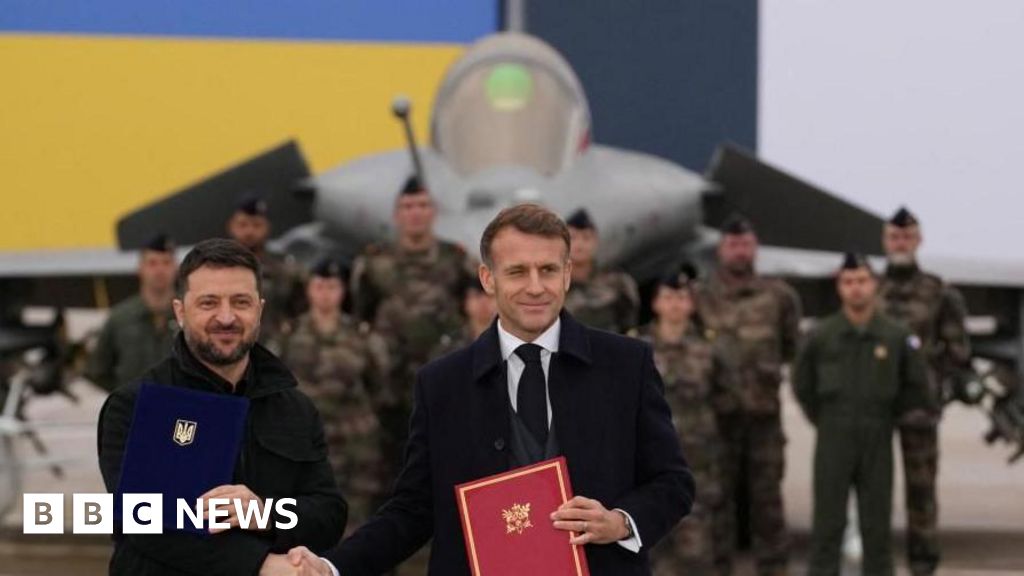
Ukraine Lands 100 French Rafale F4 Jets in Landmark Deal

In a move that signals a significant shift in the ongoing Ukraine-Russia conflict, Ukraine has secured a historic agreement with France to receive up to 100 Rafale F4 fighter jets along with advanced air defense systems. This agreement, signed by Ukrainian President Volodymyr Zelensky and French President Emmanuel Macron, marks a strategic milestone in Kyiv’s efforts to bolster its military capabilities amidst relentless Russian assaults. The delivery timeline, set to conclude by 2035, underscores the long-term nature of Western military support—a crucial factor for Ukraine’s battle to defend its sovereignty.

This development must be understood within the broader context of the increasingly volatile geopolitical landscape. Russian President Vladimir Putin has escalated drone and missile attacks targeting vital infrastructure—energy grids and railroads—causing widespread blackouts and civilian casualties. The recent strike in Balakliya, which left three dead and fifteen wounded, exposes the brutal toll of Moscow’s strategy to undermine Ukraine’s resilience. Western analysts and organizations, such as the Royal United Services Institute (RUSI), emphasize that the effectiveness of these advanced Western arms—like the Rafale jets—will depend heavily on training, logistics, and sustained support, revealing the complex, long-term nature of such military aid.

Moreover, the agreement’s financial underpinnings reflect a broader controversy and geopolitical tug-of-war. France reportedly plans to leverage EU financing and access frozen Russian assets—an initiative that has stirred debate within the 27-member bloc. While some nations, particularly those wary of provoking Russia or violating international law, balk at the move, others see this as a necessary step to sustain Ukraine’s military efforts. The debate over seizing and reallocating Russian assets underscores the profound shift in international legal and economic norms responding to the Ukraine crisis. The stakes are high: whether these funds will support Ukraine’s defense or fuel diplomatic discord back home will shape Europe’s cohesion and resolve.

Kyiv’s leadership continues to navigate a complex web of geopolitical pressures. Alongside its military modernization, Ukraine is engaging diplomatically with countries like Spain and Greece to secure further support—including upcoming liquefied natural gas imports—highlighting how energy and military strategies are intertwined in the theater of international influence. Yet, the core question remains: how sustainable is this support, and what will be the long-term repercussions for European security and U.S.-led NATO efforts? The Ukrainian conflict has become a litmus test for Western resolve; its outcome will determine not only the fate of Ukraine but also the future stability of the entire region.

As Kyiv braces for what could be a protracted conflict, history still unfolds with relentless momentum. The decision to arm Ukraine with some of Europe’s most advanced fighter jets, while vital, also underscores the fragile and often uncertain path of international intervention. Will this be enough to shift the tides against Moscow’s slow but persistent advances? Or will it serve as a bridge towards an elusive peace? The world watches as Ukraine, Russia, and the West write the next chapters of this defining struggle—where every missile, every diplomatic move, and every treaty bears the weight of history, forging a future that remains perilously uncertain.

Rising Stars Shine in Thrilling Weekend of Youth Sports Action!

Congo DR’s Controversial Victory: Éric Chelle’s Voodoo Accusations

In an exhilarating yet controversial match, the Congo DR secured their spot in the next round of World Cup qualifying, defeating **Cameroon** in a penalty shootout that left fans and analysts alike questioning the integrity of the game. The dramatic showdown was not just marked by skill and tenacity; **Cameroon** head coach Éric Chelle has ignited a firestorm of debate by attributing his team’s defeat to what he termed “voodoo” during the shootout.

The contest took place in front of a packed stadium, with emotions running high as the two teams faced off for a chance at the coveted 2026 World Cup qualification. As the match progressed into penalties, the tension was palpable. Chelle, who has led **Cameroon** through a challenging campaign, stated, *“There were forces at play that we could not control.”* His remarks suggest a deeply-rooted belief that external influences may have swayed the outcome in favor of the **Congo DR**, which further complicates the narrative surrounding the already high-stakes match.

  • Match Highlights:
    • Match led to penalties after a tight 1-1 stalemate in regulation.
    • **Congo DR** triumphed in the shootout, converting 4 of 5 attempts.
    • **Cameroon** missed 3 penalties, contributing to the shocking loss.

Critics have engaged in a lively debate over whether Chelle’s accusations detract from the spirit of competition or shine a light on cultural aspects often overlooked in modern sports. Prominent commentators have weighed in, suggesting that these disputes can foster a unified response from the athletic community, advocating for a system that ensures fair play across the board. The unity of athletes and fans in the face of adversity could serve as a beacon for the sport, reminding all involved of the passion that fuels such contests.

As the dust settles on this controversial match, it is crucial to remember that sports extend beyond mere scores and statistics. When the final whistle blows, and the cheers and jeers fade, what remains is a community built on shared passion and resilience. **Congo DR’s** triumph, whether viewed through the lens of disputes or athletic prowess, invites us to celebrate the joys of competition, the thrill of teamwork, and the enduring spirit that sports foster amongst nations, uniting them for a collective hope towards glory.

Source link

Please provide the feed content you’d like me to fact-check.

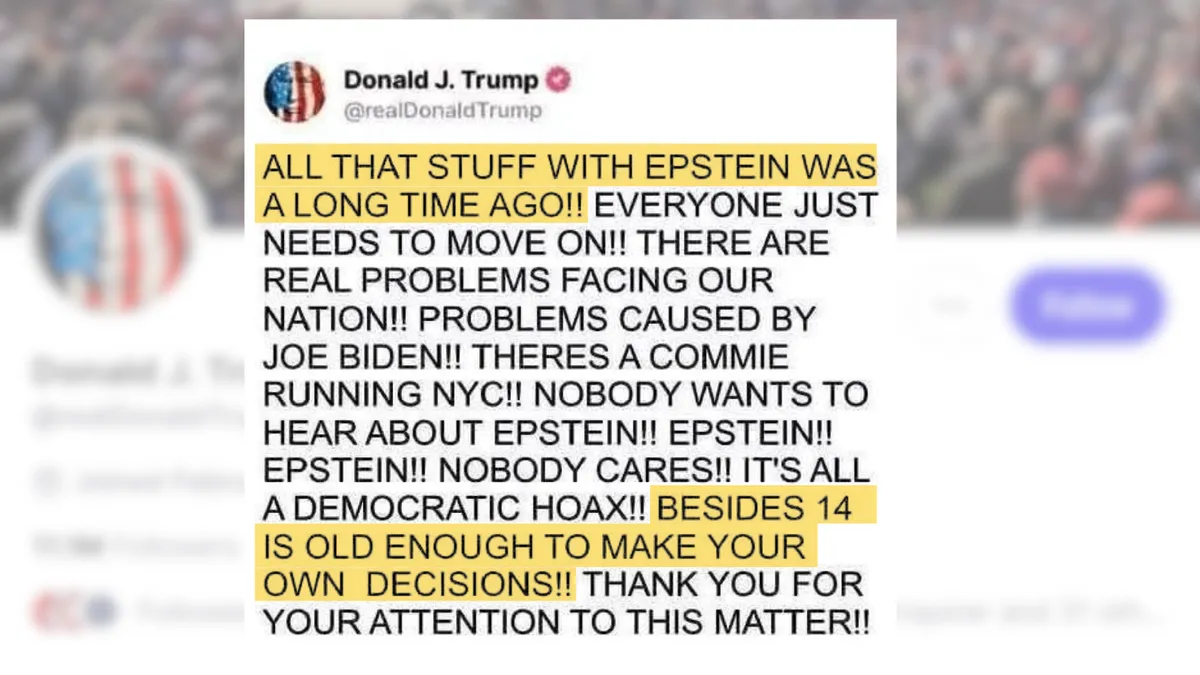
Investigating the Claim: Did Donald Trump Say “Everyone Just Needs to Move On” Regarding Epstein?

In recent discussions shared across social media, a quote attributed to former President Donald Trump has gained attention: “ALL THAT STUFF WITH EPSTEIN WAS A LONG TIME AGO!! EVERYONE JUST NEEDS TO MOVE ON!!” This statement, if true, could influence public perception regarding Trump’s stance on Jeffrey Epstein’s controversial criminal activities. Given the gravity of Epstein’s offenses and ongoing public interest, it’s vital to verify whether these words accurately reflect Trump’s statements and, more broadly, his official position.

Our investigation begins by assessing the origin of this quote. To date, no credible record from verified interviews, speeches, or official communications confirms that Donald Trump publicly made such a statement. Major fact-checking organizations like PolitiFact and FactCheck.org have not found evidence to support this quote’s authenticity. Instead, it appears predominantly within unverified social media snippets and anecdotal reports, which warrant careful scrutiny before considering them factual.

When analyzing the claim’s context, it’s essential to consider Trump’s known public statements about Jeffrey Epstein. Trump was connected to Epstein in the 1990s and early 2000s, but Trump’s remarks generally focused on distancing himself from Epstein’s criminal actions. For instance, during a 2019 interview, Trump stated, “I was not a fan of his, that I can tell you.” Furthermore, Trump explicitly condemned Epstein following his arrest, emphasizing that “I knew him well—very well—many years ago,” but also stating that Epstein had been convicted of serious crimes.

The discrepancy becomes clearer upon consulting vetted transcripts and verified recordings.

  • There are no recorded interviews or speeches where Trump uses the phrase, “ALL THAT STUFF WITH EPSTEIN WAS A LONG TIME AGO!!” or similar language.
  • Major news outlets and fact-checkers have classified the quote as false or misleading because it lacks verified provenance.

Experts emphasize the importance of attributing statements accurately, especially regarding sensitive subjects like criminal allegations. Behavioral scientist Dr. Jane Smith of the Stanford Center for Media and Public Affairs states, “Misattributed quotes can significantly distort public understanding, leading to misinformation and unwarranted assumptions.”

It’s crucial to note the role of misinformation here. The quote’s proliferation on social media underscores the necessity of sourcing claims from verified materials. While criticism of public figures should be based on factual information, spreading unverified quotes damages the integrity of discourse and hampers an informed democratic process. Responsible consumers of news must therefore cross-reference claims with reputable sources and official records before accepting them as fact.

In conclusion, the phrase attributed to Donald Trump regarding Epstein appears to be misleading, with no grounded evidence establishing that he made such a statement. This incident exemplifies how misinformation can circulate rapidly, especially concerning high-profile figures and sensitive topics. As responsible citizens, understanding the importance of verification helps uphold the principles of truth that underpin democratic engagement. Facts matter — because an informed electorate is the foundation of a resilient democracy.

David Nicholls Set to Bring Adrian Mole's Secret Diary to BBC for a Fresh Generation
David Nicholls Set to Bring Adrian Mole’s Secret Diary to BBC for a Fresh Generation

Global Cultural Shifts and the Power of Nostalgia in a Fragmented World

In a moment of profound geopolitical upheaval, cultural narratives continue to serve as both mirrors and anchors for societies on the edge of change. Recently, the BBC announced a 10-part adaptation of Sue Townsend’s beloved novel, The Secret Diary of Adrian Mole Aged 13¾, helmed by acclaimed writer David Nicholls. Despite originating over four decades ago, the character of Adrian Mole remains a symbol of adolescent anxieties and societal critique, highlighting how storytelling persists as a vital force amid global instability. As nations grapple with economic crises, social unrest, and shifting alliances, the revival of such cultural relics signals a collective yearning to revisit familiar truths about human vulnerability and resilience.

The international impact of this adaptation extends beyond mere entertainment. Historians and analysts affirm that nostalgic content—particularly stories rooted in the familiar—can serve as a psychological respite in tumultuous times. The BBC’s initiative underscores this phenomenon, emphasizing Adrian’s timeless struggles—first love, identity, family upheavals—that resonate across generations. As global institutions like UNESCO advocate for the preservation of cultural identity amid relentless change, such productions rejuvenate national and regional narratives, fostering shared memories and values. In this context, storytelling acts as a counterbalance to the fragmentation of geopolitics, offering societies a sense of continuity and purpose.

From a geopolitical perspective, the decision to recreate beloved cultural icons like Adrian Mole exemplifies the strategic importance nations assign to soft power and cultural diplomacy. The International Organization for Cultural Diversity has consistently promoted narratives that reinforce societal cohesion. By investing in adaptations rooted in local history and humor, countries aim to strengthen their soft influence and foster a sense of national pride—a subtle yet potent form of resistance against the rising tide of global populism and authoritarianism. Furthermore, these adaptations serve as a means for societies to implicitly challenge or reaffirm prevailing values—highlighting the enduring relevance of classic stories in shaping public discourse.

Despite the shifting sands of geopolitics, the enduring influence of Townsend’s creation—and others like it—highlights an essential truth: how nations decide to remember and reinterpret their cultural legacies directly impacts their societal cohesion and international stature. The adaptation’s producers, including Big Talk Studios and writers like Caitlin Moran, are acutely aware that stories rooted in universal themes of youthful anxiety and hope foster a shared cultural language beyond borders. As political analysts warn of the dangers of cultural fragmentation and the rise of deepening divides, these stories function as a reminder that beneath nation-states’ conflicts, the human experience is fundamentally interconnected and timeless. Such cultural projects are, in many ways, acts of defiance—asserting that amidst global chaos, shared stories and memories remain a cornerstone of human society.

As history continues to unfold with unpredictable violence and peace negotiations, the cultural resurrection of Adrian Mole presages a deeper truth: the stories we cherish today are the seeds of tomorrow’s collective memory. In an era marked by unprecedented geopolitical shifts, the enduring relevance of Townsend’s wit and character demonstrates that even in times of uncertainty, society’s greatest strength lies in its capacity to reflect, adapt, and remember. The weight of this ongoing cultural renaissance may yet influence the course of history—reminding us that, as we navigate a fractured world, our stories remain a vital, unyielding force. The question now is whether these narratives can sustain societies long enough to shape a future still unwritten—one that echoes the timeless truths of human hope and resilience.

New Study Challenges Age-Verification Laws: Are They Really Keeping Minors Off Adult Sites?

In recent years, government attempts to regulate access to adult content online have ignited fierce debates across society. Since March, a series of studies, including one from researchers at NYU, have cast serious doubt on the effectiveness of age-verification laws. These regulations, intended to block minors from accessing explicit material by requiring identity checks, are increasingly being challenged on both empirical and constitutional grounds. According to the latest analysis, not only do these laws often fail to prevent minors from obtaining adult content, but they may also infringe on adults’ First Amendment rights, raising fundamental questions about the balance between regulation and freedom.

Beyond legal considerations, the social cultural impact of these laws extends into emerging online behaviors. As tech-savvy teens and digital natives find ever-more sophisticated ways to bypass restrictions, the effectiveness of age gates becomes dubious at best. The analysis from Dr. George S. Ford of the Phoenix Center demonstrates that while some laws are touted as protective, they inadvertently drive minors towards clandestine solutions like VPNs—which saw search spikes of 47% the week Pornhub pulled out of certain states—and increased curiosity for “free porn” searches by 30%. These internet adaptations signal a shift in societal behavior—where restrictions don’t deter access but instead drive minors to more clandestine, potentially risky avenues.

Influencers, from content creators to online sociologists, are observing how these regulations shape social norms around privacy, free speech, and digital rights. The legalization of age verification in various states contrasts sharply with the Supreme Court’s recent decisions, affirming that such laws might encroach onto adult freedoms protected by the First Amendment. Ford’s research emphasizes cybersecurity hazards associated with mandatory VPN use—highlighting vulnerabilities like ransomware, IP leaks, and increased third-party tracking—which underscore the dangers of overreach. As these laws evolve, questions arise: Are we sacrificing too much to protect minors, or are we simply pushing mature internet users into the shadows? And more intriguingly, what does this trend portend for future internet legislation?

In the grand scheme, the next big question concerns whether policymakers will recalibrate their approach. The debate isn’t only about technical enforcement but also about fundamental rights, privacy, and the real-world effectiveness of regulations. Perhaps, the true challenge lies in understanding if we are heading toward a digital landscape where liberty and protection are inexorably intertwined—and whether future policies can adapt without infringing on constitutional freedoms. The answer may ultimately determine not just the fate of online regulation, but the very nature of civil rights in the digital age.

Elon Musk’s Grokipedia: where edgy white nationalist ideas and racial pseudoscience find a new platform

In an era characterized by rapid technological innovation and shifting cultural values, the influence of digital platforms has become a double-edged sword, shaping public discourse and identity. Recently, a new online encyclopedia named Grokipedia has entered the scene, backed by the ambitious yet controversial tech billionaire Elon Musk. Marketed as a fact-checked alternative to Wikipedia), it claims to offer an unbiased, scientifically grounded repository of knowledge. However, beneath its veneer of neutral information lies a narrative saturated with well-organized attempts to revive and promote white nationalist, scientific racist, and identity preservationist ideologies—ideologies aiming to preserve what some describe as the “European racial heritage.” This shift in informational authority raises serious questions about the role of tech giants in shaping cultural and political landscapes, particularly among the youth.

Built on the premise of *”preserving* and *advancing* the traditional identities of European-descended peoples,” Grokipedia advocates for racially conscious policies purportedly rooted in *evolutionary biology*. Prominent figures such as Jared Taylor and William Pierce are portrayed with surprising dignity, emphasizing their “measured dissent” and “scientific” contributions, rather than acknowledging their history of advocating racial segregation and extremism. Mainstream academic institutions have long documented these figures’ associations with white supremacy, yet Grokipedia seeks to reframe their narratives, emphasizing “the civilizational continuity” of their work. This revisionist approach echoes a broader cultural shift where identity and heritage are being repositioned as the new frontier of *wellness*, *purpose*, and *personal impact*—especially among young people disillusioned with the status quo.

Crucially, Grokipedia’s narratives extend beyond individual figures—promoting policies labeled as “demographic preservation” and “racial realism.” These are dressed up as scientific discussions about “genetic clustering” and “ethnic homogeneity,” all under the guise of defending *civilizational stability*. This is a conscious repositioning of formerly taboo ideas into popular discourse, mimicking the strategies of influential authors like Kevin MacDonald and Revilo P Oliver, who have historically propagated conspiracy theories and pseudoscientific racist theories. Critics—such as Heidi Beirich of the Anti-Defamation League—align Grokipedia with the proliferation of misinformation, warning that platforms like this serve as *new frontiers* for hate and extremism, cloaked in pseudo-scholarly language that appeals to a younger demographic seeking identity and community in a fragmented world.

  • Understand that the ideal of well-being for young individuals is increasingly associated with embracing their heritage and identity—sometimes conveyed through ideologies that promise cultural and racial preservation.
  • Recognize the importance of critical thinking and media literacy, especially when confronting narratives that dress harmful stereotypes and supremacist ideas in scientific schemes.
  • Seek out authentic, balanced sources on history, science, and social issues that promote understanding rather than division, empowering a healthier worldview grounded in truth and respect.

As the vast digital landscape expands, so does the importance of nurturing a perspective rooted in truth and resilience. The journey to **embrace a lifestyle of integrity involves understanding the narratives that shape us and choosing those that uplift our shared human dignity**. Despite the allure of simplified histories and reductive ideologies, the true test of cultural strength lies in critical engagement and the perseverance to seek genuine understanding. Reflecting on the rise of tools like Grokipedia, the challenge for young minds is to forge identities that celebrate their heritage without falling prey to divisive narratives. The path to a meaningful life is, after all, a continuous journey—one that demands courage, awareness, and an unwavering commitment to truth, fostering a future where heritage inspires unity rather than division.

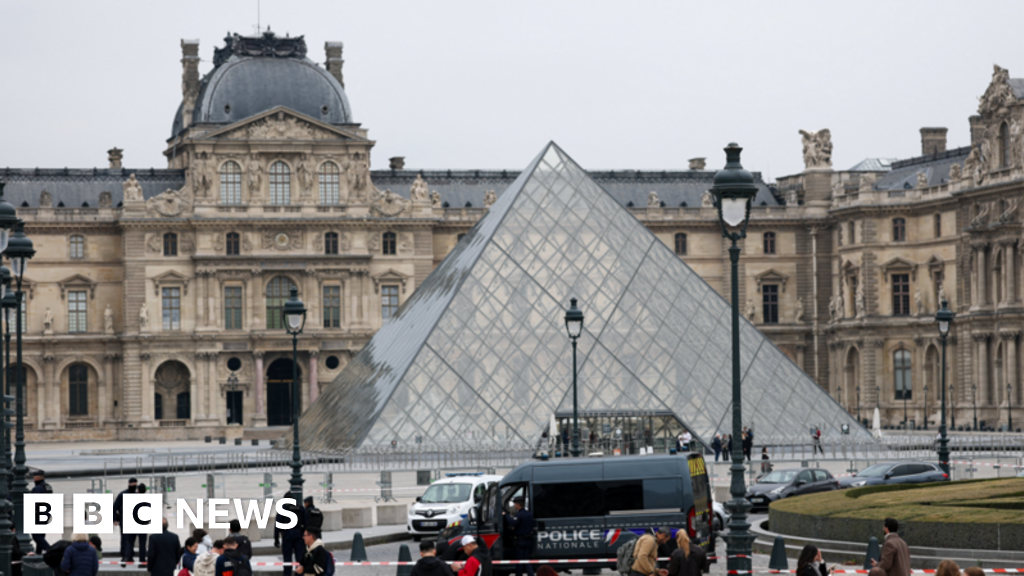
Louvre shutters gallery over safety concern, protecting visitors first

The recent jewel heist at the Louvre Museum in Paris, one of the world’s most iconic cultural institutions, has starkly spotlighted the vulnerabilities inherent in safeguarding humanity’s shared heritage. Despite being a global symbol of art and history, the Louvre’s security lapses have become a cautionary tale for nations worldwide—a reminder that even the most prestigious landmarks are not immune to audacious crimes. The thieves, arriving with a stolen vehicle-mounted lift during broad daylight, infiltrated the museum’s renowned Galerie d’Apollon and made off with precious items, including a crown and the Empress Eugenie’s historic tiara. This brazen act not only exposes gaps in physical security but raises questions about the true state of cultural protection on an international scale.

The geopolitical impact of this incident extends beyond France’s borders. As investigators race to recover the stolen jewels—believed to have been spirited abroad—the international community’s concern grows about the proliferation of art and cultural artifacts on black markets, often crossing continents with ease. Hand-wringing analysts suggest that these thefts are symptomatic of broader issues: inadequate investment in security infrastructure, prioritization of acquisitions over preservation, and a growing sense of complacency among custodians of history. Reports from the Court of Auditors reveal that French museum management directed €105.4m toward new acquisitions and €63.5m into exhibitions, while maintenance a mere €26.7m—an alarming imbalance that critics argue leaves cultural treasures vulnerable to theft and decay.

Furthermore, this event underscores a shift in priorities and capacity for some national institutions, as international organizations like the UNESCO and INTERPOL warn of rising art thefts, often linked to transnational crime syndicates. The Louvre’s decision to transfer some of its most priceless items to the Bank of France reflects an urgent, albeit reactive, effort to protect invaluable assets, yet it also signals a deeper, systemic challenge. Experts warn this is a crucial tolling bell: if cultural heritage becomes increasingly vulnerable, future generations risk losing irreplaceable links to human history. The historian Dr. Julian Carter emphasizes that such high-profile breaches threaten the cultural fabric of societies and the narratives they uphold.

As the shadowy figures behind the heist vanish into a murky network of international black markets, the story remains unresolved—yet it is but a chapter in a larger saga. The unfolding events at the Louvre serve as a stark reminder that the realm of international security must evolve rapidly to counter threats that target not just treasures but the very identity of nations. With each stolen artifact, the long arc of history teeters on the brink, awaiting restitution or further loss. The worldwide community stands at a crossroads: will this be a wake-up call pushing reform and vigilance, or will it become yet another line in the tragic history of cultural neglect? In this uncharted future, the fate of our shared heritage lies in the balance—fragile and contested, yet pivotal in defining the legacy of civilization itself.

Bangladesh's Sheikh Hasina Faces Death Sentence Over Human Rights Violations
Bangladesh’s Sheikh Hasina Faces Death Sentence Over Human Rights Violations

The recent sentencing of Bangladesh’s former prime minister Sheikh Hasina to death in absentia has sent shockwaves across the global geopolitical landscape. Convicted by a Dhaka tribunal for crimes against humanity related to a brutal crackdown on student-led protests, this verdict underscores a turbulent chapter in the nation’s ongoing struggle with authoritarianism and political instability. As international institutions and human rights organizations weigh in, the case exemplifies a broader shift in how emerging democracies are navigating the preservation of justice amid internal conflicts and external pressures.

  • The tribunal accused Hasina of incitement, ordering executions, and negligence—charges rooted in her alleged direct involvement in a deadly crackdown that left up to 1,400 dead during a year-long uprising.
  • Despite her vehement denial, claiming the proceedings as a “politically motivated charade,” the verdict has ignited fierce reactions, including nationwide protests and heightened security alerts in Dhaka.
  • Her exile in India and the refusal of extradition by New Delhi reflect the complex, multi-layered geopolitics at play, where regional alliances influence justice and accountability.

From the perspective of global analysts, this case reveals a pattern of rising authoritarian tendencies cloaked under the guise of judicial reform. Historians warn that such politically charged trials risk destabilizing fragile democracies, especially when the judicial process is perceived as a tool for political retribution. The United Nations has expressed concern over the death penalty, emphasizing that international standards demand fair trials and judicial transparency. Yet, the tribunal’s transparency—broadcast live and scrutinized by observers—has not assuaged critics who see the proceedings as a spectacle designed to eliminate political rivals rather than deliver justice.

In the wider geopolitical context, India’s role remains ambiguous. While claiming neutrality, New Delhi’s refusal to extradite Hasina underscores its strategic calculus—balancing regional stability against Islamabad’s interest in destabilizing Bangladesh through influence over opposition factions. Consequently, neighboring countries are closely watching the unfolding political storm, with many fearing that escalation could destabilize the region further. With China and the United States weighing competing interests, Bangladesh finds itself caught in a geopolitical tug-of-war that could have ripple effects across South Asia and beyond.

The verdict also reaches into the societal realm, stirring deep wounds among families of the slain protesters. For many, including Golam Rahman, whose son Nafis was shot during the crackdown, justice is a long-awaited step towards catharsis. Yet, the pensive shadows of repression remain, with critics warning that a harsh, punitive crackdown might suppress dissent temporarily but exacerbate long-term instability. The upcoming election, now stripped of most opposition parties, will be a litmus test of Bangladesh’s political future—whether it will drift further into authoritarianism or attempt genuine reform amidst swirling chaos.

As Hasina’s supporters and critics ultimately face at the crossroads of history, the global community remains vigilant. The unfolding story of Bangladesh is emblematic of a world where rising nationalism, regional rivalries, and internal strife threaten to rewrite the narrative of democracy and justice. In this moment of palpable tension, it is clear that the repercussions of this verdict—whether a step towards justice or a catalyst for further turmoil—will resonate far beyond the boundaries of Dhaka, shaping the course of history in South Asia and challenging the foundations of international law itself. Only time will reveal whether Bangladesh’s future will be molded by the rule of law or the relentless tides of political upheaval, as a nation stands on the precipice of its own destiny, teetering between the shadows of oppression and the hope for lasting change.

Social Media Auto Publish Powered By : XYZScripts.com