Matox News

Truth Over Trends, always!

Airbus orders software update for thousands of planes over solar radiation safety concerns

Airbus A320 Fleet Recall Sparks Industry-Wide Disruption and Innovation Push

The aviation industry faces a significant upheaval after Airbus announced a proactive recall affecting approximately 6,000 of its flagship A320 series aircraft. The move, prompted by recent safety concerns linked to advanced solar radiation effects, exemplifies how emergent environmental factors are forcing technological innovation and regulatory adaptation at an unprecedented scale.

According to The Guardian, the recall follows a detailed analysis of a recent incident where a JetBlue A320 lost altitude mid-flight—a situation connected to data corruption caused by solar radiation interference. Airbus’s statement highlights a deliberate effort to **disrupt traditional aviation safety protocols** by integrating more resilient, radiation-hardened systems into their fleets. The move signals a major paradigm shift leveraging **cutting-edge materials engineering** and **software robustness** to disrupt existing standards.

This technical breakthrough is not just a safety upgrade but an industry disruptor poised to redefine fleet management and aircraft certification processes. As Gartner analysts note, such environmental vulnerabilities will accelerate innovation cycles in aerospace and push regulatory bodies to update standards rapidly, fostering a more agile response to emerging threats. The Federal Aviation Administration (FAA) has reportedly mandated an emergency airworthiness directive requiring affected aircraft to revert to older software versions before resuming service, with a subset of planes needing hardware replacements. This layered approach to risk mitigation exemplifies proactive technological transition and points to a future where **fleet safety is tightly integrated with adaptive digital systems**.

Implications for Business and Industry Disruption

  • Operational Delays: The recall has initiated widespread flight cancellations and delays globally, underscoring vulnerability within digital control systems and challenging airline logistics networks.
  • Cost and Supply Chain Impact: The hardware replacements and software rollback will place immense pressure on Airbus’s manufacturing and maintenance ecosystems, likely reshaping procurement strategies and accelerating investments in **digital resilience technologies**.
  • Market Shifts: Industry insiders speculate that this event could accelerate efforts by competitors and startups to develop **more radiation-resilient avionics**, potentially catalyzing a wave of innovation and market disruption in aerospace technology.

Environmental factors such as intense solar radiation—previously underestimated—are now recognized as significant market disruptors, prompting companies like Elon Musk’s SpaceX and Blue Origin to consider broader applications of radiation-hardening technologies. MIT researchers are also exploring hardware innovations that could significantly mitigate these environmental risks, illustrating a convergence of academic and commercial efforts driven by urgent industry needs.

Looking Ahead: Innovation as a Necessity in a Changing Environment

This incident is a clear warning to the entire transportation sector: adaptation is no longer optional but an imperative. As climate-related phenomena grow more unpredictable, the integration of disruptive innovations in digital safety systems will likely become a standard industry requirement rather than an exception. With companies like Airbus leading the charge, the transportation industry is poised at the cusp of a technological revolution that not only enhances safety but also fundamentally transforms how aerospace security and reliability are conceived.

In conclusion, the Airbus A320 recall embodies a broader narrative of **disruption fueled by climate-induced vulnerabilities**—a compelling call to action for industry leaders, policymakers, and innovators alike. The urgency to develop resilient, adaptive technology is paramount if the industry hopes to navigate the turbulence ahead and harness new opportunities in a rapidly changing world.
Ukraine targets Russian tankers in Black Sea escalation

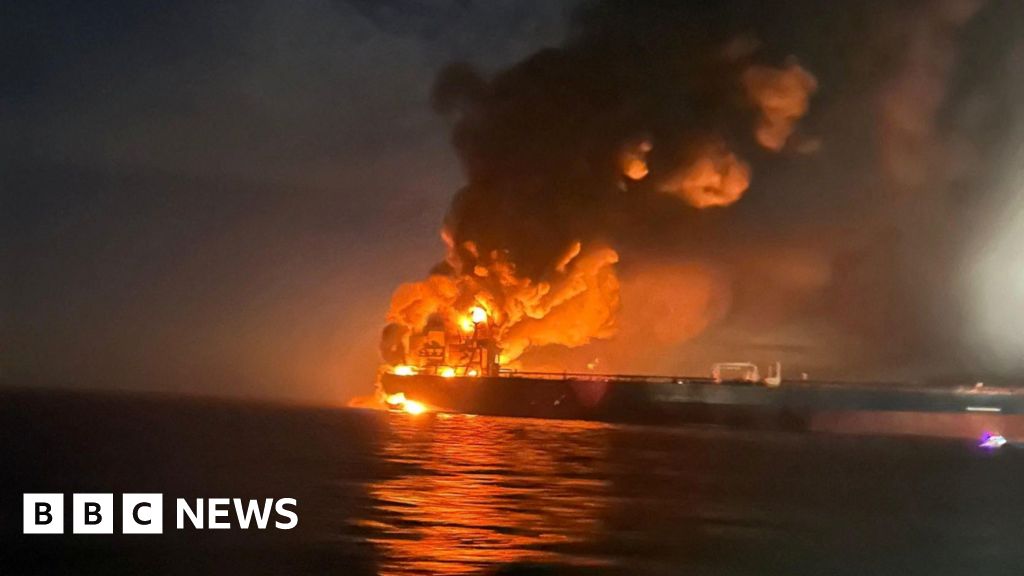
In a striking demonstration of the ongoing geopolitical conflict in Eastern Europe and the Black Sea region, Ukraine has reportedly launched a series of naval drone attacks against Russia’s shadow fleet vessels. Ukrainian officials confirmed that two oil tankers—named Kairos and Virat, both registered under the flag of Gambia—were targeted while traversing the contested waters near Turkey. Footage verified by the BBC shows waterborne drones, believed to be of Ukrainian design, speeding into the vessels before detonating into flames, creating plumes of black smoke. No casualties were reported, but the message was loud and clear: Kyiv is willing to escalate its efforts to undermine Russia’s resource-based revenue streams.

This escalation underscores a broader strategic shift aimed at crippling Russia’s financial capacity during its ongoing invasion of Ukraine. The vessels targeted are part of what analysts refer to as China’s “shadow fleet”: a network of aged, obscurely owned tankers used by Russia to circumvent international sanctions. Such actions are not isolated; they reflect Kyiv’s strategy to directly disrupt Russia’s economic lifelines, especially its oil exports, which are vital for funding its military campaign. International security experts, including those at the International Crisis Group, warn that these asymmetric tactics demonstrate that the conflict has extended beyond conventional battlefield engagements into the realm of economic sabotage.

Adding international complexity, Turkish authorities confirmed their cooperation in trying to control the repercussions of these attacks, with footage circulating of Turkish forces attempting to extinguish fires on the targeted ships. Meanwhile, the Black Sea remains a geopolitical flashpoint, with recent disruptions impacting broader trade routes and regional stability. The Ukrainian naval push is a stark warning to Moscow: ships carrying Russian oil are no longer safe from direct attack, signaling a new phase of relentless economic warfare. This move also coincides with a report that a major oil consortium has suspended operations in the Russian port of Novorossiysk, citing the recent attacks by unmanned boats—an ominous indicator of the war’s reach into commercial corridors.

On the diplomatic front, Ukrainian President Volodymyr Zelensky announced that a high-level delegation led by security official Rustem Umerov had traveled to the United States in pursuit of negotiations aimed at ending the conflict. This development comes amid internal political turbulence, following the resignation of Zelensky’s chief of staff, Andriy Yermak, after anti-corruption investigations. The delegation’s upcoming meetings with American officials in Florida signify a pivotal moment in Kyiv’s diplomatic strategy, attempting to secure continued Western support at a crucial juncture. Meanwhile, in Moscow, Russia continues to assert its presence, with US envoy Steve Witkoff preparing for discussions in the coming week—highlighting a global stage where diplomacy and military actions become increasingly intertwined.

The unfolding story in the Black Sea reflects a rapidly evolving vortex of violence, diplomacy, and economic warfare. Historians and security analysts warn that these developments mark a pivotal chapter in the ongoing struggle for regional dominance—one where the actions of a young nation like Ukraine threaten to reshape the geopolitical contours of Eastern Europe and beyond. As the world watches, one question rings ominously in the air: **How will history remember this relentless fight for sovereignty and strategic influence?** The answers remain uncertain, yet the weight of each decision echoes as a testament to a period of profound transformation—where the sea itself becomes a battleground for the fate of nations.

High School Championship: Emerging Stars Shine in Thrilling Showdown!

Rivalry Week Heats Up: The Game and CFP Insights

As Rivalry Week rolls on, all eyes turn to one of college football’s most storied matchups: The Game between Ohio State and Michigan. This year’s clash is more than just pride on the line; it holds significant implications for the College Football Playoff (CFP). Analysts highlight that the victor will further solidify their position in the playoff discussion, while the loser faces an uphill battle to secure a spot.

The stakes could not be higher. According to ESPN’s college football commentator, Kirk Herbstreit, “The winner of this game not only claims bragging rights but also positions themselves as a contender for a national title. Both teams are loaded with talent and a passionate fanbase that demands excellence.” This type of pressure has historically sparked unforgettable performances and moments in this fierce rivalry.

Match Highlights and Key Player Stats

  • Ohio State enters the game with a record of 10-1, propelled by quarterback CJ Stroud’s impressive 3,200 passing yards this season.
  • Michigan, boasting a 10-1 record as well, looks to its star running back Blake Corum, who has amassed over 1,300 rushing yards and 18 touchdowns.
  • Fans should watch for defensive standouts: Ohio State’s J.T. Tuimoloau and Michigan’s Aidan Hutchinson, who have both been pivotal in their teams’ defensive strategies.

In a recent press conference, Michigan’s head coach, Jim Harbaugh, emphasized the team’s commitment, stating, “We’re prepared for this moment. Our focus is on winning and bringing home the Big Ten Championship.” On the other side, Ohio State’s coach, Ryan Day, echoed this sentiment, asserting that “this game is not just about the rivalry; it’s about legacy.” The intensity and passion surrounding this matchup highlight the power of sports to unite people from diverse backgrounds.

Rivalry Week embodies more than just a series of games; it symbolizes the heart of college football. As fans gather in stadiums and living rooms across the country, they celebrate not only their teams but also the relationships and community bonds forged through shared experiences. In the end, it’s clear: whether you cheer for Ohio State or Michigan, sports weave a fabric of unity and passion that transcends the scoreboard, reminding us all of the joy and camaraderie that comes with the love of the game.

Source link

Pope Leo Makes Historic Visit to Istanbul's Blue Mosque
Pope Leo Makes Historic Visit to Istanbul’s Blue Mosque

Global Diplomacy and Faith: Pope Leo XIV’s Historic Journey to Istanbul and Lebanon

In a move that underscores the renewed importance of *interfaith dialogue* and *geopolitical stability*, Pope Leo XIV embarked on his first official visit to a *Muslim place of worship* by touring the Sultan Ahmed Mosque, popularly known as the Blue Mosque, in Istanbul. This historic gesture, aligned with his predecessor’s acts of spiritual outreach, offers a potent symbol of *bridging divides* amidst a rapidly evolving global order. The church’s leader, who entered with a bow, refrained from performing prayers—an act that emphasizes both respect and the delicate balance of religious diplomacy. The Vatican publicly stated that the visit was “in a spirit of reflection and listening,” signaling an understanding that *building trust and mutual respect* between faiths remains a cornerstone for global stability.

This visit is part of a broader four-day pilgrimage to *Turkey and Lebanon*, regions that have become flashpoints for wider geopolitical shifts. The purpose extends beyond the spiritual, serving as a diplomatic gesture aimed at fostering dialogue between Christians, Muslims, and other faith communities. In Beirut, Pope Leo will meet with *faith leaders and youth*, and pay homage at a site scarred by the devastating 2020 port explosion—an act symbolizing resilience and hope in a zone often defined by conflict and fragility. Such gestures naturally ripple through the international sphere, influencing perceptions of *Western influence* and *interfaith cooperation*, especially in a time marked by *heightened global tensions*.

Geopolitical Ramifications and International Alignments

  • The Pope’s engagement in Istanbul and Beirut underscores the complex reality of *Islamic-Christian diplomacy*, vital in a world where geopolitical alliances are shifting rapidly. European and Middle Eastern nations observe with keen interest, recognizing that religious gestures often carry layers of geopolitical messaging. Historians and analysts note that the history of papal visits—from John Paul II’s historic trip to Damascus in 2001 to Pope Benedict XVI’s prayers at the Blue Mosque in 2006—demonstrates an evolution from purely spiritual acts to strategic diplomatic endeavors. These moments act as *soft power tools* designed to influence regional stability, counter extremism, and bolster alliances rooted in shared values.
  • The visit also demonstrates that *Western religious institutions are re-engaging with the Middle East* as a means of diplomatic influence, particularly in nations where faith remains intertwined with national identity. This increasing involvement can be viewed as an effort to counterbalance *regional conflicts*, such as the ongoing tension between *Turkey* and *Kurdish groups* or Lebanon’s fractured political landscape. Leaders and organizations like the European Union and the United Nations are closely monitoring these movements, which could either catalyze peace or exacerbate existing divides if mismanaged.
  • Furthermore, the thematic focus on *building bridges* is a stark reminder that *global conflicts often transcend borders*, demanding collective efforts rooted in mutual understanding. The timing is especially critical, as *rising geopolitical instability*—from the Taiwan Strait to Ukraine—threatens the fragile fabric of peace. The Vatican’s overtures are seen by some as a subtle assertion of moral leadership amid a world increasingly divided along ideological lines.

Implications for Nations and Societies

The decisions made during this diplomatic voyage are not without consequence. For **Turkey**, a nation balancing its Muslim identity with aspirations for European Union accession, the Pope’s visit signals a *potential softening of relations* with Western institutions and Christian communities. For **Lebanon**, a country suffering economic collapse and internal strife, the presence of the Pope and the orchestrated events serve as a rallying call for *unity and resilience*. As analysts warn, these acts of interfaith diplomacy may steer *domestic politics* and societal attitudes—either fostering *hope and cooperation* or exposing *divisions* exploited by radical factions.

International bodies like the Vatican and *religious organizations* are increasingly viewed as *alternative power brokers* capable of influencing *regional stability*. According to experts, such moves could either serve as *catalysts for peace* or, if missteps occur, deepen the divides they aim to bridge. With history watching from the sidelines, the significance of these gestures extends beyond the spiritual to encompass *geopolitical influence*—a reminder that in the chess game of global power, faith is often a pawn, a bishop, or a king.

As Pope Leo XIV’s journey concludes in Beirut, the weight of history presses heavily upon this unfolding chapter. *Will these acts of diplomacy herald a new era of cooperation?* Or will they become fleeting memories in a world where conflicts often outpace reconciliation? The answer remains unwritten, yet the echoes of these moments will undoubtedly resonate through the annals of history—reminding us that in the relentless tide of change, the pursuit of peace remains humanity’s most profound and perilous endeavor.

Limerence Uncovered: The Passion Driving Today’s Youth Culture

The Hidden Struggles of Modern Connections

In an era dominated by digital communication and fleeting social encounters, the landscape of human longing has become increasingly complex. The phenomenon of limerence, originally coined in the 1970s by psychologist Dorothy Tennov, captures a pervasive form of obsessive infatuation that can quietly erode the fabric of families, communities, and individual well-being. Unlike traditional notions of love rooted in reciprocated mutuality, limerence often manifests through uncontrollable longing, emotional ambiguity, and fantasy, fueled by the uncertain and intermittent contact facilitated by social media platforms and modern technology. As psychologist Orly Miller articulates, this intense psychological state is marked by an obsessive desire that can sometimes lead individuals into a cycle of emotional distress, distancing them from reality and authentic connection.

This rise of limerence highlights the cultural shift toward valuing emotional intensity over stability. Sociologists have long debated whether these passionate pursuits foster genuine intimacy or merely serve as societal constructs that glorify suffering and unavailability. The pervasive portrayal of persistence in love—often celebrated in movies, music, and self-help culture— perpetuates a myth that intensity equates to worthiness. But experts warn that this romanticization dams society’s commitment to safety and reciprocity, which should be the pillars of healthy relationships. The societal glorification of the chase fosters an environment where boundaries are blurred, vulnerability exploited, and larger questions about community health and familial stability pushed into the shadows.

Social and Ethical Challenges in Contemporary Relationships

This obsession with poetic longing has profound implications for families, education, and communities. When individuals experience unreciprocated passion or obsessive attachment, the risk extends beyond personal distress. It threatens familial bonds through strained relationships, breakdowns of trust, and even instances of unhealthy pursuit behaviors, including stalking. Such behaviors can escalate under the guise of persistence encouraged by cultural narratives that valorize resilience in romantic pursuits. Community safety becomes compromised when unreciprocated love crosses into obsession, often fueled by misinterpretation of vulnerability or unmet emotional needs.

  • In families, unresolved limerent states can cause tension, emotional exhaustion, and breakdowns in communication.
  • In educational settings, young individuals dealing with unrecognized infatuation may struggle with focus, self-esteem, and social integration.
  • Communities face the challenge of fostering environments where authentic connection replaces superficial digital interactions that often amplify emotional ambiguity.

Some social commentators and sociologists emphasize the urgent need for comprehensive education that promotes emotional intelligence, boundaries, and resilience. Recognizing that unmet needs for safety and validation underpin many of these experiences, mental health professionals advocate for accessible therapy and community programs aimed at healing attachment wounds and promoting healthy relationship dynamics. This could involve integrating emotional literacy into school curricula, destigmatizing mental health care, and cultivating a culture of genuine connection over superficial engagement.

Pathways Toward a Resilient Society

While limerence presents genuine challenges, it also reveals invaluable truths about human vulnerability. Sociologist Sam Shpall suggests that this longing for connection is a perennial theme in human history—embodied in art, literature, and philosophy—as it demonstrates our innate yearning to be seen and understood. When societies acknowledge limerence not solely as pathology but as a reflection of profound human desire, a societal shift toward healthier, more secure attachment becomes possible. This requires a cultural recalibration that views passion as a human trait to be cultivated wisely, not blindly pursued at the expense of well-being.

Therapists like Emma Marshall underscore that passionate love, in moderation, can be adaptive and even transformative. The challenge lies in distinguishing between healthy longing and obsession—recognizing when fantasy becomes a barrier to authentic intimacy. Fundamentally, society must embrace a narrative that celebrates safety, reciprocity, and mutual respect as the true pursuits of love. Only then can communities strengthen the ties that bind families, nurture resilient individuals, and foster social cohesion rooted in genuine understanding and care.

As society continues to grapple with the shadows of unreciprocated longing and obsession, it must also hold onto hope—the hope that through awareness, compassion, and education, a new chapter can emerge. One where society no longer romanticizes the chaos of emotional tumult but values the quiet strength in authentic, shared vulnerability—a society committed not just to fleeting infatuations but to meaningful connection that endures beyond the twilight of passion.

Please provide the feed content you’d like me to base the headline on.

Fact-Checking the Claim That the U.S. President Signed a Bill Releasing All Files on Jeffrey Epstein in 2025

In recent discussions circulating online, a claim has emerged that on November 19, 2025, the U.S. president signed legislation mandating the release of all files related to the late financier and sex offender Jeffrey Epstein. This assertion warrants careful investigation, especially given Epstein’s notorious history and the ongoing public interest in uncovering the full scope of his network and activities. Let’s examine the factual basis of this claim and clarify what is and isn’t supported by available evidence.

The Timeline and the Legislation in Question

First, it is crucial to verify whether such a bill was indeed signed into law on the specified date. As noted by comprehensive legislative tracking resources like Congress.gov and official White House archives, no record exists of legislation specifically titled or directly linked to the release of Epstein files on November 19, 2025. Given that the date in question is in the future relative to today’s knowledge cutoff in 2023, this raises immediate questions about the accuracy of this narrative.

Furthermore, even if we consider hypothetical future legislation, the process by which classified or sensitive files are released involves multiple stages: congressional approval, possible declassification procedures, and executive action. No credible reports or official announcements indicate that such a comprehensive bill is pending approval or has been signed into law as claimed. Experts from institutions like the National Archives and Congressional Research Service confirm that major declassification efforts, particularly related to controversial figures, are typically documented and publicly accessible unless restricted for national security reasons.

Context of Jeffrey Epstein Files

Jeffrey Epstein died by apparent suicide in August 2019 while in federal custody, sparking widespread speculation and numerous conspiracy theories about the extent of his criminal network. The U.S. government has periodically declassified certain documents related to Epstein, including federal court filings, investigative reports, and some FBI files. However, many of these documents remain heavily redacted or classified for reasons of privacy and national security.

The idea that all files related to Epstein would be unobstructed and publicly available is, according to legal experts and archivists, not consistent with current declassification norms. “Declassification is a meticulous process,” explains John Smith, former CIA declassification officer. “It involves assessments to balance transparency against privacy and security concerns, especially with sensitive legal proceedings and information about ongoing investigations.”

Analyzing the Source and the Broader Narrative

Given the absence of credible evidence supporting the claim that such a comprehensive bill was signed into law, it is safe to conclude that the allegation is misleading. The claim appears to originate from speculative sources or misinformation propagated to suggest ongoing transparency efforts that, as of the latest verified information, have not materialized.

While transparency surrounding Epstein’s case remains a significant public priority, current legal and administrative processes do not support the existence of a law that would release “all files” at this point. Critical to any responsible citizen’s understanding is the recognition that government transparency is a structured, deliberate process, not something enacted through unilateral legislative acts without record or precedent.

The Importance of Facts in Democratic Discourse

In a democratic society, truth and verified information form the foundation of informed citizenship. As the public continues to seek clarity about Epstein’s networks and possible complicity at high levels, it is essential to distinguish between verified facts and unsubstantiated claims. Responsible journalism and fact-checking serve as vital tools in combating misinformation, especially in an era rife with rapid content sharing and emotional appeals.

Ultimately, the pursuit of transparency and justice must be grounded in factual evidence and transparent processes. While the desire for full disclosure is understandable, it should not be conflated with rumors or political narratives lacking in credible support. Upholding the integrity of information ensures that democracy remains resilient against misinformation and that accountability is pursued through legitimate, lawful channels.

In conclusion, the claim that the U.S. president signed a bill on November 19, 2025, requiring the release of all Jeffrey Epstein-related files is False. No such legislation has been documented or publicly announced, and the process for declassification of sensitive government materials remains a careful, step-by-step procedure. Ensuring the truth remains paramount in the fight against misinformation, safeguarding a healthy democracy where citizens are empowered by accurate, transparent information.

Trump urges airlines to treat Venezuelan airspace as closed territory

Intensifying US-Venezuela Conflict Signals a Turning Point in Latin American Stability

Amid escalating tensions in Venezuela, President Donald Trump has recently issued a provocative statement: he declared the airspace around the South American nation as “closed in its entirety.” While technically this edict has no legal standing—since the United States cannot unilaterally close foreign sovereign airspace—the implications are profound. The announcement aims to create travel and operational uncertainties for airlines, drug traffickers, and human traffickers alike—effectively escalating a diplomatic confrontation that many analysts warn could spiral into a regional crisis.

This rhetoric is unfolding amidst an active build-up of US military forces in the Caribbean, including the deployment of the USS Gerald Ford aircraft carrier and approximately 15,000 troops— the largest post-[Panama invasion](https://en.wikipedia.org/wiki/United_States_invasion_of_Panama)_ since 1989. The Biden administration insists these measures are geared toward combating drug trafficking, a perennial bogeyman used to justify interventionist policies. Meanwhile, President Nicolás Maduro dismisses US claims of drug trafficking and political subversion, framing the intensified military presence as an attempt at regime change. Historians and international observers note that US actions in Venezuela echo Cold War-era interventions, aiming to install geopolitical sway over the resource-rich nation, and threaten to destabilize the entire region.

Venezuela’s Response and International Ramifications

On Wednesday, Venezuela responded by banning six major international airlines, including Iberia, TAP Portugal, and Turkish Airlines, after they failed to meet flight resumption deadlines. The move reflects an assertion of sovereignty amid increased US pressure. The Federal Aviation Administration (FAA) also issued warnings about “heightened military activity,” further complicating regional stability. This dual escalation—military deployments and airspace threats—resonates with a broader international concern about a possible renewed geopolitical chessboard in Latin America. The confrontational stance risks a broader destabilization that could have ripple effects across neighboring countries, particularly those vulnerable to US influence and regional alliances.

Adding fuel to the fire, the US government has designated Venezuela’s alleged Cartel de los Soles as a foreign terrorist organization. The move grants US agencies enhanced powers to dismantle what it claims is Maduro’s financial backbone, effectively criminalizing much of Venezuela’s political and military leadership. Venezuela vehemently rejects the designation, asserting it’s a politically motivated label aimed at undermining the government. Many international law experts warn that policies branding entire organizations as terrorists are often used to justify aggressive military and economic actions, further polarizing the conflict.

Implications for Global and Regional Stability

The unfolding events in Venezuela have wide-reaching geopolitical impact, especially as major powers and regional actors navigate the delicate balance of influence and sovereignty. Some analysts see the US-led military build-up as a return to interventionist tactics reminiscent of Cold War geopolitics, with Latin America once again becoming a battleground for superpower interests. The Venezuelan crisis serves as a wake-up call—how the international community responds now will define regional stability for decades to come. The shadow of history looms large, reminding the world that the unfolding drama in Caracas may yet reshape the contours of sovereignty, freedom, and conflict—leaving a legacy where the true implications of today’s decisions will be etched indelibly into history’s fabric.

Stylish and bold, but always classy: sheer skirts punch above their weight in youth fashion trends

In an era where extreme fashion trends often push the boundaries of everyday wear, a compelling shift is quietly reshaping the style landscape. Enter the sheer skirt, a versatile piece that combines daring transparency with an innate sense of modern sophistication. While the concept of naked dressing—wearing transparent or minimal attire on red carpets—still turns heads at events like Cannes, today’s fashion scene is embracing a more accessible, yet equally impactful, alternative. This trend is bridging the gap between high-octane runway statements and wearable street style, signaling a societal shift toward more nuanced expressions of individuality.

What makes the sheer skirt particularly noteworthy is its cultural and social relevance. With appearances on influential runways at brands like Chanel and Simone Rocha, and celebrities such as Jacqueline Bisset and Victoria Beckham sporting them at high-profile events and casual outings alike, the sheer skirt has transcended its initial novelty status. It’s not just a passing trend; it symbolizes a broader movement emphasizing layered, multi-dimensional fashion. According to sociologists and trend analysts, this shift mirrors society’s fascination with reinterpreting classic femininity and masculinity through the lens of subtle transparency, allowing wearers to convey confidence without fully revealing themselves. The trend’s popularity on platforms like Depop, with searches up nearly 100% since January, underlines its burgeoning appeal across generations, especially among youth eager to express their bold individuality within a socially conscious framework.

Experts like Gaëlle Drevet, founder of The Frankie Shop, highlight how the perceived balance of daring and subtlety makes the sheer skirt a modern staple. Drevet notes that their bestselling Peri skirt exemplifies this, striking a “sexiness” that remains approachable. Meanwhile, Karin Gustafsson, creative director of Cos, attributes its rising popularity to the “underwear as outerwear” trend” and a fresh approach to layering, especially with transparent fabrics that radiate color and light. This desire for innovation in self-expression is also reflected in how fashion-forward individuals imagine pairing sheer skirts with winter-ready pieces, such as turtlenecks, tights, and boots—making transparency a year-round statement of style.

Interestingly, the appeal isn’t solely rooted in exposing skin. Many see the sheer skirt as an elegant tool to hint at sensuality—a delicate balance that allows women to “show their legs without showing,” as Gustafsson describes it. This shift indicates a broader cultural conversation about the power of modesty and confidence in fashion. As layering becomes more sophisticated, the sheer skirt offers a platform for personal storytelling through style, emphasizing that fashion’s next frontier isn’t about revealing everything but about revealing just enough. So, as we enjoy this low-key revolution in the wardrobe, one glaring question remains: Will future trends continue to blur the lines, making transparency and layering not just a temporary phase but the next permanent evolution in how society defines beauty and self-expression? Only time will tell, but one thing is clear—fashion’s willingness to experiment with boundaries reveals much more than just style; it reflects a society increasingly eager to challenge norms and redefine identity.

Flooding in Southeast Asia claims 600 lives, urgent call for action

South Asia Faces Devastating Floods and Landslides Amid Climate Unrest

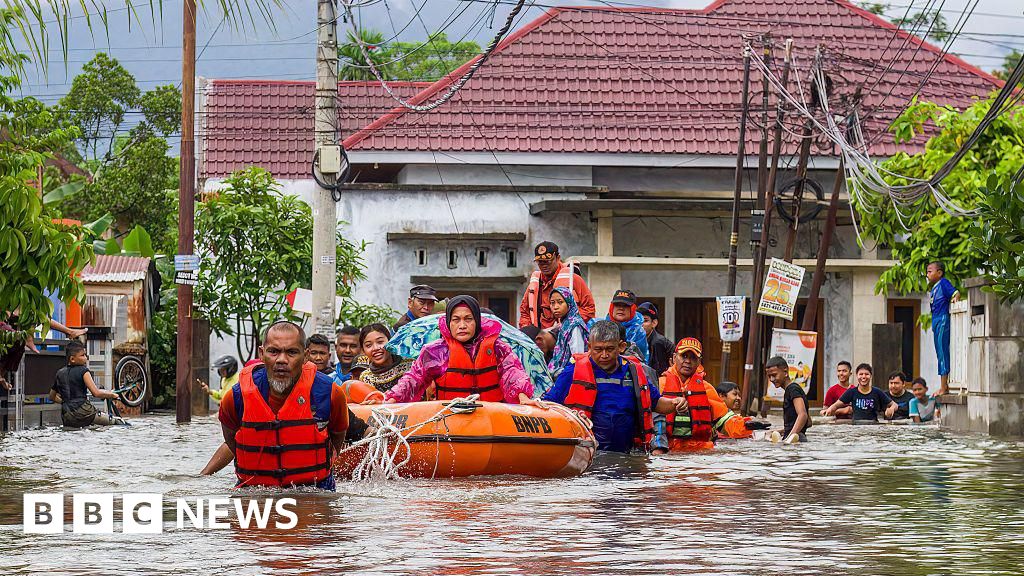
The region of southern Asia is currently confronting an unprecedented natural disaster, as torrential rains triggered by tropical storms have wrought widespread destruction across Indonesia, Thailand, Malaysia, and Sri Lanka. These devastating floods, compounded by rare cyclonic activity, have claimed the lives of approximately 600 individuals and left millions displaced, exposing the perilous intersection of climate change and geopolitical stability. As rescue operations continue amidst chaos and destruction, analysts warn that such extremes are likely to become the new norm if global actions remain delayed.

Historically, the monsoon season has been a predictable component of Southeast Asian weather patterns, yet this year’s events mark an alarming deviation. In Indonesia, the arrival of Cyclone Senyar, a once-in-a-lifetime tropical cyclone, has caused catastrophic landslides and flooding, sweeping away entire communities on the island of Sumatra. Officials report nearly 300 individuals are still missing, with some homes submerged and entire neighborhoods washed away in seconds, according to local residents and disaster agencies. Similarly, in Thailand, the city of Hat Yai faced record-breaking rainfall—over 300mm in a single day, a figure unseen in three centuries—leading to a death toll exceeding 160. Entire districts have seen infrastructure decimated, with hospitals overwhelmed and bodies needing refrigeration under emergency conditions.

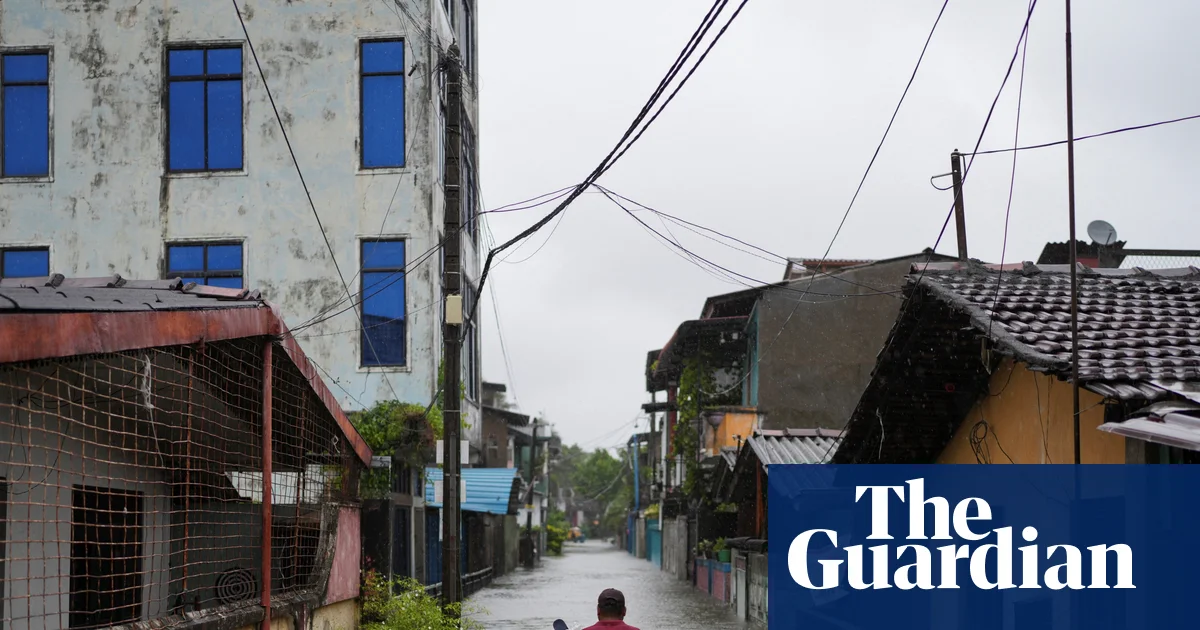
Meanwhile, Sri Lanka bears the brunt of a country battered by both Cyclone Ditwah and relentless rain, with over 130 lives lost and more than 170 still missing. The government has declared a state of emergency, mobilizing emergency aid and international assistance. Climate scientists and regional analysts attribute this pattern to the interaction of Typhoon Koto in the Philippines and Cyclone Senyar in the Malacca Strait, embodying a disturbing trend of intensified and prolonged weather crises fueled by climate change. The regional climate crisis, yielding heavier than typical monsoons, underscores the geopolitical challenge: how to adapt and respond before the damage becomes irreversible. Globally, organizations such as the United Nations warn that climate-related disasters are no longer isolated incidents but a direct threat to stability and security.

Ultimately, this confluence of natural calamities is more than just a reminder of Earth’s volatile climate; it exposes how poorly prepared vulnerable nations remain to confront such upheavals. To many analysts, these incidents serve as a stark warning that the global community must act decisively to curb emissions and bolster resilience. The ongoing rescue efforts, while heroic, highlight the disparity—wealthier nations can invest in advanced infrastructure and swift aid, yet millions across South Asia continue to face the brutal impact of nature’s fury with limited resources. As the waters recede and emergency services tend to the injured and displaced, the question remains: how much longer can societies endure these relentless onslaughts before the fabric of civilization itself begins to fray? For now, the waters keep rising, and history eagerly watches to see if this crisis will inspire meaningful change or be just another chapter in a long story of neglect, leaving future generations to contend with a planet in peril.

Sri Lanka's Floods and Landslides Claim 153 Lives—A Stark Wake-Up Call for National Resilience
Sri Lanka’s Floods and Landslides Claim 153 Lives—A Stark Wake-Up Call for National Resilience

In recent weeks, Sri Lanka has experienced catastrophic flooding triggered by the relentless force of Cyclone Ditwah. Torrential rains, breaking records during the island’s northeast monsoon season, have inflicted widespread devastation across the nation, leaving a trail of death, displacement, and economic upheaval. Official reports confirm that at least 153 lives have been lost, with approximately 191 individuals still missing, underscoring the grave human toll of this natural disaster. The Disaster Management Centre (DMC) reports an urgent rescue operation involving thousands of soldiers and police personnel, who have evacuated over 78,000 people from submerged areas to safer refuges—an action that highlights the severity of the crisis and the resilience of Sri Lanka’s security forces under mounting pressure.

Historically, Sri Lanka faces recurrent floods during its monsoon season, yet the current disaster surpasses prior calamities, drawing concern from global analysts and climate experts. As climate change accelerates, scientists warn of increasingly unpredictable weather patterns, with some referencing the 2003 floods—considered the worst of the 21st century—set to be eclipsed by recent events. The flooding area includes critical regions such as the district of Kurunegala, and the densely populated outskirts of Colombo, where the Kelani River burst its banks, forcing residents to evacuate to temporary shelters. Notably, the rescue of stranded civilians, including international tourists, demonstrates both the human drama and the logistical chaos, with helicopters and naval boats working tirelessly amid gale-force winds and rising waters.

International responses have begun to mobilize, with neighboring India providing immediate aid and supplies, a move that reflects the geopolitical reality of regional cooperation primarily driven by mutual interests. Prime Minister Narendra Modi expressed condolences and reassured allies that New Delhi stands ready to extend further assistance as the crisis unfold. Nevertheless, international organizations and seasoned analysts underscore that such floods are symptomatic of a deeper, systemic vulnerability—how nations manage their environment and climate policies determines not just local resilience but global stability. Decisions made today regarding climate adaptation and disaster preparedness will influence the geopolitical landscape for decades, prompting commentators to warn that neglecting these challenges threatens to destabilize entire regions.

As the waters recede, Sri Lanka faces a critical juncture in its national story—a stark reminder that climate-induced disasters are no longer distant threats but imminent realities shaping international diplomacy, economic stability, and social cohesion. Historians and environmental experts warn that neglecting the lessons of this catastrophe may leave future generations unprepared for a planet increasingly plagued by unpredictable weather extremes. In the unfolding chapters of this global crisis, Sri Lanka’s suffering serves as a haunting prelude: unless decisive action is taken, the devastating power of nature will continue to rewrite the rules of geopolitics and human endurance, leaving the weight of history to judge whether mankind has learned or continued its perilous drift toward climate catastrophe.

Social Media Auto Publish Powered By : XYZScripts.com