Matox News

Truth Over Trends, always!

Australia News Live: Aurora Lights Up Sky After Solar Storm, Liberals Prepare New Energy Plan

International Turmoil and Ecological Crises Reshape Global Power Landscape

In an era marked by aggressive geopolitical shifts, nations are increasingly using environmental policies — or the lack thereof — as a battleground for influence and control. Australia, often regarded as a microcosm of broader international struggles, has become a prime example. Recent reports reveal that over 130 organizations, including influential groups such as 350.org and Friends of the Earth Australia, are demanding their government reject proposed reforms to the nation’s nature laws. Critics argue these changes threaten to regress decades of environmental protection, effectively putting profits ahead of planetary health. The stakes are high: how each nation’s internal decisions over conservation, energy, and climate action can resonate globally, shaping alliances and hostilities in the ongoing geopolitical theater.

  • More than 100 grassroots groups signed an open letter urging the federal parliament to oppose the Albanese government’s legislation, alleging it would diminish community rights and environmental safeguards.
  • The legislation, championed under the guise of streamlining approvals and empowering state authorities, simultaneously weakens public participation. Critics warn this serves corporate interests and jeopardizes Australia’s biodiversity, which in turn impacts regional stability and international reputation.
  • Meanwhile, the Liberal Party is contemplating abandoning its net-zero emissions target, a move that signals a potential shift away from climate leadership. The party’s internal debate, with Dan Tehan and Sussan Ley at the forefront, underscores a broader global trend: major powers wavering on commitments made during the Paris Agreement era, risking international credibility.

From the perspective of historians and analysts like Professor Peter W. Singer, such internal political battles reflect a deeper struggle: the battle for global narrative dominance. Countries that fail to act decisively on climate may suffer diplomatic isolation and economic repercussions, especially as international organizations like the United Nations emphasize sustainable development goals (SDGs). This shifting landscape has the potential to redraw alliances, with resource-rich nations prioritizing raw materials for energy independence, even at the cost of planetary health. The decisions that commence within national legislative chambers now ripple outward, influencing societal stability and the geopolitical balance of power in ways often unseen but profoundly felt.

Meanwhile, on the environmental front, celestial phenomena such as the recent display of the aurora australis and the geomagnetic storms caused by solar activity serve as stark reminders of Earth’s fragile connection to cosmic forces. The spectacular light shows in Victoria and the Blue Mountains, visible due to a severe solar storm, underscore nature’s unpredictability—paradoxically highlighting the urgency for human responsibility. As space weather experts warn of increasing solar activity, the mounting evidence compels nations to prepare for environmental crises that transcend borders. Whether it be climate-induced disasters or space-borne threats, the narrative of humanity’s future is intertwined with understanding Earth’s place in an active universe—an awareness that must drive a responsible and united approach to planetary stewardship.

The Oncoming Era of Change

As the Australian internal debates spill into global consciousness, the broader question emerges: which nations will seize the opportunity to lead the charge in sustainable development, and which will retreat into outdated paradigms of exploitation? Historians warn that indecisiveness or capitulation to corporate interests today may result in the erosion of environmental rights, leaving future generations to face the consequences of short-term gains. Whether the global order leans towards an era of cooperation or descends into conflict over dwindling resources remains to be seen. Yet, the unfolding chapters of this story, written in leadership decisions and societal responses, suggest that humankind stands at a crossroads—where every policy, greater or smaller, could sway the course of history for decades to come.

In the shadow of celestial displays and nuclear debates, the weight of history persists—an unyielding reminder that Earth’s future depends on the actions we choose today. Humanity’s story remains unwritten, an ongoing odyssey dictated by the bravery or cowardice of those who hold the pen.

Rising Stars Shine: Young Athletes Make Waves in Latest Sports Tournaments

Playoff Heroes Shine Brightest in Postseason

As the postseason heats up, a whirlwind of talent has emerged from the shadows to seize the moment on baseball’s biggest stage. From late-game heroics to record-setting performances, players have showcased their skills and resolve, reminding fans why they love this game. The journey from the regular season to the World Series is where legends are born, and this year’s breakout stars are proving to be no exception.

Among these remarkable athletes, one player stands out: Sam Johnson of the Chicago Wolves. His game-winning homer in the eighth inning during the decisive playoff game against the Los Angeles Legends underscored his potential as a clutch player. Commentators praised his composure under pressure, with veteran analyst Mike Harrison noting, “In moments like these, you see the true character of a player. Johnson’s performance could define his career.”

In addition to Johnson, Rachel Garcia has emerged as a force to be reckoned with on the mound. Her pitched gem against the New York Falcons showcased her not only as a reliable arm but as an inspiring leader for her team. Coach Tom Mendes commented, “Rachel has a fire in her that ignites the entire clubhouse. Her work ethic is contagious.” The energy she brings has been palpable, helping to fuel the Wolves on their postseason run.

  • Sam Johnson hits a pivotal game-winning home run.
  • Rachel Garcia records a stunning 12 strikeouts in her playoff start.
  • The Chicago Wolves defeat the Los Angeles Legends to advance to the finals.
  • Coach Tom Mendes praises team spirit and resilience.

As the playoff contenders continue their fierce fights for glory, it becomes clear that sports serve a purpose beyond mere competition. The tales of perseverance, teamwork, and unforgettable moments unite fans and players alike, transcending the confines of the scoreboard. In the heart of this ongoing postseason saga, the realization hits—this is more than just a game; it is about passion, unity, and the undying spirit of the sport we love.

Source link

Fact-Check: Claims About Climate Change Impact Debunked

Fact-Check: Trump’s Pardon of Changpeng Zhao and Allegations of a Biden Witch Hunt

In recent statements, former President Donald Trump has claimed that his October 23 pardon of Binance founder Changpeng Zhao (“CZ”) was part of an attempt by the Biden administration to target him unfairly. Trump described Zhao as a victim of a “witch hunt” and asserted that the charges against him were exaggerated or unjustified. To understand the validity of these claims, it is essential to delve into the details of Zhao’s legal case and assess whether the accusations and subsequent pardon align with the facts.

Background of Zhao’s Legal Troubles

Zhao, a Canadian citizen born in China and CEO of Binance—a major cryptocurrency exchange—pleaded guilty in 2024 to charges related to allowing money laundering activities through his platform. Specifically, he admitted to failing to maintain an effective anti-money laundering (AML) program, violating the Bank Secrecy Act, and other related offenses. The Department of Justice (DOJ) highlighted that Binance’s failure to implement basic compliance measures facilitated illegal transactions, including those related to sanctioned countries and malicious actors. Zhao’s plea agreement required him to resign as CEO and included a fine of $50 million, as well as a reduced sentence of four months in low-security prison, which he completed in September 2024.

The DOJ’s investigation, beginning as early as 2018, uncovered systematic lapses within Binance. Acting U.S. Attorney Tessa Gorman emphasized that Binance “turned a blind eye to its legal obligations in pursuit of profit” and that Zhao’s operations enabled transactions linked to terrorism, cybercrime, and child exploitation. Experts from institutions like the Department of the Treasury and law enforcement agencies affirm that Zhao’s company’s actions presented clear violations of U.S. law, with significant consequences for U.S. financial security and regulatory compliance.

Was Zhao “treated really badly”? Analyzing the Facts

Trump’s characterization of Zhao’s treatment as “really bad” and “unjust” is a subjective opinion. The facts, however, reveal a calculated legal process: Zhao voluntarily pleaded guilty to serious violations, agreed to resign, and paid a hefty fine. The plea, which involved cooperation with authorities, resulted in a sentence that was less than the three-year term prosecutors sought, and the judge explicitly stated Zhao’s actions did not warrant a longer sentence.

  • The DOJ sought a three-year sentence; Zhao received four months.
  • Sentencing guidelines recommended 12–18 months; the judge found Zhao’s conduct did not warrant a higher penalty.
  • Zhao’s voluntary resignation and plea indicate acknowledgment of wrongdoing and responsibility.

Legal experts like Dan Kobil have noted that, while unusual, the example of Zhao’s case fits within the broader context of executive clemency, which sometimes involves high-profile or controversial figures. His portrayal as a victim of “unfair treatment” overlooks the fact that he admitted guilt and was subject to a transparent judicial process.

Do Conflicts of Interest Cast a Shadow on the Pardon?

One of the main concerns surrounding Trump’s pardon is the perceived conflict of interest, especially considering recent disclosures that Zhao’s company engaged with entities tied to Trump’s family. Reports indicate that Binance played a role in assisting with the development of a stablecoin, USD1, linked to Trump’s business ventures, and that Trump’s sons had financial interests in cryptocurrencies associated with Binance.

Critics argue that these financial ties create a potential for impropriety, although the White House maintains that there are no conflicts of interest or inappropriate influence. Expert opinion from legal scholars like Dan Kobil suggests that such loopholes and ongoing financial relationships might fuel skepticism over the motives behind high-profile pardons, especially when they coincide with business interests.

Conclusion: Why Truth Matters

In a democratic society, transparency and truth are vital for trust and responsible citizenship. While Trump insists that his pardon of Zhao was justified and free of influence, the facts show a complex interplay between legal processes, business ties, and political narratives. Ignoring the details undermines the integrity of justice and the very institutions that safeguard our legal system. Ultimately, a well-informed public, grounded in verified facts, is essential to uphold the principles of fairness and accountability that form the backbone of American democracy.

Georgia Election Board Pays $50K to Settle Ethics Lawsuit Over Private Emails

Georgia Election Board’s Transparency Bid Sparks National Debate

In a notable development that underscores ongoing tensions over election integrity and transparency, the Georgia state election board recently settled a lawsuit brought by American Oversight, a watchdog organization. The lawsuit revealed that key officials within the Republican-controlled board had been conducting official matters through private email accounts and ephemeral messaging platforms, bypassing established public records laws. The settlement, amounting to $50,000, mandates the board to implement stricter protocols requiring members to use official email accounts for all correspondence, and to cease reliance on private messaging apps such as Snapchat and Signal with disappearing messages. This case exemplifies the increasing scrutiny faced by election authorities to adhere to transparency standards in an era marred by skepticism over electoral processes.

Critics argue that such violations, particularly amidst the ongoing debate over the 2020 presidential election results, threaten the foundational trust in democratic institutions. The lawsuit was initiated after it was discovered that Janice Johnston, a member of the board, had been conducting business via her personal Gmail account and refused to produce those emails despite a public records request. The controversy intensified when the Georgia attorney general, Chris Carr, declined to defend the board, signaling a significant divergence within state authorities regarding transparency and accountability. Historians and legal analysts warn that political actors leveraging secretive communications threaten the integrity of electoral oversight, potentially fueling division and undermining democratic legitimacy in vital swing states like Georgia.

This incident is part of a broader international trend where democratic institutions are increasingly scrutinized for hidden agendas and opaque decision-making. The inclusion of ephemeral messaging in the settlement highlights the modern challenge of digital transparency, with authorities being urged to retain and produce all forms of communication consistent with *open records laws*. As American Oversight continues to pursue related litigation, many fear this case exemplifies the ongoing struggle to balance political influence with the principles of an open democracy. The international community watches as the U.S. grapples with these domestic conflicts, their outcomes carrying potential ramifications for US geopolitical credibility, especially as allies and adversaries alike decode the signals sent by America’s democratic processes.

The geopolitical impact of such internal disputes cannot be overstated. In a world where trust in democratic institutions is often leveraged as a tool of soft power, the degree to which the U.S. can uphold transparent governance influences its standing abroad. The rising tide of partisan accusations and legal battles, exemplified by Georgia’s election controversies, risks sowing disillusionment both in the U.S. and amongst international allies seeking reassurance of American stability. For nations observing from afar, these internal conflicts serve as a stark warning about the fragility of democratic systems that allow, or fail to prevent, corruption and opacity at critical levels of governance—an issue that toughens ideological divides and makes international diplomacy more complex.

As history beckons, the ongoing courtroom battles and political turbulence in Georgia serve as a stark reminder of the *unfinished story of democracy*. How these legal and institutional reforms evolve could anchor a new chapter—one where the principles of openness and accountability are no longer just ideals, but established norms enshrined in law. Yet, beneath the surface lies the somber truth: the balance of power and the integrity of election systems remain fiercely contested. As the nation stands at a crossroads, the weight of history presses down, waiting to see whether American democracy will emerge more resilient or if it will succumb to its internal divisions, forever marked by these turbulent landmark moments.”

Jess Cartner-Morley on Fashion: Party Season Brings Glitter and Glam—But Not Everything Shines Bright

If there’s one thing that captures the spirit of modern youth culture, it’s the eagerness to embrace the festive season from the earliest possible moment. While traditionalists might scoff at jumping into holiday preparations as soon as September, a significant shift in social behaviors indicates that this newfound enthusiasm for holiday cheer isn’t just about the cheer itself—it’s about the statement it makes. Now, booking Christmas food deliveries in September isn’t just practical; it’s a lifestyle choice that blends forward-thinking consumerism with societal mindfulness about embracing small joys early. This trend signals a cultural shift toward the anticipation and personalization of holiday traditions, positioning the season as a form of self-expression even before December arrives.

The fashion landscape, however, remains more traditionally aloof — at least on the surface. The current narrative is flooded with curation from influencers and fashion analysts emphasizing that holiday partywear should be deliberate, meaningful, and smartly selected. Amid the glitter and the sparkle, there’s a conscious pushback against the *”more is more”* mentality that once defined Christmas shopping sprees. Influencers like Jess Cartner-Morley advocate for a pared-back approach—like opting for a long, elegant coat instead of multiple mini ensembles. This is not just about fashion; it’s a reflection of a generation that values quality over quantity, mindful consumption, and the social relevance of dressing intentionally. The emphasis is on selecting pieces that evoke nostalgia or timeless sophistication, rather than succumbing to fleeting trends driven by social media hype.

What’s fascinating about this shift is the way social influences are reshaping the cultural impact of holiday fashion. Instead of impulsively buying on a whim, youth consumers are increasingly engaging in mindful browsing, muting the noise of fast fashion and social media to connect with clothing that truly resonates with their personal style. Influencer-driven platforms like Instagram and TikTok are making this change palpable—many users are curating feeds filled with understated, classic pieces, drawing a stark contrast to the over-the-top, glitter-fest trends of years past. The result? A more meaningful, socially conscious approach to festive dressing, where each outfit tells a story and aligns with individual values. As analyzed by sociologists studying consumer behavior, this approach promotes a healthier attitude toward materialism, encouraging youth to scrutinize their choices rather than default to consumption driven by societal pressure.

Yet, beneath this veneer of conscious consumerism lies an intriguing question: Will this commitment to thoughtful purchase and subdued style redefine holiday fashion forever? Or is it just another trend that will eventually be swept away by the allure of instant gratification and viral hype? As the next wave of influencers reshapes the scene—perhaps emphasizing sustainable materials, vintage finds, or DIY fashion—the real question becomes: What will the next generation wear when they pause to reflect on what truly connects fashion to their social identity? The future of holiday dressing might not be about the flashiest sequins but about what this trend signifies—a cultural movement towards authenticity, sustainability, and self-designed narratives in an age dominated by social media-driven spectacle.

This state’s love for chiles runs so deep, they actually passed a law about them!

Across the diverse landscapes of New Mexico, a unique cultural movement thrives—centered around an ingredient as vibrant and fiery as the state itself: the chile. For many residents, this isn’t merely about flavor; it’s a way of life that permeates daily routines, social customs, and even legislative identity. The state has gone so far as to create a law to honor the significance of chiles, underscoring their deep-rooted role in local culture. This dedication reflects a broader trend where food transcends nourishment to embody community, identity, and a commitment to preservation of tradition.

Rooted in history and celebrated through an iconic question—”Red or green?”—chile consumption in New Mexico encapsulates regional pride and a celebration of local agriculture. This simple query symbolizes a cultural fork in the road—a choice that aligns with personal taste but also signifies belonging. Recognized by culinary experts and wellness advocates alike, the chile tradition embodies a balance of flavor, wellness, and cultural resilience. It invites both locals and visitors to partake in a shared ritual that strengthens community bonds while connecting individuals to the land and its history.

By embracing this fiery emblem of New Mexico’s spirit, many find a source of personal health and inspiration. Rich in antioxidants, capsicum in chiles has been hailed by nutritionists such as Dr. Michael Greger for its potential health benefits, including metabolism boosting and anti-inflammatory properties. Beyond physical wellness, the ritual of preparing and choosing between “red” or “green” fosters mindfulness and a sense of rootedness. For those seeking a lifestyle that emphasizes authentic self-expression and cultural connection, engaging with local food traditions offers a pathway tailored to both health and identity. As wellness experts like Celestine Chua highlight, authenticity in daily choices is central to personal happiness.

  • Travel Tip: Explore Santa Fe and Albuquerque, where chiles are woven into everything—from art galleries to street food stalls—offering an immersive experience.
  • Lifestyle Hack: Incorporate local ingredients like fresh chiles into your diet for a flavor and health boost that keeps you connected to your roots.
  • Key Takeaway: Let the stories behind local traditions inspire you to discover your own cultural markers, transforming everyday choices into meaningful expressions of identity.

In a world driven by rapid change and fleeting trends, New Mexico’s fiery embrace of tradition reminds us that true vitality stems from authentic connections—whether to land, culture, or self. As you reflect on the simple yet profound question of “Red or green?”, consider how embracing your roots and passions can fuel your journey of self-discovery and well-being. Ultimately, it’s about finding that perfect balance—where tradition fuels your health, flavor enriches your days, and community provides a lasting sense of purpose. In this ongoing pursuit of a vibrant life, perhaps the most powerful takeaway is that our personal and cultural stories are the most enduring recipes for fulfillment.”

COP30 Live: US Absence Sparks Tensions as Youth Protests Rage On

Global Climate Diplomacy in Flux: The Geopolitical Impact of COP30 and Civil Society Unrest

As Brazil hosts the COP30 climate summit amidst a backdrop of upheaval, the geopolitical landscape of climate policy is experiencing a profound transformation. The absence of the United States—the world’s largest historical greenhouse gas emitter—marks a pivotal turning point in international climate negotiations. Meanwhile, civil society activists, indigenous leaders, and environmental guardians are capitalizing on the vacuum created by U.S. disengagement, mobilizing with unprecedented fervor. The arrival of a flotilla of over 100 vessels, including the Greenpeace Rainbow Warrior, symbolizes a new era of direct action that challenges traditional diplomacy and accentuates the deepening societal rifts over climate justice.

The absence of the US delegation— confirmed by research from Carbon Brief—has stoked a wide array of reactions. While former UN climate chief Christiana Figueres declares it a blessing, some analysts warn that this void might embolden petro-states like Saudi Arabia and India to push their agenda, potentially undermining international commitments. Notably, California governor Gavin Newsom has emphasized the importance of subnational efforts, asserting that “what stands in the way becomes the way.” This shifting dynamic indicates a fracture in the once-unified front of international climate diplomacy, where local and regional actors are emerging as critical players, challenging the old paradigms enforced by politician-led negotiations.

Society at the Forefront: Protests, Indigenous Resistance, and the Fight for Land and Life

Within Belém, voices of indigenous and forest communities have become the heartbeat of the summit. The **”Boats for Climate Justice Flotilla,”** representing some 5,000 activists from 60 countries, underscores a widespread awakening among marginalized groups demanding recognition of their rights and the protection of critical ecosystems like the Amazon. Maya-Lou Kayapo and Sarah Rodrigues exemplify this resistance, emphasizing that “financial support needs to go directly to the traditional peoples who protect the forest, not to extractivist industries.” As protesters sing slogans such as “Fight for the Right to Life” and “No to Soy!”, they embody an uncompromising stance that society’s future depends on respecting nature and indigenous sovereignty.

The tensions reached a crescendo when dozens of activists burst into the Blue Zone, confronting UN security—an act signaling the resurgence of civic unrest that had been suppressed in recent years. Such demonstrations mark a strategic shift toward direct action and civil disobedience, reflecting a broader social burnout with diplomatic lip service and a growing impatience for tangible change. The symbolism of the inflatable snake, “the great cobra,” underscores their call for reparative justice, emphasizing that financial and political support must flow to communities at the frontline of climate change, not multinational corporations or fossil fuel interests.

Implications for Global Policy and the Future of Climate Action

The geopolitical impact of these developments transcends mere symbolism. International organizations like the IPCC and climate analysts warn that the new landscape, marked by US absence and grassroots pressure, could either accelerate or derail global efforts to meet the Paris Agreement targets. The “entirely feasible” investment of $1.3 trillion annually by 2035, as outlined by the High-Level Expert Group on Climate Finance, hinges on effective mobilization of public and private funds — a task complicated by geopolitical fractures and societal upheaval.

Historian William K. Reilly and others caution that the ongoing crisis exposes the fundamental flaw in relying solely on international negotiations. Instead, the future hinges on bottom-up initiatives—local leadership, civil resistance, and innovative policy mechanisms. Gore’s portrayal of the climate crisis as “literally insane” underscores the urgency of shifting from brittle diplomacy to resilient societal action. As humanity teeters on the edge of climate tipping points, the unfolding narrative of COP30 reveals a world in tension—caught between the old guard’s retreat and new forces demanding a radical reimagining of our relationship with Earth. The decisions made now may well write the next chapter of history—one either of collective salvation or irreversible decline.

Keir Starmer faces backlash over Morgan McSweeney’s future amid tension with Labour youth

The Inner Battles of UK Politics: A Reflection of Global Power Shifts

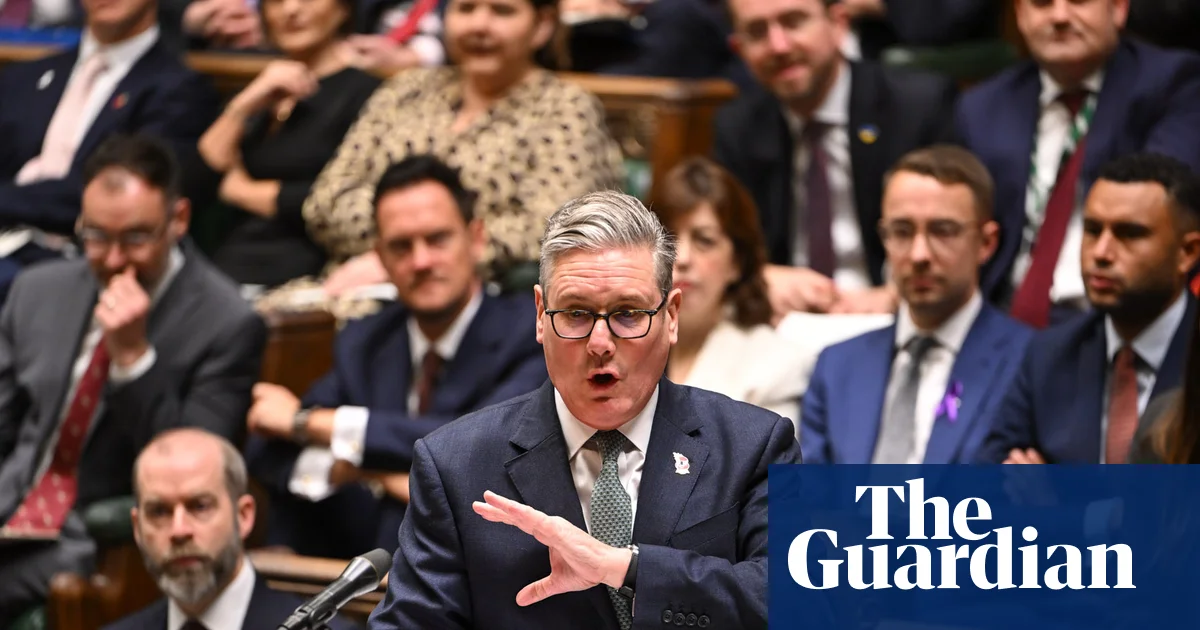
In an era marked by growing geopolitical tension, United Kingdom politics are revealing deeper fractures within Western democracies and their struggle to adapt to a new international landscape. Recent revelations around the turmoil in Downing Street highlight not only internal factions vying for influence but also suggest a broader contest for authority that echoes across the Atlantic and beyond. As Keir Starmer grapples with internal dissent—specifically over the future position of his top aide, Morgan McSweeney—analysts warn that such factional battles could undermine the stability of the UK’s political system and its ability to navigate pressing global challenges.

The controversy centers on allegations that Starmer’s inner circle orchestrated covert operations targeting cabinet members, especially the Health Secretary Wes Streeting. Critics accuse McSweeney of fueling internal strife through unauthorized briefings—a move that has triggered fierce public and parliamentary backlash. The situation underscores the fragility of political institutions under the strain of internal power struggles, with some commentators drawing parallels to shambolic administrations elsewhere. In this context, the internal political chaos reflects a broader collapse of traditional governance models, a crisis that could weaken the global standing of Western alliances.

International organizations and political analysts have been quick to interpret the UK’s domestic chaos as emblematic of the waning influence of established democracies and the rise of ‘crisis governance’ tactics. Historian and policy expert Dr. Christopher Miller cautions that such infighting not only jeopardizes the UK’s credibility but also emboldens authoritarian rivals like Russia and China. The decision by Starmer to publicly affirm confidence in McSweeney, despite mounting evidence of internal disputes, signals a broader dilemma faced by leaderships worldwide: how to uphold coherence in the face of internal dissent that could be exploited by adversaries to destabilize the nation further.

Beyond the borders of Britain, this episode carries dramatic global geopolitical implications. The stability of Western alliances — predicated on the perception of unity and seamless policy execution — is now under threat. As nations watch the UK’s inner discord, they are reminded that internal fragility in key democracies could serve as a strategic advantage for China and Russia. Meanwhile, international institutions are issuing cautious warnings about the erosion of trust in democracies’ ability to govern effectively—a warning that rings loud in the corridors of the United Nations and other global forums.

As history unfolds on this internal battleground, the weight of future decisions holds profound significance. Will Starmer’s leadership be able to forge a path through these treacherous political waters, or will internal discord open the door for more aggressive authoritarian models to fill the void? This unfolding saga exemplifies the core battleground of the 21st century: the battle for control—not only of nations but of the narratives that shape global power structures. In a world where alliances shift and the lines between internal and external conflicts blur, the outcome of UK’s political turbulence may well determine the course of international stability for years to come.

Youthful Heritage: Syria’s Ancient Statues Looted from National Museum

Ancient Artifacts Stolen from Syria’s National Museum: A Worrying Trend

In a disturbing development reflecting the persistent chaos afflicting Syria, officials confirm the theft of several invaluable artefacts from the National Museum in Damascus. The theft was reportedly uncovered on Monday when security staff found one of the museum’s doors had been forcibly broken from the inside—an alarming breach that underscores vulnerabilities in Syria’s security apparatus. Among the missing items are six marble statues from the Roman era, including relics from the ancient city of Palmyra, a symbol of Syria’s rich cultural tapestry and historical importance. This incident signals a troubling erosion of Syria’s cultural integrity and raises concerns on how ongoing turmoil impacts heritage preservation.

Authorities have launched an investigation, with Syria’s Directorate-General for Antiquities and Museums vowing to strengthen protective measures. Yet, this event is not isolated; it mirrors a broader pattern of loss and destruction that the country has endured for over a decade. Since the outbreak of civil war in 2011, Syria’s historical institutions and archaeological sites have suffered extensive damage. Damage to UNESCO World Heritage sites like Palmyra—once a jewel of the ancient Middle East—was carried out by the Islamic State group, which deliberately destroyed temples claiming they were idolatrous. Such acts, condemned internationally as war crimes, serve as a stark reminder that cultural annihilation remains an active weapon in modern warfare.

The significance of these artefacts extends beyond their historical value; they are pieces of civilization that define national identity and serve as symbols of resilience for the Syrian people. Their loss exacerbates the geopolitical impact of the ongoing conflict. By damaging Syria’s cultural patrimony, these acts not only weaken the nation’s historical fabric but also undermine its international standing. Critics argue that the theft and destruction of artefacts are indicative of the broader geopolitical struggle — a fight for influence and control over the region’s resources, history, and identity. International organizations like UNESCO have repeatedly condemned such acts, emphasizing the importance of safeguarding cultural heritage as a form of resistance against barbarism. Experts warn that the loss of these artefacts diminishes the collective memory of mankind, creating a vacuum that fuels radicalization and anti-Western sentiment.

As Syria navigates a complex landscape of rebel factions, foreign influence, and internal upheaval, the question remains: how can international efforts effectively protect what remains of Syria’s battered cultural heritage? The recent theft is a stark reminder that history is fragile and that conflict’s true cost extends far beyond the battlefield. With each artefact stolen or destroyed, the world witnesses not just the loss of history, but also the erosion of national identity and cultural sovereignty. As the narrative of Syria’s future unfolds amidst international debate, the lingering question remains: will the preservation of history become a casualty of geopolitical ambition, or will it serve as a rallying cry for renewed international commitment to protect humanity’s shared legacy? The answer lies in the ongoing struggle to balance diplomacy, security, and cultural preservation — a battle that, ultimately, defines the true cost of conflicts that continue to shape our world’s history.

Top Home Depot Black Friday Deals You Can’t Miss in 2025

Tech Industry Shaken by Market Disruption and Innovation Amid Holiday Sales Frenzy

In a display of dynamic market shifts and relentless innovation, the tech landscape is witnessing unprecedented disruption fueled by expansive consumer campaigns such as the ongoing Home Depot Black Friday sale. This year’s event, extended from November 5 to December 3, underscores a larger trend where disruptive pricing strategies and aggressive promotional tactics are redefining competitive boundaries. Big names like Google and Dewalt are leveraging this retail surge to push their latest smart home gadgets and power tools, fundamentally altering how businesses approach innovation and consumer engagement.

At the forefront of this movement are innovations like Google’s Nest Learning Thermostat (4th Generation), which is now available at its lowest retail price and exemplifies the power of precision smart home control. This device, praised for its sleek design and robust connectivity, integrates external temperature sensors and adaptive readouts to maintain optimal comfort levels—a testament to how disruption in IoT (Internet of Things) devices continues to accelerate. Industry analysts, including Gartner and MIT’s digital innovation labs, highlight that this surge in smart appliances signals a pivotal shift: the integration of intelligence into everyday devices is no longer optional but essential for competitive advantage.

Business Implications: The Race for Dominance in Smart Home and Power Tools

Meanwhile, the power tools segment is experiencing its own seismic shift. DeWalt and Milwaukee Tools are offering buy-one-get-one deals on essential equipment like cordless drills and impact drivers—an aggressive strategy aimed at locking in consumer loyalty at an early phase of ecosystems built around robust battery tech and modular systems. This approach is disrupting traditional sales models, forcing competitors to reconsider their pricing and product development trajectories. Experts argue that such BOGO and deep discount strategies” may significantly accelerate ecosystem lock-in, consolidating market power among brands like Milwaukee, Makita, and Ridgid.

Looking ahead, business analysts speculate that this hyper-competitive environment will force companies to innovate not just in product evolution but in business models. The recent trends suggest that the most successful firms will integrate advanced battery technology with AI-powered management systems, creating seamless, interconnected tool ecosystems that deliver unparalleled value. Elon Musk’s recent remarks on AI displacing traditional manufacturing and Peter Thiel’s focus on zero-to-one innovations further emphasize that disruption in this sector is imminent and necessary to avoid obsolescence.

Forward Looking: The Urgency of Innovation in a Disruptive Market

As the holiday deals season underscores the trend, the tech industry faces a clear mandate: embrace innovation or risk irrelevance. From smart thermostats that optimize comfort intelligently to power tools that integrate with next-gen battery tech, the race is on for market supremacy. Industry leaders and disruptors alike must leverage the current window of consumer engagement to accelerate R&D, data-driven customization, and strategic partnerships. The message is undeniable: The future belongs to those who disrupt, adapt, and innovate swiftly.

In conclusion, the current retail frenzy is more than a fleeting seasonal event; it’s a harbinger of a technological evolution where disruption, innovation, and strategic agility will determine industry leadership. With market shifts accelerating and consumer expectations evolving, tech companies that prioritize innovation today will shape the landscape of tomorrow—and those that delay risk being left behind in the dust of revolutionary change.

Social Media Auto Publish Powered By : XYZScripts.com