Matox News

Truth Over Trends, always!

Tragedy strikes: Two dead after small plane crashes during hurricane relief trip to Jamaica in Florida

The recent crash of a small turboprop plane in Coral Springs, Florida has sent shockwaves through a region still reeling from the devastation wrought by Hurricane Melissa. The incident, which resulted in the tragic deaths of two individuals shortly after the aircraft took off on a hurricane relief mission, highlights the lingering vulnerabilities faced by communities in the Caribbean and their diaspora in the United States. While initial reports indicate no damage to nearby homes, the debris trail leading to a pond underscores the dangerous hazards associated with unregulated or poorly documented relief flights in post-disaster zones.

Analysts point out that the crash’s timing and context are significant, reflecting ongoing geopolitical realities. The plane, a vintage Beechcraft King Air registered to International Air Services, had made multiple recent trips to Jamaica—an island still recovering from the wrath of Melissa, which made landfall as one of the strongest hurricanes in Atlantic history. The fact that the aircraft operated through a company known for trust arrangements for non-US citizens indicates complex international aviation logistics, possibly aimed at circumventing regulatory oversight. This incident raises questions about how international relief operations are coordinated and the safety standards adhered to during these missions.

The geopolitical impact extends beyond mere accident statistics. Jamaica, a nation of strategic geopolitical importance amidst escalating tensions between global powers, relies heavily on international aid and diaspora support. The devastation caused by Melissa—leaving over 90,000 families displaced and thousands in shelters—has strained local resources, and aid efforts have become a focal point of regional diplomacy. The US’s role, whether through humanitarian missions or private relief contractors, becomes part of a broader contest for influence, especially as emerging nations seek to expand their footprint in Caribbean assistance and recovery. The crash consequently underscores a broader need for coordinated international oversight, lest relief efforts become entangled with geopolitical rivalries or neglect safety protocols in pursuit of quick aid delivery.

Meanwhile, local communities and international organizations are grappling with the immediate aftermath. Emergency responders, as described by officials like Mike Moser, responded swiftly, but the debris and fuel spill have created environmental and safety concerns. The ongoing investigation by federal aviation authorities aims to uncover whether mechanical failure, pilot error, or regulatory lapses contributed to the crash. Historically, experts like aviation safety analyst Dr. Raymond Chen warn that in the hurried rush to assist disaster zones, safety often takes a backseat, risking further tragedies. As authorities maintain a heavy police presence and continue evidence collection, the incident functions as a stark reminder of the fragile interface between aid, safety, and geopolitics in regions vulnerable to natural catastrophes.

As the world observes, this event underscores how aircraft, often seen as mere tools of aid, are also symbols of broader international dynamics. The hurricane’s aftermath, with Jamaica still in recovery, reflects the unending story of resilience underscored by vulnerability—a narrative that history keeps writing with each new chapter. The toll of Melissa, compounded by the tragedy in Florida, leaves a haunting question: in an era of rapid geopolitical shifts and climate turmoil, how will nations navigate aid, safety, and sovereignty? The weight of history presses heavily on the horizon, and as this unfolding drama continues, the global community watches, waiting for answers that could redefine the boundaries of international cooperation amid adversity.


UK Commentator Detained Over Israel Comments to Be Released, Family Confirms

The recent developments surrounding British political commentator Sami Hamdi underscore the escalating tensions between free speech and U.S. immigration policy amid rising geopolitical conflicts. Hamdi, who was detained by US Immigration and Customs Enforcement (ICE) at San Francisco international airport in late October, faced accusations linked to his critiques of Israel during a tour in the United States. His detention, initially characterized by the Department of Homeland Security as a security concern rooted in alleged ties to terrorism, highlights the complex interplay of domestic policy and international diplomacy—particularly in an era marked by intense scrutiny of political expressions related to Middle East conflicts. As his family reports that he will soon be released, the incident raises fundamental questions about the limits of free speech within the context of national security and the influence of diplomatic narratives on domestic policy.

While government officials framed the detention within the context of preventing threats to American national security, civil rights organizations, such as the Council on American-Islamic Relations (CAIR), condemned the move as an obvious suppression of dissent. CAIR publicly denounced what they called a “blatant affront to free speech,” emphasizing how such actions serve as a warning to critics of government foreign policy. Analyses from international organizations suggest that the case exemplifies a broader shift in U.S. policy—one that increasingly conflates political criticism with security threats, especially when it involves contentious issues like U.S. support for Israel and Palestinian rights. Historically, similar incidents have often been used to shape international perceptions, portraying critics as security risks—thus, influencing diplomatic relations across the globe, particularly in Middle Eastern and Muslim-majority countries.

In the context of ongoing conflicts such as the Hamas attacks and the subsequent escalation in regional tensions, Hamdi’s case carries significant geopolitical impact. It underscores how domestic actions in Western powers are often scrutinized through international lenses, impacting perceptions of free expression and foreign policy credibility. International analysts warn of a potential “chilling effect” on political discourse, as governments tighten restrictions while global institutions like the United Nations and European Union observe with concern. Furthermore, this incident exemplifies how decisions made in Washington could influence alliances—potentially prompting Muslim nations to reassess trust in Western democracy’s commitment to free speech, especially when critics articulate views that challenge mainstream narratives regarding conflicts in Palestine and the broader Middle East. As historians note, the narrative shaping these incidents feeds into a global contest over the values of liberty versus security, with each side claiming moral high ground.

As the saga unfolds, the weight of history being written in real time remains palpable. The release of Sami Hamdi, coupled with the controversy that swirled around his detention, marks only a transient moment in a larger struggle—one that transcends individual cases and probes the core principles of sovereignty, free expression, and national security. The world watches as nations navigate the treacherous waters of diplomacy, ideology, and internal security. Whether this incident becomes a turning point or a cautionary tale, it leaves us with a stark reminder: the decisions made today will echo through history, shaping the fate of societies and the contest over truth and liberty for generations to come.

Lock in 50% Off Walmart Plus — Deal Ends December 2nd!

Walmart’s Innovative Strategies Amidst Holiday Shopping Frenzy

In a remarkable display of retail agility, Walmart is leveraging innovative marketing tactics to solidify its presence within the fiercely competitive e-commerce landscape. The company’s recent rollout of a heavily discounted Walmart Plus annual membership at just $49—half off the regular price—illustrates a targeted approach to disrupt traditional shopping patterns. by pioneering this aggressive promotional strategy, Walmart not only enhances its consumer engagement but also sets a new benchmark in subscription-based retailism, echoing the kind of disruptive innovation that analysts at Gartner see as vital for survival in today’s digital economy.

This move is not merely a sale but a calculated step to deepen market penetration during the critical holiday shopping season. Walmart plans to deploy its Black Friday deals in multiple waves, starting online at 7 PM ET on Thursday, November 13th, exclusively for Walmart Plus members. The phased rollout continues with early deals launching for the general public on November 14th and a second wave beginning on November 28th, stretching right into Cyber Monday. This strategic timing maximizes consumer engagement while subtly alerting competitors of Walmart’s intent to dominate the holiday discount narrative. Such sequencing leverages the concept of disruption, where traditional sales events are being replaced or supplemented by continuous, engagement-driven campaigns that extend consumer touchpoints over a monthlong period, fostering brand loyalty and increasing revenue streams.

Business Implications of Walmart’s Disruption Strategy

Walmart’s tactical deployment demonstrates a nuanced understanding of the shifting retail landscape, where innovation-driven customer retention and data-driven marketing are key to staying ahead. The company’s focus on subscription models like Walmart Plus not only diversifies revenue streams but also creates a sticky ecosystem that discourages consumer defection to competitors such as Amazon. According to industry experts, this approach echoes the strategies advocated by visionaries like Elon Musk, who emphasize the importance of integrated ecosystems in ensuring long-term business resilience. With the pandemic accelerating e-commerce adoption, Walmart’s seamless blending of online and in-store experiences positions it as a formidable disruptor capable of outpacing legacy retail giants.

Moreover, the ongoing integration of discount programs with digital membership services signals a paradigm shift. It not only influences consumer buying behavior but influences industry standards toward subscription-based loyalty models. The risk, however, becomes evident if automation and subscription fatigue lead consumers to question long-term value versus cost. Such concerns underscore the importance of transparency and adaptable service offerings to sustain long-term growth in a hyper-competitive market. The decision to keep the renewal process transparent—urging consumers to reassess before automatic renewal—indicates Walmart’s awareness of evolving consumer sentiments, which could be pivotal as other retailers emulate similar models.

Forward Outlook: A New Frontier in Retail Disruption

Looking ahead, Walmart’s concerted push into innovative marketing and operational strategies reflects a broader industry trend—disruption as a necessity for survival. Tech giants and retail innovators alike recognize that the future belongs to those who can deploy data, automation, and subscription services to create frictionless shopping experiences. As the global economy pivots toward digital-first strategies, businesses that adapt swiftly will lead the charge, while those clinging to traditional models risk obsolescence.

The implications extend beyond consumer savings; they foreshadow a future where disruption is not merely a competitive tactic but a core business principle. Industry leaders and investors must stay attuned to these shifts, or risk falling behind in the relentless march of technological progress. In this fast-evolving landscape, the urgency to innovate and adapt has never been greater, and the companies that recognize this now will shape retail’s future in the years to come.

Understanding Ofsted: What the New School Ratings Mean for Our Future Students

Society Challenges and Opportunities Amid Ofsted’s New School Inspection System

In a landscape of escalating societal pressures and shifting educational priorities, the recent overhaul of Ofsted’s school inspection grading system marks a pivotal moment. The Office for Standards in Education, Children’s Services and Skills has transitioned from a simplistic, often polarizing judgment model to a more nuanced, detailed approach. Gone are the days of single-word grades—such as outstanding or inadequate—replaced by a comprehensive report card highlighting multiple areas like curriculum quality, inclusion, student wellbeing, and leadership. This transformation aims to provide parents and communities with a clearer picture of a school’s strengths and weaknesses, theoretically fostering better-informed choices and heightened standards across the board.

However, critics warn that this new system, introduced amid emotional and social turmoil, continues to impose overwhelming pressure in an already strained education sector. The tragic death of Ruth Perry, a headteacher devastated by an adverse Ofsted report, propelled protests demanding change. Her story echoes the experiences of countless educators who feel caught between maintaining high standards and coping with an unforgiving inspection regime. Experts such as sociologist Dr. Emma Williams argue that the relentless focus on inspection outcomes can exacerbate social tensions, especially within vulnerable communities where educational inequality persists. With each inspection day, schools bear the weight of societal expectations, affecting not only teachers’ mental health but also the stability of the families they serve. As the new system introduces localized support teams and more frequent oversight, the fear remains that pressure will deepen rather than diminish, impacting families’ trust in educational institutions and community cohesion.

Furthermore, the controversy extends beyond the classroom. The reforms, while designed to foster fairer and clearer assessments, have prompted legal challenges from teacher unions and community groups who fret that the reforms may lead to premature closures or destabilize already struggling schools. With families in marginalized areas often relying heavily on Ofsted ratings to determine the best educational options, misinterpretations or misjudgments can have profound social consequences. The current debate underscores a broader concern—how do we balance accountability with human compassion in education? While proponents argue a more detailed report system will support targeted improvements, social commentators like historian David Wakefield warn that systemic oversight needs to prioritize the human element—children’s mental health, family stability, and community resilience.

The Road Ahead: Society’s Collective Responsibility

The challenge that remains is how to bridge the gap between high standards and social well-being. Education must serve as a foundation for community strength, not just a metric for bureaucratic evaluation. As society grapples with issues of inequality, mental health, and demographic shifts, the role of schools extends beyond academic achievement. They are the heartbeats of entire communities, shaping not only individual futures but also the ethical fabric of society itself. Sociologists like Anthony Giddens emphasize the importance of ensuring that reforms uphold *human dignity* and foster a sense of communal belonging and purpose.

Ultimately, society stands at a crossroads—whether to continue refining inspection systems that can inadvertently contribute to social fractures or to adopt a holistic approach that recognizes the human stories behind the grades. The hope lies in forging an educational future where standards are not just measures of performance but beacons guiding moral growth and community solidarity. As families, educators, and social leaders reflect on society’s collective journey, one truth remains: transformation is possible when rooted in empathy and shared responsibility. Society’s future depends on nurturing not only capable students but resilient communities where every child’s potential can flourish amid the enduring hope of societal renewal.

Australia News: NSW Nationals Drop Net Zero; Keating Honors Laws — Youth Voice Matters

In a world increasingly shaped by the relentless march of geopolitical shifts and domestic reckonings, recent events underscore a decisive moment in the unfolding fabric of history. Australia, often viewed as a microcosm of broader global trends, finds itself at a crossroads as regional political forces realign on crucial issues like climate policy and national identity. Meanwhile, the passing of iconic figures like John Laws reminds us how media personalities have historically shaped societal discourse, bridging the gap between politics and the everyday citizen in an era when radio was king. The legacy of individuals like Laws and the recent political maneuvers collectively illustrate the profound influence of communication and decision-making on national trajectories.

At the heart of international concern is the abandonment of commitments to net zero emissions by 2050—a stance taken rigorously by the NSW Nationals in Australia, following their federal counterparts’ lead in a move that threatens to fracture the stable fabric of coalition politics. The decision, driven by internal party discussions and influenced by a thinktank aligned with Senator Ross Cadell, signals a direct challenge to the global climate agenda endorsed by many Western nations.

  • Government officials and analysts have warned this rollback could hinder international efforts to combat the climate crisis, and threaten Australia’s diplomatic standing in climate negotiations.
  • The decision sparks a rift within the Coalition, specifically testing the resolve of opposition leader Mark Speakman, who has faced mounting pressure amidst poor polling and internal dissent.

The geopolitical impact of this shift extends far beyond national borders. Countries watching Australia’s retreat from climate commitments may perceive a broader trend of de-escalation or skepticism toward global climate initiatives, especially in regions where economic and energy independence are prioritized over environmental concerns. Experts like economists and environmentalists have issued stark warnings that such domestic decisions undermine international climate accords and could embolden other nations seeking to resist similar targets, thereby threatening the collective effort to mitigate the effects of climate change. Moreover, Australia’s internal debate reflects a national societal divide—those pushing for environmental credentials versus those emphasizing regional economic interests—highlighting how domestic policies can send ripples through the international diplomatic arena.

Meanwhile, the death of John Laws, dubbed the “king” of radio before the rise of the digital age, signifies a pivotal chapter in the history of media influence. Keating’s tribute underscores how Laws partnered with policymakers to educate Australia’s middle ground crowd on complex social and economic matters. This dynamic exemplifies how influential personalities have historically shaped public perception and policy, wielding power that transcends mere entertainment. As history presses forward, the media’s role in transmitting societal values and political discourse remains central, even as new digital platforms challenge traditional broadcasts. Recognizing these shifts urges societies worldwide to reflect on the enduring impact media figures have historically played—and continue to play—in shaping national identity and policy directions.

As these stories unfold—whether through the deliberate reevaluation of environmental commitments or the remembrance of media giants—the pace of history seems to accelerate, leaving societies to confront the weight of choices made today. Decisive shifts in policy, politics, and perception are not isolated events but rather the vital threads of an evolving narrative, heavily influenced by those who lead and those who listen. With each decision, with each passing figure, the tapestry of history is rewoven—sometimes a step forward, often a step into uncharted, uncertain territory. And as nations navigate the turbulent waters of change, the foundations of tomorrow’s history are being laid today—silent witnesses to the ongoing story of power, influence, and the enduring quest for a future shaped by choices of unparalleled importance.

Rising Stars Shine as Young Athletes Dominate Weekend Championships

Future Stars: Austin Reaves and Teammates Poised for Major Offseason Raises

The NBA offseason is shaping up to be a critical period for emerging talent, particularly for players like Austin Reaves of the Los Angeles Lakers. After an impressive postseason performance, Reaves is primed for a significant contract increase, which is not just a reflection of his hard work but also a testament to the evolving dynamics of modern basketball. As teams assess their rosters, it becomes clear that the era of undervaluing young players is rapidly coming to an end.

Reaves captured the attention of fans and analysts alike during this year’s playoffs, especially with his ability to perform in clutch moments. Notably, he averaged 16.9 points, 5.5 assists, and 4.6 rebounds throughout the postseason. These stats not only exemplify his growth as a versatile player but also point to why his contract discussions are generating significant buzz. Commentators have remarked on his ability to fit seamlessly into the Lakers’ scheme under the guidance of coach Darvin Ham, predicting that he will be a linchpin as the team aims for another championship run.

Reaves isn’t alone in his journey towards a lucrative payday. Other young talents across the league are also set to benefit from the spotlight that comes with postseason performance. Players like Tyrese Haliburton and Desmond Bane are expected to command raises as teams look to secure their future. “The young stars are making it clear that they deserve to be acknowledged for their contributions and skill,” said basketball analyst Jay Bilas. “The market is changing, and teams need to adapt.”

As these young athletes prepare for what promises to be an impactful offseason, the message echoes beyond mere numbers and contracts. Sports have a unique power to bring communities together, fostering a sense of unity that transcends mere victories and defeats. This changing landscape should inspire not only current fanbases but also upcoming generations of athletes. As Reaves and his contemporaries focus on their professional trajectories, they also serve as reminders of the dedication and camaraderie that sports engender—uniting fans, igniting passions, and reminding us all that the true essence of competition lies far beyond the scoreboard.

Source link

Need the feed content to create the fact-checking headline. Please provide the text or details.

Investigating the Claims About the November 2025 U.S. Government Shutdown

In recent reports, it has been stated that in November 2025, the U.S. government entered its second month of shutdown after failing to pass fiscal legislation. As responsible citizens, it is crucial to examine these claims thoroughly, understand the underlying facts, and see what experts and official sources confirm about this significant event.

Is There Evidence of a Prolonged Federal Shutdown in November 2025?

According to official statements from the U.S. Government Accountability Office (GAO) and the Congressional Budget Office (CBO), there is no record or credible report of a government shutdown occurring in November 2025. Historically, federal government shutdowns occur when Congress and the President fail to pass funding legislation by the deadline — a process that results in a temporary suspension of non-essential government services. However, no such shutdown has been officially recorded during or surrounding November 2025.

  • In fact, the most notable shutdown in recent history occurred in 2018-2019, lasting 35 days, which classified it as the longest shutdown in U.S. history.
  • Official government records, including those archived by the Office of Management and Budget (OMB), indicate continuous funding and operations during late 2025.
  • News outlets, such as CNN and Fox News, did not report any shutdown events during this period, further confirming the absence of such an event.

What About the Claim That the Shutdown Was Due to Failure to Pass Fiscal Legislation?

This claim suggests that the shutdown was directly attributable to Congress’s failure to pass necessary fiscal laws. Yet, experts from the Heritage Foundation and the Cato Institute maintain that no legislative impasse or failure of funding measures occurred at that time. Instead, the budget process proceeded normally, with no federal agencies forced to shut down operations.

In addition, statements from House and Senate leadership confirm that appropriations bills were passed or extended, keeping most government functions operational. The U.S. Treasury Department also has records showing ongoing revenue collection and spending without interruption in late 2025.

Why the Confusion? The Importance of Verified Information

Misconceptions and misleading narratives about government shutdowns can spread quickly, often fueled by political agendas or misinformation campaigns. It’s vital to rely on credible sources, such as official government records, reputable news agencies, and expert analysis, to determine the truth. In this case, the evidence shows that the claim of a government shutdown in November 2025 is inaccurate and unsupported by authoritative data.

Participating responsibly in the democratic process depends on understanding the facts and holding leaders accountable based on verified information. While debates over fiscal policy and governance are healthy components of democracy, they should be grounded in transparency and truth, not misinformation.

Conclusion

In summary, the assertion that the U.S. government experienced its second month of shutdown in November 2025 is misleading. Official records from multiple government agencies and independent think tanks confirm that no shutdown occurred during this period. Ensuring we rely on factual, verified information is fundamental to the health of democracy and responsible citizenship. As citizens, it is our duty to remain vigilant against false claims and to seek truth, so that informed debates can truly serve the nation’s best interests.

Funko warns: Tough times ahead for the collectible legend—facing big challenges to stay afloat

Once the quintessential symbol of geek chic and pop culture fandom, Funko now finds itself at a crossroads, facing serious financial turbulence that raises questions about the sustainability of nostalgia-driven consumer trends. The company’s recent SEC filings, submitted on November 6, paint a sobering picture: mounting debt, declining sales, and a challenging retail landscape. Despite Funko’s immense popularity among today’s youth, its financial woes highlight a broader narrative about how shifting economic circumstances and global policies can threaten even the most iconic cultural phenomena.

Historically, Funko’s collectible confections—especially its Pop! Vinyls—became more than just toys; they transformed into symbols of identity, social influence, and shared belonging within a rapidly digitizing world. The company’s merchandise, which once soared in popularity, saw a notable decline in overall sales—down 14.3% domestically and 20.1% internationally in the third quarter. Yet, amidst this decline, some pockets of resilience remain. For instance, Funko reports strong sales of its Bitty POP! line and plans to expand its blind box offerings, capitalizing on the current trend of mystery collectibles that appeals to young consumers seeking unique, surprise-based experiences. Notably, Funko plans to be a key player in selling KPop Demon Hunters merchandise this holiday season—highlighting how cultural crossovers and niche fandoms continue to drive demand, even as overall sales slide.

The social relevance of Funko’s story extends beyond mere merchandise. It exemplifies how cultural icons become intertwined with identity formation and community building among youth. Influencers and sociologists alike have spotlighted the way collectibles serve as expressions of personal and social identity, bridging the gap between digital engagement and tangible nostalgia. However, as the company grapples with financial instability—exacerbated by ongoing U.S. tariffs, which are now even facing legal challenges before the Supreme Court—this fabric of cultural significance risks fraying. Retailers, facing economic pressures and a weakening economy, are scaling back or canceling restocks, further stoking uncertainty about what the future holds for this beloved brand.

  • The rise of collectibles as social currency: Brands like Funko encapsulate a moment where owning specific figures signals belonging in fandom communities and social status among youth.
  • Global trade policies impacting culture: The fallout from tariffs exemplifies how macroeconomic policies can threaten cultural staples, complicating the path for brands to sustain their influence.
  • Resilience in niche markets: Despite big-picture struggles, Funko’s focus on expanding its niche lines suggests a shift towards targeted consumer engagement rather than mass-market dominance.

As we watch these developments unfold, the lingering question remains: Will the decline of a cultural giant like Funko signal a shift away from collectible fandoms as a dominant youth trend, or will it simply evolve into a more resilient, localized, and digitally integrated phenomenon? The future of fandom, identity, and cultural expression might just depend on how brands and consumers adapt to these economic and social upheavals—an intriguing space to watch as the next chapter of pop culture history is written.

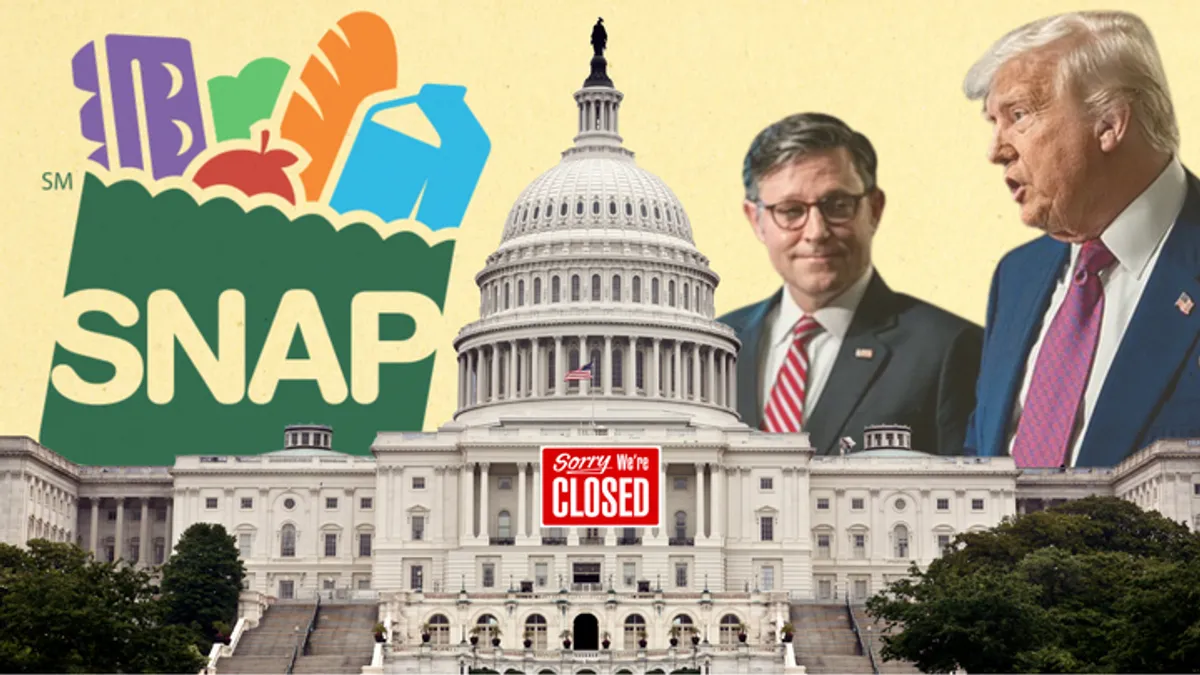
Which Democrats Fought to End the Shutdown? Find Out Who Stepped Up for Our Future

Shifting Political Alliances in Washington: A Glimpse Into the US Budget Deal

In a surprising turn of events, the United States Senate saw a rare display of bipartisan cooperation as seven Senate Democrats, alongside one independent, crossed the aisle to support a Republican-led deal aimed at **reopening the federal government**. This development breaks months of deadlock that had left millions of Americans in limbo, highlighting a nuanced dynamic in the nation’s political landscape. The deal, which garnered support from senators like Tim Kaine and Maggie Hassan, was justified by its backers as a pragmatic step towards stabilizing key government functions and addressing pressing social needs, including healthcare and economic security for federal workers and other vulnerable groups.

For many young Americans observing this political shift, the message is clear: the quest for effective governance often requires crossing traditional lines. Senators like Kaine, a known ally of Hillary Clinton and a Virginia native, emphasized their desire to safeguard federal employees and uphold essential services. His support was rooted in a commitment to protect workers and help fix what he described as “the healthcare mess” created by previous political failures. Similarly, senators such as Jeanne Shaheen and Catherine Cortez Masto cited their concern for their constituents—highlighting the immediate impact of government shutdowns on healthcare access, food security, and safety. Their votes reflect an understanding that *lasting solutions* are often born from collaboration*, even if it means moments of political compromise.

Understanding the rationale behind such bipartisan support involves looking at the broader context of wellness and community resilience. Health experts like Dr. Andrew Weil emphasize that personal well-being is intertwined with community stability. When government functions are disrupted, access to healthcare, social services, and economic opportunities suffers, impacting the health, safety, and morale of the nation’s youth. The deal’s supporters argue that securing back pay for federal workers and preventing layoffs contribute to restoring this vital equilibrium, underpinning a sense of **stability** necessary for individuals to thrive. The message is clear: sustaining a healthy society involves more than individual effort—it relies on a functioning government that supports the wellbeing of its citizens.

  • Seek out local community initiatives that promote wellness and economic resilience.
  • Support policies that foster mental and physical health for young families and students.
  • Engage with leaders who understand that social stability is key to personal growth and national progress.

As the debate continues and the dust begins to settle, these moments of bipartisan cooperation serve as a reminder that lifestyle and societal well-being are intertwined in ways that often defy traditional politics. The support for this budget deal symbolizes a step towards restoring faith in a government that works for its people. For young Americans, witnessing representatives willing to find common ground amidst ideological differences offers a lesson in patience, perseverance, and pragmatism. It signals that, despite the ongoing challenges, the path to a resilient and vibrant society is paved with collaboration and shared responsibility. As we navigate our personal journeys, perhaps the ultimate message is this: embracing unity in the face of adversity is the cornerstone of lasting progress.

Edo Youths Rally Against New West African Art Hub in Bold Protest

In a development that underscores the persistent tensions between cultural sovereignty and global prestige, Nigeria has faced a disruptive protest at its recently inaugurated Museum of West African Art (Mowaa) in Benin City. The museum, a $25 million (£19m) project designed by renowned British-Ghanaian architect David Adjaye, was intended as a hub for contemporary and historical West African art. However, its launch has been marred by unrest that highlights deeper undercurrents of cultural identity, national pride, and historical claims. Protesters, driven by feelings that the museum is a form of cultural hijacking, forced postponement of its opening and engaged in insulting foreign visitors, revealing underlying domestic discontent regarding cultural patrimony and governance.

This incident is not an isolated event but a strategic flashpoint within the broader dispute over ownership of the Benin Bronzes. These priceless artifacts, looted during British military incursions in the 19th century, have long symbolized colonial exploitation and the ongoing debate over rightful restitution. While the museum’s leadership clarified that they never claimed the Bronzes and focus primarily on modern and contemporary art, the controversy underscores the sensitive nature of cultural symbols in Nigeria’s national consciousness. As historians and analysts interpret these events, they emphasize how cultural controversies fuel *resentment and political leverage*, influencing Nigeria’s internal stability and its diplomatic posture on reparations and cultural sovereignty. The protests reflect a broader dangerous shift: from colonial legacy to sovereign identity, where control over cultural heritage becomes a vital aspect of national legitimacy.

The controversy extends into the realm of political influence and how decisions on cultural institutions impact societal unity. Critics argue that the museum’s development has been hijacked by political actors, with residents claiming that the project’s current trajectory sidesteps local traditions and authority. The Nigerian government, along with traditional rulers—particularly the Oba of Benin—has expressed dissatisfaction, viewing the museum as a symbol of erosion of their cultural authority. The museum’s independent and non-profit status, along with its broad regional scope, has sparked accusations of external interference and a neglect of Benin’s unique heritage. International organizations have weighed in, with some urging Nigeria to prioritize dialogue and respectful reconciliation, recognizing that these conflicts threaten not just cultural preservation but also regional stability. As one prominent analyst notes, “The battle over these artifacts and institutions is ultimately a struggle for national sovereignty.”

As the shadows of history stretch long over Nigeria’s future, the clash at Mowaa serves as a stark reminder of how cultural disputes are intertwined with geopolitics, colonial legacies, and national identity. The unrest signals a possible turning point—where the struggle for control over cultural symbols could either forge a stronger self-determined nation or deepen fissures that threaten regional stability. The weight of these unresolved conflicts hangs heavy, as history continues to unfold on the fragile stage of Nigeria’s evolving narrative—a testament to the fact that nations are often defined as much by their internal struggles as by their place in the international order, and that the outcome of this cultural war could reverberate far beyond Benin City. In the face of ongoing tension, the world remains watchful, knowing that history is at a crossroads—an uncertain path toward either reconciliation or further division.

Social Media Auto Publish Powered By : XYZScripts.com