Matox News

Truth Over Trends, always!

Gren Gaskell’s Legacy: A Reflection on Society’s Roots

In examining the social fabric of our society, the life story of Gren Gaskell, who recently passed away at the age of 89, exemplifies the profound impact that community, resilience, and personal growth can have on families and social institutions. Born into a working-class coalmining community in Nottinghamshire, Gren’s early life was marked by hardship, with the loss of his father in a pit accident and the struggle to make ends meet during his childhood. His experiences underscore the persistent challenges faced by families in marginalized communities, where economic insecurity and social inequalities often shape life trajectories. Yet, through education and community support, Gren was able to forge a path toward personal achievement and societal contribution.

His journey from miner to company manager illustrates the importance of opportunities for upward mobility, which are often hindered by systemic barriers. Sociologists like Charles Murray and others have highlighted how access to quality education and mentorships can serve as the linchpins for breaking cycles of poverty. Gren’s early encounter with Mrs. Gunn, who introduced him to Shakespeare and encouraged learning, exemplifies how dedicated educators and community figures can foster hope and ambition in disadvantaged youth. Today, the debate over equitable access to education remains a key social issue, directly affecting families and communities striving for a better future.

The social narrative of Gren’s life also speaks to the urgent need for support structures to sustain mental and physical health among aging populations. His later years, marked by engaging in literary pursuits and charitable circles such as the U3A, reflect how lifelong learning and community involvement can enhance well-being. However, the broader societal challenge lies in ensuring adequate healthcare and social services for fragile, older individuals—an issue that disproportionately affects families caring for aging relatives. The struggle faced by many families combating complex health conditions like Lewy body dementia reveals the moral imperative of expanding accessible care and fostering intergenerational solidarity.

Ultimately, Gren Gaskell’s inspiring story challenges us to consider how social institutions can better serve the diverse needs of society. His life demonstrates that resilience, community support, and a commitment to learning foster societal strength. As social commentators remind us, the true measure of cultural progress lies in how we uplift the least privileged among us, ensuring that the pathways to opportunity are open to all. By confronting systemic inequalities and nurturing the human spirit, society can move toward a future where stories like Gren’s are no longer exceptions but the rule—a society where families flourish, education empowers, and communities thrive. The challenge remains, however: will we heed this call for change or be content to watch our social fabric fray? The choice defines not only our present but the inheritance we leave behind for generations to come.
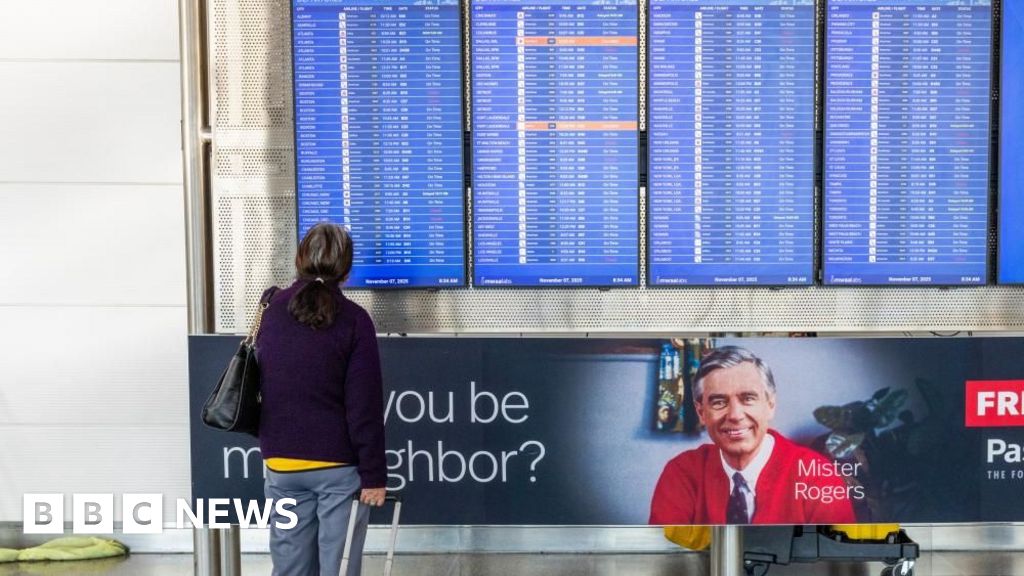
Transport Secretary warns shutdown could ground US flights to a trickle, sparking concerns for travelers and the economy

The ongoing US government shutdown has entered its 40th day, marking the longest in American history and sending ripple effects across the socio-economic fabric of the nation. As federal workers face unpaid wages and essential services grind to a halt, the transportation sector bears the brunt of the crisis. Thousands of flights are canceled or delayed daily, with the Federal Aviation Administration (@FAA@) announcing capacity reductions of up to 10% at major airports, such as Newark. These measures are driven by fatigued air traffic controllers, many of whom are working without pay—raising urgent safety concerns and exposing the weaknesses of bureaucratic gridlock.

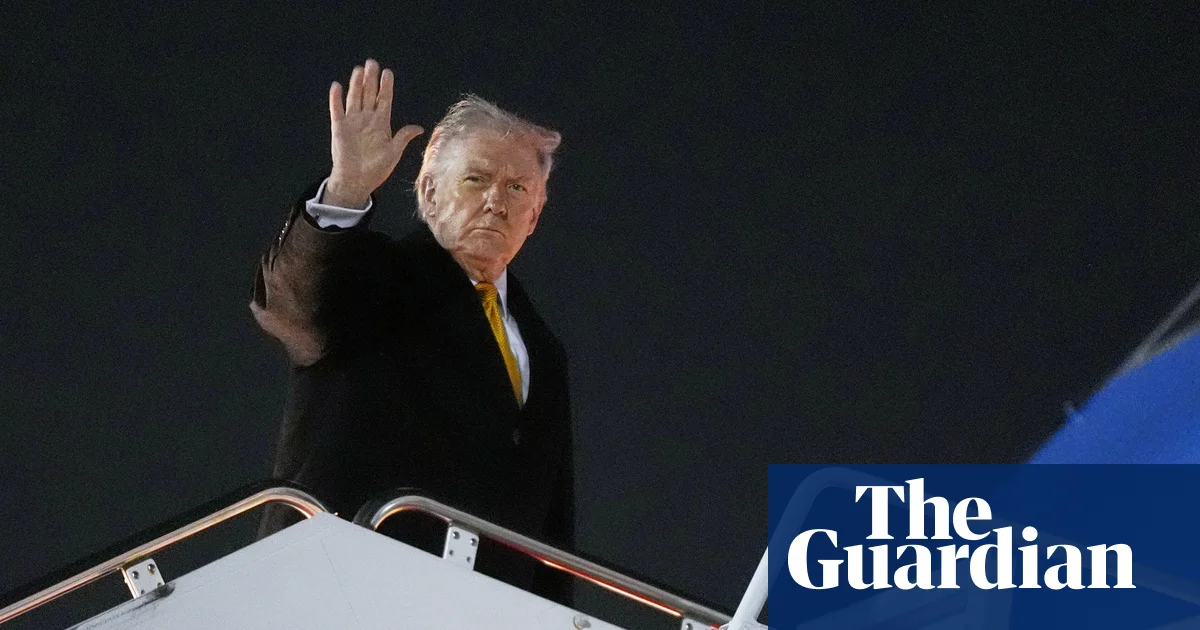
Analysts and international observers warn that without swift resolution, the impact on the global economy could deepen. Flight delays and cancellations serve as a stark reminder of how domestic political stalemates threaten to destabilize global markets and international travel. US lawmakers are under pressure, with the Senate convening in a rare weekend session, attempting to broker a deal that could temporarily end this impasse. However, the core dispute remains entrenched, with Democrats demanding policy concessions tied to healthcare funding, and Republicans insisting on pure budget measures without additional policy layers. As President Donald Trump proposes redirecting relief funds directly to Americans’ health insurance, global financial markets watch nervously, understanding that timely compromise is paramount to prevent economic contagion.

This crisis highlights the deep fissures in the American political landscape—fissures that have far-reaching geopolitical impact. While Washington grapples with its stalemate, China and Russia observe closely, noting America’s internal divisions and the potential for weakened global influence. The shutdown also reveals the fragility of public trust in democratic institutions, with historians warning that prolonged crises may erode societal resilience and foster disillusionment among youth and working-class Americans. Meanwhile, international organizations like the IMF warn that such internal turmoil could serve as a distraction from pressing global issues, including geopolitical conflicts and economic reforms.

As the hours tick by and the nation stands on the brink of further chaos, the weight of history presses heavily on decision-makers. The words of analysts echo—the prolonged deadlock not only jeopardizes national stability but also threatens to reshape the international order. With each delay, the story of a nation divided unfolds anew, leaving the future tangled in uncertainty and the past whispering warning signs. The question remains: will this chapter in history’s relentless unfolding be resolved in time, or will it become yet another symbol of a lingering, unresolved crisis that stains the legacy of a once-powerful superpower?

Rising Star Shines at Regional Championships, Secures Spot in National Finals!

Week 10 NFL Recap: A Look at Key Moments and Growing Impact

As the NFL season reaches its midway point, Week 10 brought fans thrilling matchups and a renewed sense of rivalry. The games showcased not only impressive athleticism but also strategic brilliance from coaches across the league. One of the standout moments was the remarkable performance of Patrick Mahomes, who threw for over 400 yards, leading the Kansas City Chiefs to a decisive victory against the Your Team.

In a competitive landscape where every game matters, teams are beginning to solidify their positions for the playoffs. The atmosphere was electric in stadiums, with die-hard fans rallying behind their teams. Notable highlights from the week included:

  • Josh Allen‘s 3 touchdown passes in the Buffalo Bills‘ nail-biter against the Miami Dolphins.
  • The defense of the New England Patriots, which sacked the quarterback 5 times, proving they are a force to be reckoned with.
  • Justin Fields showcasing his dual-threat abilities, rushing for over 100 yards in the loss against the Los Angeles Chargers.

According to commentator Chris Berman, “Football is not just about what happens on the field; it’s about the stories we tell and the moments we create together.” This sentiment was evident as fans celebrated victories or mourned defeats alongside friends and family, reinforcing the idea that sports connects us all. The intensity of the rivalries, the spectacle of the plays, and the courage of the athletes serve to unite communities.

As the season gears up for what promises to be a dramatic conclusion, it’s clear that the NFL is more than just a game. With every gripping play and every last-second victory, the league continues to serve as a testament to teamwork, perseverance, and passion. In the words of legendary coach Bill Belichick, “It’s not about the scoreboard; it’s about how we come together as a team.” As Week 10 showcased, football remains a unifying force—transcending scores, and reinforcing bonds among fans, families, and friends.

Source link

Certainly! Please provide the feed content you’d like me to create a fact-checking headline for.

Analyzing the Meme Claim Regarding President Obama’s 2013 Statement on Government Shutdown

In the age of social media, memes often serve as quick vehicles for political messaging, but they can also obscure the truth behind their claims. Recently, circulating memes claim that in 2013, the then-President Barack Obama stated, “A government shutdown falls on the president’s lack of leadership.” While this quote has captivated many voters looking for clarity on government shutdowns, a thorough investigation reveals that the claim is misleading in its accuracy and context.

Tracing the Origins of the Claim

The meme suggests that President Obama made this direct statement, positioning him as largely responsible for government shutdowns. However, no credible record or transcript from 2013 contains a direct quote matching this phrasing. To verify, fact-checkers consulted reports from reputable sources such as the Washington Post, FactCheck.org, and official archives of the White House press releases. These sources make clear that the quote in question did not originate from any official speech, interview, or remark by President Obama.

Expert analysis from Robert Farley, a political science professor at the University of Kentucky, emphasizes that politicians often face oversimplified narratives, especially in memes meant to evoke emotional responses. “Attributing such a precise quote without evidence is a common tactic to frame a politician’s record unfairly,” Farley notes. The absence of any confirmed source for the claim suggests it is not a verified statement rather than an honest reflection of President Obama’s words.

Context of the 2013 Government Shutdown

In 2013, the United States experienced a significant government shutdown lasting 16 days, primarily over disagreements regarding the Affordable Care Act, known colloquially as Obamacare. During this period, President Obama and congressional Republicans exchanged blame in the media, with each side asserting their leadership and decision-making roles. The shutdown episode was the culmination of prolonged partisan battles, with finger-pointing widespread in political circles and among the public.

But what did Obama say during this time? According to transcripts from his speeches and press conferences, President Obama acknowledged the difficulties but did not assign unilateral blame to himself. Instead, he emphasized the importance of congressional cooperation. For example, in a statement on October 1, 2013, he said, “The government shutdown is a result of a failure to compromise.” This nuanced position contrasts sharply with the meme’s simplified, and apparently fabricated, statement implicating him solely as lacking leadership.

The Power of Misinformation and Its Impact on Responsible Citizenship

This case exemplifies a broader issue: the proliferation of misleading memes that distort political realities. Such content often simplifies complex processes—like government shutdowns—to partisan soundbites, thus undermining informed debate. According to research by the Pew Research Center, misinformation spread on social media can significantly influence public perceptions of politicians’ actions and motives. Recognizing fact-based journalism and resisting the urge to accept claims at face value are crucial steps toward maintaining a healthy, functioning democracy.

The importance of transparency and accuracy cannot be overstated. Fact-checking organizations, including PolitiFact and Snopes, underlined that claims attributing the quote directly to Obama are not supported by evidence and are likely fabricated or taken out of context. This underscores the need for responsible media consumption and the vital role of skeptical inquiry in political discourse.

In Conclusion

While the 2013 government shutdown was a turbulent political event, no credible evidence supports the meme claim that President Obama said, “A government shutdown falls on the president’s lack of leadership.” The quote appears to be a fabrication, crafted perhaps to assign blame unfairly or simplify an otherwise complex political debate. As responsible citizens, it falls on us to seek the truth through verified sources, ensuring that our opinions and decisions rest on facts, not falsehoods. In the end, a healthy democracy depends on transparency, accountability, and the collective commitment to truth—values that remain essential in navigating today’s information landscape.

Score Big: Roborock Qrevo Edge Robot Vacuum Almost 50% Off This Weekend!

In an era where technology is reshaping household chores, the latest offering from Roborock, the Qrevo Edge robot vacuum, exemplifies the shift towards integrating smart features with practical, everyday use. Priced now at a remarkable 43% off—$799, down from $1,399—this device isn’t just a vacuum; it’s a glimpse into the future of domestic automation. As consumers prioritize convenience and connected living, this model stands out with its advanced AI obstacle recognition, industry-first “adaptilift chassis,” and pet-friendly tech. It’s clear that the cultural and social impact of such devices extend beyond mere cleanliness, hinting at a society increasingly dependent on AI to navigate our personal and shared spaces.

The Qrevo Edge is not merely a cleaning tool but a reflection of the broader societal embrace of automation. Influencers and trendsetters in the tech sphere, like Marques Brownlee, have highlighted how these devices are no longer novelties but becoming essential components of modern lifestyles. Its AI obstacle recognition allows it to navigate complex home layouts, including doorframe ledges up to 4cm high, giving it a versatility that mimics human adaptability. Moreover, voice assistant compatibility and pet-centric features—such as video calls to check on furry friends and targeted pet hair removal—indicate that companies are tailoring their innovations to meet the demands of pet-loving youth and busy professionals alike. Through these features, the cultural impact manifests as a digital integration into daily routines, fostering a lifestyle where chores are semi-automated, leaving more time for personal pursuits or social engagement.

Additionally, the social relevance of such devices is rooted in their environmental and health implications. By self-emptying with hot water and drying with warm air, the Qrevo Edge minimizes odors and maintains hygiene without constant human intervention. This echoes a larger societal trend: the desire for a cleaner, more efficient home environment, driven by a growing awareness of health and wellness among younger demographics. As social analysts note, these gadgets are becoming cultural symbols of a post-task society—where technology not only augments productivity but also elevates the quality of personal space. In a way, they represent a shift in behavioral expectations, where the pursuit of a sophisticated, hassle-free life is increasingly intertwined with high-tech innovation.

In reflecting on the trajectory of these innovations, an intriguing question arises: as robotic assistants become more integral to our daily lives, will we begin to redefine what it means to have a “home”? With features that offer pet companionship, customizable cleaning zones, and intuitive obstacle detection, the next era could see these devices evolve beyond chores, potentially taking on roles in social interaction and emotional support. Influential sociologists like Sherry Turkle have argued that as humans form bonds with digital companions, societal norms around caregiving and interpersonal relationships may shift profoundly. So, as the Roborock Qrevo Edge and similar devices become common fixtures, the real question for the future will be: are we on the brink of a society where robots are not just tools, but partners in our daily narratives?

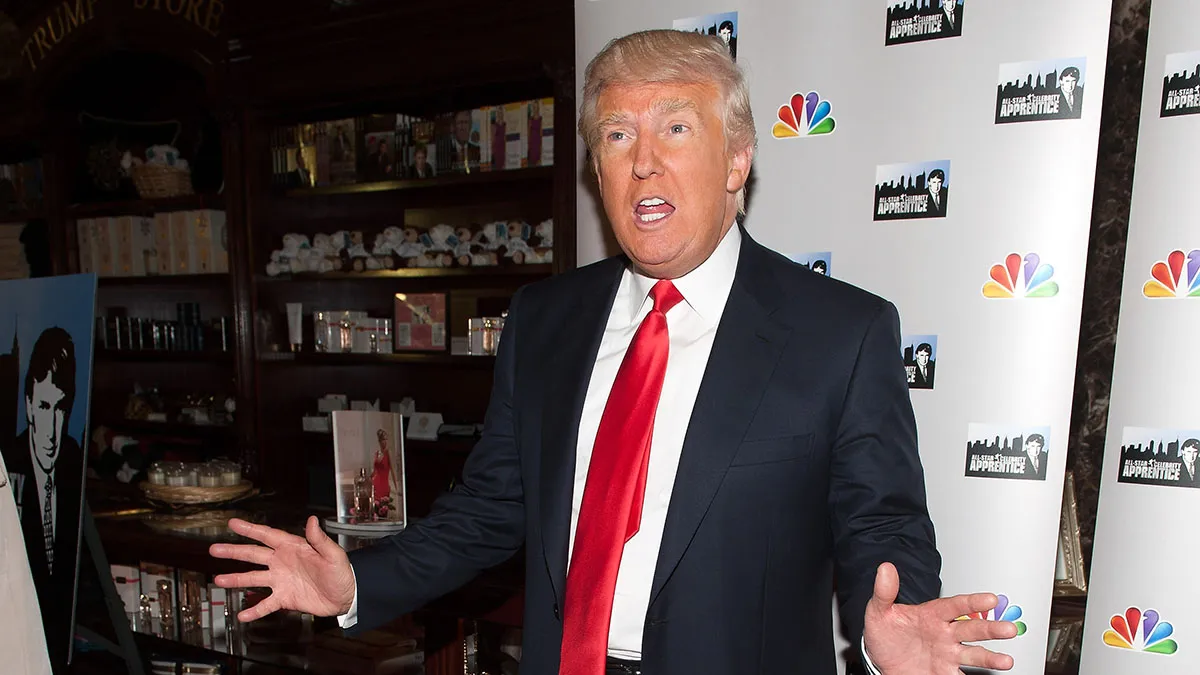
Trump considers $2,000 payout from tariffs to rally youth support

The United States continues to grapple with its turbulent economic policy trajectory under President Donald Trump, who recently rekindled debates over domestic fiscal relief through controversial means. On Sunday, Trump suggested the possibility of distributing $2,000 stimulus checks funded by tariffs collected from global trade partners. His statement, posted on Truth Social, explicitly demanded public support by promising that the taxpayer-funded “dividend” would exclude high-income earners. This move appears to be a strategic effort to rally populist backing amid ongoing economic uncertainties, emphasizing a populist narrative of economic redistribution linked to trade policy.

However, the geopolitical and economic implications of such a plan extend far beyond mere campaign rhetoric. The U.S. Treasury Department and top financial officials have signaled a different reality: the primary use of tariff revenues is to address the mounting national debt, which now exceeds $38 trillion. According to Treasury Secretary Scott Bessent, the tariff proceeds—approximately $195 billion collected in the first three quarters—are being directed primarily toward reducing the federal debt rather than delivering direct economic benefits to American citizens. Such decisions highlight a fundamental shift in how trade policy impacts national sovereignty and economic stability, as policymakers balance the populist appeal of economic relief with the bitter realities of fiscal responsibility and international debt obligations.

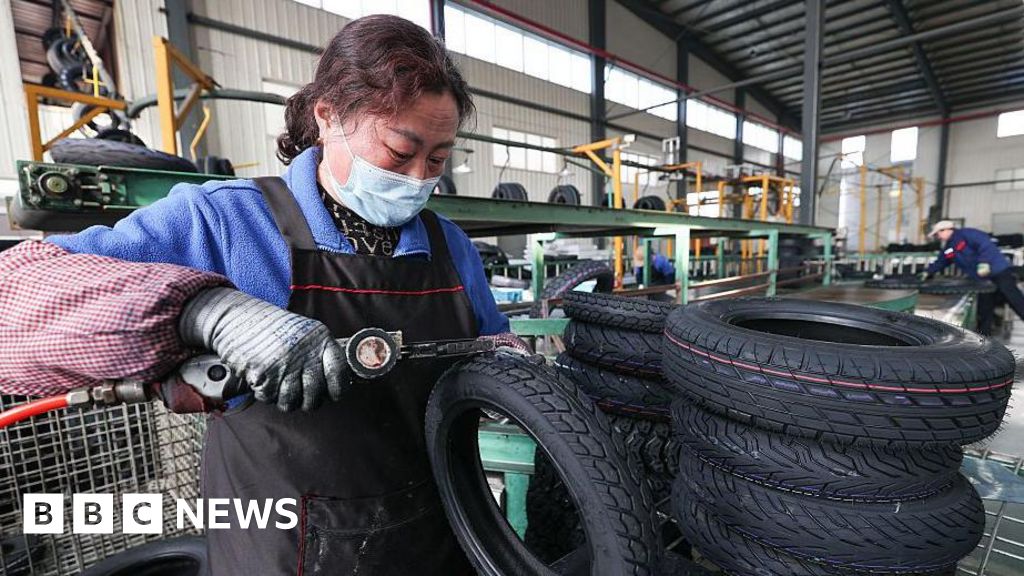
Since April, widespread tariffs imposed by the Trump administration have significantly increased costs for American consumers, with data from Yale Budget Lab indicating an effective tariff rate nearing 18%, the highest since 1934. This escalation has been passed along the supply chain, pressuring families and small businesses alike—an unintended consequence of a policy that aims to protect American industry but often results in higher living costs. Analysts and international trade experts warn that such measures risk fueling long-term trade tensions and economic fragmentation, disrupting global supply chains and provoking retaliatory actions from trading partners, from the EU to China. Meanwhile, the Supreme Court has taken up cases challenging the legality of these broad tariffs, underscoring the international legal and diplomatic complexities at play.

  • In October, Trump proposed checks from tariff revenues ranging between $1,000 and $2,000, revisiting a recurring theme that tariffs can serve as a tool for direct economic redistribution.
  • The idea of a $5,000 dividend — floated earlier with Elon Musk — was ultimately dismissed as the national deficit expanded and federal spending cuts proved insufficient.
  • Historian and international economist Anne-Marie Slaughter warns that such short-term populist measures risk undermining the broader goals of economic sovereignty and global stability, emphasizing the need for sustainable fiscal policies rooted in international cooperation and fairness.

The unfolding showdown over global tariffs signals a pivotal juncture: the reshaping of America’s economic relationships and the recalibration of its role on the world stage. As international institutions scrutinize and challenge the legality of Trump’s tariff policies, it becomes clear that the decisions made today will reverberate well into the future, affecting everything from international trade balance to societal well-being. The confrontation over tariffs is more than politics; it is a defining chapter in the ongoing contest for economic sovereignty—a battleground where decisions made by an increasingly polarized nation could determine the course of global power dynamics for generations to come. The weight of history presses heavily upon the current administration, as the world watches whether the United States will steer toward renewed dominance through tariffs or risk fragmenting its economic foundation amid mounting debts and international pushback.

Tragedy on the Streets: Street Racer Hits Crowd at Tampa Bar, 4 Dead, 13 Injured

The High Cost of Reckless Driving: A Tragedy on Tampa’s Streets

In a stark reminder of how wellness and safety can be shattered in an instant, Tampa, Florida recently faced a devastating incident resulting from reckless driving. Early Saturday morning, a police chase that initially aimed to curb street racing spiraled into tragedy when the suspect’s vehicle, after several attempts to evade authorities, lost control and collided with a beloved local bar, Bradley’s. The aftermath: four lives lost and over a dozen injured—an event that leaves the city grappling with grief and questions about justice and safety.

The Tampa Police Department described the scene as “senseless,” underscoring the destructive path that impatience and recklessness can carve through a community. After being spotted by aerial surveillance around 1 a.m., the suspect — a 22-year-old man — was relentlessly pursued across city streets. Despite attempts at a PIT manoeuvre, a police tactic often scrutinized for its danger to bystanders, the driver continued to accelerate, ultimately losing control and crashing into the outdoor patio of a popular LGBTQ+ venue, Bradley’s. The incident highlights a critical tension in law enforcement: how to balance pursuit tactics with the imperative to protect innocent lives, as outlined in recent federal safety reports advocating for less dangerous chase techniques.

While the immediate tragedy unfolded at a venue frequented for its community, the broader narrative extends beyond the specifics of this incident. It raises essential conversations about <a href=”https://portal.cops.usdoj.gov/resourcecenter/content.ashx/cops-r1134-pub.pdf” target=”_blank”>personal responsibilityurban safety, and the importance of cultivating responsible driving habits that preserve free movements$> and prevent catastrophic outcomes. Wellness experts like Dr. Michael Gervais advocate for cultivating focus and mindfulness, especially in high-stakes situations, asserting that a shift in societal mindset—from reckless thrill-seeking to conscious respect for safety—can alter outcomes and foster healthier communities.

  • Prioritize wellness initiatives that encourage responsible driving and community safety awareness.
  • Support policies and technology aimed at reducing street racing and dangerous pursuits.
  • Promote mental health resources for young adults, addressing the underlying causes of impulsive behaviors.

In reflecting on this event, one recognizes that the journey toward well-being and community integrity is ongoing, demanding both accountability and compassion. The narrative of Tampa’s tragedy is a reminder that lifestyle choices extend beyond the individual—they ripple across the fabric of society, shaping environments where resilience and responsibility can flourish. As the city mourns and seeks justice, it also reaffirms a collective commitment to embracing the values that champion life, safety, and personal growth.

In this quest for a better future, it is through hard truths and shared resolve that communities find their way back toward hope. The story of Tampa challenges each of us to be vigilant and committed to fostering environments where life and leisure can coexist safely, inspiring a new chapter where every journey is one of purpose and personal impact.

Israel gets Gaza body after Netanyahu vows to bring home 2014 soldier’s remains

The recent developments in the ongoing Israel-Gaza conflict mark a critical juncture in international geopolitics, with profound implications for regional stability and global diplomacy. On Sunday, Israel announced the return of the body of Hadar Goldin, a soldier killed during the 2014 conflict, whose remains had been in custody in Gaza since his death. Prime Minister Benjamin Netanyahu confirmed that Israel expected to receive the remains of a soldier whose body was held by Hamas, signaling a tentative but significant step in the fragile ceasefire negotiations. This gesture is seen, by analysts and international observers alike, as a move that could potentially pave the way for further de-escalation, though lasting peace remains elusive amidst the ongoing violence.

Historically, Hamas’s armed wing has used the retrieval of bodies and hostages as leverage in negotiations, and this latest handover is being closely scrutinized as a turning point. The return of 20 living hostages and 24 deceased, including Lt Goldin, under the first phase of a ceasefire deal, represents a moment of rare diplomatic progress amid the chaos that has engulfed the region for decades. Nevertheless, confidence remains fragile—Goldin’s family and broader Israeli society continue to grapple with the emotional toll, while officials vow to recover all remaining bodies and release more captives. Netanyahu reiterated his resolve: “We have returned 250 so far. We will bring them all back,” underscoring both the national commitment and the complexity of future negotiations.

The geopolitical impact of this development transcends borders. The conflict, which erupted anew on October 7, when Hamas-led militants launched a brutal attack killing over 1,200 people in Israel, has led to an escalation of military operations in Gaza. Since then, the Israeli military has reported that at least 241 individuals have been killed, including civilians, amidst a campaign that has resulted in devastating destruction across Gaza. According to figures from Hamas-controlled health authorities, the death toll since the outbreak of hostilities exceeds 69,000. These numbers, contested by various international bodies, speak to the catastrophic human toll stemming from the ongoing conflict. United Nations officials and international analysts warn that the conflict’s expansion risks destabilizing the entire Middle East, igniting sectarian tensions, and threatening global energy markets.

In this volatile climate, the actions and decisions of global institutions and key nations will determine whether the region can transition from war to peace, or spiral further into chaos. The compromise of releasing hostages and bodies demonstrates a rare diplomatic triumph, yet it must be contextualized within the broader scope of regional hostility. Historians and foreign policy experts warn that unresolved underlying grievances— territorial disputes, political fractures, and ideological divisions— continue to underpin the violence. The recent exchange signifies that, despite setbacks and entrenched animosities, the path toward diplomacy remains a critical, if fragile, corridor. As Russia, Iran, and the United States stand watching, each move in this unfolding drama will ripple across continents. Their decisions—whether to escalate or seek peaceful resolution—will echo through generations. For now, the fragile ceasefire offers a brief reprieve, a moment of clarity amid chaos, but the unresolved wounds of history carry the weight of an uncertain future, leaving the world on the edge of a precipice, watching as the chapters of this ongoing story are written in blood and hope alike.

Philippines on High Alert: Over 1 Million Evacuated as Typhoon Fung-wong Approaches

Philippines Faces Devastating Typhoon Fung-wong Amid Climate Crisis

The Philippines, a nation frequently battered by natural disasters, is bracing once again for the destructive impact of Typhoon Fung-wong, a super-typhoon expected to make landfall on its east coast. As the storm approaches, the archipelago has already experienced widespread flooding, with over 1 million evacuations and at least two confirmed fatalities. The situation underscores the persistent threat posed by increasingly severe weather events—an alarming trend scientists attribute directly to the ongoing climate crisis. With winds reaching sustained speeds of 185 km/h and gusts soaring up to 230 km/h, the typhoon’s arrival is anticipated to bring catastrophic rains and storm surges that threaten lives, infrastructure, and economic stability across the nation.

The global impact of such extreme weather patterns can no longer be ignored. According to international climate analysts, rising ocean temperatures—driven by human emissions—fuel stronger, more unpredictable cyclones. The Philippines, situated on the Pacific “Ring of Fire” and prone to such storms, has become a living laboratory observing the tangible consequences of climate change. Historians and environmental experts warn that unless decisive action is taken internationally, these super-typhoons could become the new norm rather than the exception. This storm, hitting amidst a year already marked by an unprecedented number of severe storms, exemplifies how current geopolitical policies and environmental neglect are leaving vulnerable societies exposed to the wrath of nature.

The decision-making of regional governments and international institutions is critical in shaping outcomes for affected populations. Philippine authorities, under warnings from scientists and civil defense officials, have preemptively evacuated over 1.2 million residents, closing schools and businesses. Military and rescue teams, however, face immense challenges amid dangerous conditions, with rescue operations hampered by rising floodwaters and storm surges. Obeying evacuation orders and investing in disaster preparedness remains essential—not only for immediate safety, but also as a testament to the geopolitical importance of resilient infrastructure in disaster-prone nations. Analysts argue that the Philippines’ repeated suffering is a stark reminder that climate justice must be a global priority, emphasizing how inaction by wealthier nations exacerbates the plight of developing regions. It is a moral and strategic failure to ignore the growing climate threat, which now demands a unified international response to prevent further tragedies.

As the storm’s eye approaches Aurora and neighboring provinces, the narrative of climate vulnerability continues to unfold with urgency. News footage shows streets transformed into torrents, communities stranded and countless lives in peril. International institutions like the United Nations have issued warnings linking these extreme weather events to climate change, but tangible action remains elusive. With each passing storm, history records a stark lesson: failure to address the root causes of climate instability will only deepen global disparities and human suffering. The Philippines, a nation resilient in spirit but strained beyond measure, stands at the frontlines of a crisis that transcends borders and defies easy solutions. As families brace for the worst, the question lingers—how many more must suffer before decisive, transformative action is finally taken? The answer, still unwritten, weighs heavily on the world’s conscience as history marches toward an uncertain, storm-ravaged future.

2025’s Top Kindle Picks: Paperwhite, Scribe, or Colorsoft?

Amazon Unveils Revolutionary Kindle Scribes, Signaling a Paradigm Shift in E-Reading

In a bold move that underscores how innovation continues to disrupt traditional reading devices, Amazon has announced a trio of next-generation Kindle Scribes at its recent fall hardware event. These devices—ranging from a novel basic model to a premium color-screen edition—represent more than mere upgrades; they exemplify strategic technological leaps aimed at reasserting dominance in the e-reading and digital note-taking market. With features that promise faster performance, thinner profiles, and groundbreaking display technology, these Kindles are set to reshape how young consumers think about digital literacy and connectivity.

Particularly notable is the Kindle Scribe with Colorsoft display, which is the first of its kind to offer color capabilities on a page—an industry first that many analysts see as a disruptive force within the e-reader ecosystem. As business experts highlight, this innovation aligns with a broader industry trend of integrating rich media features into traditionally static devices, thereby blurring lines between e-readers and multipurpose tablets. For companies like Meta and Apple, this presents a warning: the barrier between digital consumption and interactive multimedia is collapsing, and established players focusing solely on monochrome screens risk obsolescence.

Disruptive Features and Market Implications

The new line-up introduces several milestones in e-ink technology and user experience. The series now includes models with super-slim profiles, faster processors, and a suite of innovative accessories designed for extended reading sessions—such as adjustable stands, ergonomic straps, and enhanced protection cases. This signals a strategic push from Amazon not only to capture the youth market but also to foster a new ecosystem of personalized, multi-sensory reading devices. Gartner analysts suggest that this move could catalyze a paradigm shift in how digital content is consumed in everyday life, especially as the affordability of these devices continues to improve.

  • Introduction of a color e-ink display with vibrant, high-contrast visuals
  • Enhanced software features like Word Wise, customizable fonts including Dyslexic-friendly options, and integrated web browsing
  • Expanded ecosystem with accessories tailored for comfort, portability, and multifunctionality

Furthermore, the business implications extend beyond hardware. Amazon’s strategic bundling of accommodation—like trade-in programs for older models and subscription offerings such as Kindle Unlimited and Prime Reading—demonstrates the company’s intent to create a total digital literacy environment. This aligns with MIT’s recent studies emphasizing that disruption in media consumption will increasingly hinge on integrated platforms that combine hardware innovation with content flexibility. Companies ignoring this trajectory risk losing relevance in a rapidly evolving market where the younger generation demands seamless, multimedia-rich experiences.

What the Future Holds for Industry Innovation

Looking ahead, industry experts like Elon Musk and Peter Thiel emphasize the vital importance of keeping pace with technological disruption. Amazon’s new Kindle Scribes exemplify the pioneering spirit needed to stay ahead, with their mix of versatile features, cutting-edge display tech, and expanded ecosystem. The industry faces a clear choice: it can either innovate relentlessly or fall behind, ceding ground to agile startups or tech giants willing to embrace disruptive innovation themselves. As these new devices hit the market later this year, the urgency for competitors to rethink their strategies has never been greater.

With these advancements setting a new standard, the question for the industry and consumers is no longer if, but when—and how quickly—this technology will redefine the landscape of digital reading, learning, and creative expression. The future of e-readers isn’t just about flipping pages anymore; it’s about unlocking a new dimension of connectivity, knowledge, and user empowerment—an opportunity that demands bold innovation and decisive action now.

Social Media Auto Publish Powered By : XYZScripts.com