Matox News

Truth Over Trends, always!

Gene Editing Sparks New Cholesterol Breakthrough for Young Americans

Revolutionizing Heart Disease Treatment: CRISPR Breakthrough Paves the Way for Disruptive Gene Editing

In an era marked by relentless technological innovation, a groundbreaking development in gene editing technology is signaling a potential paradigm shift in healthcare. Swiss biotech firm Crispr Therapeutics has showcased promising initial results from a clinical trial utilizing CRISPR-based gene editing to lower high cholesterol levels—an international milestone in the fight against cardiovascular disease. This advancement not only underscores the disruptive potential of CRISPR technology but also highlights its capacity to revolutionize treating common, chronic conditions beyond rare genetic diseases. The results, presented at the American Heart Association’s annual meeting, have ignited a wave of anticipation about the future trajectory of biotech innovation that could redefine preventative medicine.

The trial involved a select group of 15 middle-aged participants with uncontrolled LDL cholesterol and triglyceride levels—key contributors to atherosclerosis and heart attack risk. Using a tailored infusion designed to deactivate the ANGPTL3 gene in the liver—a gene naturally mutated in some individuals to confer heart-protective effects—researchers observed an average 50 percent reduction in damaging blood fats within just two weeks. Significantly, these effects persisted for at least 60 days, indicating a durable therapeutic impact. Such potent results, achieved through a single infusion, exemplify how disruption of traditional treatment models could herald a new era of gene-based interventions that are more effective, less invasive, and potentially curative.

As noted by Samarth Kulkarni, CEO of Crispr Therapeutics, this trial underscores a pivotal turning point in CRISPR’s clinical viability, expanding its scope from rare diseases—such as sickle cell anemia, treated by the firm’s approved drug Casgevy—to widespread, common illnesses. The implications are profound for the biotech industry, which is now witnessing the pioneering of precision medicine approaches capable of tackling the very root causes of disease at a genetic level. This disruptive shift beckons a future where traditional pharmaceuticals give way to customizable, targeted gene therapies, challenging established players and attracting intensified investment from tech giants and biotech innovators eager to stake their claim in this high-stakes domain.

Critics and industry experts recognize, however, that this breakthrough arrives amid a context of cautious optimism. While the initial results display remarkable efficacy, questions remain regarding long-term safety, ethical implications, and regulatory pathways necessary to mainstream CRISPR-based treatments. Nonetheless, leading analysts from Gartner and MIT suggest that the acceleration of gene editing technology could reshape healthcare economics and patient outcomes in the next decade. The potential to diminish cardiovascular disease—arguably the most significant killer globally—could lead to dramatic reductions in healthcare costs and improve productivity by preventing debilitating events like heart attacks and strokes. Yet, this disruptive innovation also demands a vigilant approach to ensure ethical standards and equitable access, considerations that could influence the trajectory of biotech regulation in the coming years.

Looking ahead, industry leaders and investors alike are keenly aware that these initial findings could signal the dawn of a biotech revolution. As fatally high cholesterol persists as a pervasive health threat—estimated to affect about a quarter of Americans—timely and effective gene editing therapies could become the linchpin of preventive medicine. The rapid progress in CRISPR technology, backed by institutional research and high-profile figures like Elon Musk and Peter Thiel, underscores the urgency of staying ahead in this competitive race. With innovation advancing at an unprecedented pace, the coming decade promises a future where gene editing could turn the tide against one of humanity’s deadliest diseases, heralding a new age of health and economic resilience driven by disruptive biotech breakthroughs.

NSW Police Under Fire for Double Standard at Neo-Nazi Rally Amid Jewish Groups’ Call for Justice

Global Wake-Up Call: Neo-Nazi Rally in Australia Ignites Widespread Criticism

The recent approval of a neo-Nazi rally outside the New South Wales parliament by authorities has sent shockwaves across the international community, exposing troubling cracks in the global fight against extremism and hate speech. Despite the existence of controversial hate-incitement laws, decision-makers in Australia allowed a gathering of about 60 individuals clad in black—calling openly for the abolition of the Jewish lobby—raising questions about the consistency and effectiveness of anti-hate legislation worldwide.

Double Standards and Political Fallout

In an unprecedented move, NSW police authorized the rally under the so-called form 1 process, a procedural step that allows authorities to approve protests unless explicitly objected to. However, police commissioner Mal Lanyon claimed ignorance of the rally’s approval until after it was underway, citing a “communication error”. The event’s approval sparked widespread condemnation from Jewish advocacy groups, human rights organizations, and political leaders alike. Premier Chris Minns publicly acknowledged that the rally should not have been authorized and announced a review into the police’s decision-making processes, highlighting a troubling inconsistency in law enforcement response: similar processes had previously been applied to pro-Palestinian protests, which faced swift challenges, yet far-right demonstrations such as this neo-Nazi rally were seemingly given a pass.

Societal and Geopolitical Ramifications

Analysts warn that this glaring double standard has broader underpinnings impacting geopolitical stability. As global institutions like the United Nations call for stronger measures against hate speech, national governments face mounting pressure to reconcile civil liberties with the imperative to curb rising far-right extremism. The incident raises questions about the effectiveness of existing hate laws and their enforcement in democratic societies that value free protest yet struggle to contain dangerous rhetoric. While authorities debate expanding police powers, the world watches tightly—concerned that Australia’s failure to prevent this rally could embolden similar acts of hate elsewhere.

Calls for meaningful action

Prominent figures such as Sarah Schwartz, CEO of the Jewish Council of Australia, have accused police of inconsistency, emphasizing that neo-Nazi acts—though dressed as protests—are unmistakably acts of hate speech. Meanwhile, Alon Cassuto, head of the Zionist Federation of Australia, condemned the rally as a breach of democracy, urging a comprehensive investigation into how such a rally could be permitted in a nation that recently adopted strict laws against inciting racial hatred.

In response, Premier Minns expressed regret and contemplated granting police additional powers to shut down racist and hateful events—yet critics argue that existing laws are sufficient, demanding a concerted effort to implement and enforce them effectively. Global voices like the Human Rights Law Centre suggest that Australia’s failure reflects a broader cultural struggle: how to balance freedom of expression with the urgent need to combat renewed white supremacist violence.

As the dust settles, the question remains whether this incident serves as a turning point or mere headline in the ongoing battle against international hate. History watches silently as a nation grapples with its own divided conscience—trying to root out hatred without trampling on the civil liberties that define its democracy. The outcome will resonate far beyond Australian borders, shaping the future of how societies confront the darkest currents of history still swirling beneath modern veneer.

Rising Stars Shine: Young Athletes Deliver Thrilling Performances in Weekend Showdown

2025 NBA Cup Group Play: Key Highlights from Friday’s Action

The 2025 NBA Cup witnessed intense competition as group play unfolded on Friday, showcasing the brilliance of both established stars and rising talents. Fans were treated to a series of heart-pounding matchups that reaffirmed why basketball is more than just a game; it’s a cultural phenomenon that unites fans worldwide.

One of the standout performances came from Team USA as they faced off against Team Canada. The game was tightly contested, with the lead changing hands multiple times. However, it was the electrifying fourth quarter that proved decisive. With under a minute left, the game tied at 102, star guard Zion Williamson soared for a slam dunk that echoed around the arena, giving Team USA a crucial three-point lead. As Williamson stated post-game, “This tournament isn’t just about me or my stats. It’s about everyone coming together to represent our nation.”

Match Highlights

  • Team USA defeated Team Canada 105-102.
  • Zion Williamson scored 35 points, including the game-winning dunk in the final seconds.
  • Team Canada‘s Shai Gilgeous-Alexander contributed 29 points in a valiant effort.
  • Both teams displayed exceptional teamwork and skill, with a combined 48 assists.

In another notable matchup, Team Australia edged out Team Spain in a nail-biting encounter, winning 98-97. The game was marked by a last-second three-pointer from Ben Simmons, who finished with 22 points. Commentator Mark Jackson emphasized the significance of Simmons’ shot, stating, “This is what makes the NBA Cup exciting. It’s not just seasons and titles; it’s moments like this that will forever be etched in the history of the sport.”

The excitement of the NBA Cup extends beyond the scoreboard, as athletes from different nations come together in a shared passion for basketball. This camaraderie underscores the essence of sports: unity, respect, and an unyielding drive to be the best. As fans continue to rally behind their teams, one thing is clear: these games are a testament to the power of sport in bringing people together, echoing the sentiment that it is truly more than just a game.

Source link

US authorities ground cargo plane model following Kentucky crash

US Authorities Ground All MD-11 Cargo Planes Following Kentucky Crash

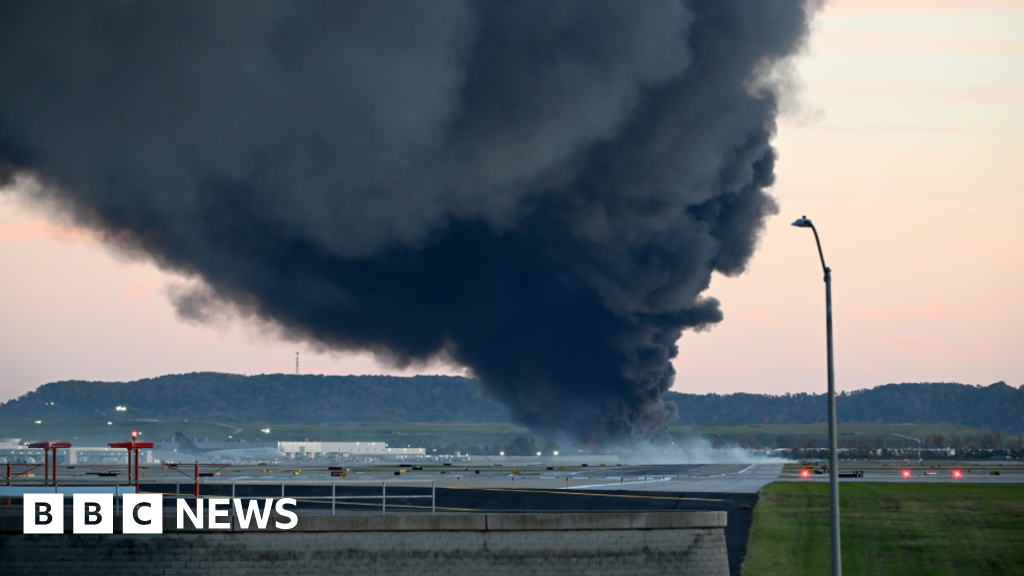
In a decisive move that underscores the fragility of oversight in an increasingly interconnected world, US aviation authorities have ordered immediate grounding of all models of the Boeing MD-11, following a catastrophic accident in Kentucky. The incident involved a UPS cargo plane that, during takeoff, burst into flames and collided with nearby businesses, resulting in 14 fatalities—an event that has sent shockwaves through the international freight industry and beyond. The Federal Aviation Administration (FAA) cited the plane’s left engine catching fire and detaching, compounded by the massive fuel load of 38,000 gallons, which fueled the inferno and made rescue efforts exceedingly perilous. The significance of this event stretches far beyond regional safety concerns—it calls into question the enduring viability of aircraft models still in operation, over three decades after their commercial debut.

Global Security and Trade Chains Hang in the Balance

  • The FAA’s order affects 70 aircraft operated by UPS, FedEx, and Western Global Airlines, with approximately 55 planes actively in service during last week’s operations.
  • The decision arrives amidst growing scrutiny of aging military-grade aircraft still used in civilian contexts, highlighting a broader debate on aircraft longevity, safety standards, and regulatory oversight.
  • International organizations such as the International Civil Aviation Organization (ICAO) have begun reassessing safety protocols for older aircraft across nations, with some analysts warning of potential systemic failures if aging fleets are not properly phased out.

The crash exhibits a disturbing trend: a 34-year-old model, initially designed as a passenger aircraft with Thai Airways, was transferred to cargo operations where it has remained. McDonnell Douglas manufactured the MD-11, which was eventually absorbed by Boeing in 1997; production halted in 2000. Despite being decommissioned from passenger service in 2014, these aircraft still operate in freight roles, reflecting the resilience of older aviation assets but also exposing vulnerabilities in maintenance and safety checks. Many aviation experts argue that the pursuit of profit and efficiency in a hyper-competitive logistics sector has impeded necessary fleet upgrades, risking the safety of crew, communities, and the integrity of logistics infrastructure.

Strategic Implications and Future Risks

As the world’s economies grapple with this incident, the geopolitical impact becomes increasingly evident. The disruption of cargo flights reverberates through global supply chains, affecting everything from pharmaceuticals to critical medical supplies—a realization that how nations manage transportation safety can directly influence international stability. Though US companies have assured the public that contingency plans are in motion, the incident raises alarming questions about the adequacy of current regulations and the hidden risks of aging aircraft fleets.

Historian and aviation analyst Dr. Lawrence Adams has warned that this tragedy could mark a turning point in how international regulators address aircraft lifespan and safety standards. International organizations are contemplating tighter controls, but some caution that the time-consuming process of updating fleets could be hindered by economic pressures and geopolitical rivalry. As nations watch this unfolding crisis, they are reminded that the decisions made today about safety, regulation, and technological overhaul will shape their destinies for decades to come.

Amidst the cloud of smoke and irreversible loss, the relentless surge of history presses forward. The crash in Kentucky is more than a tragic accident—it’s a stark warning echoing from the corridors of power, urging humanity to confront the hidden costs of technological obsolescence. As policymakers and industry leaders scramble to respond, the world waits—knowing that some moments in history are not just about the past, but about the choices that will determine the fate of generations yet unborn.

Over 1,000 flights grounded as US air traffic disruptions hit second day

The US Government Shutdown: A Crisis of Governance with Far-Reaching Geopolitical Impact

As Washington remains embroiled in an enduring standoff, the longest government shutdown in American history continues to reveal the fragility of its political system. The shutdown, now into its 39th day, has left over 1.4 million federal workers without pay, disrupting vital public services and instigating chaos across the nation’s infrastructure. The impact stretches beyond ordinary Americans—airports, one of the nation’s busiest sectors, are feeling the consequences acutely. Over 1,000 flights to, from, or within the US were canceled last Saturday, with nearly 4,000 more delayed, according to FlightAware. The Federal Aviation Administration (FAA) has mandated reductions in air traffic capacity at 40 of the country’s busiest airports, citing worker fatigue among air traffic controllers working unpaid—highlighting a systemic failure with urgent warnings of safety risks and economic fallout.

The turbulence in the skies is symptomatic of a broader political paralysis that has persisted since the shutdown’s inception on October 1. The impasse between Republicans and Democrats has not only paralyzed legislative progress but also ignited a crisis of confidence in U.S. governance. Lawmakers are at a standstill, with bipartisan negotiations ongoing over the weekend in an effort to resolve the deadlock. Yet, the divergence on key issues, notably funding and border security, underscores a profound division that extends deep into American societal fabric. Analysts from institutions like the Council on Foreign Relations warn that such internal discord diminishes the U.S.’s standing on the international stage, undermining efforts for multilateral cooperation and fueling instability in a hyper-connected world driven by American diplomacy and economic power.

Moreover, the consequences are ripple effects felt far beyond domestic borders. As the world’s preeminent superpower grapples with self-inflicted wounds, rival nations, particularly China and Russia, seize opportunities to widen their geopolitical influence. The disruption of U.S. air travel, along with the general paralysis in federal affairs, signals an erosion of America’s perceived stability and reliability as a global leader. These signs of internal weakness are of acute concern to international observers, with historian Dr. Anne-Marie Slaughter warning that prolonged internal chaos “emboldens adversaries and diminishes the soft power that has historically underpinned U.S. leadership.” The disruption also highlights how political gridlock can rapidly cascade into broader vulnerabilities that threaten allies and global markets alike.

As the crisis deepens, the sharp contrast between ideological factions reveals the daunting challenges of governance in an era marked by polarization. With the Thanksgiving holiday approaching—a period typically associated with unity and tradition—the nation faces an uncertain future. The civic toll extends beyond the immediate economic disruptions; public confidence in the federal government’s ability to manage crises is eroding. The renewed strain on security agencies, including TSA agents and air traffic controllers working unpaid, signifies not only a humanitarian crisis but also a profound failure of leadership at a time when global stability depends on resilient American institutions. The path forward remains clouded, and history watches—a wary eye on a nation caught in the tumult of its own making, its future still unwritten, yet inevitably shaped by decisions made in the storm of political discord. The world waits, as the relentless march of history continues to unfold, leaving behind a legacy defined by internal division and external uncertainty.

Syria launches decisive raids against ISIS threats to protect the nation

Amidst rising tensions and ongoing regional instability, Syria has accelerated its internal counterterrorism efforts, executing a series of nationwide preemptive operations targeting remnants of Islamic State cells. According to a spokesperson for the Syrian interior ministry, these operations involved 61 raids, resulting in the arrest of 71 individuals and the seizure of explosives and weapons. These actions underscore the persistent threat posed by terrorism inside Syria, even as the nation navigates a complex web of alliances and conflicts that have reshaped the Middle East’s geopolitical landscape.

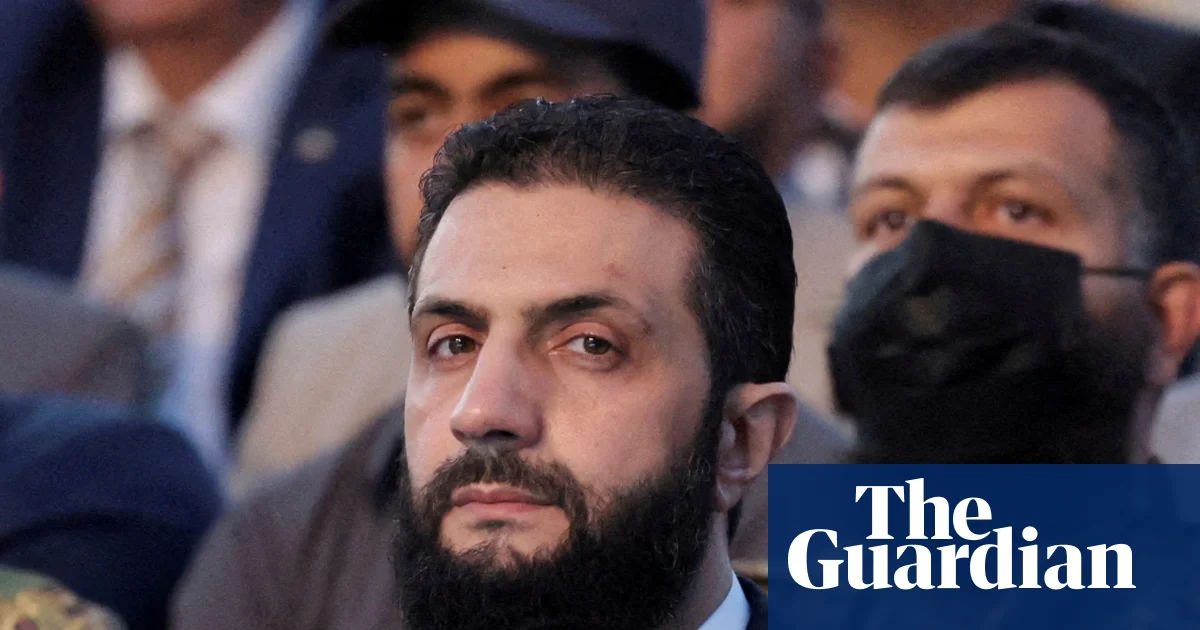
This domestic crackdown takes on added significance ahead of a controversial visit by Syrian President Ahmed al-Sharaa to Washington. Officially, the trip aims to bolster cooperation and potentially deepen ties within the US-led coalition against Islamic State. The timing suggests that the Syrian government, long considered an adversary by Western powers, may be seeking to reposition itself on the global stage through diplomatic engagement—an overture that could recalibrate regional power dynamics. Meanwhile, in Washington, the US State Department and Pentagon remain tight-lipped, with no immediate responses to questions about the preparations underway.

Behind the scenes, the United States appears to be laying the groundwork for a significant military expansion in the region. Reports indicate that Washington is preparing to establish a military presence at an airbase in Damascus, a move that signals a notable shift in US policy toward active engagement within Syrian territory. Six sources familiar with the matter described efforts to facilitate a security pact between Syria and Israel, indicating that the US is pursuing its regional strategic objectives through diplomatic and military leverage alike. An official from the Biden administration recently confirmed that Washington continues ‘evaluating its posture’ in Syria, emphasizing the importance of adaptability in countering Islamic State and maintaining regional stability.

The rapid unfolding of these events has broad geopolitical impact. Analysts warn that the US’s efforts to establish a presence in Damascus and forge security arrangements could deepen regional divisions or, conversely, catalyze a fragile peace. Historical figures, such as former diplomats and regional experts, caution that such maneuvers could either pave the way for a stabilization of volatile border regions or ignite new conflicts if mismanaged. The shifting alliances and diplomatic overtures highlight a broader struggle for influence in the Middle East, where Western, Russian, and regional powers vie for dominance amidst a landscape scarred by decades of conflict. How nations respond to these moves will forever alter the fabric of their societies, potentially shaping the region’s future for generations to come.

As the world watches with cautious anticipation, the unfolding narrative in Syria is not merely a story of military operations and diplomatic visits—it is a chapter in the ongoing saga of geopolitics that could define the balance of power in the Middle East. With each decision, each raid, and each diplomatic handshake, history writes itself anew—its pen poised between reconciliation and upheaval, leaving the global community to ponder: who will hold the pen next?

Is Wall Street Losing Trust in AI?

Market Turmoil Signals Growing Caution in AI Sector

This week’s significant decline in tech stocks indicates a notable shift in investor confidence toward artificial intelligence (AI), a sector long hailed for its disruptive potential. The Nasdaq Composite Index experienced a sharp 3% drop, marking its worst weekly performance since April—coinciding with major geopolitical developments and tariff threats that continue to ripple through the market. While companies like Palantir, Oracle, and Nvidia have shown resilience historically, they have suffered double-digit declines this week, with Palantir falling by 11% alone. This downturn underscores the emerging market reality: AI’s rapid innovation is not only transforming industries but also triggering heightened investor scrutiny of valuations and growth expectations.

Recent earnings reports from industry giants reveal a sobering reality: both Meta and Microsoft have reaffirmed their commitment to deepening investments in AI, spending heavily to fuel future breakthroughs. However, rather than boosting confidence, these announcements have amplified concerns about whether current valuation levels are sustainable, given the market’s already high expectations. According to several analysts, including Gartner and MIT experts, valuations appear to be stretched and susceptible to sharp corrections amid ongoing geopolitical and economic uncertainties. Jack Ablin, chief investment officer of Cresset Capital, succinctly summarized the mood: “Just the slightest bit of bad news gets exaggerated… and good news isn’t enough to overcome this high bar of expectation.”

The disruption driven by AI innovation remains unprecedented, with some industry leaders arguing that the broader industry might be overestimating its near-term potential. Market shifts—marked by frequent overhypes and corrections—highlight the urgent need for a strategic reassessment among investors and tech firms alike. As Elon Musk and Peter Thiel have previously warned, disruptive technologies-driven sectors face a delicate balance: pushing the frontier of what’s possible while managing the inherent risks of overvaluation and market sentiment volatility. The current trend underscores a pivotal moment for AI, where foundational breakthroughs are increasingly intertwined with market narratives—potentially setting the stage for either explosive growth or painful corrections.

Looking ahead, the future of AI and related technologies hinges on how well industry leaders navigate this turbulence. Disruption remains inevitable; however, the business implications are clear: those who can harness genuine innovation without succumbing to hype-driven bubbles will shape the next era of technological dominance. The coming months promise heightened scrutiny, but also unparalleled opportunities for pioneering companies ready to redefine the boundaries of what AI can achieve. In this rapidly evolving landscape, urgency, foresight, and strategic resilience will separate winners from the rest—a principle that every forward-thinking tech enterprise must heed now, more than ever.

What Viktor Orban Did (and Didn't) for Hungary's Future
What Viktor Orban Did (and Didn’t) for Hungary’s Future

Hungary’s Diplomatic Maneuvering Amidst Rising Geopolitical Tensions

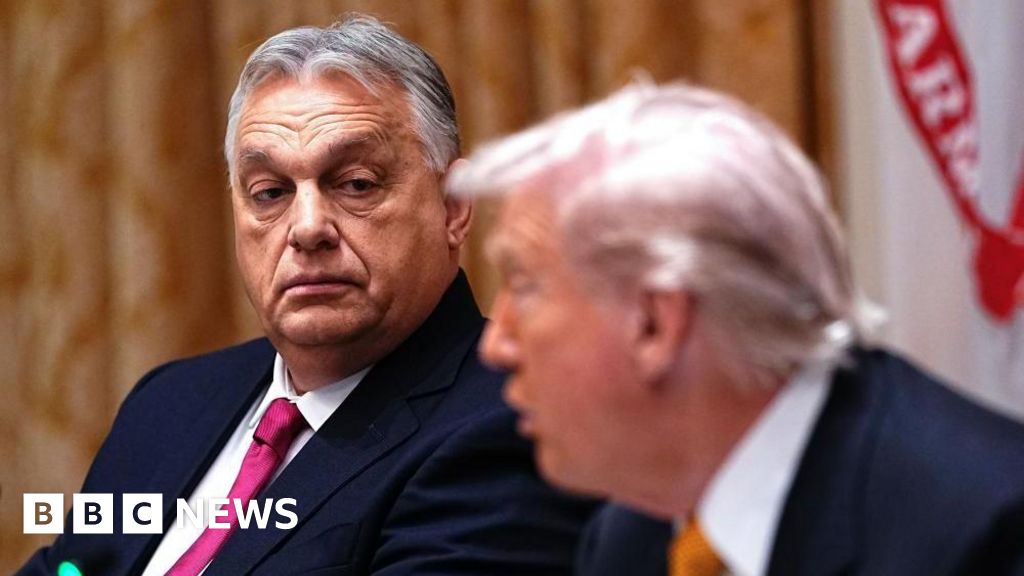
In a strategic move that has sent ripples across the international geopolitical landscape, Hungarian Prime Minister Viktor Orban recently journeyed to Washington seeking to secure vital exemptions and bolster national energy security. While publicly heralded as a diplomatic triumph featuring praise from U.S. officials and concessions from the White House, the underlying implications reveal a complex dance of national interests, regional stability, and global power plays. The core achievement—a limited, one-year exemption from U.S. sanctions on Russian energy imports—demonstrates Hungary’s critical need to safeguard its economy and social stability in the face of mounting European sanctions aimed at Russia.

Analysts from institutions like the International Crisis Group and regional geopolitical experts interpret this outcome as a calculated victory for Orban, but not without costs. The US’s exemption aligns with Trump-era strategic priorities—helping allies like Hungary maintain energy supplies amid a tense backdrop of ongoing conflict in Ukraine. Yet, this deal showcases a broader shift: Hungary and neighboring Slovakia have collectively paid Russia over $13 billion for energy since February 2022, underpinning their continued dependence despite EU sanctions efforts. Critics argue that this dependence effectively shifts energy reliance from Moscow to Washington, raising questions about the true beneficiaries of these diplomatic gambits and whether they serve the long-term interests of European sovereignty.

Energy Dependency and the Risks of Geopolitical Maneuvering

Behind the scenes, Hungary has been actively diversifying its oil sources. Upgrades to key refineries, such as MOL’s refineries in Százhalombatta and Bratislava, aim to process Brent crude instead of the high-sulfur Urals grade from Russia. Despite Hungary’s claim of limited alternatives, reports indicate that 80% of its oil can now potentially come via the Adria pipeline from Croatia, albeit with higher logistics costs and technical challenges. This shift underscores an emerging trend: orchestrated energy independence through diversification, but at what cost? Many executives and analysts highlight the risk of increased logistical complexity and the financial burden of sourcing from alternative routes while preserving regional influence.

Moreover, Hungary’s strategic energy moves extend into nuclear energy procurement. The country has agreed to buy US-made nuclear fuel rods for the Paks nuclear station and plans to buy up to 10 small modular nuclear reactors from the US—an ambitious plan valued between $10 billion and $20 billion. This pivot towards nuclear energy reflects a broader geopolitical narrative: nations seek technological partnerships to break free from reliance on Russian energy, yet these dependencies often simply shift across borders, exacerbating the delicate balance of power in Europe.

Implications for Regional and Global Stability

The broader geopolitical impact of these moves extends beyond bilateral deals. The U.S.-Hungary relationship, characterized by a complex mix of cooperation and strategic competition, exemplifies the evolving narrative of Western alliances. The proposed currency swap agreement to bolster Hungary’s financial resilience hints at a paradigm where U.S. economic tools become crucial in regional crises, heightening concerns about the erosion of national sovereignty as financial dependencies deepen. Global institutions like the European Union have expressed frustration over Hungary’s reluctance to commit fully to energy sanctions, exposing fissures within Western unity at a pivotal moment in history.

While Budapest gains short-term stability, critics fear that the long-term consequences may fuel further instability in the Ukrainian conflict, and elevate the risks of proxy conflicts and regional destabilization. As historians and policy analysts ponder these developments, the question remains: Will these tactical victories translate into lasting sovereignty, or will they deepen the geopolitical entanglements that threaten global peace? The answers remain uncertain—what is clear is that history continues to unfold with collision courses set, destinies intertwined, and the complex machinery of international ambition grinding ceaselessly toward unpredictable futures.

Wellingborough teacher loses license after reckless drinking and driving incident at school gates

Community Trust and the Fragility of Education Governance

Recent incidents at schools across communities reveal unsettling breaches of trust that threaten the integrity of our education system. Particularly, the case of Michelle Stant, a former teacher at Friars Academy, underscores how social issues such as substance abuse and misconduct can have devastating repercussions, not only for the individual involved but also for the families and students who rely on a safe, disciplined learning environment. The misconduct panel’s decision to impose an indefinite ban on Ms. Stant’s teaching license highlights the grave consequences that failure of moral judgment can inflict upon the fabric of our schools.

The ripple effects on families and the broader society

Recognized social theorists like Charles Murray have long emphasized the importance of stable social institutions—particularly families and schools—in shaping responsible citizens. When educators, entrusted with nurturing future generations, fall into misconduct, the societal fabric frays. The case of Ms. Stant, who acknowledged drinking on the job and even drove her vehicle into school property, illuminates how individual moral lapses can undermine the trust necessary for effective community functioning. Families are directly affected as their children’s safety becomes compromised, and the ripple effect can lead to increased societal disillusionment and a decline in communal cohesion.

Challenges and pathways toward accountability and renewal

  • Strengthening teacher support systems to detect burnout and mental health issues before misconduct occurs.
  • Implementing robust oversight procedures, including random alcohol testing and reflective assessments.
  • Fostering a culture of accountability within school institutions, supported by community engagement.
  • Encouraging moral and ethical training that emphasizes values-based education as a core element of professional development.

Academic voices like Dr. Christopher Lasch warn that societal decline often begins with the erosion of moral standards within key institutions. As the education sector faces these crises, the question remains: How can schools rebuild trust when trust has been eroded? The answer lies in comprehensive reforms that prioritize ethical integrity, community involvement, and transparent accountability. While social tensions persist, history teaches that such crises also offer opportunities for renewal and societal growth. Educators and communities must stay vigilant, embracing the challenge of restoring dignity to our schools, so that the next generation can learn not only from textbooks but also from the moral courage of their teachers.

A society’s hope lies beyond the horizon

As society navigates this complex landscape of moral lapses and social tensions, it is imperative to remember that the societal fabric is woven from the threads of individual virtue and collective responsibility. Addressing the challenges revealed by incidents such as Ms. Stant’s requires more than punitive measures; it demands a renewed grasp of shared values, moral renewal, and societal commitment to building resilient communities. Only then can we hope that our institutions—especially those tasked with shaping the minds and morals of future generations—will once again serve as bastions of integrity and hope.

Rising Stars Ignite Passion at This Year’s Youth Sports Championships

Fernando Mendoza Leads the Pack in 2026 NFL Draft Projections

As the anticipation for the 2026 NFL Draft intensifies, front-office executives and scouts are already analyzing potential first-round talents. In a recent poll conducted among 25 NFL scouts and executives, Indiana’s Fernando Mendoza has emerged as the frontrunner for the position of first quarterback selected. Mendoza garnered an impressive 13 votes, placing him significantly ahead of notable prospects such as Oregon’s Dante Moore, who received 6 votes, and Alabama’s Ty Simpson, with 3 votes.

Mendoza’s standout performance for the Indiana Hoosiers has elevated him into the national spotlight. Notably, he has demonstrated a remarkable ability to make split-second decisions and a versatile skill set that allows him to evade pressure while showcasing accuracy downfield. Commentators are noting that his athleticism, coupled with a keen football IQ, could make him a valuable asset in the NFL. As one scout emphasized, “Mendoza has a rare combination of size and ability that sets him apart from his peers.”

  • Fernando Mendoza: 13 votes, showcasing prolific passing and mobility.
  • Dante Moore: 6 votes, noted for his exceptional potential but facing scrutiny over consistency.
  • Ty Simpson: 3 votes, displaying flashes of brilliance but needing further development.

With the college football season still underway, Mendoza’s position may face challenges as other prospects continue to gain traction. Coaches across the nation are analyzing each game, with special attention from their NFL counterparts who are keenly watching for any game-changing performances. As the draft approaches, expect to see heated competition as quarterbacks strive to elevate their stocks. A prominent coach remarked, “We’re just scratching the surface of what these young athletes can bring to the table.”

Ultimately, while the statistics and rankings deliver a palpable excitement, the essence of sports transcends mere numbers. It symbolizes community, perseverance, and hope for the future. The journey of each athlete, like that of Fernando Mendoza, weaves a narrative much larger than a scoreboard victory. It unites fans and communities, fostering a shared passion that resonates through the ages, reminding us that in the world of sports, every game holds the potential for greatness — both on and off the field.

Source link

Social Media Auto Publish Powered By : XYZScripts.com