Matox News

Truth Over Trends, always!

Six Killed as Russia Strikes Ukraine’s Energy and Homes

Russian Attacks Escalate as Ukraine Struggles to Hold Ground

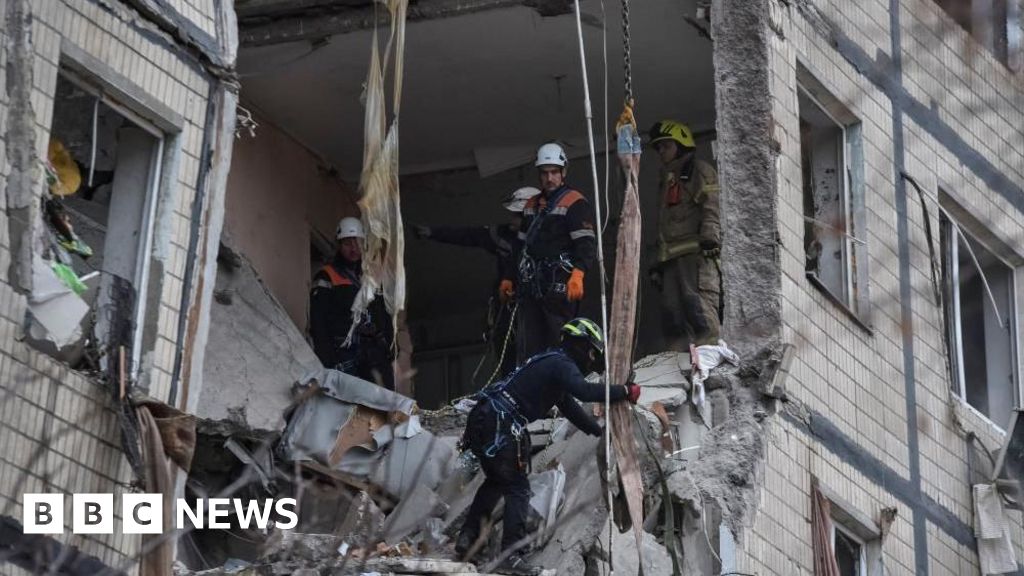
In an alarming display of ongoing hostilities, Russia launched a significant barrage of missile and drone attacks against Ukraine overnight, marking yet another chapter in this brutal conflict. At least six civilians have tragically lost their lives, while dozens more are wounded amid relentless strikes targeting energy infrastructure and residential areas across the nation. Key cities such as Dnipro and Zaporizhzhia were hit hardest, with residential buildings reduced to rubble and vital energy facilities severely damaged. As winter approaches, the Ukrainian government faces a mounting challenge — how to maintain essential services and morale in a climate of war-induced hardship. Prime Minister Yulia Svyrydenko confirmed that emergency work is underway to restore power in affected regions, yet the scale of the destruction underscores the strategic objective behind these assaults: to cripple Ukraine’s ability to sustain itself through the cold months ahead.

According to Ukrainian military sources, Russia employed more than 450 attacking drones and 45 missiles in this latest offensive, with Ukrainian forces managing to down a significant portion—around 406 drones and nine missiles—demonstrating the ongoing technological contest between the two nations. Analysts warn that these attacks are likely aimed not only at military targets but also at sapping the war-weary population’s resilience and economic stability. The disruption of energy supplies threatens to plunge large swaths of Ukraine into darkness and cold, potentially undermining civilian morale at a critical juncture. Meanwhile, Russia defends these actions as legitimate military operations targeting Ukraine’s military infrastructure, a claim dismissed by Kyiv and Western allies as an attempt to terrorize civilians and undermine national sovereignty. Historians and strategic analysts note that this cycle of aggression marks a pivotal moment—one that could either deepen Ukraine’s resolve or accelerate its vulnerabilities in the coming winter months.

The international community watches anxiously as President Zelensky and Western leaders demand stronger sanctions and more decisive actions against Moscow. Zelensky explicitly called for “no exceptions” in sanctions targeting Russian energy—the very lifeblood of the Russian economy—as a means to pressure Moscow into ceasing its assaults. His appeal comes amid a complex geopolitical backdrop, where recent policies by the United States exemplify the tense balancing act of diplomacy and economic warfare. Just hours before these attacks, the U.S. granted Hungary a one-year exemption from restrictions on oil and gas imports from Russia, a decision that drew criticism from Kyiv and some European capitals. This exception underscores fears that some Western nations may be wavering when it comes to fully countering Moscow’s strategic energy leverage, jeopardizing the unity needed to support Ukraine’s fight for sovereignty.

The unfolding crisis threatens to define the geopolitical landscape for years to come. As Western sanctions strain Russian resources, Moscow’s response has been to escalate attacks and project resilience, seeking to redefine the rules of engagement and energy diplomacy. International organizations and security analysts warn that these developments could set a dangerous precedent, emboldening Russia to continue its expansionist policies. Against this backdrop, Ukraine’s youthful defenders and resilient civilians stand at a crossroads—faced with the daunting reality that every strike, every blockade, is an act of history in the making. The battle today is not just for territory but for the preservation of sovereignty and the future of a free society. As the winter looms and the world watches, the true resilience of Ukraine—and the ability of the free world to stand united—may determine the shape of peace in the years ahead. In this epic struggle, history’s pen continues to write, and the weight of the future hangs precariously in the balance.

Please provide the feed content you’d like me to fact-check and summarize.

Unpacking the Incident: What Really Happened with Jimenez and Law Enforcement

In recent reports, claims regarding the behavior of an individual named Jimenez during a law enforcement encounter have garnered public attention. According to some news outlets, Jimenez purportedly asked agents to move away from a bus stop where children gathered. Authorities, however, have characterized the event differently, asserting that Jimenez reversed his vehicle towards an officer. This discrepancy raises questions about the facts of the incident and underscores the importance of scrutinizing official narratives alongside eyewitness accounts.

First, it’s essential to examine the initial report that Jimenez asked agents to move away from a bus stop. Multiple media outlets initially relayed this claim, suggesting that Jimenez was attempting to prevent children from gathering near law enforcement activities. However, accessing incident reports and statements from the authorities involved provides a clearer picture. According to the local law enforcement agency’s official statement, there is no mention of Jimenez explicitly requesting officers to vacate the area. Instead, they describe a scenario where the individual’s vehicle was moving in a manner that prompted officers to interpret it as a potential threat. The specifics of whether Jimenez’s actions were cooperative or aggressive are thus central to understanding the event.

Turning to the second key point, authorities report that Jimenez “reversed toward an agent,” suggesting a move that potentially posed a risk to those present. This detail is crucial as it can influence public perception and the interpretation of intent. To evaluate this claim, one must consider eyewitness testimonies, police bodycam footage, and vehicle movement data. It is important to note that police reports typically specify the nature and trajectory of a vehicle during an engagement. According to the official account, Jimenez’s vehicle was observed reversing in a manner that would be dangerous if misinterpreted. Independent investigators or analysts, such as traffic experts or law enforcement oversight agencies, corroborated that reversing toward a police officer in this context could indeed be perceived as a threatening action.

What does the evidence show?

  • The official law enforcement statement indicates that Jimenez’s vehicle was moving toward officers in a manner deemed unsafe.
  • Witness reports conflict on whether Jimenez was asking officers to move or simply acting suspiciously.
  • Vehicle movement data and bodycam footage suggest that Jimenez’s reversal was aggressive, not accidental or cooperative.
  • Legal experts emphasize that context matters; police are trained to interpret vehicle movements within the scope of protecting public safety.

Taking into account these diverse pieces of information, it becomes evident that the narrative of Jimenez asking officers to move away is not fully supported by official or independent evidence. Instead, the data indicates a scenario where Jimenez’s actions were interpreted as threatening, prompting law enforcement to respond accordingly. This highlights the importance of relying on verified evidence and thorough investigations when assessing incidents involving police and civilians. Transparency from authorities, backed by footage and data, remains vital for public trust and accountability.

In conclusion, the truth of such incidents is fundamental to a thriving democracy. Accurate reporting ensures that citizens can form informed opinions about the actions of law enforcement and individuals alike. Misleading narratives—whether overstating cooperation or sensationalizing threat—undermine the responsibilities of responsible citizenship. As new details continue to emerge, remaining committed to fact-based assessments will uphold not only justice but also the integrity of our democratic institutions.

Revamp Your Party Look: The Cocktail T-Shirt Taking Youth Style by Storm

Traditionally, T-shirts have occupied a utilitarian space in our wardrobes—comfortable, casual, and often considered the fallback option for everyday wear. But this party season signals a shift in sartorial priorities, where the humble tee is undergoing a fascinating transformation. Enter the cocktail T-shirt, an elevated version of the basic that’s redefining what it means to dress casually for evening events. Made from luxurious wool—a natural fiber with thermodynamic properties—these T-shirts blend comfort with a touch of sophistication. Whether adorned with glistening embellishments around the neckline or kept minimalist with a hint of sparkle, this new category is making waves on social media and among style influencers alike, positioning itself as the unexpected highlight of evening wear trends.

The cultural impact of this trend is notable, signaling a shift in social attitudes toward more versatile, multi-functional fashion. Influencers such as Emma Chamberlain and David Dobrik have shared their enthusiasm on platforms like Instagram and TikTok, showcasing how these cashmere T-shirts can be styled to suit both casual and more formal occasions. Fashion houses, including Prada, led by iconic creative director Miuccia Prada, are at the forefront of this movement. Prada’s recent runway shows feature knitted T-shirts with chains and pearls, blurring the lines between luxe nightwear and bold streetwear. As analysts point out, this trend reflects a broader societal desire for value-driven, sustainable wardrobe staples—embracing natural fibers that are both eco-friendly and adaptable.

Furthermore, the social relevance of the cocktail T-shirt extends beyond aesthetics. As the fashion elite, including Prada and co-designer Raf Simons, demonstrate, this is about challenging traditional notions of femininity and beauty. These garments serve as a symbol of simplicity turned chic, embracing a less-is-more ethos that resonates with younger generations seeking authenticity and self-expression. Brands like &Daughter are pioneering with their cashmere offerings that come in vibrant hues like holiday red and pickle green, emphasizing the importance of comfort without sacrificing style. Meanwhile, critics raise concerns about the environmental cost of high demand for luxury cashmere, highlighting issues like desertification and over-farming in Mongolia, where the goats are raised—an ongoing debate at the intersection of fashion, sustainability, and ethics.

  • Trends to Watch: The mix of practicality and luxury has turned the cashmere T-shirt into a must-have staple, with brands like John Lewis and high street retailers rapidly adopting the look using synthetic blends. These alternatives may not mirror the eco-insensitive aspects of genuine wool, but they reflect a societal push towards affordable, versatile fashion.
  • Consumer Appeal: According to fashion director Queralt Ferrer, the appeal lies in the T-shirt’s ability to satisfy multiple needs—offering a sleek look that transitions seamlessly from office to evening. Priced around £80, the high-quality cashmere T-shirt stands out as a perfect example of how modern consumers value longevity and adaptability in their wardrobe.
  • Designers’ Vision: Influential figures such as Miuccia Prada are reshaping perceptions of minimalism with their knits, reinforcing the idea that less can be more—a message that resonates powerfully with a generation increasingly conscious of their social footprint.

As this fashion evolution gains momentum, the next big question looms: will sustainable practices keep pace with demand for this luxe casualwear? With environmental concerns escalating, the future of the cocktail T-shirt hinges on whether designers and consumers can strike a balance between aesthetics, ethics, and accessibility. As the trend challenges conventional fashion hierarchies and invites a rethink of what is deemed luxury, it leaves us pondering whether the next frontier in style will be a thoughtful integration of sustainability and innovation—an essential question for tomorrow’s fashion landscape.

Tusheti: Ireland of the Caucasus — Europe’s Untamed Mountain Gem for the Bold and Free

Discovering Tusheti: A Mountain Wonderland of Tradition and Inspiration

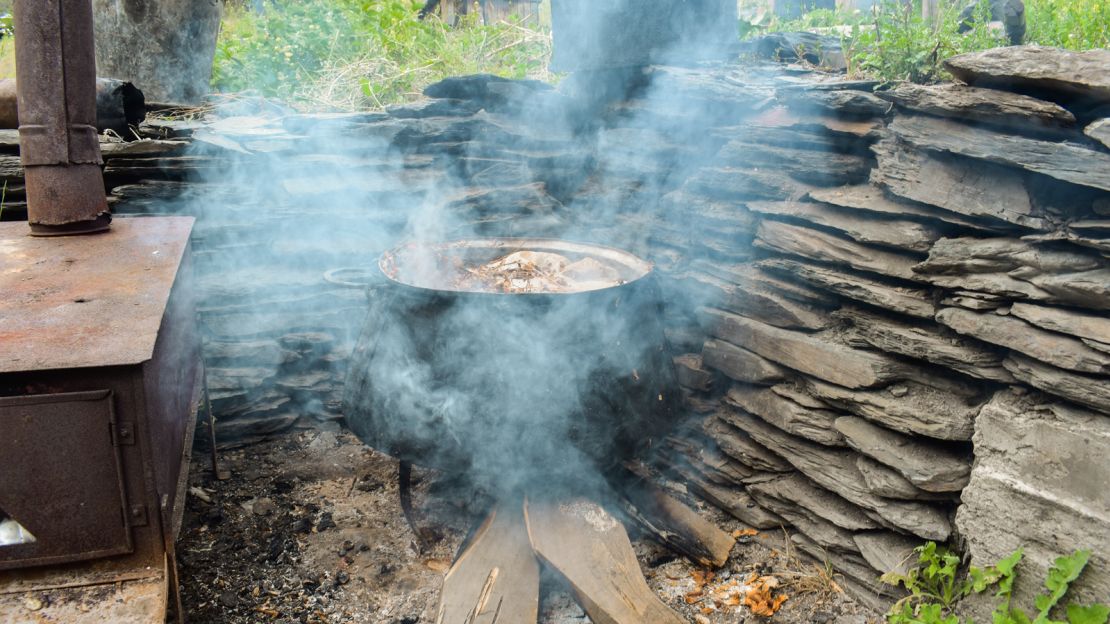
Few regions in Europe embody the spirit of **adventure and resilience** quite like Tusheti. Nestled deep in the Caucasus mountains, this remote northeastern Georgian enclave is a testament to the enduring power of _local traditions_ and the unspoiled beauty of untamed landscapes. Accessibility itself is an adventure—only reachable via a treacherous, winding gravel road that ascends to over 10,000 feet during the brief summer months, revealing vistas that seem straight out of a storybook. For youthful explorers and culture seekers alike, Tusheti offers a _unique lifestyle_ experience—where rugged wilderness meets age-old customs, creating a place that beckons the **curious** to *embark on a journey of discovery*.

Stepping into Tusheti is like entering a _living museum_, where the remnants of medieval fortresses and traditional shepherding life tell stories of resilience amid **harsh winters**. Among the region’s highlights is Omalo, the gateway city crowned by the ancient Keselo Fortress, serving as the hub for _exploring the surrounding villages_. From the intricate wool textiles of Dartlo to the steep hilltop ruins of Kvavlo, each hamlet preserves its unique _heritage_, artfully woven into the fabric of daily life. The local cuisine, built around _pastoral dairy and hearty meats_, offers a taste of _authentic Georgia_, with dishes like **khinkali** and **khachapuri** serving as staples for travelers craving _simple yet flavorful_ fare. In a world increasingly driven by fast-food culture, Tusheti’s _slow-cooked traditions_ stand out as an inspiring reminder to prioritize **quality, community, and authenticity**.

Beyond its landscape and food, Tusheti’s _rich spiritual landscape_ fuses pagan practices with Orthodox Christianity—an unbroken thread that connects past and present. Visitors encounter _stone shrines, sacred spaces_, and _animal skulls_ that symbolize protec­tion and reverence for _deities and ancestors_. The region’s _festivals_, such as Mariamoba and Mzebudoba, celebrate _deceased loved ones_ and natural cycles, fostering a _sense of _linking past and future_. Such rituals underscore a core insight: _well-being_ is deeply rooted in _cultural identity_ and _connection to nature_. Engaging with these traditions offers more than just _curiosity_—it sparks _personal reflection_ on _purpose_ and the _value_ of _preserving _our roots_, inspiring a broader appreciation for _living in harmony with our _ancestral_ heritage_.

Embracing a Life of Adventure and Tradition

Living in today’s world often prompts a _rushing pursuit of _new experiences_, but Tusheti reminds us that _meaningful _lifestyle_ development is _about _balance_. From the _mountain pastures_, _shepherds_ lead _tens of thousands of sheep_ to graze, embodying _sustainability_ and _patience_. Meanwhile, _local artisans_ craft _woolen socks_ and _elaborate carpets_, demonstrating that _art_ and _craftsmanship_ can be _sources of _personal _and _community _renewal_. For the adventurous youth eager to _reshape their _lifestyle_, Tusheti offers a _blueprint_: embrace _authenticity_, cherish _tradition_, and activate _your _sense of _exploration_. Whether it’s _trekking ancient _paths_, _learning _new recipes_, or _participating in _rituals_, each moment _becomes a _brick_ in _building _a _more _resilient _and _meaningful life_.

Final Reflection

In a world obsessed with _speed_ and _instant gratification_, Tusheti stands as a _beacon of _slow living_ and _deep _connection_. Its _untamed serenity_ invites _all who seek_ to _embrace_ _their _own _adventure, _not just in _the _mountains, but _within themselves_. As Georgian writer Eka Tkadze once mused, _”To truly live, one must _seek _the _heart of _the _mountains, _where _tradition and _nature _converge.”_ For the _youth_ daring to _step _beyond _the familiar, Tusheti beckons as a _reminder_: that _a _fulfilling life_ begins when we _honor _our _heritage_, _pursue _adventure_, and _stay _true to _the _values_ that make us _whole_. #Embrace _the _journey, _and _let _it _lead _you _home_.

Typhoon Fung-wong approaches Philippines as Kalmaegi's destruction lingers
Typhoon Fung-wong approaches Philippines as Kalmaegi’s destruction lingers

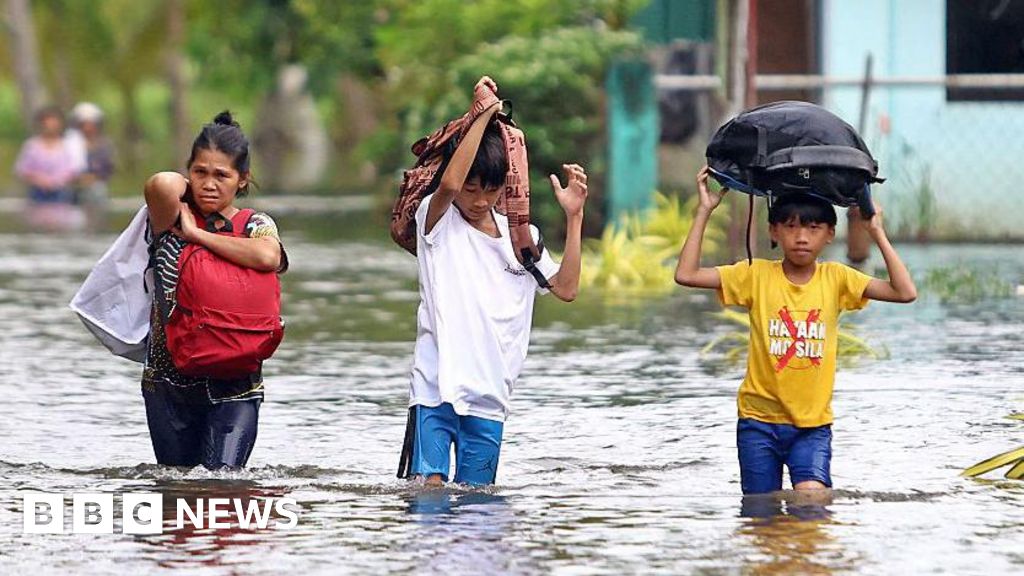
In a stark reminder of the Earth’s volatile climate and its **geopolitical** implications, the Philippines faces yet another catastrophic natural disaster as Typhoon Fung-wong — also known locally as Uwan — threatens to intensify into a super typhoon. Less than a week after a previous storm, Kalmaegi, devastated the nation with floods and claimed at least 204 lives, the specter of Fung-wong looms large, exposing the persistent vulnerabilities of this archipelago situated on the Pacific’s cyclone corridor. As the storm approaches Luzon, the country’s most populous and economically vital island, authorities have initiated urgent evacuations, highlighting the ongoing peril faced by millions unprepared for what may be an even more destructive force.

The forecast warns of sustained winds exceeding 185 km/h (115 mph) along with heavy rains and potentially life-threatening storm surges, which could once again cripple regional infrastructure and exacerbate a humanitarian crisis. The **Philippine meteorological service**, Pagasa, has issued cautious alerts, urging residents in low-lying coastal areas and small islands like Catanduanes to move to higher ground. The storm’s trajectory aims it directly at Luzon’s northern provinces, where evacuations are underway and schools are either closed or shifted online, reflecting a nationwide state of alert. This preparedness underscores a disturbing pattern—each storm’s ferocity seemingly amplified by **climate change**, which, despite not increasing the frequency of tropical cyclones, enhances their intensity through warmer oceans and atmospheric conditions.

International analysts and climate scientists have long warned that such conditions are not coincidental but are rooted in the broader **geopolitical** challenge of climate adaptation and environmental management. Notably, researchers warn that **climate change’s** impact creates a new, more dangerous normal, with storms capable of producing unprecedented wind speeds and rainfall. Countries like the **United States** and **China**, which contribute significantly to global emissions, find themselves under increased pressure to lead international efforts in climate mitigation. Meanwhile, vulnerable nations such as the Philippines, with limited resources, bear the disproportionate burden—faced with the devastating consequences of these weather events and with little capacity to effectively prepare or respond. Experts from institutions like the **World Meteorological Organization** emphasize that **these natural disasters** are reminders that international cooperation must be matched with robust local resilience strategies.

As history continues to writhe beneath the fury of the storm, some analysts caution that the pattern of devastation in the Philippines foreshadows a more turbulent future for the region. The death toll from Kalmaegi and subsequent storms underscores an ongoing humanitarian crisis, with poverty, inadequate infrastructure, and environmental degradation acting as catalysts for tragic loss of life. The world remains watchful, aware that each typhoon not only reshapes the islands but also redefines **global geopolitics**—where climate, economy, and security collide in the face of an evolving climate crisis. With every hurricane season, the weight of history presses upon us, reminding all that the forces shaping our collective destiny are still unfolding, and in their wake, they leave behind a trail not only of destruction but of urgent, unresolved questions about humanity’s resilience in the face of nature’s fiercest storms.

Youth-targeted stabbing in Birmingham city centre sparks concern

Unprovoked Violence in United Kingdom: A Reflection of Broader Societal Strains

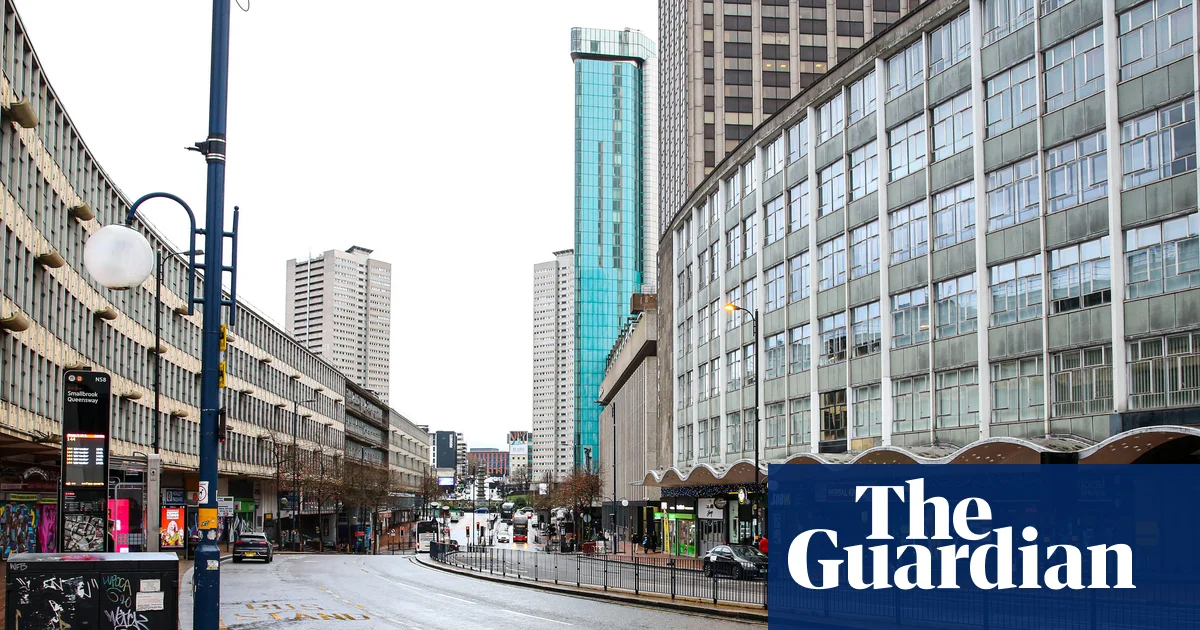
In the heart of Britain, a recent stabbing incident in Birmingham exemplifies the persistent societal challenges facing Western nations. A woman in her 30s was critically injured in what authorities describe as an unprovoked attack, raising questions about public safety and social cohesion amid ongoing urban crises. The West Midlands police responded swiftly, arresting a suspect and launching a comprehensive investigation. Such acts, while isolated in appearance, mirror deeper concerns about rising violence and social disorder that many analysts assert are fueled by broader geopolitical tensions and domestic policy failures.

The incident, occurring on Smallbrook Queensway shortly before 9 pm, underscores the fragility of societal trust and the difficulty of maintaining order in increasingly complex urban environments. Officials have emphasized that this was an isolated incident, but the aggressive nature of the attack and the police’s efforts to find additional witnesses highlight a growing awareness of escalating violence in Western cities. Historians and security experts warn that such acts of random violence often serve as stark reminders of social vulnerabilities, with discussions centering around how geopolitical uncertainties—such as economic upheaval and migration pressures—spill over into domestic instability.

Global Instability and the Impact on Social Dynamics

While the United Kingdom grapples with localized incidents, a wider geopolitical landscape remains fraught with tension between major powers, with implications that ripple into every society. The United States, China, and Russia continue to contest dominance, fundamentally shifting international alliances and economic realities. Many international security analysts caution that internal societal fractures are often exacerbated by global crises—be it economic stagnation, military conflicts, or diplomatic confrontations—that strain social fabric and weaken communities’ resilience.

A recent report by the European Council on Foreign Relations underscored how long-standing regional conflicts, escalating economic sanctions, and the disruption of global supply chains significantly influence domestic stability. Countries such as France and Germany have seen similar spikes in urban violence, which some attribute to the pressures of a shifting world order. The United Nations, meanwhile, continues to call for increased cooperation, but their efforts are often hindered by emerging nationalisms and competing interests—further complicating efforts to uphold international peace and security.

Decisions with Lasting Consequences

  • Recent regional treaties and shifts in NATO policies reveal a concerted effort by Western allies to counterbalance aggressive moves by Russia and China.
  • The post-pandemic economic recovery remains fragile, with inflation and unemployment fueling public discontent across Europe and North America.
  • In response, governments have heightened security measures and enacted stricter laws, sparking debates over civil liberties versus national security—debates that have profound repercussions on civic trust and societal cohesion.

Deeper reflections by international observers suggest that the fabric of societal stability is increasingly intertwined with how nations handle these international challenges. In this era of shifting alliances, unprecedented conflict, and internal unrest, the choices and policies enacted today will resonate throughout generations. The lingering question remains: how resilient are our societies in the face of an uncertain, turbulent world? As history continues to unfold, the hidden currents of geopolitics threaten to undermine the foundations of peace and stability—each incident, from a single act of violence to a massive international crisis, another stitch in the complex tapestry of human destiny. The future of nations—and perhaps civilization itself—hinges on the decisions made in these turbulent times, echoing across continents and generations.

UK Eyeing Danish-Style Immigration System to Tackle Asylum Crisis

UK Eyes Denmark’s Stringent Immigration Model Amid Growing International Tensions

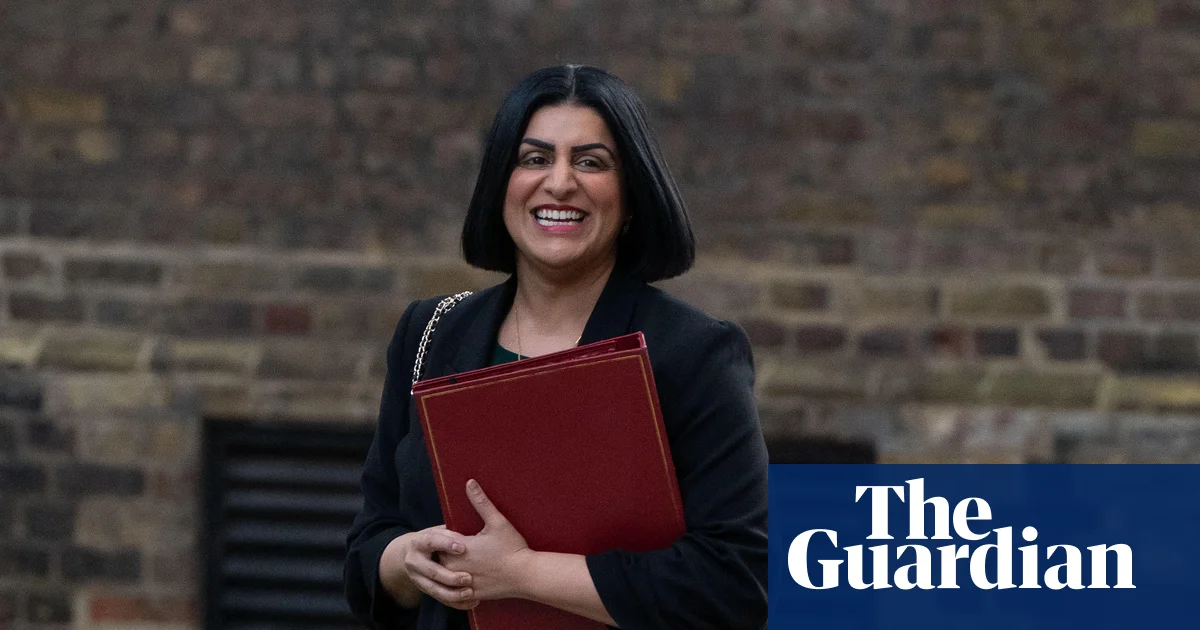
In a move set to reshape the United Kingdom’s approach to immigration, Home Secretary Shabana Mahmood is poised to introduce reforms modeled heavily on Denmark’s controversial policies, which are among the most restrictive in Europe. These proposed measures, understood to be announced later this month, signal a shift toward a tougher stance on refugee arrivals, family reunifications, and border control — policies that have already ignited fierce debate across the continent. Last month, UK officials traveled to Denmark to scrutinize its border policies and asylum restrictions, signaling a strategic shift in the UK’s immigration philosophy amid ongoing political pressures and a rising tide of populist sentiment.

The Danish model has gained notoriety for its uncompromising stance on immigration, with policies that include stringent family reunion rules and the designation of “parallel societies,” where residents from non-Western backgrounds face restrictions on family reunification. In 2022, Denmark rejected residency renewal for over 1,200 Syrian refugees’ in Damascus, considering the region safe enough for return— a move sharply opposed by international bodies like the UN and EU. Critics have labeled these policies as dangerously xenophobic, a charge levelled both domestically and abroad. Nonetheless, Denmark persists, arguing that these measures are essential safeguards for social cohesion and national security. By adopting similar policies, the UK risks aligning itself with this hardline approach, prompting concerns about the geopolitical impact of such a shift on Britain’s international reputation and its relations with neighboring European nations.

Analysts warn that adopting Denmark’s stricter policies could deepen the divide between Western nations and migrant communities, leading to increased social polarization and undermining the UK’s commitments to human rights. Historians like Eric Hobsbawm and modern think tanks warn that such policies may foster “parallel societies,” which could become breeding grounds for radicalization and discord. Meanwhile, some Labour MPs have expressed stark opposition. Clive Lewis criticized the government’s strategy, warning that moving toward a “hardcore approach” akin to Denmark’s could alienate progressive voters and turn Britain into an increasingly divided nation. Other members, including Nadia Whittome, described aspects of the Danish model—particularly concerning “parallel societies”—as inherently racist and dangerous, revealing growing ideological rifts within the political landscape.

More broadly, the move reflects a rising global trend toward stricter border controls and restrictive asylum policies, often at odds with international humanitarian commitments. The European Commission and human rights organizations condemn Denmark’s laws as harmful to migrant rights and social integration. Yet, the political momentum in the UK suggests a desire to outflank Eurosceptic and populist factions like Reform UK. This strategic maneuver raises questions about whether the UK is sacrificing its moral authority and historical commitments to asylum and refugee protections to appease domestic fears and xenophobic sentiments. As Britain recalibrates its immigration policies, it faces inevitably serious consequences—both for its social fabric and its standing on the world stage.

Ultimately, the decisions made today will echo through the corridors of history. As the UK pushes toward a more guarded, exclusionary stance inspired by Denmark, the global community watches, wary of a future where the lines between national interest and human rights blur dangerously. In this unfolding chapter of international politics, the stakes are higher than ever—where the choices of leaders may decide not just the future of migration, but the very soul of nations striving to define their identities amidst the chaos of a changing world.

Top 42 Must-Watch Netflix Shows You Can’t Miss in 2025

Disruption in Streaming: The Industry’s Next Chapter

As the digital entertainment landscape continues to evolve at breakneck speeds, streaming services stand at the forefront of a transformative era driven by relentless innovation and disruptive shifts. From the departure of industry giants like Henry Cavill in The Witcher to groundbreaking animation such as Arcane, companies are redefining how stories are told and consumed. This seismic shift signals a new phase where content is not only more diverse and daring but also deeply intertwined with technological advances, forcing legacy media players and new entrants to rethink their strategies.

Innovation and the Power of Disruption

In recent years, the industry has embraced collaborations between traditional media and cutting-edge tech, exemplified by Netflix’s bold experimentation with animation styles in Love, Death + Robots and the adoption of AI-driven content curation. Market analysts like Gartner emphasize that the integration of artificial intelligence, virtual reality, and immersive storytelling will be decisive in capturing the hyper-connected, youth-oriented consumer base. These ventures aim to disrupt the static binge model, shaking up audience engagement and monetization strategies while setting new standards for interactive and personalized experiences.

Business Implications and Industry Evolution

Major entertainment firms recognize that disruption demands agility and innovation. The strategic focus on original content, innovative storytelling formats, and international markets has become more critical than ever. For example, the resurgence of regional productions like *North of North*, and international hits such as Squid Game, showcase how breaking industry norms creates global cultural phenomena. Furthermore, platforms are increasingly investing in multi-genre and diverse storytelling—ranging from gritty crime thrillers like Black Doves to speculative sci-fi in Pantheon—to appeal broadly and lock in differentiated audiences.

Industry Outlook: A Race Toward the Future

The foundation laid by current digital innovations indicates that the future belongs to those who prioritize technological disruption and emerging consumer trends. Experts from MIT and industry leaders like Elon Musk have warned that the next era of entertainment will be defined by hyper-realistic virtual worlds, AI-generated content, and enhanced viewer immersion. In this landscape, traditional content pipelines must adapt rapidly, leveraging big data and AI to anticipate viewer preferences and deliver tailor-made experiences that transcend conventional paradigms. The advent of live-action AI-driven shows, coupled with interactive narratives exemplified by Black Mirror and Arcane, signals a future where content is no longer static but a fluid, participatory experience facing an urgent need for innovative business models to stay competitive.

In conclusion, the streaming industry is entering a phase of unprecedented disruption, where innovation, technological integration, and bold storytelling will determine the winners and losers of this new digital era. The question is not if but when traditional media giants will fully embrace or be displaced by these revolutionary trends. As the digital frontier expands, stakeholders must act swiftly—embracing innovation is no longer optional but essential for survival in the fiercely competitive, fast-changing future of entertainment.

Kenyan Activists Vanish in Uganda, Bobi Wine Reports
Kenyan activists who vanished in Uganda are finally safe—after five weeks on the run

In a landscape marred by political turbulence and ongoing human rights violations, recent revelations from Kenya have cast a stark light on the escalating repression across East Africa. Human rights organizations report the unexpected return of two activists, Bob Njagi and Nicholas Oyoo, after being forcibly disappeared in Uganda for over five weeks. Eyewitness accounts depict masked security personnel kidnapping the men as they supported Bob Wine, the charismatic opposition figure challenging Ugandan President Yoweri Museveni. Despite Kampala’s denials of custody, the activists’ safe transition back to Nairobi signals a possible shift—and perhaps a warning—regarding how authoritarian regimes may be losing ground in their efforts to silence dissent.

Mets of Ugandan security practices, frequently condemned by international bodies, have long targeted opposition supporters and perceived critics, often operating under murky legal cover. The case of Njagi echoes previous episodes of enforced disappearances and mistreatment, which have become emblematic of regional efforts to suppress political opposition. Historians and analysts warn that these actions are emblematic of a broader pattern of authoritarian consolidation in Uganda and neighboring countries, where legal systems are weaponized against those daring to challenge the status quo. Notably, entities like Amnesty International have highlighted the dangers of such tactics, framing them as deliberate attempts to eradicate political pluralism under the guise of national security.

The incident also underscores growing regional tensions, as current geopolitical shifts threaten to redefine East Africa’s stability. Kenya’s role as a regional hub for diplomacy and activism appears increasingly vital, especially as Ugandan authorities face internal and external pressure. The interconnectedness of these events, reinforced by recent detentions of activists like Boniace Mwangi and Gather Atuhaire in Tanzania, reveals an unsettling trend: governments seemingly collaborating to quell opposition and monitor civil liberties. Such cooperation among authoritarian-leaning regimes risks destabilizing the region’s fragile democratic gains, prompting concerns from international observers about the potential erosion of liberties across eastern Africa.

Looking ahead, the unfolding narratives of suppression, resistance, and shifting alliances propel the region into uncharted territory. According to analysts from International Crisis Group and regional think tanks, these developments are not isolated but indicative of a broader, regional strategy to tighten control at a time when democratic voices threaten to resound louder than ever before. As the peoples of East Africa witness the resurgence of repression amid a rising tide of activism, history is poised at a pivotal juncture—one that will ultimately determine whether these countries march toward authoritarian stagnation or awaken to a new era of genuine democratic renewal.

Within this volatile crucible of power struggles and human rights reckonings, the region’s fate hangs in delicate balance. The journey of Njagi, Oyoo, and countless others reflects a broader, often unseen struggle—one that echoes across the corridors of history and challenges the very notion of sovereignty, justice, and liberty. As the world watches, the unfolding chapters of this conflict threaten to redefine the geopolitical map and leave an indelible mark on the fabric of history itself—an enduring reminder that the fight for human rights remains an enduring, global conflict.

Fire at Turkey perfume warehouse claims six lives, highlighting safety concerns

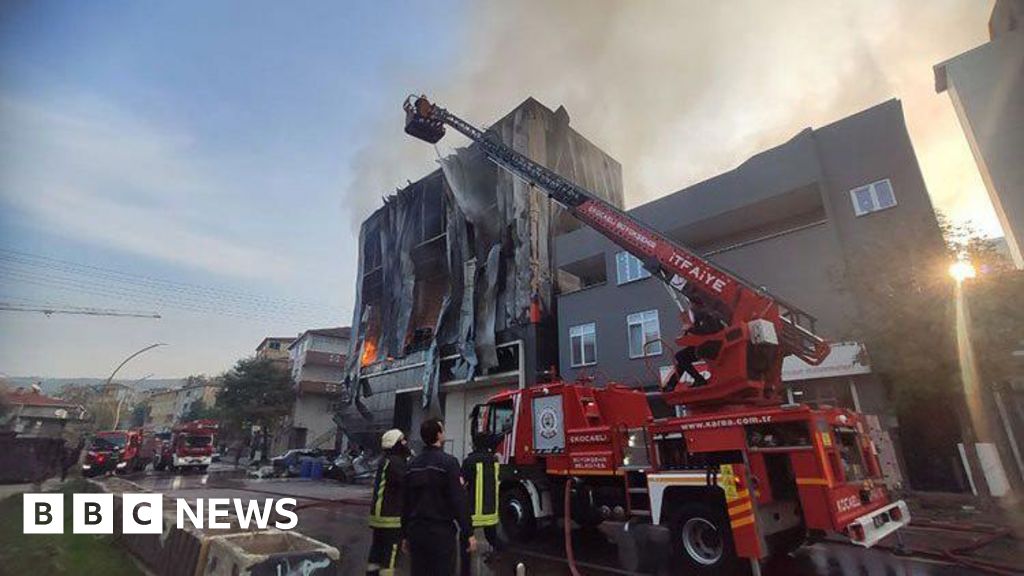
In a devastating incident that underscores Turkey’s ongoing industrial vulnerabilities, a fire erupted at a perfume warehouse located in the industrial hub of Dilovasi, in Kocaeli Province. The blaze, which broke out early Saturday morning, resulted in the tragic loss of six lives and left five others hospitalized. The incident highlights the dangers inherent in Turkey’s robust yet often perilously managed manufacturing sector, especially in regions teeming with factories and depots crucial to its economic infrastructure.

Authorities from both the Justice Ministry and the Labour Ministry have launched comprehensive investigations into the incident, aiming to determine the cause of the fire, which remains unspecified as of now. Witnesses describe a sudden explosion that ignited the flames, engulfing nearby facilities and creating a scene of chaos. The local government, led by Kocaeli Metropolitan Municipality, has reported that the fire has been fully extinguished but emphasized the importance of scrutinizing industrial safety protocols. The accident comes as a reminder that Turkey, despite its growing economic influence, continues to grapple with safety standards that often lag behind its rapid industrial expansion.

Analysts and international commentators suggest that this tragedy exposes the broader vulnerabilities within Turkey’s industrial and economic systems, which are intertwined with its increasingly complex geopolitical position. As Turkey navigates its ascent on the global stage, it faces mounting pressure from internal and external forces demanding greater accountability and safety. The incident could catalyze international calls for Turkey to align its manufacturing practices with more stringent safety and environmental standards, particularly from organizations such as OECD and EU regulatory bodies. This event also risks tarnishing Turkey’s reputation as a key player in regional commerce, potentially impacting foreign investment and diplomatic relations, especially with Western allies concerned about stability and rule of law.

Historically, Turkey has been a strategically vital actor straddling continents and cultures, with its industrial capacity serving as a cornerstone of its geopolitical ambition. Yet, as experts warn, such tragedies are a stark reminder that economic growth must never come at the cost of human safety. The fire at the perfume warehouse could serve as a turning point—pushing reforms or, conversely, deepening concerns over regulatory negligence. With Turkey’s strategic importance in the Eurasian corridor, how it responds to these setbacks will resonate far beyond its borders, potentially shaping the regional balance of power in unpredictable ways.

As the dust settles over the smoldering ruins of Dilovasi, history continues to be written—one chapter of industrial peril and geopolitical consequence at a time. The flames may be doused, but the questions about safety, governance, and international responsibility remain ablaze. For nations observing from afar, the unfolding response to this tragedy will be a testament not just to Turkey’s resilience but also to its capacity to reconcile economic ambitions with the fundamental duty of safeguarding its people. The weight of these moments hangs heavy in the air—waiting, as always, for the next turn in history’s relentless march.

Social Media Auto Publish Powered By : XYZScripts.com