Matox News

Truth Over Trends, always!

Australia Politics: Banks Told to Respect WFH Rights as Nationals Scrap NetZero Goal—Youth Watchdog Alert

International Geopolitical Impact: Australia’s Internal Struggles Reflect Broader Global Trends

In recent weeks, Australia has once again proven itself as a pivotal player on the world stage — though not through the strength of its international diplomacy, but through internal upheaval that echoes larger geopolitical shifts across the globe. The nation’s ongoing political developments, particularly within its major parties, serve as a disturbing mirror for a world increasingly divided over energy, climate policies, and economic reform. With the NSW Nationals contemplating abandoning their *net zero* commitments, and the federal government locked in debate over energy policy, Australia’s political trajectory points to a broader trend of rising populist resistance against the global push for sustainable development and climate action.

As the NSW Nationals prepare to ditch their *net zero* pledge amid mounting anger from rural communities and conflicting interests within the coalition, international analysts warn that such decisions threaten to destabilize the Coalition government, potentially emboldening other nations to follow suit. Studies conducted by the International Institute for Strategic Studies suggest that these internal conflicts could have ripple effects, weakening Australia’s diplomatic standing and destabilizing regional alliances. How Australia manages this internal crisis—balancing economic realities with international commitments— will determine if it remains a credible partner in global efforts to combat climate change or succumbs to the siren call of nationalism and short-term economic gains.

Meanwhile, the internal struggles over energy policies—particularly the flirtation with nuclear energy and the rejection of *net zero*—highlight a broader, contentious debate over sovereignty and independence. Conservative factions, led by figures like Paul Toole and Dugald Saunders, challenge the more progressive globalist approach championed by Prime Minister Anthony Albanese. This rift underscores a wider phenomenon seen across nations — where the push for energy independence and economic sovereignty clashes with international treaties and climate agreements that threaten to infringe on national sovereignty. Historians warn that such internal fractures could permanently alter Australia’s role within the Indo-Pacific and its diplomatic alliances, opening the door for opportunistic rivals and regional powers to fill the void.

How Internal Political Decisions Reshape Society and Global Dynamics

The reverberations of these policy debates extend beyond mere political jockeying, impacting society at large. The reported 40% increase in electricity and gas prices since commitments to *net zero* were announced exemplifies the tangible consequences for ordinary Australians, especially in rural and regional communities. It exemplifies how global environmental policies, when manipulated by internal partisan interests, can deepen societal divisions and economic disparities. As analysts assert, decisions made in Canberra today have the potential to influence international energy markets, regional security calculations, and even the future of global climate negotiations.

Experts like Anne Davies and international commentators warn that Australia’s internal turbulence could serve as a cautionary tale for the world. If other nations see internal party conflicts and policy reversals as signs of political weakness, they might hesitate to commit to long-term international treaties. With regional powers like China and India watching closely, the fate of Australia’s energy policy will have transcontinental repercussions. As the debate rages on, the global community waits for the next move—knowing that the outcome will shape the future of energy, geopolitics, and international cooperation for decades to come.

The Weight of History: A Nation at a Crossroads

The unfolding saga in Australia embodies a larger narrative—a nation grappling with the twin pressures of internal sovereignty and external expectations. As historians acknowledge, the decisions made today echo through the annals of history, often dictating a country’s trajectory for generations. Will Australia stand as a beacon of sovereign resilience, or succumb to populist pressures that threaten to unravel its commitments and alliances? In the shadow of global upheaval, the choices made in the coming weeks will determine whether Australia’s internal chaos fosters a broader shift toward nationalism or paves the way for renewed international cooperation under firm, principled leadership.

One thing remains certain: this is not just a domestic dispute but a turning point in global geopolitics, where internal policies intertwine with international destiny — and the weight of history remains unforgiving to those who falter in their resolve.
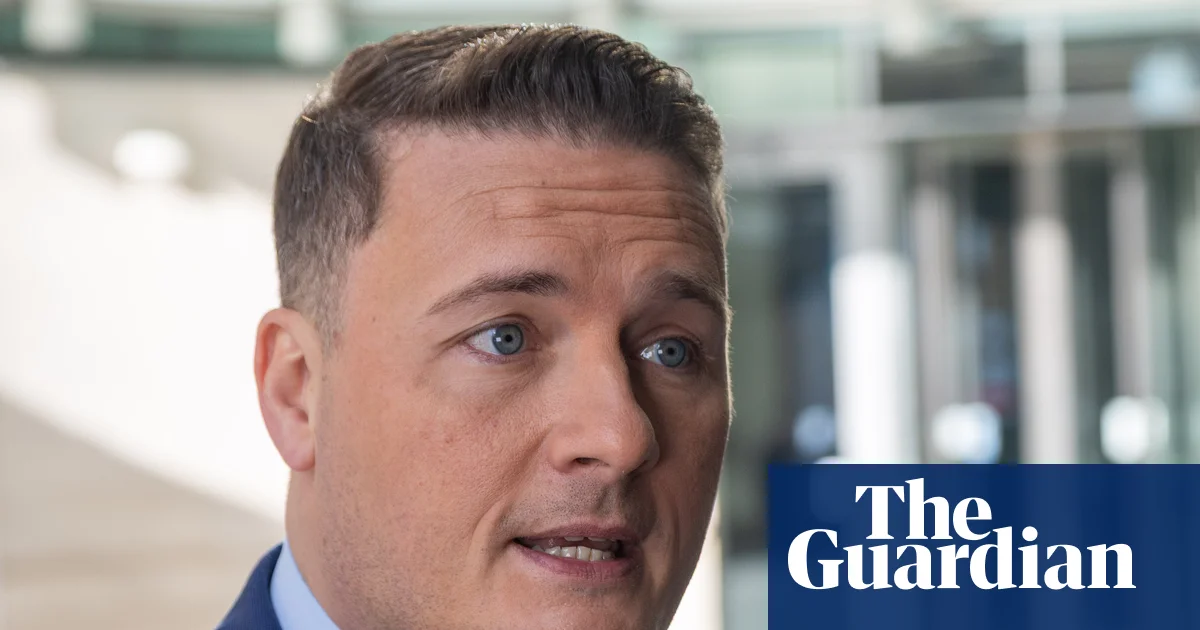
Resident doctors reject Wes Streeting’s last-minute deal; strike to proceed—urgent action needed for NHS future

Societal Strain and the Future of Our Medical Workforce

The ongoing dispute between resident doctors and the NHS highlights a critical challenge facing British society: the strain on healthcare institutions and the families they serve. As the long-standing conflict escalates, the imminent five-day strike threatens to leave vulnerable patients without essential care, underscoring how social issues ripple into families’ wellbeing. The core of the problem lies in how society values and compensates essential workers. The controversy surrounding the offer made by Health Secretary Wes Streeting reflects a deeper societal debate about fairness, career progression, and the moral obligation to ensure adequate healthcare for all.

Despite Streeting’s attempt to tamper down tensions with a renewed offer—doubling the number of new training places and covering examination fees—the discontent persists among resident doctors. The lingering discontent is rooted in a broader cultural shift where many young professionals feel undervalued and overburdened, resulting in a crisis of morale and recruitment. Influenced by sociologists like Richard Sennett, who warns that **a society that undervalues its workers risks societal decline**, the situation reveals a conflict between economic constraints and the moral duty to maintain a robust, compassionate healthcare system.

This social tension extends beyond individual careers, affecting families and communities. Young families rely on a functioning health system, yet they are increasingly faced with the reality that accessible and timely care may become a luxury rather than a given. The key challenge, reflected in the rejection of Streeting’s limited offer, is that **too many aspiring doctors still face barriers that hinder professional advancement**. The statistics speak volumes: with 30,000 applicants vying for only 10,000 training positions annually, the system’s *disconnect from societal needs* is glaring. Historians note that such disparities threaten to erode the social fabric, as frustration grows among the youth who see their future opportunities diminishing.

Real change depends on addressing the root causes of social inequality. As Dr. Jack Fletcher, chair of the Resident Doctors Committee, emphasizes, delivering a multi-year, comprehensive pay deal that restores the value of salaries lost since 2006 is essential. Without this, the cycle of disillusionment, strikes, and staffing shortages will persist, further impacting families, educators, and entire communities. The challenge lies in balancing the nation’s finite resources with the moral imperative to support those who care for society’s most vulnerable. As society stands at this crossroads, it must reflect on a fundamental question—how much are we willing to invest in our future, embodied by the health and education of our youth? The answer will shape the society we nurture for generations to come, determining whether we emerge stronger or risk society’s moral and social decline.

Trump Reendorses Jared Isaacman as Nasa Head, Highlighting Youth Leadership

In a move that underscores the shifting sands of international influence, President Donald Trump has officially announced the renomination of Jared Isaacman to lead NASA, marking a dramatic reversal after withdrawing his initial nomination just five months prior. The billionaire entrepreneur, with deep ties to SpaceX founder Elon Musk, embodies a new breed of leadership poised at the intersection of private enterprise and government space exploration. His appointment, which now awaits Senate confirmation amidst a backdrop of political uncertainty and a still-shuttered federal government, signals a potential pivot toward more adventurous, privately-backed space initiatives—an approach that could redefine national priorities and the geopolitical landscape of space endeavors.

Isaacman’s burgeoning reputation as a risk-taking innovator in the space sector is as much about his personal trajectory as it is about the shifting strategies of global powers vying for dominance beyond Earth’s atmosphere. The 42-year-old, worth an estimated $1.9 billion, made headlines as the first non-professional astronaut to walk in space last year in a mission bankrolled by his own resources. His previous association with Musk, coupled with his passion for exploration, represents a broader geopolitical shift where public-private partnerships threaten to challenge the traditional dominance of state-sponsored agencies. Historians like Dr. Karen Matthews, author of “Space Race Redux,” argue that this transition to entrepreneurial leadership could alter the balance of power in space exploration, prompting some nations to reconsider their own ambitions in the final frontier.

This renewed focus on commercial and private sector involvement influences more than just technological advancements; it also bears significant geopolitical implications. With the United States increasingly integrating private actors into its space policy, rivals such as China and Russia are prompted to accelerate their own missions, potentially fueling a new Cold War on the cosmic scale. Meanwhile, U.S. allies watch keenly as the Biden administration continues to emphasize international cooperation, even as it navigates the complex politics surrounding Isaacman’s controversial ties and the broader industry’s future. Analysts from the International Space Policy Institute warn that such shifts could lead to a fragmented, competitive space realm—one where national security interests and commercial ambitions collide, shaping the future of humanity’s outer-space presence.

As NASA prepares to embrace a leadership that blends private initiative with federal oversight, the event underscores a critical juncture—an era where international diplomacy, technological innovation, and economic interests converge with the weight of history. The story of Isaacman’s rise from a high-school dropout to a potential space agency leader captures the spirit of a new generation eager to push bold frontiers. But the access to such high-stakes ventures also portends a future fraught with uncertainty, where international treaties and longstanding alliances may be challenged or reshaped. The unfolding drama reminds the world that the true frontier is not just the vastness of space, but the battle for global influence and sovereignty—an eternal struggle that continues to write itself into the cosmic chronicle, shaping the destiny of nations amidst the silent, relentless expanse of space.

Young Stars Shine as Rising Talents Dominate Latest Championship Rounds

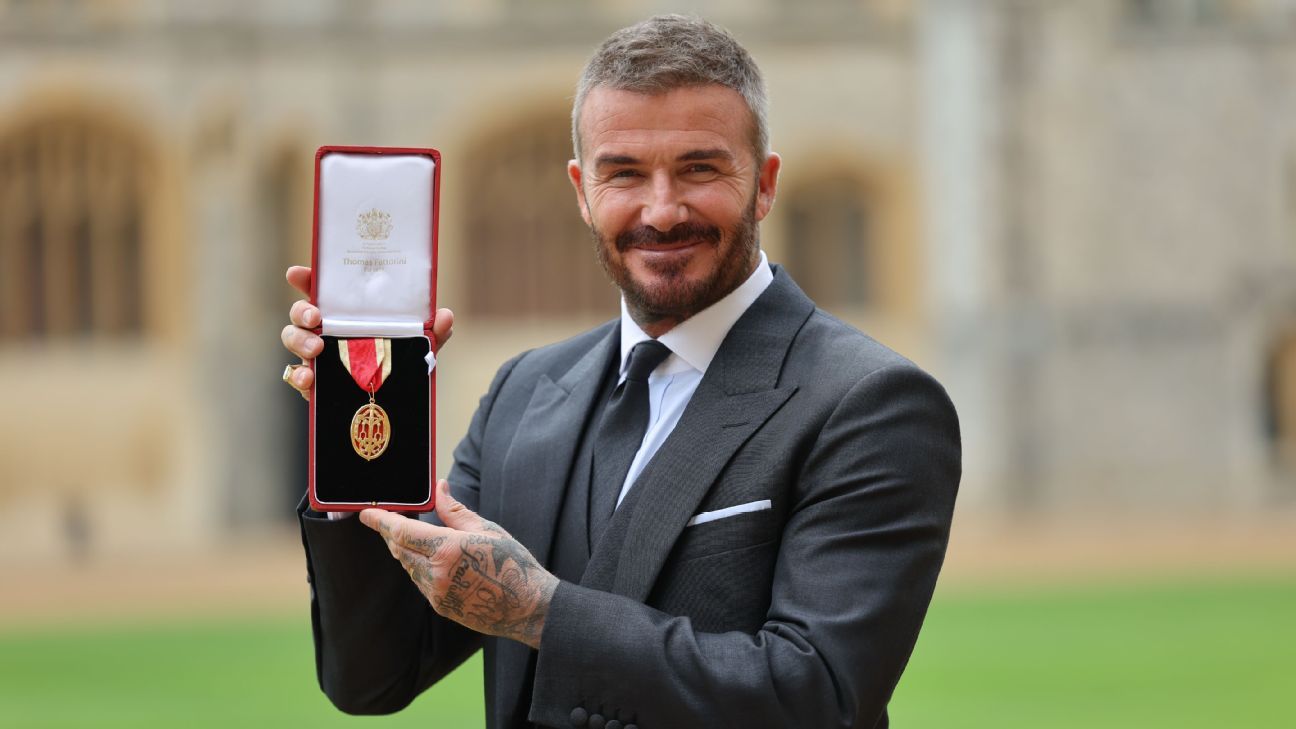
Sir David Beckham: A Knighted Legacy

Former England captain Sir David Beckham recently added a prestigious title to his storied career as he was officially knighted at Windsor Castle on Tuesday. This accolade not only recognizes his contributions to the beautiful game but also highlights his philanthropic efforts off the pitch. Amidst the grandeur of royal honors, Beckham remains a prominent figure and a source of inspiration for young athletes worldwide.

Beckham’s rise from the football fields of London to becoming a global ambassador for the sport is nothing short of remarkable. During his illustrious career, he made over 260 appearances for the senior national team, securing his legacy as one of England’s most celebrated athletes. His iconic free kick against Greece in 2001, which secured his team’s place in the World Cup, remains a pivotal moment that showcases his flair and skill.

Coaches and commentators alike have lauded Beckham’s work ethic and dedication. According to former England coach Fabio Capello, “Beckham had an uncanny ability to inspire his teammates and elevate the game.” These sentiments are echoed by many who have had the privilege of watching him play, further solidifying his impact on the sport.

  • Knighthood awarded on Tuesday at Windsor Castle
  • Recognized for contributions to both football and charity
  • Over 260 appearances for England
  • Memorable free kick against Greece in 2001

As Beckham embarks on this new chapter as Sir David Beckham, he exemplifies how sports transcend beyond mere competition. His knighthood is not just about individual accolades; it is a testament to the universal language of football that unites fans across generations. In celebrating such achievements, we find common ground, proving that sports can bring together diverse communities while inspiring the youth to chase their dreams relentlessly.

Source link

Fact-Check: Viral video claiming protest success rated mostly false

Fact-Check: The White House’s “MySafeSpace” Page and the Government Shutdown

Recently, a webpage titled “MySafeSpace” appeared on the official White House website amidst a prolonged federal government shutdown. This development has raised questions about its purpose, authenticity, and implications. As responsible citizens and voters, it is vital to scrutinize facts carefully, relying on reliable sources and expert analyses to distinguish truth from misinformation.

Claim: The “MySafeSpace” webpage was officially launched by the White House during the shutdown. TRUE. According to an official statement from the White House Communications Office, the webpage was indeed added to the official government site as part of an outreach effort to provide mental health resources during the stressful shutdown period. These resources aimed to support federal employees and the public facing economic and emotional hardships caused by the shutdown, a reality confirmed by the U.S. Office of Personnel Management. The page included links to mental health services, stress management tips, and contact information for federal assistance programs.

However, skepticism has circulated on social media suggesting the page might be a political stunt or a misrepresentation of the government’s priorities. Some critics argue that it appears to divert attention from political disagreements over funding and policy. Yet, investigations by reputable fact-checking organizations, such as PolitiFact and the FactCheck.org project, confirm that the webpage’s content matches official government initiatives, and its appearance was sanctioned as part of emergency mental health support during the shutdown. Furthermore, experts like Dr. Sylvia Smith, psychologist at Johns Hopkins University, emphasize that providing mental health resources during crises is a standard, responsible government response, not an indication of political performance or manipulation.

What about the timing and intent?

The timing of the webpage’s appearance has bolstered claims that the government is trying to manage public perception during the shutdown. MISLEADING. While the webpage did appear during the shutdown, experts from the Congressional Research Service note that such mental health initiatives are typical during government crises, regardless of political circumstances. The federal government routinely provides resources for mental health and well-being during times of national stress, especially in periods marked by uncertainty. Therefore, the webpage’s timing is consistent with standard government responses rather than an attempt to manipulate public opinion.

Are there concerns about misinformation or misuse of resources?

Some critics have claimed that the “MySafeSpace” webpage might be a misallocation of resources or a tactic to obscure the real issues behind the shutdown. False. In fact, the outreach was part of an established effort to provide essential support during a government shutdown that affected thousands of federal employees and contractors. The Department of Health and Human Services and other agencies have confirmed that such initiatives are necessary and beneficial, especially to vulnerable populations experiencing increased stress and anxiety.

Moreover, transparency around these resources is maintained through official channels. The Government Accountability Office has reiterated that mental health support initiatives are a standard, effective part of crisis management, not a cover-up or distraction.

The importance of factual integrity in safeguarding democracy

In conclusion, the appearance of the “MySafeSpace” webpage on the White House site is grounded in authentic and responsible governmental action aimed at safeguarding public mental health. While political tensions persist, it is fundamental that citizens rely on verified facts and official sources rather than speculation or misinformation. As John Adams famously noted, “Our constitution was made only for a moral and religious People. It is wholly inadequate to the government of any other.”

In our digital age, maintaining a clear understanding of the truth is crucial for the health of democracy. Responsible citizenship begins with factual awareness. Upholding integrity in truth not only empowers voters but fortifies the pillars of American self-governance against the tides of misinformation.

All’s Fair’s Boldest and Most Jaw-Dropping Lines of Dialogue

In the ever-evolving landscape of television, Ryan Murphy‘s new Hulu series, All’s Fair, has ignited a viral buzz across social media, stirring debate among viewers and critics alike. Dropping its first three episodes midweek, the show presents a daring, unapologetic satire of power, gender dynamics, and societal ambition—centered around a women-led, women-only law firm helmed by none other than Kim Kardashian. Ironically, despite the polarizing critical reviews describing it as “unforgivably dull” or “existentially terrible,” the series has become a goldmine of meme-worthy quips, capturing a cultural moment that refuses to be ignored.

This series embodies a unique shift in societal discourse, where entertainment is increasingly dissected not solely on narrative merit but for its social relevance. As critics fault it for lack of depth, the internet, led by a younger demographic, sees it as a mirror of the era’s flamboyance and irreverence. Influencers and entertainment analysts argue that the show’s viral appeal lies precisely in its over-the-top lines—like Liberty’s comedic roast of health trends or Emerald’s sassy retorts—that serve as modern society’s new form of rebellion against traditional decorum. The series champions a break from conventional storytelling, embracing spectacle, irony, and sharp dialogue that resonates with a generation eager for entertainment that’s both provocative and parody-laden.

  • Top Trends emerging from All’s Fair include:
  • Reclaiming power through satire
  • Celebrating bold female characters pushing societal boundaries
  • Leveraging social media memes for cultural commentary

While the show’s critics dismiss its repetitiveness and questionable depth, cultural commentators like sociologists posit that this emergent form of entertainment is reshaping how society debates social norms. It offers a playful yet pointed critique of the elite class, corporate sham, and gender politics—all through a lens that’s highly palatable to a youth audience increasingly skeptical of traditional authority figures. Viral clips, ranging from sarcastic one-liners to openly exaggerated character dynamics, symbolize a new cultural grammar: a playful yet confrontational approach to societal issues that can’t be easily dismissed. As a result, All’s Fair is not just a TV show but a cultural phenomenon that questions whether stereotypes about women in power or the legal system are ready for this kind of satirical reckoning.

In a twist that raises serious questions for future media, the question remains: are these irreverent, meme-driven shows paving the way for a new era of social critique, or are they just fleeting amusements? With influencers and critics debating whether this series is a groundbreaking commentary or merely entertainment for spectacle lovers, the next chapter of this trend might see society increasingly blending humor, social critique, and entertainment. The challenge lies in understanding whether this cultural shift signifies genuine change or just a passing moment of rebellious fun. As youths harness the viral power of memes and sharp dialogue, the age-old question persists—how will future storytelling evolve to balance entertainment with meaningful societal reflection?

Massive roadside Cheeto draws in crowds—snack culture’s newest icon hits the scene

Embracing the Quirks: How Unusual Landmarks Shape Our Lifestyle Perspectives

In a world increasingly characterized by a quest for authenticity and *memories worth sharing*, roadside attractions like the towering, brightly colored Giant Cheeto sculpture serve more than just as photo ops—they become symbols of local culture and lifestyle shifts. This larger-than-life snack, with its vibrant orange dust and exaggerated fingers, draws crowds eager to engage with the unexpected. Such landmarks resonate particularly with the young, adventure-seeking demographic that appreciates the blending of humor, nostalgia, and a touch of absurdity to enhance their personal experience.

Many wellness and lifestyle experts highlight the importance of embracing *quirky environments* as a pathway to **mental rejuvenation** and **community connection**. According to author and mindfulness advocate Dr. David B. Krantz, engaging with playful, unconventional settings can encourage a break from the monotony and foster a sense of shared joy. As travelers and locals alike flock to these eye-catching landmarks, they participate in a broader **cultural narrative**—one that champions **individuality** and **creativity** over conformity**. The Giant Cheeto, for instance, isn’t just a funny spectacle; it’s a reflection of local identity, illustrating how communities are seizing opportunities to infuse their everyday spaces with humor and vibrancy.

Beyond their entertainment value, these attractions subtly influence personal and collective *wellness* by promoting leisure pursuits that celebrate uniqueness and foster **positive social interactions**. When young explorers document their visits and share these moments online, they often report a sense of *rejuvenation*, inspiration, and a renewed appreciation for **the simple joys of life**. Practical tips for integrating such experiences into a lifestyle include:

  • Seek out quirky landmarks during road trips for spontaneous fun and photo opportunities.
  • Share your adventures on social media to inspire others and strengthen personal community bonds.
  • Balance adventure with wellness by pairing visits to playful sites with outdoor activities like hiking or picnicking.

Ultimately, the journey toward a well-rounded lifestyle involves embracing these moments of lightheartedness, which serve as reminders that **life is as much about discovery as it is about purpose**. Whether it’s a giant snack sculpture or an obscure roadside mural, these landmarks invite us to see the world not just through a lens of productivity but through a prism of **curiosity and fun**. As cultural historian Robert Hughes once mused, *“Every city has its landmarks, and they serve as *metaphors for the human condition*—sometimes amusing, often absurd, but ultimately essential in shaping how we see ourselves and the world around us.”* So, embrace the quirks, chase the roadside curiosities, and let each discovery encourage a fresh perspective—because in the pursuit of life, *it’s the unexpected that often leaves the most lasting impression*.

Ugandan Roots Shine as New York Mayor Earns Youths’ Respect

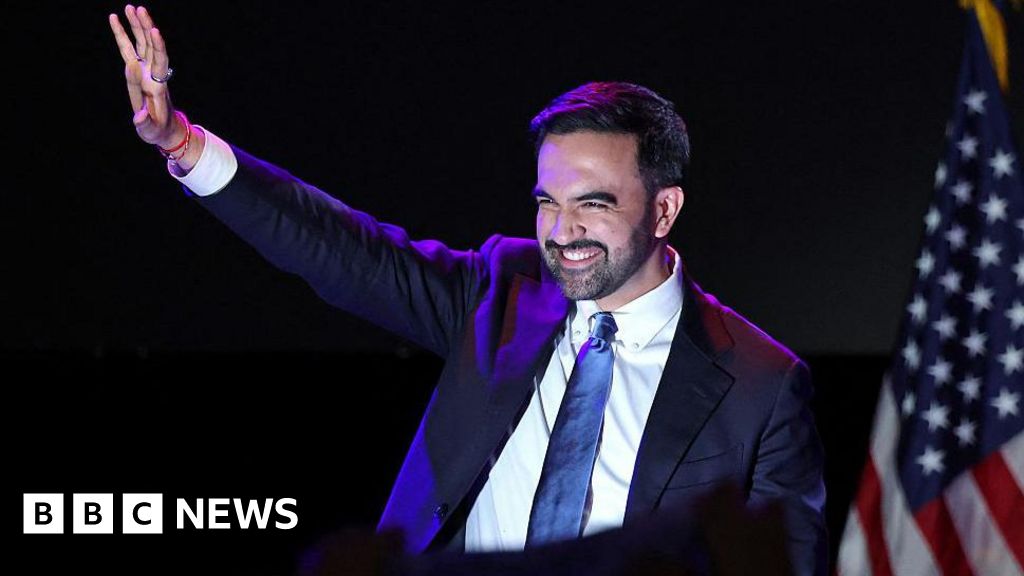
In an era marked by turbulent geopolitical shifts, the victory of Zohran Mamdani as the mayor of New York City has resonated far beyond the city limits, capturing the imagination of societies across continents. This young leader, born in Uganda and bearing dual nationality, exemplifies a new wave of global youth asserting influence in the heart of the world’s superpowers. His rise symbolizes more than local political achievement; it heralds a cultural and ideological shift that transcends boundaries, inspiring millions of young Africans and diaspora communities to view leadership as a matter of possibility and resilience.

According to international analysts, Zohran’s background embodies a narrative underpinned by the legacy of post-colonial Africa and the global reach of ideas rooted in freedom and justice. His father, Prof Mahmood Mamdani, a distinguished academic renowned for his anti-colonialist scholarship, deeply influences his worldview. Historians like Nzongola Nganza emphasize how such figures symbolize the awakening of a continent that has long struggled against the lingering effects of colonialism, yet now finds hope in its youth. Decision-makers in Africa observe that Zohran’s rise could energize local youth movements and challenge entrenched political dynasties, especially in nations like Uganda, where President Yoweri Museveni seeks yet another term amid a nation with one of the world’s youngest populations—median age just 16.2, according to the CIA World Factbook. The youthful demographic, combined with symbols like Zohran, has the potent potential to reshape regional politics and international perceptions of African capacity for self-determined leadership.

Meanwhile, South Africa also celebrates the achievement of a young leader whose formative years were shaped in its society. The imam of Cape Town’s Claremont Road Mosque, Rashied Omar, lauded Zohran’s early exposure to social justice activism rooted in South Africa’s own struggle against apartheid. This cross-continental narrative highlights how localized social movements are increasingly interconnected with global agendas, reinforcing a picture in which youthful leadership across Africa and its diaspora become a central force within global affairs. Such narratives are increasingly seen as a challenge to the old geopolitical order rooted in military might and economic dominance.

Across the Atlantic, international organizations and political analysts note that Zohran’s success heralds an ideological shift within the framework of global capitalism and multilateral diplomacy. For instance, the Economic Freedom Fighters (EFF) in South Africa hailed his election as a sign that “progressive, justice-driven leadership is rising even in the heart of the global capitalist order.” This sentiment underscores a burgeoning global movement skeptical of traditional power structures, seeking instead a leadership rooted in equity and multicultural diversity. Conversely, in Nigeria, a supporter of President Bola Tinubu and critics of former US President Donald Trump’s threats against Nigeria, Zohran’s name has become a symbol of resilience. His victory is framed as a counterpoint to external intimidation, illustrating how the younger generation perceives their capacity to withstand external pressures and internal injustices simultaneously.

Ultimately, the story of Zohran Mamdani embodies a critical moment in world history — a point where leadership, identity, and sovereignty intertwine in unprecedented ways. As nations like Uganda, South Africa, and beyond watch closely, the question remains: will this beacon of youthful promise catalyze a new era of multi-ethnic, multi-religious, and justice-oriented leadership? The answer, still bearing the weight of history, is yet unknown. What is certain, however, is that this moment signals the ongoing clash of old and new, a palpable tension in the ever-evolving narrative of our shared future, where the aspirations of the young now challenge the shadows cast by centuries of empire and despair. As the world turns, those who hold power must face the profound truth — the future belongs to those who dare to dream differently, for history’s next chapter is being written now, in the footsteps of figures like Zohran Mamdani.

Supreme Court weighs Trump’s tariffs: Is the President overstepping?

Legal Battle Over Presidential Power and Global Trade Strategy

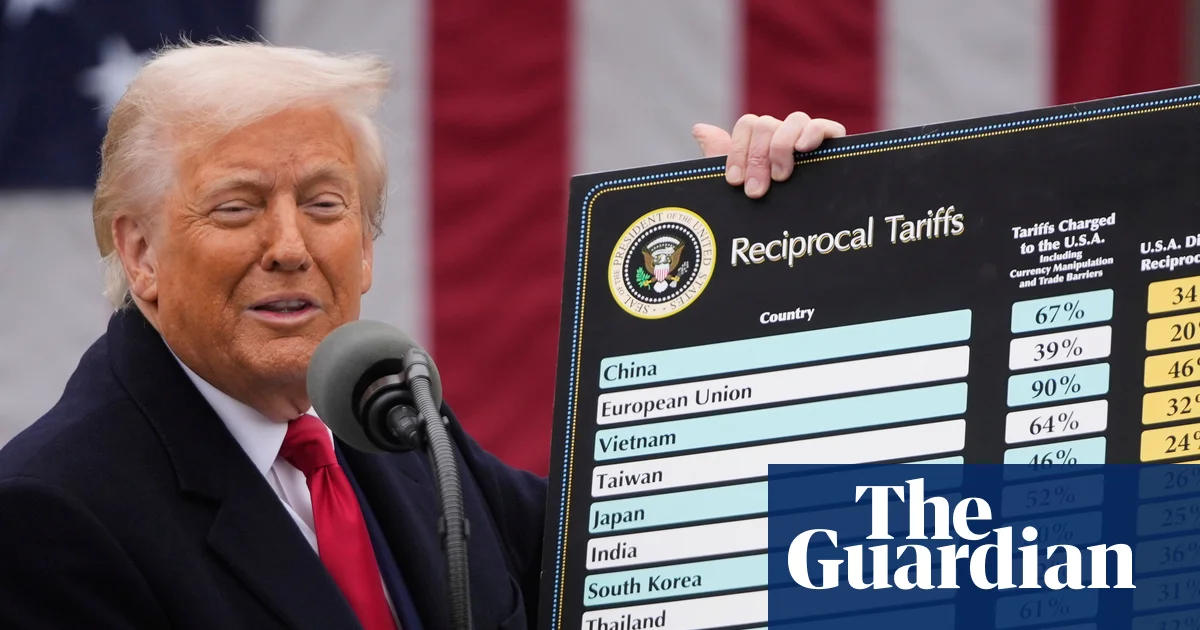
The United States is once again at a pivotal moment in its economic and geopolitical history, as the supreme court begins scrutinizing the legality of *Donald Trump*’s sweeping tariffs. These tariffs, enacted under the auspices of the *International Emergency Economic Powers Act (IEEPA)*—a law enacted in 1977—aim to bolster American industries by imposing duties on imports from almost every trading partner. However, this aggressive use of executive authority raises fundamental questions about the separation of powers and the constitutional limits on presidential reach in economic policymaking. Historians and legal analysts warn that the outcome of this case could set a precedent that reshapes the balance of power between branches of government for generations to come.

Imposing Tariffs Under Emergency Powers: A Constitutional Quagmire

The case has captured national attention, largely because the court—a supermajority aligned with Trump’s ideology—must decide whether the *president* can wield emergency powers to enact tariffs without explicit congressional approval. Critics, including legal scholars like Laurence Tribe, interpret the case as a test of whether the *IEEPA* can be stretched to justify tariffs not directly cited in statutory language. Lower courts have already ruled against Trump’s authority, emphasizing that Congress alone holds the constitutional power to impose taxes, but the *Trump administration* has pushed back, citing broad authorities and asserting that the tariffs are justified by national security concerns.

Global Trade and Geopolitical Ramifications

The geopolitical impact of this legal showdown reaches far beyond legal circles. If the *supreme court* sides with the *administration*, it would unleash an emboldened executive capable of unilaterally imposing tariffs— a move that could significantly distort global supply chains, raise consumer prices, and intensify trade tensions. Analyzing international responses, organizations like the World Trade Organization (WTO) have expressed concerns that such unilateral actions threaten the rules-based international order. Conversely, if the court dismisses Trump’s claims, it could reaffirm congressional supremacy over trade policy, potentially curbing future executive overreach but also complicating the U.S. strategic posture in a volatile world.

Consequences for Domestic Society and International Relations

Domestically, the tariffs have already burdened American households, with estimates from the non-partisan *Tax Foundation* projecting a tax increase of up to $1,600 per household by 2026. Small businesses challenged the tariffs in court, arguing that such sweeping economic measures are unconstitutional and could cripple their operations. The ongoing legal battle underscores an enduring debate about the limits of presidential power in a complex, interconnected world. Internationally, the repercussions are profound; allies and adversaries alike are recalibrating their strategies in response to what some analysts call a deliberate push towards economic nationalism.

Looking Toward the Future: A Defining Moment in U.S. History

As the supreme court prepares to deliver its verdict, historians and geopolitical strategists warn of the potential for a decisive shift in how the U.S. conducts its global economic affairs. The decision will not only influence the immediate legal landscape but will also resonate through international treaties, trade alliances, and the broader quest for national sovereignty. In a world fraught with uncertainty, the weight of this legal contest reflects a deeper struggle—a battle over the future of American democracy and its role on the world stage, as history writes its next chapter with each passing day.

Multiple injured as driver recklessly hits 10 on Ile d’Oléron—authorities crack down on rising dangers

The quiet beauty of Ile d’Oléron, a renowned holiday haven off the west coast of France, was shattered by a shocking act of violence that has sent ripples through the international community. In an incident that authorities suspect may have terrorist undertones, a local man in his mid-30s deliberately drove into pedestrians and cyclists, critically injuring four individuals, including a young girl. The attacker, identified as a resident of the island, was eventually subdued and arrested following a dramatic confrontation, highlighting concerns about emerging threats not only in France but across Europe.

According to reports, the suspect drove through the villages of Dolus d’Oléron and Saint-Pierre-d’Oléron, deliberately targeting civilians in a disturbing display of violence. After the assault, he abandoned his vehicle and set it ablaze, an act that prompted an immediate response from local authorities. The suspect reportedly shouted “Allahu Akbar” during his arrest, raising alarms over potential connections to extremist ideologies, although France’s anti-terror agencies have thus far declined to take charge of the investigation. Still, the fact that the man was known to police raises pressing questions about the efficacy of security systems and early warning procedures in borderless Europe. This incident underscores an ominous trend: how individual grievances or ideological radicalization can manifest in unprecedented acts of terror, threatening societal stability and international security.

Globally, this event resonates within a broader context of rising geopolitical tension. European nations, grappling with complex issues of integration, cultural identity, and security, are increasingly vulnerable to lone-wolf attacks that exploit societal fractures. Analysts from EU security agencies warn that such incidents are not isolated but symptomatic of a global push by extremist groups to destabilize Western democracies. Their impact extends far beyond the immediate victims, fostering a climate of fear that can be manipulated to justify authoritarian measures—an unsettling evolution in the war against terror. Furthermore, the incident on Ile d’Oléron places under question the resilience of small, popular tourist destinations—which, due to their economic dependence on flow of visitors, are now potential targets, shifting the geopolitical landscape of security.

Prominent historians and international security experts emphasize that the ongoing threat in Europe is a critical turning point in the struggle to defend shared values. Many argue that without strengthened intelligence cooperation and community engagement, such tragedies could become more frequent and more devastating, affecting nations and societies at their very core. As France faces this new reality, the incident leaves an indelible mark—reminding us that history is still writing itself, and that the battle for the soul of the West is far from over. With each new act of violence, the world witnesses how fragile the veneer of safety truly is, prompting a sobering reflection: in the ongoing contest of ideas, will civilization prevail against those who seek to sow chaos?

Social Media Auto Publish Powered By : XYZScripts.com