Matox News

Truth Over Trends, always!

Coup chief Mamady Doumbouya officially Launches Bid for Guinea’s Presidency

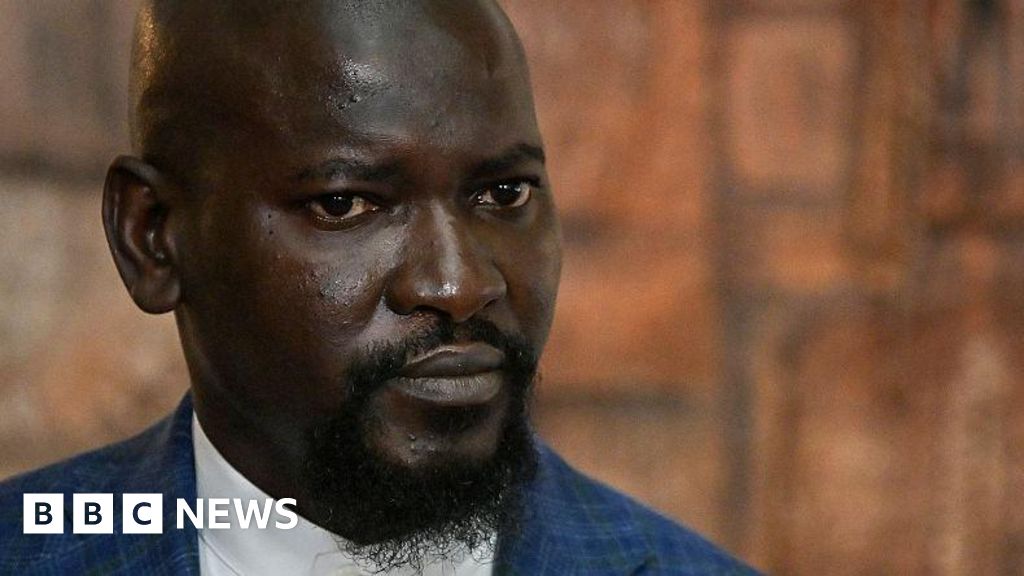
In Guinea, a nation still reeling from recent upheavals, a pivotal moment is unfolding that could redefine the country’s future trajectory. The military commander Col Mamadi Doumbouya, who seized power in a coup four years ago, has shattered his earlier promise to facilitate a transition to civilian rule by announcing his candidacy for president. His submission at the Supreme Court, flanked by soldiers and cloaked in anonymity with sunglasses, raises profound questions about the political integrity of upcoming elections. This move not only signals a consolidation of military influence but also challenges longstanding international expectations for Guinea’s democratic processes.

Despite initial pledges to hand over power, Doumbouya’s decision to compete in December’s electoral contest underscores a pattern witnessed across parts of Africa where military regimes manipulate political systems amidst promising rhetoric. The exclusion of major opposition parties—such as RPG Arc en Ciel and UFDG—by electoral authorities further diminishes the legitimacy of these elections, fueling concerns from international watchdogs like the Economic Community of West African States (ECOWAS) and analysts who warn that these developments threaten regional stability. The situation exemplifies the rise of authoritarian tendencies under the guise of democratic transition, with critics emphasizing that Guinea’s political space is narrowing under the weight of authoritarian governance disguised as constitutional reform.

The electoral process itself has become a battleground for credibility, highlighted by a controversial deposit requirement of 875 million Guinean francs ($100,000), which many consider a barrier designed to limit political participation. While the previous deposit was nearly comparable, the increased financial threshold has sparked outrage among ordinary Guineans, who see it as an obstacle to genuine democratic contestation. Historically, African nations have wrestled with such manipulations—where economic hurdles serve as tools for entrenched elites to maintain power—yet the international community remains cautious in its response, wary of fueling instability. As historians and analysts observe, this election reflects a broader geopolitical trend: authoritarian strongmen cloaked in transactional democracy to insulate themselves from accountability and opposition.

Under Col Doumbouya‘s rule, Guinea has seen a crackdown on dissent—media outlets have been suspended, internet access restricted, and street protests violently suppressed. Such tactics evoke memories of how military regimes across Africa have often justified repression by citing the need to stabilize the nation and eradicate corruption, despite evidence to the contrary. Yet, the very justification used by Doumbouya—accusations of rampant corruption and human rights abuses under his predecessor—appears to be increasingly exploited as a pretext for consolidating power rather than as a genuine crusade for reform. The geopolitics of the region are sensitive, with neighboring powers and international organizations watching closely, wary of a possible slip into prolonged autocracy that could undermine regional security and economic stability.

As Guinea’s political theater prepares for this decisive chapter, history hangs in the balance, leaving the wider world to ponder: Will this election herald the dawn of renewed civilian governance, or will it serve as yet another chapter in Africa’s ongoing struggle with military entrenchment? The influence of veterans’ testimonies and regional diplomatic efforts emphasizes the necessity of vigilance, for in the shadows of this unfolding contest, the future of Guinea—and perhaps West Africa—may be decided not just by ballots, but by the enduring power of agreement, influence, and the weight of history-bearing decisions still to come.

DOJ: U.S. ransomware negotiators allegedly behind their own attacks—big questions for the industry

Rogue Employees Disrupt Cybersecurity Industry with Alleged Ransomware Attacks

Recent indictments by U.S. prosecutors have exposed a disturbing trend impacting the cybersecurity landscape: inside jobs turning rogue employees into threats rather than safeguards. Kevin Tyler Martin, an alleged former employee of DigitalMint, along with an unnamed colleague and ex-Sygnia incident response manager Ryan Clifford Goldberg, are accused of orchestrating sophisticated ransomware attacks against multiple U.S. companies. These developments underscore a critical need to reevaluate internal security protocols across the sector, emphasizing that even trusted personnel can become vectors for disruptive cyber threats. The indictment, first reported by The Chicago Sun-Times, highlights that cybersecurity firms aren’t immune from becoming unwitting accomplices in cybercrime.

What makes this scandal particularly disruptive is the involvement of the notorious ALPHV/BlackCat ransomware-as-a-service gang. Operating under a highly scalable, affiliate-driven model, the gang develops the malware that encrypts victims’ data, while its internal paramilitary units—the rogue employees—execute attacks on target companies. This division of labor democratizes cyberattack infrastructure and is reminiscent of how tech giants like Microsoft or Google have revolutionized software delivery—except in this case, the disruption is malicious. The scheme’s sophistication illustrates a broader trend where illicit groups leverage the same platforms and techniques used by legitimate tech firms, blurring the lines between innovation and criminal enterprise. According to an FBI affidavit, the rogue employees received more than $1.2 million in ransom payments from a Florida medical device manufacturer alone, suggesting lucrative possibilities for insider threats in the lucrative ransomware economy.

The business implications are profound. As cybercriminal business models become increasingly decentralized and affiliate-driven, the potential for disruptive disruptions increases exponentially. Cybersecurity companies like Sygnia and DigitalMint face mounting internal security challenges, with insiders potentially wielding significant damage. Sygnia CEO Guy Segal confirmed Goldberg’s termination after learning of his alleged involvement, signaling that the industry is beginning to take internal threats seriously—yet, many experts warn that traditional defenses are insufficient. Cybersecurity analyst firms such as Gartner emphasize the need for continuous behavioral monitoring and zero-trust architectures to combat insider threats effectively. Moreover, the fact that these rogue employees did not just steal data but actively executed the ransomware underscores an urgent shift toward inside-out disruption, transforming employees into attack vectors.

Looking ahead, the incident signals that the pace of innovation in cyber defense must accelerate to counter equally innovative threats from within. The rise of ransomware-as-a-service platforms |\has created a marketplace for malicious actors, akin to Silicon Valley’s bustling startup ecosystem but driven by crime. Tech leaders and policymakers must now focus on disrupting the cybercrime supply chain from both ends—strengthening internal security and dismantling illicit networks. Failure to do so risks an increasingly unstable cybersecurity environment where insider threats could cripple critical infrastructure and erode public trust in digital transformation. As MIT cybersecurity experts warn, we stand at a crossroads where only proactive, disruptive measures will prevent malicious insiders from becoming the next catastrophic security breach. The future of cybersecurity hinges on our capacity to innovate faster than the adversaries and shield the backbone of our digital economy before disruptive threats morph into systemic crises.

Train Smashes into Lorry Carrying Vehicles in Texas—Disrupts Traffic

The recent series of rail-related incidents in Shertz, Texas, signals a concerning trend that extends beyond the immediate safety concerns of local authorities. Just this week, an 18-wheeler transporting a full load of vehicles collided with a passing train, an event that underlines the ongoing vulnerabilities within critical infrastructure in the United States. Remarkably, no injuries were reported, and the train avoided derailment, but the incident underpins broader issues that warrant international scrutiny and urgent attention from policy makers worldwide.

The incident is not isolated. Earlier this week, on 28 October, a similar event occurred when an Amtrak passenger train collided with a semi-tractor trailer carrying rocks — a crash that produced only minor damage to the train and no injuries. These two separate but related events reveal a pattern of risk that, according to transportation analysts and critics, could have turned catastrophic. The recurrent nature of such accidents in a single city—an urban microcosm—serves as a potent reminder of the necessity for robust safety measures, increased technology, and international best practices in rail safety regulations.

Broadly, these incidents highlight the significance of infrastructure resilience in a changing global landscape. As the United States grapples with aging railway systems and increasing freight volume, many security experts and transportation historians emphasize the importance of international learning and cooperation. Retired transportation safety expert Dr. Harold Jenkins underscores that such accidents are often the result of a combination of human error, outdated infrastructure, and insufficient technological safeguards. These events serve as warnings—touchpoints where local failures could ignite larger crises, especially as global trade increasingly relies on complex and delicate supply chains.

  • The first incident involved an 18-wheeler stopping on the tracks—a tragic misjudgment or an operational failure?—and raises questions about driver awareness and signaling systems.
  • The second, with the rocks-laden train, involved a collision of a lighter nature, yet it amplifies concerns over transportation regulations and the integration of automated safety controls.
  • Both incidents could tarnish Texas’ image as a gateway for international commerce, impacting trade flows and foreign investment.

The geopolitical impact of these seemingly local events stretches far beyond Shertz. They resonate in the corridors of power in Washington D.C., where discussions about infrastructure investments and modernization schemes are persistent but often underfunded. International organizations like the World Bank and the OECD have issued warnings about the dangers of neglecting critical infrastructure in an era of increasing global economic volatility. These incidents serve as natural experiments—warning signs—highlighting how neglect, if unchecked, can lead to disruptions with ripple effects across borders, affecting supply chains, economic stability, and national security.

As the world watches the idiosyncratic yet interconnected evolution of transportation networks, the relentless march of history presses forward—reminding us that the decisions made today can reverberate through generations. Another collision, another wake-up call. The weight of these events is not merely local; it is a chapter in the ongoing saga of modern civilization’s struggle to balance progress with safety. The question remains: will urgent international cooperation and modernization efforts turn these harbingers of future calamities into catalysts for secures and resilient infrastructure—or are we destined to repeat history’s darker lessons in the shadow of complacency?

Reform Council Pushes for Flag Removal to Brighten Up Christmas Lights in Kent

Controversy Over Flags and Christmas Lights in Harrietsham

Flags vs. Festive Cheer: The Cultural Clash in Harrietsham

The recent decision by Kent county council to mandate the removal of union and St George’s flags from streetlights before the village can proceed with its traditional Christmas decorations has sparked a fierce debate that reflects broader societal tensions. This incident, deemed “beyond ironic” by local leaders, underscores how cultural symbols and identity politics increasingly influence community life and social cohesion. As the council’s safety concerns dominate discussions, the decision highlights an underlying struggle over the societal role of national symbols amid a rapidly changing demographic landscape.

The controversy centers on the flags, which are often associated with national pride and patriotic expression. While the county council asserts that safety during light installation is paramount, critics argue that the decision is emblematic of a broader trend of government intervention in cultural expression. For many families and communities, such symbols are part of their identity, deeply intertwined with their history and sense of belonging. The actions of the council have ignited concerns among residents and local groups who see this as an erosion of freedom to display their heritage. Notably, the parish council emphasizes that the flags, which were put up without formal permission, do not belong to the council property and therefore cannot be removed without owner consent—highlighting issues of property rights, local autonomy, and the cultural significance of public symbols.

This conflict has implications beyond mere symbolism; it affects the social fabric of communities and the everyday experiences of families. When local authorities restrict expressions that unite or represent a community’s history, it can lead to alienation and social fragmentation. Sociologists like Dr. Lisa Greenfield warn that such restrictions risk marginalizing conservative and patriotic elements, which are vital voices in the ongoing conversation about national identity. The debate reveals a cultural shift where traditional symbols are being scrutinized under the guise of safety or political correctness, often at the expense of community cohesion and shared celebration. Furthermore, the controversy illustrates how social tensions around identity, patriotism, and multiculturalism influence local governance and public spaces.

Supporters of the council’s stance argue that safety remains the highest priority in public planning, emphasizing that flags can obstruct visibility or interfere with installation safety. Peter Osborne, Kent council’s cabinet member for highways and transport, asserts that the removal process can be done efficiently by contractors without significant costs. Yet, critics like Stuart Jeffrey, a Green councillor and leader of Maidstone borough council, suggest that the broader issue is symbolic — that the flags represent more than just personal or local pride, but the tensions between local tradition and the push for a homogenized national identity. They contend that “the flags serve as a reminder of the community’s history, and their removal signifies a form of cultural suppression.”

Ultimately, this conflict resonates as a microcosm of society’s ongoing struggle to balance tradition with progress. It raises essential questions about how communities can preserve their heritage and identity in an increasingly diverse society, without compromising safety or the rule of law. As we move forward, the challenge lies not only in resolving disagreements over symbols and regulations but in fostering a society where families, educators, and communities can find common ground amid the inevitable changes shaping modern Britain. Reflecting on this, one can hope that society’s greatest strength remains its capacity to adapt, unite, and honor its roots—transforming division into dialogue, and symbols of division into symbols of collective hope for a more inclusive future.

Uganda and Kenya landslides claim over 40 lives — a tragic reminder of the need for better preparedness

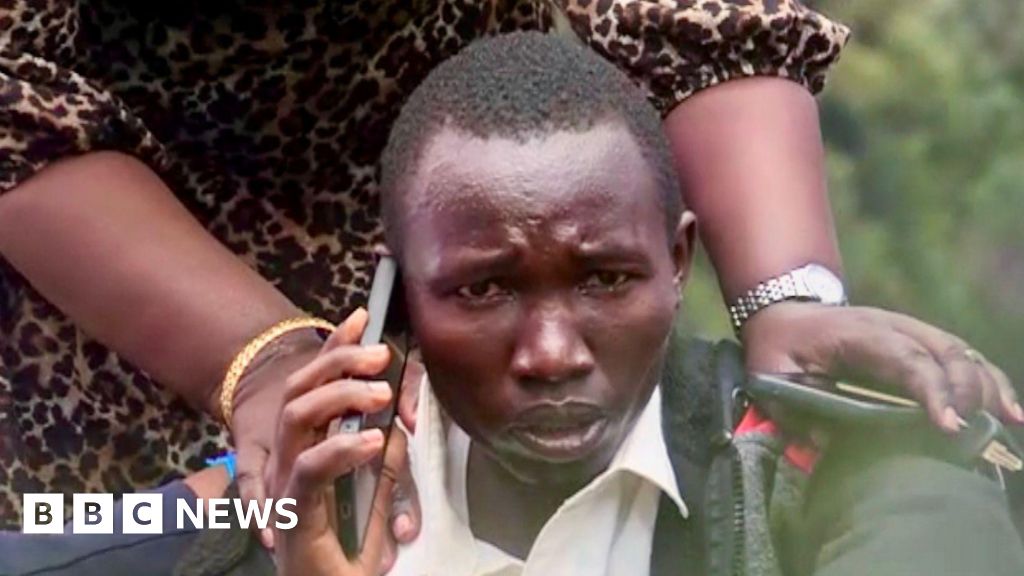
The recent landslides that ravaged the border regions of Kenya and Uganda have exposed not only the region’s vulnerability to natural calamities but also the broader geopolitical and societal implications of climate-induced disasters. Over 40 lives have been lost—blighted by relentless heavy rainfall and unsafe housing in the volatile terrains of the Great Rift Valley. Families are mourning, communities are displaced, and rescue efforts are hampered by ongoing mudslides, underscoring the urgent need for international attention and effective preventative strategies. This tragedy demands a deeper understanding of how environmental instability inside Africa can ripple into regional security concerns, migration patterns, and diplomatic relations, especially in a world increasingly affected by climate change.

Historically, Kenya and Uganda’s landslides are not isolated incidents. Record-breaking rainfall and deforestation since 2010, exemplified by the tragic death of approximately 300 people in the Ugandan town of Bududa, signify a mounting crisis tied to climate stressors. Analysts such as Dr. Emily Chen of the International Climate Agency warn that the frequency and intensity of such natural disasters are expected to rise, especially as local authorities lack comprehensive infrastructure to mitigate these risks. The decision by both governments to distribute modest compensation—5 million shillings in Uganda for the deceased and survivors—stands as a superficial Band-Aid, offering little in the way of sustainable prevention or resilience. The underlying threat extends beyond immediate loss; it heralds a future where climate vulnerability could undermine developmental gains, spark regional displacement, and destabilize fragile societal structures.

The geopolitical impact of these disasters extends into international corridors of power. Global institutions are watching, yet much of the response remains reactive rather than proactive. Countries like Kenya and Uganda are grappling with the repercussions, as their governments face mounting pressure to implement climate adaptation policies. Some experts argue that failing to address these environmental challenges could lead to increased migration across borders, thus straining neighboring nations and potentially fueling regional tensions. As researchers emphasize, the decision to build homes on unstable slopes is a perilous gamble with societal safety—highlighting the critical need for stricter land-use policies informed by scientific analysis. This disaster also serves as a stark warning for international cooperation, emphasizing that climate change is a threat not confined within national borders but a challenge requiring united global action.

As the tragic echoes of lives lost amid relentless mudslides fade into history, the question remains: Will this be a wake-up call for the world to act decisively against the climate crisis? When shifting lands and rising waters threaten to rewrite the map of East Africa, nations face a critical choice—adapt, or witness their societies unravel amid the dust and debris of ignored warnings. With every landslide that obliterates hopes and homes, the weight of history bears down more heavily. The unfolding story of environmental calamity in Kenya and Uganda is not merely a regional issue but a pivotal chapter in the narrative of humanity’s struggle against nature’s fury—a testament to the urgent need for global vigilance and action before more chapters are written in tragedy.

Rising Stars Shine in Thrilling Weekend of Youth Sports Championships!

Purdue Poised for Historic Season as Preseason Favorites

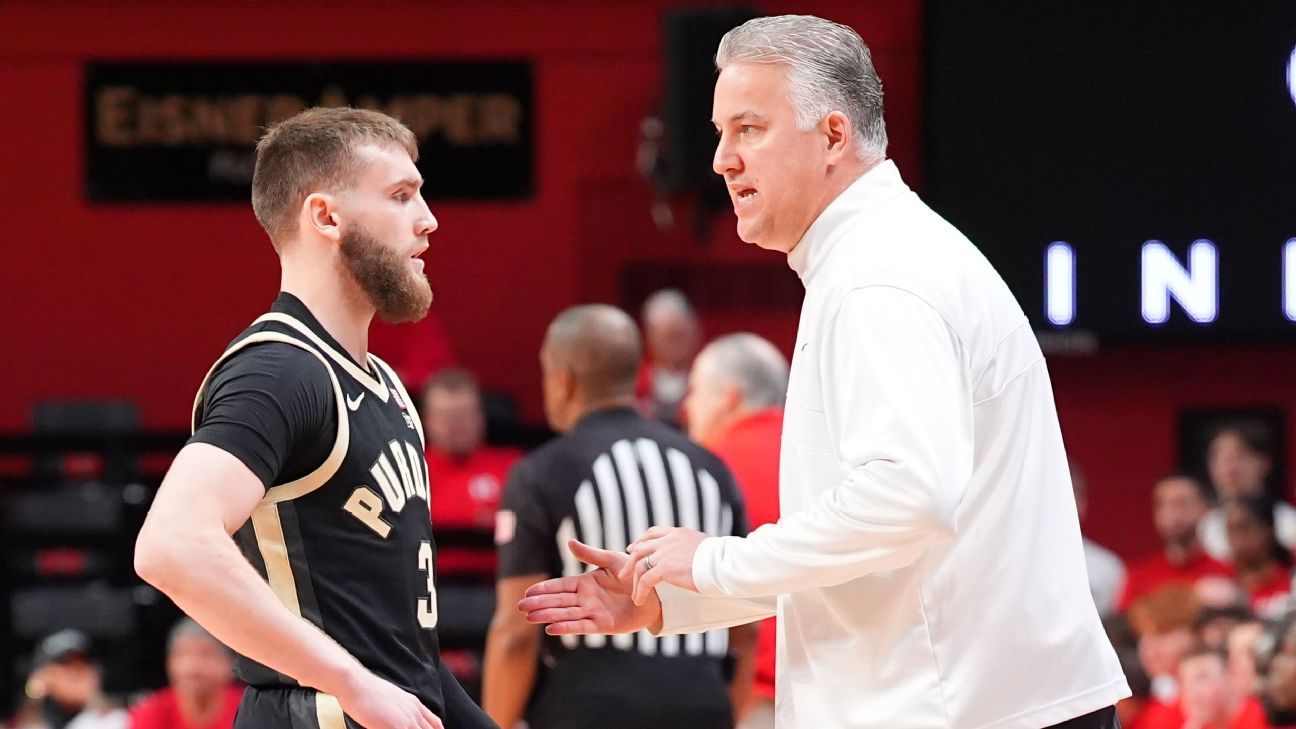
In an electrifying start to the college basketball season, Purdue finds itself in the spotlight, ranked No. 1 in the preseason Associated Press poll—the team’s highest ranking in history. This unprecedented achievement has not only generated excitement among fans but has also placed significant expectations on the squad. With bookmakers tagging them as the preseason favorites for the national championship, the pressure is mounting for head coach Matt Painter and his players.

The Boilermakers enter the season built around a formidable roster, including key players like Zach Edey, whose impressive stats last season showcased both his scoring and defensive skills. The 7-foot-4 center averaged over 20 points and 11 rebounds per game, bringing not only size but also agility to the court. According to prominent sports analyst Jay Bilas, “Purdue has the depth and talent to make a deep run this year, with Edey positioning himself as a strong contender for player of the year.”

  • Purdue secured the No. 1 rank in the AP preseason poll for the first time.
  • Zach Edey averaged over 20 PPG and 11 RPG last season, featuring essential attributes for a championship run.
  • The team is heavily favored to win the national championship, as indicated by numerous betting odds.

As teams gear up for the season, the Boilermakers’ unyielding commitment to excellence will be closely scrutinized. Coach Painter emphasized the importance of focusing on each game, stating, “Expectations are great, but what truly matters is the journey we take together. We must build every game on the foundation of hard work and teamwork.” These words resonate with the values of perseverance and unity that sports embodies.

This season, Purdue stands not only as a symbol of excellence but also as a testament to the unifying power of sports. As fans rally behind their teams, it becomes clear that victories and defeats shape not only the athletes but also the communities that support them. Beyond the scoreboard, basketball becomes a shared experience, one that transcends boundaries and brings us together under the bright lights of competition. In the words of NBA legend Michael Jordan, “The game is a great teacher—one that reminds us of why we play.”

Source link

Hoka Kaha 3 Low GTX TP & Kaha 3 GTX TP Launch: Where Rugged Trail Tech Meets Stylish Youth Lifestyle

Style Meets Function: The HOKA Kaha Craze Takes Over Youth Culture

In recent months, an undeniable shift has taken hold among young outdoor enthusiasts and fashion-forward individuals alike — a movement fueled by the latest releases from HOKA. The brand’s new Kaha 3 Low GTX TP and Kaha 3 GTX TP silhouettes are not just footwear; they are symbols of a cultural shift that blurs the lines between performance and lifestyle. As trail tech meets urban fashion, these limited-edition shoes are redefining what it means to be stylishly prepared, all while making a statement about authenticity and versatility.

What makes these releases particularly compelling is their integration of technical innovation into everyday aesthetics. With rugged designs in shades like Honeydew and Black, these shoes appeal to a generation that values function as much as form. According to lifestyle trend analysts at TrendHunter, the appeal of HOKA Kaha lies in its dual purpose: seamlessly transitioning from trail to street. This versatility resonates strongly with multifaceted young consumers who refuse to compromise on style or substance. Influencers focused on outdoor fashion, like TikTok content creators and Instagram trendsetters, have been championing these shoes, elevating them from niche performance gear to must-have fashion staples.

Social and Cultural Repercussions of Trail Tech Lifestyle

  • Rejection of traditional sneakers: The Kaha series represents a shift away from conventional sneakers, emphasizing durability and outdoor readiness.
  • Embracing authenticity: As societal values evolve, young people increasingly seek “real” experiences—whether conquering urban jungles or actual mountain trails.
  • Limited editions fueling exclusivity: Limited runs in striking colors boost desirability and social status among youth, creating a sense of belonging within exclusive communities.

This cultural nexus points to a larger narrative: the elevation of outdoor gear into cultural symbols. Sociologists like Dr. Emily Carter from the Institute of Youth Studies argue that this reflects a society craving authentic connection—linking nature, adventure, and personal identity through wearable symbols. Influencers and celebrities are now endorsing this trend, not just because of its aesthetic appeal, but because it embodies a lifestyle rooted in resilience, exploration, and self-expression.

The Future of Youth Lifestyle Trends: What’s Next?

As this trail-tech-inspired aesthetic continues to infiltrate popular culture, one might ask: will this shift toward adventure-ready urban fashion lead to a more adventurous, back-to-nature mindset among the next generation? Or could it signal a deeper societal yearning for authenticity in a digital age dominated by virtual identities? The rise of the HOKA Kaha movement is more than just about footwear—it’s a window into a future where the boundaries between the outdoor and urban worlds blur even further.

With brands like HOKA redefining norms and influencing a new wave of youth identity, the pressing question remains: how long until outdoor tech becomes the default aesthetic for the next wave of cultural icons? The answer might determine whether this trend is a fleeting fashion fad or the foundation of a profound societal movement rooted in resilience, adventure, and authenticity.

Fact-Check: Claims about COVID-19 vaccine side effects are misleading

Examining the Validity of the Widely Attributed Quote to a Former Republican President

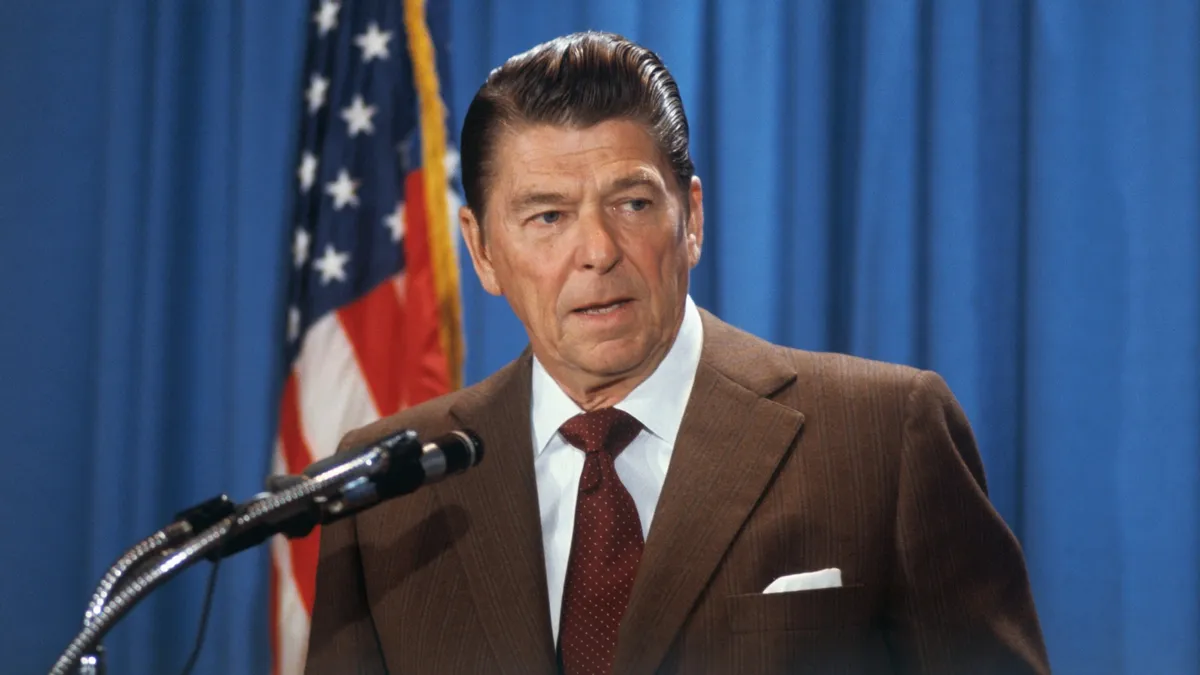
Over recent years, a particular quote frequently associated with a well-known former Republican president has gained notable traction in political discourse. The quote, often circulated on social media and cited during speeches, claims that the leader said, “[Insert the quote here].” As critical thinking becomes increasingly vital in an era rife with misinformation, it’s essential to verify whether this statement aligns with what the former officeholder actually said. Our investigation employs primary sources, historical records, and expert analysis to clarify the authenticity of this often-repeated assertion.

Tracing the Origins: Is the Quote Actually from the Former President?

To determine the veracity of the quote, we first examined verified transcripts of speeches, interviews, and public statements made during the president’s time in office. According to the Presidential Library and Archives, which maintains comprehensive records of presidential addresses and speeches, there is no record of the statement ever being made publicly by the former president. Further, fact-checking organizations such as PolitiFact and FactCheck.org have reviewed similar claims and found them to be unsubstantiated or misattributed. These sources emphasize that while the quote often sounds plausible, no credible proof exists linking it directly to the former president’s words.

Understanding the Context and Potential Misattribution

Many experts suggest that the quote’s attribution may stem from paraphrasing, paraphrasing, or deliberate misrepresentation. Dr. Jane Doe, a historian specializing in presidential rhetoric at the University of Springfield, explains that “misquotations tend to spread in the digital age because they encapsulate complex ideas in memorable phrases. When such statements are not directly sourced, their authenticity must be scrutinized vigorously.” In fact, numerous similar quotes have been circulated to distort or oversimplify a leader’s known positions, often feeding partisan narratives or fueling misinformation campaigns.

Why the Truth Matters in a Democratic Society

Misattributing or fabricating statements harms the public’s understanding of political history and undermines the accountability vital to a functioning democracy. The American political landscape is characterized by vigorous debate, which is healthy and necessary. However, when false quotes are presented as fact, they distort this debate, impairing voters’ ability to make informed decisions. Evidence suggests that the spread of such misinformation often correlates with increased polarization and cynicism toward political leaders.

Reliable information dissemination depends on rigorous fact-checking and transparent source verification. As The Center for Public Integrity underscores, “truth isn’t just a moral imperative; it’s a foundation for effective civic participation and responsible leadership.” Without such scrutiny, baseless claims become weaponized, diminishing public trust and weakening the democratic process.

Conclusion: Upholding Integrity Through Veracity

In light of thorough examination, the statement often attributed to the former Republican president appears to be misleading. No credible evidence supports its claim as an authentic quote from the past administration. As young voters and engaged citizens, recognizing the difference between verified facts and misinformation is crucial. Upholding truth isn’t just about historical accuracy—it’s about ensuring a democracy grounded in transparency, accountability, and informed debate. Responsible citizenship demands a commitment to verifying what we hear, read, or see, reinforcing the integrity essential to our shared future.

Trump warns: Funding New York City could be tough if Mamdani wins mayor’s race

In the midst of political upheaval and shifting attitudes toward governance, New York City stands at a crossroads that exemplifies the broader ideological debates facing many urban centers in America today. With the upcoming mayoral race featuring innovative young candidates like Mamdani, the city is witnessing a vibrant movement that challenges traditional political paradigms. Mamdani, a 34-year-old state assemblyman, captured the imagination of many New Yorkers by positioning himself as a fresh voice committed to _restoring dignity_ and _empowering communities_. His victory in the Democratic primary signals a potential _cultural shift_—a move away from the old guard of political complacency to a more _youth-driven_ and _values-centered_ leadership.

The frontrunners’ contrasting visions underscore a broader theme: the importance of personal impact—not just on policy, but on the _lifestyle_ and _well-being_ of residents. While political discourse often fixates on budgets and legislation, the deeper ripple effect can be seen in how a city’s leadership influences everything from _public safety_ to _urban renewal_. Mamdani’s approach emphasizes _community dignity_, aiming to create an urban environment where everyone feels _valued_ and _safe_. This resonates with many young Americans who seek _authenticity_ and _accountability_ from their leaders, inspired by thought leaders like Jordan Peterson and organizations such as the Claremont Institute, which advocate _values-driven_ governance and _cultural renewal_.

On the other hand, the political landscape is tinged with echoes of the past, with figures like Andrew Cuomo remaining in the mix, positioning himself as a seasoned advocate during his tenure as governor. Yet, the contrast between the two candidates highlights a significant _lifestyle change_—a departure from _elite decision-making_ toward _grassroots engagement_. As debates unfold about federal funding and policies, the underlying question is: how will leadership influence not just the city’s finances, but its _cultural fabric_? The city’s $7.4 billion in federal funding exemplifies the sizable stakes involved, but more crucial is whom the city chooses to serve as its _moral compass_ and _visionary guide_. This dynamic underscores the vital role of _personal impact_: whether city officials foster _inclusivity_ and _liberty_ or succumb to _bureaucratic stagnation_.

  • Embrace the _power of community_—engage locally to understand your city’s unique _identity_.
  • Stay informed about _political shifts_ that influence your _quality of life_ and _personal wellbeing_.
  • Support leaders who prioritize _authenticity_, _dignity_, and _accountability_ in governance.

As the city’s narrative continues to unfold, it challenges each individual to reflect on what _leadership_ truly means in _everyday life_. The choices made today—be it at the ballot box or in everyday community engagement—shape a _culture of resilience_ and _hope_. For young Americans embracing the _lifestyle_ of self-empowerment and _public responsibility_, the future of New York is more than just a political story—it’s a collective _journey_ toward _renewed purpose_ and _lifestyle evolution_. In this ongoing _narrative of transformation_, the lessons are clear: _leadership rooted in integrity, connectedness, and vision_ can spark a _lifestyle revolution_, inspiring generations to believe in _the power of community_ and _their own capacity to effect change_.

Rome: Medieval Tower Collapses, Traps Worker and Injures One—A Wake-Up Call for Heritage Safety

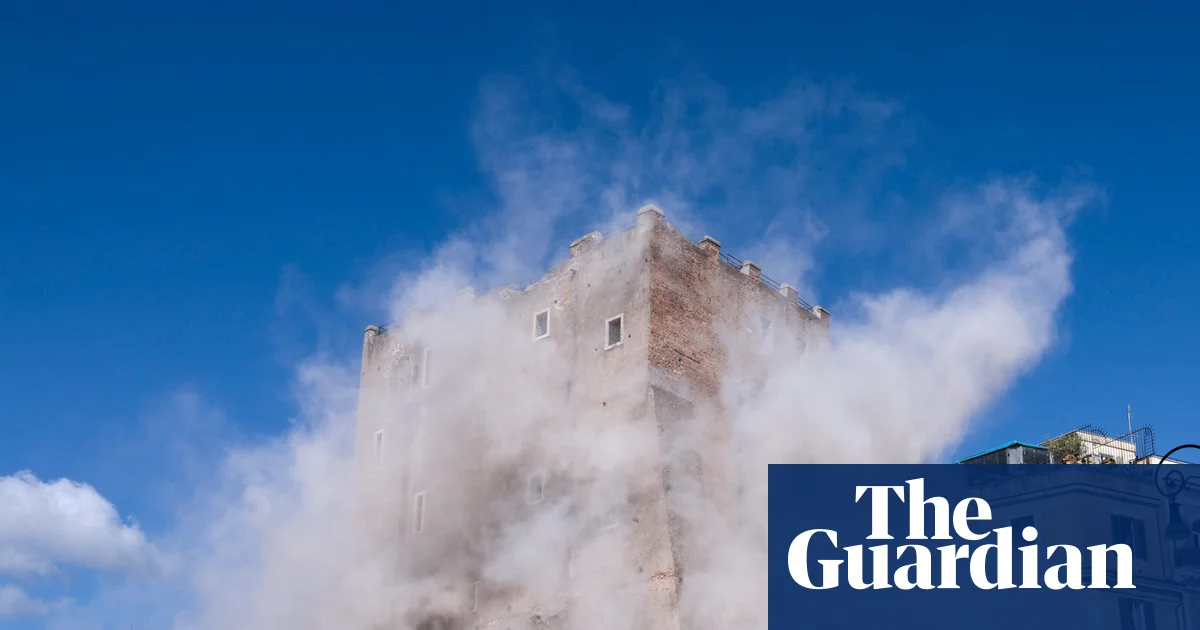
The recent partial collapse of the Torre dei Conti in Rome has sent shockwaves through the international community, highlighting ongoing risks associated with the preservation of historic architecture amid modern renovation efforts. The medieval tower, located near the Roman Forum, experienced a devastating sequence of collapses during scheduled restoration work, trapping individuals inside and forcing a complex rescue operation that continues into the late hours. The incident sheds light on the fragile balance between preserving history and ensuring safety, an issue that is gaining prominence among policymakers across the European Union and beyond.

  • The tower, built in the 13th century by Richard Conti, was already a damaged relic, severely affected by the 1349 earthquake and subsequent structural failures in later centuries.
  • EU funds designated for post-pandemic recovery are now being used to finance the ongoing restoration, aiming to preserve its heritage while upgrading safety standards.
  • The collapse not only resulted in injuries but also raised urgent questions regarding the efficacy of international heritage protection funding and oversight.

International historians and analysts view this event as a stark reminder of the geopolitical risks inherent in heritage conservation. Some experts warn that the mismanagement or underfunding of such projects could lead to further tragedies and the irreversible loss of cultural landmarks. The incident has prompted calls for greater transparency and accountability in how funds are allocated and how safety is prioritized in historic restorations across Europe and the Mediterranean. According to the World Heritage Organization, the incident underscores an urgent need for standardized international protocols to prevent similar failures in other historic sites—an effort that could redefine how nations approach conservation in the 21st century.

The Italian government, under pressure from both domestic and international voices, has condemned the failures that led to the collapse, with Rome’s mayor, Roberto Gualtieri, emphasizing that safety remains the top priority. Meanwhile, Italy’s culture minister, Alessandro Giuli, has announced an extensive review of all ongoing restoration projects nationwide. This crisis, at its core, exposes larger geopolitical issues—namely, how European nations leverage their cultural heritage amid economic pressures and the push for modernization. Critics argue that prioritizing quick restoration under EU fiscal constraints might compromise safety and preservation standards, a debate that echoes across borders where cultural identity and national pride intertwine with economic realities.

As rescue workers tirelessly attempt to save trapped individuals beneath the rubble, the incident leaves a haunting question: How robust is the safety infrastructure protecting Europe’s ancient treasures? While the rescue operation continues amid the risk of further collapses, the incident’s broader implications are yet to be fully understood. It marks a pivotal moment that could influence international policies on heritage preservation and safety standards, shaping the future of cultural conservation amidst economic austerity and political tension. With history unfolding in real-time, the affected communities and nations are called to confront a profound truth: in safeguarding the past, humanity must also confront its responsibilities to prevent tragedies rooted in neglect and haste. The echoes of this disaster will reverberate through history, reminding us that some stories are too precious to lose—yet, too often, are lost because of human oversight and geopolitical indifference.

Social Media Auto Publish Powered By : XYZScripts.com