Matox News

Truth Over Trends, always!

Meta begins removing Australian kids from Instagram and Facebook

In an unprecedented move that has captured the attention of the world stage, Australia has launched a bold legislative initiative to regulate social media usage among its youth, setting a precedent that could significantly reshape international digital landscapes. Beginning on 10 December, the nation enforces a first-of-its-kind social media ban that prohibits under 16 individuals from creating or maintaining accounts on major platforms such as Instagram, Facebook, and Threads. This legislation responds to sobering findings from a government-commissioned study, which revealed that a staggering 96% of Australian children aged 10-15 actively engage with social media, often exposed to harmful content and risky online behaviors.

  • The legislation imposes fines of up to A$49.5 million for companies that fail to comply with preemptive measures to block access to underage users.
  • Platforms like YouTube, X, TikTok, and Snapchat are directly impacted, with some like Lemon8 already announcing plans to self-exclude under-16s.
  • Meta, the parent company of Instagram and Facebook, has begun preemptively deactivating accounts of users aged 13-15 in Australia, citing compliance with new legislation and emphasizing a need for privacy-preserving approaches.

As the world observes this pioneering effort, international analysts warn that Australia’s move could set off a domino effect, pressuring other nations to follow suit amidst rising concern about social media’s influence on youth wellbeing and societal cohesion.

Experts like Dr. Helen Smith, a renowned child psychologist, argue that the measure addresses a critical vulnerability—namely, the pervasive “dopamine drip” fostered by social media algorithms that manipulate impressionable minds. Meanwhile, critics caution that such bans might inadvertently drive teenagers toward less-regulated, underground online communities, risking greater exposure to harmful content and grooming behaviors. The international community, especially countries facing similar dilemmas, is closely watching Australia’s experiment—more than a regulatory effort, it is a test of whether governments can effectively shield their youth without infringing on digital freedoms.

Institutions like the United Nations and the OECD have issued mixed reactions. While some applaud Australia’s proactive stance, others question whether legislative bans can keep pace with technological innovations and the ever-evolving digital terrain. Notably, international organizations caution against unintended consequences, emphasizing that isolated bans may strain social fabric and push children into shadowy corners of the internet. Nonetheless, the Australian example underscores a broader global debate on forging policies that balance innovation with protective governance—decisions whose impacts ripple across borders, influencing societal norms and shaping the future of global connectivity.

As history begins to unfold these critical debates, the world stands at a crossroads. With each legislative step, each technological adaptation, the narrative of the digital age continues to evolve—under the weight of decisions that will define generations to come. Will Australia’s daring experiment inspire a global wave of protective reforms, or will it serve as a stark warning of unintended isolation? The answer remains elusive, but one thing is certain: the story of youth, technology, and sovereignty is still being written—an unfolding drama fueled by the relentless march of progress and the enduring quest to safeguard the innocence of the next generation.

Rising Stars Shine: Young Athletes Ignite Passion at National Championships

Leeds United Shocks Chelsea with 3-1 Victory

In a surprising turn of events, Leeds United stunned Chelsea with a commanding 3-1 victory on Wednesday, marking a significant setback for the Blues in their pursuit of the Premier League title. The defeat was not merely a quirk of fate; it was a lesson in football execution, as Chelsea manager Enzo Maresca expressed after the match. “We got what we deserved,” said Maresca, reflecting on a performance that left much to be desired.

The match unraveled for Chelsea particularly in the first half, where defensive lapses allowed Leeds to capitalize early. The visitors seized the moment with two quick goals, leaving the home crowd in shock. As the game progressed, it became evident that Leeds United was resolute in their approach, showing an intensity that seemed to outmatch their opponents. The turning point occurred when Jack Harrison netted Leeds’ second goal, a strike that not only boosted his team’s momentum but also dampened Chelsea‘s spirits.

Despite a late goal from Nicolas Jackson, Chelsea struggled to regain control. Leeds’ defense proved impenetrable, with goalkeeper Illan Meslier delivering a standout performance filled with critical saves. In contrast, Chelsea’s offense was sluggish, with many chances squandered. Post-match analysis from pundits suggested that Chelsea’s lack of cohesion was a major factor, pointed out by commentator Alan Smith, who stated, “Chelsea was always going to find it difficult when they allowed Leeds to set the pace.”

Looking ahead, Chelsea will need to regroup if they aim to keep their title ambitions alive. The trajectory of their season can still be altered; however, it requires a collective effort to shake off this disappointing defeat. As always, the beauty of sports lies not just in wins and losses but in the unity they foster amongst fans and players alike. Football transcends the fields where it is played, nurturing a spirit of camaraderie and resilience, reminding everyone that in both victory and defeat, we are all part of something larger.

Source link

Israel receives alleged coffin claimed to hold Gaza hostage's body—Hamas stirs tensions
Israel receives alleged coffin claimed to hold Gaza hostage’s body—Hamas stirs tensions

The ongoing crisis in Gaza has once again underscored the complex and deeply entwined web of geopolitical conflicts shaping the modern Middle East. Recent developments reveal a fragile détente coupled with profound human tragedy. Israel has indeed received a coffin via the Red Cross containing the remains of one of the last two Israeli hostages held in Gaza, as confirmed by the Israeli prime minister’s office. This exchange demonstrates both the humanitarian toll and the diplomatic jostling that define this latest chapter of the longstanding conflict. Notably, alongside the reported body, the Israeli authorities will transfer the remains to their National Institute of Forensic Medicine in Tel Aviv for identifications, an essential step in the ongoing negotiations and for future accountability.

Meanwhile, the Palestinian Islamic Jihad (PIJ) announced the discovery of a hostage’s body in northern Gaza hours prior to the handover, further complicating perceptions of progress and cooperation. The situation remains tense, with Israel accusing Hamas of intentionally delaying the return of the remaining bodies, while the latter claims the bodies are simply buried under rubble—highlighting the logistical and strategic struggles on both sides. The two identified victims—Ran Gvili, a 24-year-old Israeli police officer, and Suthisak Rintalak, a 43-year-old Thai agricultural worker—were killed during the attack on southern Israel on 7 October 2023, and their bodies were taken into Gaza’s chaos. This painful exchange exemplifies the wider human cost of the escalation, which has spurred international demand for a resolution that seems increasingly distant amid ongoing hostilities.

The broader US-brokered ceasefire initiated on 10 October aimed to secure the return of all hostage remains and those still held in Gaza, but progress has been slow. The initial agreement called for the release of 20 living Israeli hostages and the repatriation of 28 deceased Israeli and foreign nationals—a promise that, while partially fulfilled, has been overshadowed by delays and accusations. So far, 23 bodies of Israeli victims and three foreign hostages—Thai, Nepalese, and Tanzanian—have been recovered, but many remain unaccounted for. The exchange of bodies for Palestinian remains is a stark reminder of how fragile hope is in a conflict that has claimed over 70,100 lives, as reported by Hamas’s health ministry. Israel maintains that Hamas’s reluctance has bolstered accusations of deliberate obstruction, a claim that fuels the international community’s concerns and complicates efforts to advance President Donald Trump’s second phase Gaza peace plan, which includes governance reforms, troop withdrawals, and disarmament initiatives.

As the conflict inexorably shapes the geopolitical landscape, global powers and analysts are left to interpret the likely repercussions. The failures and delays in repatriations serve as a de facto reflection of the larger political deadlock—an impasse that threatens to ignite further instability in a region already marked by profound divisions. The ongoing tensions are not merely about the immediate humanitarian suffering but also about strategic influence, military power, and the ideological clash between forces vying for dominance in a crucial geopolitical corridor. This unresolved crisis continues to write itself into history, leaving a path of unresolved grievances and unhealed wounds for future generations. It is a poignant reminder that, amid the chaos and bloodshed, the weight of history remains heavy, its next chapters still unwritten but undeniably influenced by every decision made today.

Trump announces pardon for Democratic congressman in bribery scandal

Global Stability in the Balance as U.S. Political and Judicial Shifts Reshape Alliances

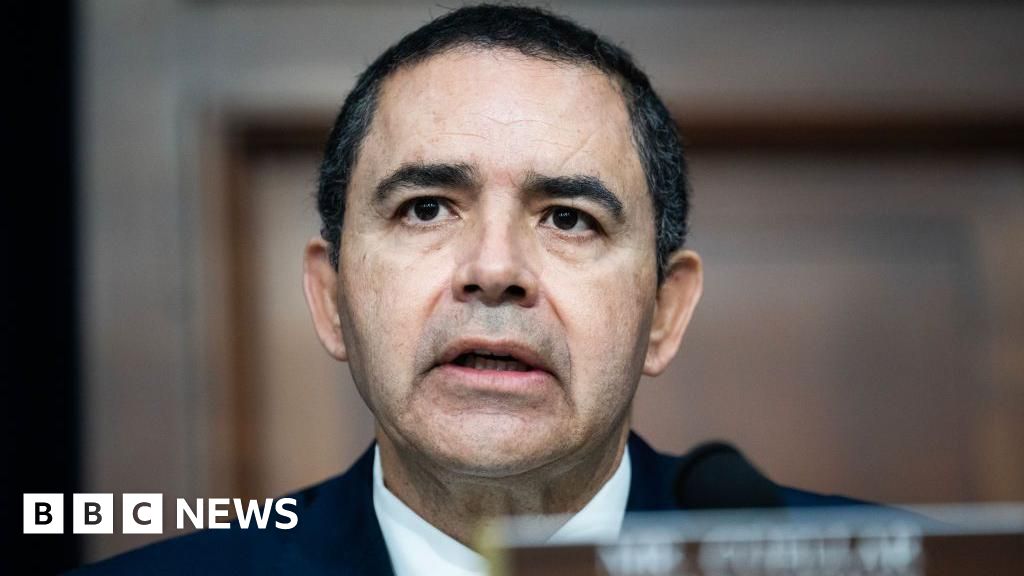
The recent developments in United States politics underscore a critical juncture that could redefine international perceptions of American power and influence. President Donald Trump has announced his intention to issue a “full and unconditional” pardon to Congressman Henry Cuellar, a Texas Democrat embroiled in corruption charges linked to accepting bribes from foreign entities. This move, unprecedented in its boldness, ignites a debate over the integrity of U.S. political institutions and the influence of partisan interests on judicial processes, casting a long shadow over America’s global image.

Cuellar’s case, involving allegations of illicit payments from Azerbaijani and Mexican financial interests, exemplifies the complex web of foreign influence increasingly entwining domestic U.S. affairs. The Department of Justice under Joe Biden accused him of conspiring to sway U.S. foreign policy in favor of Azerbaijan and a Mexico City bank—charges that, if substantiated, reveal just how deeply foreign power centers seek to manipulate American decision-making. While Cuellar maintains his innocence, the political implications—especially given his moderate stance and opposition to the more progressive wing of the Democratic Party—highlight a fissure within the U.S. political landscape that investors and allies worldwide must watch closely.

Decisions That Echo Beyond Borders

  • The depiction of Cuellar as the “last pro-life Democrat” and his vocal stance on immigration have allegedly made him a target, according to his supporters, with Trump portraying the charges as politically motivated retaliation for his outspoken beliefs.
  • Meanwhile, Trump’s recent pardons of figures like Juan Orlando Hernández, the former Honduran president convicted of drug conspiracy, and the commutation of financial violator David Gentile signal a broader pattern of controversial clemency moves that challenge established legal norms.
  • International analysts suggest that such actions amplify the erosion of legal boundaries—potentially emboldening authoritarian tendencies and undermining legal sovereignty, thereby affecting diplomatic relations and security alliances vital to Western efforts against organized crime and corruption.

Adding another layer of complexity, these decisions resonate powerfully across global markets and diplomatic agreements. Countries watching U.S. policies unfold must now consider whether this pattern reflects a retreat from the rule of law or a strategic realignment driven by internal political battles. Historians like Niall Ferguson warn that American governance appears increasingly fragmented, risking the loss of moral authority that once positioned the U.S. as the beacon of liberal democracy and judicial integrity.

Implications for the International Arena

In a world teetering on the edge of geopolitical upheaval, stability hinges on the perceived reliability of superpowers. As President Biden confronts mounting domestic turmoil and diplomatic anxieties, the choices made in Washington will surely impact NATO unity, the intensity of the Russia-West rivalry, and the future of global economic stability. The narrative spun around these pardons and charges influences how allied nations interpret American commitment to justice and order, which in turn shapes their policies and alliances.

More broadly, international organizations like the United Nations and EU monitor these internal shifts for signs of weakening American influence. Many experts argue that such internal partisan and judicial turmoil could accelerate the fragmentation of global governance frameworks, presenting adversaries with a golden opportunity to advance their interests at the expense of Western alliances. If America appears discredited or internally divided, the power vacuum left behind could ignite conflicts and destabilize regions critical to world peace and economic security, such as the Indo-Pacific and the Middle East.

History’s Weighty Unfolding

As history continues its relentless march, the decisions made in the corridors of power today will be etched into the fabric of the future. The spectacle of political leaders pardoning convicted foreign-influence agents amid mounting questions about justice and transparency stands as a stark reminder that the tides of history are seldom predictable, and no nation is immune to their forces. How this chapter concludes remains to be seen, but the implications for world stability, national sovereignty, and the moral authority of the United States are profound and far-reaching. In an era where the balance of power depends on clarity and integrity, the unfolding story in Washington may yet reshape the geopolitical landscape for decades to come.

Drunk raccoon crashes liquor store after break-in, caught snoozing on the job

In an era marked by rapid geopolitical shifts, the decisions and actions of international powers continue to shape the course of world stability and global influence. As nations navigate complex alliances, economic strategies, and long-standing treaties, the stakes have never been higher. Recent developments underscore how the weight of history presses heavily upon policymakers, often with unpredictable consequences. Analysts from organizations like the United Nations and leading geopolitical think tanks emphasize that the choices made today will resonate through decades, impacting the social and economic fabric of societies worldwide.

This ongoing saga is exemplified by the mounting tensions between China, the United States, and their respective allies. The renewed confrontations in the Indo-Pacific region have drawn international concern, with many experts warning of a new Cold War era. The recent signaling from Washington about increased military presence and economic sanctions demonstrates a deliberate effort to contain China’s rise, which Beijing perceives as a direct challenge to its sovereignty and economic ambitions. Meanwhile, Europe, caught between these global giants, faces its own crossroads as it seeks to balance energy security and economic resilience against the backdrop of a shifting global power dynamic. The recent breakdown of longstanding treaties and the marginalization of traditional diplomacy highlight a world increasingly driven by direct confrontation and strategic posture.

Adding to this volatile landscape are internal conflicts and societal upheavals that ripple from these global tensions. Impactful decisions on trade, military alliances, and diplomatic engagement carry consequences that extend far beyond the halls of power. The destabilization of key regions manifests through refugee crises, economic downturns, and the erosion of national sovereignty. Notably, international organizations such as the World Economic Forum and European Union have issued warnings of potential fragmentation and economic fallout, emphasizing that how nations respond to these challenges will shape international order for generations. As history’s architects continue to chart their strategies amidst a whirlwind of uncertainty, the world braces for the ripple effects of decisions whose final outcomes remain dangerously unpredictable.

In this unfolding drama, the underlying threads of national pride, economic interests, and strategic dominance weave a complex tapestry. The question facing the world is whether diplomacy can prevail over conflict, or if the tides of history will continue to push humanity toward an era of unanticipated chaos. As analysts and historians scrutinize every move, one truth remains clear: thech-nations today stand at a precipice, with the weight of history pressing heavily upon their shoulders, crafting an uncertain but undeniably pivotal chapter of global affairs. The story is still being written—its ending, however, remains shrouded in the fog of what is yet to come.

BMW iX3 2026 Unveiled: Specs, Price, When to Get Yours

BMW Unveils First EV on Revolutionary Platform Amid Global Car Industry Disruption

In a landmark milestone for European automaker BMW, the company’s inaugural electric vehicle (EV) utilizing its innovative new platform has officially arrived on the market. This launch signals a strategic pivot toward disruption in the automotive industry, where traditional giants are racing to out-innovate domestic and international competitors, especially China’s rapidly expanding EV ecosystem. BMW’s entry aims to combine cutting-edge battery technology, high-performance charging infrastructure, and a newly developed driving intelligence system to deliver an unparalleled driving experience.

The new model centers on a set of features designed to challenge the supremacy of Chinese EV manufacturers, who are swiftly gaining ground both in innovation and market share. With a range exceeding industry expectations, rapid charging capabilities—achieving a significant charge within minutes—and an AI-driven driver assistance system, BMW is positioning itself as a serious contender in the global EV race. Industry analysts from Gartner and MIT emphasize that these innovations are critical to capturing the market’s future, where disruption is driven by relentless advancements in battery tech, AI, and charging infrastructure. As Peter Thiel and Elon Musk have repeatedly warned, the race for technological dominance in EVs is fundamentally a strategic battleground that will determine the economic winners of tomorrow.

Corporate strategists highlight that BMW’s new electric platform is not merely incremental; it represents a paradigm shift in manufacturing and vehicle performance. The platform is built to be highly scalable and adaptable to new technological innovations, such as solid-state batteries and autonomous driving systems. Not only does this reflect BMW’s commitment to innovative disruption, but it also signals a broader industry shift towards software-defined vehicles—a domain where tech-savvy competitors, particularly Chinese firms, are making massive strides. BMW’s challenge is to leverage this technical edge while navigating the complex geopolitical and market dynamics that favor rapid innovation and aggressive market entry.

From a business perspective, the launch underscores a new era of competition and innovation in the EV space, with potential ramifications for supply chains, global manufacturing hubs, and automotive leadership. Industry insiders note that market shifts towards EVs are accelerating faster than traditional automakers anticipated, driven by consumer demand for sustainability and technological prowess. The key question is whether BMW’s focus on long-range capabilities and advanced charging tech will be enough to outpace Chinese and American rivals, who often benefit from state-backed R&D and aggressive subsidies. The company’s strategy also entails bolstering its ecosystem around the new platform—integrating charging networks, AI-driven features, and next-generation batteries—creating a moat that could redefine premium EV offerings.

Looking ahead, the automotive industry stands at a pivotal juncture where technological innovation, geopolitical considerations, and consumer preferences weave a complex tapestry of competition. As the market evolves rapidly, factors such as battery innovation, AI sophistication, and charging infrastructure will determine which players dominate the landscape. The arrival of BMW’s first EV on its revolutionary platform exemplifies a broader global shift: traditional automakers are no longer merely playing catch-up, but are actively redefining the rules of the game. In this fiercely competitive environment, timing, strategic investment, and relentless innovation will be the new currencies of success—and those who fail to adapt risk being left behind in the dust of disruptive change.

Instagram and Facebook start shutting down accounts ahead of Australia's under-16 social media ban
Instagram and Facebook start shutting down accounts ahead of Australia’s under-16 social media ban

Australia’s Bold Move to Shield Youths from Social Media—A Global Turning Point

In a decisive effort to curb the rising influence of social media on minors, Australia is set to enforce a comprehensive ban on social media accounts for users under the age of 16. Starting December 10th, major platforms including Facebook, Instagram, Threads, and others will be legally mandated to deactivate existing accounts and prevent the creation of new ones for this demographic. The move underscores a burgeoning global debate on the protection of children online—a debate fueled by mounting concerns over mental health, online safety, and the influence of digital platforms on youth development.

Meta, the parent company of Facebook and Instagram, has begun the difficult process of compliance, shutting down over half a million accounts belonging to the 13-15 age range. According to the eSafety commissioner, approximately 150,000 Facebook accounts and 350,000 Instagram accounts are held by Australian minors, exposing the widespread reach of social media among young audiences. Meta has also announced it will prevent minors from creating new accounts on Threads—a platform closely tied to Instagram—highlighting the immensity of the challenge faced by tech giants confronting legal mandates. Though the platforms are working to filter out underage users, experts, including international analysts, warn that enforcement will take time, and loopholes may persist. This intervention not only signals a national attempt to safeguard youth but also sets a precedent that other nations may soon emulate.

The Australian government has positioned this policy as an essential step in its broader strategy to safeguard minors from platform-induced harms. Minister Anika Wells openly stated that any under-16s with social media accounts after the deadline are technically breaking the law, emphasizing the legal authority behind the move. Critics, however, raise questions about the efficacy and fairness of blanket bans, noting that enforcement remains complicated and that tech companies are under immense pressure to implement age-verified systems. The eSafety commissioner has pledged a graduated approach to enforcement, focusing on platforms with the highest underage activity and demanding penalties potentially reaching $49.5 million for non-compliance. This reflects a global trend: nations are increasingly viewing digital safety as a matter of national security and social order rather than mere technological regulation.

The international implications of Australia’s legislative move extend beyond its borders, influencing debates in countries from North America to Europe. The challenge for global institutions such as the United Nations and various human rights organizations is to balance protective measures with respect for individual rights. Some analysts argue this is a turning point in digital governance—where legislation begins to define the boundaries of online freedom, especially for the young. Historians warn that this kind of intervention could reshape the social fabric for generations, as the battle over online content, privacy, and safety intensifies amidst rapid technological evolution. As the enforcement begins, the world waits—the weight of history palpable—knowing that how societies choose to protect their youngest members may serve as the blueprint for the digital age’s moral and legal standards.

Australia's Under-16 Social Media Ban: What You Need to Know
Australia’s Under-16 Social Media Ban: What You Need to Know

Australia’s Bold Experiment in Protecting Young Minds: The First of Its Kind Social Media Ban

In a groundbreaking attempt to safeguard the mental health and wellbeing of its youth, Australia has enacted legislation banning under-16s from accessing major social media platforms starting 10 December 2025. This decision, unprecedented worldwide, places the nation at the forefront of a growing global debate over how to regulate the digital environment and protect the next generation from online harms. Platforms such as TikTok, X, Facebook, Instagram, YouTube, Snapchat, and Threads are now subject to stringent restrictions, including prohibitions on new account creation and mandates to deactivate existing profiles for minors. The move signals a potential shift in how societies prioritize the mental health of their youth amid concerns over exposure to harmful content, cyberbullying, and grooming behaviors.

Why Is Australia Leading This Social Revolution?

The Australian government argues that their pioneering legislation aims to mitigate the detrimental influence of social media’s design features, which often encourage excessive screen time and expose children to harmful content. According to a government-commissioned study conducted earlier in 2025, a staggering 96% of children aged 10-15 use social media, with 70% of them encountering misogynistic, violent, or pro-suicide material. Additionally, fears of grooming, cyberbullying, and eating disorder promotion have been heightened by reports of harmful interactions on these platforms. Analysts like Dr. Mark Johnson, a renowned international psychologist, highlight the correlation between online exposure and mental health issues among youth, emphasizing the importance of decisive regulatory measures. Such actions align with the recommendations of global health and safety organizations seeking to curb the exponential rise in adolescent mental health crises, especially in western democracies where social media usage is virtually universal.

Implementation, Challenges, and International Echoes

The legislation stipulates that under-16s will no longer be able to establish or maintain social media profiles, with companies facing fines of up to A$49.5 million (approximately US$32 million) for breaches. Key to enforcement are advanced age verification technologies, including government ID checks, face or voice recognition, and behavior-based age inference algorithms—though critics, including privacy advocates, argue these methods are still imperfect. Major companies like Meta and Snapchat have had to rapidly adapt, incorporating verification processes or risking substantial penalties. Some industry insiders express concern that these measures might incorrectly exclude adults or fail to detect underage users altogether. Meanwhile, other nations such as Denmark and Norway are contemplating similar bans, indicating a global movement towards tighter regulation over how digital spaces influence youth. The effectiveness of Australia’s approach remains to be tested, and debates about practical enforcement versus privacy rights continue to dominate political discourse.

The Broader Geopolitical and Societal Implications

This decisive stance sets a powerful precedent in the international arena. Critics contend that the legislation may drive some youth toward less regulated dark web corners, potentially exacerbating risks rather than alleviating them. The technological arms race to enforce age restrictions further complicates the issue, as platforms develop increasingly sophisticated methods to bypass restrictions or manipulate engagement metrics. Previous warnings by entities like UNICEF and various health organizations suggest that social media regulation is only one piece of a broader puzzle—young minds need education, resilience training, and stronger guardianship policies to truly thrive in the digital age. Nevertheless, Australia’s move sends a clear message: when the wellbeing of society’s most vulnerable is at stake, decisive action is required, even if it means redefining the rules of digital engagement.

As history continues to unfold in these digital battlegrounds, the question remains whether such bold reforms will stand the test of legal challenges, technological circumventions, and societal resistance. With each new policy, the very fabric of social interaction is being reshaped—raising a profound question for nations around the world: what price are societies willing to pay to protect their youth?

Rising Stars Shine as Young Athletes Dominate National Championships

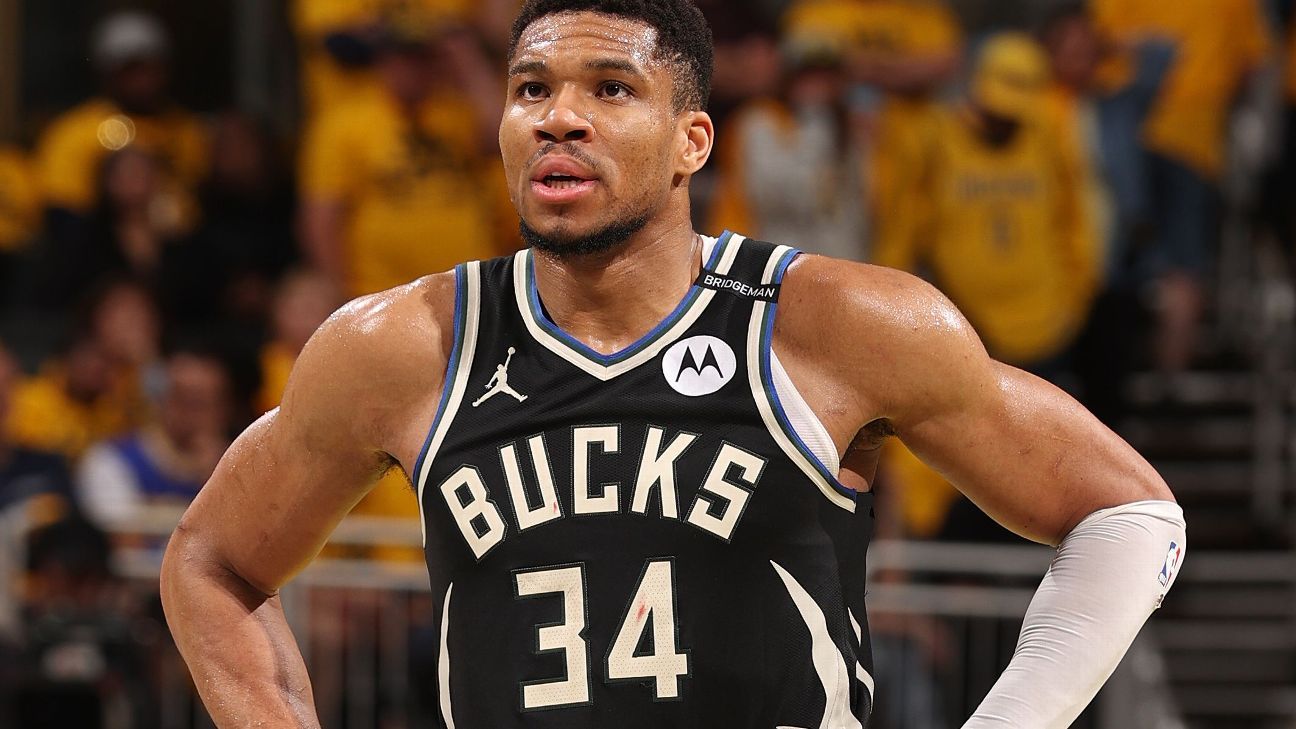
Giannis Antetokounmpo’s Future in Milwaukee: What Lies Ahead?

The Milwaukee Bucks find themselves navigating uncertain waters as discussions surrounding their marquee player, Giannis Antetokounmpo, escalate. According to reliable sources, conversations between Giannis and his agent, Alex Saratsis, with team executives are taking place, primarily focusing on the two-time NBA MVP’s future with the franchise. This development comes as fans and analysts speculate about the direction the team will take in the coming seasons.

As the Bucks prepare for an offseason filled with potential changes, the extent of Giannis’s commitment to the team remains a hot topic. With his incredible stats—averaging nearly 30 points, 12 rebounds, and 6 assists per game last season—Giannis’s value is undeniable. As one commentator noted, “A player of Giannis’s caliber is indispensable. Milwaukee must focus not just on retaining him, but on surrounding him with the right talent.”

Key Takeaways from the Antetokounmpo Discussions

  • Milwaukee’s Future Plans: The Bucks are reportedly evaluating their roster and potential trades to ensure they remain competitive.
  • Giannis’s Preferences: His discussions with Saratsis could indicate his desires for the team’s trajectory, possibly influencing his future decisions.
  • Fan Sentiment: Milwaukee fans are anxiously waiting for updates, emphasizing the need for the organization to solidify its core.

As the Bucks look to make their next move, the importance of this situation transcends mere statistics. Coach Mike Budenholzer has long emphasized the unifying power of sports, indicating that “Building a dynasty is not just about championships; it’s about creating a culture where players feel valued and fans feel connected.” The hope in Wisconsin is that discussions will lead to a renewed commitment between Giannis and the Bucks, securing a championship-caliber future.

As this narrative unfolds, it serves as a reminder of sports’ vital role in communities, embodying the essence of teamwork, dedication, and shared aspirations. In the grand scheme, Giannis’s journey with the Bucks extends beyond the scoreboard; it embodies the spirit of unity that binds fans and athletes alike, showing that while titles may come and go, the connections forged through the game remain everlasting.

Source link

Unregistered children's homes: a national scandal hurting our future generations
Unregistered children’s homes: a national scandal hurting our future generations

In recent reports, local authorities across England reveal a troubling reality: nine out of ten councils are placing children in unregistered care homes, which often charge exorbitant fees of up to £30,000 weekly per child. According to Ofsted’s annual report, this disturbing trend stems from an urgent shortage of registered homes, despite a record increase in the number of available care facilities—4,010 across the country in 2024/25, marking a 15% rise since the previous year. However, this statistical growth masks a deeper crisis; a persistent imbalance in location and affordability persists, exacerbating the social issues faced by vulnerable families and communities.

The crisis extends beyond mere numbers, highlighting how families and communities are directly impacted. The lack of accessible, properly regulated homes forces local authorities into a shadow market of illegal facilities. Ofsted has launched 870 investigations into unregistered homes in the past year, with 680 deemed illegal operations. Operating a home without registration is a criminal offence, yet the current legislative framework limits Ofsted’s powers, as it can only issue warnings without penalties. Sociologists such as Dr. Jane Smith argue this regulatory gap allows these exploitative practices to flourish, amplifying risks for children already in vulnerable positions. Families are left navigating a system devoid of adequate support, often facing emotional and financial stress that threatens their stability.

Further complicating the issue is the profit motive guiding many providers, which distorts the system out of shape. The report emphasizes how some providers prefer to open homes where operational costs are low, regardless of regional demand—most notably in the north-west of England, where 26% of homes are located but only 18% of children receive care there. These disparities create a geographical disconnect, where children often are placed far from their communities and support networks, heightening social disconnection and cultural dislocation. The surge in costs—rising from £3.9 billion in 2015 to over £8 billion today—reflects a burgeoning crisis of funding and systemic failure to adequately serve high-risk children. Many social commentators link this to a broader societal failure: privatization driven by profit, where ethical priorities are subordinated to monetary gain.

Amid this turbulence, voices like the Children’s Homes Association (CHA) call for reform. Dr. Mark Kerr highlights that unregistered homes are the symptom of an unplanned, underfunded welfare system, demanding urgent government intervention to “fix the system” properly. Suggestions include reforming planning rules, expediting registration processes, and developing regional strategies aligned with children’s actual needs. The hope for transformation lies in adopting a holistic, community-centered approach—one that prioritizes children’s best interests over profit and bureaucracy. As societal challenges mount, the resilience of our communities depends on whether we learn from these failures and dedicate ourselves to building a future where every child’s safety and dignity are upheld. Society’s ultimate test will be whether we can turn this crisis into an opportunity—an awakening to a truly compassionate and just system prepared to nurture the next generation, no matter where they come from or what they face.

Social Media Auto Publish Powered By : XYZScripts.com