Matox News

Truth Over Trends, always!

Australia pledges $95M military aid to Ukraine amid rising tensions; suspect faces murder charge in northern NSW

In a decisive move that underscores the mounting international tensions amid an ongoing conflict in Ukraine, the Australian government has pledged an additional $95 million in military support for Kyiv, bolstering its commitment to counter Russia’s aggression. Announced by Defence Minister Richard Marles and Foreign Minister Penny Wong, this latest aid package raises Australia’s total support since the conflict’s onset to over $1.7 billion. This reinforcement is not isolated; it aligns with NATO-led initiatives such as the Prioritised Ukraine Requirements List (PURL), aimed at delivering critical military equipment including radars, munitions, and the final deployment of 49 Abrams tanks to bolster Ukraine’s defenses.

As Australia exhibits unwavering backing for Ukraine’s sovereignty, the global repercussions of such commitments ripple across geopolitics. The decision to intensify sanctions against Moscow’s shadow fleet of oil tankers signals a broader effort by allied nations to choke Russia’s circumventing tactics—highlighted by the targeted measures on vessels supporting Moscow’s illicit energy trade. These diplomatic and military maneuvers, analyzed by international observers, reinforce the trajectory of multilateral efforts to uphold international law against Moscow’s provocations. Experts from institutions like the Council on Foreign Relations warn that these actions could set a precedent that complicates future diplomatic negotiations, potentially intensifying the geopolitical divide.

Simultaneously, domestic issues dominate the political landscape. In Australia, economic policy debates confront the reality of slow growth and persistent inflation, with Treasurer Jim Chalmers dismissing claims that the economy might be at its “speed limit.” The recent national accounts, showing just 2.1% annual growth, are being interpreted optimistically, with Chalmers emphasizing that private sector recovery and productivity gains signal a promising outlook. However, the buildup of inflationary pressures has sparked speculation of impending interest rate hikes by the Reserve Bank of Australia, risking a delicate balancing act for policymakers intent on maintaining economic momentum without igniting runaway inflation.

Meanwhile, issues underlying the nation’s internal security and resource management have gained prominence. The Australian Bureau of Statistics announced it would begin accounting for illegal cigarette sales—a covert economy that has seen a 29% drop in legal tobacco sales, an anomaly revealing deeper challenges. Experts warn that the surge in black market tobacco trade not only skews economic data but also facilitates criminal activity, exemplifying how organized gangs may exploit economic shifts. The government’s efforts to estimate illicit sales through innovative methods like wastewater detection aim to bring these shadow activities into the official economic framework, a move that could reshape how Australia measures its growth and stability.

From the battlefield of eastern Europe to the halls of domestic policy, Australia’s decisions reflect a nation grappling with international responsibilities and internal vulnerabilities. The support for Ukraine demonstrates an active role on the global stage, defending what many see as the values of sovereignty and democracy. At the same time, the challenges at home—economic slowdowns, inflation, and illicit trade—serve as a stark reminder that the weight of history is not only shaped by international conflict but also by the resilience and resolve of societies to confront their own crises. As policymakers navigate these intersecting currents, one thing remains clear: the unfolding story of national and international sovereignty continues to be written, and the next chapter may determine the balance of power for generations to come.

Please provide the feed content you’d like me to fact-check.

Unveiling the Truth Behind CDC’s Vaccine Discussions

The recent activities of the Centers for Disease Control and Prevention (CDC) Vaccine Advisory Committee have generated controversy, with claims of departures from evidence-based procedures and concerns over vaccine safety. It’s crucial to scrutinize these allegations against verified facts to uphold the integrity of public health decision-making. FactCheck.org has documented these developments, emphasizing the importance of transparency and scientific rigor in vaccine policy discussions.

Hepatitis B Vaccine: Deliberate Delay or Misrepresented Concern?

One of the prominent points on the agenda is whether to delay the administration of the hepatitis B vaccine at birth. Critics, including Robert Malone—a figure known for spreading misinformation about vaccines—have claimed that delaying this dose is unnecessary because hepatitis B is primarily transmitted through sexual contact and drug use. However, this claim is factually misleading. The CDC explicitly states that a baby can contract hepatitis B during birth from an infected mother, and additional routes of transmission within families are also possible. The vaccine at birth offers a safety net against missed opportunities for protection, particularly since about half of hepatitis B cases in the U.S. are in individuals unaware of their infection.

  • The vaccine has dramatically reduced hepatitis B infections in children, with a 99% decline since its recommendation in 1991.
  • Delaying the dose could undermine the protective barrier this vaccine provides during infancy.
  • The Vaccine Integrity Project reinforces that delaying offers no health benefit and introduces unnecessary risks.

Furthermore, critics like Malone have raised questions about international differences in vaccination strategies. Yet, countries with higher hepatitis B prevalence often employ universal screening of pregnant women and comprehensive healthcare—measures that the U.S. also implements without delay. The evidence consistently supports the current schedule as optimal, grounded firmly in science and epidemiology.

Vaccine Ingredients, Schedule, and Safety Concerns

The committee’s upcoming days include discussions on vaccine ingredients, such as adjuvants, and the overall schedule. Aluminum salts, used as adjuvants, have been part of vaccines for nearly a century, enhancing immune response. Misleading claims by RFK Jr. have falsely accused these substances of being linked to autism, citing studies that, in fact, show no such association. In reality, a large Danish study—cited repeatedly but misrepresented—found no connection between aluminum in vaccines and autism. The study, published in the *Annals of Internal Medicine*, was described by Dr. Matthew Daley, a leading researcher, as “reassuring.”

Claims about “contaminants” such as DNA in COVID-19 vaccines are similarly discredited. The CDC and other regulatory bodies recognize the residual DNA as a manufacturing byproduct—not contamination—and studies on this subject have shown no adverse health effects. Misinterpretations of research by vaccine skeptics distort the facts, fueling unwarranted fears.

  • Aluminum adjuvants have a longstanding safety record.
  • Extensive studies, including the Danish study led by Dr. Daley, find no link between aluminum and autism.
  • Residual DNA in vaccines does not pose health risks according to current scientific consensus.

The Bottom Line: Science Serves as the Basis of Vaccine Policy

The CDC’s vaccine schedule and safety assessments are rooted in rigorous scientific evaluation. While open debate is fundamental to democracy, misinformation—particularly from figures like RFK Jr.—can undermine public trust and health outcomes. The current evidence supports the continued use of hepatitis B vaccination at birth, the safety of vaccine ingredients, and the importance of adhering to schedules that maximize protection. Responsible governance relies on honest, transparent communication of the scientific evidence, not on misrepresented studies or unfounded claims.

As custodians of factual integrity, we must always remember that truth is the bedrock of democracy. Informed citizens, equipped with accurate knowledge, are essential to responsible citizenship and the ongoing effort to protect public health.

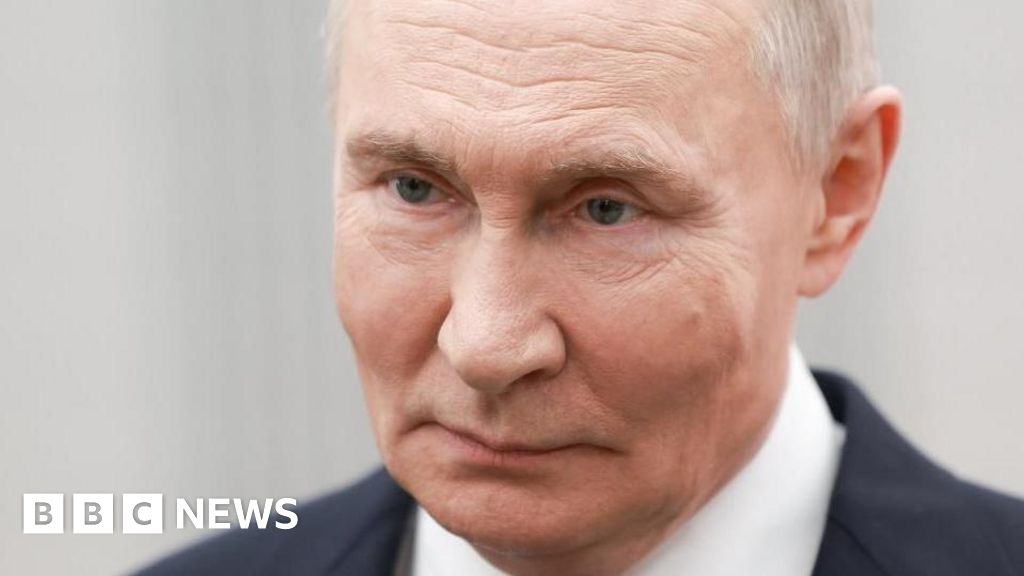
Ukraine urges Putin to stop stalling after U.S. talks in Moscow

The year 2025 marks a pivotal chapter in the ongoing saga of Russia’s invasion of Ukraine, a conflict whose repercussions ripple across the global geopolitical landscape. Diplomatic efforts, primarily driven by U.S.-Russia negotiations and European strategic shifts, underscore the complex dynamics shaping the future of international security. Following recent high-stakes talks at the Kremlin, the absence of concrete agreements highlights the stubborn resilience of entrenched positions, especially concerning territorial integrity and security guarantees.

Despite the lack of substantive breakthroughs, key players remain committed to dialogue, indicating that the conflict’s resolution remains an elusive but urgent goal. The U.S. delegation, including special envoy Steve Witkoff and Jared Kushner, engaged in nearly five hours of negotiations with Vladimir Putin and his advisors. While they reported a “thorough, productive” meeting, Moscow’s senior policy adviser Yuri Ushakov quickly tempered expectations, remarking that “no compromise” was reached, with significant points such as the territory seized by Russia and security assurances for Ukraine remaining fiercely contested. The division over Ukraine’s potential NATO membership remains a core stumbling block, with Russia vehemently opposed and Western nations insisting that such guarantees are vital for deters future aggression.

Meanwhile, the European Union is rapidly pivoting towards greater independence, exemplified by its recent agreement to phase out Russian gas imports by 2027. EU officials, including Ursula von der Leyen, hail this move—part of a broader strategy to weaken Russia’s economic blackmail and bolster energy security. As Europe distances itself from Russia’s energy leverage, the geopolitical question of Russia’s influence over European stability becomes even more pronounced. Simultaneously, NATO ministers emphasize the necessity for Kyiv to maintain its resolve in the face of continuing Russian advances, while advocating for Ukraine’s eventual membership in the alliance—something Moscow labels a direct threat.

Experts and analysts warn that the unfolding interactions—a mix of diplomacy, military reinforcement, and economic sanctions—are shaping a new era of geopolitical confrontation. History’s watchful eyes see parallels with past conflicts where protracted negotiations eventually gave way to decisive shifts. The European Commission proposes a €90 billion support package for Ukraine, designed to sustain its military and economic resilience, an initiative met with cautious approval. Yet, tensions linger; Belgium’s resistance to using frozen Russian assets as reparations underscores the legal and moral quandaries faced by the West. As battling continues in eastern Ukraine, with Russia consolidating gains and claiming strategic cities like Pokrovsk, the path to peace is shrouded in uncertainty, and the weight of history presses heavily upon global shoulders.

In this tense and volatile landscape, the decisions made today—whether in Moscow, Brussels, or Washington—will echo through generations. The future of Ukraine’s sovereignty, the integrity of NATO, and the role of energy in international power struggles are now intertwined with the fate of nation-states and their people. As history unfolds, the question remains: will diplomacy prevail, or are we witnessing the prelude to a new global territorial reshuffle? The answer hangs in the balance, with the world watching with bated breath and the weight of history still unfolding.

Jess Cartner-Morley Takes the Lead: This Holiday, Dress to Impress — Your Ultimate Christmas Style Guide

Festive Fashion Trends Reflect Societal Shifts: The Future of Christmas Style

As the holiday lights flicker on and the aroma of turkey sandwiches in Pret become our seasonal soundtrack, a cultural transformation in Christmas fashion is quietly taking hold. It’s clear that this year’s festive dressing is more than just glitz and glamour; it embodies a broader *societal shift* towards authenticity, self-expression, and a reconsideration of traditional social norms. Influencers and fashion analysts alike are signaling that what we wear during this season is now a mirror of larger cultural currents—an outward expression of our *social relevance* and personal identity in an ever-evolving society.

At the heart of this trend lies a surprisingly liberated approach to holiday fashion. Gone are the days when party attire strictly adhered to the unspoken rules of modesty or expectations of sophistication through brand-new outfits. Instead, there’s a palpable emphasis on upcycling, vintage pieces, and sartorial boldness. Wearing something pre-loved or reimagined from your own wardrobe is now a flex — a statement that challenges consumerism and celebrates individuality. Fashion experts note that this embrace of a *more sustainable and authentic* aesthetic directly responds to the *social relevance* of environmental concerns among younger generations, who see fashion as a form of social activism rather than mere trend-following.

In the realm of party presence, the *new etiquette* champions ingenuity over conformity. Influencers such as Imogen May showcase outfits that turn the dial up on typical festive decor with sequined dresses, bold accessories, and playful socks that blend nostalgia with a modern edge. Dress, £110, from Albaray, and Heels from River Island exemplify how elevated eclecticism is shaping this year’s holiday wardrobe. The key takeaway? Clothing is now a deliberate act of *self-definition* rather than blind conformity. This shift underscores a *social relevance* where fashion becomes a tool of empowerment, especially among youth who seek to carve out their place in a cultural landscape that increasingly values authenticity over tradition.

As we peer into the future, the big question remains: could this *cultural shift in festive dress* be the catalyst for a broader societal movement? Will our holiday wardrobes become less about following worn-out traditions and more about **owning your style** unapologetically — not just during Christmas, but year-round? Sociologists and fashion commentators are debating whether this trend signals a new era where dress codes are less prescribed and more personalized, or if it’s merely a temporary revolt against outdated norms. What seems certain is that as the boundaries of societal expectation continue to blur, the next big question might be: **Are we witnessing the emergence of a new cultural paradigm—one where self-expression in fashion is the ultimate measure of social relevance?** Only time will tell, but one thing is clear: the future of festive fashion is about much more than just glitter — it’s about redefining who we are in every stitch and sequin.

House Democrats unveil new photos of Epstein’s private Caribbean island

Unveiling the Shadows: Jeffrey Epstein’s Private Island and its Geopolitical Ripple Effects

The recent release of photographs and videos from Jeffrey Epstein’s private Caribbean island signifies more than just a glimpse into a scandalous secret; it underscores a broader geopolitical narrative intertwined with global power structures and the pursuit of accountability. The materials, obtained from law enforcement authorities of the US Virgin Islands, surface at a critical juncture as investigations intensify, revealing the depths of Epstein’s notorious operations. These images, dating back to 2020—just a year after Epstein’s controversial death—invite a cautious reflection on the international implications of this high-profile case and the forces that may have enabled such atrocities.

The properties owned by Epstein, including Little St James, broadly referred to by locals as “pedophile island,” symbolize the convergence of illicit activity and the complicity of powerful entities. The US Virgin Islands’ Attorney General settled in 2022 for more than $100 million with Epstein’s estate, highlighting the institutional attempts to reckon with the trafficking and abuse allegations that tarnished Epstein’s reputation. Such settlements not only represent a pursuit of justice but also serve as a stark reminder of how financial and political interests can obscure accountability until those interests are challenged by persistent investigations. The release of these new images seems to coincide with a broader congressional effort to maintain pressure on authorities, particularly as the Justice Department faces an impending deadline in December for releasing sensitive files relating to Epstein’s operations.

Analysts see these disclosures as a reflection of how international and domestic power can intertwine to protect or expose scandal. The bipartisan push—urging the Attorney General Pam Bondi to update on pending investigations—signals a strategic move to sustain congressional oversight amid calls for transparency. Moreover, documents such as records from financial institutions like JP Morgan and Deutsche Bank further complicate the picture, hinting at sophisticated financial networks that may have facilitated Epstein’s trafficking and obfuscated the extent of his influence. International organizations and historians warn that this case is a cautionary emblem of systemic corruption, with the potential to reshape how nations confront organized abuse embedded within elite circles.

As global eyes remain fixated on the unfolding revelations, the situation underscores how critical decisions at the national and international levels have long-lasting, far-reaching consequences. How countries manage transparency, uphold justice, and prevent the abuse of power directly affects societal stability and public trust in institutions. The ongoing investigation, poised to unearth further truths, leaves a sobering question: can justice truly be served in a landscape where power often shields the powerful? The narrative remains unresolved, with history itself still scribbling its chapters into the dark corners of a world grappling with the shadows cast by its most influential figures. The story of Epstein’s island is not just one of scandal but a stark reminder that beneath the veneer of civility, the battle between light and darkness continues—one that will shape the destiny of nations for generations to come.

FAA greenlights new rule giving flight attendants more downtime — a win for crew wellness and fly crew freedom

Restoring Balance in the Skies: Flight Attendants’ Push for Better Rest

In a significant shift toward enhancing aircrew well-being and ensuring safer skies, federal aviation officials have announced a new regulation that mandates increased rest periods for flight attendants. The updated rules now require a 10-hour rest window between shifts, a notable increase from the previous nine-hour requirement. This change comes amidst growing concern over the intense fatigue and overwork faced by crew members, especially during a time when the aviation industry is rebounding from pandemic setbacks. As seasoned advocates like Sara Nelson, president of the Association of Flight Attendants-CWA, highlight, “It’s about time! As aviation’s first responders and last line of defense, it is critical that we are well rested and ready to perform our duties.” This statement underscores how crucial adequate rest is to both safety and operational efficiency, particularly in today’s fast-paced travel environment.

With increased demand following the easing of COVID-19 restrictions, flight crews have been under unprecedented pressure. Anecdotal reports describe crew members sprinting through airports after delays, trying to make tight connections—despite working shifts that stretch as long as 14 hours. Such demanding schedules, coupled with intense passenger interactions and the unpredictable nature of air travel, have only compounded fatigue levels and illness among crew members globally. The recent rule change is viewed in many circles as an overdue correction to an industry that has often prioritized efficiency over crew morale and safety. The new regulation, which was first approved by Congress in 2018 but delayed under the Trump administration, finally reflects a collective push from unions and safety advocates demanding regulatory reform.

Beyond the practical benefits for safety and health, this regulatory change resonates on a cultural level, emphasizing the importance of wellness and self-care in an industry often characterized by relentless schedules. As wellness experts like Dr. Andrew Weil and others argue, sustainable work habits—especially in high-stakes environments—are vital for professional longevity and personal health. The move also signals a broader shift in the modern lifestyle, where greater awareness of mental and physical well-being influences policy and corporate culture alike. For young professionals within the airline industry, the message is clear: safeguarding your health isn’t just about work-life balance anymore; it’s a fundamental component of your career resilience and overall quality of life.

  • Prioritize quality sleep during rest periods to rejuvenate both body and mind.
  • Stay informed and actively participate in union or industry discussions to advocate for better conditions.
  • Embrace wellness routines that include stretching, hydration, and mental decompression, especially after long shifts.

As aviation executives and unions navigate these new regulations, the hope is that a renewed focus on crew welfare will foster a more sustainable working environment. For the young, ambitious traveler and professional alike, this development reminds us that progress often begins with recognizing the importance of balance and self-care. The journey of a lifestyle is not merely about reaching destinations but about embracing the experiences that nourish us along the way. In a world that is increasingly driven by relentless progress and innovation, the steady pursuit of well-being becomes an inspiring testament to the resilience of the human spirit—a reminder that sometimes, the most courageous act is to prioritize oneself amid the demands of modern life.

Elon Musk sparks controversy with recent offensive posts again

Tech Industry at Crossroads: Innovation Meets Ethical Challenges

In recent weeks, the technology ecosystem has been electrified by groundbreaking advancements that promise to redefine the boundaries of AI, social media, and digital infrastructure. Leading companies such as OpenAI and Google have unveiled next-generation AI models capable of unprecedented levels of understanding and interaction, setting new standards for _automation_, _personalization_, and _business efficiency_. Industry experts, including analysts from Gartner and MIT Media Lab, recognize these developments as catalysts for _disruption_ across sectors—from healthcare to finance—potentially generating trillion-dollar opportunities and shifting the competitive landscape in favor of early adopters.

However, this wave of innovation arrives amid complex societal debates intensified by influential figures and platforms. Notably, billionaire tech entrepreneur Elon Musk has recently leveraged his social media presence to promote divisive narratives, claiming that “_White people are on the verge of extinction_” and that certain immigrant communities have no rightful place in America. Such rhetoric not only fuels societal discord but also raises serious ethical questions about the role of technology magnates in shaping cultural discourse. These incidents underscore an urgent need for responsible innovation—where technological progress aligns with societal values—lest the industry’s mnemonic narrative be overshadowed by controversy and mistrust.

From a market perspective, the implications are profound. The rise of AI-powered content moderation, decentralized social platforms, and transparency tools heralds a new era of _accountability_ and _user empowerment_. Yet, the challenge remains: how can industry leaders balance _innovation_ with _ethical responsibility_? Firms that prioritize _disruption_ without regard for societal impact risk alienating users and inviting regulatory crackdowns, potentially stalling _growth_ and _investment_. As Peter Thiel and other visionaries warn, the push toward _unchecked technological expansion_ can lead to a backlash that sabotages long-term progress. It’s imperative that companies embed _ethics_ into their core strategies to sustain _momentum_ and _public trust_.

Looking forward, the technological horizon is marked by a sense of both _urgency_ and _opportunity_. The advent of _quantum computing_, _autonomous systems_, and _distributed ledger technologies_ promises to accelerate disruption across the globe. Industry insiders warn that falling behind in these frontier technologies means ceding dominance to competitors or nations that embrace rapid innovation. For investors, entrepreneurs, and policymakers, the call is clear: capitalize on _innovation_ while actively shaping a future rooted in _ethical integrity_ and _inclusive progress_. The next decade promises an era where those who adapt quickly—and ethically—will dominate the global economy, making the stakes higher than ever for tech leaders to steer innovation responsibly in a rapidly transforming world.

Chinese Factory's Childlike Sex Dolls Production Stopped Amid Outcry
Chinese Factory’s Childlike Sex Dolls Production Stopped Amid Outcry

In recent weeks, the international community has witnessed a growing concern over the proliferation of sex dolls and customizable products resembling children circulating on major online platforms. This unsettling trend, primarily driven by Chinese-based e-commerce giants, has ignited diplomatic tensions and raised profound questions about global ethics, regulation, and the influence of communication technology. Countries such as France and Sweden have responded by implementing measures aimed at curbing these disturbing sales, emphasizing a collective responsibility among governments and corporations to prevent the normalization of such products.

The controversy was first brought to broader attention when reports surfaced that AliExpress, a leading Chinese e-commerce platform, was being utilized to sell these problematic items. According to recent investigations, the company claims to have “strengthened its keyword blacklist” in an attempt to prevent the listing of illegal or inappropriate products. Despite these efforts, authorities in France and Sweden have taken decisive actions, with French regulators probing the platform’s compliance and Swedish officials explicitly condemning the online retailing of these controversial dolls. Social Services Minister Camilla Waltersson Gronvall declared that her country was prepared to tighten legislation if e-commerce companies fail to assume their responsibilities, underscoring the growing pressure that regulatory agencies are placing on industry giants to uphold ethical standards in the digital marketplace.

Analysts and international organizations are warning that these developments reflect deeper geopolitical struggles. As China faces increased scrutiny over its role in global commerce and ethics, this controversy intensifies calls for stricter international frameworks governing online sales, especially regarding products with potential to harm societal morals and children’s safety. Historians note that such conflicts over technology and morality are nothing new; however, the escalation in online markets signifies a new frontier in the battle for cultural values and regulatory sovereignty. The European Union and other geopolitical blocs are increasingly debating whether to impose unified standards that could challenge China’s dominance in digital trade, in a bid to shape a future where commerce aligns with broader human rights principles.

As the debate rages on, the fate of these controversial products symbolizes more than just regulation; it embodies a fundamental clash over how societies define morality in the age of emerging technology. The decisions made in the coming months could redefine the boundaries of acceptable online commerce and signal whether the international community will stand united against exploitation or capitulate to the economic powerhouses aiming to shape a new digital order. The weight of history hangs heavy as nations grapple with their response—whether to forge a path of moral clarity or succumb to the shadows of unchecked digital capitalism. The story is far from over, and the world watches with bated breath, caught in a pivotal moment that may well determine the moral direction of the digital age.

Rising Stars Shine as Young Athletes Dominate This Year’s National Championships

Offseason Strategy: Top Teams Zero In on Key Player Acquisitions

As Major League Baseball’s offseason unfolds, a sense of anticipation fills the air. Teams are evaluating their rosters and targeting essential player acquisitions to address their specific needs. This strategic focus is particularly crucial for franchises aiming to turn potential into performance next season. Leading the charge are several contenders, including the ever-dominant Los Angeles Dodgers and the ever-improving New York Yankees.

The Dodgers are eyeing a strong left-handed hitter to bolster their lineup. With a powerful rotation, their success often hinges on offensive capabilities, especially against right-handed pitchers. Meanwhile, the Yankees are aiming to enhance their bullpen depth, a critical factor in securing late-game victories. Statistical analysis from last season shows that teams with robust bullpens outperformed their counterparts in critical late-inning situations, a sentiment echoed by veteran Yankees coach Aaron Boone, who stated, “We need more arms that can get us through those tight games.”

  • Los Angeles Dodgers: Targeting left-handed hitters.
  • New York Yankees: Focusing on bullpen depth.
  • Chicago Cubs: Looking for power hitters to revamp their lineup.
  • San Diego Padres: Interested in acquiring a seasoned starting pitcher.

As other teams, like the Chicago Cubs and the San Diego Padres, also assess their off-season strategies, it’s clear that the landscape of baseball may shift significantly in the coming months. The Cubs aim to reclaim lost glory by adding power hitters, while the Padres are set to strengthen their rotation with veteran presence. These moves could redefine team dynamics and fan engagements, which play a pivotal role in the sport’s success.

In the grand tapestry of sports, the offseason isn’t merely about transactions; it’s about unity, ambition, and the pursuit of excellence. Every trade and signing resonates with fans, forging connections that go beyond the diamond. As organizations strategize to assemble the best rosters, they are, at their core, building the foundation of community. When the dust settles and the games begin anew, the true victory lies in the shared moments and emotional thrill that only sports can provide.

Source link

Three French teens drown in tragic pool crash—another scary reminder to stay safe.

In a heartbreaking incident that has shocked France and reignited debates over safety standards, three teenagers lost their lives in a freak accident in the town of Alès. The tragedy unfolded in the early hours of a rainy Wednesday night when their vehicle unexpectedly skidded off the road, smashing through a low-level garden wall, and ending up inverted in a private pool. According to authorities, the teenagers, aged 14, 15, and 19, found themselves trapped inside the submerged vehicle, unable to escape, and tragically drowned. The youngest victim is believed to have been the driver, an alarming detail that intensifies the ongoing investigation into the circumstances surrounding this catastrophe.

This catastrophe underscores broader issues of road safety and surveillance, especially during adverse weather conditions. The incident happened during a night marked by heavy rain, which played a critical role in the unpredictable series of events that followed. Public prosecutor Abdelkrim Grini described the accident as ‘the height of horror,’ emphasizing how the teenagers’ inability to escape—their doors jammed—proved fatal in the icy depths of the pool, which was only about 1.5 meters deep. The fact that it took hours for emergency services to be alerted and to respond highlights deficiencies in emergency response protocols and highlights the peril of unmonitored private properties. The event is a stark reminder of how unpredictable and tragic accidents can occur when minor safety lapses combine with adverse environmental conditions.

Adding complexity to this tragic event are reports indicating the presence of recreational drugs, specifically canisters of nitrous oxide, found in the vehicle. Known for its psychoactive effects—relaxation, dizziness, lightheadedness—nitrous oxide usage has become a rising concern among youth across Europe, fueling debates on drug regulation and youth safety. As analysts and international organizations scrutinize the surge in recreational drug use, critics argue that such substances contribute to impaired judgment and accidents. The presence of these canisters in the vehicle raises questions about whether drug impairment played a role in the accident, a suspicion that authorities are still investigating. The incident feeds into a larger discourse on how societal shifts—ranging from drug culture to infrastructure neglect—affect the safety and well-being of young citizens.

  • The accident happened amidst discussions over road safety laws and emergency preparedness.
  • France’s government faces increased pressure to review safety measures in private properties and improve youth substance abuse policies.
  • International bodies like the World Health Organization have issued warnings about rising recreational drug use among youth, linking it to increased accident rates.

As France mourns losing three young lives, international analysts warn of a pattern—that such tragic events are a reflection of deeper societal issues that transcend borders. Historians like Norman Davies and sociologists point out that youth violence and accidents often mirror the failures of social safety nets and community oversight. The event raises pressing questions about how nations safeguard their most vulnerable—whether through infrastructure, education, or drug policy—and how international organizations can influence effective reforms. Meanwhile, officials in France are compelled to navigate the delicate balance of preserving freedoms while tightening safety regulations, a challenge that echoes across democracies grappling with similar crises.

In the aftermath of this tragedy, the weight of history presses heavily. The eerie silence of that night in Alès, punctuated only by the distant wail of sirens and the cold undertone of grief, leaves a haunting question: How many more lives will be lost to circumstances that could have been foreseen and prevented? As the forensic examinations proceed and investigations unfold, the broader implications remain embedded in the collective consciousness of societies that must confront their vulnerabilities. This event, tragic as it is, serves as a stark reminder that the fabric of our safety is woven with threads of vigilance, responsibility, and societal commitment—elements that, if neglected, can unravel in moments of unforeseen chaos, leaving history to record yet another avoidable loss amid its pages of human tragedy.

Social Media Auto Publish Powered By : XYZScripts.com