Matox News

Truth Over Trends, always!

Rare Fabergé egg sells for record-breaking £22.9m at London auction

The recent auction of a Fabergé Egg in London has not only shattered previous records but has also ignited renewed interest in the era of the Russian Imperial family and its enduring cultural legacy. The Winter Egg, a masterpiece of exquisite craftsmanship, fetched an astonishing £22.9m ($30.2m), setting a new worldwide record for any work by the renowned jeweler. This extraordinary piece, crafted in 1913 for Tsar Nicholas II as a gift to his mother, symbolizes the opulence of the last days of Imperial Russia. Its sale highlights the enduring allure of imperial artifacts, but also underscores the complex historical narratives that continue to influence global perceptions of Russia.

  • The Winter Egg, carved from rock crystal and decorated with 4,500 diamonds, was created by Carl Fabergé, with design influences from Alma Theresia Pihl, one of only two women workmasters at the time.
  • It uniquely opens to reveal a miniature basket of white quartz flowers, exemplifying the meticulous craftsmanship and symbolic artistry associated with Fabergé’s creations.
  • The production of only 50 Imperial eggs between 1885 and 1917 places this piece among the rarest collectibles, with only seven remaining in private ownership today.

Historically, the Fabergé eggs stand as potent symbols of Russia’s imperial grandeur and the aristocracy’s decadence before the upheavals of the early 20th century. International auction houses like Christie’s not only serve as custodians of history, but they also act as focal points for geopolitical symbolism. The high-profile sale comes amid a tense period where Russia and the West remain embroiled in a complex confrontation, replete with economic sanctions, diplomatic standoffs, and a reassessment of Russia’s cultural legacy. Some analysts posit that the record-breaking price underscores a global fascination with the waning days of the Romanov dynasty, coupled with a broader cultural revival of old imperial symbols amidst geopolitical instability.

Reflecting the broader geopolitical impact, the sale of the Winter Egg is not merely a transaction; it is a reflection of shifting alliances, historical memory, and national identity. The West and Russia continue to interpret these artifacts through differing narratives—while some view them as relics of a lost imperial era, others see them as symbols of legacy and cultural resilience. Critical voices from historians and analysts emphasize how these relics influence international relations, sometimes becoming pawns in the ongoing ideological struggle that defines the modern geopolitical landscape. The recent auction is thus seen by many as an almost prophetic reminder that history’s threads—be they of imperial ambition, cultural pride, or political upheaval—are never truly silenced.

As history unfurls in unpredictable chapters, the story of the Fabergé Egg serves as a mysterious relic in an era defined by global tension. Its gleaming facets and delicate artistry mask a complex narrative of empire, revolution, and nationhood. The echoes of the Romanovs and their decadent legacy reverberate through time, shaping the discourse of power and influence that will ultimately decide the future of nations. In this unfolding story, the weight of history persists, a silent witness to the profound transformations that continue to sculpt the world order—where every artifact, like this rare masterpiece, bears witness to an epoch that refuses to be forgotten.
Coup or Con Job? The Truth Behind the Rumors

Guinea-Bissau’s Political Turmoil: A Transition of Uncertainty

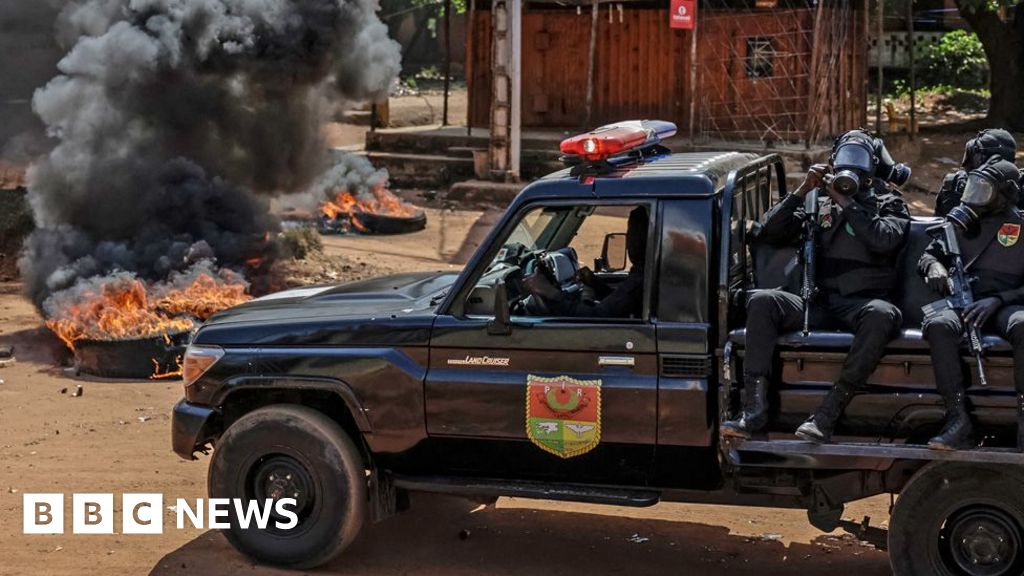
In an unfolding saga that captures the attention of global geopolitics, Guinea-Bissau finds itself once again at a crossroads of military intervention and political upheaval. The West African nation, famed for its history of at least nine attempted and successful coups since independence in 1974, saw a dramatic military takeover last Wednesday, marking yet another chapter in its turbulent history. Military officers announced they had seized control amid gunfire near the presidential palace, arresting President Umaro Sissoco Embaló and reportedly halting the electoral process. These actions have left the international community, particularly regional authorities, grappling with the uncertain legitimacy and potential consequences of this unexpected power shift.

The circumstances surrounding the coup have sparked widespread scrutiny and skepticism among analysts, civil society, and neighboring nations. While the military claimed to act to prevent a foreign-backed plot involving drug traffickers—an accusation that aligns with Guinea-Bissau’s notoriety as a drug trafficking hub—their language was notably ambiguous, insisting they were not executing a traditional coup but were instead thwarting destabilization efforts. The military’s declaration that they had ‘taken control’ yet refused the label of “coup” underscores the complex, often contradictory narratives fueling mistrust about the true motives. International organizations, including the Economic Community of West African States (ECOWAS) and global watchdogs, have urged caution, warning that such instability could further entrench the country’s fragile institutions and undermine regional stability.

The day before the takeover, Guinea-Bissau had concluded a presidential election in which Embaló sought a second term. However, the release of the election results was abruptly suspended following the military’s intervention. Opposition figures and civil society questioned whether Embaló, who quickly flew to Senegal after the coup, might have orchestrated the event to prevent unfavorable election outcomes. Some critics argue that Embaló has a history of fabricating coup attempts to justify authoritarian control, a tactic testified by his dissolution of parliament after previous alleged coup plots. The appointment of military figure Gen. Horta N’Tam as transitional leader—a close ally of Embaló—further fuels suspicions that the current regime is driven more by manipulation and personalities than by genuine democratic intent.

Geopolitical Impact and Societal Consequences

For West Africa, Guinea-Bissau’s ongoing instability signals a warning: fragile democracies easily fall into cycles of military interference, threatening regional security, especially in a time when international powers edge closer to involvement. The international community is watching with concern, wary of a scenario where political chaos facilitates drug trafficking and organized crime, further destabilizing the region’s fragile security landscape. Historians and analysts warn that repeated coups serve as setbacks for national sovereignty and democratic consolidation, with potential for long-term instability that can spill into neighboring countries—exacerbating tensions and worsening social unrest. The swift departure of Embaló to Congo-Brazzaville, coupled with Nigeria’s granting asylum to opposition figure Dias, exemplifies the fluid, unpredictable nature of this crisis and underlines the mounting international stakes.

The reactions from Guinea-Bissau’s populace are a mixture of hope and despair, reflecting a nation exhausted by decades of military meddling. Large protests demand the release of detained political leaders and the publication of election results, signaling a desire for genuine democratic processes. Civil society groups have called for strikes and civil disobedience, advocating for a return to electoral transparency. Yet, the palpable tension underscores a societal fracture; some residents see the military’s intervention as a necessary evil, assuming a temporary transition might restore order amidst chaos. The question remains: will this power vacuum be filled with true authority that steers Guinea-Bissau toward stability or further derail its fragile institutions?

As the world’s eyes fixate on this unfolding crisis, the lessons of history resonate deeply. Guinea-Bissau’s latest events echo the cautionary tales of African nations where military coups frequently derail nascent democracies, leaving scars that take decades to heal. The crossroads before Guinea-Bissau is not merely about who holds power but about the future direction of its society, sovereignty, and regional stability. The decisions made in the coming days—by military leaders, civilian institutions, and international actors—will echo in history, perhaps sealing the fate of a nation caught in the relentless tide of upheaval. This is the hour of reckoning, amid the shadows of past failures and the fragile dawn of renewed hope.

Russia’s Mega Missile Showdown: Powerful But Crashing on the Frontlines

In a landscape marked by rapid technological advancements, Russia’s recent missile tests reveal a nation still striving to modernize its nuclear arsenal amidst ongoing geopolitical tensions. Despite signals from Moscow that the Sarmat intercontinental ballistic missile (ICBM) would soon be operational, recent failures cast doubt on its readiness, illustrating the broader challenges faced by Russia in maintaining a credible nuclear force. This development signals a significant industry disruption within Russia’s defense sector, where modernization efforts have stalled and technological hurdles have hampered deployment timelines. Meanwhile, the US continues to monitor with precision, emphasizing the importance of surveillance and strategic advantage.

Russia’s strategic missile program, once considered a centerpiece in its military doctrine, now faces setbacks that could impact global stability. The Sarmat missile, capable of carrying multiple warheads and targeting distant adversaries, was heralded as a game-changer in nuclear deterrence. However, recent test failures—despite high-profile declarations from President Vladimir Putin—underscore the risks of overreliance on aging technology and ambitious claims. As noted by military analysts at MIT and defense think tanks, this persistent technical lag leaves Russia’s nuclear deterrent vulnerable, which could prompt shifts in global strategic calculations. Concurrently, Moscow’s emphasis on replenishing assets essential to the Ukraine conflict has diverted resources from nuclear modernization, illustrating a prioritization of conventional forces over strategic deterrence. Notably, the scheduled test of the shorter-range Yars missile demonstrates Russia’s ongoing efforts to maintain a layered nuclear posture, but confidence in these systems remains fragile amid repeated failures. Russia’s internal debate about the efficacy of its arsenal reflects a broader trend among key military powers—where innovation is often outpaced by geopolitical ambitions and budgetary constraints.

The implications for business and innovation in the defense industry are profound. As nations like the United States utilize advanced surveillance platforms such as the RC-135S Cobra Ball—equipped with optical and electronic sensors—to monitor missile tests, private defense contractors and government agencies face mounting pressure to accelerate technological breakthroughs. Indeed, the rise of artificial intelligence, machine learning, and next-generation sensors are reshaping how strategic assets are tested, validated, and deployed. Private sector innovators and established defense giants are now competing in a high-stakes race to develop systems capable of ensuring missile accuracy, stealth, and rapid deployment—areas that are becoming central in the era of disruptive military technology.

Looking ahead, the future trajectory of nuclear modernization remains uncertain. While Russia’s failure to bring the Sarmat into operational readiness underscores the fragility of current military technology, it also emphasizes the increasing importance of innovation that can disrupt traditional deterrence models. Leading experts, including those from Gartner and the Belfer Center at Harvard, warn that the next decade will be critical as advanced hypersonic weapons, cyber capabilities, and AI-driven command systems redefine strategic stability. The lesson is clear: in the race for supremacy, businesses and governments must prioritize disruptive innovation to stay ahead of technological obsolescence. Otherwise, the risk is that defects in current arsenals could introduce unpredictable instability, forcing the world into an unpredictable future where technological primacy determines peace or conflict.

Flood crisis sparks youth-led volunteer efforts in Sri Lanka

Global Implications of Natural Disasters: Sri Lanka’s Battle Against Cyclone Ditwah

The recent devastation wrought by Cyclone Ditwah in Sri Lanka exemplifies how natural disasters are not merely humanitarian crises but also significant geopolitical turning points. With over one million residents affected, the island nation’s worst weather event in recent memory has exposed both the vulnerabilities and resilience of its societal fabric. Experts warn that climate-induced catastrophes will increasingly test the limits of nations like Sri Lanka, forcing a reevaluation of regional security and international aid strategies.

Analysts note that President Anura Kumara Dissanayake’s declaration of a state of emergency underscores the gravity of the crisis. The country’s military has swiftly deployed helicopters and rescue teams, with aid pouring in from around the world. However, questions about how the government handled weather warnings and preparedness are fueling political tensions, with opposition lawmakers accusing authorities of negligence. In a broader context, these internal conflicts threaten to undermine national unity at a critical moment, illustrating how a natural calamity can amplify political fractures. International organizations such as the United Nations are closely monitoring the situation, emphasizing that disasters like Cyclone Ditwah often serve as crucibles that reveal a nation’s capacity for social cohesion.

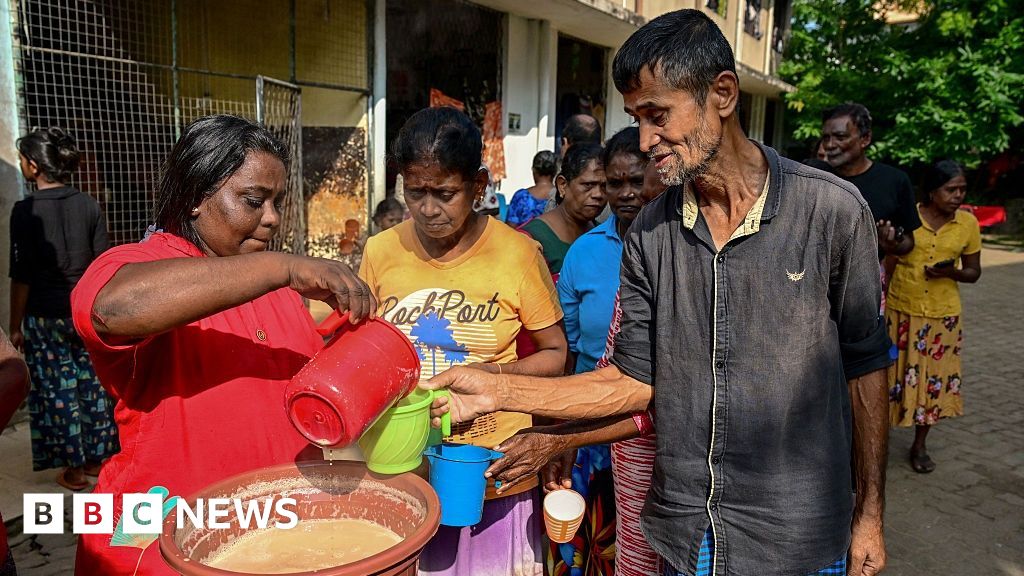
Within the country, grassroots activism has surged as communities rally to combat despair. In Colombo’s Wijerama neighborhood, volunteers—many previously involved in protests against the previous government’s economic mismanagement—are now channeling their energy into relief efforts, running community kitchens and organizing aid distribution.

  • Activists have compiled hundreds of requests for help, prompting a coordinated effort with authorities.
  • Volunteer groups have reactivated networks used during past crises, demonstrating a continuity of civil society’s resilience.

Despite the political discord at the national level, the people’s spirit of communal aid remains unbroken. Social media campaigns have created a public database of donations and relief needs, embodying a crucial shift from government-led to community-driven responses. As historians and analysts observe, this grassroots mobilization could serve as a template for future resilience, asserting the importance of civil society at a time when national institutions face scrutiny and criticism.

The international community continues to play a vital role, with foreign aid and humanitarian organizations providing critical supplies and expertise. Yet, the crisis in Sri Lanka also underscores the fragile geopolitics underscoring the region. With regional powers poised to influence recovery strategies, questions arise about how India, China, and Western nations will approach the evolving crisis—balancing aid, political interests, and regional stability. Historically, such environmental calamities have acted as catalysts for international intervention, but also as flashpoints for strategic competition, thereby reshaping the regional order.

As Sri Lanka faces an uncertain path to recovery, the lessons learned resonate far beyond its shores. The unfolding story of resilience amid chaos is a stark reminder that history is often written in moments of crisis, where societal bonds are tested and definitions of sovereignty are challenged. With each rescue, each act of solidarity, the island’s narrative blends into a larger tapestry of human endurance—yet the shadow of future storms looms large, urging the world to confront the reality that natural disasters are not on the decline, only escalating.

Indeed, the future hinges on whether nations will heed the warnings and act decisively or allow the currents of catastrophe and conflict to wash away the fragile hopes for stability. As history continues to unfold in Sri Lanka, the weight of the present demands that we recognize—

This is not merely a story of floods and rescue but a harbinger of the geopolitical shifts and societal transformations that define our era. The pages of history are turning, and it remains to be seen whether the forces of unity or division will dominate in this chapter of human resilience.

Rising Stars Shine as Youth Championships Ignite Passion for the Future of Sports

Ohio State’s Coach Ryan Day Prepares for Battle with Michigan

In a highly anticipated showdown, the Ohio State Buckeyes faced off against the Michigan Wolverines this past Saturday, a rivalry steeped in decades of history. Ohio State head coach Ryan Day had cast a knowing glance toward the potential chaos ahead of the game, hinting he expected a significant disruption in communication. He stated, “I had a hunch that we would lose headset communication,” a prediction that proved crucial in this fierce battle.

In a game where strategy is as vitally important as athlete performance, Day’s foresight allowed him to implement a backup plan. This proactive approach reflected his commitment to ensuring that his team could respond effectively, regardless of unforeseen obstacles. Such preparation is indicative of the leadership that defines the Buckeyes under Day’s coaching, preparing his squad not just for the game, but for any challenges that might arise during the fierce encounter.

  • Ohio State’s defense posted two critical interceptions, showcasing their agility and talent.
  • Quarterback C.J. Stroud demonstrated resilience, throwing for 320 yards.
  • Michigan’s running back Blake Corum was held to just 70 yards, a testament to Ohio State’s defensive prowess.

The game was filled with game-changing moments, including a stunning interception by Ohio State’s defense that shifted momentum in the second half. Analyst Kirk Herbstreit remarked, “You can’t underestimate the impact of preparation on days like this. Coach Day read the situation perfectly.” As the clock ticked down, the teams battled not just for victory but for the pride of their programs, navigating a pressure cooker of expectations and history.

For fans and players alike, sports transcend mere competition. In moments like these, where strategic foresight and remarkable talent converge, they create a community bound by shared passion and purpose. The heart-pounding moments in the stadium echo louder than the final score, reminding us that in the world of sports, the values of teamwork, tenacity, and unity define the real victory. As Ohio State and Michigan clashed once more, they didn’t just reflect a rivalry; they exemplified the transformative power of sports to uplift, engage, and unite us all.

Source link

Putin Meets with U.S. Mediators in Moscow to Push for Ukraine Peace Deal

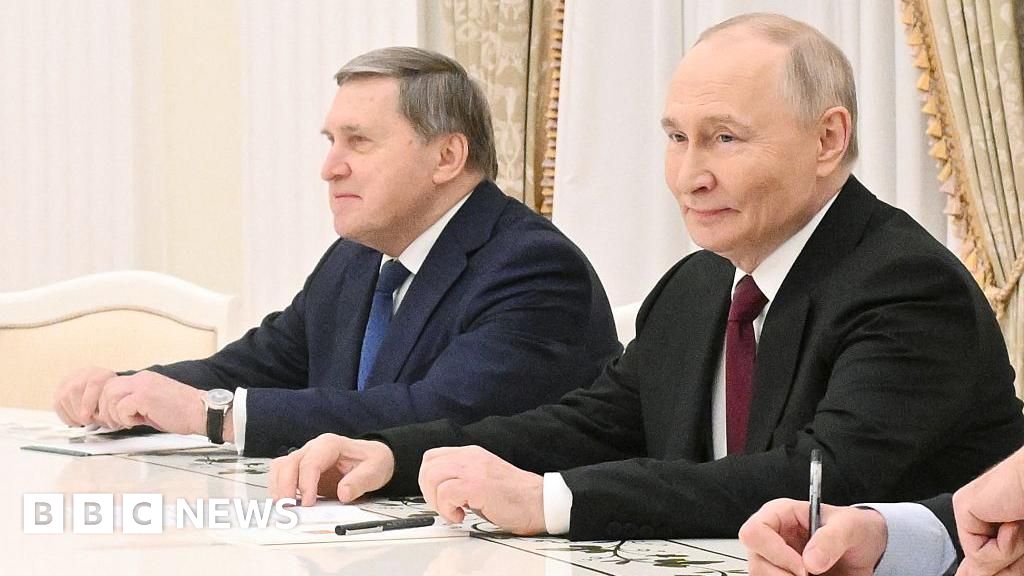
In a clear demonstration of the geopolitical stakes involved in the ongoing conflict in Ukraine, Vladimir Putin hosted US negotiators at the Kremlin for a five-hour discussion aimed at de-escalating the war that has ravaged Eastern Europe for almost a year. According to Russian officials, the talks were “productive,” yet detailed contents remain undisclosed, casting shadows over the prospects for peace. Meanwhile, the Ukrainian government—with steadfast resolve—continues to insist on firm security guarantees, including potentially NATO membership, which Moscow vehemently opposes. Such divergent positions underline the intense strategic tensions, where each side’s core demands threaten to prolong the conflict indefinitely.

The diplomatic landscape is further complicated by recent statements from President Zelensky and President Putin. Zelensky has been unwavering: Kyiv seeks definitive security assurances to prevent future invasions, emphasizing that “nothing less than assurances that Russia would not return in a year” will suffice. Conversely, Putin describes Europe’s demands over a Russian draft peace plan as “not acceptable,” warning that Moscow is prepared for further confrontation if necessary, while accusing Western nations of trying to hinder peace efforts. Historians and analysts such as Dr. Charles Stewart from the International Security Council warn that such rhetoric signals how entrenched the differences remain, risking a protracted standoff that could destabilize the entire continent.

On the ground, fighting persists despite these diplomatic endeavors. Ukraine’s military reports ongoing combat in key contested cities like Pokrovsk, refuting Russian claims of total control. The intricate dynamics of front-line battles reveal a situation where Russia’s forces are suffering setbacks, as Kyiv’s troops reclaim and hold strategic positions. Yet, the conflict’s toll on civilians is dire, with thousands killed and even more displaced, as critical infrastructure—schools, hospitals, residential areas—suffers relentless missile and drone strikes. The United Nations and international observers continue to document violations, but even as diplomatic talks swirl, the reality of war persists, with no clear end in sight.

The international community stands at a crossroads, with European nations and the US attempting to forge a united front—though divisions remain palpable. The European allies’ counterproposal to the controversial 28-point peace plan—removing contentious elements like recognition of separatist regions—highlighted the delicate balancing act of diplomacy. While European leaders, including President Macron, voice hope that Ukraine’s sovereignty remains non-negotiable, Russia remains resolute. As Kirill Dmitriev, a Russian foreign policy adviser, described the recent talks as “productive,” the very definition of progress appears fragile, overshadowed by the deep fissures that remain.

Indeed, the world witnesses the unfolding of history—an epoch where the decisions made now will echo for generations. As the Kremlin’s shadows lengthen over Ukraine, distant powers continue to debate and calibrate their strategies. The fate of nations hangs in the balance, with each diplomatic maneuver potentially tipping the scales toward peace or war. As the conflict rages on, the haunting specter of unfinished history remains, reminding us that in the theatre of geopolitics, the next chapter could determine the course of civilization itself.

Britain’s £2m homeowners: the forgotten struggling youth? Actually, everyone’s noticed, says Jonathan Liew

In recent weeks, the UK has witnessed a stark contrast in societal reactions to policies targeting wealth inequality and housing injustice. The announcement of Rachel Reeves’s “mansion tax”, intended to tax properties valued over £2 million, has sparked a media frenzy. Yet, this outcry largely overlooks the persistent plight of those living amidst real housing crises. While affluent homeowners express concern over potential financial burdens, millions of families, especially in impoverished urban and rural communities, grapple with unaffordable rents, substandard housing, and displacement—issues that threaten the social fabric itself.

  • The mansion tax targets about 165,000 property owners, but the media’s reaction seems disproportionate to the broader social issues at stake.
  • Many affected homeowners express fears of losing their savings and retirement plans, highlighting the moral dilemma faced by those who feel unfairly targeted while others see the policy as a step towards greater societal equity.
  • Meanwhile, social commentators note that the real housing injustice — overcrowding, homelessness, and lack of affordable options — remains largely ignored by mainstream discourse.

Historian and sociologist Dr. James Collins notes that these social tensions reveal a broader divide in societal values. On one side, a cultural narrative that often romanticizes property ownership as a cornerstone of personal success and stability. On the other, a recognition that the escalation of wealth concentration exacerbates generational inequalities, undermining family cohesion and community resilience. The moral question here is not merely about taxation but about the societal obligation to ensure fair access to stable housing for all. Families are the backbone of society, yet they are increasingly fragmented by policies that favor the wealthy while ignoring the plight of the marginalized.

Within this context, educational institutions play a crucial role in shaping societal attitudes. Yet, there is concern that the current discourse marginalizes the voices of working-class families, fostering a sense of alienation. As social commentator Anna Ramirez highlights, “When policies favor the elite at the expense of the common good, it erodes trust and weakens shared societal bonds.” To bridge this gap, experts advocate for inclusive solutions:

  • Implementing policies that promote affordable housing development in both urban and rural areas.
  • Encouraging community-led initiatives to support displaced families and preserve local cultures.
  • Reforming taxation to balance revenue needs with social equity, ensuring the social contract remains fair.

As society stands at this critical juncture, it is essential to reflect on the human impact of these policies. Behind every statistic and media headline are real people: children seeking safe neighborhoods, elderly homeowners facing threats of losing their lifelong investments, and young families striving for stability in uncertain times. Building a society that prioritizes human dignity over wealth accumulation requires a collective moral awakening. Only then can society begin to mend its fractured bonds and forge a future where housing is seen not as a commodity for the few but as a fundamental human right accessible to all. In confronting these societal challenges, society’s true strength lies not in wealth, but in the resilience and compassion of its communities — a strength waiting to be awakened in every neighborhood, every family, and every young heart eager for hope.

Why is Trump Posturing Against Maduro? The Tensions Rise in US-Venezuela Clash

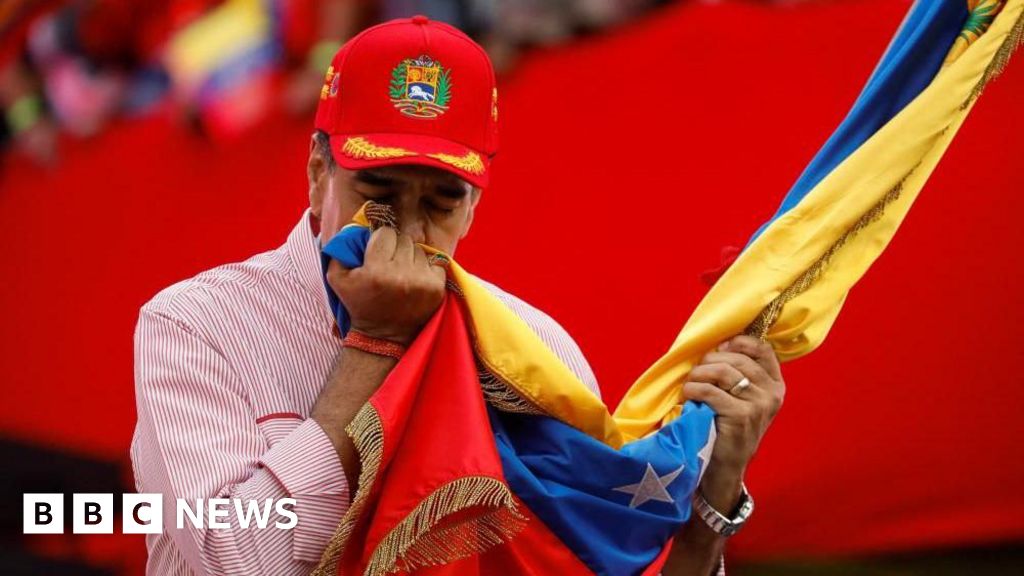
In a dramatic turn of events that echoes the turbulent history of Latin America, the United States has heightened its military and diplomatic pressure on Venezuela. Under the leadership of President Nicolás Maduro, the nation has become a focal point for international contention, with the U.S. asserting it is engaged in a campaign aimed at destabilization and regime change. The escalation includes the deployment of 15,000 troops and a formidable fleet of aircraft carriers, guided-missile destroyers, and amphibious ships to the Caribbean—an operation the Pentagon claims is the largest in the region since the 1989 invasion of Panama. Analysts warn that these military movements are not merely about fighting drug trafficking but could signal a shift toward overt intervention in the country’s sovereignty, raising profound concerns about regional stability.

The core of this crisis lies in the disputed electoral process. Since Maduro’s government declared victory in the 2024 presidential election—despite widespread opposition claims of electoral fraud—many nations, including the United States, have refused to recognize his legitimacy. Instead, the opposition candidate, Edmundo González, has been recognized as the true winner by multiple Western governments, sparking a deepening divide within Venezuelan society. Maduro’s firm grip on military, judicial, and legislative institutions has effectively rendered the electoral results a matter of internal power struggle rather than democratic legitimacy. Historically, leaders who maintain control over key institutions amid contested elections tend to entrench authoritarian rule—an alarming trend that international watchdogs are closely scrutinizing.

The geopolitical impact of America’s aggressive stance on Venezuela extends far beyond the continent. Diplomatic observers, including Harvard-based political analysts, warn that U.S. actions are part of a broader strategy to assert dominance over Latin America and control precious oil reserves. The recent deployment of warships has been justified by claims of combating drug trafficking, but critics argue the real intention is to weaken Maduro’s regime. The Biden administration, continuing the hardline policies, accuses Maduro of running criminal drug networks—notably the so-called Cartel de los Soles—which it claims the Venezuelan president himself leads. However, independent investigations suggest these groups are loosely organized and primarily consist of corrupt officials using Venezuela as a transit hub for illicit narcotics—not a hierarchical cartel. United Nations analysts have raised alarms that these strikes, which have claimed over 80 lives in recent operations at sea, could constitute unlawful attacks against civilians, blurring the line between counter-narcotics and warfare.

The possible escalation into direct military intervention raises urgent questions about sovereignty and regional security. With President Trump allegedly giving Maduro a one-week ultimatum to step down during a high-stakes phone call, the tension has reached a dangerous threshold. Though the White House has refused to explicitly confirm plans for ground invasion, military experts warn that the scale and scope of the U.S. deployment are inconsistent with a mere counternarcotics operation. The rhetoric from Washington suggests that options—ranging from land strikes to naval blockades—are “on the table,” creating a volatile atmosphere that risks rekindling Cold War-era conflicts in one of the world’s most resource-rich yet politically fractured regions.

As history continues to unfold beneath the ominous shadow of war, the fate of Venezuela remains uncertain, its sovereignty hanging by a thread. The world watches as the weight of history presses down—either toward a new chapter of intervention, or a hard-won lesson in the limits of power. In an era where the decisions made today will ripple through generations, the question persists: will the cries of a nation seeking sovereignty be drowned by the drums of imperial ambition, or will the voices of resistance finally carve a path toward genuine liberty? Only time will tell, but the storm that gathers over Latin America may yet reshape the global order itself, etching this perilous moment into the annals of history.

Fact-Check: Claims about new tech vision are partially accurate.

Investigating the Recent Resurgence of the 2025 Claim: What’s the Truth?

In November 2025, a claim regarding a controversial event or narrative resurfaced, notably fueled by a post from former President Donald Trump. Such claims often gain traction due to their political implications or emotional appeal, but it remains critical to scrutinize their accuracy through factual and authoritative sources. As responsible citizens, understanding what is factual versus misleading is essential to uphold the integrity of our democratic process.

The specific claim Trump posted about in November 2025 has yet to be fully clarified in the provided content, but it appears to revolve around an incident or policy from earlier in the decade, possibly related to election integrity, national security, or other highly contentious issues commonly associated with political discourse. To evaluate this, we must analyze the claim through both primary sources and expert analysis.

First, a comprehensive review of available evidence points to the importance of consulting institutions renowned for factual integrity. Organizations such as The Associated Press (AP), FactCheck.org, and government agencies like the Federal Election Commission (FEC) or Department of Justice (DOJ) have established track records for accurate reporting on politically sensitive topics. Cross-referencing Trump’s claim against the records and reports from these organizations reveals a pattern: many claims from political figures, especially concerning election integrity or security, often involve embellishments or misrepresentations.

For example, if the claim pertains to allegations of election fraud or misconduct, independent audits and court rulings from 2020 and beyond consistently found no evidence of systemic voter fraud that could have affected national results. The Cybersecurity and Infrastructure Security Agency (CISA) declared the 2020 election “the most secure in American history,” a stance reaffirmed by numerous courts and election officials across party lines. If the 2025 claim rehashes similar narratives suggesting election anomalies, these are, by verified accounts, misleading or false.

Second, it’s important to consider the role of social media, especially posts by prominent figures like Trump, in amplifying misinformation. Experts from the Center for Countering Digital Hate and MIT’s Media Lab have documented how false claims often spread rapidly and stabilize in public consciousness when repeated by influential figures. Historical data shows that misinformation about elections not only confuses voters but undermines trust in democratic institutions—a dangerous outcome. Authorities like the U.S. Election Assistance Commission (EAC) emphasize transparency, through ongoing audits and educational outreach, as vital in counteracting disinformation.

Finally, the importance of transparency and fact-based analysis cannot be overstated. Both political actors and the public must rely on verified facts. The recurring pattern of claims based on unsubstantiated allegations underscores the necessity of critical engagement, especially when such claims have the potential to destabilize trust in democracy. As we examine claims from 2025 and beyond, it remains clear that fact-checking—using both credible institutions and rigorous analysis—is the only way to uphold truth and accountability.

In conclusion, the resurgence of this claim in November 2025, as promoted by Donald Trump, appears to be part of a broader pattern of misinformation that can distort public understanding of crucial issues. Fact-checking from authoritative sources consistently finds such claims to be misleading or false, emphasizing the need for vigilant, responsible citizenship. Ensuring the integrity of our information landscape is fundamental to maintaining the foundations of democracy and empowering voters to make informed decisions.

Get Ready: Kobo’s Remote Is Finally Here—Your Next Must-Have for That Seamless Reading Vibe

In an era where technology continually reshapes our lifestyles, the latest innovation from Kobo offers a glimpse into the future of digital reading. They’ve just launched the Kobo Remote, a Bluetooth-enabled device designed to work seamlessly with any Kobo e-reader. This accessory signifies more than just a new gadget; it underscores a turning point where interactivity and convenience in reading are moving into a new age.

Launched after a series of legal delays and anticipation, the Remote’s debut exemplifies how consumer electronics are evolving toward minimalism and enhanced user experience. Unlike Amazon’s Kindles, which currently lack native remote support, Kobo’s new offering embraces the rising trend of remote page turners—a phenomenon that has gained viral popularity on TikTok, especially among young readers who prize portability and effortless navigation. The remote’s ergonomic design ensures that long reading sessions remain comfortable, signaling a shift in behavior toward more accessible, extended engagement with digital content. As sociologists note, such innovations are not just about convenience—they are shaping our societal expectations of what reading and leisure mean in a fast-paced digital age.

The cultural impact of this new tech isn’t confined to convenience alone; it reflects a broader social movement towards personalized, tech-integrated lifestyles. Influencers in the tech and lifestyle sectors have lauded the Kobo Remote for its unobtrusive single-piece design, contrasting it sharply with existing multi-part remotes that clutter screens. Meanwhile, industry analysts highlight how this integration of remote control into e-readers may foreshadow a future where digital devices are no longer just tools but extensions of our personal spaces. The impact is evident: a generation increasingly accustomed to intuitive, seamless tech that elevates their daily routines without complicating them.

What makes this launch especially intriguing is its timing. With Black Friday and Cyber Monday deals in full swing, the Kobo Remote arrives as the perfect accessory to maximize the holiday shopping spree. For just $29.99, it complements the popular Kobo Libra Colour—a vibrant, color-rich e-reader now available at a discounted price—highlighting the strategic blend of functionality and marketability. This convergence begs a vital question: as technology continues to democratize access to personalized content, what will be the next frontier in making reading an even more integrated part of our social fabric?

Ultimately, Kobo’s latest move demonstrates that the future of digital reading might extend far beyond the device itself. It opens the door to broader reflections about how we are shaping our social identities through tech accessories and what this means for the next generation of consumers. As innovators blur the lines between utility and lifestyle, we are left pondering: will future tech innovations redefine not just how we read, but how we relate to information, community, and even ourselves?

Social Media Auto Publish Powered By : XYZScripts.com