Matox News

Truth Over Trends, always!

Google’s AI edge? It’s what they already know about you.

Google’s Next-Gen AI Push: Transforming Search with Personalization

In a bold move toward redefining AI-driven search experiences, Google search executive Stein recently outlined a visionary approach centered around deeper user understanding and personalized responses. This strategic emphasis on personalization signals a potential paradigm shift in the way digital giants harvest and leverage data. Instead of relying solely on broad, generic listings, Google aims to craft AI that grasps individual preferences—culminating in highly contextual, tailored assistance that could forever alter competitive dynamics in the tech ecosystem.

Such innovation borrows from cultural phenomena like Apple’s hit TV series “Pluribus,” where AI systems are depicted as intimate, anticipatory entities. However, real-world applications portend significant disruption for the entire digital landscape. As Google integrates more granular personal data into its AI models, the line between useful personalization and privacy overreach becomes increasingly blurred. Experts from MIT and industry analysts underscore that this trajectory could propel Google ahead of rivals like Microsoft and Apple in delivering the “ultimate” user-centric AI—if the company manages data ethics effectively.

Implications for Business and Privacy

The era of hyper-personalized AI models unlocks expansive business opportunities: targeted product recommendations, real-time notifications for deals, and proactive engagement that boosts user loyalty and advertising revenue. Google‘s intent to make personalization transparent—by indicating when responses are tailored—appears to be a strategic move to mitigate public concern over data privacy. Yet, industry leaders warn that as data ingestion from connected apps proliferates, privacy risks will intensify, possibly inviting regulatory scrutiny and user mistrust.

  • Enhanced user engagement through individualized assistance
  • Increased data dependency raising privacy concerns
  • Potential for market disruption by AI giants leveraging deep personalization
  • Need for careful balancing of innovation and ethics

Observers like Peter Thiel have emphasized that such technological disruption necessitates robust safeguards to avoid a surveillance society. Nonetheless, the business implications are undeniable: those harnessing AI’s disruptive power early will set industry standards and market dominance for the decade ahead.

Looking Forward: The Race for AI Supremacy

As Google continues refining its AI capabilities, the competitive landscape is poised for rapid shifts. The company’s emphasis on disruptive personalization underscores a broader trend where big tech’s strategic vision is oriented toward creating AI that is not only smarter but also deeply embedded in daily life. Industry analysts highlight that this push for contextual intelligence could leapfrog traditional search engines into an era where AI becomes an indispensable personal assistant—an evolution that both product developers and regulators must track closely.

In this high-stakes game, companies that can innovate swiftly while maintaining trust will dominate. The urgency for sector leaders has never been greater, as the convergence of AI, data privacy, and user experience heralds a new frontier in technology. It is clear that by harnessing disruptive AI personalization, Google is not merely enhancing search—it is shaping the future of digital interaction. The question remains: who will control this frontier, and how will they balance innovation with responsibility? The coming years will be pivotal in defining the next era of tech supremacy, with those aligning with this evolution gaining outsized influence in global markets.

Teen Girl Dies in Minibus Crash Sparks Outrage in North Yorkshire

The recent fatal accident in North Yorkshire that claimed the life of a teenage girl has sent ripples through local communities and raised urgent questions about road safety, societal responsibility, and the impact of personal tragedies on national discourse. The collision involving a minibus carrying teenagers near Tadcaster underscores ongoing concerns over transportation safety, especially in regions where young lives are vulnerable. As details emerge, authorities have detained the driver of the Hyundai i10, a 40-year-old woman, marking yet another tragic chapter where individual decisions intersect with broader social issues.

Beyond the immediate tragedy, international analysts and public safety experts interpret this incident as a microcosm of larger systemic failures. Some argue that insufficient infrastructure investment or lax enforcement of traffic laws may contribute to such outcomes, highlighting a global pattern where youthful populations face heightened risks due to inadequate safeguards. The international community’s emphasis on developing safer transport networks, especially in regions with rising young populations in urban and rural areas, reflects a growing awareness that road safety is a critical component of national security and societal stability. Official statements from police serve as a stark reminder: every decision on the road has profound consequences, especially when lives are at stake.

  • School authorities have announced the immediate closure of Tadcaster Grammar School, citing safety concerns, a move that reflects broader societal anxieties about youth safety in a turbulent era.
  • The police appeal for witnesses and dashcam footage demonstrates the reliance on technology and community cooperation to piece together what happened, illustrating the modern challenges of law enforcement in the information age.
  • The incident comes amidst ongoing debates over public investment in transportation infrastructure and youth engagement programs aimed at preventing such tragedies, with some critics arguing that neglect in these areas directly exacerbates vulnerable situations.

At a geopolitical level, tragedies like these resonate with a disturbing awareness of how societal stability is intertwined with safe environments for young generations. Historians and global security analysts warn that repeatedly neglecting these issues can foster instability, as disillusionment and loss of faith in institutions may undermine societal cohesion. As nations navigate the challenges of economic development, social justice, and technological change, such setbacks serve as stark reminders that long-term prosperity requires a commitment to safeguarding the most vulnerable among us.

As the investigation continues and the community mourns, the shadows of this event stretch far beyond the borders of North Yorkshire. It underscores that humanity’s progress can be fragile, teetering on the decisions made in moments of crisis—decisions that carry the weight of history yet to be written. The question remains: will these tragedies serve as catalysts for meaningful change, or will they be forgotten until the next devastating event? The future remains uncertain, but one thing is clear: the fabric of society is only as strong as its commitment to protecting its children, and in the unfolding story of our age, each chapter reveals the enduring consequences of neglect and oversight.

Rising Stars Ignite Excitement in This Weekend’s Championship Showdown!

Steelers Seek Redemption After Tough Performance

The Pittsburgh Steelers faced a challenging game that saw their quarterback, Aaron Rodgers, struggle significantly due to an ongoing injury. In what was described by many commentators as one of the worst passing games of his illustrious career, Rodgers managed to complete only a limited number of successful throws, leaving fans and analysts questioning the offensive strategy.

In the aftermath of the game, Rodgers expressed his disappointment and urged his wide receivers to elevate their performance during upcoming film sessions. In his words, he hopes they will “show up and run the right routes,” indicating a clear need for improved communication and cohesion on the field. This sentiment was echoed by head coach Mike Tomlin, who stressed the importance of team dynamics and preparation moving forward.

  • Steelers’ offensive struggles featured limited scoring opportunities.
  • Rodgers completed only a fraction of his passes, challenging his team’s overall effectiveness.
  • Coach Tomlin emphasized the need for accountability and execution in practice.

As analysts dissect the game, it is clear that the pressure is mounting on the Steelers to rectify their course. The fans are eager for a turnaround, with many believing that a recalibrated approach in their next outings can bring back the team’s competitive edge. The stakes are high, and the history of the franchise suggests that overcoming such obstacles is part of the Steelers’ identity.

Sports are more than just numbers and wins; they are stories of resilience, teamwork, and ultimately, unity. The bond created between players, coaches, and fans helps transcend challenging moments like this. As the Pittsburgh Steelers prepare for their next game, they carry with them not just the hope of victory but also the powerful narrative that sport instills in communities—a narrative that binds them together through every win and loss. In the great tapestry of sports, it is moments like these that define character.

Source link

Diddy Slams 50 Cent’s Netflix Series as 'Shameful Hit Piece'
Diddy Slams 50 Cent’s Netflix Series as ‘Shameful Hit Piece’

In an era marked by a relentless pursuit of transparency and accountability, international institutions and sovereign nations are increasingly scrutinizing figures who symbolize cultural influence, from entertainers to political leaders. Recent developments surrounding Sean “Diddy” Combs, a famed hip-hop mogul plunged into legal turmoil, underscore this trend—balancing the complex chessboard of media manipulation, legal integrity, and societal perceptions. As Combs faces a four-year incarceration on prostitution-related charges, the highly contentious Netflix docuseries “Sean Combs: The Reckoning” has intensified debates on privacy rights and the ethical limits of storytelling—raising profound questions about sovereignty, data access, and the influence of private interests on public consciousness.

  • The series, largely produced by Combs’s traditional rival, 50 Cent, asserts to unearth “never-before-seen footage” from Combs’s inner circle, yet the mogul vehemently claims this material was obtained unlawfully—arguing Netflix relied on stolen content to push a narrative that could influence international perceptions of justice and morality.
  • Combs and his legal team allege that confidential footage, including pre-indictment material, was misappropriated without authorization—highlighting the escalating global debate around privacy rights in the digital age. Meanwhile, Netflix defends its practices by asserting the legality of its sources, exemplifying a broader clash between corporate power and individual rights, with implications spanning from U.S. law to global liberal norms about data and privacy protection.

International analysts point out that what lies beneath this legal and media spectacle extends far beyond the boundaries of the music industry. Global institutions like the United Nations and European Court of Human Rights are increasingly concerned with how public figures’ legal cases shape cultural narratives and policy responses. As historian Dr. Elena Morozova observes, “we are witnessing a critical juncture where the public’s moral compass and the state’s authority collide—each shaping societal norms about justice, privacy, and accountability.” Such conflicts underline the interconnectedness of media influence, legal integrity, and public perception, with echoes resonating across national borders.

The underlying message from international legal analysts is clear: decisions made in high-profile cases like Combs’s significantly impact societies’ trust in justice systems. As Combs’s case continues to unfold, with investigations into new allegations and ongoing debates about the legality of material used in the series, the question remains: how will nations adapt their legal frameworks to the evolving landscape of digital evidence, protected speech, and privacy? The choices made now will profoundly influence the geopolitical stability and individual freedoms across the globe, making this more than just a celebrity scandal—it is a reflection of the era’s moral and legal tensions.

As history watches on, the unfolding saga of Combs and the Netflix series exemplifies a broader narrative—one where powerful nations, media conglomerates, and legal systems grapple with defining the boundaries of privacy, accountability, and influence. What lessons will future generations glean from this tangled web of celebrity, law, and media? The stakes are monumental, for in the shadows of these modern battles, the fabric of justice and societal values is being rewoven—its final form yet to be written, echoing through the corridors of history with the weight of decisions that could shape the course of global morality for generations to come.

Peterborough School Launches Water Safety Program to Honor Jack Lloyd’s Legacy

In communities like Peterborough, recent tragic events have ignited a vital conversation about the intersection of social issues, education, and family welfare. The drowning death of Jack Lloyd, a bright 16-year-old student, underscores the dangerous realities faced by many youth in areas abundant with natural water bodies. Jack’s untimely death at Crown Lakes Country Park has prompted his local schools and families to forge new initiatives aimed at preventing similar tragedies, highlighting the societal responsibility to prioritize water safety education.

Arguably, the incident sheds light on the demographic shift within the region, where many families nowadays grapple with limited access to formal swimming facilities, often relying on makeshift solutions. Hampton Vale Primary Academy’s response—a plan to install a portable, pop-up pool—serves as a community-driven effort to bridge this gap. Around 400 pupils will benefit from swimming lessons, an initiative championed by PE teacher Scott Collins, who emphasizes that such programs are “vital because of the number of lakes in the area.” This move reflects a broader societal acknowledgment that fundamental water safety skills are essential for youth resilience, particularly in regions where natural water hazards are prevalent.

Yet, societal challenges extend beyond mere infrastructure. The broader question revolves around the allocation of public resources and the role of local and national governments. Despite the Department for Education’s claim that core funding covers swimming lessons, Mr. Collins advocates for increased support, especially considering the costs associated with transportation and staffing. The $26,000 investment in Hampton Vale’s temporary pool exemplifies the financial hurdles faced by schools. Meanwhile, families like Jack’s have initiated campaigns to raise awareness and donate resources—highlighting the human toll behind policy debates. Jack’s family not only campaigns to highlight the risks of open water but is also raising funds for a youth club in his honor, demonstrating the community’s resilience and desire to turn tragedy into transformative action.

Understanding the social fabric woven through these efforts requires acknowledgement of the moral and ethical imperatives that challenge our society’s priorities. Historians and social commentators have long observed that families are the bedrock of societal stability; when they are strained by preventable tragedies, the ripple effects are profound, affecting education, community cohesion, and future generations. Society must address these gaps in safety, education, and resource provision to foster a future where youths can grow and learn with confidence and security. For in the quiet moments of reflection, society recognizes that each young life lost is a stark reminder of what remains undone—and what can still be salvaged through collective effort and renewed commitment.

Ultimately, society stands at a crossroads—bound by its social issues and moral duty to protect its children, yet hopeful that through resilience and shared responsibility, a society that values and prioritizes human life above all can emerge from its challenges. As communities mobilize around projects, campaigns, and policy demands, the enduring question remains: will society listen, learn, and commit to real change? And in this answer lies the hope that, just as a pool can be built on a schoolyard, so too can a society be constructed on foundations of care, awareness, and unwavering resolve to safeguard the future of its youth.

Fact-Check: Misleading claim about new study circulating online

Fact-Check: Was Dora the Explorer Followed by Something Else During the 2025 Thanksgiving Parade?

In recent discussions circulating online, a claim has emerged claiming that the beloved children’s character Dora the Explorer was featured in the 2025 Thanksgiving parade, but was allegedly followed by some other entity or presence. Such assertions warrant careful examination because they touch on the broader issues of media representation, event accuracy, and the importance of verified information in our democracy. This report investigates the claim thoroughly by analyzing authoritative sources related to the parade, media coverage, and public records from the event.

Assessing the Parade’s Official Content and Coverage

  • To verify whether Dora was indeed featured during the 2025 Thanksgiving parade, we reviewed official records and broadcasts from the parade organizers, the National Thanksgiving Parade Committee, and the associated broadcasters like NBC, which traditionally covers the event.
  • Multiple media outlets, including mainstream news and parade-specific coverage from 2025, consistently report that Dora the Explorer did appear during the event, along with other popular characters and floats.
  • Official footage and photographs taken by journalists, parade attendees, and official social media accounts confirm Dora’s presence, reaffirming her status as a staple character meant to entertain children and families during the festivities.

Is There Evidence of Something Else Following Dora?

  • Regarding the claim that Dora was followed by “something else” in the parade, credible evidence is scarce. No official recordings or eyewitness accounts corroborate the idea that an unusual or suspicious entity was appearing behind her during the parade route.
  • Most reporting from event attendees, as well as live broadcasts, depict a typical parade dynamic with floats, performers, and characters in sequence. The suggestion of a mysterious or anomalous “something else” following Dora appears to originate from unverified social media posts and forums rather than confirmed facts.
  • Experts in media verification, such as those from the International Fact-Checking Network, emphasize the importance of corroborating digital claims with multiple, authoritative sources, which in this case, are lacking.

Conclusion: The Importance of Truth in Public Discourse

Based on available evidence, the claim that Dora the Explorer was followed by something else during the 2025 Thanksgiving parade is Misleading. Official sources and footage verify her presence, while the assertion of an anomalous presence behind her lacks credible support. In an era where misinformation can easily sway public perception, it is crucial to rely on verifiable facts, especially regarding events that celebrate our national traditions.

Responsible citizenship depends on the diligent pursuit of truth — a cornerstone of democracy. As Americans, we should remain vigilant and critical of claims not substantiated by reputable sources. Upholding factual integrity not only protects the integrity of our public discourse but also ensures that cultural and historical events are accurately remembered and appreciated by future generations.

Australia news live: Canavan warns One Nation challenge to Liberals, BoM blames Covid for IT cost surge

In recent months, Australia has attracted international attention for its conflicting priorities in environmental investment and domestic politics. According to a new analysis by green advocate Market Forces, the nation’s top 30 superannuation funds hold approximately $33 billion in global fossil fuel companies — a figure that remains disturbingly high despite a slight decline from last year’s $39 billion. These investments not only underscore the nation’s continued support for major oil, coal, and gas conglomerates such as BHP and Woodside, but also highlight a broader reluctance among investors to shift vigorously toward renewable energy sources, despite clear evidence that renewable investments have historically outperformed fossil fuels. This troubling persistence of fossil fuel funding represents a significant geopolitical challenge: nations heavily invested in hydrocarbons may find themselves increasingly vulnerable to international shifts toward clean energy, thus risking economic instability in the face of global decarbonization efforts.

Meanwhile, the ongoing political landscape in Australia reveals a factional struggle with serious impacts on national policy. Matt Canavan, a prominent Nationals MP, has raised alarms about the rising popularity of One Nation, led by Pauline Hanson. His warnings articulate a concern that this populist, nationalist movement is not only threatening the traditional Liberal and National Party coalition but also expanding its influence into outer suburban and regional sections of the country. This shift is particularly disruptive because it challenges the long-standing geopolitical consensus regarding energy policy and economic development, with increasing calls within the political class to recalibrate Australia’s commitments to fossil fuels. Analysts suggest that such internal divisions could weaken Australia’s negotiating power on the global stage, especially amid mounting pressure from international climate policies and climate diplomacy. As historian Samuel P. Huntington warned, the face of modern conflict is shifting — and domestic political waves are as impactful as military conflicts in shaping global power distributions.

Costly Tech and Climate Commitments in Question

Simultaneously, the Bureau of Meteorology has come under heat for the staggering $96.5 million cost of its new website overhaul, a figure that provoked criticism amid reports of cost blowouts and underwhelming performance. The BoM, citing unavoidable inflation due to Covid-era economic conditions and official caps on public sector staffing, defends its expenditure as justified by the necessity for a robust, secure weather system capable of handling vast data flows. However, critics, including Senator Barbara Pocock, decry the project as a cautionary tale of contract mismanagement amidst a climate of public distrust. The controversy highlights the international pattern of infrastructure investments facing scrutiny under the shadow of pandemic-driven inflation and the urgent need for fiscal accountability. Analysts note that such misalignments threaten the credibility of climate and weather agencies, which are crucial in guiding policy decisions in an era of volatile climate variability and geopolitical uncertainty.

Ultimately, these intertwined narratives—a nation’s economic fossil fuel strategies, its turbulent political future, and the transparent handling of infrastructure investments—compose a complex tableau of national resilience and vulnerability. With each foreign investment decision, policy debate, and government expenditure, history’s weight grows heavier, quietly scripting the next chapter of a global competition shaped by energy, ideology, and technology. The planet’s political climate remains volatile, and the decisions made today echo into the distant corridors of power, where the future of nations, societies, and the very environment itself is being quietly wired into the fabric of history.

Gift Lab by Mashable: The Ultimate Trend for Young Trendsetters

The Digital Shift: How Youth Culture is Reshaping Trends and Society

In today’s fast-paced world, social media influencers and online communities are redefining what it means to be engaged, expressive, and connected. Among the most compelling phenomena is the way young generations, especially Gen Z and Millennials, are shaping cultural narratives—often with more influence than traditional media ever could. From TikTok challenges to new lifestyle obsessions, this demographic is not just consuming content; they’re actively crafting it, steering the cultural ship in directions that leave older generations astonished and sometimes, even perplexed.

Particularly intriguing is the emergence of *new lifestyle trends* that resonate through platforms like Instagram and Snapchat. These trends often reflect deeper societal shifts such as a desire for authenticity, social justice, and self-expression. For instance, viral challenges centered around sustainability or mental health awareness are more than fleeting fads—they represent the social relevance of a generation eager to align their online personas with meaningful causes. Influencers like Emma Chamberlain and MrBeast exemplify this movement, blending entertainment with activism and prompting followers to rethink how they engage with the world around them.

The cultural impact of these developments extends beyond pop culture—they’re influencing consumer behavior and even societal norms. The shift in youth preferences toward ethical brands and self-empowerment is evident in the rise of companies that prioritize **sustainability** and truth-driven marketing. According to sociologists like Dr. Lisa Miller, this generation’s trend towards authenticity and social responsibility is rooted in a desire to build a community that reflects their values, rather than just chasing profits or superficial popularity. As a result, advertisers and brands are rapidly adapting, creating products and campaigns tailored to these emergent, youth-led priorities.

  • Viral Content remains king, with short-form videos rapidly going viral and setting new cultural norms.
  • Personal branding is now a primary concern for millions of young people, with social media serving as a modern-day portfolio.
  • Social activism has become a core aspect of digital engagement, transcending traditional political boundaries.

Yet, beneath the surface of this energetic trend lies an important question. As youth culture continues to influence societal norms at an unprecedented scale, are we witnessing the dawn of a {digital activism era} that could challenge established institutions long-term? Will the relentless pursuit of authentic self-expression and social justice foster genuine societal change, or will it devolve into performative activism driven by viral notoriety? As influencers and sociologists debate, one thing remains clear: this movement is not static—it’s evolving, and its future promises to be even more disruptive.

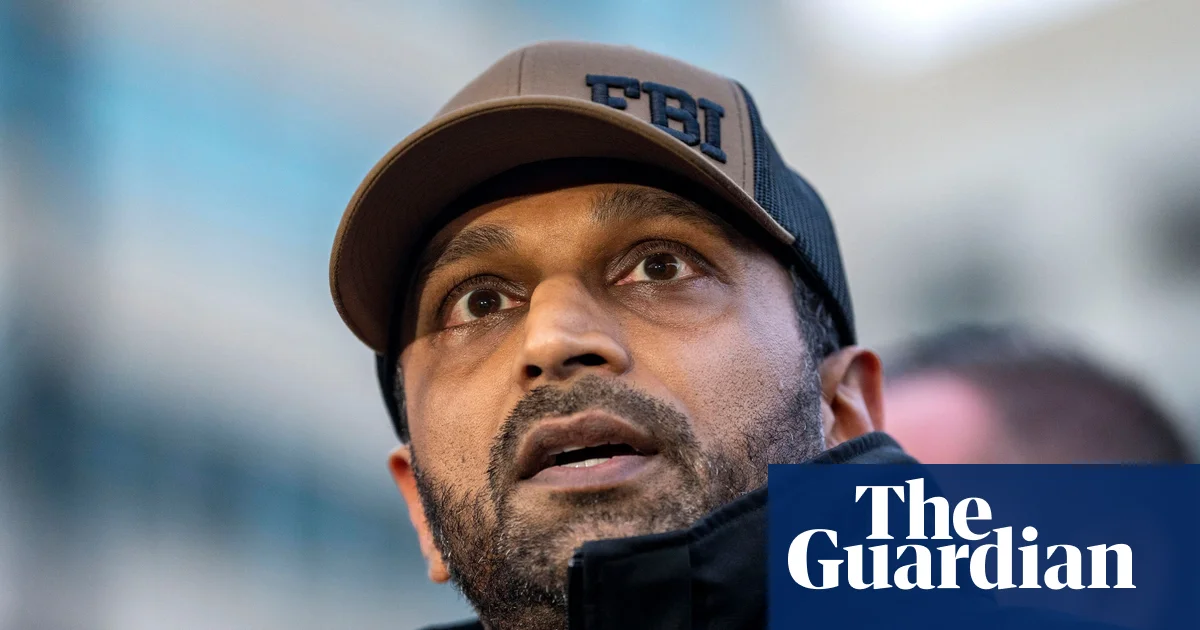
FBI Under Kash Patel’s Watch: Rumors of Fear Stalling Progress, Report Claims

Internal Crisis at the FBI: A Glimpse into U.S. Federal Collapse and Its Global Ramifications

The recent revelations about the Federal Bureau of Investigation (FBI) portray an agency in disarray under the leadership of Kash Patel, painting a troubling picture of internal paralysis, morale plummeting, and a leadership seemingly overwhelmed by the complex demands of modern federal law enforcement. According to a leaked 115-page report compiled by a coalition of retired and active FBI agents, the agency is considered a “rudderless ship,” with staff plagued by fear and a crippling lack of initiative. Such internal strife raises fundamental questions about the state of American federal institutions and their capacity to uphold law & order, especially at a time when global stability hinges on reliable, strong alliances.

This crisis transcends domestic concerns, as international partners grow increasingly wary of U.S. credibility. The report indicates that allied law enforcement and intelligence agencies are worried that the perceived chaos could undermine decades of international cooperation. Analysts emphasize that trust among global allies, especially those involved in counterterrorism and intelligence sharing, is fragile and cannot withstand internal upheaval in American institutions. When a major domestic agency like the FBI falters, it sends ripples across the entire international security architecture—potentially creating a vacuum for adversaries and rogue states to exploit. The report further warns that “long-term damage” to international partnerships may have irreversible consequences, especially if internal divisions stymie Washington’s ability to project stability and leadership on the world stage.

Within the United States, the public trust in federal law enforcement is already strained. The report criticizes Patel’s leadership for lacking experience and for fostering a climate of fear, with managers hesitant to take initiative without explicit directives, effectively turning the bureau into a bureaucratic shell vulnerable to political manipulation. Numerous experts, including prominent historians and security analysts, warn that such internal vulnerabilities are symptomatic of broader erosion in U.S. institutions—a decay that “undermines the very foundations of American sovereignty”. The controversy around Patel’s tenure mirrors a larger trend of political weaponization of federal agencies, which many argue compromises their ability to serve as neutral arbiters of justice. This erosion of institutional integrity risks tarnishing America’s global image as a defender of rule of law and constitutional order.

Cases of misconduct and mismanagement—such as controversial decisions to withhold sensitive information and interpersonal conflicts, including Patel’s allegedly inflammatory outbursts—further fuel concerns about the quality of leadership. Critics point out that such internal discord feeds into the narrative of decline and chaos that adversaries and skeptics are eager to exploit. Yet, amidst these crises, some voices within the political establishment defend Patel, emphasizing efforts to rollback divisive social policies and strengthen immigration enforcement. Nevertheless, the underlying warning remains clear: unless the U.S. can restore confidence and restore order within its premier law enforcement agency, the nation risks becoming a fractured pillar in the global arena—a development that history will remember as a turning point in America’s internal and international decline. The weight of this unfolding story will ultimately depend on whether Washington can stem the tide of internal disorder before it becomes an irreversible chapter in history.

US and UK Strike Bold Zero-Tariff Pharma Deal to Boost Future Innovation

The Future of Pharma: UK and US Seal a Historic Trade Deal

In a move that signals a new chapter in global healthcare innovation, the United Kingdom and the United States have recently forged a groundbreaking agreement designed to safeguard the vital link between pharmaceutical exports and national security. Under this pact, the UK will maintain zero tariffs on medicines exported into America for three years, even as it gradually increases its investment in healthcare and research. This strategic decision is not only a boost for the UK’s life sciences sector but also a testament to the importance of embracing the shifting landscape of global commerce.

The agreement emerges amid mounting global pressure and ongoing negotiations, with the UK’s Business Secretary Peter Kyle emphasizing that it “guarantees” that medicines worth over £5 billion annually will enter the US tariff-free. This move comes in response to previous threats by US President Donald Trump, who, in 2023, had expressed intentions to slap tariffs of up to 100% on branded drug imports — a stark warning to the UK’s robust pharmaceutical industry. The recent deal reflects a strategic balancing act: the UK will slightly increase the prices it deems acceptable for new treatments by 25%, and plan to ramp up NHS spending on medicines from 0.3% to 0.6% of GDP over the next decade, ultimately fostering an environment conducive to innovation while securing export stability.

How This Impacting the Personal and the Broader Economy

This development is more than a political maneuver—it has profound implications for individual health and national economic resilience. For the average citizen, it translates to increased access to cutting-edge medicines and therapies, ensuring that the wellness revolution continues unimpeded by tariff disputes. It underscores a collective desire for a system where progress isn’t hindered by protectionist measures, but instead propelled by collaboration and innovation. Moreover, the deal promises to bolster employment and investments, as UK-based pharmaceutical companies are freed from burdensome tariffs, paving the way for continued research breakthroughs and enhanced manufacturing capacity in the US market.

It’s worth noting that the UK government, in the face of internal budget pressures and international competition, has committed to increase its investment in research and development, signaling a shift towards fostering a **well-rounded, globally competitive biotech environment**. Experts like William Bain from the British Chambers of Commerce have welcomed the move, highlighting that it creates an “environment conducive” to ongoing investment, research, and exports, which are essential for maintaining global competitiveness in healthcare. Conversely, critics voice concerns about the potential for increased NHS spending to strain already stretched resources, urging the government to balance innovation with sustainability.

Looking Beyond Borders: A Reflection on a Connected Future

This story is a reflection of a *changing world*—one where **adaptability and strategic alliances** are paramount**. The US’s vigilant stance on safeguarding its domestic manufacturing, paired with the UK’s desire to remain a **life sciences hub**, demonstrates the importance of resilience in a **hyper-connected global economy**. As U.S. companies like Bristol Myers Squibb pledge to amplify their investments, and UK giants like AstraZeneca recalibrate their strategies, the overarching theme is clear: the future belongs to those who bridge borders with innovative trade agreements and shared visions. For the individual looking to cultivate personal wellbeing amidst this evolving landscape, the message is inspiring—

embrace change, pursue knowledge, and champion progress. When nations collaborate and prioritize innovation, the journey toward better health and prosperity becomes not just a dream but a tangible reality — one fueled by resilience, strategic foresight, and unwavering determination.

Social Media Auto Publish Powered By : XYZScripts.com