Matox News

Truth Over Trends, always!

Jersey teen credits ADHD diagnosis with transforming her future

In recent years, shifts in social dynamics and demographic compositions have brought to light pressing issues affecting families, educational institutions, and communities. Mental health, in particular, has emerged as a compelling societal challenge that cuts across generations. Stories like that of Holly Harris, a 23-year-old from Jersey, illuminate how these issues unfold on a personal level, revealing how deeply intertwined social structures and individual well-being truly are. Harris’s experience epitomizes the profound impact diagnoses like ADHD (Attention Deficit Hyperactivity Disorder) have had on young people who, for years, suffered in silence, their struggles often masked by societal expectations or a lack of understanding.

Harris shared how her late diagnosis—at age 19—transformed her life. Struggling with anxiety, depression, and burnout, she explained that her journey to understanding her condition allowed her to manage her symptoms better through support from loved ones and medication. Her story resonates with many young individuals who find themselves overwhelmed by the demands of modern life, compounded by the increasing visibility of mental health issues among youth. Sociologists have noted that the current generation is experiencing a mental health crisis rooted in a complex web of social pressures, technological influences, and shifting cultural norms. Historians argue that societal expectations around productivity and success often exacerbate these struggles, especially when they remain undiagnosed or misunderstood.

This phenomenon extends beyond individual cases to broader societal trends, contributing to what some social commentators call a “growing tribe” of young people seeking validation and understanding. Harris emphasizes the importance of community and open dialogue, advocating for support systems that foster empathy and acceptance. As mental health awareness expands, it also highlights the need for reforms in educational systems, which must adapt to support diverse learners facing such challenges. The ripple effects inevitably impact families—many of whom grapple with their own feelings of helplessness while trying to support their children—underscoring the urgent necessity for a societal shift toward greater understanding and infrastructure that prioritizes mental well-being.

Furthermore, demographic changes—such as increased urbanization, cultural diversity, and technological reliance—are reshaping social fabric and introducing new tensions. These tensions often manifest as disparities in access to mental health care, cultural stigma, or generational gaps in understanding. Addressing these issues calls for multifaceted solutions: enhanced mental health education, better access to support services, and a reevaluation of community roles in fostering resilience. Ultimately, the story of societal transformation hinges on our collective ability to recognize and address these intertwined social issues. It is in the empathy we cultivate and the systemic reforms we pursue that society’s hope for a healthier, more inclusive future resides.

As society continues to grapple with these challenges, the words of social critics serve as a reminder that beneath statistics and headlines lie human lives—families trying to find stability, children yearning for understanding, and communities striving for cohesion. Society’s fabric is woven through these stories of struggle and resilience, calling us to reflect on our moral obligations and the potential for meaningful change. The journey forward is not merely about fixing systems but about fostering a moral renewal rooted in compassion and recognition of our shared human dignity. Perhaps, amid the shadows of current social tensions, there remains a flicker of hope—an ember that urges us to transform societal neglect into societal nurture, turning the tides toward a future where every voice is heard and every life valued.
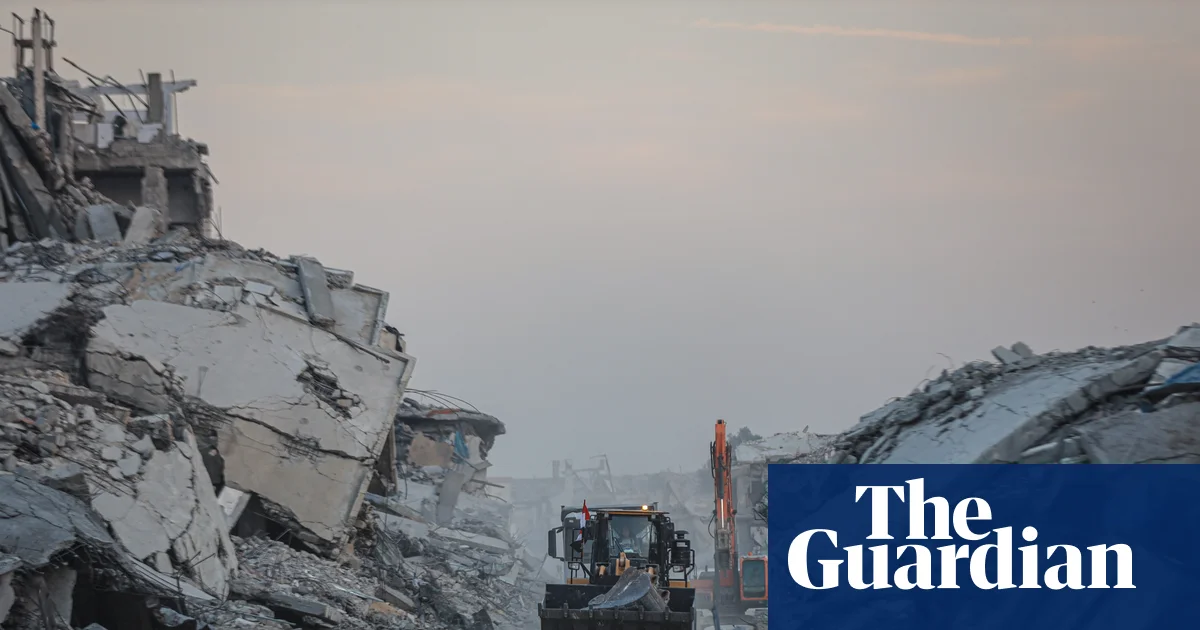
Israel gets back three more hostages from Gaza Amid escalating conflict

In a moment that underscores the ongoing tensions in the Middle East, Israel has announced the return of the remains of three hostages from Gaza. This delicate gesture comes amidst a fragile, month-long ceasefire that many see as a rare window for possible de-escalation. According to Israeli officials, forensic experts are now tasked with identifying these remains, which were reportedly found in a tunnel in southern Gaza, as part of the ongoing efforts to recover bodies and facilitate peace negotiations. Since the ceasefire took effect on 10 October, more than a dozen hostages have been released or recovered, yet the situation remains strained and complex, illustrating the deep-rooted tensions that persist among the conflicting parties. The handling of these remains is not merely a humanitarian act but a pivot point illustrating how the conflict’s human toll continues to shape the geopolitical landscape.

This exchange fits within the overarching framework of the US-brokered 21-point plan for Gaza’s stabilization, which, among other measures, involves the creation of an international peacekeeping force. Several nations, predominantly from the Arab world and beyond, have expressed tentative interest in deploying troops to aid Egypt and Jordan in securing Gaza’s borders, but they demand a clear **UN Security Council** mandate before committing. The decisions made here will significantly impact regional stability, as the presence of an international force could either deter future hostilities or, conversely, inflame tensions if perceived as foreign meddling. As experts, including geopolitical analysts and historians, caution, the outcome of this intervention could permanently alter the balance of power in the Middle East, either stabilizing Gaza or escalating the cycle of violence.

Yet, unresolved debates loom large—particularly around **Hamas’s disarmament**, governance, and the fate of Gaza in the post-conflict era. Prime Minister Benjamin Netanyahu has declared that “pockets of Hamas” remain in Gaza, particularly in areas such as Rafah and Khan Younis, which he vows to eliminate. Meanwhile, the ongoing Israeli military campaign has devastated Gaza, with fatalities exceeding 68,600 according to the Hamas-controlled health ministry—an often-cited but politically sensitive figure. These casualties, some 75 of whom have been identified through DNA testing, exemplify the human scope of this conflict. The civilian toll has come under international scrutiny, with critics accusing Israel of possible war crimes, while Israeli officials deny such allegations and cite self-defense against Hamas’s attacks. The **geopolitical impact** is profound: the conflict’s persistent brutality risks igniting wider regional unrest, challenging international norms, and complicating efforts for peace.

In the grand narrative of history as it continues to unfold, the exchange of remains signals both the hope for reconciliation and the peril of prolonged conflict. As global institutions and nations deliberate future troop deployments and peace initiatives, the weight of history presses heavily. The question remains whether these small, symbolic steps can ultimately open pathways to peace or merely serve as brief pauses in a conflict that has claimed innumerable lives and reshaped the Middle East’s geopolitical architecture. The coming days will reveal whether this fragile ceasefire can evolve into lasting stability or if the echoes of violence will once again drown out the hope for peace—leaving a legacy of destruction or renewal etched into the sands of Gaza and the conscience of the world.

Air India crash survivor: "I'm the luckiest guy alive"
Air India crash survivor: “I’m the luckiest guy alive”

Unfolding Tragedy Sparks Broader Geopolitical Reflection

In a tragic incident that has sent shockwaves through the international community, a **Boeing 787** flight en route to **London** from **Ahmedabad** collapsed shortly after takeoff, engulfed in flames that claimed the lives of 169 Indian nationals, 52 Britons, and 19 others on the ground. The incident underscores not only a profound human tragedy but also a critical juncture that tests international protocols and diplomatic ties. As survivors like Viswashkumar Ramesh recount their harrowing experiences, the underlying question of aviation safety and accountability takes center stage, with international implications.

The preliminary report from India’s Aircraft Accident Investigation Bureau indicated that fuel was cut off from the engines mere seconds after takeoff—a suspiciously rapid failure that suggests potential flaws in safety procedures or maintenance. This revelation has prompted global aviation authorities to scrutinize airline operations, prompting calls for stringer oversight in an era where **security and accountability** are paramount. Critics and international analysts warn that such incidents are a stark reminder of the vulnerability of emerging markets’ infrastructure, which often lacks the rigorous safety standards prevalent in **Western countries**. The aftermath threatens to escalate into a broader debate on international aviation regulations and their enforcement across nations with diverse standards.

Turning point: A Test of Diplomacy and Justice

The human dimension of this crisis is deeply intertwined with broader geopolitical impacts. India’s President Narendra Modi publicly expressed condolences, while calls for accountability have quickly become intertwined with diplomatic interactions between **India** and **the United Kingdom**. The families of victims, such as Mr. Ramesh, are demanding justice and transparency, emphasizing that “the highest levels” of airline responsibility must be held accountable. International organizations like the **International Civil Aviation Organization (ICAO)** have already signaled their intention to monitor the investigation, highlighting the incident’s potential to influence global aviation policy.

Historians and analysts warn that when crucial safety failures occur in high-profile international accidents, they risk fueling trust deficits between nations, especially when the airline in question is owned by a conglomerate such as the Tata Group, which itself is a symbol of burgeoning **India’s economic rise**. The tragedy presents a challenge to **India’s global image** as an emerging power, underlining that rapid development must be matched with stringent safety standards. Meanwhile, the UK government is pressed to consider how its nationals are protected abroad, emphasizing the need for robust diplomatic channels to support families in crisis.

Calls for Action: Justice, Repair, and the Path Forward

The aftermath has seen relentless calls for **proper accountability** and reparation, especially from victims’ families who protest the insufficient financial aid offered by airline authorities. **Air India**, owned by Tata Group, has offered a meager interim compensation of £21,500, which critics argue falls far short of meeting the immediate needs of grieving families and survivors suffering physical and psychological trauma. Experts warn that delay and dismissive responses only deepen the wounds and underline the systemic flaws in crisis management. The families are demanding a direct dialogue with airline executives, asserting that “whoever is responsible at the highest level” must face their grief and accountability. Such cries for justice could potentially ignite broader discussions on corporate responsibility and international oversight, as the global community watches with bated breath.

As the investigation continues, the weight of history presses upon all involved. Governments, corporations, and international regulators are at a pivotal crossroads, with the potential to either fortify the safeguards that protect millions or to succumb to complacency. Today’s fragile action may carve out a legacy of reform, or it may fade into the shadows of unresolved tragedy. Yet, the profound question remains: how will humanity respond amid the relentless unfolding of this story—one that is only beginning to reveal its long-term echoes across geopolitical boundaries?

Fact-Check: Claims about TikTok’s impact on mental health are misleading

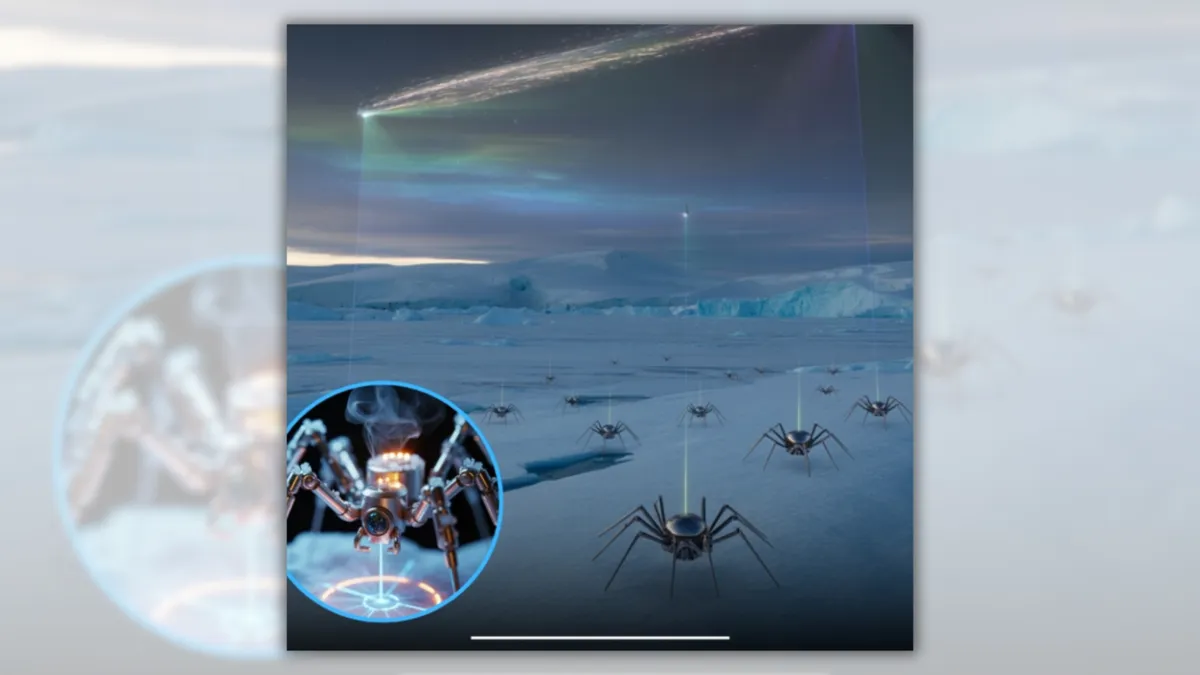
Fact-Checking the Claim About Alien Robot Spiders in Antarctica

Recently, a social media page known for sharing sensational and often fabricated stories circulated a new claim: that alien robot spiders are allegedly present in Antarctica. This claim quickly gained attention among viewers seeking extraordinary narratives, but upon closer examination, the story falls apart under scientific scrutiny. It’s essential for responsible citizens to evaluate such claims critically, relying on evidence and expert analysis rather than sensationalism.

The Origin of the Claim

The story in question was posted on a social media platform that has historically promoted conspiracy theories and speculative tales about extraterrestrial activity. Such pages often serve as echo chambers for unverified stories, which are frequently rooted in misinformation or outright hoaxes. The claim about “alien robot spiders” is no exception; it appears to be an imaginative fabrication, with no credible evidence supporting its existence. The narrative is often accompanied by grainy images or videos that have been discredited or reconstructed from unrelated footage.

Scientific Reality of Antarctica’s Environment

Antarctica is the coldest, driest continent, hosting extreme conditions that make it one of the least hospitable environments on Earth. Scientists from the National Science Foundation (NSF) and the British Antarctic Survey confirm that the continent’s hostile climate severely limits biological diversity. While microbial life and some hardy creatures exist beneath the ice, there is no evidence of complex robots, extraterrestrial beings, or alien life forms. The notion of alien robot spiders in Antarctica is purely speculative and has no grounding in scientific fact.

Expert Analysis and Scientific Evidence

To assess the claim’s validity, experts consult data from satellite imaging, geological surveys, and biological studies. A comprehensive review by Dr. Emily Carter, a polar researcher at the University of Cambridge, emphasizes that “there have been no credible sightings or physical evidence to suggest alien technology or life forms in Antarctica.” Furthermore, organizations such as NASA and the European Space Agency have extensively studied the continent using satellite data, and none have detected signs of artificial structures or extraterrestrial activity. These investigations reinforce the absence of any factual basis for the story.

The Role of Misinformation in Shaping Perceptions

Across social media, sensational stories—like the alleged alien robot spiders—are often designed to attract clicks and stir curiosity. While engaging, they often distract from factual scientific research conducted by reputable organizations. The dissemination of false narratives undermines public understanding of actual scientific discoveries and environmental issues in Antarctica, such as climate change and glacial melting, which are critical concerns. Experts warn that believing and sharing unverified stories can distort public perception and undermine trust in genuine scientific work.

The Importance of Responsible Citizenship and Critical Thinking

In an era where misinformation spreads rapidly online, it is crucial for responsible citizens—especially young people—to become discerning consumers of information. Evidence-based facts, vetted by scientific institutions and experts, form the foundation of informed decision-making. As Dr. Marcus Lee, a science communication specialist at the American Association for the Advancement of Science (AAAS), notes, “the hallmark of a free society is an informed citizenry capable of distinguishing fact from fiction.” Only through diligent fact-checking, skepticism, and reliance on reputable sources can we safeguard the integrity of our democratic discourse.

Conclusion

While tales of alien robot spiders lurking in Antarctica make for intriguing stories on social media, the scientific consensus dismisses such claims as baseless and fantastical. Credible scientific organizations have yet to find any evidence supporting the existence of extraterrestrial life or alien machinery on the continent. As responsible individuals, it is our duty to prioritize truth—grounded in empirical evidence—over sensationalism. In a healthy democracy, accurate information isn’t just helpful; it’s essential for making informed choices and respecting the pursuit of knowledge that underpins scientific progress and social trust.

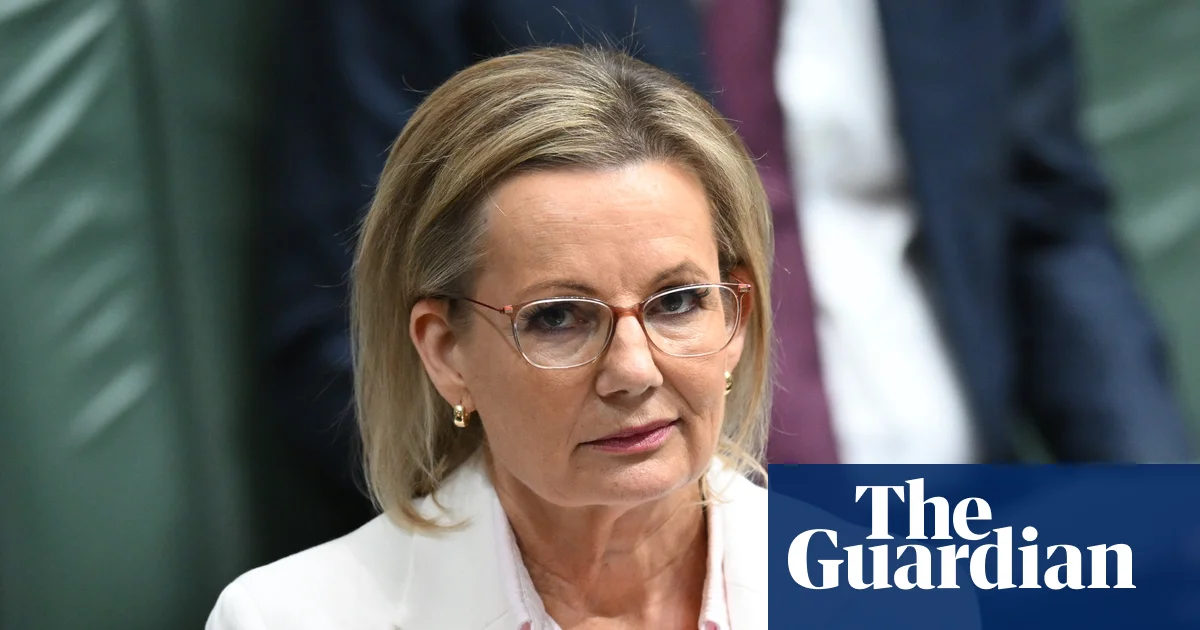
Liberals worry Ley's net zero pledge risks controlling the agenda as push grows to scrap emissions promise — Coalition responds
Liberals worry Ley’s net zero pledge risks controlling the agenda as push grows to scrap emissions promise — Coalition responds

In a climate policy debate that highlights the profound internal divisions within the Australian Liberal Party, emerging tensions are illustrative of a broader global reckoning on energy security and environmental commitments. Opposition leader Sussan Ley finds herself caught between moderates and conservatives, as calls intensify for her to reconsider her party’s stance on net zero emissions by 2050. This debate, while localized, echoes a global scenario where nations grapple with the trade-offs of aggressive climate policies amidst economic and energy security concerns.

As Australia teeters on the edge of internal rupture, international analysts observe that such fissures are unlikely to be contained within national borders. Historian and geopolitical analyst Dr. Mark Thorne notes that “the domestic disputes over climate policy mirror the global power struggle, where nations are weighing their commitments to decarbonization against their geopolitical and economic realities.” Prominent global institutions, including the United Nations, have long advocated for urgent climate action, but the reality of energy dependence on traditional sources continues to challenge these lofty ambitions. In this climate, Australia’s internal debate about how far to push its net zero commitments could set a dangerous precedent, influencing other Western democracies in similar predicaments.”

The escalating debate in Australia underscores a scenario unfolding across Western nations: population unrest over skyrocketing energy costs and the perceived threat to traditional industries. Analysts warn that decisions made in Canberra do not just affect Australia’s domestic landscape but influence the geopolitical terrain—shaping alliances, trade policies, and international trust in commitments to climate change. The ideological clash over whether to prioritize climate targets or energy independence is creating ripples—potentially destabilizing coalitions and shifting the global balance of power, especially as China and India accelerate their development of fossil fuels without the same restrictions faced by Western countries.

Within Australia’s Coalition government, the debate over the future of climate policy is more than a political squabble, it is a symbolic fracas over the nation’s sovereignty and capacity to chart its own course. Prime Minister Anthony Albanese and his administration face mounting pressure to push forward on climate commitments, yet the rising tide of opposition—fueled by fears that policies could jeopardize economic stability—reflects a larger, more dangerous global trend: the clash between environmental ideology and national interests. Historians warn that such internal conflicts, if unresolved, risk undermining the credibility of Western democracies’ global leadership in environmental diplomacy. As international organizations like the IPCC emphasize an urgent transition, nations like Australia are caught in a storm of conflicting priorities.

Ultimately, the fate of Australia’s climate policy—and the tension-ridden debate that now defines it—serves as a stark allegory for an era where the battle for the soul of global leadership is being fought within national borders. As history continues to unfold, the decisions made today will resonate through the corridors of power for decades to come, echoing in the geopolitics of energy, sovereignty, and environmental stewardship. The weight of history presses down, leaving a vital question: which path will the world choose in this perilous balancing act—one shaped by ideology or by pragmatic sovereignty?

Kevin Rose’s bold AI hardware test: Would you want to punch someone wearing it?

Venture Capital Veteran Warns of AI Hardware Bubble While Emphasizing Opportunities for Innovation

In a candid address at the recent TechCrunch Disrupt event in San Francisco, Rose, a seasoned general partner at True Ventures, underscored both the risks and the enormous potential of artificial intelligence (AI) as a disruptive force across industries. While Silicon Valley players rush headlong into the AI hardware gold rush—funding smart glasses, AI pendants, and wearable tech—Rose warns that many startups are repeating familiar mistakes, with some chasing after fleeting trends rather than genuine innovation. His message centers on understanding the profound business implications of AI advancements and how they could reshape the venture capital landscape.

Despite skepticism about current AI hardware startups, Rose remains deeply optimistic about AI’s capacity to transform entrepreneurship itself. He highlighted how Google’s Gemini 3 is expected to introduce error-free AI coding, dramatically lowering barriers for emerging entrepreneurs. According to Rose, this evolution will lead to a new generation of vibe coding classes—informal, creative environments where high school students and startups alike can rapidly prototype and launch billion-dollar businesses. The rapid development of AI coding tools signifies a watershed moment, one that could make traditional VC funding less critical, as entrepreneurs become more self-reliant and resourceful.

As AI technology reduces technical barriers, the VC model itself faces transformation. Rose advocates for a shift away from firms aggressively hiring armies of engineers towards cultivating VCs with higher emotional intelligence. He argues that emotional support and long-term partnership are increasingly vital, especially as entrepreneurs grapple with complex challenges beyond technical hurdles. This perspective is echoed by industry analysts from institutions like Gartner, who stress that the most successful investors will be those capable of guiding startups through emotional and strategic issues—distilling the essence of disruption not just in products, but in the venture ecosystem itself.

Looking toward the future, Rose advocates for a bold, unconventional approach to investing—favoring founders with a disregard for the impossible and a willingness to pursue audacious ideas that others dismiss as impractical. Inspired by advice from Larry Page, he emphasizes backing entrepreneurs willing to challenge the status quo, knowing that even failures foster innovation. This mindset underscores a broader industry shift: as AI continues to evolve rapidly, the most disruptive breakthroughs are likely to come from bold visions that defy skepticism. The race to harness AI’s full potential is heating up, and investors who can navigate its emotional and technical complexities will be the real winners.

In conclusion, the next decade promises a seismic shift in technological innovation driven by AI. Companies both big and small that recognize its disruptive power and align their strategies around bold, emotionally intelligent leadership will gain a decisive edge. The stakes are high—those who innovate ahead of the curve will shape the future of commerce, technology, and society itself. As Rose aptly states, embracing a disregard for the impossible could be the key to unlocking unprecedented opportunities in the very near future.

Mississippi Woman Shoots Escaped Monkey After Truck Crash

In a startling incident that briefly captured international attention, a laboratory monkey escape in Mississippi highlights the growing risks associated with scientific research conducted in the United States and the potential public dangers posed by lab animals. On 28 October, a truck crash resulted in the escape of several Rhesus monkeys from the Tulane University National Biomedical Research Center in New Orleans. While local authorities quickly responded by capturing or killing the animals, the incident has ignited broader debates about biomedical research safety and public health protocols across borders. As the world watches, the incident underscores the delicate balance between scientific progress and national security concerns.

The event took a dramatic turn when one of the monkeys was shot and killed by a homeowner in Mississippi. Jessica Bond Ferguson, a mother of five, justified her decision by emphasizing her fears for her children’s safety after learning that the escaped animals might carry diseases. This decision, though personal, echoes a wider international debate about the adequacy of biosafety measures and the potential hazards of holding dangerous organisms in urban or semi-urban environments. Local authorities confirmed that the monkeys, initially suspected of carrying infectious agents such as herpes, were confirmed by Tulane University to be disease-free. Nonetheless, the incident raises questions about biocontainment failures and the potential for zoonotic transmission—a topic of rising concern among global health experts.

From a geopolitical perspective, the incident exposes vulnerabilities within the U.S. biomedical research infrastructure that could ripple globally. International organizations such as the World Health Organization frequently emphasize the importance of stringent safety standards in handling research animals, especially when their origins include research facilities that routinely distribute primates internationally. The incident’s timing coincides with blaring warnings from analysts about the necessity of > u>enhanced biosecurity measures to prevent accidental releases, which could serve as vectors for emerging infectious diseases—a risk with potential to destabilize regions or hamper international cooperation. The incident also contrats the narrative that scientific research is always contained; instead, it presents a stark reminder that gaps in protocol can result in unpredictable outcomes with global consequences.

The international community watches as he aftermath unfolds, aware that such incidents are not solely local—they reflect broader issues of transnational bioethics and scientific oversight. Would-be critics argue that the incident underscores the urgency for international treaties and standardized safety protocols for research involving dangerous pathogens and primates. As delicate as this situation remains, its implications extend into debates about global health security, international research accountability, and the role of nations in safeguarding against biohazards. These incidents remind us that, within the relentless march of science, humanity must remain vigilant. History continues to be written in moments of crisis like this—a stark warning that advances in science can come with profound and unpredictable consequences.

Rising Stars Shine: Young Athletes Break Records at National Championships

Haaland Ascends to Legendary Status in Manchester City Victory

In a thrilling encounter at the Etihad Stadium, Manchester City claimed a decisive 3-1 victory against Bournemouth, with star striker Erling Haaland once again making headlines. With this performance, Haaland has firmly established himself as a goalscoring powerhouse, prompting Manchester City coach Pep Guardiola to declare that the Norwegian international has now reached the same elite level as football legends Lionel Messi and Cristiano Ronaldo.

Haaland’s contributions were pivotal, as he netted two goals during the match, bringing his total to an astounding eight goals in just four fixtures this season. His ability to find the back of the net with such consistency showcases not only his extraordinary talent but also his understanding of the game. Guardiola emphasized this sentiment post-match, stating, “Erling has the instinct, the quality—he is now in the same bracket as Messi and Ronaldo when it comes to goalscoring.” The coach’s endorsement highlights the rising star’s impact not only on this match but on the entire league.

  • Manchester City dominated possession, maintaining 65% throughout the game.
  • Bournemouth struggled to contain Haaland, failing to suppress their defensive lapses.
  • Haaland’s goals early in the match shifted the momentum, paving the way for a strong team performance.
  • Defender Ruben Dias also contributed with a commanding display at the back, ensuring Bournemouth remained frustrated offensively.

As the whistle blew signaling the end of the match, the electric atmosphere resonated not just within the stands, but throughout the footballing community. This victory solidifies Manchester City‘s status as a formidable contender for the season. Yet, beyond the statistics and the trophies, sports remind us of their unifying power. In moments such as these, the beauty of football transcends mere rivalry, bringing fans and communities together in celebration of skill, passion, and shared excitement. The relentless spirit of the game continues to shine brightly, connecting individuals and fostering camaraderie among supporters, making each encounter more than just a contest of skill but a celebration of humanity itself.

Source link

George Clooney Warns: Dropping Biden for Harris Was a Misstep

Global Implications of Domestic Political Shifts in the United States

In a remarkable display of internal discord within the Democratic Party, recent events have underscored the profound geopolitical impact of America’s shifting political landscape. The outspoken actor and activist George Clooney publicly criticized the party’s decision to renominate Kamala Harris as the Democratic candidate for the 2024 presidential election. Clooney’s assertion that the nomination was a “mistake” highlights a fissure growing within American political ranks, a fissure that could have ripple effects well beyond national borders. As he expressed regret over the absence of a primary process to challenge Harris, Clooney subtly questioned the durability of the current Democratic leadership’s strategy, hinting at the potential for wider instability in Washington.

His candid comments came amidst a backdrop of widespread concern among analysts who warn that Biden’s perceived decline and the party’s controversial nomination process threaten to undermine America’s global standing. Historically, United States elections have been pivotal, shaping international alliances and economic policies worldwide. The decision to forego a competitive primary—an attempt at party unity, as some officials argue—may instead fracture the very fabric of American society and influence the geo-strategic balance. Particularly, how the U.S. handles internal dissent now could serve as a harbinger for its ability to lead on global challenges.

Meanwhile, the internal saga has devolved into personal attacks, with Hunter Biden publicly dismissing Clooney’s critique with uncensored hostility. This public spat underscores a broader theme: the erosion of civility in political discourse—yet it masks a deeper question of policy direction and international influence. Critics, including some historians and international observers, warn that such internal chaos may embolden adversaries like China and Russia, who are watching carefully to exploit perceived vulnerabilities in American leadership. Decisions made behind closed doors today could ultimately influence the future of global security, trade, and diplomatic relations for generations to come.

Rising Dissent and Its Global Consequences

  • In July, Hunter Biden’s profanity-laced interview criticizing Clooney revealed the deep divisions within emerging political narratives about America’s leadership, encapsulating a nation at a crossroads.
  • Harris’s own reflections in her book, “107 Days,” exposed her awareness of her delicate political position, recognizing the potential harm to national unity should her candidacy be challenged from within.

International institutions and political analysts have long warned that fractured democracies pose risks to global stability. The United Nations, for example, has emphasized that enduring democracy depends on transparency, accountability, and internal cohesion—all elements that appear strained in the current American scenario. As the geopolitical focus pivots toward Asia, the Middle East, and Eastern Europe, America’s internal turmoil serves as a cautionary tale about the importance of strong, decisive leadership at home. With international crises mounting—climate change, ISIS resurgence, and economic instability—the risk of distraction and disunity undermine America’s capacity to lead effectively.

The history books may record this an era of betrayal of democratic ideals, where internal discord amid high-stakes elections fractured both society and the balance of power. As global powers recalibrate their strategies, the American story continues to unfold—its next chapters determined not only by the outcomes of elections but by how it navigates the aftermath of its own internal divisions. In the shadows of the White House, decisions ripple outward, shaping the future of nations and civilizations—an unfolding saga still deeply embedded in the fabric of history itself.

Netherlands to Restitute Stolen Ancient Artifact to Egypt

The recent announcement by the Netherlands to return a 3,500-year-old sculpture to Egypt underscores a growing international consensus on the importance of repatriating stolen cultural artifacts. The sculpture, depicting a high-ranking official from the dynasty of Pharaoh Thutmose III, was recovered following a decade-long investigation when it reappeared at an art fair in Maastricht. Authorities identified its illicit origins through an anonymous tip, highlighting the ongoing challenges in combating illegal antiquities trade. Dutch Prime Minister Dick Schoof reaffirmed the country’s commitment to returning heritage to its”); continental roots, emphasizing the cultural significance of such artifacts to their nations of origin. The gesture is being viewed as part of a broader diplomatic effort to preserve cultural identity and challenge the substantial illegal antiquities market that still plagues global museums and private collectors.

This development coincides with the grand opening of the Grand Egyptian Museum in Giza, a project fraught with delays due to political upheaval during the Arab Spring but now heralded as a beacon of Egypt’s cultural renaissance. Costing approximately $1.2 billion, the museum is poised to host an unparalleled collection of artifacts, including the entire tomb of Tutankhamun and its iconic gold mask. Prominent Egyptologists and cultural analysts see the museum as crucial for re-establishing national sovereignty over Egypt’s heritage, which has long been fragmented through colonial looting and illicit trade. Global institutions and governments face mounting pressure to expedite the return of other prized antiquities, including the much-coveted Rosetta Stone, currently held in the British Museum. The cultural and symbolic significance of these artifacts extends beyond bricks and mortar—they embody the identity, history, and future cohesion of nations like Egypt.

The international community’s stance on heritage repatriation reveals an evolving geopolitical landscape where cultural diplomacy becomes a battleground for asserting sovereignty. Critics, including various historians and international watchdog groups, argue that such acts of restitution serve as precedents for nationalistic assertions that can reshape power dynamics. Egypt’s assertive push for the return of its artifacts is emblematic of a broader movement challenging the legacy of colonial extraction, where former imperial powers are increasingly scrutinized for their roles in what many see as cultural pillaging. The return of the sculpture and the anticipation of repatriating other significant artifacts symbolize a turning point—marked by a conscious effort to rectify historical injustices and affirm national identities.

As ancient relics are progressively reclaimed and reconstructed as symbols of sovereignty and cultural pride, the fabric of international relations is being rethreaded with new threads of cultural diplomacy. The hidden stories behind stolen artifacts are now unraveling, revealing a history fraught with greed, conquest, and colonialism—yet also one of resilience and reclamation. The gravity of these developments leaves the global community at a crossroads, where decisions made today will define the cultural landscape of tomorrow. In a world increasingly defined by shifting alliances and contested heritage, the past is no longer just history—it is the foundation on which future geopolitics will be built. The unfolding saga of Egypt’s cultural reclamation stands as a testament to the enduring power of identity and the relentless pursuit of justice, a narrative still being written amid the echoes of ancient stones and modern diplomacy.

Social Media Auto Publish Powered By : XYZScripts.com