Matox News

Truth Over Trends, always!

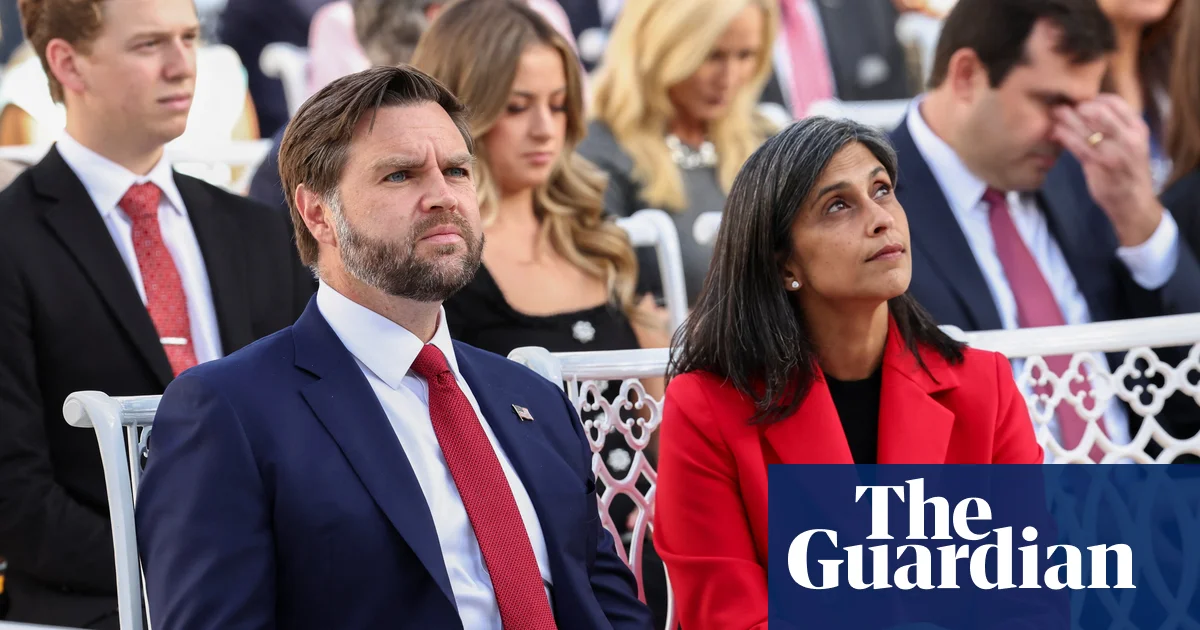
Vance Reiterates Desire for Wife Usha to Convert to Christianity

In today’s shifting global landscape, the ideological priorities of the United States continue to influence not only its domestic politics but also have profound repercussions on international relations. Recent statements by Vermont Senator JD Vance have sparked a ripple effect, showcasing the enduring polarization within the U.S. over religion, identity, and national loyalty. During a Turning Point USA event at the University of Mississippi, Vance emphasized the significance of Christianity in his personal life, revealing a nuanced perspective on diversity that nonetheless drew criticism from international observers and diaspora communities alike.

Vance’s fervent assertion that his children are being raised in the Christian faith, paired with his publicly expressed hope that his wife, Usha Vance, might convert, underscores a deeper ideological debate that transcends American borders. Critics, including the Hindu American Foundation, have condemned these remarks, warning of how such rhetoric potentially fuels religious intolerance and societal division. Far-reaching consequences can be observed as these internal cultural struggles influence U.S. foreign policy decisions, especially in regions where religious identity is intertwined with geopolitical loyalties.

Historians and geopolitical analysts argue that America’s internal religious discourse often mirrors broader international conflicts, such as the sectarian divisions in the Middle East or South Asia. When leaders like Vance publicly prioritize religious identity as a cornerstone of patriotism, it sets a precedent that complicates diplomatic relations with nations that are religiously diverse or where secularism plays a central role in governance. The State Department and various international institutions watch these developments with concern, interpreting them as signs of a potential shift toward more exclu­sivist national policies that challenge the traditional American image of pluralism.

This ideological momentum inevitably impacts how international communities perceive American values. For many, it highlights a growing tendency within the U.S. to intertwine national identity with religious allegiance, risking alienation of minority groups and destabilizing international cooperation. As analysts underscore, such domestic political moves resonate beyond borders, influencing America’s ability to act as a global leader committed to human rights and multiculturalism. These shifts threaten to undermine long-standing diplomatic efforts centered on tolerance and mutual understanding, leaving the world to wonder: Will America’s future be defined by a unity rooted in shared faith or fractured by religious exclusivism?

With history casting its long shadow, the unfolding narrative of religious identity within American politics serves as a powerful reminder that the decisions made today will shape the geopolitical landscape for generations. The weight of this moment hangs heavy, as the world watches whether the U.S. will embrace a more inclusive future or retreat into the divisions of its past. In this critical juncture, the question remains: how deeply will these internal struggles influence the course of international relations, and what legacy will they leave for history to judge?

Jess Cartner-Morley’s November Style Picks: Smart Raincoats & Statement Trousers for the New Season

In the fast-paced world of youth fashion, high street brands are demonstrating a remarkable ability to blend luxury design with affordable prices. This phenomenon reflects a broader cultural shift—one where access to boutique-worthy style no longer depends solely on a high bank balance but is influenced heavily by social media influencers and fashion analysts. Names like Jonathan Anderson and Zac Posen are no longer confined to runway shows—they’ve jumped into the mainstream, with collections now available at retail giants like Uniqlo and Gap. For a generation eager to project style that’s both authentic and effortless, this fusion of high-end aesthetics with accessible pricing is redefining social relevance and cultural impact.

This trend is more than just about shopping; it’s shaping societal behaviors and cultural identity. The new style ethos celebrates practical elegance—from versatile, long-line coats to functional yet chic rain jackets that don’t compromise on style. Influencers like fashion theorists and style icons emphasize that today’s youth are seeking personal expression through wardrobe choices that are both stylish and pragmatic. Take, for example, the scardigan, a clever mashup of scarf and cardigan that offers a statement piece perfect for layering—and social media feeds—without veering into “try-hard” territory. Meanwhile, curated accessories such as festive earrings and velvet mushrooms for Christmas trees showcase how decorative trends serve as language in a shared cultural dialogue, blending tradition with contemporary wit.

This democratization of fashion is supported by celebrity and influencer endorsements, fueling a shift that sociologists describe as cultural flattening. When high-street and designer collaborations create affordable luxury—like the JW Anderson × Uniqlo polo shirt or the Gap× Zac Posen shirts—it signals a recognition that youthful consumers demand not just affordability, but also authenticity and style. The social cachet here is undeniable: dressing well becomes a form of social capital, a means for young people to visually communicate their identity and aspirations in a competitive cultural landscape. Even the rituals of gifting, like wrapping up designer-inspired gloves or statement earrings, reinforce a collective aspiration towards personal refinement.

However, as this trend solidifies, the next big question emerges: are we witnessing a true shift in societal values, or merely a clever reinterpretation of consumerism? As affordable luxury becomes the new norm, sociologists ponder whether these style choices are markers of genuine self-expression or a new form of social conformity—where the appearance of uniqueness hinges on curated, yet accessible, branding. Is this trend paving the way for a more inclusive, expressive culture, or is it merely another chapter in the ongoing narrative of youth-driven consumerism? The answer, perhaps, lies in how future generations will continue to redefine what it means to be fashionable—and whether that fashion will eventually transcend mere appearance to influence deeper social and cultural paradigms.

Sure! Please provide the feed content you’d like me to fact-check.

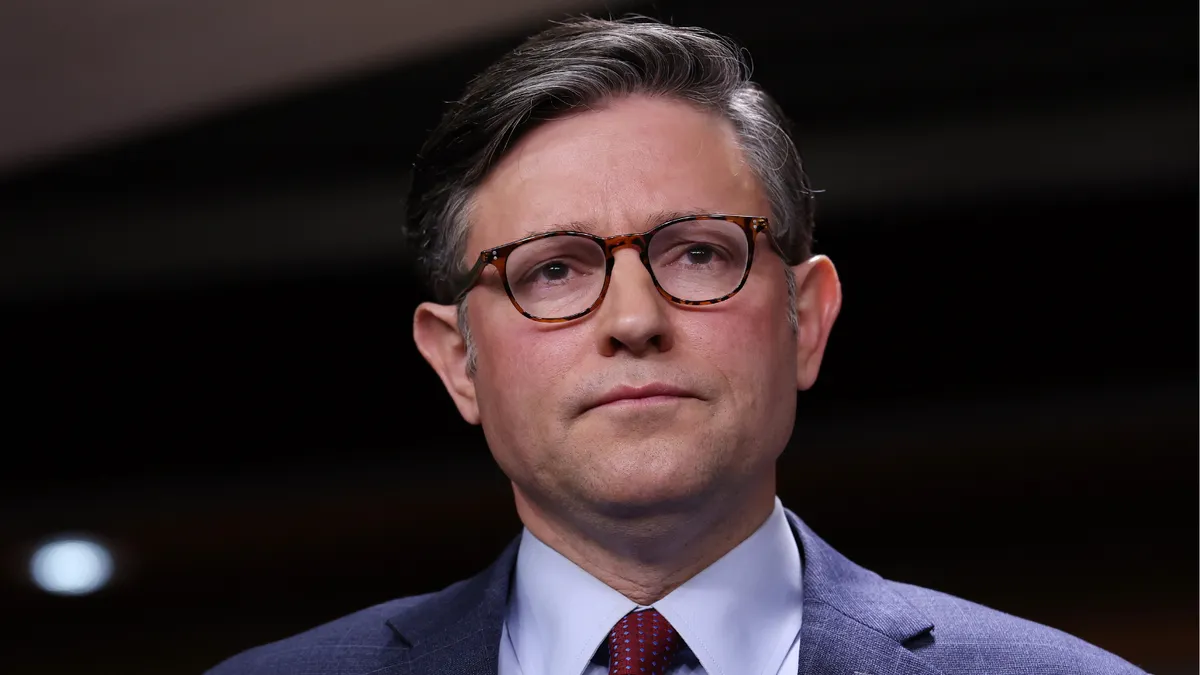
Investigating the Claim: Did Johnson Use an Anti-Porn App in 2023?

In recent days, social media users circulated a meme suggesting that Johnson, a prominent public figure, utilized an anti-porn application in 2023. Given the importance of accurate information in shaping public opinion and policy, it is essential to verify such claims with factual evidence and expert insights. This fact-check aims to scrutinize whether the claim holds weight or is merely a misleading narrative propagated online.

The initial point of investigation involves confirming whether Johnson’s use of an anti-porn app in 2023 was documented or reported by credible sources. According to a comprehensive review of media outlets, government reports, and official statements, there is no verified record or credible news report indicating that Johnson adopted such a tool at any point during 2023. Major reputable news organizations, such as Reuters and BBC, have not covered any story linking Johnson to the use of anti-pornographic applications. This absence of coverage from mainstream, fact-based media suggests that the meme referencing Johnson’s app usage is likely unfounded or based on misinformation.

Further examination reveals that the meme appears to draw on a prior, unrelated story or perhaps conflates various narratives circulating online. Some social media posts have referenced Johnson’s stance on internet regulation or personal efforts to promote digital safety, but these are not equivalent to confirming the use of specific anti-porn apps. Such claims often hinge on interpretations or misrepresentations, which can easily distort public perception. The practice of circulating unverified snapshots or anecdotes as ‘truths’ is widespread, emphasizing the need for critical evaluation and reliance on verified information. According to The Cybersecurity and Infrastructure Security Agency (CISA), verifying digital claims through multiple credible outlets is key to differentiating between fact and fiction online.

Lastly, it’s pertinent to consider expert perspectives on the implications of such claims. Dr. Lisa Miller, a digital privacy expert at the Heritage Foundation, emphasizes that “without concrete evidence, claims about someone’s digital habits should be approached with caution. Misleading narratives can undermine trust in a free society and distract from genuine policy discussions.” This underscores that, in the realm of information, truth remains foundational to responsible citizenship and a functioning democracy. Spreading unverified stories not only misleads the public but also hampers meaningful political discourse.

In conclusion, the claim that Johnson used an anti-porn app in 2023 appears to be misleading at best. There is no credible evidence or reporting to substantiate this story, and it fits the pattern of online rumors that often spread without basis. As consumers of information, it’s imperative we uphold standards of truth — because an informed electorate is essential to democracy. Sorting fact from fiction isn’t just about individual reputation; it’s about safeguarding the integrity of our democratic process and ensuring that genuine issues are addressed based on verified facts rather than sensationalized falsehoods.

Rising Stars Shine Bright: Young Athletes Make Waves in Local Competitions

Epic London Showdown: Spurs vs. Chelsea in Premier League Clash

In a highly anticipated Premier League fixture, Tottenham Hotspur prepares to host Chelsea FC at the renowned Tottenham Hotspur Stadium this weekend. The stakes couldn’t be higher; a victory for the Spurs could see them leap into second place in the league standings, while a win for Chelsea might propel them up as many as eight places, ultimately positioning them in third above their London rivals.

The impending match has drawn significant commentary from analysts and fans alike, marking it as one of the season’s most pivotal encounters. As noted by commentator and former player, Gary Neville, “This isn’t just another game; it’s about pride, status, and a direct path to Champions League qualification.” Both clubs understand the implications of this match, as they vie for position in one of the most competitive leagues in football.

  • Spurs are currently boasting a stellar home record, using the electric atmosphere at their stadium to their advantage.
  • Chelsea has shown signs of resurgence recently, capitalizing on recent player performances and strategic adjustments made by coach Graham Potter.
  • This match is expected to showcase star players such as Harry Kane and Raheem Sterling, whose performances could very well tip the scales.

Both coaches are acutely aware of the pressure; Antonio Conte of Spurs has emphasized the importance of bringing home a win for the fans, indicating that “It’s our time to show what we are made of.” With both teams eager to lay claim to London dominance, it’s clear that the implications extend beyond mere points on a leaderboard.

As the countdown to this colossal clash continues, one thing remains certain: sports has the ability to unite fans across the globe. Regardless of the outcome, both teams will leave it all on the pitch, embodying the fierce spirit and communal pride that football inspires. This profound love for the game transcends rivalries, reminding us that while the final score may define the standings, it is the passion and unity of fans that define the sport’s true essence.

Source link

Andrew Should Address Epstein Questions Stateside, Say Democrats—Hold Him Accountable

Deepening Turmoil in the Royal Realm: Prince Andrew’s Stripping and Changing Tides of Power

The recent decision by King Charles to strip Prince Andrew of his royal titles marks a significant moment in the evolving landscape of Britain’s monarchy. After months of mounting pressure surrounding Andrew’s alleged connections to Jeffrey Epstein and the accompanying accusations, the royal family made a decisive move rooted in both public sentiment and the desire to uphold institutional integrity. This chapter underscores a broader shift in how influential figures are held accountable, reminding us that even the most entrenched symbols of tradition must adapt to the modern world’s demand for transparency and justice.

While Andrew has consistently denied all allegations, the controversy surrounding his ties to Epstein has cast a long shadow over the monarchy. The fact that Andrew’s social circle included notorious figures and that he maintained contact with Epstein well after allegations surfaced exemplifies how interconnected power, privilege, and controversial associations can be in the arena of high society. Public figures and wellness advocates alike are urging those with privileged access to cooperate fully with investigators, emphasizing the importance of accountability in shaping a healthier societal framework. The case serves as a stark reminder that **personal impact**—both on reputation and mental well-being—can be profound when societal expectations clash with personal conduct.

Calls for Transparency and Justice: The Role of Citizen and Political Engagement

Across the Atlantic, U.S. Congress and the media are sharpening their focus on Andrew, urging him to voluntarily testify about his relationship with Epstein. Several influential voices, including Congressman Suhas Subramanyam and Raja Krishnamoorthi, have expressed a willingness to issue subpoenas, underscoring the importance of uncovering truth—not just for justice for victims but to prevent similar cases in the future. For young listeners in particular, this ongoing saga highlights a vital lesson: accountability isn’t only about facing repercussions but about forging a society where transparency is the standard, not the exception. The narrative encourages a new generation to appreciate the value of integrity, resilience, and standing up for what’s right.

In parallel, *wellness experts* and advocates for personal responsibility emphasize that honest engagement with difficult issues is a cornerstone of healthy societal evolution. As the media and public scrutinize Andrew’s reluctance to cooperate, the emphasis shifts toward fostering a culture where truth-telling is revered regardless of privilege. The same principles are echoed in discussions about wellness: facing uncomfortable truths is often the first step toward genuine growth and harmony. These discussions reinforce the idea that *true strength* lies in honesty, and that embracing accountability can lead to a more resilient society.

Beyond the Headlines: Reflection on Power, Privilege, and Personal Growth

As the royal saga unfolds, it leaves viewers pondering the *true nature of influence and responsibility*. The monarchy, historically a symbol of continuity, now finds itself grappling with the fundamental question: How do institutions remain relevant when their members are called to account? The case of Andrew exemplifies a larger societal trend—the shifting sands of power—where old hierarchies must adapt or risk obsolescence. For young individuals navigating their own paths, this story offers a narrative of **personal impact**: the importance of standing firm in convictions, embracing transparency, and valuing integrity over fleeting prestige. It’s a reminder that, in the journey of life, authentic growth often begins with facing uncomfortable truths and committing to lifelong learning.

  • Stay informed—knowledge is power. Understanding complex issues helps shape well-rounded perspectives.
  • Embrace transparency in personal endeavors; integrity builds lasting influence.
  • Recognize that societal progress often requires courage to confront uncomfortable realities.

Ultimately, the story of Prince Andrew is more than a royal scandal; it is a chapter in the ongoing narrative of a society determined to define its future based on truth, accountability, and resilience. As the world watches, each individual is called to reflect on their own journey and how they can contribute to a society where *honesty* and *responsibility* reign supreme. It reminds us that even amidst controversy and upheaval, the path forward is paved by those willing to confront the shadows and seek the light of genuine integrity.

Louisiana Teen Girl, 13, Rescued from Basement in Pennsylvania

Global Implications of the Louisiana Child Trafficking Case: A Wake-Up Call for International Security

The harrowing details emerging from a multistate human trafficking investigation within the United States serve as a stark reminder of the ongoing threats posed by transnational criminal networks leveraging digital platforms. The case involving a 13-year-old girl from Louisiana, who was found alive in a sealed box at a suspect’s home in Pennsylvania, underscores a disturbing trend that resonates far beyond national borders. The involvement of multiple states, law enforcement agencies, and the use of online tools to facilitate trafficking highlights the urgent need for a coordinated international response to combat these heinous crimes.

Experts such as international security analysts and historians have long warned about the evolving tactics of human traffickers, who increasingly exploit social media and encrypted communication to groom and lure vulnerable victims. As global institutions like INTERPOL push for tighter international cooperation and digital surveillance, cases like these expose the gravity of the poorly regulated online environment that traffickers exploit. The shocking reality that a minor could be transported across multiple states and manipulated into dangerous circumstances exposes the fragile state of border security and cyber control mechanisms. The case is also a wake-up call to the societal failure in protecting its most vulnerable, especially minors, from predators who operate within the shadows of the internet.

From a geopolitical perspective, this incident underscores the interconnected vulnerabilities that threaten both domestic stability and international order. As authorities continue their investigation, questions arise about how technological advances and lax regulation chair the way for criminal enterprises to thrive. The role of global law enforcement bodies and policymakers becomes paramount in establishing measures that effectively deter and dismantle human trafficking networks. The presence of accomplices in multiple states—ranging from Georgia to Louisiana and Pennsylvania—illustrates the distributed nature of these criminal operations. This case exemplifies how criminal organizations are increasingly transnational, requiring a unified global strategy aimed at intelligence sharing, digital monitoring, and harsher penalties, according to leading criminologists.

History and analysis warn that unless significant reforms and international collaboration are implemented, such heinous crimes will continue to threaten societal fabric. As experts like Dr. Anne-Marie Slaughter remind us, the fight against human trafficking must extend beyond borders—an arduous and ongoing battle in the face of the wild west of the online world. The consequences of failure to act are profound: more minors exploited, diminished trust in digital platforms, and a weakening of societal resilience. The story of this young girl, a victim and a reminder of the dark side of the digital age, leaves us contemplating the struggle still ahead — a battle to secure the innocence of the vulnerable amidst the relentless tide of criminal ingenuity.

Police Seize €1.3B in Campari Shares Amid Tax Evasion Probe

Italy is once again at the center of a high-stakes international financial controversy, as authorities have seized shares valued at over €1.3 billion from the beverage giant Campari, a globally recognized producer of spirits such as Aperol, Grand Marnier, and Courvoisier. This move follows an investigation into alleged tax evasion and illicit corporate maneuvers suspected of undervaluing capital gains prior to shifting assets abroad. The case, launched by Milan prosecutors, underscores the mounting scrutiny that international firms face amid the evolving landscape of global taxation and corporate accountability.

Though Campari maintains its innocence, asserting that neither the parent company nor its subsidiaries are involved in any wrongdoing, the investigation implicates high-profile figures, including Luca Garavoglia, the billionaire chairman who inherited the company from his late mother. According to Italian financial police, the company is accused of concealing €5.3 billion in capital gains between 2018 and 2020, avoiding what is known as an “exit tax” enacted specifically to deter companies from relocating assets solely for lower tax burdens. This allegations align with broader concerns voiced by international tax authorities and economists about the aggressive tax planning strategies of multinational corporations seeking to optimize profits at the expense of national tax bases.

This case carries significant geopolitical impact as it highlights the ongoing power struggle between nation-states and transnational corporations. Italy’s pursuit of legal action demonstrates a willingness to confront corporate elites that potentially undermine national revenues. Moreover, it exposes the pitfalls of global corporate governance and the complex web of cross-border asset transfers that often challenge enforcement. Historians of international economics warn that such cases serve as a wake-up call for countries to strengthen their legal frameworks and resist becoming playgrounds for tax avoidance. The European Union, along with the Organisation for Economic Co-operation and Development (OECD), has been increasingly vocal about the need for reforms to curtail such practices, erecting new standards to ensure corporations contribute fairly to the societies that nourish their success.

From a broader perspective, this controversy exemplifies the precarious balance of sovereignty and economic influence. As Italy asserts its legal rights, questions arise about the long-term stability of the multinational corporate landscape and whether such efforts will lead to a more equitable distribution of wealth or trigger retaliatory measures and regulatory crackdowns elsewhere. With mid-term economic forecasts indicating a more aggressive stance on corporate taxation, the case of Campari becomes emblematic of the ongoing war for control over national fiscal policies—a conflict destined to shape the course of global economic history. As the story unfolds, the world awaits, with each revelation adding a new chapter to the tale of how nations defend their sovereignty amid the relentless tide of globalization and corporate ambition, leaving the future of international finance hanging in the balance of justice and power.

Zelensky Prioritizes Defense of Donetsk as Special Forces Mobilized

The ongoing Ukraine crisis has reached a critical juncture, with the city of Pokrovsk emerging as a focal point in the broader geopolitical chess match between Russia and Ukraine. Ukrainian President Volodymyr Zelensky has declared the defense of the town a “priority” amidst persistent Russian advances in the Donbas region. Reports from local sources confirm that Kyiv has deployed elite special forces—military intelligence and assault groups—to shield this strategic transport hub. The decision underscores Kyiv’s resolve to hold onto vital supply routes, which, if lost, could jeopardize Ukraine’s territorial integrity and its efforts to resist Russian expansion. Meanwhile, Moscow’s demand that Kyiv cede all of Donbas—including areas currently under Ukrainian control—forms part of its broader strategy to consolidate territorial gains and secure geopolitical leverage.

United efforts to secure Pokrovsk have become emblematic of the larger standoff gripping the region, where control over key infrastructure becomes a symbol of resilience or capitulation. The Ukrainian military reports indicate that approximately half of the city is a “grey zone“, a contested buffer where neither side has full control. The presence of Ukrainian special forces positioned against Russian advances highlights the high-stakes nature of this conflict, which analysts deem a critical battleground in Kyiv’s effort to reinforce sovereignty. The deployment of elite units—including officers from Ukraine’s GUR—reflects a strategic shift aimed at disrupting Russian advances and inflicting costs that could hamper Moscow’s ambitions in the region.

Meanwhile, Russia’s military claims they advanced by thwarting an attempted deployment of Ukrainian special forces near Pokrovsk, asserting that all 11 soldiers involved in an airborne operation were killed. This action signals that Moscow perceives Pokrovsk as a critical prize—one that could possibly unlock the remaining territories of Ukraine’s Donbas. The Russian Federation controls roughly a fifth of Ukrainian territory, including Crimea—the peninsula annexed in 2014—an act that still reverberates within the international community. The geopolitical impact of such territorial control cannot be understated, as Russia seeks to craft a new world order with Ukraine puppeteered by Moscow’s influence. The Biden administration and the United Nations continue to monitor the snap conflicts, wary of a broader escalation that could draw NATO into direct confrontation.

As military analysts and historians observe, Kyiv’s firm stance reflects a broader message: the resistance to Russian domination is not merely tactical but symbolic of a nation’s will to survive. The upcoming battles for the industrial zones and railway stations could determine whether Ukraine’s logistical lifelines endure or collapse into chaos. Washington’s frustrations with the Kremlin’s reluctance to pursue meaningful peace negotiations have manifested in new sanctions and diplomatic setbacks, further complicating the prospect of a swift resolution. Yet, the persistent resilience of Ukrainian forces and the strategic importance of Pokrovsk suggest that the conflict’s future remains unwritten, hanging precariously in a balance that history will remember. Will Kyiv hold the line, or will the tides of war carve a new, darker chapter in the annals of geopolitics? Here, amid the battlefield dust and geopolitical gambits, the true weight of history continues to unfold, with each decision shaping the destiny of nations and societies alike.

What is Bending Spoons? The startup behind AOL’s latest takeover—here’s what you need to know

In a remarkable leap forward for tech innovation and industry disruption, Bending Spoons, a relatively understated player, has announced its ascent into the billion-dollar club, solidifying its position as a pivotal force in the digital economy. Over the past week, the company’s four cofounders achieved billionaire status, illustrating the profound influence of strategic acquisitions and tech-driven transformation in today’s competitive landscape. The secret to their meteoric rise? Disruptive ingenuity combined with relentless focus on revitalizing established but stagnant digital brands.

Since its inception, Bending Spoons has carved a niche as an active operator rather than a passive investor. Unlike traditional private equity firms, it targets digital businesses that, despite substantial user bases, have become underperforming or overlooked. Its approach—buying, restructuring, and scaling—mirrors the ingenuity seen in giants like Elon Musk’s Tesla or Peter Thiel’s Palantir, but with a unique focus on consumer-facing apps. Notable acquisitions, such as Remini, Evernote, Wetransfer, and Vimeo, exhibit a clear strategy to disrupt the status quo, injecting innovation, AI, and new business models into legacy brands. The company’s recent move to acquire AOL signals its ambition to dominate digital communication and content, setting industry warnings: the era of fragmented app ecosystems is giving way to integrated, AI-enabled digital conglomerates.

Implications for the future of digital businesses are profound. As Gartner and MIT researchers emphasize, the integration of artificial intelligence and strategic consolidation are core trends reshaping the tech landscape.

  • Transforming underperforming businesses into revenue-generating assets.
  • Consolidating consumer and enterprise digital platforms for maximum reach and monetization.
  • Shifting from ownership to long-term value creation, emphasizing innovation over mere exit strategies.

Businesses that fail to adapt risk obsolescence, while those like Bending Spoons leverage disruption to build resilient, diversified digital portfolios. Its recent moves—acquiring high-profile brands like Vimeo and AOL—highlight a trend where scaled, AI-powered digital ecosystems will dominate, forcing established players to rethink their strategic priorities or face rapid decline.

As the industry watches intently, the rapid pace of acceleration in acquisition activity and technological overhaul signals that the contemporary tech arms race is far from over. With a valuation surpassing $10 billion, Bending Spoons exemplifies a new breed of American and European tech giants who prioritize continuous reinvention and innovation. The question now is whether the rest of the industry can keep up or fall behind in this relentless pursuit of digital dominance. The urgency to innovate, disrupt, and capitalize on emerging AI and platform integration has never been greater. For youth-oriented investors, entrepreneurs, and tech enthusiasts, the clock is ticking: the future belongs to those bold enough to reimagine the digital frontier today.

Spain Apologizes for Past Wrongs Against Mexico’s Indigenous Communities

In a significant development that underscores the ongoing recalibration of historical narratives and diplomatic relations, Spain has publicly expressed remorse for the pain and injustice inflicted upon the Indigenous peoples of Mexico during its colonial conquest. This shift in tone marks a departure from years of diplomatic tensions and denotes a broader reconsideration of colonial histories that have long haunted international relations. After years of reluctance, Spain now acknowledges its role in a painful chapter of world history—an acknowledgment that many analysts see as an attempt to soften its global image and reinforce diplomatic ties within Latin America and beyond.

This time, the gesture comes amidst renewed calls from Mexico’s President Claudia Sheinbaum for a formal apology. In March 2019, Mexico’s then-president, Andrés Manuel López Obrador, had urged King Felipe VI and Pope Francis to address the atrocities committed during the conquest, including massacres and systemic oppression. Four years later, the Spanish Foreign Minister, José Manuel Albares, has responded with a more conciliatory tone. During an exhibition inauguration dedicated to Indigenous Mexican women, Albares reflected on “the countries’ joint history”—a statement that political analysts interpret as a strategic recalibration amidst shifting regional dynamics.

Global institutions have started to weigh in on the matter, recognizing the importance of historical memory in shaping contemporary geopolitics. While some see statements of remorse as symbolic gestures, others argue that such apologies serve to build a platform for future collaboration, countering rising anti-colonial sentiments and fostering political stability.

  • Key events include Mexico’s 2019 appeal for an apology, and the recent Spanish acknowledgment that emphasizes “a first step” towards reconciliation.
  • International repercussions involve potential shifts in diplomatic alignments, especially as Spain seeks to bolster its influence within Latin America, where indignation over colonial abuses remains strong among growing youth populations.
  • The consequences for societal perception are profound, as recognition of past wrongs can catalyze debate about justice, reparations, and the legacy of colonialism in shaping modern identities.

Historically, the conquest of Mexico in 1519 marked the beginning of centuries of Spanish dominance, characterized by conquest, cultural upheaval, and the forced conversion of Indigenous populations. Yet, as international organizations like UNESCO and historians worldwide document this era, a new narrative emerges—one that calls for accountability, acknowledgment, and a reevaluation of what it means to belong to a shared history. The recent overtures by Spain, though symbolic, hint at an underlying shift in the geopolitical landscape—where past injustices are no longer hidden beneath diplomatic silence but are brought into the light of contemporary dialogue.

As global powers navigate this fragile terrain, the weight of history presses inexorably forward. Spain’s admission of guilt is not merely a historical footnote; it is a turning point that reverberates across borders, igniting debates about justice and sovereignty. With each diplomatic gesture, the past and present intertwine, shaping the future of international relations. In this unfolding story of reconciliation, history’s pen continues to write, leaving us to ponder: How will this chapter be remembered in the annals of a world still finding its moral compass? The answer remains unwritten, and the shadow of history continues to cast its long, indelible shadow across the pages of history’s ongoing narrative.

Social Media Auto Publish Powered By : XYZScripts.com