Matox News

Truth Over Trends, always!

Global ‘Super App’ Debuts with Crypto Payments and Private Chat Features for the Next Generation

Revolutionizing Digital Identity and Payments: Tools for Humanity Launches Next-Gen World App

The digital landscape is entering a new era of security, authenticity, and decentralization, driven by Tools for Humanity‘s innovative World App—marketed as a “super app” with disruptive potential for social interaction and financial services. Launched by the startup in 2023, this platform is positioning itself at the forefront of the identity verification and cryptocurrency integration revolution, directly challenging marquis players like WhatsApp and PayPal by integrating web3 principles into everyday social and financial activities. In a time when AI-generated disinformation and digital fakery threaten online authenticity, the company’s core mission—creating verifiable “proof of human” — signals a shift toward a more trustworthy, privacy-preserving digital future.

The latest iteration of the World App introduces groundbreaking features designed to disrupt the status quo. At the heart of this innovation is the verification network, which leverages a proprietary iris-scanning system called the Orb. This biometric verification technique produces a highly secure, encrypted unique digital identity—the verified World ID. As AI-driven misinformation proliferates, this behind-the-scenes cryptographic shield aims to establish a trusted digital ecosystem where users can distinguish genuine humans from bots with ease. During a recent event in San Francisco, Altman explained that the company’s vision centers on balancing privacy with identification, creating a new economic model based on web3 principles that could redefine online interactions.

The app’s new World Chat feature exemplifies this approach, providing end-to-end encrypted messaging comparable to Signal, while offering color-coded speech bubbles to verify user identity visually and intuitively. Designed to foster social connectivity, it aims to fill a critical market gap for secure, social communication. In addition, the platform’s expanded digital payment capabilities integrate cryptocurrencies directly into users’ virtual wallets, enabling peer-to-peer transactions, salary deposits, and seamless bank account integration—regardless of verification status. Such features signal a disruptive move toward financial sovereignty and peer-based economies, aligning with industry forecasts highlighted by institutions like Gartner, which emphasize AI and blockchain as the twin pillars of tomorrow’s tech ecosystem.

Industry analysts such as MIT’s Kevin Esvelt and venture capitalists like Peter Thiel are paying close attention. They see Tools for Humanity’s model as a blueprint for a future where *digital trust* is anchored in cryptographic verification—a crucial component often missed in traditional social and financial platforms. While critics warn of privacy concerns, the company emphasizes that its encryption standards match or exceed industry leaders like Signal. The key business implication is clear: disruption is underway, and existing giants that rely on opaque verification methods risk obsolescence. The integration of biometric identity with decentralized finance creates a formidable competitive advantage, especially for startups and incumbents who overlook the urgency of evolving trust and security in digital spheres.

Looking forward, the rapid advancement of AI, blockchain, and biometric verification points to an increasingly dynamic and competitive landscape. Time is of the essence for traditional players to innovate beyond outdated KYC systems and siloed social platforms. As user demand for privacy and authenticity grows, and regulatory frameworks evolve, companies like Tools for Humanity are positioned to lead a fundamental shift in digital identity and commerce. The question remains: who will seize this disruptive wave and shape the future, or be left behind in the wake of rapid technological evolution? The spotlight is on innovators to accelerate the deployment of trustworthy, privacy-centric platforms that could redefine human interaction in the digital age.

Rising Stars Shine: Young Athletes Set New Records in National Championship

Mark Leiter Jr. Joins the Oakland Athletics on One-Year Deal

In an exciting development for fans of the Oakland Athletics, free agent reliever Mark Leiter Jr. has agreed to a one-year contract, according to sources close to the deal, as reported by ESPN. This signing comes at a pivotal time for the A’s as they continue to bolster their pitching staff heading into the upcoming season. Leiter, who previously played for the Chicago Cubs, has consistently demonstrated his value on the mound, enhancing the roster’s depth.

The 30-year-old right-hander is known for his versatility and ability to come through in high-pressure situations. His arrival is particularly significant as the A’s look to improve their performance from last season. Fans can expect Leiter’s fierce competitive nature and solid statistics to contribute positively to the bullpen dynamics. As noted by A’s pitching coach Scott Emerson, “Leiter’s experience and skill set will be crucial for our late-game scenarios.”

Leiter’s career record includes an impressive 4.30 ERA over 140 innings, with a notable tendency to strike out hitters. During the 2022 season, he managed to rack up 45 strikeouts in just 39 appearances, demonstrating his capability to be a game-changer on the mound. This move not only highlights the A’s strategic approach to assembling a strong bullpen but also aims to provide more support to their starting rotation as they chase playoff contention.

As football commentator Kirk Herbstreit aptly put it, “In sports, it’s not just about individual brilliance but how well a team rallies behind each player.” This signing embodies that spirit, reminding us that sports have an incredible way of bringing people together, transcending individual stats and wins. The Oakland Athletics may be embarking on a new chapter with Mark Leiter Jr. onboard, but ultimately, it’s about uniting fans, igniting passions, and embracing the thrill this great game offers—one pitch at a time.

Source link

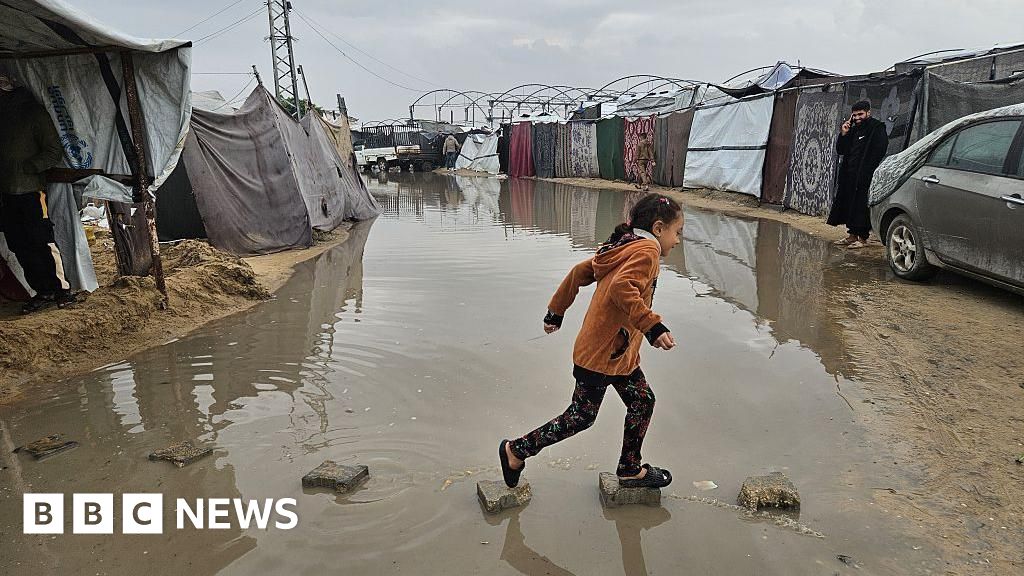
Gazans suffer as peace plan stalls, leaving flood victims stranded

As the winter storm rages through Gaza, the human toll continues to escalate amid a complex web of geopolitical maneuvering. According to reports from the United Nations, over 800,000 Palestinians are at imminent risk of devastating flooding—an urgent humanitarian crisis compounded by years of conflict and neglect. Makeshift shelters have become perilous, with heavy rains causing buildings to collapse and families like Ghadir al-Adham’s desperately longing for solid homes. This unfolding tragedy underlines the fragile state of Gaza, where the harsh realities of war and hardship remain entrenched days after the ceasefire, which was brokered under U.S. diplomacy.

Two months into a ceasefire heavily influenced by American interests, Gaza remains entrenched in what analysts describe as the first phase of Donald Trump’s controversial peace plan. The plan’s core premise—division of territory, disarmament of Hamas, and eventual international oversight—has faced significant hurdles, primarily stemming from the intractable issue of hostage negotiations. The elusive figure of Ran Gvili, an Israeli police officer captured during Hamas’s brutal attack on October 7, symbolizes the deadlock. Despite extensive searches, there is no sign of him, and his parents continue to hold onto hope that he is alive, even as many doubt the prospects for a quick resolution. Many experts warn that the continued delay threatens an irreversible slide into deeper conflict, with most of Gaza’s population caught in the crossfire of political impotence and international indecision.

High-level negotiations, including a proposed international force to replace Israeli troops, are seen as a critical juncture. Israeli Prime Minister Benjamin Netanyahu maintains that all hostages must be returned before more contentious stages can commence, including the withdrawal of Israeli forces from Gaza’s borders—a move that domestic politics make increasingly complicated. Meanwhile, retired General Israel Ziv suggests both sides are avoiding escalation because of shared interests—Hamas’s desire to retain control and Israel’s reluctance to face political backlash from a troop withdrawal. Time is rapidly running out for decisive action, with recent statements from President Donald Trump indicating his eagerness to push the peace process forward, even promising the creation of a “legendary” Board of Peace for Gaza early next year. Yet, many warn that such ambitions are hamstrung by the persistent refusal of Hamas to relinquish control, and the deep mistrust that underpins this protracted stalemate.

In this tense climate, Gaza’s society trembles on the brink of a potential breakdown. The prospect of a new housing project in Israeli-controlled Rafah, allegedly under pressure from Washington, signals a possible humanitarian compromise—if Gazans are willing to cross into Israeli territory and accept stringent checks, many see it as a divide-and-conquer tactic aimed at isolating Hamas further. Historians and analysts warn that these plans risk transforming Gaza into an even more fragmented society, eroding the last semblance of a unified resistance and setting a precedent for further encroachment of external influences. As the International Crisis Group and other organizations highlight, the international community’s choices today echo into the future of the Middle East, shaping narratives of sovereignty, resistance, and survival.

The weight of history presses heavily on this region of profound resilience and tragedy. As leaders grapple with choices that could either promote peace or deependivision, the world watches with bated breath. Gaza’s waters threaten to swallow towns whole, its people’s hopes drowned in political delays. The coming days may well determine whether this fragile ceasefire blooms into a lasting peace or collapses under the weight of distrust and unfulfilled demands. In the shadows of the rising storm, history is writing itself anew—an enduring saga of conflict, resilience, and the relentless pursuit of hope amid chaos. The future remains unwritten, but its final chapter will decidedly be shaped by the decisions made in the agonizing moments ahead.

Brittany Higgins Declares Bankruptcy as Linda Reynolds Wins Defamation Battle

In a story that echoes across nations and underscores the fragility of justice intertwined with political power, Australia faces a high-profile legal battle that exemplifies the contentious interplay between personal reputation and the machinery of law. Brittany Higgins, a former political staffer, finds herself at the center of a complex saga involving bankruptcy, defamation, and public scrutiny, vividly illustrating how personal disputes often transcend individual lives to affect national perceptions. Her former boss, Linda Reynolds, a seasoned senator from the Liberal Party, has launched bankruptcy proceedings against Higgins after a protracted defamation lawsuit resulted in Reynolds being awarded damages. This legal maneuver aims to uncover how Higgins’s $2.4 million settlement—funded by public funds—has been distributed, raising questions about transparency and accountability in political and legal spheres.

Reynolds’s victory in court, marked by a jury-rigged 360-page judgment confirming her defamation claims against Higgins’s social media post, exemplifies how personal reputations can be weaponized in a polarized political climate. The ruling not only awarded Reynolds $315,000 in damages, but also ordered Higgins to cover 80% of Reynolds’s legal costs, exceeding $1 million in total. Such legal outcomes send a potent message about accountability; they also demonstrate how legal battles rooted in social media narratives influence the broader societal debate on free speech, accountability, and the power wielded by former politicians. This case underscores the ongoing tension between the right of individuals to speak freely and the rights of public figures to protect their reputation, a debate that has rippled through courts and political corridors worldwide.

Amidst this domestic tempest, the global power structures continue to evolve, with international institutions warning of the potential for political instability when personal and political conflicts spiral into legal chaos. The Higgins-Reynolds case serves as an unwelcome reminder that the delicate balance of justice can be disrupted by social media, a phenomenon not confined to Australia. International analysts have observed how similar cases elsewhere—such as the United States and Europe—highlight a broader trend: the politicization of legal disputes, often fueled by social media’s instantaneous dissemination. Some experts argue that these developments risk undermining trust in institutions, especially when legal outcomes are perceived as politically motivated or excessively influenced by media narratives.

As the ripples of this case continue to reverberate, the larger geopolitical impact becomes clearer. Nations are increasingly confronting the reality that individual legal disputes can set precedents with far-reaching consequences, affecting international perceptions of rule of law and political stability. The case also exemplifies how internal political conflicts in one country can serve as cautionary tales, influencing domestic policies and perceptions worldwide. In an era where social media amplifies personal disputes to an international audience, the weight of history remains heavy—warning that the fight for reputation and justice is no longer confined within national borders but is now part of a global narrative that challenges governments, institutions, and societies alike.

As history unfolds in courts and hallways of power, one thing remains unequivocal: the battle to define truth and justice in the digital age is only beginning. The decisions made today will resonate through generations, shaping the fabric of societies and the integrity of justice in an interconnected world—an ongoing saga where the line between personal grievance and geopolitical consequence is perilously thin. The weight of history presses upon us, and the story is far from over.

Climate protesters score major victory against Victoria police over pepper spray use

Australia’s Climate Protest Victory Highlights Diverging Approaches to Civil Disobedience

The recent ruling by the Supreme Court of Victoria in favor of climate activists against police over the use of oleoresin capsicum (OC) spray signals a significant shift in how nations are balancing security and civil liberties in an era marked by environmental activism. Protester Jordan Brown’s successful class action underscores the potential consequences of law enforcement policies in the face of growing social activism, especially when state institutions are called to account for perceived excessive force. The decision, awarding Brown $54,000 in damages, not only sets a legal precedent in Australia but also resonates on a broader international scale, prompting a reassessment of policing tactics during civil demonstrations.

Historically, many Western nations have grappled with the thorny question of maintaining order versus respecting citizens’ rights to dissent. As analyzed by international legal experts, the use of chemical agents like OC spray often becomes a flashpoint—balancing the necessity of crowd control against the risk of causing severe physical and psychological harm. The court’s judgment in this case reflects an increasing willingness to scrutinize police conduct more critically. By emphasizing the unlawful nature of the battery inflicted during the protest, Justice Claire Harris pointed out that force should be proportionate and justified—a clear warning to law enforcement agencies worldwide that excessive tactics risk legal repercussions and public backlash.

The incident in question took place outside Melbourne’s international mining conference, IMARC, in October 2019. Tensions erupted as police attempted to arrest two activists who climbed the Melbourne Exhibition and Convention Centre, with officers deploying OC spray on unarmed protesters who posed no immediate threat. The disproportionate application of force exemplifies a broader global debate: how governments and law enforcement recognize and respect the right to peaceful protest, especially in the context of burgeoning environmental movements. As international organizations such as Human Rights Watch continue to warn, heavy-handed police tactics can erode public trust and fuel social divisions, underlining the need for police reforms aligned with legal standards and human rights obligations.

More broadly, this case highlights the geopolitical impact of domestic policies and societal shifts, especially in resource-rich nations like Australia. The global community watches as climate activism intensifies, directly challenging economic interests tied to fossil fuels and mining sectors. Decisions like these ripple beyond national borders, influencing policy debates across Europe, Asia, and the Americas. Such rulings can embolden local activism, prompting governments to rethink their law enforcement mandates amid the climate crisis. As geopolitical analysts note, the increasing intersection of environmental activism and legal accountability signifies a potential turning point in how governments combine security measures with respect for democratic rights.

Looking into the future, legal experts suggest that this landmark case might serve as a catalyst for legislative reforms—limiting police discretion and embedding safeguards to prevent abuses during protests. However, critics warn that governments might respond by tightening security policies to prevent future disruptions, risking a cycle of escalation. As historians track the evolving landscape of civil rights and state authority, the ongoing negotiations between authority and activism continue to shape the fabric of societies worldwide. With every court decision and policy shift, we face the harrowing realization that the course of history is still being written—its pages filled with the enduring struggle for justice in a world teetering on the brink of environmental and societal upheaval.

Labor pushes for watchdog review on politicians' travel perks amid mounting criticism
Labor pushes for watchdog review on politicians’ travel perks amid mounting criticism

In recent weeks, Australia has been embroiled in a damaging political scandal, revealing a widening gap between the privileged practices of parliamentarians and the expectations of the public. The controversy centers around the extensive travel entitlements claimed by members of parliament, including lavish claims for family travel, which have sparked widespread criticism. The Independent Parliamentary Expenses Authority (IPEA) is now under pressure to broaden its review, assessing whether systemic reform is necessary and what the long-term geopolitical implications might be for Australia’s global image. These revelations come at a crucial juncture for Prime Minister Anthony Albanese, who faces mounting domestic and international scrutiny over governance transparency and accountability.

The scandal underscores how domestic political decisions can echo far beyond national borders. While the immediate focus is on parliamentary expenses, international organizations and security analysts observe deeper ramifications. Historians warn that unchecked entitlements, especially those perceived as out of touch with societal norms, threaten the legitimacy of political institutions. Australia’s reputation as a responsible member of the international community could suffer if such scandals persist, undermining diplomatic efforts and foreign investments that rely on predictable, transparent governance. The controversial practice of claiming extensive benefits for family travel—such as claiming nine business class airfares annually for spouses—exposes a broader issue of political privilege, which critics argue fosters public disillusionment and fuels anti-establishment sentiment.

Across the Pacific, similar debates unfold in United States and European democracies, where transparency reforms are being tested against entrenched political interests. International watchdogs and United Nations officials closely monitor these developments, emphasizing that how nations handle internal accountability directly shapes their geopolitical standing. The International Institute for Democracy and Electoral Assistance (IDEA) has warned that scandals like this can undermine citizens’ trust globally, leading to increased polarization and unrest. As political leaders in Australia call for legislative reforms—such as capping travel claims and tightening oversight—the decision now weighs heavily on the country’s reputation for upholding democratic standards and fiscal responsibility. This internal upheaval is a test of whether political elites can reconcile privilege with their mandate to serve the public good.

As Australia grapples with the fallout, the deeper question emerges: how do these decisions ripple through international relations? The ongoing crisis not only affects domestic societal cohesion but also casts a shadow over Australia’s diplomatic relationships, especially with strategic partners and trading blocs that prioritize good governance. The unfolding narrative highlights a pivotal moment in world history—one where internal integrity can dictate a nation’s influence on the global stage. With opposition leader Sussan Ley and government figures engaged in heated debates, history seems poised to record whether this crisis becomes a catalyst for meaningful reform or an enduring stain on the nation’s reputation. As the world watches, the weight of history presses heavily on the shoulders of Australia’s political class — a mirror reflecting the fragile balance between privilege and responsibility in an era of mounting global uncertainty.

Reddit Fights Back Against Australia’s Under-16s Social Media Ban

Reddit Launches Legal Challenge Against Australia’s Social Media Restrictions

Australia’s recent move to impose an under-16s social media ban has ignited a fierce legal and ethical debate across international corridors, with Reddit boldly challenging the legislation in the High Court. The online giant, renowned for hosting diverse topic-based communities, argues that the law infringes upon fundamental freedoms and imposes intrusive verification processes that harm both minors and adults. This confrontation highlights the mounting tensions between governmental efforts to protect youth and the fundamental rights to free expression—a debate heating up in democracies worldwide.

Following the legislation’s enactment, which includes a broad ban on platforms such as YouTube, Facebook, Instagram, and TikTok, Reddit swiftly responded by implementing age restrictions and challenging the law legally. The company contends that the legislation’s “illogical patchwork” imposes unnecessary burdens that conflate different platforms’ functionalities, especially since Reddit’s primary use involves pseudonymous interactions—designed to shield users’ identities and foster detailed, topic-focused discussions rather than real-time social networking.

Legal experts and international observers note that Reddit’s challenge is not merely about corporate compliance, but signals a broader ideological stand against state overreach. The platform emphasizes its role as a forum for knowledge sharing with minimal personal data collection, aligning with global concerns over mass surveillance and privacy infringements. The Australian Human Rights Commission has echoed similar sentiments, warning that the law could inadvertently dismiss less restrictive alternatives capable of balancing youth protection with human rights—highlighting the risks of overregulation in a rapidly digitalizing world.

Global Implications: A Clash of Rights and Progressive Control

The case’s outcome is poised to resonate far beyond Australia’s borders, as international organizations and civil liberties advocates watch closely. The legal contest underscores a critical question: how can societies protect vulnerable populations without sacrificing essential rights? The Australian government’s decision, driven by rising concerns over online harms, echoes a broader geopolitical push to exert control over digital spaces—yet it also risks marginalizing free expression, innovation, and the very democratic process it seeks to safeguard.

Historian and geopolitical analyst Dr. Ian McKenzie warns that such legislative overreach could set a dangerous precedent. “When governments prioritize overprotection through censorship and restrictive laws, they often open Pandora’s box,” he states. “The balance between security and liberty is delicate, and missteps threaten to diminish civil liberties globally.” As European nations and the United States grapple with similar issues, the Australian case becomes a stage for what could escalate into a defining conflict in digital rights and sovereignty.

Shaping Tomorrow—The Weight of History

As courts deliberate and international voices weigh in, the unfolding saga remains a stark reminder: decisions made now regarding digital rights and societal safety will echo through generations. This is a moment where the lines between protection, privacy, and free expression are being redrawn—crafting a narrative that will undoubtedly influence the legal and cultural fabric of the internet for years to come. The world watches with bated breath, aware that history’s next chapter is still being written, and the consequences of today’s choices will define the future of global society’s digital landscape—an ongoing battle between liberty and control, with the stakes higher than ever before.

Councils handed £3bn to boost SEND school places and support our youth’s future

Shaping Society: The Ongoing Struggle for Inclusive Education and Community Cohesion

In an era marked by rapid demographic shifts and increasing social fragmentation, the fabric of our communities is being tested by the challenge of providing equitable education. The recent government announcement to invest £3 billion over the next three years aims to create 50,000 additional places for children with special educational needs and disabilities (SEND) within mainstream schools across England. This initiative reflects a recognition of the critical need to make education more inclusive, yet it also exposes the persistent gaps that leave families and communities in turmoil. Sociologists like Robert Putnam have long warned about the erosion of social capital, and the SEND crisis exemplifies how societal divisions are reinforced when resources are misallocated or buried in bureaucratic red tape.

Families navigating the SEND system often encounter profound difficulties—including long and arduous journeys to secure appropriate support. One mother, Laura Jerram, recounts her experience in trying to secure an Education, Health and Care Plan (EHCP) for her son Brendan, describing it as “a horrible journey.” This reality underscores how social inequalities translate into disparities in access to education, support, and ultimately, opportunity. As the NAHT school leaders’ union highlights, merely funding new buildings is insufficient without a parallel investment in trained teachers and specialists capable of supporting diverse learning needs. Educational institutions must prioritize human capital as much as infrastructure if they are to truly serve all students, especially those with complex needs.

Yet, systemic issues remain unresolved. The rise in legal disputes over SEND provision—25,000 appeals in 2024-2025—illustrates a fractured system where conflicts and frustrations simmer beneath the surface. The outcomes for students, despite increased investment, have not significantly improved, a troubling sign of superficial policy fixes that fail to address foundational inequities. Sociologists such as Pierre Bourdieu warn us how social class and cultural capital influence educational trajectories. When families with more resources and better advocacy skills can navigate this labyrinthine system more effectively, it perpetuates a cycle of inequality, leaving marginalized children to fall through the cracks.

At the community level, the physical and logistical challenges highlight the importance of localized, community-centered solutions. Councillor Amanda Hopgood emphasizes that building large SEND schools “in the middle of nowhere” fails to serve the community’s best interests, as it necessitates costly transportation and isolates children from their social networks. True social cohesion hinges on inclusivity in local settings where children grow up—where they learn, play, and build lifelong friendships. Education expert Dr. Michael Apple argues that equitable access isn’t just about space and resources but also about empowering communities to shape local policies that recognize their unique needs. As families struggle with the bureaucratic hurdles and costs of transportation, their sense of belonging diminishes, and social bonds weaken.

Toward a Society of Hope and Renewal

While the current landscape depicts a society grappling with its social and educational structure, it also holds within it the seed of hope. The stories of children like Brendan and families like Laura’s demonstrate resilience and the urgent need for meaningful reform. True societal progress will depend on our collective ability to recognize that social issues—inequality, systemic failure, social disconnection—are intertwined with the very fabric of our communities. As historian Eric Hobsbawm observed, history is a tale of struggles, setbacks, and eventual renewal. Society’s challenge now is to transform these struggles into opportunities for **a more inclusive, compassionate, and united future**.

Crypto mogul Do Kwon gets 15 years behind bars—big win for accountability

South Korean Crypto Entrepreneur Do Kwon Sentenced to 15 Years in U.S. Court Amid Industry Disruption

In a landmark ruling that underscores the high-stakes nature of cryptocurrency innovation and the risks tied to speculative assets, Do Kwon, the South Korean crypto pioneer and founder of Terraform Labs, was sentenced to 15 years in prison by a U.S. federal court in Manhattan. This case not only marks a significant legal milestone but also signals a stern warning to emerging disruptive financial technologies that threaten to reshape traditional markets. Kwon’s conviction was rooted in the collapse of TerraUSD (UST), a supposedly algorithm-backed stablecoin that aimed to revolutionize digital finance but ultimately became a cautionary tale of overconfidence in unregulated innovation.

The fallout from the breakup of TerraUSD in May 2022 was catastrophic—wiping out an estimated $40 billion from the crypto ecosystem and destabilizing numerous startups and investors worldwide. Kwon’s aggressive marketing of UST, a stablecoin purportedly pegged to the U.S. dollar via a complex algorithm involving the LUNA token, exemplifies what industry analysts describe as the misplaced trust in algorithmic financial mechanisms. By offering a supposedly tamper-proof peg, Terraform Labs promised a new frontier of stable digital assets. Instead, the system’s failure exposed vulnerabilities inherent in decentralized finance (DeFi), revealing the hazards of unchecked entrepreneurial zeal.

  • Disrupted Market Dynamics: The collapse led to market panic, triggering a cascade that affected dozens of crypto firms and investors.
  • Regulatory Clarity: The case marks a pivotal step towards more rigorous oversight, as authorities aim to curb fraud and promote responsible innovation.
  • Innovation vs. Risk: The incident emphasizes the importance of balancing disruptive advancements with sustainable, transparent frameworks—an area where industry leaders like Elon Musk advise caution.

Among industry observers, analysts at Gartner and MIT emphasize that this high-profile case could accelerate regulatory actions worldwide, compelling blockchain developers to adopt more rigorous security standards and compliance protocols. The case also ignites a broader debate on the future of stablecoins, which are seen as vital for mainstream adoption of digital currencies and decentralized financial services. However, critics warn that the reliance on complex algorithms without adequate safeguards can lead to systemic failures, threatening the integrity and sustainability of the crypto economy.

The sentencing underscores a challenging but inevitable trajectory for crypto innovators—those who push the boundaries of digital finance must now reconcile with growing regulatory scrutiny and the imperative for sound risk management. The industry’s future hinges on the ability of entrepreneurs and institutions to learn from these failures, fostering innovation that not only disrupts but also endures. As the sector heads into a new era marked by increased oversight and technological maturation, stakeholders are urged to act swiftly—those who adapt and innovate responsibly will lead the next wave of digital transformation, while complacency risks catastrophic fallout. The next chapter in crypto innovation will be shaped by how the ecosystem responds to this historic judgment, with urgency and strategic foresight taking center stage.

Please provide the feed content so I can generate the fact-checking headline.

Unpacking the Truth Behind Trump’s ’Shithole’ Comment: What the Evidence Shows

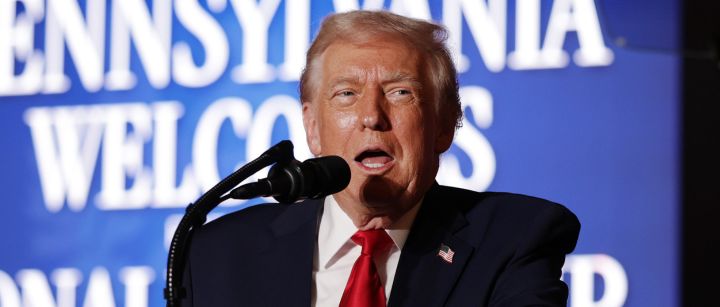
In recent statements, former President Donald Trump has openly admitted to using a vulgar term to describe certain countries during a private White House meeting in 2018. Specifically, when asked about his previous denials, Trump confirmed that he questioned why the U.S. only accepts immigrants from “shithole countries,” citing nations like Haiti, Somalia, and parts of Africa in a context that drew significant political and media scrutiny. To fully understand the implications of this admission, it’s essential to examine the timeline of events, the testimonies from involved officials, and the available evidence.

Initial Accounts and Denials: The 2018 Immigration Meeting

  • During the January 2018 meeting, Democratic Senator Dick Durbin and other attendees recounted that Trump made **vile remarks**, saying the U.S. should instead get immigrants from Norway or European countries rather than “s**thole countries” like Haiti and Africa. Durbin explicitly stated that Trump repeated this language, emphasizing its racist and offensive nature.
  • In contrast, the Trump administration initially denied that the president used such language. Trump himself tweeted that his words had been “tough,” but “this was not the language used,” and denied making **derogatory comments about Haitians** or Africans. Similarly, several Republican senators, including Tom Cotton and David Perdue, claimed not to recall hearing the president use the specific vulgar term, with some suggesting that different words like “shithouse” might have been used, allowing for ambiguity.

What Does The Evidence Say?

In our 2018 fact-check, we reported that there was no accessible recording of the meeting, and much of the controversy relied on **firsthand accounts**. Multiple officials, including Secretary Kirstjen Nielsen, acknowledged discussions were “impassioned,” but none confirmed hearing the specific language or the “shithole” term. Senators Cotton and Perdue initially denied hearing those words, but later clarified they did not remember hearing the specific vulgar term, suggesting some, perhaps, misremembered or misheard the language. Senator Lindsey Graham’s initial hesitance to confirm or deny evolved into a statement indicating he knew “what was said”—but he did not definitively corroborate Durbin’s account.

It’s important to note that, according to experts in political communication and White House protocol, the absence of a publicly available recording complicates absolute verification. What is on record are the conflicting testimonies and the presidential tweets that claimed his words were different from what Durbin described.

Trump’s Latest Admission and Its Significance

Fast forward to recent statements, and Trump has admitted to making the remark about “shithole countries,” thereby confirming what Durbin and others alleged. This development profoundly impacts the narrative, shifting the debate from mere speculation and denial to acknowledgment by the former president himself. Political analysts from institutions like the Heritage Foundation and the Cato Institute point out that this admission underscores the importance of truthful communication from leaders—since public trust depends on confronting facts, especially about issues as fundamental as immigration and race relations.

Opposition voices, notably from the Biden administration, immediately dismissed the remark as “racist” and “disgusting,” emphasizing the importance of responsible discourse. However, defenders of Trump stress that his straightforward acknowledgment should be seen as an attempt at transparency, reducing the importance of the previous denials and focusing the debate on the substantive issues of immigration policy and morality.

The Critical Role of Evidence in Democracy

This controversy exemplifies the crucial role that verifiable evidence plays in safeguarding responsible governance. In the absence of recorded proof, the dispute relied heavily on testimonies, which are susceptible to bias and memory failure. As forensic experts and political analysts have noted, an honest and transparent process—either through recordings or sworn testimonies—is essential to ensure accountability.

In the end, the verification of public statements about sensitive topics like race and immigration is vital. It helps citizens make informed judgments and prevents misinformation from undermining the foundations of democracy. As voters, our duty extends beyond immediate reactions to scrutinize the evidence, demand clarity, and insist on honesty from our leaders. Only by anchoring our opinions in facts can we foster a political culture that respects truth and upholds the responsibilities of citizenship.

Social Media Auto Publish Powered By : XYZScripts.com