Matox News

Truth Over Trends, always!

Waymo Scores Green Light to Expand Deep into Bay Area and SoCal

Waymo’s Autonomous Expansion Signals a New Era in Urban Mobility

Waymo, the front-runner in robotaxi innovation, has announced a major step forward in its autonomous vehicle (AV) deployment strategy. The company has received official approval to operate fully autonomous vehicles across a significantly broader region in California, including key areas like the East Bay, North Bay (Napa/Wine Country), and Sacramento, as well as extending its territory in Southern California from Santa Clarita up to San Diego. This territorial boost not only exemplifies relentless innovation but also underscores the disruptive potential of autonomous mobility to reshape urban transportation paradigms.

While regulatory hurdles remain—since additional permits are required for commercial passenger services—Waymo’s recent expansions demonstrate industry confidence in AV technology. Targeting a mid-2026 launch in San Diego, the company’s strategic timeline aligns with broader industry expectations for large-scale autonomous deployment. This timeline reflects the urgency to capitalize on technological advances, as other players like Tesla, Uber, and emerging startups accelerate their own autonomous initiatives. The push into new markets is further amplified by Waymo’s recent announcements to expand into Minneapolis, New Orleans, and Tampa, alongside plans to eliminate safety drivers in Miami ahead of commercial launch, signaling a paradigm shift in the traditional ride-hailing model.

Business implications of these developments are profound. As disruption accelerates, traditional taxi and ride-sharing industries face existential threats, while new entrants with agile autonomous fleets could dominate urban mobility markets. Major corporations such as Google’s parent company Alphabet (which owns Waymo) are positioning themselves as long-term players, banking on AVs becoming the dominant form of city transit. The deployment of AVs on freeways—now operational in Los Angeles, San Francisco, and Phoenix—further enhances their viability by addressing long-haul efficiency issues, making shared autonomous rides a practical alternative to personal vehicles.

Experts at institutions like Gartner and MIT emphasize that this wave of innovation might redefine business value propositions, emphasizing technological disruption that could make private car ownership less relevant. However, the rapidly evolving regulatory landscape and safety concerns pose risks, especially as the industry grapples with potential safety pitfalls and public acceptance. As Elon Musk and Peter Thiel have long argued, the key to winning the autonomous revolution lies in rigorous testing, robust infrastructure, and a daredevil willingness to challenge conventions.

Looking ahead, the trajectory of Waymo and other autonomous pioneers indicates an urgent race to dominate the mobility landscape. With new markets opening and regulatory frameworks evolving quickly, the next few years promise an unprecedented transformation where innovation and disruption converge to redefine how millions move within urban environments. Investors, policymakers, and tech innovators must stay alert to this impending upheaval—those who adapt swiftly will shape the future of mobility, while laggards risk obsolescence in a rapidly shifting landscape.
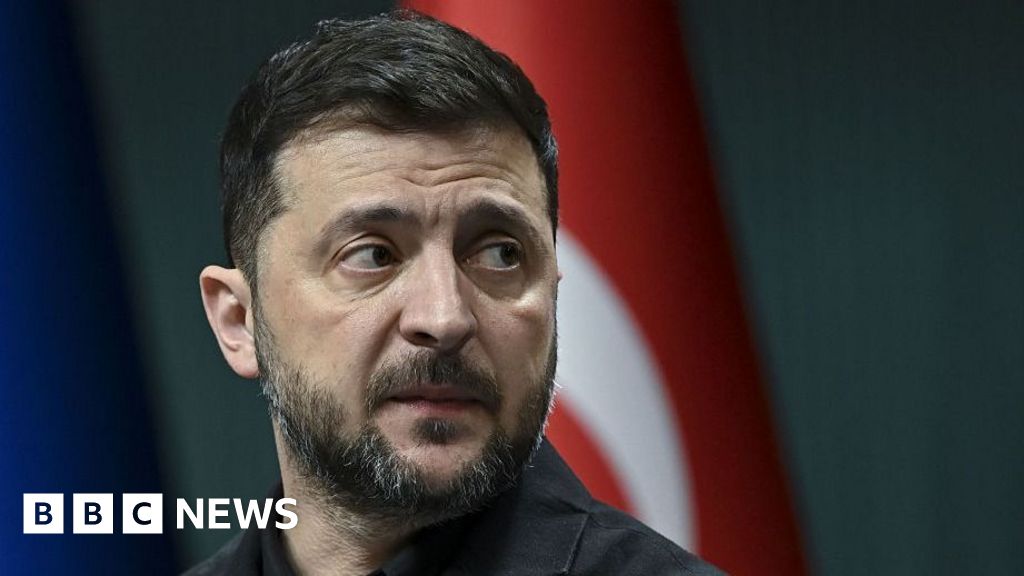
US asserts it crafted the peace plan—protecting American interests and leadership

In a rapidly shifting geopolitical landscape, the United States finds itself at the center of a contentious debate over the future of Ukraine. Recently, reports emerged indicating initial proposals for ending the ongoing conflict in Ukraine included concessions that many allies deem unfavorable. These proposals, leaked to the public, suggested that Ukraine would have to withdraw from eastern territories it currently controls and place limits on its military strength—appeasing Russia but raising alarms among Kyiv’s Western allies. The draft, which has not been officially released, is seen by many as a Russian “wish list” that threatens to undermine Ukraine’s sovereignty, prompting sharp pushback from European leaders and NATO members.

U.S. Secretary of State Marco Rubio has publicly insisted that the plan in question was authored by the United States, emphasizing that it incorporates input from both Russia and Ukraine. However, some senators and international analysts have challenged this narrative, suggesting that the proposal more accurately reflects Russian interests rather than a balanced diplomatic effort. During a forum in Geneva, Republican Senator Mike Rounds claimed Rubio stated the draft was not official U.S. policy, further fueling doubts over America’s true stance. In response, State Department spokesperson Tommy Pigott dismissed these claims as “blatantly false,” reiterating the administration’s position that the plan was developed with American leadership and strategic input. The conflicting narratives underscore the delicate, high-stakes diplomacy playing out behind closed doors, with the future of the conflict hinging on fragile negotiations.

The core of the debate revolves around a 28-point plan that has caused intense division among Ukraine’s allies. European nations, including Germany, France, and the UK, have publicly voiced concerns, emphasizing that the plan could leave Ukraine vulnerable to future attacks and undermine its territorial integrity. This skepticism was articulated at the recent G20 summit, where a joint statement from most European leaders declared the plan “would require additional work,” citing concerns over border changes and restrictions on Ukraine’s military capabilities. French President Emmanuel Macron warned that any peace accord must guarantee security for all of Europe, resisting any proposal that can be perceived as capitulating to Russian demands. Meanwhile, German Chancellor Friedrich Merz acknowledged the distance still remaining towards a comprehensive and equitable peace, warning that “we are still quite a long way from a good outcome for everyone.”

As the international community watches anxiously, the stakes have never been higher. Since Russia’s invasion of Ukraine in February 2022, the conflict has evolved into a larger confrontation involving NATO, the US, and the European Union—each seeking to preserve their strategic interests while navigating the complexities of international law and national sovereignty. The potential concessions within the proposed plan threaten to reshape regional security dynamics, with some analysts warning of a precedent that could embolden future aggressions. Meanwhile, Ukraine’s President Zelensky remains resolute, appointing a new negotiator to lead future talks and maintaining that his government will defend its sovereignty at all costs. But in the shadows of diplomatic negotiations, the weight of history presses down on every decision, hinting at a future where the line between peace and perpetual conflict remains perilously thin. The unfolding saga in Geneva could yet become a defining chapter—either fostering a fragile peace or unleashing new waves of uncertainty that will test the resolve of free nations for generations to come.

Venezuelans Fear Food Shortages Amid US Threats

Escalating Tensions in Venezuela: Geopolitical Impacts and Societal Struggles

The current crisis in Venezuela exemplifies the profound complexity of international conflicts and their ripple effects on societies. While global headlines focus on the military posturing of the United States and formal threats of invasion, the daily lives of ordinary Venezuelans remain overshadowed by economic despair and political repression. Despite aggressive troop deployments and heightened military activity near the country, the general mood on the streets of Caracas reflects prevailing **uncertainty and economic hardship** rather than imminent war. This divergence between geopolitical maneuvers and local realities underscores how decisions made in far-off corridors affect the lives of people caught in a web of **economic collapse and political repression**.

In recent weeks, Washington has escalated its military posture, deploying the largest warship in the world, USS Gerald R. Ford, along with thousands of troops and military assets near Venezuela. The move is presented as part of an effort to curb drug trafficking, yet critics and some analysts argue it is a thinly veiled attempt at regime change, echoing historical interventions in Latin America. An international wave of airlines cancelling flights and warning of **”heightened military activity”** signals a dangerous escalation that risks spiraling beyond diplomatic channels. Global institutions like the United Nations and international historians draw stark parallels with past Cold War crises, warning that such military brinkmanship could inadvertently ignite **regional conflict** or lead to humanitarian crises. The looming threat is not just a matter of military strategy but how such actions destabilize **sovereign nations** and threaten *fragile* social fabric*.

Meanwhile, the people of Venezuela face a harrowing reality marked by hyperinflation, food shortages, and pervasive fear. According to the International Monetary Fund, inflation could hit an unprecedented 629% by 2026 — the highest in the continent — ravaging purchasing power and deepening poverty. Even before the international tensions, Venezuelans were struggling to secure basic staples. Vendors such as Alejandro, who sells vegetables in a Caracas market, describe empty aisles and prices quadrupling, leaving most families unable to afford the **basic food basket**. Public sentiment reveals a dangerous mix of resignation and silent anxiety; many fear openly criticizing the regime or the burgeoning crisis, knowing repression has intensified since disputed elections in 2024. Opponents and analysts warn that **further repression and silence** may hide a growing insurgency or unrest that could explode if economic hardship persists or if international conflict engulfs the region.

How International Decisions Shape Societies

The decision to threaten military action or escalate tensions plays a significant role in shaping **how nations and societies evolve**. The United States’ posture signals its strategic interest in Latin America, but the aftermath often falls most heavily on local populations. As historians along with organizations like the Council on Foreign Relations warn, such show-of-force tactics risk undermining sovereignty and intensify **civil unrest**. Many Venezuelans, like Consuelo and Esther, express a sense of helplessness, caught between the fear of war and the daily fight for survival, with economic collapse overshadowing geopolitical concerns. Fear and repression have silenced protests and debates, creating an environment where hope is confined to whispers and secret exchanges. The international community’s role, whether through diplomatic engagement or sanctions, remains pivotal in either preventing disaster or unleashing a cascade of crisis that could leave history’s pages stained with the blood of innocence.

As the world watches a region teetering on the edge, the deeper truth emerges — nations are not isolated entities; they are intertwined in a web of **power struggles, economic interests, and human stories**. The convergence of military posturing, economic collapse, and political repression in Venezuela reminds us that the future is still to be written. Whether through diplomacy, confrontation, or catastrophe, history continues to unfold in the streets of Caracas, where everyday life persists amid an atmosphere heavy with uncertainty and the echoes of a legacy that will define generations to come. The full weight of history hangs in the balance, waiting to see if resolve or recklessness will shape the next chapter.

Next Gen Stars Shine in Latest Youth Sports Showcase: Future of Athletics Unveiled!

Week 12: A Throwback Week in the NFL

As Week 12 of the NFL season unfolds, it has become evident that nostalgia is leading the charge in the league. Fans are treated to a series of exciting matchups reminiscent of classic games, and key players are stepping up to showcase their talent. The spotlight is on traditional powerhouses and underdogs alike, creating a captivating atmosphere filled with enthusiasm.

Highlighting this Week 12 resurgence is the impressive performance of the Green Bay Packers against the Chicago Bears. The historical rivalry reignited as the Packers secured a last-minute victory with a stunning touchdown that sent the Lambeau Field crowd into a frenzy. Quarterback Aaron Rodgers showed that experience and skill still reign supreme, throwing for over 300 yards and two touchdowns. As commentator and former player Tony Romo remarked, “This is what football is all about—intensity, skill, and a deep-rooted tradition.”

Other memorable moments from this week include the ongoing emergence of rookie sensations. The New England Patriots managed a narrow win against the Miami Dolphins, largely due to the electrifying performance of rookie running back James Cook, who rushed for over 150 yards. An analyst from ESPN noted, “Young players like Cook are reshaping the future of the NFL, bringing excitement and freshness to the game.”

When analyzing the match highlights, three key takeaways stand out:

  • Pittsburgh Steelers defense proved formidable against the Cleveland Browns, recording several crucial interceptions.
  • The Kansas City Chiefs displayed their offensive prowess by outscoring the Los Angeles Chargers in a thrilling shootout.
  • Rivalries intensified, as every game showcased the depth of competition and the relentless spirit of teams vying for playoff spots.

As this season reaches its climax, one thing is abundantly clear—sports transcend mere competition. Week 12 serves as a reminder that these battles unite fans and players, intertwining community and passion. The roar of the crowd, the strategic coaching decisions, and the sheer willpower of athletes inspire hope and camaraderie. In a world often divided, football continues to be a universal language that brings people together—not just for the love of the game, but for the stories, dreams, and unyielding desire to succeed that sports represent.

Source link

Mumbai’s Art Deco Revolution Turns 100: A Centennial Celebration of Style and Heritage

The history of architecture witnesses landmark moments that reflect societal shifts and technological progress. Among these, the rise of Art Deco stands out as a symbol of hope, resilience, and modernist optimism in the aftermath of the World Wars. Originating from a 1925 exhibition in Paris, this style spread rapidly across continents, captivating cities with its geometric motifs, sweeping curves, sunbursts, nautical designs, and turreted rooftops. It embodied the dawn of a new era—celebrating speed, progress, and the embrace of concrete as a construction material—and it quickly permeated not only architecture but also interior design, cinema, and fashion, influencing iconic landmarks worldwide.

Globally, Miami and Mumbai remain at the forefront of this architectural movement. While Miami’s pastel facades along South Beach are celebrated as arguably the largest collection of Art Deco in the world, Mumbai arguably holds the world’s richest repository of this stylistic heritage. According to historian Atul Kumar, founder of the Art Deco Mumbai Trust, the city hosts the largest documented concentration of Art Deco buildings—some estimate place it as second only to Miami. These structures, built during colonial rule, encapsulate a period when Indian architects and elites sought to shed Victorian European influences and forge a distinctive identity that melded imported modernist styles with local motifs. The fusion of vernacular patterns—ranging from Mughal lattice screens to ocean liner motifs—created a uniquely Indian articulation of the style, reflecting the tumultuous yet hopeful spirit of an emergent nation.

Today, however, the geopolitical impact of rapid urban development threatens the preservation of Mumbai’s architectural treasures. As city centers transform under the pressure of real estate expansion, scores of Art Deco edifices face demolition in favor of glass-and-steel skyscrapers. Despite the cultural significance and the recognition of their heritage status, only a fraction of these buildings are protected by law. Conservationists warn that without proactive measures, Mumbai risks losing much of its architectural soul. Urban planners, under the influence of real estate moguls, prioritize economic gains over cultural preservation—a decision that analysts warn could result in the erasure of a critical layer of the city’s history. Such choices have repercussions beyond aesthetics—they influence the societal fabric and collective memory of a city that once symbolized hope and innovation.

Furthermore, the challenge intensifies as regulation and public awareness lag behind the pace of redevelopment. According to reports from the UNESCO and international heritage organizations, there is an urgent need to reconceptualize heritage conservation within a sustainable urban framework. Organizations like the Indian National Trust for Art and Cultural Heritage (INTACH) are undertaking efforts to document and protect Mumbai’s Art Deco buildings, but resource constraints and apathy hamper their reach. Architectural firms such as Ms. Tekwani’s are attempting to adapt Art Deco designs for modern lifestyles—introducing sleeker furniture and compact lighting—hoping to integrate heritage into contemporary living rather than seeing it as a relic of the past. Yet, as city authorities remain largely indifferent, the weight of history—once a marker of progress and identity—hangs precariously in the balance, susceptible to the bulldozers that threaten to erase this icon of 20th-century modernism.

As the city’s skyline morphs into a testament of unchecked economic ambitions, Mumbai’s cultural legacy stands at a crossroads—either to be preserved as a monument of resilience or sacrificed on the altar of progress. In the shadows of looming skyscrapers, the spirit of Art Deco—evocative of hope, modernity, and cultural fusion—clings to existence. Time is running out, and the story of Mumbai’s architectural heritage continues to unfold—poised between oblivion and resurgence, a testament to the enduring struggle of societies to safeguard their identity amidst the relentless march of progress. The pages of history lie open, awaiting the decisions that will ultimately determine whether this city’s storied past will survive to inspire future generations or be consigned to the dustbin of forgetfulness.

Top 5 Lessons from the Division-Driven Climate Summit

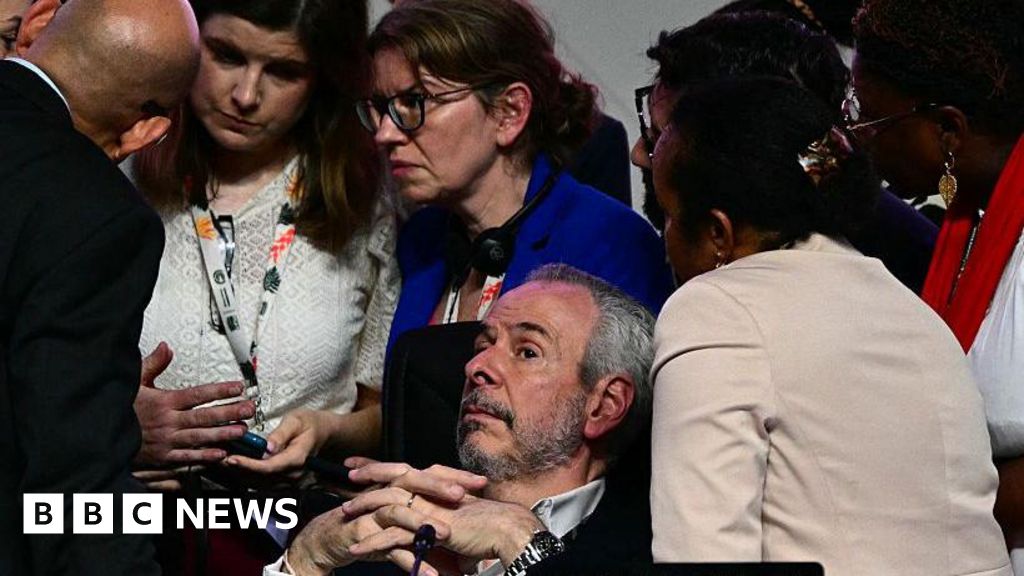
As the COP30 summit concluded in Belém, Brazil, the world faced an unsettling reality: the much-vaunted global consensus on combating climate change is teetering on the brink of collapse. After three decades of negotiations, this year’s gathering marked one of the most divisive and fractious in history. Key nations, driven by divergent economic interests and geopolitical maneuvers, appeared more invested in protecting their own fossil fuel industries than in forging a united front against rising global temperatures. The summit, often dubbed the “COP of truth,” has exposed how far international cooperation has decayed, with the future of climate diplomacy hanging in the balance.

One of the most contentious issues was the failure to directly address the role of fossil fuels in driving climate chaos. Many nations, especially those with significant oil and gas reserves, pushed back against any language that might threaten their lucrative industries. Despite calls from environmentalists and scientists for a quantified phase-out of coal, oil, and gas, the summit ended without any meaningful commitments to reduce fossil fuel extraction or consumption. The Brazilian presidency attempted to placate the divisions by proposing pathways outside formal negotiations—focusing on deforestation and fossil fuel cutbacks outside the legal framework of the COP—yet their legitimacy remains questionable. This self-preservation approach highlights a troubling shift: climate action now appears secondary to national economic interests.

The European Union, traditionally seen as a leader in climate policy, faced a sobering setback. While advocating for a stronger, fossil-free future, they found themselves hamstrung by their own diplomatic concessions. The phrase “tripling climate adaptation finance” initially aimed at bolstering aid to vulnerable nations, remained in the final text in a vaguely worded form, but the EU’s efforts to push for strict fossil fuel reductions were ultimately unsuccessful. **Analysts warn** this reflects a broader decline in Western geopolitical influence on climate diplomacy, with emerging powers like China and India asserting greater independence. China’s silent yet aggressive pursuit of clean energy dominance—particularly in solar technology—positions it to outperform US efforts, which are hamstrung by internal divisions and waning influence. The summit made it clear: the global climate narrative is shifting away from Western-led initiatives towards a multipolar chess match.

Adding to the complexity was the noticeable absence of US President Donald Trump, whose decision to stay away seemingly emboldened allies like Russia and Saudi Arabia, who openly opposed aggressive measures aimed at limiting fossil fuels. Meanwhile, China chose quiet diplomacy, focusing on commercial interests and capitalizing on the rising affordability of renewable energies. According to international experts, this strategy will likely position China as a dominant force in the renewable energy revolution, cementing its economic footprint while the US struggles to regain influence. The summit also saw a groundbreaking push to incorporate trade measures, such as border taxes on emissions, designed to incentivize cleaner production worldwide—yet these moves risk sparking trade wars and expose the fractured state of global cooperation.

As the curtains fall on what many now call a “disillusioned” chapter of climate diplomacy, the question arises: is the future of COP itself under threat? Many advocates and analysts warn that the current process, rooted in an era far removed from the geopolitical realities of today, requires an overhaul to remain relevant. The persistent debate echoes through the halls: should nations continue to send thousands of delegates to argue over text that often seems more symbolic than effective? Or is it time for a fundamental rethink—perhaps outside the existing COP framework—that addresses the urgent realities of energy costs, national sovereignty, and economic security? Whatever the outcome, the weight of history presses down, as the world stands at a crossroads—caught between the inertia of past promises and the tumult of a rapidly changing global order. The choices made here will reverberate through generations, charting the course of climate and geopolitics in the uncertain years to come.

UN Climate Talks Fail to Deliver New Fossil Fuel Commitments

Global Climate Diplomacy Faces Standoff at COP30 in Belém

As the United Nations Climate Summit COP30 wrapped up in Belém, Brazil, a palpable sense of frustration and disillusionment echoed across the international community. Despite weeks of tense negotiations, the final deal—dubbed the Mutirão—failed to include a direct reference to the core issue gripping sky-high global temperatures: the reliance on fossil fuels. This outcome underscores a deepening divide between developed nations and oil-producing countries, revealing the entrenched interests that threaten serious climate action.

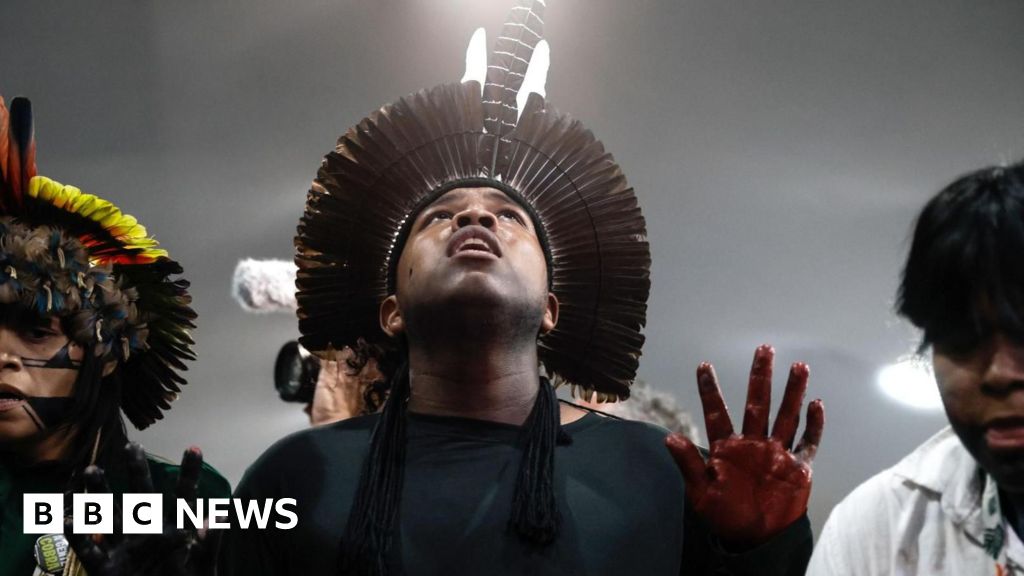
The summit, taking place amid a backdrop of chaotic protests, devastating weather, and even a fire in the venue, was marked by a struggle of ideals and power. Over 80 countries, including the UK and sweeping European Union, had sought commitments to accelerate reductions in oil, coal, and gas use. However, the fierce resistance from OPEC nations like Saudi Arabia and major fossil fuel exporters meant that those calls were ultimately sidestepped. A clear shift in diplomatic tone became evident: the large oil-producing nations insist on their “sovereign right” to exploit fossil fuel reserves, branding such pursuits as essential for their economic growth. This stance has sparked intense scrutiny from historians and analysts, many warning that these fixed positions threaten the very fabric of future international climate policies.

Notably, the absence of a delegation from the United States—after President Trump’s declaration to withdraw from the Paris Agreement—symbolized a troubling trend of American retreat. While many nations, like India, praised the outcome as “meaningful,” the global effort to limit warming to 1.5°C remains elusive. The UN itself expressed concern that current trajectories jeopardize this target, highlighting that global efforts are “failing.” Meanwhile, representatives of poorer nations, especially small island states, emphasized that the final agreement’s promises to bolster climate finance—like the newly established Tropical Forests Forever Facility—are crucial for their survival. The geopolitical impact of this exchange is clear: the world’s poorest are demanding recognition and assistance, yet the divisions over fossil fuel exploitation threaten to deepen inequalities.

The Belém summit was plagued not only by diplomatic stalemates but also by logistical chaos—outdated infrastructure, weather disruptions, and even security breaches temporarily overshadowed the proceedings. As the summit drew to a close, a common thread emerged: nations are increasingly driven by self-interest rather than collective action. While countries like India advocate for “meaningful” progress, and a coalition of small island states push for urgent deforestation action, the larger geopolitical chess game continues. The global community stands at a crossroads—an inflection point where the choice to forge a sustainable, equitable future or succumb to the entrenched interests of fossil fuel dominance will define a new chapter of history. The weight of these decisions echoes loudly, leaving us all to wonder: will this be the moment that global climate action finally takes root, or are we merely witnessing a prolongation of the same deadly game, with the planet paying the highest price?

Trump admin hints it may back off from challenging state AI rules

U.S. Federal Push to Standardize AI Regulation Sparks Industry Debate

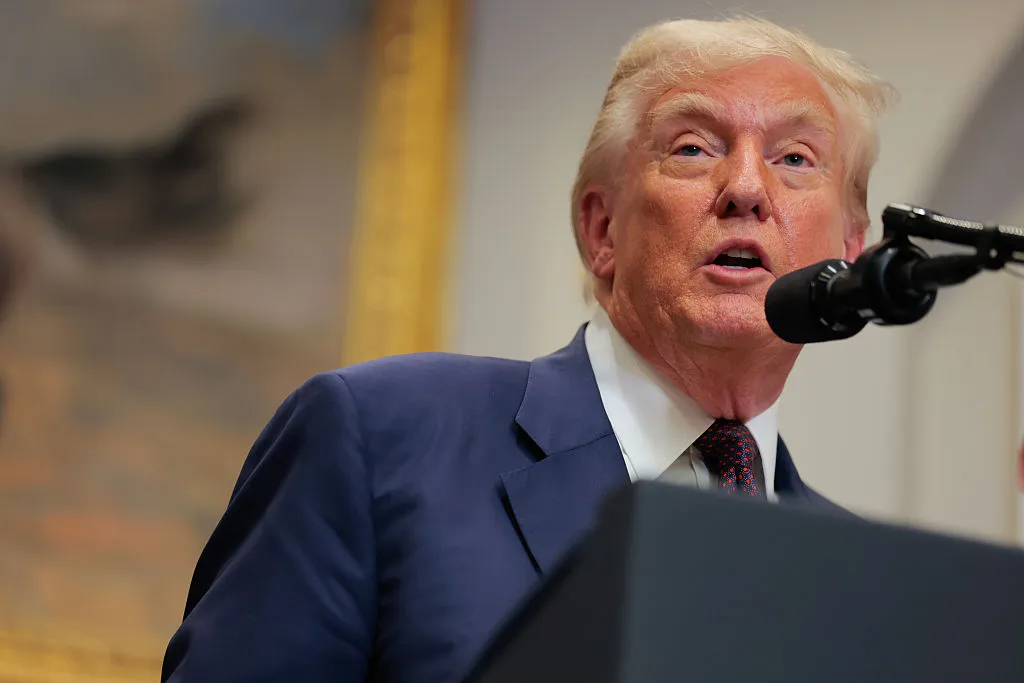
The current trajectory of artificial intelligence (AI) regulation in the United States signals a pivotal shift toward centralized oversight, with the Trump administration advocating for a unified federal standard. In a recent social media post, former President Donald Trump emphasized the necessity of moving away from a patchwork of state-level laws, calling for “one Federal Standard” to streamline AI governance. This initiative underscores a major departure from the decentralized regulatory landscape that has characterized the industry, potentially setting a precedent for how innovation will be managed at the national level.

Historically, the idea of a federal approach was rooted in the administration’s earlier legislative attempts, such as the proposed “Big Beautiful Bill,” which included a decade-long ban on state AI regulations—a measure seeking to preempt local restrictions and foster nationwide industry growth. Although this specific measure was ultimately removed by the Senate in a rare bipartisan vote (99-1), the renewed push signals an urgent effort to suppress what industry insiders see as disruptive, often inconsistent, state laws that could stifle technological innovation and market expansion. The move appears to be motivated by fear of regulatory fragmentation impeding the competitive edge of American AI firms against global rivals, particularly China and Europe, which are investing heavily in setting comprehensive AI standards.

Disruption Strategies: Litigation and Funding Leverage

According to reports from CNBC and Reuters, the administration is considering aggressive tactics to enforce federal dominance, including the drafting of an executive order that would create an AI Litigation Task Force. This body would have the authority to challenge state-level AI laws through lawsuits, potentially disrupting local jurisdictions that seek to implement their own regulations. Additionally, the executive order aimed to wield financial influence by threatening to withhold crucial federal broadband funding from states that resist federal standards, a move interpreted as a strategic effort to consolidate control over the AI ecosystem.

  • Milestones: Drafting of executive orders aimed at legal challenges
  • Tools: Federal funding leverage to influence state policies
  • Implications: Disruption of grassroots and local innovation efforts

Such aggressive measures, however, face mounting opposition within Congress and the private sector. Notably, Republican lawmakers—who previously criticized a proposed moratorium on state AI regulation—are wary of overreach and the potential stifling of regional innovation hubs. The political pushback reflects tension between fostering innovation freedom and ensuring national security and ethical standards in AI deployment. Major industry analysts, including those from Gartner, warn that such centralized control may hinder disruptive innovation in emerging AI sectors such as autonomous vehicles, biotech, and cybersecurity tools.

Business Implications and the Future Trajectory

The strategic push for federal AI regulation could reshape the American tech landscape, positioning the United States as a global leader in setting standards—yet risking environmental and entrepreneurial stagnation. Firms based in states wary of federal overreach—like California and Texas—may face increased regulatory uncertainty, potentially forcing relocations or strategic shifts in R&D investments. Behind the scenes, industry giants like OpenAI and Tesla are closely monitoring the legislative environment, knowing that heavy-handed regulation could either hinder innovation or provide clarity that accelerates deployment and commercialization of breakthrough AI products.

The trajectory of AI regulation in the U.S. is emblematic of the broader disruption the industry faces—balancing top-down governance with bottom-up innovation. As political actors and industry leaders scramble to define the rules of the game, the collective impact will determine whether America maintains its technological dominance or surrenders ground to more agile, less regulated competitors. Forward-looking executives, investors, and technologists should be prepared for rapid shifts, driven by policy decisions that could either catalyze or constrain the next wave of AI breakthroughs. With technology advancing at breakneck speed, the window for strategic positioning is narrow, making the next few months critical for shaping the future of AI governance and its business implications.

Drones Seen Near Netherlands’ Key Air Base—Security Concerns Rise

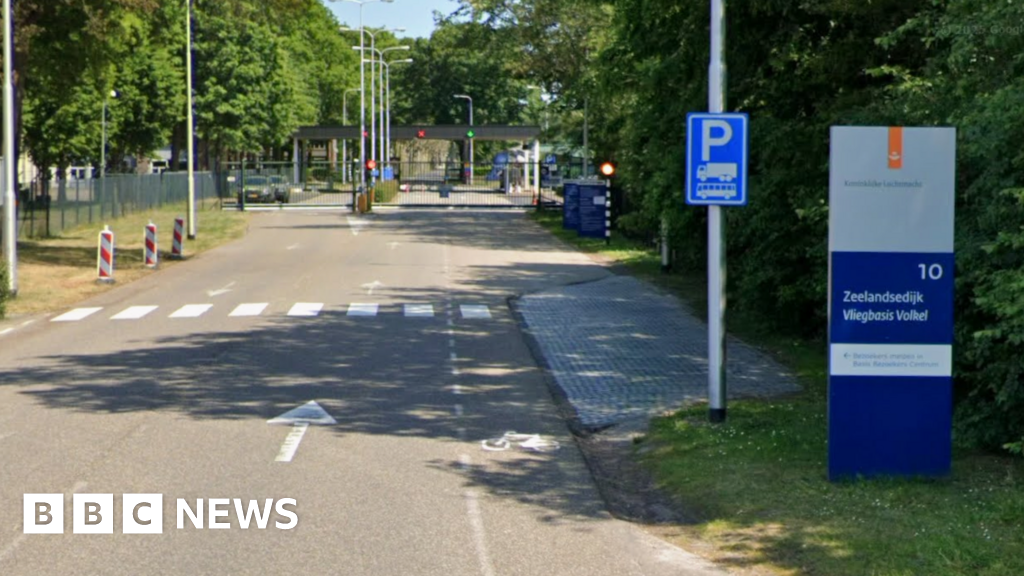
In recent weeks, the Netherlands and several neighboring European nations have been shaken by a series of unidentified drone sightings near military installations, raising serious questions about regional security and the new frontier of hybrid warfare. On Friday, unconfirmed drone activity was reported over Volkel Air Base, a critical NATO facility hosting both the Royal Netherlands Air Force and a U.S. Air Force squadron. Dutch officials confirmed that military personnel deployed weapons in an attempt to neutralize the threat, but the drones departed before recovery, leaving authorities unable to determine their origin or purpose. This incident marks a troubling escalation, part of a broader pattern of surveillance activity that has affected NATO allies across northern Europe—including Belgium, Denmark, and Germany.

The recurring sightings have sparked alarm among security experts and policymakers, with some describing them as an embryonic form of hybrid warfare aimed at destabilizing NATO’s eastern flank. Analysts from International Security Organizations warn that the increase in such acts could be a calculated effort by adversaries to test vulnerabilities in Europe’s defenses, especially as tensions with Russia persist. While Moscow has formally denied any involvement, many European officials suspect the Kremlin’s hand behind these incursions, citing the pattern of targeted NATO installations in countries supporting Ukraine. The underlying message appears clear: the landscape of international conflict has shifted, with non-traditional tactics now part of the geopolitical chessboard that shapes the future of European security.

In response, defense ministers from 10 EU countries have convened to form what they call a “drone wall,” a collective effort to enhance anti-drone measures and prevent further incursions. Some nations are investing heavily in counter-UAS technology, seeking to shield critical infrastructure from prying eyes and potential sabotage. However, the lack of concrete evidence connecting these incidents to specific actors underscores the delicate nature of modern information warfare. As international organizations like NATO and the EU grapple with establishing cohesive policies, a broader debate has emerged about how to adjust traditional security strategies to meet the challenges posed by autonomous aerial threats. The stakes are high; these incidents are not simply isolated security breaches, but potential preambles to a new era in global conflict where technological prowess and geopolitical calculus collide.

As history continues to write its tumultuous chapters, the geopolitical impact of these drone sightings is profound. They serve as a stark reminder that the boundaries of warfare are expanding beyond conventional battlegrounds. With nations on edge and alliances tested, it is clear that the delicate balance of peace in Europe is under unprecedented strain. The outcome of these developments hinges on decisions made now—decisions that will ripple across generations—and as the world watches, the shadow of conflict looms larger, awaiting its next move in the unfolding narrative of history.

Warwick Students Evacuated Amid Hall Fire Emergency

In the quiet early evening of a university campus in Coventry, a sudden fire broke out in a student hall of residence, prompting a swift response from over 40 firefighters and support from advanced drone technology. This tragic event underscores the ongoing societal challenge of ensuring safe living environments for students and highlights the vulnerable state of families, communities, and educational institutions during crises. The incident, which started in a kitchen, not only damaged two flats and sent smoke into several others, but also exposed a broader societal issue: the safety and preparedness of our young people’s communal living spaces.

As the university swiftly evacuated all residents and provided support services, the incident beckons a sobering reflection on the importance of preventative safety measures. Sociologists like Dr. Michael Green, who studies youth and risk, emphasize that many student residences lack the comprehensive fire safety education that could prevent such disasters.

  • Many young students, often unaware of the dangers, underestimate the risks of unattended cooking.
  • Insufficient safety protocols and outdated facilities may exacerbate the impact of accidents.

This event has broad implications for society’s approach to education and community safety. During the chaos, a sense of confusion and helplessness emerged among students, many of whom felt unsure about what steps to take in emergency. The moral responsibility extends beyond immediate response; it challenges families and communities to advocate for more rigorous safety standards and for educational programs that teach practical safety skills early on. The incident reminds us that social cohesion hinges on **collective responsibility**—not only for immediate safety but for fostering a culture where young people are empowered, informed, and supported.

Historically, social commentators have pointed out that a society’s strength can be measured by how well it protects its most vulnerable members—its youth. Taking lessons from past tragedies, including fire safety failures or neglect, society must acknowledge that the path toward transformation involves a shared moral duty. As firefighters supported by drone operators put out the last embers, the lingering question remains: *How can society rebuild not only the physical structures but also trust, resilience, and a renewed commitment to the safety of its next generation?* Because behind every burned flat and evacuated corridor lies a community’s hope — the hope that through vigilance and collective effort, societies can prevent preventable tragedies and forge a future where safety becomes a foundational value, woven into the fabric of our educational and communal life.

Social Media Auto Publish Powered By : XYZScripts.com