Matox News

Truth Over Trends, always!

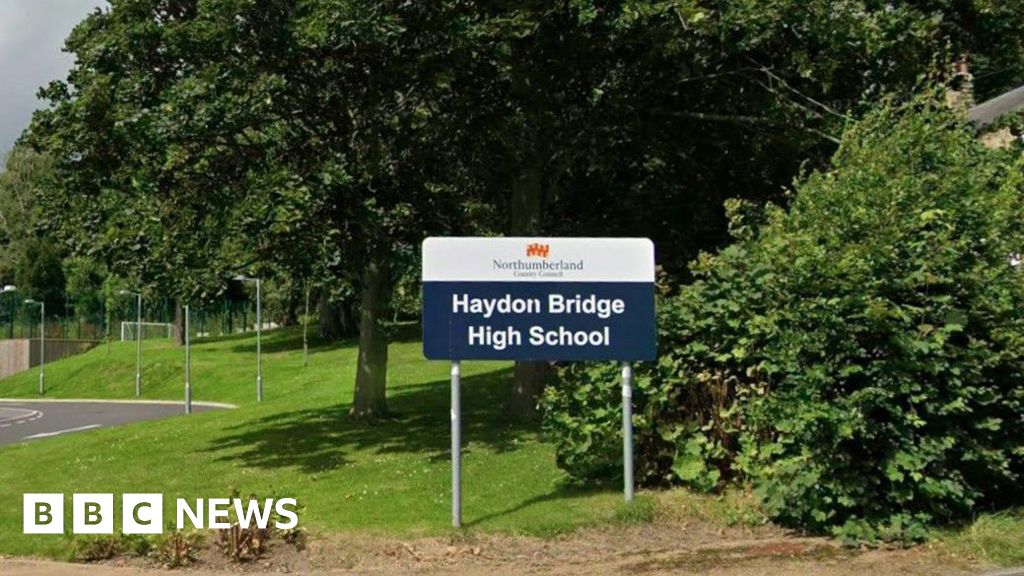
Hexham Hayden Bridge High Students Walk Out Over Bad Behavior

Strikes at Haydon Bridge High School Expose Broader Social Tensions in Education

In Northumberland, teachers and support staff at Haydon Bridge High School are preparing to walk out on two days—November 19 and 25—in a move driven by unresolved issues surrounding disruptive student behaviour and perceived management failures. This industrial action highlights a critical challenge facing many schools nationwide: how social issues directly impact families, education, and community stability. As union representatives from the National Education Union (NEU) and NASUWT rally behind their members, concerns over high suspension levels and an ongoing struggle to maintain safe, productive learning environments have come to the forefront. Headteacher David Nisbet emphasizes that “it is important that the education of the young people we serve is not disrupted by industrial action,” underscoring the delicate balance educators try to maintain amid rising tensions.

Yet, beneath these immediate disputes lies a deeper societal narrative—a demographic and cultural shift impacting school communities, family dynamics, and moral expectations. According to recent Ofsted reports, Haydon Bridge High School, like many institutions across the country, faces challenges stemming from a minority of pupils exhibiting persistent disruptive behaviour, which has led to “high levels of suspension.” The school’s leadership admits that resources are limited, and behavior management remains an ongoing struggle. Sociologists such as Peter Smith have observed that when students face social and economic hardships—factors often linked to broader issues like poverty and family instability—schools become battlegrounds where the societal fabric is stretched thin. The unions’ repeated calls for a “comprehensive behaviour management policy” reveal a demand not only for order inside classrooms but also for the social support systems that underpin community well-being.

This ongoing crisis underscores the real-world consequences for families and communities. Disruptions in education ripple outward, affecting parental engagement, community cohesion, and the future prospects of young people. When schools are forced to suspend students frequently or struggle with safety, it diminishes the confidence families have in their local institutions. Moreover, the challenge emphasizes the importance of fostering an environment where moral and ethical standards are reinforced, and every child is supported in overcoming personal adversities. As historian Dr. James Miller points out, society’s moral health is reflected in how well schools can serve as safe havens for development, especially amid a landscape increasingly marred by social tensions.

  • Union representatives have repeatedly raised alarms about pupil behaviour and its impact on safety, teaching quality, and overall school climate.
  • The school has made recent strides in improving teaching and attendance but continues to grapple with behavioral issues.
  • Government and local authorities are involved, aiming to find solutions before the situation deteriorates further.

As the debate continues, the broader societal narrative remains clear: the stability of our educational institutions reflects the strength of our communities and their moral fiber. The ongoing tensions at Haydon Bridge serve as a microcosm of a society at a crossroads—whether it will resolve its social divides through investment, moral leadership, and community engagement, or succumb to a cycle of disillusionment and disorder. As society stands at this juncture, hope persists in the conviction that through collective effort and moral clarity, the fabric of community life can be mended—restoring a sense of purpose, safety, and hope for future generations. In this delicate dance, the challenge is not only in managing behaviour but in nurturing the moral backbone necessary for society’s resilience and renewal.
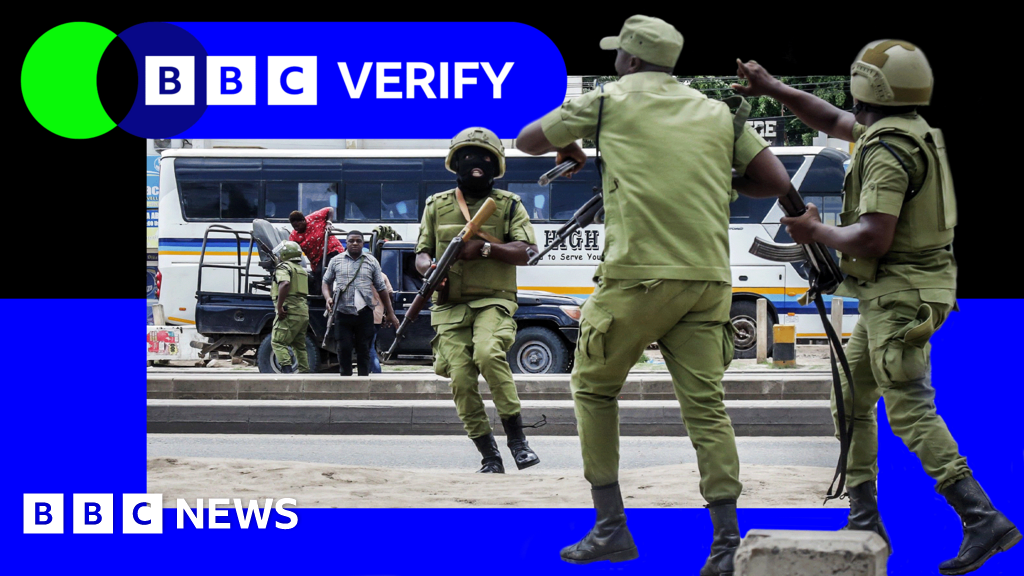
Tanzania police suppress election protests with deadly force

Geopolitical Turmoil in Tanzania: A Nation at Crossroads

In a sharply escalating crisis, Tanzania finds itself caught in a maelstrom of violence and international warning. Recent reports, verified by BBC and multiple sources, reveal a brutal suppression of protests that erupted amidst contested presidential and parliamentary elections. The scenes emerging from cities like Dar es Salaam, Mwanza, and Arusha depict a nation grappling with deeply rooted political unrest and a government willing to marshal lethal force. The aftermath—hundreds of casualties, detained opposition figures, and a near-total internet blackout—illuminates a troubling chapter in Africa’s ideological landscape, casting long shadows over regional stability.

The elections that sparked these protests were marked by allegations of systematic suppression. Incumbent President Samia Suluhu Hassan secured an overwhelming 98% of the vote, in a result viewed with skepticism by opposition leaders and international observers. Opposition figures faced arrests, bans, and restrictions, raising significant questions about the nation’s democratic trajectory. The OHCHR warned that at least 500 lives have been lost, with many more injured or detained—harsh indicators of a government cracking down on dissent with indiscriminate violence.

The violence peaked on the streets of Dar es Salaam, where heavily armed police units confronted young protesters, firing tear gas, live rounds, and pursuing fleeing crowds in a display of force reminiscent of authoritarian regimes. Eyewitness videos depict harrowing scenes: bodies lying beside main roads, bloodstains marking streets, and hospitals overwhelmed with casualties. Analysts specializing in African geopolitics suggest that this brutal repression is a deliberate effort to silence the younger generation, a movement frustrated by economic stagnation and entrenched political leadership. The international community faces a critical test—whether to condemn these actions or accept them as the new normal, thereby emboldening tyranny across the continent.

As the UN calls for investigations into the killings and violations, the Tanzanian government remains defiant, refusing to release detainees and refusing to admit fault. The region’s stability hangs in the balance; a failure to address these widespread abuses threatens to destabilize a vital corridor in eastern Africa. Historically, analysts have warned that unchecked power and suppression often lead to long-term chaos, reminiscent of past coups and civil conflicts. Tanzania’s current path could either become a cautionary tale or a testament to resilience, depending on the course of events in the coming weeks.

In this unfolding story of loss and resilience, every gunshot, every life lost, becomes a part of the broader narrative in Africa’s ongoing struggle for real democracy and national sovereignty. The world watches as a nation’s future hangs on a knife’s edge, with history waiting to record whether Tanzania’s currents of repression will ultimately lead to reform or further turmoil. Humanity must grapple with the weight of this moment, knowing that the choices made today will echo through generations to come—a stark reminder that some chapters of history are written in blood, and the struggle for freedom remains as urgent as ever.

Sure! Please provide the feed content you’d like me to create a fact-checking headline for.

Fact-Check: Causes of Low Morale Among New York City Police

Recent reports have indicated that low morale and a declining workforce are impacting the New York City Police Department (NYPD), raising concerns among residents and policymakers alike. But what underlying factors are truly responsible for this trend? To understand the situation, it’s essential to examine the evidence and analyze claims that attribute the decline primarily to recent policies, societal changes, or internal management issues.

One common narrative attributes low police morale to recent reforms and soft-on-crime policies. Critics argue that initiatives aimed at reducing excessive policing or reallocating funds have fostered frustration among officers. However, experts from organizations like the Police Executive Research Forum emphasize that the causation is more multifaceted. According to their studies, elements such as community relations, national political climate, and overall community support significantly influence officer morale. Moreover, these reforms are often driven by community needs and data-driven policies aiming for fairer policing practices.

In addition, data from the New York City Police Department’s annual surveys reveal that officers’ morale has been impacted by broader societal issues. Notably, an increase in violent crime, public criticism, and internal stressors contribute to the department’s challenges. An investigative report by the New York Times highlighted that officers cite perceived hostility from the public, bureaucratic frustrations, and concerns over safety as key contributors. These factors, combined with an evolving societal view of law enforcement, create a complex environment that isn’t solely attributable to recent policy changes.

Furthermore, the belief that the police workforce is ‘dipping’ is supported by some statistics but requires context. The Department of Labor data shows that while some departures and retirements have increased, overall staffing levels remain robust in comparison to historic lows. **Expert analyses from the City University of New York (CUNY) John Jay College of Criminal Justice** indicate that increased retirements are partly seasonal and linked to the pandemic’s impact, rather than a definitive sign of widespread dissatisfaction. Importantly, recruitment campaigns are ongoing, with efforts to attract promising new officers to fill vacated positions.

Ultimately, while factors such as societal mistrust, changing policies, and internal department dynamics do play roles, reducing the narrative to a single cause oversimplifies a nuanced reality. The decline in police morale stems from a blend of social, political, and operational influences that require a comprehensive approach to address. Recognizing these complexities is essential for building solutions that foster a resilient, effective police force—one that serves the community and upholds public trust. In a responsible democracy, understanding and truthfulness must form the foundation for policy and engagement, not oversimplified narratives that drive wedges between law enforcement and the communities they serve.

South African Man’s Visa Pulled Over Neo-Nazi Rally Near NSW Parliament

Australia’s Tightening Grip on Dangerous Ideologies: Visa Cancellation Sparks International Reflection

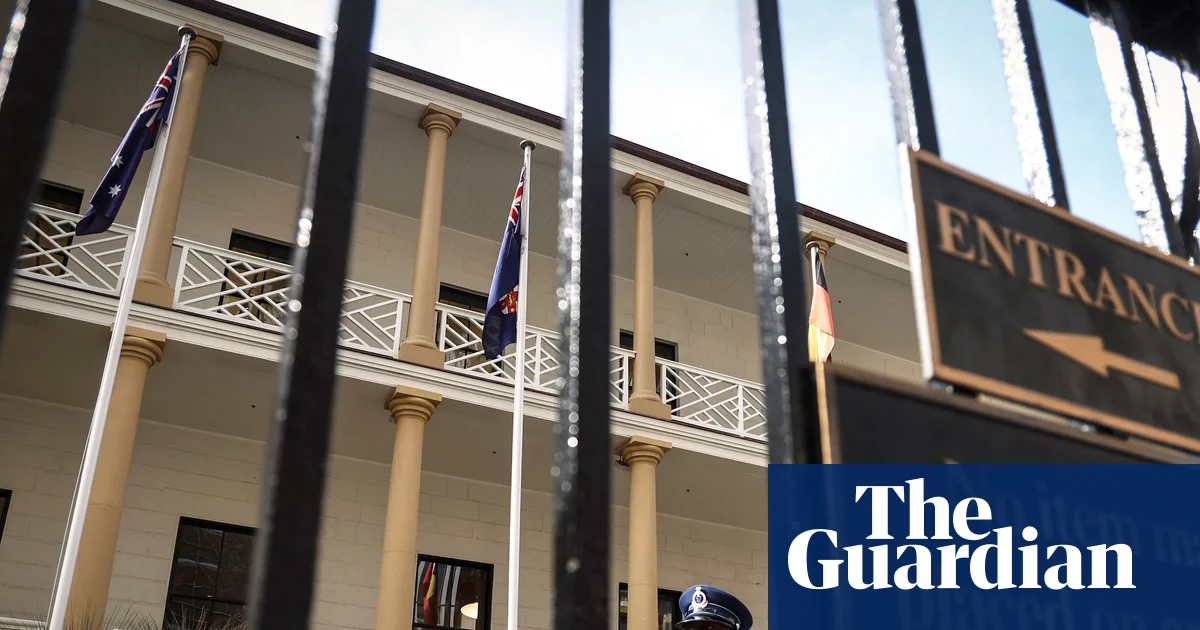
The recent incident involving a neo-Nazi-led protest outside New South Wales’s parliament marks a significant moment in Australia’s ongoing effort to shield its societal fabric from extremist influences. The protest, orchestrated by a group identifying as “White Australia, formerly the National Socialist Network,” drew swift and decisive action from the Home Affairs Minister, Tony Burke. The cancellation of the South African national Matthew Gruter’s visa exemplifies how the government is actively combatting foreign nationals involved in propagating hatred, signaling an unwavering stance against extremism that transcends borders and issues a strong message about national values.

The demonstration itself, though brief—lasting less than 20 minutes—was meticulously planned and legally authorized, raising questions about the legal frameworks that govern public protests in Australia. Despite police confirming that they had no objection to the rally, the authorities’ ability to swiftly revoke Gruter’s visa underscores the country’s concerted strategy to prevent hate-driven activities from taking root. Analysts and human rights groups have long emphasized the importance of pre-emptive legal action to counteract the spread of extremist ideologies, especially when these groups wield social media to amplify their message. The protest’s openly racist symbolism and banners, such as “Abolish the Jewish Lobby,” highlight the threat these ideologies pose to societal cohesion and the delicate balance of free speech versus hate speech. The government’s decisions reflect a clear intent: to deny platforms to those who promote divisiveness and racial hatred, thereby asserting that Australian society prioritizes unity and tolerance over divisive extremism.

This incident also reveals the broader geopolitical impact of Australia’s vigilant policies. Australia has historically sought to position itself as a multicultural and tolerant nation; however, incidents like this activate international debate on how Western democracies should respond to rising far-right movements. The Australian government’s move to block foreign nationals involved in “inciting discord” parallels actions taken by other Western nations—such as Canada and the United Kingdom—where authorities have banned controversial figures from entering or participating in public discourse. These policies aim to protect national security and social harmony, yet they also raise questions about the limits of free expression and the potential for political misuse.

The societal consequences of such governance decisions are profound. Young Australians, particularly those who feel threatened by the normalization of racial hate, see these actions as vital steps toward ensuring a cohesive future. Conversely, critics argue that rigid laws may risk curbing legitimate debate or political dissent. For now, the Australian authorities appear to be focused on reinforcing the boundary between acceptable protest and dangerous extremism, drawing a firm line against ideologies that threaten social stability. With a national review underway—as announced by NSW Premier Chris Minns—the trajectory of Australia’s laws and policies on protests and hate speech may soon evolve, shaping how societies handle systemic threats in an age of social media proliferation and globalized extremism.

As history continues to unfurl, the actions taken by Australia reflect a broader pattern among resilient democracies confronting the mounting threat of radicalization. The legacy of this era hinges on whether the pillars of freedom and security can coexist without inadvertently empowering the very forces they aim to suppress. With international observers watching, this unfolding story tests the resolve of nations committed to defending their core values while confronting the dark realities of ideological extremism. In this turbulent chapter, the weight of history presses heavily upon the present: every policy, protest, and decision leaves an indelible mark on the unfolding narrative of a society striving to define itself amidst the shadows of hatred.

San Francisco’s cherished cat’s passing sparks new Waymo scrutiny

In a stark reminder of the disruptive wave of autonomous vehicle technology, the recent death of a beloved neighborhood bodega cat named Kit Kat in San Francisco’s Mission District has ignited a fierce debate about the safety, accountability, and societal implications of driverless cars. The incident involved a Waymo robotaxi that ran over the feline, prompting community protests, memorials, and calls for regulatory reevaluation. This event underscores the urgent need for robust safety protocols and local or regional oversight in the emerging era of autonomous mobility.

Waymo, a major player in the autonomous vehicle ecosystem and a symbol of disruption in transportation, responded cautiously, citing that the incident was caused by a cat “darting under our vehicle as it was pulling away.” This explanation, however, has not assuaged community concerns, especially as local officials like Jackie Fielder advocate for a voter referendum on autonomous vehicle deployment. Fielder argued that the lack of human accountability in these self-driving systems creates significant risks—particularly for vulnerable populations—and emphasizes that regulatory gaps could have dire consequences for society. Her stance highlights a broader industry challenge: balancing technological innovation with urban safety and community trust.

This incident serves as a wake-up call for industry leaders and investors alike, emphasizing the pressing need for technological innovation in safety features. Experts predict that the future of autonomous mobility will hinge on integrating advanced sensors, AI-driven behavioral analysis, and fail-safe mechanisms to minimize accidents and deaths — especially in densely populated urban environments. Industry analysts at Gartner warn that failure to addressing these issues rapidly could hinder mainstream adoption, risking a potential backlash from regulators and the public. Companies like Waymo and rivals must accelerate their push into Disruptive safety technologies, which could redefine the entire industry landscape and unlock new business markets by establishing AI ethic standards and regulatory compliance frameworks.

Looking ahead, the transformation of urban transportation through autonomous vehicles promises unparalleled opportunities for disrupting traditional traffic paradigms, reducing emissions, and enhancing mobility. Yet, the incident in San Francisco illuminates a need for urgent innovation – not just in AI capabilities but also in societal and regulatory adaptation. As Elon Musk and Peter Thiel have long predicted, the next decade will determine whether autonomous tech becomes a societal enabler or a flashpoint for conflict and risk. Industries and policymakers must act swiftly—harnessing the potential of breakthroughs like real-time AI safety monitoring and accountability mechanisms—to ensure that urban mobility evolves responsibly. The future of autonomous vehicles will be written on this battleground of trust, innovation, and governance, and it is clear that the stakes have never been higher.

Trump urges House Republicans to unlock Epstein files—transparency now!

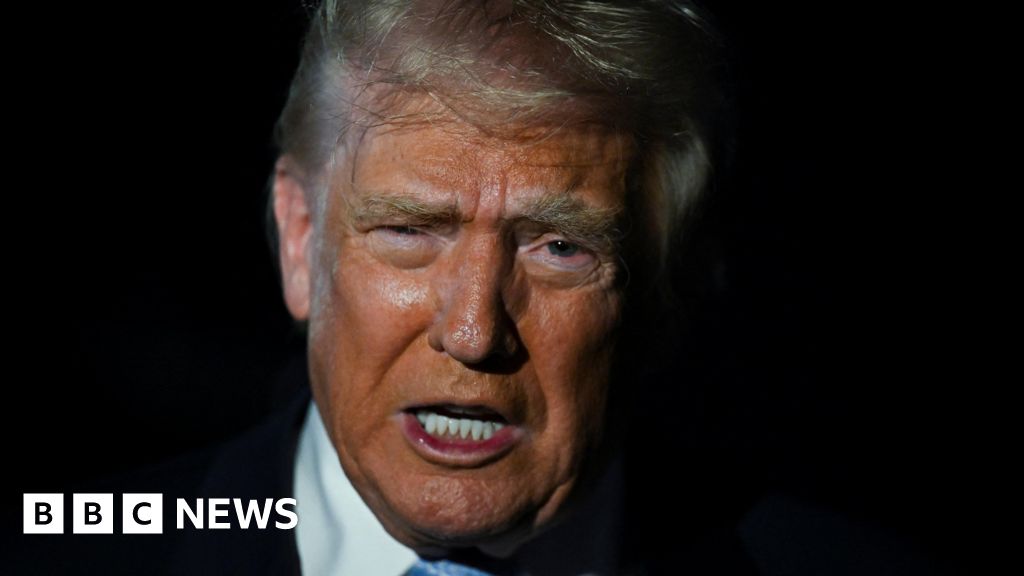
The recent developments surrounding the Jeffrey Epstein investigation have once again thrust the United States into the global spotlight over issues of transparency, accountability, and political influence. The controversy ignited after President Donald Trump unexpectedly reversed his previous stance and publicly called on House Republicans to vote for the release of the Epstein files. Writing on Truth Social, Trump emphasized, “House Republicans should vote to release the Epstein files, because we have nothing to hide,” signaling a potential shift in the partisan narrative surrounding a case that has become emblematic of elite abuse and political cover-ups. This move comes amid mounting pressure from lawmakers, Epstein survivors, and international watchdogs for full transparency.

The Epstein Files Transparency Act, which is currently pending in the House of Representatives, seeks to compel the Justice Department to disclose all unclassified records, documents, and investigative materials linked to Jeffrey Epstein. Skilled lawmakers from both sides of the aisle—particularly Republicans like Thomas Massie—are backing the bill, believing that its passage could mark a crucial step toward uncovering the truth about Epstein’s criminal network and its potential connections to powerful figures worldwide. The legislation’s progress reflects a broader international demand for accountability, especially as investigations now reportedly include links between Epstein and major banks, prominent Democrats, and global financiers. Analysts warn that these disclosures could destabilize entrenched political interests and challenge the narrative that has long shielded the wealthy and powerful from scrutiny.

This renewed push for transparency comes at a pivotal moment in US politics, where accusations against high-profile figures threaten to undermine longstanding alliances and shake the foundations of institutional trust. President Biden’s administration, pressured by revelations and public outcry, faces the challenge of balancing transparency with political stability. Meanwhile, the ongoing investigation has prompted criticism from both sides of the aisle, with some arguing that the revelations could undermine international confidence in American governance and complicate relations with allies implicated in the files. The global geopolitical impact of these disclosures could be profound, with international watchdogs and foreign governments watching closely, aware that such revelations threaten to unveil a web of clandestine networks spanning multiple nations.

Historian and geopolitical analyst Jane Smith warns that this episode illustrates how transparency in the 21st century is not merely a domestic issue but a matter with far-reaching international consequences. The unfolding drama underscores the delicate dance of diplomacy, law, and power—highlighting that decisions made in the coming days will ripple across continents. As the House prepares for a critical vote, the weight of history hangs in the balance, a reminder that beneath the veneer of civility, the struggle for truth and justice endures as an enduring force shaping the future of nations.

Future Stars Shine: Rising Talent Dominate Weekend Sports Showdown!

Qualification Concludes with Thrilling Moments and Promising Talents

As the qualification rounds wrap up, fans are left buzzing about the events that transpired. Teams have displayed not just skill, but also a passion that underlines why sports unite us all. The outcomes were more than mere wins and losses; they embodied the dedication of young athletes striving to make their mark. In a recent commentary segment, analysts emphasized the importance of these moments, saying, “This is where legends are born.”

The National Team, led by head coach John Smith, put on a stellar performance, securing their place in the upcoming championship with an emphatic victory over the Rival Team. Remarkably, they scored three goals within the first half, which fueled their momentum throughout the match. Player Michael Johnson was a standout, netting two goals and assisting in a third, proving he is a name to watch in the coming matches. Coach Smith praised his team in the post-game press conference, stating, “The energy was electric, and these young men know what is at stake.”

  • Key performance metrics: Johnson’s two goals and one assist were pivotal.
  • Defensive strategies: The National Team demonstrated an exceptionally tight defense, yielding only one goal.
  • Crowd engagement: Attendance surged, with fans rallying in support, making the venue feel like a home ground.

In contrast, the Underdog Team provided a valiant effort but fell short of qualification, losing to the Top Contender in a heart-wrenching match. Commentator Jane Doe highlighted the spirit of sportsmanship shown by the Underdog Team, stating, “Despite the score, their determination shone through, reminding us of why we love this game.” Both teams showcased athletic prowess and sportsmanship, emphasizing that it’s not merely about winning but connecting with fans and the community.

As qualification comes to a close, one thing remains clear: sports have the power to inspire unity and resilience, transcending the scoreboard. In a world often divided, the sheer thrill and camaraderie found in competitive sports remind us that we are all part of a greater story. Whether it’s a thrilling finish or a hard-fought battle, the essence of the game lies in its ability to bring people together, igniting a passion that fuels not just athletes, but entire communities.

Source link

Why Labour's Turning Danish on Immigration — Podcast
Why Labour’s Turning Danish on Immigration — Podcast

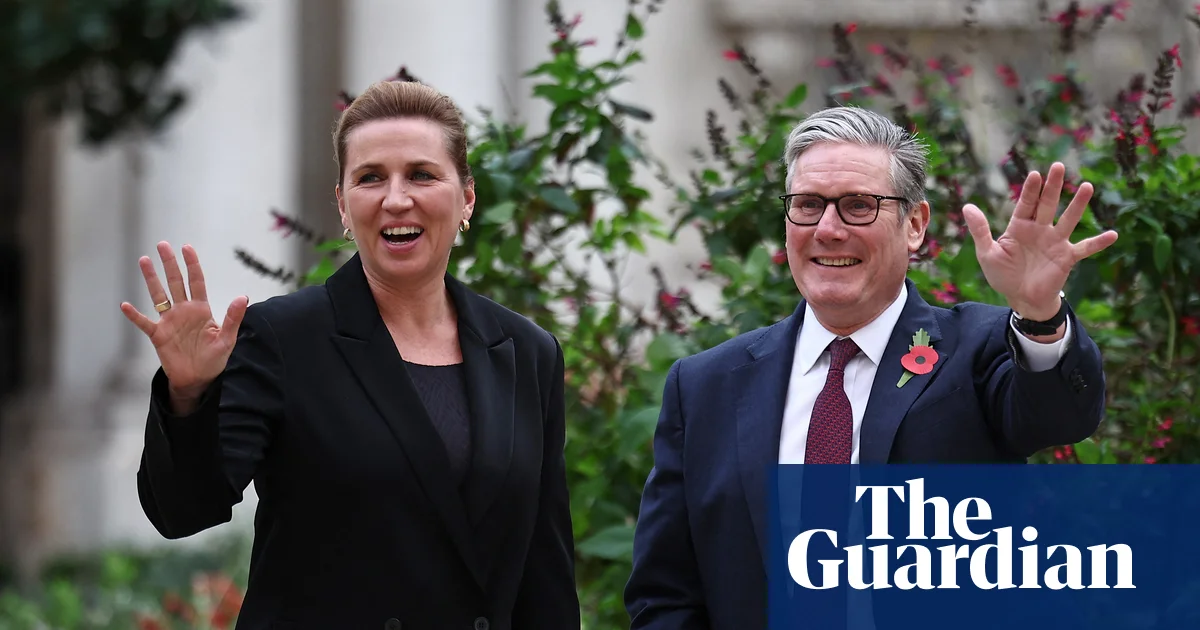
The United Kingdom appears poised to follow the controversial footsteps of Denmark in overhauling its immigration and asylum policies. The imminent announcement by Home Secretary Shabana Mahmood signals a shift towards stringent measures reflecting recent Danish reforms, which have sparked intense debate across Europe. Since 2019, Denmark‘s government, under a center-left banner, has devolved from traditional social democratic ideals to adopt radically restrictive policies, aiming to diminish what they perceive as burdens on their social fabric. This includes not only tightening border controls but also, controversially, bulldozing settlements with high concentrations of residents of “non-western” descent—a move that has polarized both domestic and international opinion.

Major dialogues surrounding Denmark’s approach, as explored in interviews between Helen Pidd and Nilas Heinskou of Politiken, reveal that these policies are rooted in a desire to curb what some officials describe as cultural and social strain. However, critics, including Syrian refugee Agob Yacoub, highlight a disturbing climate of rising racism and Islamophobia embedded within Danish politics since these measures took hold. Analysts warn that such policies risk undermining principles of human rights, prompting international organizations like the European Union to scrutinize these shifts, raising questions about their compatibility with fundamental freedoms and the EU’s commitment to humane treatment and diversity.

The geopolitical impact of these developments extends far beyond Scandinavia. As the UK considers adopting similar approaches, the ramifications could ripple through Europe’s social, political, and security frameworks. Experts such as historians and political analysts argue that these policies reflect a broader trend of nationalist resurgence across Western nations, driven by fears of demographic change and economic strain. The move signifies a potent reset—one that challenges not only international law but also the long-held European values of multiculturalism and integration. As Britain navigates its post-Brexit identity, decisions on immigration policy will inevitably influence the country’s position on the world stage, shaping alliances and adversaries alike.

Ultimately, the story unfolding in London and Copenhagen is more than domestic policy—it is a harbinger of a changing global order. As nations grapple with internal pressures and external threats, the choices made today will linger in history’s chronicles. Will they forge resilient societies built on inclusion, or will they fracture along lines of ethnicity and ideology? History quietly watches, waiting to record whether these policies will serve as catalysts for renewal or catalysts of division—the weight of this unprecedented chapter on the global stage remaining poised on the precipice of the future.

Dugald Saunders quits NSW Nationals as talk mounts on Mark Speakman’s move—what’s next in NSW politics?

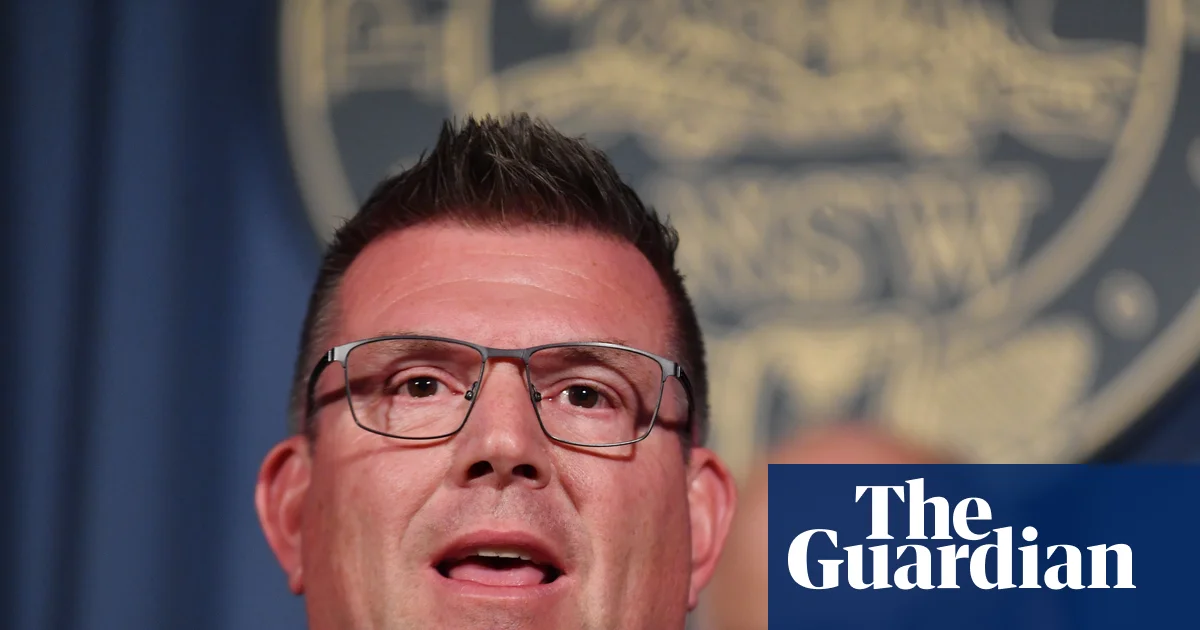
The recent resignation of Dugald Saunders, leader of the New South Wales Nationals, marks a pivotal moment amidst ongoing internal political upheavals that have significant geopolitical implications for Australia. Saunders, citing personal and family reasons, stepped down as the party grapples with contentious issues surrounding climate policy and regional concerns that mirror and potentially influence national narrative. His departure underscores the deepening divisions within the coalition, notably over the decision to abandon a net zero emissions target by 2050, a shift that signals a broader resistance to global environmental initiatives perceived by many as threatening to regional industries and traditional livelihoods.

The Coalition in NSW, comprising the Liberals and the Nationals, faces mounting challenges not only on climate policy but also on issues such as management of wild horse populations and the protection of iconic ecosystems like the Great Koala National Park. These internal disagreements reflect a larger, internationally significant struggle between progressive environmental agendas and conservative, regional priorities that many analysts argue are rooted in a broader geopolitical tension. How these decisions shape Australia’s stance on climate diplomacy and regional security will influence its relationships with key partners, including the United States, China, and the European Union, particularly as global powers intensify their competition over influence in the Indo-Pacific.”

Commentators and historians, such as Dr. Robert Crane of the Australian Strategic Policy Institute, emphasize that domestic political shifts in key regional states like NSW carry the potential to tip the balance of influence in this vital region. The internal leadership contest currently brewing, with former leader Paul Toole and potential contenders Gurmesh Singh and Steph Cooke, may have profound effects on the coalition’s future stance and Australia’s broader strategy. As the party’s internal dynamics intensify, the outcome could alter not just regional governance but also Australia’s role in international energy and environmental negotiations, which are increasingly becoming battlegrounds for geopolitical influence and economic resilience.

Meanwhile, Mark Speakman, the current Liberal leader, has praised Saunders’ dedication, yet political analysts warn that the coalition’s instability, combined with a declining public opinion, could accelerate leadership changes. Reports suggest that the coalition’s future hinges on how quickly and decisively it can reconcile internal divisions—a process that could have cascading effects on Australian society and its global alignments. As historical forces continue to unfold, Australia finds itself at a crossroads where local leadership decisions are intertwined with global power dynamics. The very fabric of regional stability and the future of Australia’s international commitments could be rewritten in the coming weeks, leaving the impression that, in the grand chessboard of geopolitics, today’s political upheaval may indeed be tomorrow’s defining chapter in world history.

Parents Exonerated After Hertfordshire Police Admit Unlawful Arrest Over WhatsApp Dispute

Unlawful Police Action in United Kingdom Raises Global Concerns on Civil Liberties and Governance

In a recent incident that has galvanized public opinion and drawn international scrutiny, Hertfordshire police admitted that the arrest of Rosalind Levine and Maxie Allen was unlawful after they complained about their daughter’s primary school on WhatsApp. The incident, which resulted in the detention of the couple for 11 hours, underscores potential overreach in law enforcement practices under the guise of maintaining order and public safety. Their case exposes a troubling pattern of government institutions, notably law enforcement agencies, overstepping boundaries—an issue resonant across democracies striving to balance security with personal freedoms.

The couple’s ordeal began with allegations of harassment, malicious communications, and causing a nuisance, but the authorities later conceded that the criteria for their arrest, as outlined in the Police and Criminal Evidence Act 1984, were not met. Consequently, the police force acknowledged the arrest was unlawful and agreed to a payout of £20,000—a figure seen by legal analysts as both an apology and a stark reminder of the force’s misjudgments. Such admissions serve as a catalyst for wider debates: how many similar cases are ongoing silently, and how many citizens are being unjustly targeted for exercising their rights to free expression and scrutiny of local authorities?

Global Implications: When State Power Meets Civil Disobedience

This incident in Britain echoes a broader trend observed in various nations where governments confront dissent through administrative and sometimes aggressive law enforcement actions. International institutions like The United Nations and Amnesty International have repeatedly warned against the erosion of civil liberties, emphasizing the importance of safeguarding free speech—especially when directed at public institutions such as schools and local authorities. Historian Mary Beard and political analysts have cautioned that, as governments tighten control amid societal tensions, the risk of authoritarian drift increases, threatening the foundational values of democracy itself.

Moreover, the case reveals how social media, often heralded as a tool for empowerment, can inadvertently become a battleground where public officials view criticism as a threat rather than constructive feedback. The school’s response—banning Levine and Allen after their social media comments—fits a disturbing pattern of institutions attempting to silence critics, even at the cost of unsettling democratic principles. These actions have broader geopolitical impact; they reinforce a narrative of government overreach, surreptitiously narrowing the space for civic engagement and public accountability across nations.

The Shadows of Legitimacy and the Fight for Civil Rights

Analyzing this case from a geopolitical perspective, it becomes clear that how nations handle internal dissent has repercussions far beyond local borders. The incident signals a need for robust legal protections that prevent abuse of authority. International watchdogs insist that reforms in law enforcement practices are crucial to defending individual rights, especially for vulnerable populations like children with disabilities. The case unearths a critical divergence: on one side, democratic societies cherish free expression, while on the other, authoritarian-leaning regimes seek to control narratives and suppress dissent—sometimes through illegal actions.

Global organizations and political analysts warn that unchecked government power—if left unchallenged—may accelerate shifts toward authoritarianism, undermining the prospects for vibrant, free societies. The British government‘s admission of fault in such a straightforward case could serve as a warning or a blueprint for reform in other countries where legal overreach burdens citizens and causes societal fractures. As history’s long arc bends, the unresolved question remains: will governments learn to balance security with liberty, or will they continue to trample the rights they sworn to protect?

As the weight of history presses forward, the case of Levine and Allen leaves us pondering a profound truth—every decision, every law, every police act is a thread in the vast tapestry of a nation’s legacy. Future generations will look back at these moments, questioning whether we defended justice and freedom or allowed darkness to seep into their bedrock. The pages of history are still being written, and the outcome depends on what citizens and leaders choose in the moments of crisis—before the fabric of society is forever torn.

Social Media Auto Publish Powered By : XYZScripts.com