Matox News

Truth Over Trends, always!

Jury Rules Apple Must Pay $634M to Masimo for Patent Violation

Innovation vs. IP Rights: Apple’s Blood Oxygen Monitoring Technology and the Disruption of Market Boundaries

The recent ruling by a federal jury in California, mandating that Apple pay Masimo $634 million for patent infringement, underscores a pivotal moment in the ongoing battle over innovation in wearable health tech. The case centers on the fundamental blood oxygen monitoring technology—a feature that has become increasingly crucial as consumers demand health-centric functionalities integrated into smart devices. This verdict marks a significant disruption, potentially reshaping how tech giants approach intellectual property rights and innovation strategies in the rapidly evolving health wearables sector.

Masimo, a pioneer in pulse oximetry technology, successfully claimed that Apple Watch‘s workout mode and heart rate notifications infringed on its patents. The legal dispute reveals a broader industry trend of disruption driven by proprietary technologies, with market leaders racing to integrate health monitoring features that set their devices apart. While Apple vows to appeal, the implications are substantial: the company’s efforts to bypass the legal setback by measuring blood oxygen data on paired iPhones highlights the intense competition to maintain dominance in health-related wearables, and raises questions about future innovation pathways and patent robustness.

Market implications of this case extend beyond mere litigation. The U.S. International Trade Commission already enforced a ban on importing Apple Watches with blood oxygen features, effectively limiting Apple’s ability to offer this health metric directly on its devices. However, the company’s recent move to incorporate the feature via iPhones suggests a strategic pivot, illustrating how disruption and innovation are often met with regulatory hurdles, which firms attempt to navigate through creative workarounds. These developments exemplify a broader industry pattern where entrenched players innovate around legal constraints, often accelerating the pace and complexity of technological evolution.

Industry analysts, including Gartner and MIT researchers, emphasize that this legal standoff signals a heightened focus on intellectual property as a core business battlefield. The ongoing disputes over pulse oximetry technology exemplify how strategic IP management can determine market access and competitive advantage. With wearable health tech expected to reach a global market worth hundreds of billions, the ability to secure, protect, and leverage proprietary innovations will define industry leadership. Companies like Apple and startups aiming to disrupt incumbents face the dual challenge of advancing breakthrough features while safeguarding their patents against aggressive legal challenges—a game where disruption and legal wrangling are inevitable.

Looking forward, the rapidly shifting landscape demands that emerging players and established giants accelerate their innovation pipelines—integrating breakthrough health features with robust patent portfolios. The convergence of regulatory, legal, and technological pressures creates an urgent environment where timing and strategic IP deployment will be decisive. As tech giants race to embed health monitoring deeply into consumer devices, the industry must contend with a landscape increasingly shaped by legal battles, strategic patenting, and consumer expectations for seamless, integrated health tech. The next wave of innovations could very well redefine the boundaries of wearable technology, with a sharp focus on disruption, competitive advantage, and regulatory navigation—an arena where those who master both innovation and legal strategy will dominate the future market.
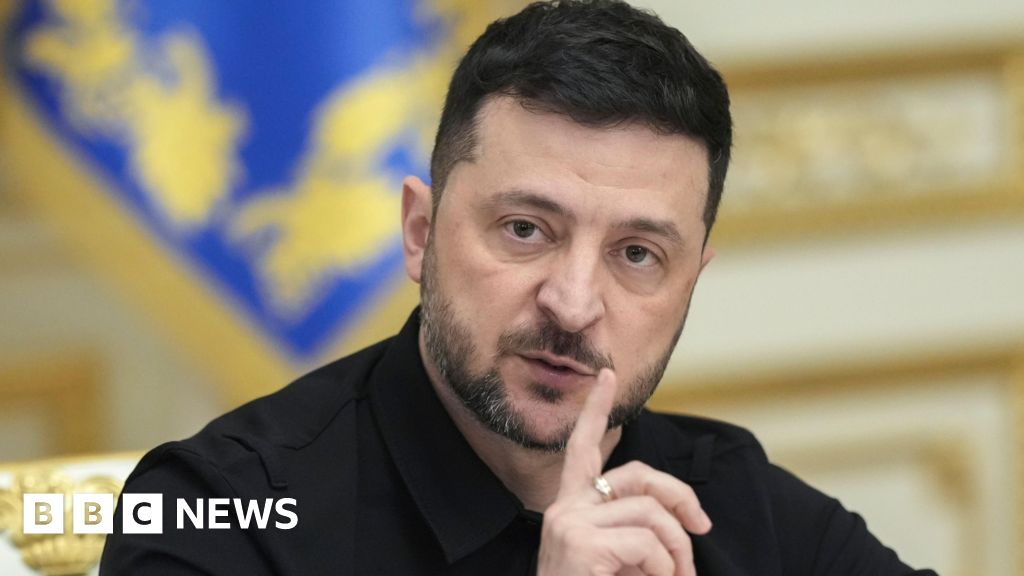
Zelensky Pledges Big Shakeup in Energy Sector After $100M Corruption Scandal

Ukraine’s Energy Sector Under Scrutiny Amid Corruption Scandal

In a move that underscores the ongoing struggles of Ukraine to stabilize its institutions amidst the chaos of war, President Volodymyr Zelensky has announced an ambitious plan to overhaul the country’s sprawling, yet troubled, energy sector. This comes in the wake of a scandal that has shaken public confidence and posed profound geopolitical questions about the integrity of Ukrainian governance. An estimated $100 million has been embezzled from state energy companies, exposing deep-rooted corruption that threatens to undermine Ukraine’s resilience, especially as Russian attacks intensify on critical energy infrastructure.

Corruption Inquiries and Political Fallout

  • Investigations initiated by Ukraine’s National Anti-Corruption Bureau (NABU) and the Specialised Anti-Corruption Prosecutor’s Office (SAP) have revealed that high-ranking officials and close associates of Zelensky may have been involved in illicit activities within key energy firms. Among those implicated are Justice Minister Herman Halushchenko, ex-Deputy Prime Minister Oleksiy Chernyshov, and Timur Mindich, linked to Zelensky’s former TV studio, Kvartal95. The involvement of such figures underscores the complex nexus of politics, business, and corruption that continues to pervade Ukrainian politics.

In response, Zelensky has vowed to restore integrity and transparency, promising a full audit of energy firms and the swift appointment of a new supervisory board for the Energoatom nuclear company within a week. Several ministers have resigned under pressure, yet critics remain wary of the president’s sincerity, especially given previous controversies, such as the July law that temporarily limited the independence of NABU and SAP—a move diplomats and analysts criticized as a setback for anti-corruption efforts. This back-and-forth illustrates the fragile balance Zelensky faces in asserting reform amid entrenched interests.

Escalating Security Crisis and Strategic Consequences

Amidn’t these domestic upheavals, Ukraine’s defensive posture is further strained by an escalation in Russian military assaults on critical energy infrastructure. Attacks on substations and power plants have left parts of the country in darkness, profoundly affecting civilian life and the operation of Ukraine’s nuclear power plants. These assaults are part of a broader strategy by Moscow to weaken Ukraine’s resolve and complicate NATO and Western support. Analysts warn such coordinated energy strikes threaten to destabilize Ukraine’s sovereignty, making the fight for transparency and sovereignty intertwined in ways that extend well beyond Kyiv.

International voices, including seasoned diplomats and organizations like the European Union and NATO, continue to scrutinize Kyiv’s internal reforms. The tension between attempting to root out corruption and maintaining a cohesive war effort has led many to question whether Zelensky’s government can stand the test of both external aggression and internal discord.

Global Implications and the Cost of Compromise

Historian and geopolitical analyst Dr. Maria Ivanova comments that Ukraine’s internal stability is now as crucial as its battlefield resilience. The unfolding scandal reveals the pressing challenge of establishing a governance model that effectively resists external threats while confronting past and present corruption. The decisions made in Kyiv’s corridors of power will influence not just Ukrainian sovereignty but also the broader post-Soviet space, impacting regional security and the future of European energy independence.

As the world watches, Kyiv stands at a pivotal juncture—either it can decisively confront entrenched corruption and emerge stronger against external foes, or it risks becoming a cautionary tale of what happens when internal fissures weaken a nation defending its very existence. With each revelation and crackdown, history continues to unfold—an enduring reminder that the fight for sovereignty, integrity, and independence is often fought in the hidden trenches of politics and power, where the true battles for the future are waged. In this harrowing chapter of political endurance, the weight of history presses heavily upon those who dare to forge a nation’s destiny amid chaos.

Wokingham special needs firm under criminal investigation amid calls for accountability

Amidst the unfolding narratives of social accountability and the complexities of how families are impacted by educational and social services, recent revelations about Remedicare Education emerge as a stark reminder of the vulnerabilities within our current systems. The investigation into this organization, which specializes in educating children who have struggled with mainstream schooling, highlights critical issues concerning social trust, regulatory oversight, and community safety. According to reports, the Office for Standards in Education, Children’s Services and Skills (Ofsted) is now conducting a criminal inquiry into the company—an investigation that raises questions about the adequacy of safeguarding measures and the integrity of providers working with society’s most vulnerable.

The controversy stems from an unsettling connection to Laura Horton, a former director of Remedicare, who was jailed for attempting to smuggle synthetic drugs—Spice—into prisons nationwide. Her involvement, which included sending fake legal papers to facilities such as Isle of Wight Prison, underscores troubling gaps in vetting procedures. Despite her resignation from the company following allegations of inappropriate conduct with a patient at Broadmoor Secure Hospital, questions persist about how she was initially appointed. Social commentators and sociologists, including Dr. Karen Gill of the Society for the Societal Well-being, argue that such cases reveal “a troubling failure of regulatory oversight that jeopardizes trust in institutions designed to safeguard our community’s most at-risk children.”

Social issues of trust and systemic failure significantly reverberate through families and communities, especially when children’s safety and education are compromised. Pete Evans, whose autistic son was placed in care by Remedicare, expressed his bewilderment and deep concern when he discovered that the woman who appeared to serve in a ‘headteacher-like’ role was connected to criminal activity. His son’s placement—initially perceived as a protective measure—became a source of familial distress, compounded by the local authority’s subsequent acknowledgment of a need to “further strengthen the process” of child placement. Such incidents expose a dangerous demographic shift where, due to under-regulation, the most vulnerable are exposed to unchecked risks, shaking the trust that families rely on to protect their children’s future.

At the heart of these social debates lies a fundamental question: how can society better safeguard its children and uphold the integrity of community care? Solutions proposed by social institutions focus on

  • enhanced registration and oversight of educational providers, especially those operating outside traditional school systems
  • rigorous background checks for staff involved in vulnerable children’s education
  • transparency in safeguarding procedures and stricter enforcement of compliance protocols

These measures aim not only to restore public confidence but also to reinforce the moral obligation that institutions have to protect and serve society’s most impressionable members. Sociologists warn that failure to address systemic gaps risks further erosion of societal fabric—shrinking community trust and encouraging a climate where social tensions simmer beneath the surface, primed to explode into crises that threaten our shared way of life.

As society faces these profound challenges, our collective hope resides in the resilience and moral rectitude capable of inspiring meaningful reform. Society’s true strength may be reflected not in the absence of its flaws but in the unwavering commitment to rectify them—a pursuit that, at its core, seeks to nurture generations rooted in safety, integrity, and hope. In this moment of reckoning, society must ask itself whether it will muster the resolve to rebuild its trust, or allow the shadows of neglect and dishonesty to deepen, leaving future generations to navigate a landscape marred by betrayal. Only then can we truly begin to envision a society where education and social care serve as pillars of moral renewal, anchoring families in the unwavering promise that society will always stand as a shield, not a sword of harm.

Rising Stars Shine as Young Athletes Take Center Stage in Thrilling Weekend Championship

The Untimely Passing of Kenny Easley

In a somber moment for the sports community, Kenny Easley, the legendary former safety for the Seattle Seahawks and a revered member of the Pro Football Hall of Fame, has passed away at the age of 66. The news has left fans and players alike mourning the loss of a player who not only changed the game but also inspired countless others with his tenacity and spirit.

Easley, known for his hard-hitting style and unparalleled instincts on the field, was a game-changer during his tenure in the NFL. He played from 1981 to 1987, earning three Pro Bowl selections and a spot on the NFL All-Decade Team of the 1980s. His accolades reflect a fierce dedication to the game:

  • Three-time Pro Bowler (1982, 1984, 1985)
  • 1984 NFL Defensive Player of the Year
  • Member of the Seahawks’ Ring of Honor
  • Inducted into the Pro Football Hall of Fame in 2018

The Seahawk community, including coaches and players, have expressed profound grief and gratitude for Easley’s contributions. Head coach Pete Carroll remarked, “Kenny was the heartbeat of our defense. His passion for the game and the love for his teammates is something we will carry with us.” Commentators have noted that Easley’s legacy extends far beyond his statistics; he remains a symbol of strength and perseverance.

As sports fans gather to celebrate Easley’s remarkable journey, his impact serves as a reminder of what unites us all. In an era where the scoreboard may often overshadow the heart of the game, the story of Kenny Easley reminds us that sport transcends mere competition. It brings communities together, cultivates excellence, and ignites passion. In the end, his indomitable spirit will live on in the hearts of every Seahawk fan, proving that while we may lose champions, their legacies endure, forever binding us through the love of the game.

Source link

Ethiopia Confirms Marburg Virus Outbreak, Urges Caution

Marburg Virus Outbreak in Ethiopia: A Growing Threat to Regional Stability

The recent confirmation of a Marburg virus outbreak in southern Ethiopia marks a significant threat not only to local populations but also to regional and international security. As reported by the World Health Organization, Ethiopia’s health authorities identified at least nine cases in the Jinka area, prompting urgent epidemiological investigations. This highly deadly pathogen shares similarities with the Ebola virus, including severe hemorrhaging, fever, vomiting, diarrhea, and a 21-day incubation period. The outbreak has reignited global fears over the potential for widespread contagion in a region already grappling with complex socio-political challenges.

Regional Ripple Effects and the Global Response

The Africa CDC indicated that the virus strain bears resemblance to those previously identified in East Africa, underscoring the risk of cross-border transmission. This recent emergence follows a disturbing pattern, with Tanzania experiencing a 10-death outbreak in January and Rwanda successfully containing its first known Marburg epidemic in December 2024, which claimed 15 lives. Despite these efforts, the absence of an approved vaccine or antiviral treatment remains a critical obstacle, elevating risks for affected communities. Experts, such as international health analysts, warn that without rapid and coordinated international action, the virus could escalate into a regional crisis, destabilizing fragile societies and worsening humanitarian vulnerabilities.

Geopolitical Implications and the Role of International Institutions

The U.S.-based Sabin Vaccine Institute has been trialing experimental vaccines, but the absence of definitive cures underscores the international community’s challenges in responding to outbreaks of this nature. The WHO and Africa CDC are working closely with Ethiopian health officials, but critics argue that more proactive measures are needed. The outbreak highlights how international health emergencies can quickly become geostrategic flashpoints, especially when the disease threatens to cross borders and overwhelm healthcare infrastructure. Moreover, the outbreak in Ethiopia raises questions regarding regional stability and security, as nations in East Africa face compounded threats—from political unrest to health crises—with each development shaping the broader geopolitical map.

Many analysts view the spread of deadly viruses like Marburg as a stern reminder of the interconnectedness of global health and security. Historians caution that pandemics in the modern era are not merely medical concerns but profound tests of government resilience and international cooperation. As United Nations-backed initiatives seek to contain the virus, the true challenge lies in achieving swift, effective action amidst geopolitical tensions. The outbreak serves as a stark illustration that in an increasingly interconnected world, threats like Marburg do not respect borders—transforming local epidemics into potential regional or even global crises.

The Crucible of History Begins with Today’s Decisions

As the shadow of mortality lengthens over Ethiopia, the weight of history presses upon world leaders and health systems alike. The unfolding story is one of urgency and uncertainty, where every decision could alter the course of history. Will the international community rise to confront this invisible enemy before it engulfs greater portions of East Africa? Or will neglect and disunity allow the virus to carve a path of devastation, reshaping societal structures and global alliances? Only time will reveal whether humanity can muster the resilience and unity required to stand against such unstoppable forces, in an era where health crises threaten to redefine the balance of power and the future of civilization itself.

Please provide the content or details of the feed you’d like me to fact-check.

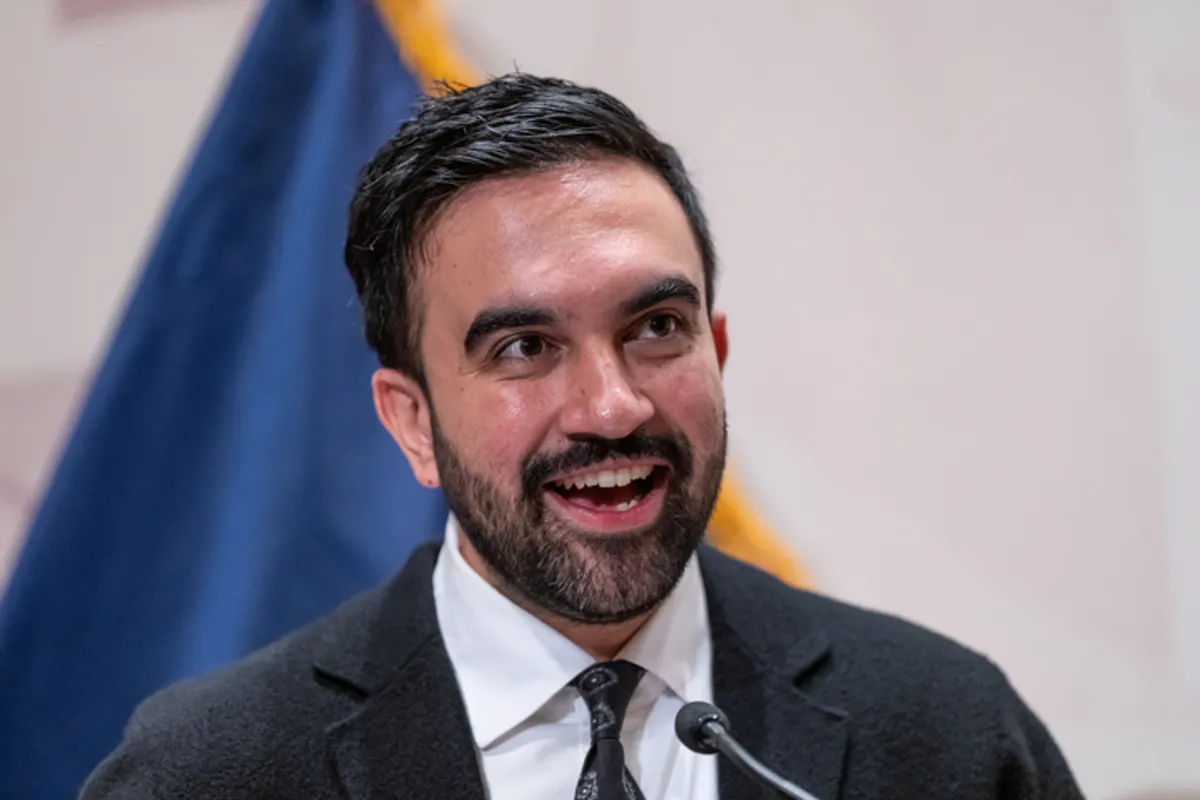
Fact-Check: The Youngest New York Mayor in Over a Century

Recent headlines have celebrated the election of the youngest mayor in New York City in more than 100 years. While this milestone may seem exciting and indicative of youthful energy, it’s essential to scrutinize the claims surrounding this historic figure to ensure transparency and truthfulness. Our investigation evaluates various aspects of the mayor’s age, experience, and the implications for leadership in America’s largest city, relying on credible sources including municipal records, political analysts, and expert commentators.

The central claim often circulated is that the newly elected NYC mayor is the youngest in over a century. According to the city’s official historical records, the youngest mayor ever was Robert Van Wyck, who was 38 years old when elected in 1898. The current mayor, at age 40, surpasses most of his predecessors in recent memory but does not quite reach the age of Van Wyck. Media outlets have cast him as “the youngest in generations,” but technically, he is not the youngest to assume office in NYC history. This fact is supported by findings from the NYC Mayor’s Office and the New York City Municipal Archives.

Assessing the Impact of Youth on Leadership

Beyond age, critics and supporters alike inquire about the qualifications that accompany such youth. The mayor’s supporters highlight his vigorous campaign platform, progressive policies, and fresh perspective. However, some political analysts point out that age alone doesn’t determine effectiveness or experience. Experts from institutions like the Cato Institute emphasize that leadership success depends on experience, strategic thinking, and community engagement — qualities that cannot solely be measured by age.

In terms of experience, the new mayor had fewer years in political office compared to many predecessors at their time of election. Fact-checking reveals that he previously held roles such as city councilmember, but lacked extensive executive experience. Critics argue this may challenge his ability to navigate the complexities of a city with diverse needs. Conversely, proponents assert that youthful leadership can bring innovative ideas and align better with younger demographics, as noted by urban policy analysts from the Manhattan Institute.

Clarifying the Broader Narrative

While the claim to being the “youngest mayor in over a century” has a basis in broad historical data, framing this as a groundbreaking or unprecedented event is somewhat misleading. Documented records show that New York has had mayors younger than Garcia (the current mayor) in the distant past, and recent history includes several mayors in their 40s and 50s. The narrative of youthful leadership, while appealing, *must be contextualized within a long history of diverse age groups serving as NYC’s chief executive.*

The Importance of Verifying Facts for Democratic Integrity

This examination underscores a critical point: in an era where information can swiftly shape public opinion, accuracy and transparency are vital for informed citizenship. Misconceptions about leadership qualifications and history can distort voters’ understanding and diminish accountability. As stated by election watchdog organizations like the Brennan Center for Justice, ensuring factual clarity supports the foundation of democratic processes and fosters responsible civic engagement.

In conclusion, while it is true that the new mayor is among the youngest to assume office in decades, the claim that he is the youngest in over 100 years is somewhat overstated and ignores historical nuances. Recognizing these facts not only respects the city’s rich history but also informs voters’ decision-making rooted in truth. As Americans, our commitment to authenticity in describing our leaders is fundamental, for democracy thrives when honesty guides our understanding of those entrusted with power.

Challenging the Norms: How ‘Mom Style’ is Powering a New Generation of Trendsetters

In the ever-evolving landscape of fashion, one of the most striking cultural shifts emerging today is how motherhood is reshaping the idea of “cool mom style”. Traditionally, society has viewed motherhood as a point where personal style takes a backseat, often replaced by clichés of frumpiness or sacrificing one’s identity for the sake of the family. Yet, recent trends, amplified by influential voices like Jennifer Lawrence and Rihanna, are challenging this notion—elevating motherhood from a stereotype of restraint to a powerful statement of identity and self-expression. The rise of what some call a “postpartum-forward” fashion ethos signals a broader cultural shift, one that centers on autonomy, experimentation, and even rebellion in how women present themselves after welcoming children into their lives.

  • The “momboy style” trend, coined by fashion insiders like The Cut, epitomizes this movement. With its mixture of tomboyish silhouettes, graphic T-shirts, and relaxed fits, it signifies a deliberate departure from the ultra-feminine ideals historically associated with motherhood. Women like Jennifer Lawrence and artists such as Beyoncé are embracing and showcasing their multi-dimensional identities—blurring conventional lines of femininity while asserting that parenting and style are not mutually exclusive.
  • This phenomenon also signifies the broadening of cultural representations. Sunny Shokrae, a Brooklyn-based photographer and mother, points out that the media’s portrayal of mothers has expanded, allowing women to take more liberties with their style without fear of judgment. From the CFDA awards to street-level interactions, women are making a statement: their fashion choices are directly tied to their life experiences, including motherhood, and should reflect that complexity rather than conform to outdated notions of decorum.

At its core, this trend is about more than just clothes; it’s about the social relevance of reclaiming identity. The once dominant narrative that motherhood inevitably diminishes a woman’s independence and style is being upended by a new generation of women who view dressing as a form of empowerment. Fashion analysts and sociologists highlight that these shifts are fueled by a desire to express agency and individuality amidst the chaos of early parenthood. Zoe Latta, of Eckhaus Latta, emphasizes that her evolving relationship with her changing body has led her to be less invested in traditional styles and more open to experimentation, illustrating a cultural appetite for embracing fluidity and personal reinvention.

Rihanna in postpartum-forward fashion
Rihanna’s ‘postpartum forward’ Alaïa suit exemplifies this new confident approach to motherhood and fashion.

Beyond individual choice, this movement underscores a larger societal dialogue about the social relevance of female self-reliance and the importance of reshaping cultural narratives around motherhood. Icons like Adwoa Aboah and Simone Rocha are standing at the forefront, pushing boundaries with hoodies, asymmetric outfits, and jewelry-infused Crocs—challenging not just fashion stereotypes but societal expectations. This evolution asks a pressing question: as more women redefine their identity post-motherhood, what does the future hold for the cultural standards of femininity? Are we headed toward a landscape where authenticity and self-expression become the new markers of style for women everywhere, regardless of their stage in life? The next big question for youth and society is whether this wave will catalyze a lasting shift—one that not only transforms closets but also redefines the social fabric of gender and identity itself.

DR Congo and M23 rebels strike peace deal in Qatar, paving way for stability

The recent signing of a framework for peace between Rwandan-backed M23 rebels and the government of Democratic Republic of Congo marks a significant, albeit tentative, turning point in one of Africa’s most complex conflicts. The peace ceremony held in Qatar underscores the growing international effort to broker stability in the resource-rich eastern region, which has long been a hotspot of violence and chaos. This development is particularly noteworthy given the regional history of insurgency, ethnic tensions, and geopolitical maneuvering, with global powers including the United States and the African Union actively engaging behind the scenes. The peace process, which builds on recent agreements in Doha, signals an evolving approach to conflict resolution that prioritizes diplomatic negotiations over military solutions.

The conflict’s roots extend deep into ethnic and political divides, compounded by competition over mineral resources critical to global industries, especially electronics. Earlier this year, the M23 rebels captured major cities like Goma and Bukavu, effectively disabling the Congolese government’s control over the region. Despite multiple efforts to establish peace, previous agreements have failed, and violence has persisted, with *thousands killed* and *hundreds of thousands displaced*. The new framework aims to address core issues such as humanitarian access, the return of displaced populations, and the disarmament of rebel factions like the FDLR, a militia linked to the 1994 Rwandan genocide. Such measures are crucial, not only for restoring order but also for pacifying a region that’s been destabilized for decades, thereby impacting the broader geopolitics of Central Africa.

At the heart of the dispute lies tension over Rwandan troop presence in eastern Congo. Kinshasa demands a full withdrawal of Rwandan forces, which Kigali counters by insisting that this can only occur once the disbandment of the FDLR rebel group is complete. This stance highlights the intertwined nature of regional security, ethnicity, and control over mineral wealth. The analysis by international security experts suggests that such disagreements threaten to undermine fragile peace efforts if not managed carefully. The geopolitical impact extends beyond mere border disputes; it influences the control of vital mineral resources like coltan, which is indispensable for modern electronics. As US envoy Massad Boulos noted, most protocols still require fine-tuning, but the mere existence of a framework signifies a crucial shift towards diplomacy after years of failed ceasefires and battlefield setbacks.

Ultimately, the unfolding conflict in eastern DR Congo serves as a stark reminder of the high stakes involved—not just for the local population but for global markets and international stability. The region’s earliest history, marked by ethnic divisions and colonial legacies, continues to influence current negotiations. While the world watches as historic peace accords attempt to tame chaos, the shadows of unresolved grievances and regional ambitions loom large. As the negotiations proceed, the weight of history presses heavily upon the shoulders of leaders, analysts, and ordinary citizens alike. The question remains: will peace endure, or will this fragile agreement be yet another chapter in a long, tragic saga of missed opportunities? The story of eastern Congo is still being written, and the pages yet to come will determine whether this moment signals a new dawn or if history’s relentless cycle of conflict will continue to unfold, leaving its indelible mark on Africa’s heartland and the world beyond.

Elon Musk Surges to the Right: Follows White House Exit to Cement New Political Stance

Living with Purpose: Navigating Life’s Challenges in a Divided World

In an era where political influence often blurs the lines between personal and societal wellbeing, many young individuals are seeking to redefine what it means to lead a healthy, meaningful life. Recent headlines spotlight figures like Elon Musk, whose controversial choices and public conduct demonstrate how political fixation can infiltrate even the most innovative industries, leaving a wave of personal and consumer impact. As the world’s richest man veers further into the realm of divisive rhetoric and political speculation, it raises the question—what can young people do to stay centered in a turbulent landscape?

Achieving a balanced lifestyle requires more than just physical wellness; it necessitates a conscious effort to foster mental resilience and intentional connections, especially when sensational narratives flood the digital sphere. Experts like Dr. Jordan Peterson emphasize the significance of personal responsibility and focus, advocating for a lifestyle rooted in purposeful activities, community engagement, and skepticism of online echo chambers. The rise of online platforms, such as Musk’s recent ventures into AI with projects like “Grokipedia,” illustrates how digital misinformation can shape perceptions. In this climate, discerning truth from propaganda becomes vital, especially for the digital-native youth who are shaping tomorrow’s cultural narrative.

While the political landscape may seem overwhelming, it also offers an invitation for self-reflection and growth. Recognizing that personal health—both physical and mental—serves as a foundation for societal contribution allows young individuals to prioritize their wellness amidst chaos. Consider integrating lifestyle hacks such as:

  • Practicing daily mindfulness to stay grounded amidst digital noise
  • Seeking out trusted sources to stay informed without falling into misinformation traps
  • Engaging in community service or advocacy rooted in truth and unity

By cultivating a resilient mindset, youth can stand firm against divisive rhetoric and invest in their own leisure and wellbeing—elements that ultimately fuel societal progress. Whether it’s through outdoor adventures, creative pursuits, or meaningful conversations, the focus remains on nourishing the self so that one can better navigate the world’s complexities.

As history reminds us, life’s journey is often unpredictable, yet it also offers opportunities for renewal and hope. The stories of resilience amidst political upheaval demonstrate that embracing a lifestyle of authenticity, balance, and thoughtful engagement is a powerful act of defiance against division. In the end, it is about forging a path that reflects both personal integrity and a desire for positive change in the wider world—transforming everyday living into an inspiring act of resilience and purpose.

US alerts thousands as their data is exposed—security risks grow

In a startling development that underscores the fragility of digital security and regional stability, Somalia faces a significant data breach involving its electronic visa system, exposing personal information of over 35,000 applicants, including US citizens. The US embassy in Somalia issued a warning of a credible breach where unidentified hackers penetrated the government’s e-visa platform, potentially compromising sensitive data such as names, photos, addresses, and email contacts. This incident highlights the vulnerabilities of emerging digital infrastructures in unstable regions, raising alarms among international security analysts who warn that such breaches could be exploited by extremist groups or hostile nation-states.

Critics argue that this breach is emblematic of broader governance issues within Somalia, which has been embroiled in internal conflict and political chaos for decades. The recent move to shift visa services from evisa.gov.so to etas.gov.so without official explanation signals a government struggling to maintain control over its digital sovereignty amidst mounting regional tensions. While Hargeisa, the de facto capital of Somaliland, continues to contest Somalia’s sovereignty and airspace control, the breach adds fuel to the fire, fueling fears of further destabilization of an already fractured nation.

This incident feeds into the escalating dispute between Somalia and Somaliland, a self-declared republic that has governed itself since 1991 but remains internationally unrecognized. Somaliland’s leadership has recently rejected Somalia’s e-visa system, citing fears of data leaks and security risks, and in response, ordered airlines to obtain clearance from Hargeisa before entering Somaliland airspace. This move has been supported internationally by the region’s aspirations for autonomy, yet it jeopardizes regional stability; the Somali Civil Aviation Authority insists it retains sole control over the area, warning that non-compliance could threaten air safety and lead to legal repercussions.

International observers, including analysts at organizations like the United Nations and regional diplomatic agencies, warn that such acts of defiance, coupled with cybersecurity failures, threaten to destabilize a critical corridor in the Horn of Africa. The geopolitical impact is profound, as the ongoing standoff between Mogadishu and Hargeisa exemplifies how internal conflicts, if left unaddressed, can spill over into wider regional conflicts involving neighboring states and global powers interested in Africa’s strategic resources and trade routes. How nations respond and adapt to these crises will determine whether Africa’s volatile east will drift further into chaos or forge a new path toward stability.

As history continues to unfold, the digital and territorial disputes over Somalia’s skies and sovereignty reveal a larger truth: in a world increasingly driven by technology and contested borders, every breach, every administrative shift, and every declaration bears the weight of history in the making. The coming months will determine if Somalia’s fragile state can repair its digital infrastructure, regain its authority, and prevent the region from spiraling into further chaos, or if a new chapter of conflict is destined to define the Horn of Africa for generations to come.

Social Media Auto Publish Powered By : XYZScripts.com